Wisconsin Cranberry Bogs: Tours, Harvest and Road-Trip Planning
Wisconsin’s cranberry country is spectacular in fall, but the red floating-berry scene happens on working farms, not at random roadside pullouts. The best trip starts with a confirmed public tour, then adds the Cranberry Highway, a festival, or a northern marsh route without trespassing or assuming harvest will occur on cue.
First, Cranberries Do Not Grow in Water
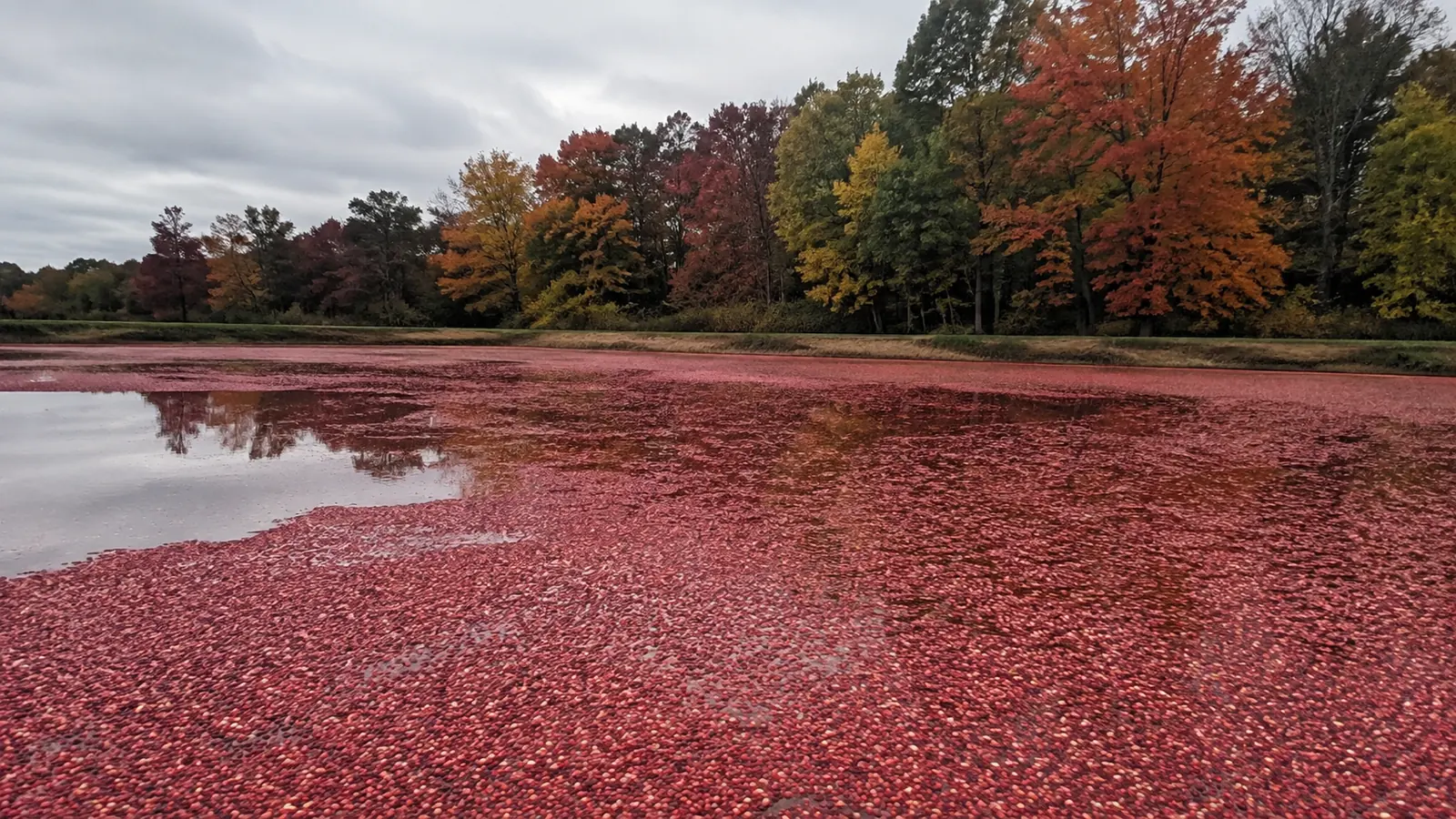
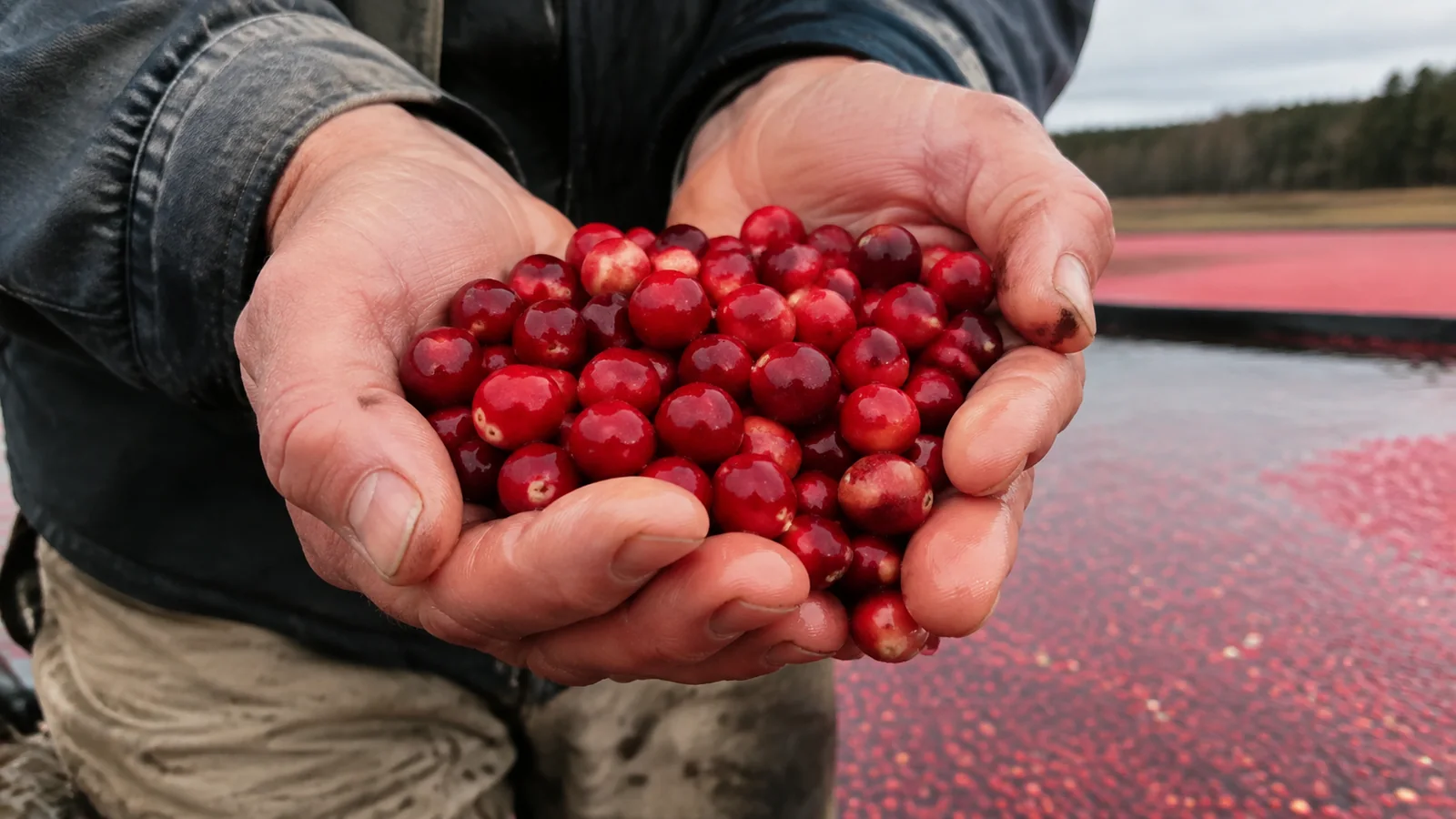
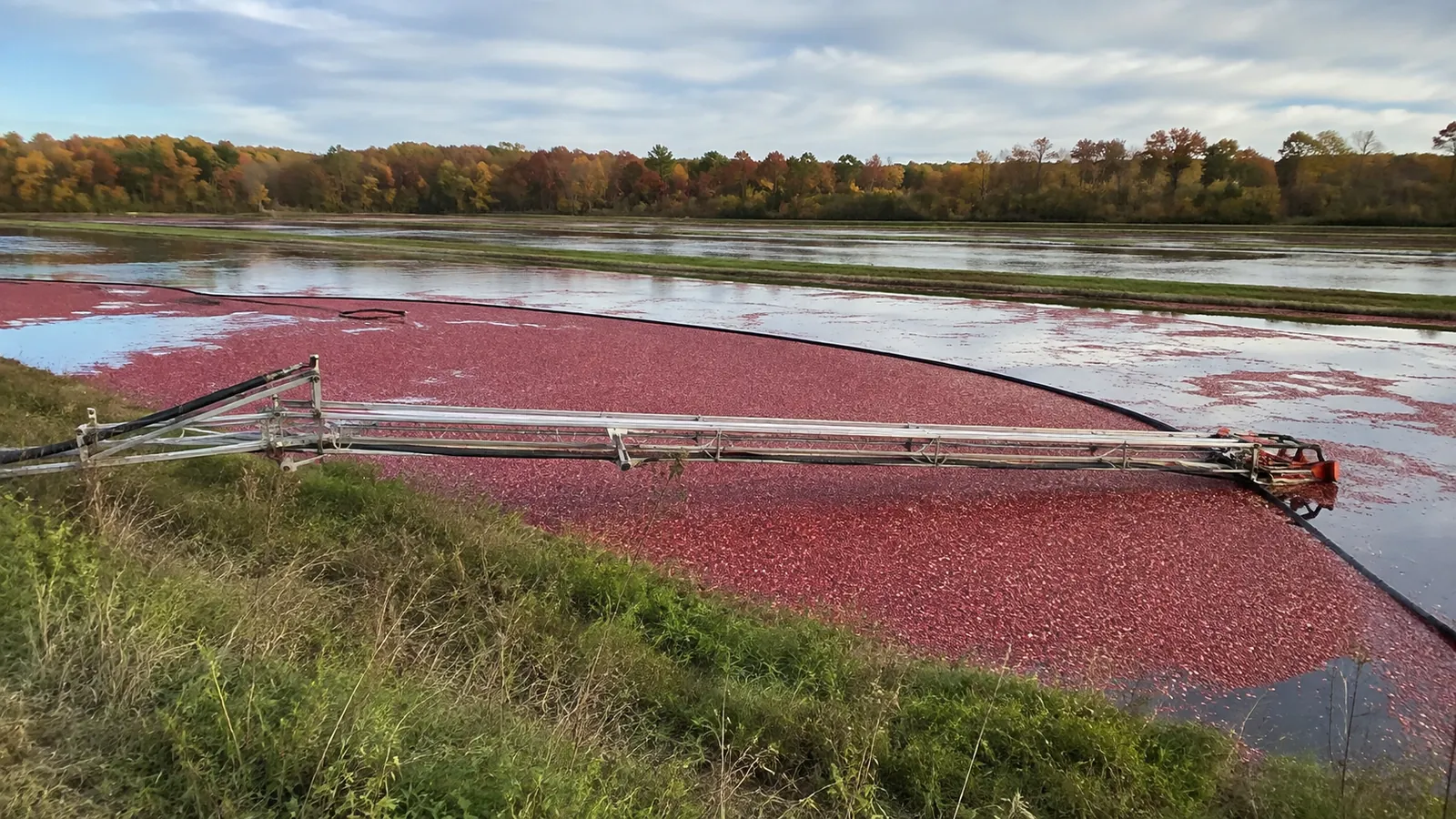
Cranberries grow on low perennial vines in sandy beds commonly called marshes or bogs. Growers may flood a bed for wet harvest, allowing the berries’ internal air pockets to help them float after mechanical removal from the vines.
The Wisconsin State Cranberry Growers Association explains the growth and harvest process on its education page. Water is a management and harvest tool, not the plant’s permanent growing medium.
Some fruit is dry-harvested for the fresh market, while much is wet-harvested for processing. A tour should explain which method you are seeing rather than promising every marsh will resemble a television commercial.
USDA’s 2025 Wisconsin overview reports about 4.6 million barrels of cranberries produced from 19,100 acres, with most utilized fruit going to processing. The USDA state data give useful scale without pretending one season’s figure is permanent.
Choose Central or Northern Cranberry Country
- Best first trip: Wisconsin Rapids and Warrens for the greatest concentration of public visitor options.
- Best road-trip framework: the roughly 50-mile Cranberry Highway in central Wisconsin.
- Best festival weekend: Warrens in late September, with crowds and advance lodging needs.
- Best Northwoods pairing: Manitowish Waters, Eagle River, or Three Lakes with a confirmed tour.
- Best year-round learning backup: an agricultural education center, because live harvest is seasonal.
Central and northern marshes do not belong in one casual day. Wisconsin Rapids to Warrens can form one compact trip, while Manitowish Waters and Eagle River fit a separate Northwoods itinerary.
Use this Upper Midwest road-trip framework to place cranberry country between broader stops without turning the day into highway time. One scheduled farm experience is more valuable than five distant drive-bys.
Time the Harvest, Then Confirm the Farm
Wisconsin’s harvest typically runs from late September through much of October, but each bed is harvested on the grower’s schedule. Variety, ripeness, weather, water, equipment, processing demand, and labor can shift the visible work.
A reservation during harvest season does not guarantee active wet harvest at the exact moment of the tour. Ask whether the experience includes live harvesting, a flooded bed, a wagon ride, a walking route, a demonstration, or only interpretation.
Call or check the farm’s own current page within 24 hours of departure. Rain may not cancel a tour, but lightning, high wind, equipment changes, crop timing, or unsafe surfaces can.
September brings warmer odds and major events, while October usually brings cooler air and stronger fall-color potential. Pack for mud, wind, and rain during either month rather than dressing only for a red-berry photograph.
Use the Official Marsh-Tour List
The growers association maintains a current Wisconsin marsh-tour directory and explicitly reminds visitors that cranberry marshes are private working farms. That page is the starting point because public access, dates, reservations, cost, and experience type differ.
For 2026, the directory lists Wetherby Cranberry Company’s Harvest Days on October 3 and 4, with live harvest scheduled on Saturday but not Sunday. It also lists free Cranberry Learning tours during the Warrens festival from September 25 through 27, with shorter Sunday hours.
Rooted in Red near Wisconsin Rapids operates on selected event days and offers ticketed farm experiences on its own calendar. Wader photographs, food, music, and cocktails make it a more produced visitor experience than a simple educational farm tour.
Private Wetherby tours are listed on weekdays from late September toward Thanksgiving by reservation. Confirm the current duration, price, mobility demands, and whether live harvest will be underway before paying.
Drive the Cranberry Highway Properly
The self-guided Cranberry Highway extends roughly 50 miles across the central growing region from Wisconsin Rapids toward Warrens, with connections through the Pittsville and Nekoosa area. The growers association’s route overview places the drive in an old glacial-lake landscape with historic beds and wildlife habitat.
This is a scenic public-road route, not an all-access farm tour. Stay on public roads, use legal pullouts, obey no-parking signs, and never walk through a gate or onto a dike without explicit permission.
Allow at least two hours for driving and brief stops, then add separate time for a booked tour. Harvest equipment, school buses, farm vehicles, cyclists, wildlife, and leaf-season traffic reward patient driving.
Download the route before leaving town and keep the gas tank above a quarter. Cell reception, restrooms, food, and safe shoulders are not equally available along every rural segment.
Some older route pages still direct travelers to the Wisconsin Cranberry Discovery Center in Warrens. The center’s official social page announced permanent closure in April 2026, so verify any replacement exhibit or reopening before building the day around it.
Warrens Cranberry Festival
The Warrens Cranberry Festival is scheduled for September 25 through 27, 2026, with food, vendors, entertainment, and public cranberry-learning opportunities. It is a major event, not a quiet shortcut to empty farm roads.
Book lodging early, study event parking and shuttle instructions, and expect walking, lines, and traffic. The festival can be the anchor of a weekend, while travelers wanting a focused grower conversation may prefer a separate small-group tour.
Travel Wisconsin’s current food-event calendar confirms the 2026 dates and helps place the festival among other fall events. Recheck the festival’s own schedule for admission, pet, mobility, vendor, and tour details.
Do not assume a festival marsh tour provides the same access as a private tour or a wader experience. Read the activity description and choose the product that actually matches the photograph, education, or farm contact you want.
Northern Wisconsin Marsh Tours
Lake Nokomis Cranberries near Eagle River, James Lake Farms near Three Lakes, and Manitowish Waters growers appear on the 2026 association list. These tours fit a Northwoods lake-and-forest trip better than a central-Wisconsin festival weekend.
Lake Nokomis offers guided farm visits and a store, while James Lake Farms lists Saturday October tours of an organic marsh. Manitowish Waters tours are listed on Fridays from mid-August through early October and use a caravan format in visitors’ own vehicles.
Dates, reservations, accessibility, road surface, and harvest activity vary, so use the directory to reach the operator’s current page. Do not arrive at a farm simply because an old map labels it a tourist attraction.
A northern trip can pair well with waterfalls and fall color, but road distance grows quickly. This northern Wisconsin waterfall route helps select one nearby cluster instead of crossing the region twice.
What a Marsh Tour Actually Shows
A good tour explains vines, beds, irrigation, frost protection, pest management, pollination, harvest equipment, dikes, reservoirs, sorting, and the market for fresh and processed fruit. The most photogenic flooded bed is only one moment in a year-round agricultural system.
You may ride a bus or wagon, walk a farm route, watch from an observation area, sample products, or step into a flooded bed in supplied waders. Never infer hands-on access from a photo unless the ticket description includes it.
Live equipment is loud and drivers may have limited visibility. Stay with the guide, keep children close, and do not cross a dike, hose, cable, conveyor, or vehicle path for a better angle.
Ask questions about water reuse, pollinators, varieties, frost management, and how growers decide between dry and wet harvest. Those answers reveal more about Wisconsin cranberry agriculture than a staged bucket of berries.
Wader Photos Need a Reservation
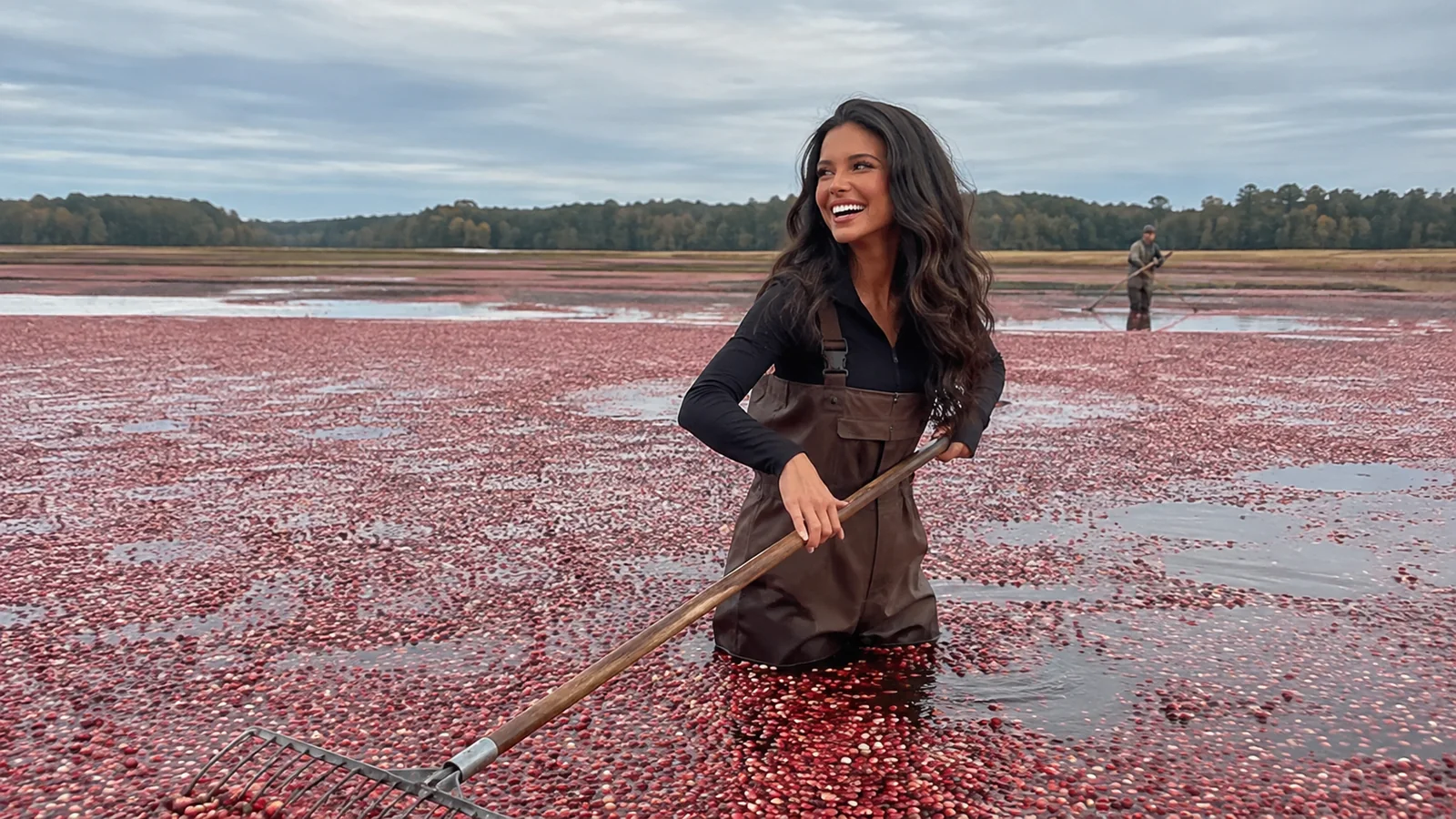
The famous standing-among-floating-cranberries image is a controlled farm experience, not a public right. It requires permission, designated water, supplied or approved waders, staff supervision, and a ticket where applicable.
Ask about minimum age, water depth, changing space, footwear, weight or size range, and what happens if weather interrupts the activity. Travelers with balance, mobility, skin, circulation, or cold-sensitivity concerns should discuss the setup before booking.
Bring close-fitting layers and dry socks, then protect phones with a tethered waterproof case. Keep loose jewelry, bags, and children away from water and equipment unless the operator explicitly allows them.
Family and Accessibility Planning
Farm tours can involve gravel, grass, mud, narrow vehicle steps, standing, background machinery, and limited toilets. “Family friendly” does not establish stroller access, sensory conditions, or a step-free route.
Ask the operator about parking surface, restroom type, walking distance, seating, vehicle boarding, hearing support, service animals, and whether a guest can remain in a vehicle. Get the answer for the exact tour, not the farm in general.
Children will understand more if they know beforehand that berries grow on vines and water arrives later for wet harvest. Give each child one question to ask the grower rather than expecting a long technical talk to hold everyone’s attention.
Photography Without Disrupting the Farm
A medium zoom lens is more useful than leaving the approved viewing area. Ask before photographing workers closely, avoid faces of other guests without permission, and never use a drone unless the landowner and every applicable aviation rule allow it.
Overcast light can make reds richer and reduce harsh reflection from flooded beds. Rain covers and lens cloths often matter more than expensive equipment during harvest season.
Do not climb equipment, handle fruit on conveyors, or ask workers to pause an operation. The harvest is the farm’s income, not a movie set.
Buy Cranberries With the End Use in Mind
Fresh berries, frozen fruit, dried cranberries, sauces, syrups, wine, baked goods, and sweetened products are not interchangeable. Read ingredient lists when sugar content, allergens, alcohol, or dietary needs matter.
Fresh berries travel well when kept cool and dry, but ask the producer about storage and freezing. Do not leave them in a warm car while continuing a full-day road trip.
Buying directly can support the farm, though not every tour sells fresh fruit and not every harvest day has retail hours. Confirm payment method and shop schedule before counting on a souvenir stop.
A Strong Two-Day Central Wisconsin Plan
Day One: Wisconsin Rapids
Book a farm tour or event first, then add lunch and only a portion of the Cranberry Highway. Keep the late afternoon flexible for weather, harvest delays, or a longer grower conversation.
Day Two: Warrens
During festival weekend, arrive early and make the festival plus its learning tour the entire day. Outside the festival, use a reserved Wetherby visit and a legal scenic drive without relying on the now-closed discovery center.
For more route choices, this Wisconsin day-trip planner helps match the cranberry stop with realistic starting regions. Milwaukee, Madison, and the Northwoods are not equally convenient bases.
What to Pack
- Waterproof shoes with tread, dry socks, and layers for wind and rain.
- A compact umbrella only where the operator allows it around equipment.
- Water, snacks, medication, and an offline route.
- A waterproof phone case, lens cloth, and backup battery.
- Cash plus a card because rural payment options vary.
- A cooler for fresh fruit and other farm purchases.
The Honest Bottom Line
Wisconsin cranberry bogs are worth a fall trip when you reserve access and want to understand a working crop, not merely recreate an advertisement. Central Wisconsin offers the strongest first-time route, while northern marshes fit a dedicated Northwoods stay.
Confirm the operator, date, harvest status, and activity before driving, and treat every unlisted marsh as private. The red berries are memorable, but the grower’s explanation is what makes the visit more than a roadside photograph.