Devils Lake Ice Fishing: Safety, Rules and Trip Planning
Devils Lake can deliver a memorable North Dakota ice-fishing trip, but it never guarantees safe ice or a full bucket. Conditions change across the lake, across a pressure ridge, and across a single warm afternoon.
This guide helps you choose guided or independent fishing, prepare the right gear, follow current rules, and build a two or three-day trip without gambling on yesterday’s report.
Devils Lake Ice Fishing at a Glance
- Best first trip: Two guided fishing days with three hotel nights
- Main target species: Walleye, yellow perch, and northern pike
- Best first-timer choice: A licensed local guide with shelter and equipment
- Most important tool: Current, location-specific ice information plus your own checks
- Biggest safety mistake: Treating a reported thickness as lake-wide permission
- Biggest fishing mistake: Expecting last week’s bite in the same depth and location
Start With the Truth About Ice Safety
No ice is completely safe, and Devils Lake is too large and structurally varied for one number to describe it. Shorelines, submerged trees, bridges, channels, current, snow cover, cracks, and pressure ridges can all create local weakness.
The North Dakota Game and Fish ice-safety page gives general guidance of 4 inches of good ice for one person walking, 6 inches for a snowmobile or ATV, 8 to 12 inches for a car or small pickup, and 12 to 15 inches for a medium pickup. These are risk-reduction guidelines for good ice, not guarantees that a route or vehicle is safe.
Game and Fish advises drilling test holes or using a chisel as you move out. It also warns that snow can insulate thin ice and hide cracks or open water, while temperature changes can create dangerous pressure ridges.
Do not drive on lake ice at night or during snow, and do not follow vehicle tracks as proof. A truck ahead of you may know a marked route, weigh less, have crossed earlier, or simply have taken a risk you should not copy.
Guided or Do-It-Yourself?
Choose a Guide for Your First Visit
A guide is the right choice if you lack winter travel experience, do not own a shelter and auger, or have never read large-lake ice. Local knowledge can reduce guesswork about access and fish movement, although no guide can promise safety or a catch.
Ask whether the price includes rods, electronics, bait, heated shelter, transportation on the ice, fish cleaning, and gratuity. Confirm the cancellation policy for unsafe ice, blizzards, extreme cold, or a delayed arrival.
The Devils Lake tourism bureau keeps a current directory of area guide services, but a directory listing is not an endorsement. Check licensing, insurance, recent reviews, group size, equipment, and exactly who will guide your date.
DIY Fishing Requires More Than Gear
Independent anglers need legal access, an ice plan, navigation, shelter, auger, electronics or depth information, emergency equipment, and a vehicle strategy. They also need the discipline to turn around when the route does not match the report.
Ask bait shops and access managers for current information, then verify conditions as you move. Do not expect a business to certify every path across a lake that can exceed your line of sight.
Keep offline maps because cell coverage and batteries can fail in cold weather. Share your access point, fishing area, vehicle description, and return deadline with someone who will act if you miss it.
When to Plan the Trip
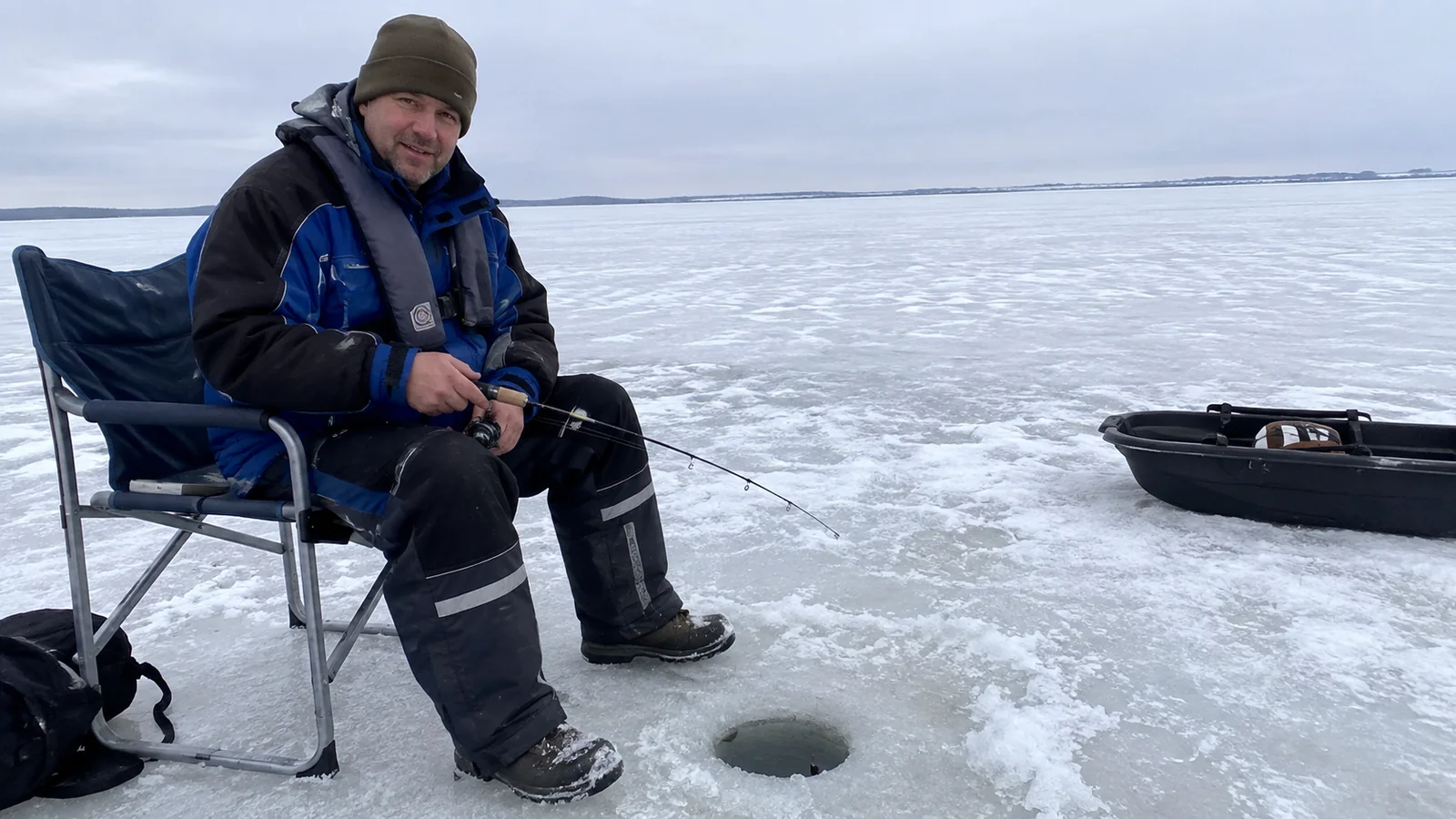
The practical ice season changes every winter. Early ice may offer opportunity but carries thinner, less established travel, while late ice can deteriorate quickly even after a season of heavy vehicle use.
January and February are common planning targets because winter is established, but weather, snow, ridges, and access still vary. Never book a nonrefundable trip based only on how the lake behaved in the same week last year.
Use the tourism bureau’s Devils Lake fishing-report archive for recent local snapshots, then note the report date, named area, source, and weather since publication. A January 2026 report has historical value in September, not predictive value for the coming winter.
Build a backup day in town or accept that safety may cancel the fishing. Trip insurance is useful only when the policy actually covers your relevant weather delay or cancellation reason.
Licenses and 2026-28 Rules
Anyone who needs a license must obtain the correct North Dakota fishing credential before putting a line in the water. The current licensing year and residency status matter, so buy through the state and keep an offline copy available.
North Dakota’s 2026-28 fishing regulations allow up to four poles per angler while ice fishing, with each tip-up counting as one pole. Poles must remain easily visible and within 150 feet, and unattended equipment can become an illegal set line.
Rules also cover legal bait, daily and possession limits, fish transport, gifting, cleaning, dark-house spearing, and large-hole marking. Read the complete current proclamation because one remembered limit does not cover every species or method.
All holes larger than 10 inches in diameter must be marked as required when vacated. Unoccupied ice houses must be removed from state waters beginning at midnight March 15 until ice-out under the current rules.
Do not assume a guide’s limit becomes your permission. Each angler is responsible for knowing what can be kept, how it must be counted, and how cleaned fish must be packaged for transport.
What You Can Catch
Walleye
Walleye often drive Devils Lake trip interest, with lower-light periods commonly shaping an angler’s day. Location and presentation change with weather, oxygen, forage, and fish movement, so a fixed “magic depth” is not useful evergreen advice.
Yellow Perch
Yellow perch can create fast action when a school is located, but they may also require repeated moves and patient electronics work. Marketing language about jumbo perch should never be read as a guaranteed average size or catch rate.
Northern Pike
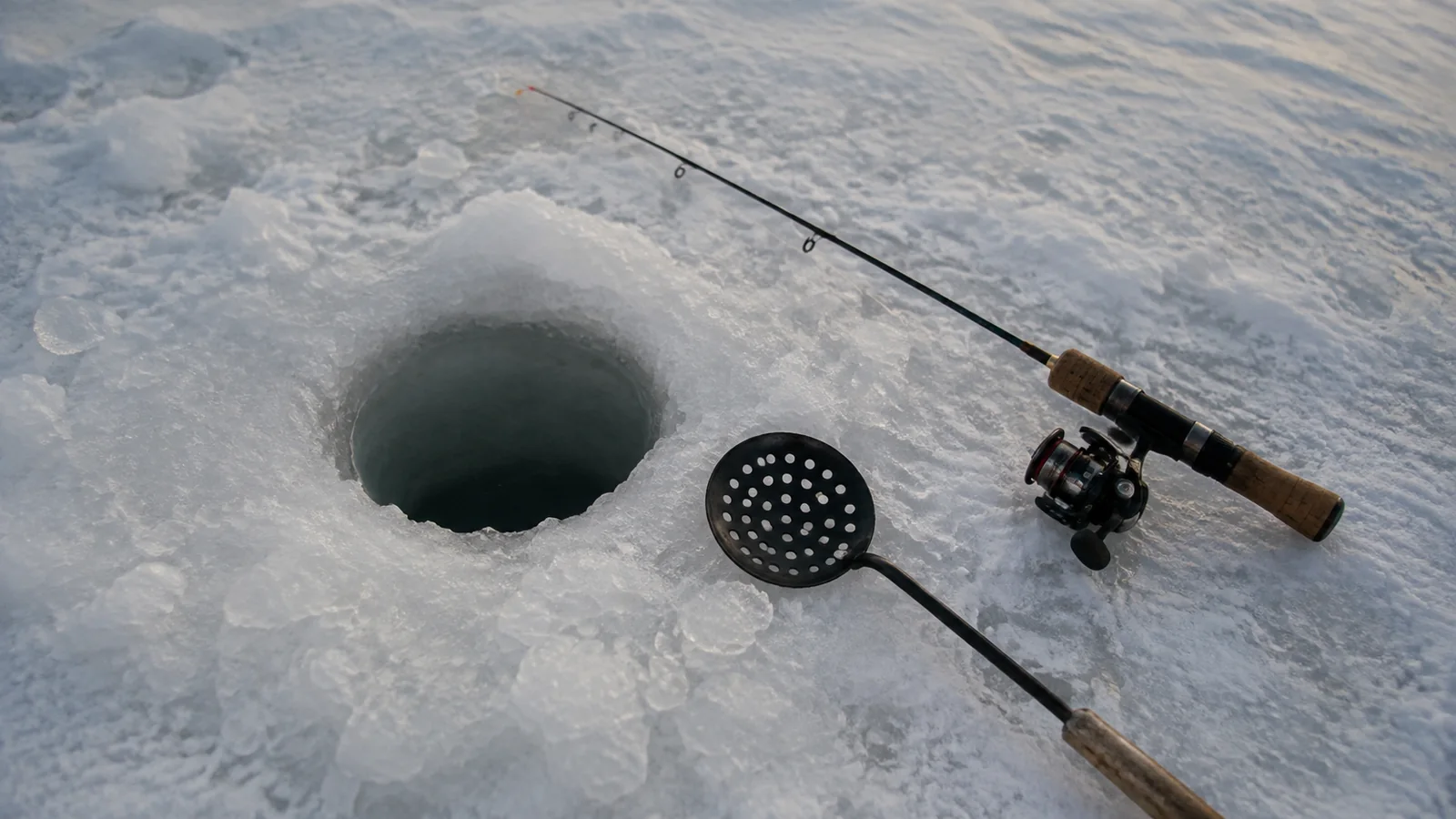
Northern pike bring powerful runs and can be targeted with tip-ups where legal. Use suitable leaders, tools, and handling technique, and keep fingers clear of teeth and hooks.
North Dakota Game and Fish’s 2026 fisheries reporting describes Devils Lake as maintaining solid walleye catches, while perch and pike populations remain influenced by natural reproduction and changing water conditions. That supports a mixed-species plan, not a trophy promise.
A Smart Three-Night Itinerary
Arrival Afternoon
Arrive before dark, check into a Devils Lake hotel, and visit the guide or bait shop if arranged. Confirm the meeting point, start time, provided gear, lunch plan, ice transport, and weather decision process.
Buy the license, screenshot it, and prepare clothing in layers. Avoid a long night out when the alarm may ring well before sunrise.
Fishing Day 1
Treat the first morning as an orientation to lake travel, shelter systems, electronics, bait, and fish handling. Tell the guide honestly about mobility, cold tolerance, and fishing experience.
Record useful lessons instead of only the catch count. Notice how holes are checked, how routes are chosen, and how the group responds when fish or conditions change.
Fishing Day 2
A second day gives weather and fish movement another chance without guaranteeing improvement. It also makes the travel cost more sensible than flying or driving a long distance for one fragile outing.
If conditions cancel, use the day to rest, explore town, or adjust the drive home. Do not pressure an operator into crossing ice they have rejected because your hotel is already paid.
Departure Morning
Leave time to collect frozen fish legally, settle guide gratuity, and check road conditions. Ask how fish are packaged, labeled, and kept cold during your full trip home.
What to Wear
Start with moisture-wicking base layers, add real insulation, and finish with a windproof outer layer. Cotton next to skin is a poor choice because damp fabric steals warmth.
Wear insulated waterproof boots with room to move your toes, wool or synthetic socks, warm gloves, a backup pair, neck protection, and a hat. Ice cleats help on slick surfaces but must be removed where they could damage a vehicle or shelter floor.
A flotation suit can add valuable protection, especially during early or uncertain conditions. Ice picks should ride where you can reach them immediately, not inside a sled or zipped backpack.
My general travel tips include useful layering and backup-power habits, but fishing cold requires purpose-built gear. Ask the guide what they provide and what past guests most often underestimate.
Essential DIY Safety and Fishing Gear
- Ice chisel and tape measure for repeated checks
- Wearable ice picks and a throw rope
- Personal flotation suited to the conditions
- Auger, scoop, legal tackle, and bait
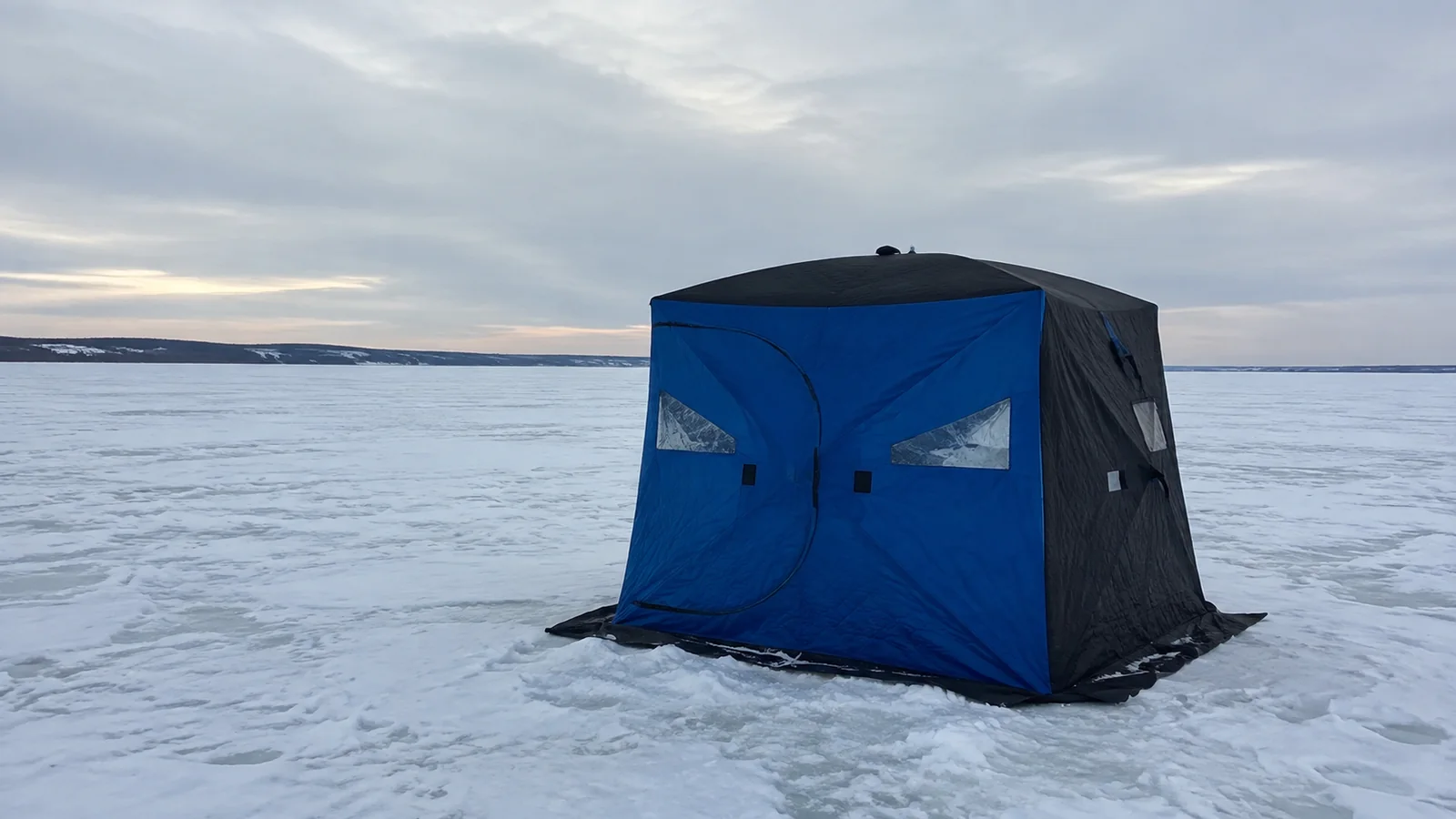
- Heated shelter with safe ventilation and approved fuel setup
- Offline navigation, charged phone, and power bank kept warm
- First-aid kit, emergency blanket, food, and hot nonalcoholic drink
- Fire extinguisher and carbon-monoxide awareness for heated shelters
Never use a heater in a way its manufacturer forbids, and maintain ventilation even when the wind hurts. Carbon monoxide has no warning smell, while frostbite and hypothermia can impair judgment before the angler recognizes the problem.
Vehicle and Road Planning
Driving to Devils Lake may be the easiest way to carry winter gear, but North Dakota wind and blowing snow can close or obscure roads. Check the state road map before departure and keep fuel above half a tank.
My Upper Midwest road-trip framework helps with the regional drive, but winter timing needs much larger buffers than a summer itinerary. Tell the hotel or guide if weather will delay arrival.
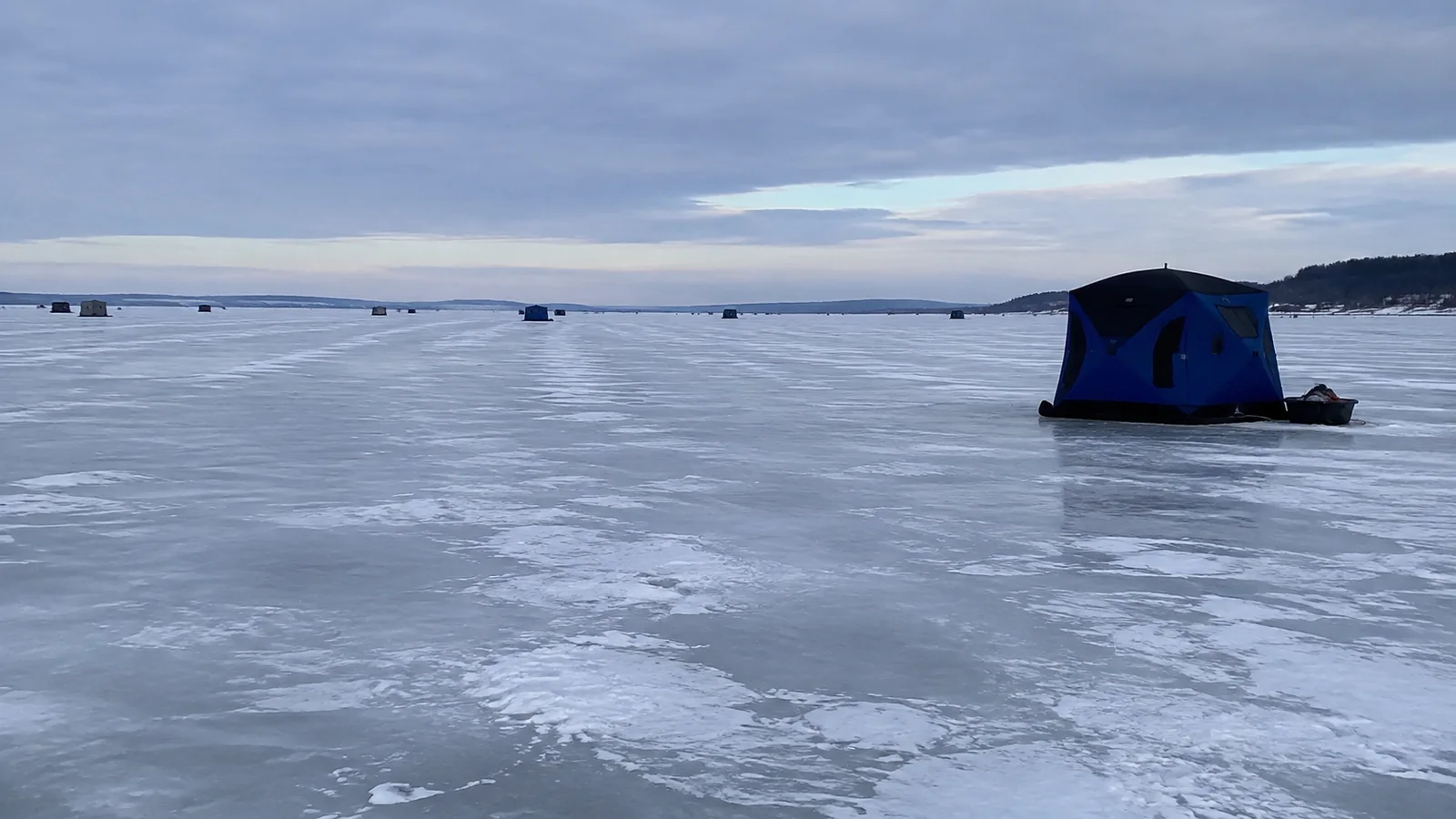
On the lake, a four-wheel-drive truck does not make weak ice stronger. Park with separation when instructed, keep windows accessible, unbuckle seat belts when crossing ice if local safety guidance calls for it, and follow the operator’s route.
Lodging and Full-Trip Cost
Stay in or near Devils Lake rather than adding a long predawn winter commute. Compare parking for trailers, fish-freezer access, breakfast hours, cancellation terms, and space to dry gear.
Budget for the guide, lodging, license, bait, meals, gratuity, winter clothing, fuel, equipment rental, and fish transport. A cheap day rate can become poor value when shelter, electronics, and lake transportation cost extra.
Families and groups should clarify minimum age, restroom plan, shelter capacity, and whether everyone fishes under the same service terms. For first-time trip organization, these practical travel habits help keep documents, backups, and shared expectations organized.
Fishing Ethics That Protect the Experience
Keep only fish you will use, handle releases quickly, and never leave line, bait containers, fish parts, or trash on the ice. Follow aquatic-nuisance-species rules for water, bait, equipment, and transport.
Give other shelters and anglers space, especially after seeing someone catch a fish. A productive GPS point is not permission to crowd a group or publish its exact location.
Devils Lake limits and licenses
The North Dakota 2026–28 fishing proclamation applies from April 1, 2026, through March 31, 2028. For ordinary hook-and-line fishing on Devils Lake, the statewide limits are five walleye/sauger/saugeye combined daily and ten in possession, five northern pike daily and ten in possession, and 20 yellow perch daily and 40 in possession.
Residents and nonresidents age 16 or older need a fishing license; residents younger than 16 may keep their own limit without one. A nonresident younger than 16 may also keep a limit without a nonresident license when accompanied by someone holding a valid fishing license.
Choose the resident annual license if eligible, or compare the nonresident short-term and annual products for your actual fishing dates. A possession limit is not an extra daily allowance, so count fish in your cooler and lodging freezer before keeping more on a second or third day.
Transport rules require fish to remain identifiable and countable; check the proclamation’s fillet and packaging instructions before a guide cleans the catch. Gifted fish need the donor’s name, license number, phone, date, species, and number, and transporting somebody else’s catch generally requires that license holder to accompany it unless an exception applies.
The Bottom Line
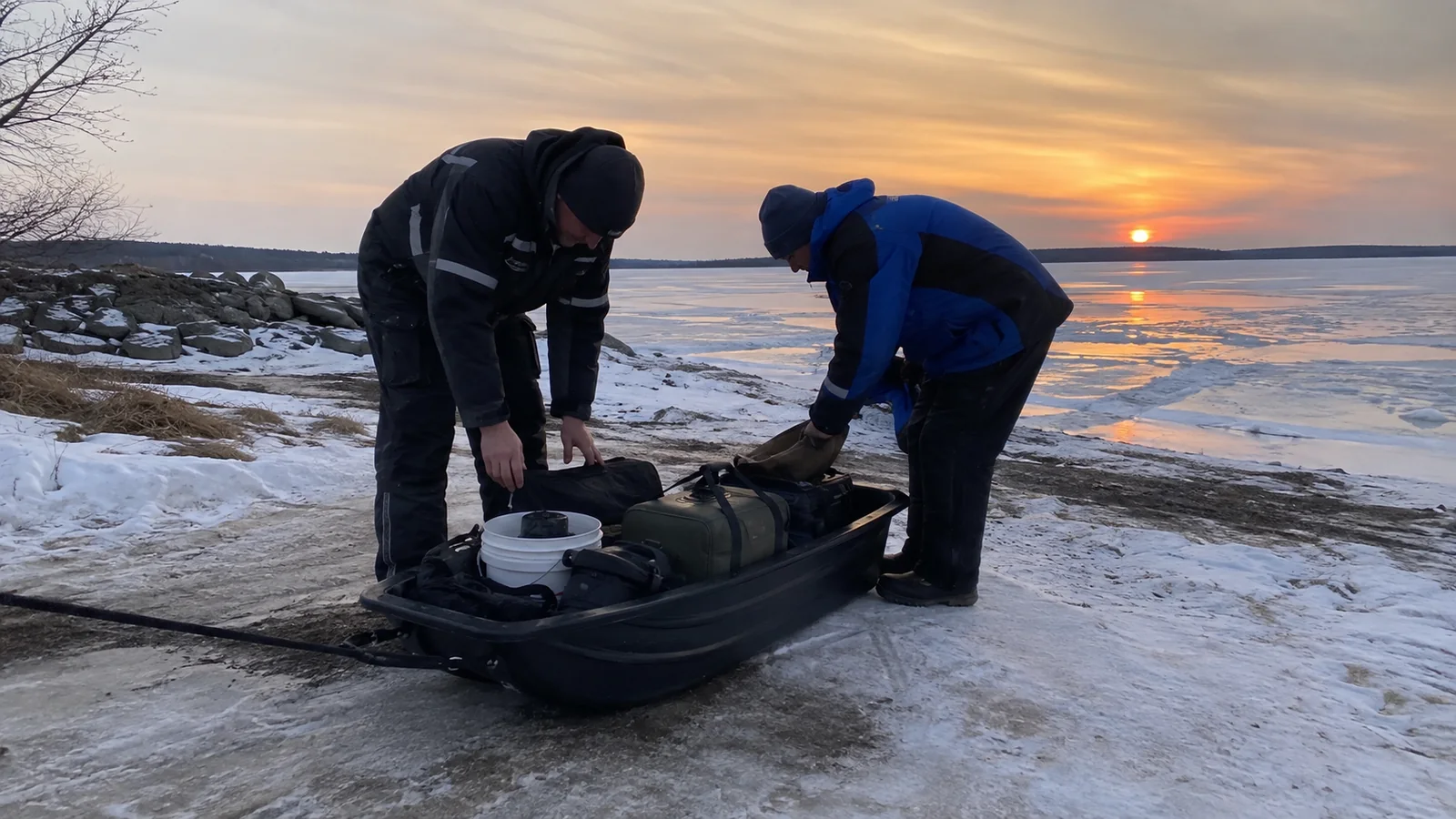
For a first Devils Lake ice-fishing trip, book three nights and two guided days, then treat every day as condition-dependent. A good guide, legal preparation, serious winter clothing, and a willingness to cancel matter more than a promising report.
The lake can offer excellent walleye, perch, and pike fishing without guaranteeing any of them. Success means everyone returns warm and safe, with the fish as a welcome bonus.