South America Cruises: Pick the Right Route
There is no single South America cruise. One itinerary is beaches and late-night cities, another is cold-water expedition landings, and another is a wildlife voyage reached by flying to Ecuador, so choose the trip style before choosing the ship.
Which South America Cruise Is Best for You?
- Best first cruise: Buenos Aires to Santiago through Patagonia
- Best for city lovers: Brazil, Uruguay, and Argentina
- Best for wildlife and expedition days: Antarctica or the Galápagos
- Best for rainforest scenery: an Amazon River or lower-Amazon ocean itinerary
- Best for time-rich travelers: a full-continent or repositioning voyage
- Best for a familiar resort rhythm: Brazilian coast sailings with several beach ports
Patagonia is my strongest all-around recommendation because it combines recognizable cities, remote scenery, wildlife possibilities, and a satisfying one-way route. The tradeoff is rough-water potential, tender-dependent calls, cool weather, and a schedule that may change when wind says no.
1. Patagonia and Cape Horn Cruises
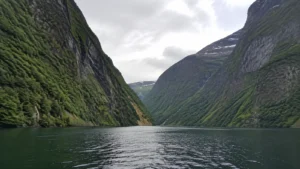
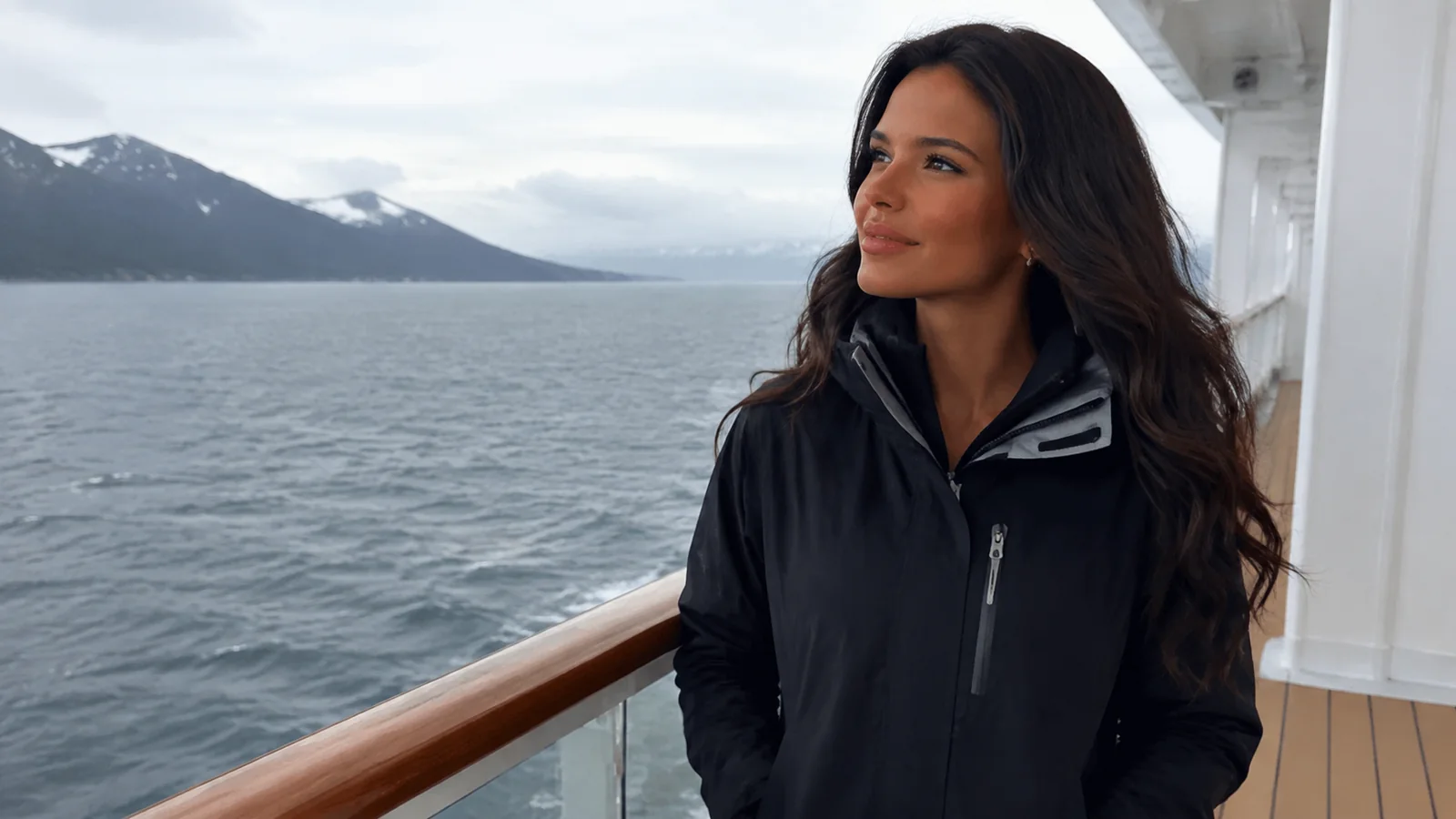
Most classic routes run between Buenos Aires and Santiago’s cruise gateways, often calling in Uruguay, the Falkland Islands, Ushuaia, Punta Arenas, and Chilean fjord ports. Exact ports vary widely, and “Santiago” usually means a coastal terminal followed by a substantial land transfer.
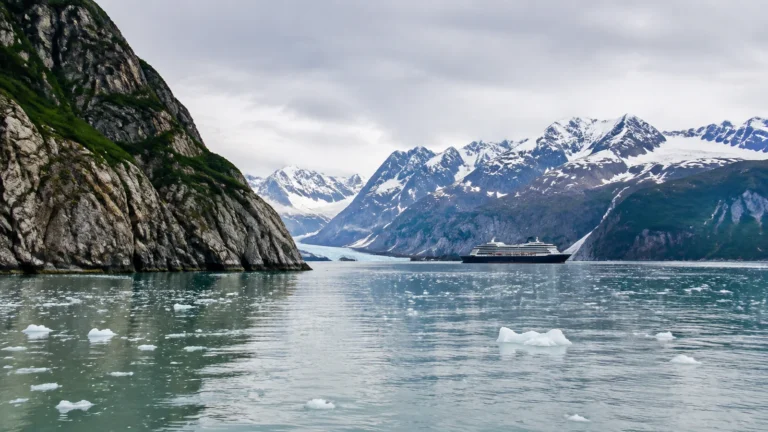
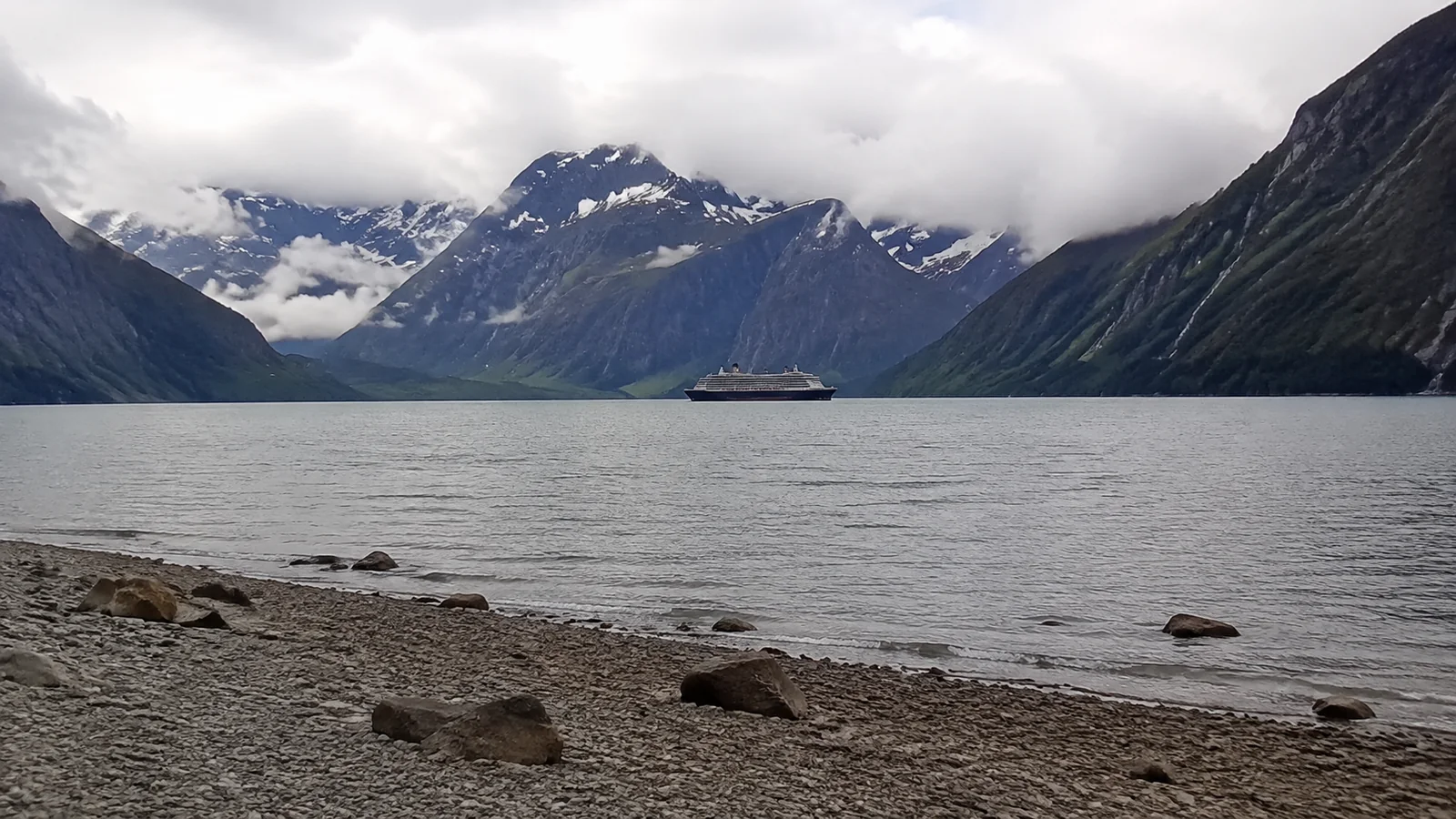
Choose this route for glaciers, penguin-country possibilities, mountain scenery, and the feeling of rounding the continent rather than circling a beach region. Cape Horn itself can be a scenic sail-by, a small-vessel landing, or a missed experience depending on ship, operator, sea, and permit conditions.
A 14-night itinerary is usually more convincing than a compressed voyage because southern distances are enormous. Read the sequence for sea days, daylight arrival times, tender labels, and whether scenic channels are named experiences or simply necessary navigation.
Who Will Love It
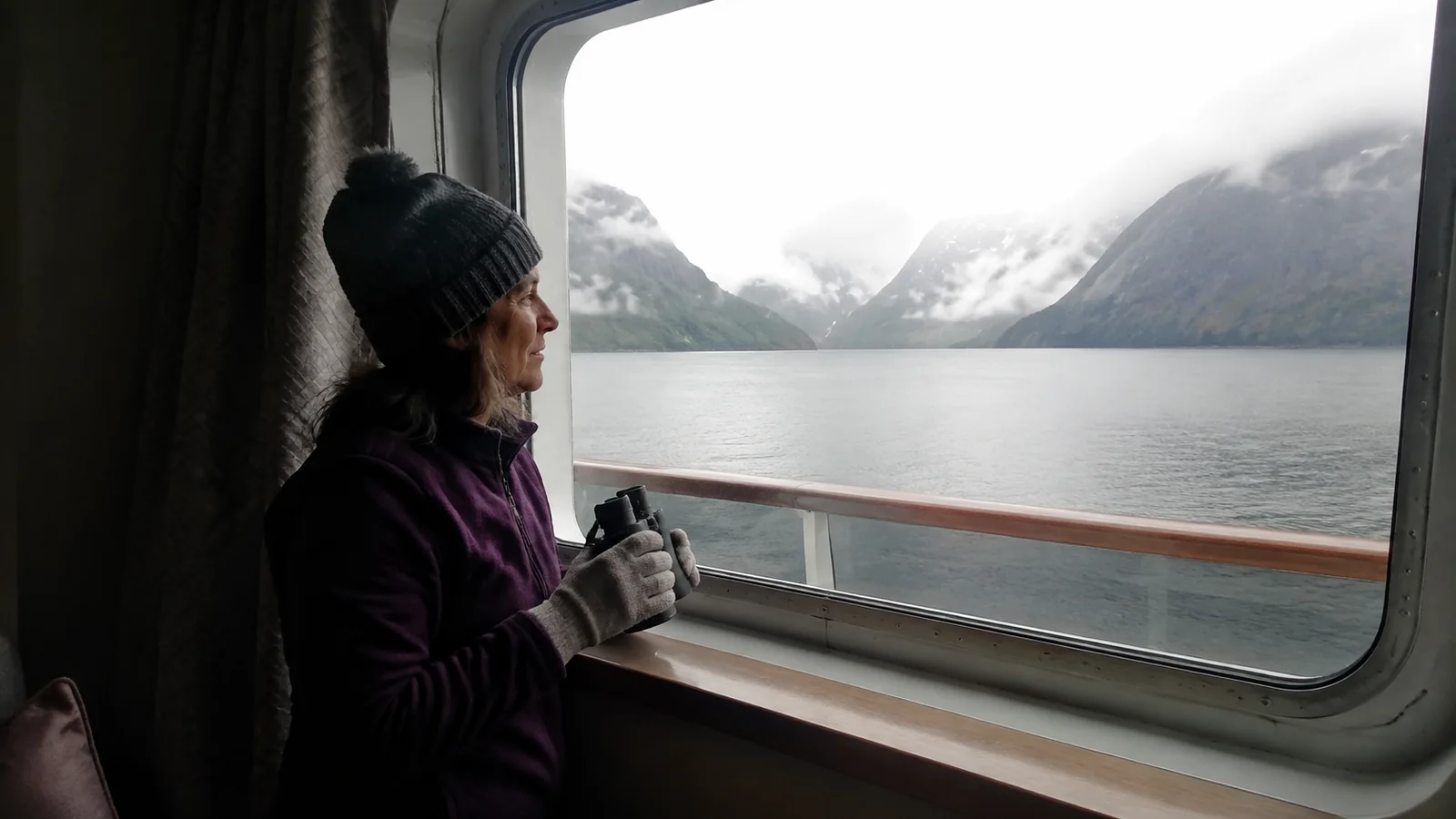
This is right for travelers who enjoy deck watching, natural history, layered clothing, and ports where the landscape outranks shopping. It is less suitable for anyone expecting consistently warm pool weather or guaranteed wildlife on a fixed clock.
2. Brazil, Uruguay, and Argentina Cruises
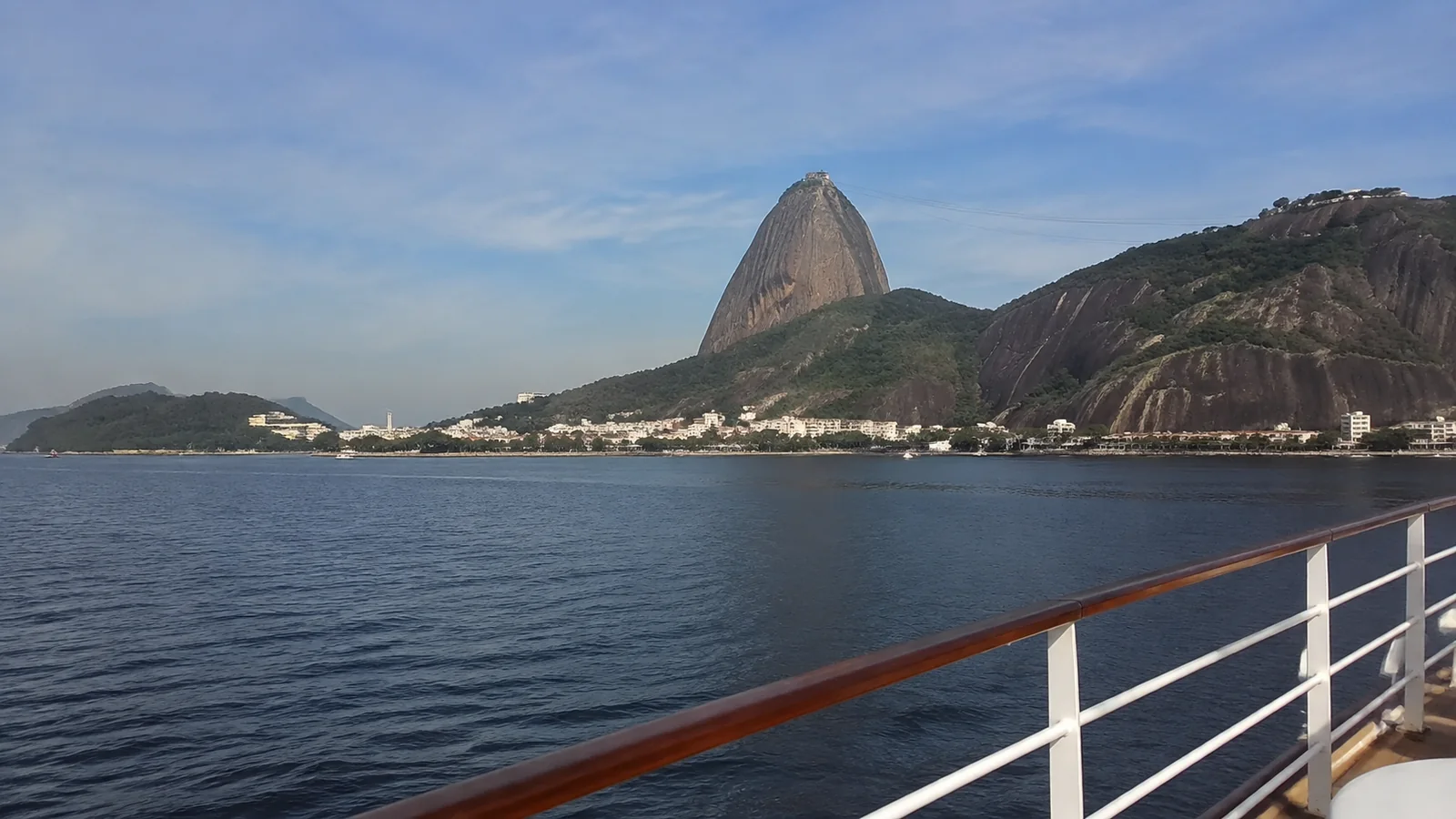
Atlantic routes may combine Rio de Janeiro, coastal Brazil, Montevideo, Buenos Aires, and smaller resort ports. They offer the easiest mix of urban culture, beaches, food, architecture, and nightlife, but the strongest cities need more than a rushed excursion window.
Look closely at embarkation day because Rio and Buenos Aires deserve at least two land nights. A cruise line’s airport transfer does not replace time to recover from a long flight, handle delayed luggage, and see the city beyond a bus window.
Brazil currently requires U.S., Canadian, and Australian tourists to obtain the appropriate visitor visa or eVisa before travel. The Brazilian Ministry of Foreign Affairs explains the official electronic visa process, and cruise passengers should never assume the ship can waive a national entry rule.
Who Will Love It
Pick this region when music, neighborhood walks, markets, restaurants, and famous waterfronts matter more than expedition equipment. Beach quality and distance from the pier vary by call, so research each port instead of treating “Brazil” as one continuous resort.
3. Antarctica From South America
Most Antarctic Peninsula voyages stage through southern South America, commonly Ushuaia, with some fly-cruise options using Chile. A true expedition is defined by its operations, guides, small craft, landing plans, and environmental procedures, not by a ship’s designer lounge.
Ship size changes the experience dramatically. IAATO’s current vessel categories describe traditional expedition ships carrying 13 to 200 passengers, midsize landing vessels carrying 201 to 500, and ships over 500 operating cruise-only without Antarctic landings.
Even on a landing-capable voyage, ice, wind, wildlife, and site capacity decide what happens. Buy the expedition approach, not a promise that a particular beach, penguin colony, or channel will appear exactly as printed.
The Drake Passage adds open-ocean time and motion risk, while fly-cruise programs reduce ship time but introduce weather-sensitive flights and luggage limits. Ask a travel clinician about motion-sickness options before departure, using the CDC’s current evidence-based overview rather than waiting until the ship is rolling.
Who Will Love It
Choose Antarctica if small-craft operations, wildlife observation, lectures, cold decks, and flexible daily plans sound exciting. Skip it if stepping ashore is essential but the selected ship is cruise-only, or if the cost would make every weather cancellation feel like a betrayal.
4. Galápagos Cruises
The Galápagos is a separate Ecuador trip, not a convenient extension from Buenos Aires or Rio. Most travelers fly through mainland Ecuador, then join a licensed vessel or land program that follows protected-area itineraries.
A small ship lets you wake near visitor sites and reach multiple islands without repeatedly returning to one hotel. A land-based stay can offer more room, restaurant choice, and local independence, but daily boats involve additional transfers and do not replicate every cruise route.
Compare naturalist staffing, activity groups, snorkeling support, cabin ventilation, boat stability, and the exact island sequence. The Galápagos National Park’s official arrival information shows how even the Baltra-to-Santa Cruz transfer involves several steps, while cruise guests are normally met for ship transfer.
Who Will Love It
This is the wildlife-first choice for travelers happy to organize the day around protected sites, naturalist instructions, and water activities. It is not the best fit for anyone primarily seeking nightlife, unrestricted wandering, or a conventional mega-ship schedule.
5. Amazon Cruises
“Amazon cruise” can mean an ocean ship sailing the broad lower river from the Atlantic or a much smaller vessel exploring tributaries from an inland gateway. Those are different products with different wildlife access, water-level effects, small-boat time, medical remoteness, and heat.
Ocean itineraries make the scale and port cities accessible, but a large ship cannot deliver the same creek-level observation as a purpose-built river vessel. Expedition-style programs demand more from mobility, insect protection, humidity tolerance, and schedule flexibility.
Ask exactly how many outings use skiffs, how long transfers take, which activities happen before sunrise or after dark, and what happens when water levels alter routes. Consult a travel-health professional early because vaccination advice, mosquito-borne disease risk, and entry-certificate requirements depend on the complete country sequence and medical history.
Who Will Love It
Choose the Amazon for ecology, birds, river communities, and small-boat exploration, not guaranteed checklist sightings. Travelers who struggle with heat or need immediate specialty care should examine the operational details with unusual care.
6. Full-Continent and Repositioning Voyages
Long voyages may connect the Caribbean, Panama Canal, Pacific coast, Cape Horn, Atlantic coast, or even another continent. They reduce flights and unpacking, but long strings of sea days, repeated industrial ports, visa complexity, and expensive one-way airfare can change the value calculation.
Map every port and identify what “gateway” means before comparing price per night. A headline destination such as Machu Picchu may require a separate multi-day overland program, altitude planning, limited inventory, and a major additional charge.
The month-long cruise options help frame whether you enjoy travel at that scale. A grand voyage is a lifestyle for several weeks, not merely a longer version of a seven-night vacation.
When to Cruise South America
Patagonia and Antarctic traffic center on the Southern Hemisphere’s warmer months, while tropical and equatorial regions follow different rain, heat, river, and wildlife patterns. There is no continent-wide best month, which is why a generic shoulder-season rule can be actively unhelpful here.
Use the regional cruise calendar to narrow the season, then verify the exact ports. Weather can cancel a tender in summer, and a lower fare can simply reflect a route with fewer expedition-style opportunities.
How to Compare Ships Honestly
For Mainstream Coastal Cruises
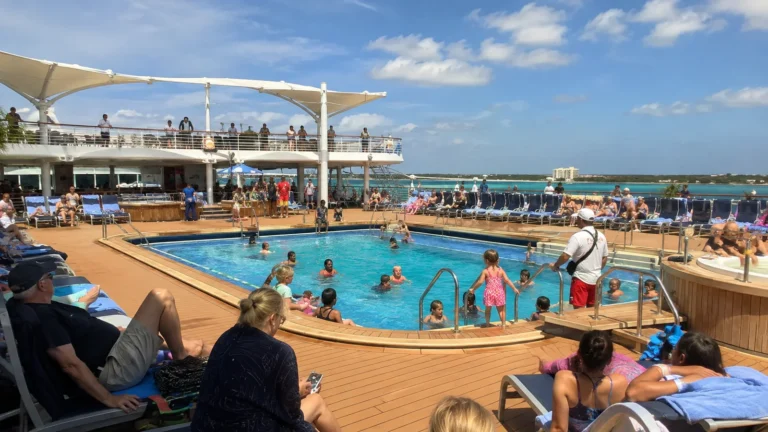
Prioritize port times, tender frequency, pool enclosure, sheltered viewing space, laundry, dining hours, and language mix. A spectacular atrium is less important than warm sightlines when several southern days are cold and windy.
For Expedition Cruises
Compare passenger count, guide ratio, small-craft loading, included boots or parkas, activity eligibility, medical capability, and landing rotation. The small-ship planning checklist can help you ask sharper questions before paying an expedition deposit.
For Solo Travelers
Check the total solo price, not the advertised supplement, along with cabin location, hosted gatherings, roommate programs, and expedition activity groups. A low supplement loses its shine when required flights, charter transfers, hotels, or gear packages are excluded.
What the Cruise Fare May Not Include
Budget for international and regional flights, pre-cruise hotels, visas, reciprocity or park fees, gratuities, drinks, specialty dining, transfers, insurance, and excursions. Expedition fares may include more, but two operators using the word “all-inclusive” can exclude very different items.
Read cancellation terms for charter flights and missed embarkation, especially in remote gateways. The U.S. State Department’s cruise travel guidance also reminds long-voyage travelers to maintain adequate passport pages for visas and stamps.
Port Days Need a Different Strategy
Buenos Aires, Rio, Montevideo, Lima’s wider region, and Santiago’s wider region reward independent planning, but the berth may be far from the attraction. Tender ports, national-park sites, and remote calls reward ship tours when transport scarcity or sailing time creates real risk.
Never book a same-day flight to embark, and allow at least one full buffer day before remote departures. For Antarctica or Galápagos, two nights can be smarter when weather, baggage, charter arrangements, or separate tickets create more failure points.
Health, Insurance, and Mobility
Buy insurance that covers the destinations, evacuation realities, and activities you actually booked. Ordinary medical coverage may not function the way you expect at sea, in Antarctica, or on a tributary hours from a major hospital.
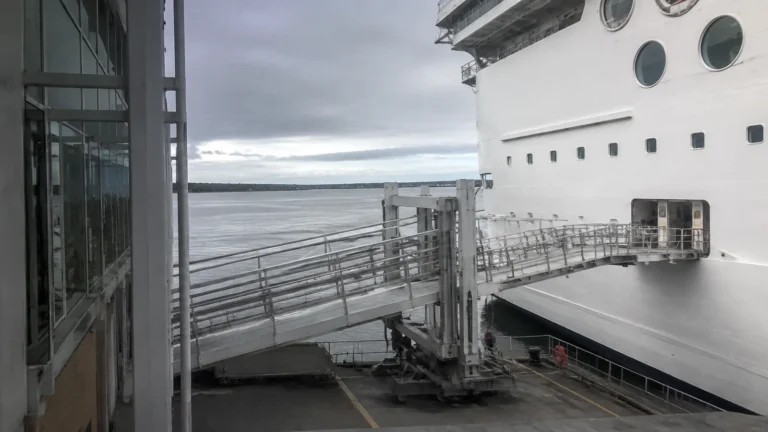
Ask about gangway slope, tender transfers, wet landings, small-craft boarding, and walking surfaces before paying. A ship labeled accessible can still visit ports where going ashore requires steps, a moving Zodiac, or a tender the captain cannot safely operate.
Bring prescriptions in original labeled containers, extra essential medication, sun protection, warm waterproof layers, and a compact day bag. Hot rainforest ports and near-freezing expedition days may appear in the same long itinerary, so pack by activity instead of by continent.

Routes, actual ports, and useful sailing months
I would compare these products by the water they sail and the port where you board, because a gateway airport can be far from the ship. The month ranges below describe the usual operating pattern, while the linked departure calendar controls a specific trip.
- Route type: Southern coastal South America
- Named example and actual embarkation: Holland America’s Chilean Fjords & Glaciers, Buenos Aires to San Antonio or reverse; Santiago is the Chilean air gateway, not the seaport
- Typical timing and duration: Usually November–March, roughly 14–15 days
- Route type: Patagonian expedition fjords
- Named example and actual embarkation: Australis Patagonian Explorer, Ushuaia to Punta Arenas
- Typical timing and duration: Austral spring through fall, broadly September–April; five days/four nights
- Route type: Peruvian Amazon
- Named example and actual embarkation: Aqua Expeditions’ Aria Amazon or Aqua Nera, boarding around Nauta after the Iquitos airport transfer
- Typical timing and duration: Year-round, three, four, or seven nights; high-water and low-water routes differ
- Route type: Galápagos
- Named example and actual embarkation: Celebrity Flora Inner Loop, Baltra Island; Quito or Guayaquil is the mainland air gateway
- Typical timing and duration: Year-round seven-night cruises; December–May is generally warmer, June–November cooler and more influenced by currents
- Route type: Antarctic expedition
- Named example and actual embarkation: Quark Antarctic Explorer, with the exact package starting in Ushuaia or Buenos Aires before ship embarkation at Ushuaia
- Typical timing and duration: Broadly November–March, commonly 11 days including gateway arrangements
For the Amazon, December through May generally brings higher water and June through November lower water in the Peruvian operating region, which changes boat access and walking opportunities. Neither pattern guarantees a wildlife sighting, and an ocean cruise calling at Manaus is a different product from a small Nauta-based forest expedition.
For Patagonia and Antarctica, shoulder-season dates can be appealing but daylight, ice, weather, and wildlife behavior differ from midsummer. I would reserve separate gateway nights around the cruise and judge any Buenos Aires, Santiago, or Quito extension by the actual flight and transfer sequence rather than the headline cruise length.
My South America Cruise Recommendation
For a first voyage, book a 14-night Patagonia route with two pre-cruise nights and one post-cruise night. It delivers the continent’s scale without requiring the expedition budget and operational intensity of Antarctica.
Choose Antarctica or Galápagos only when the protected landscape and daily wildlife program are the reason for traveling. Choose the Atlantic coast when cities and warmth matter most, and choose the Amazon only after deciding whether you want an ocean passage or a true small-river expedition.