A Practical First-Time Traveler’s Guide to Scandinavia
Scandinavia is easy to admire and surprisingly easy to overplan. A strong first trip connects Copenhagen, Stockholm, Oslo, and Bergen in 14 days, uses trains where scenery or convenience earns the time, and saves Arctic Norway or Swedish Lapland for a separate journey.
Which countries are in Scandinavia?
This guide uses Scandinavia to mean Denmark, Norway, and Sweden. Finland and Iceland are Nordic countries with close regional ties, but adding both to a two-week itinerary turns a focused rail trip into a string of airport days.
If Iceland is your true priority, build it as a separate stopover or standalone trip. These Iceland lighthouse routes show why its weather, road access, and distances need their own plan.
The same logic applies to northern Scandinavia. Tromsø, Lofoten, Abisko, Kiruna, and the North Cape are not casual day trips from Oslo or Stockholm, even when a flight looks short.
How many days do you need in Scandinavia?
Fourteen days gives Copenhagen, Stockholm, and Oslo two or three nights each, a full scenic rail day, and three nights around Bergen. Ten days can cover the three capitals, but Bergen and a satisfying fjord day make the pace tight.
Three weeks lets you add Gothenburg, a Danish island, rural Sweden, or a slower Norway segment. Four weeks is a better starting point for combining the southern capitals with an Arctic destination.
Use an open-jaw flight into Copenhagen and home from Bergen or Oslo when pricing permits. Returning to the starting city may look cheaper until you add another hotel, train, airport transfer, and lost vacation day.
A realistic 14-day Scandinavia itinerary
- Days 1 to 3: Copenhagen
- Day 4: Train to Stockholm
- Days 5 to 7: Stockholm and one archipelago outing
- Day 8: Train to Oslo
- Days 9 and 10: Oslo
- Day 11: Bergen Line to Bergen
- Days 12 to 14: Bergen and one fjord day
This itinerary prioritizes cities, design, museums, food, rail scenery, and a taste of the fjords. It is not an aurora itinerary, a midnight-sun itinerary, or a hiking expedition.
Days 1 to 3: Copenhagen without rushing
Day 1: arrive and learn the center
Take the Metro or regional train from Copenhagen Airport and leave luggage before sightseeing. VisitDenmark says both connect the airport with the center in under 15 minutes, but the best service depends on your exact hotel stop.
The official Denmark transport overview links the national journey planner and ticket information. Buy the correct zones before boarding and do not assume a contactless credit-card tap alone is a valid ticket on every service.
Keep the first afternoon around Nyhavn, Kongens Nytorv, the inner harbor, and pedestrian streets. A canal tour is useful when everyone is awake, but it is a poor nonrefundable booking immediately after an overnight flight.
Day 2: royal Copenhagen and one major museum
Start at Rosenborg Castle and the King’s Garden or choose Christiansborg Palace for political and royal history. Each site has separate spaces, admissions, security, and event closures, so check the exact rooms included on your date.
Choose one substantial afternoon museum, such as the National Museum, SMK, Designmuseum Danmark, or Ny Carlsberg Glyptotek. Trying to combine two collections with Rosenborg and a canal cruise produces more coat checks than Copenhagen.
Tivoli Gardens is seasonal and ticket types separate admission from unlimited rides. Confirm its calendar before booking a hotel around an evening that does not exist.
Day 3: neighborhoods or a day trip
Stay in Copenhagen for Christianshavn, Vesterbro, Nørrebro, food markets, or a harbor swim only when an official bathing zone is open and conditions are safe. The Little Mermaid is a short photo stop, not the anchor for an entire morning.
For a day trip, choose either Louisiana Museum of Modern Art, Helsingør and Kronborg Castle, or Roskilde. Each follows a different rail line, and stacking two creates a transport exercise.
Cycling looks effortless because locals are skilled and the infrastructure is strong. Rent a bike only if you can signal, shoulder-check, keep out of pedestrian space, and follow lights without freezing in a busy lane.

Day 4: Copenhagen to Stockholm
Direct and connecting trains cross the Øresund and continue through southern Sweden, usually consuming five to six hours before delays. Book the through itinerary with the operating railway, reserve the seat where required, and carry the passport used for the trip.
Visit Sweden notes that long-distance train tickets cannot simply be purchased onboard, and the official rail overview explains the major operators. Check planned works again a few days before departure because summer construction can replace a segment with buses.
Pack food or buy it before the platform if onboard service matters to you. Leave at least 30 minutes between separately ticketed connections, longer when a missed train would strand you overnight.
Arrive in Stockholm, check in, and walk around your own district. Gamla Stan is more enjoyable the next morning than after six hours of travel and a frantic museum sprint.
Days 5 to 7: Stockholm and the archipelago
Day 5: Gamla Stan and the city story
Start early in Gamla Stan, then see the Royal Palace exterior and visit only the royal spaces that match your interests. Ceremonies, state activity, and seasonal schedules can alter public access.
Continue to the Nobel Prize Museum or cross to a viewpoint and neighborhood walk. Cobblestones, slopes, and winter ice make apparently short historic-center distances harder for wheels and limited mobility.
Eat lunch away from the narrowest souvenir lanes if value matters. Sweden does not require every meal to be meatballs, cinnamon buns, and pickled herring served in one sitting.
Day 6: Djurgården museums
Reserve the Vasa Museum and pair it with one nearby attraction, such as Skansen, ABBA The Museum, the Viking Museum, or the Nordic Museum. Djurgården looks compact, but each major venue can occupy several hours.
Families may choose Vasa plus a focused Skansen visit, while music fans can swap Skansen for ABBA. Book timed or capacity-controlled attractions before buying a city pass that may not secure entry.
Use tram, bus, or passenger ferry depending on your hotel and current service. A public ferry can be practical transport, but it is not a substitute for a narrated archipelago cruise.
Day 7: choose the right archipelago scale
For an easy outing, choose a nearer island such as Vaxholm or a short sightseeing cruise. Farther islands deliver more seclusion but spend more of the day in transit and offer fewer backup departures.
Public Waxholmsbolaget ferries run year-round on parts of the network, with more departures in summer. Check the outbound and return times before boarding, and confirm whether your local transit product covers that exact boat.
Pack a layer, rain protection, and food when island services are limited. Never assume a sunny Stockholm morning guarantees calm water or an open cafe at the far end.
Day 8: Stockholm to Oslo
The direct rail journey commonly takes around five to six hours when the through service operates. Buy from the actual operator, choose a flexible fare if disruption would be costly, and check whether track work adds a transfer.
A flight is faster in the air but adds airport transfers, security, bag rules, and waiting. The train usually wins for center-to-center simplicity unless the timetable on your date is poor.
Sweden and Norway use different currencies, and Norway is not an EU member even though it participates in Schengen and closely linked regional travel systems. Your phone plan, card fees, and insurance terms can therefore differ at the border.
Days 9 and 10: Oslo by neighborhood
Day 9: waterfront and central Oslo
Walk the Opera House exterior, Bjørvika, the harbor promenade, City Hall area, and Akershus Fortress. Access around government, royal, and military spaces can change for ceremonies or security.
Choose the MUNCH museum, National Museum, or Nobel Peace Center rather than treating all three as one afternoon. Timed entry, Monday closures, and temporary exhibition schedules vary, so check the current calendar.
The Oslo Pass can make sense for an attraction-heavy day with public transportation. Price the exact museums you will visit, because a discount product saves nothing when you spend the afternoon in free parks.
Day 10: Bygdøy or Vigeland
Use the morning for the Bygdøy museums that are open on your date, reached by seasonal passenger boat or year-round land transport. Museum renovations and reopenings have changed this peninsula repeatedly, so old bundled itineraries age badly.
Alternatively, visit Vigeland Sculpture Park and explore Frogner, then add one indoor venue. The park is open-air, but snow, ice, rain, and limited daylight affect comfort and accessibility.
Reserve tomorrow’s train before dinner and buy food for the journey if the onboard offering does not meet your needs. Oslo Central Station construction or platform changes can add walking time.
Day 11: take the Bergen Line
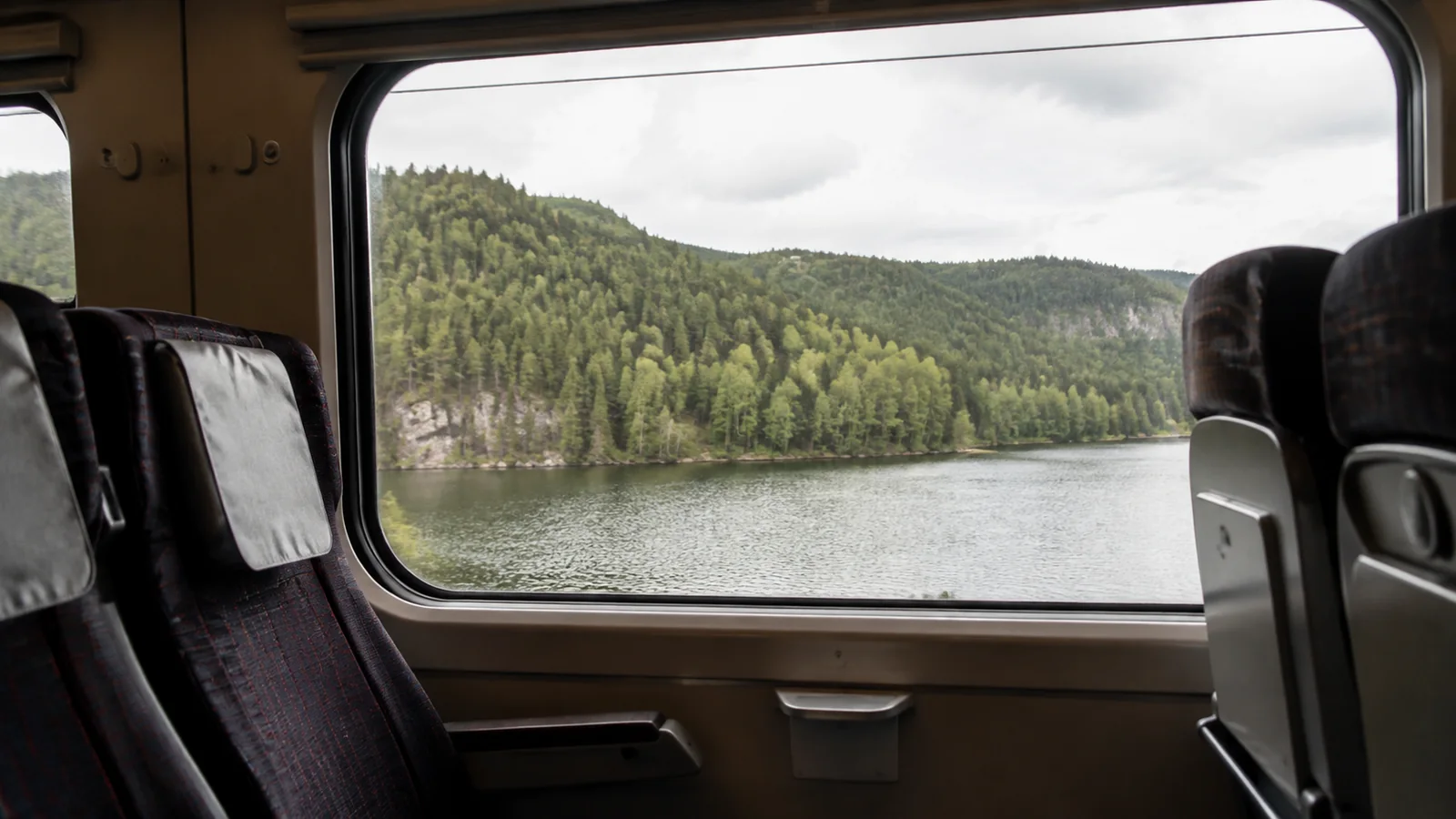
The Bergen Line crosses high mountain country between Oslo and Bergen and is a travel day worth keeping in daylight. Vy currently lists typical end-to-end journeys of roughly 6.5 to 7.5 hours, with date-specific schedules and fares.
Use the official Bergen Line page and live journey planner rather than locking onto a scenic-seat promise from social media. Views appear on both sides, weather changes quickly, and a specific train formation can differ.
A Flåm detour requires a connection at Myrdal, a separate branch train, and a plan for onward boat, bus, or lodging. Do not add it to a through Oslo-to-Bergen day unless every segment is confirmed and you understand the baggage transfer.
Arrive in Bergen and stay near Bryggen, the station, or a transit connection that serves your next-day departure. Bergen rain is ordinary enough that a waterproof outer layer belongs in the day bag, not the checked suitcase.
Days 12 to 14: Bergen and one fjord day
Day 12: learn Bergen before leaving it
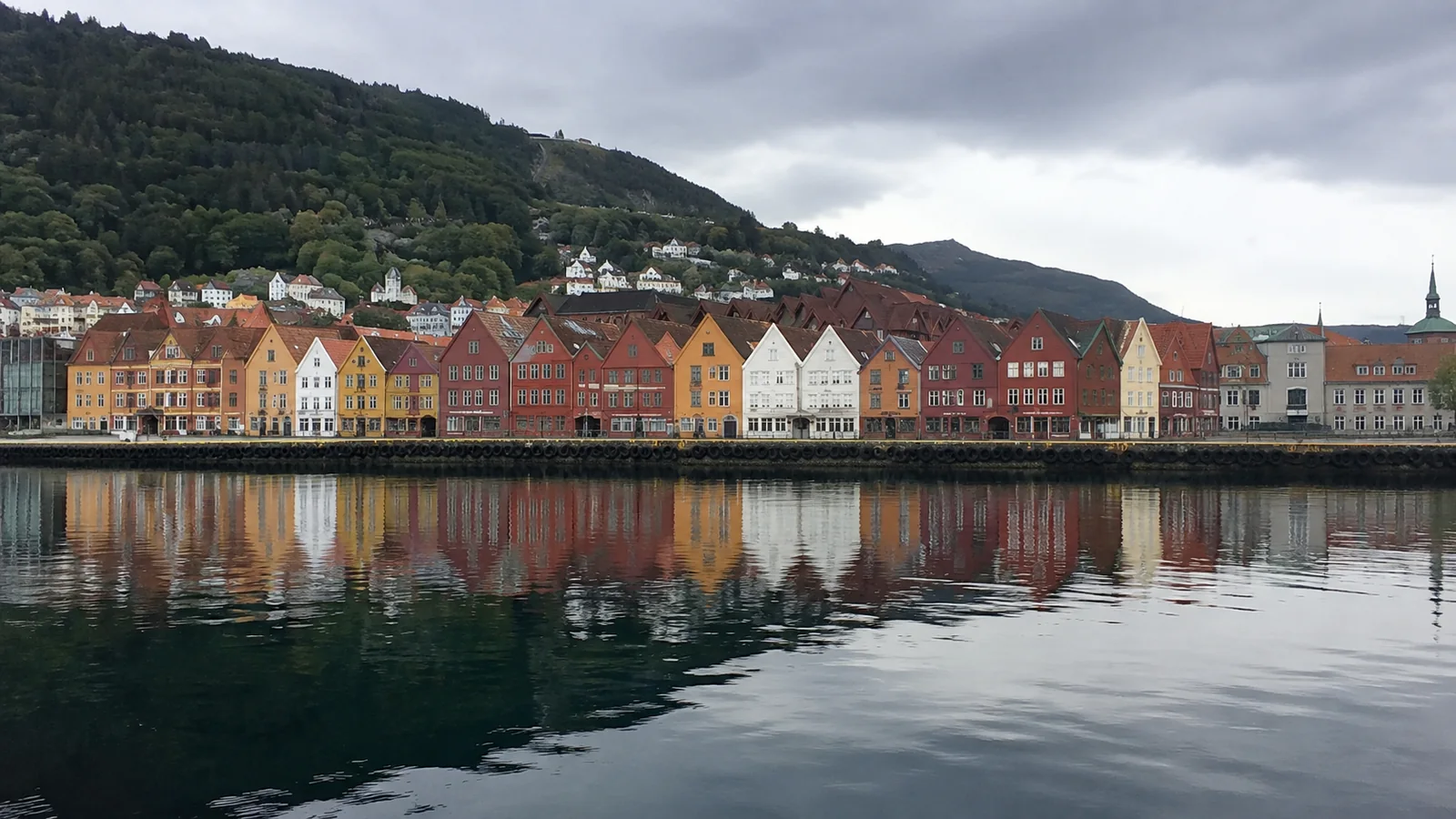
Walk Bryggen, the harbor, and central lanes, then choose Fløyen or Ulriken if visibility and wind make the ride worthwhile. Funicular and cable-car operations can pause for maintenance or severe weather.
Bryggen remains a working historic district, not a row of identical souvenir facades. Visit a museum or guided site to understand the Hanseatic history, and respect signed private or restoration areas.
Day 13: choose one fjord plan
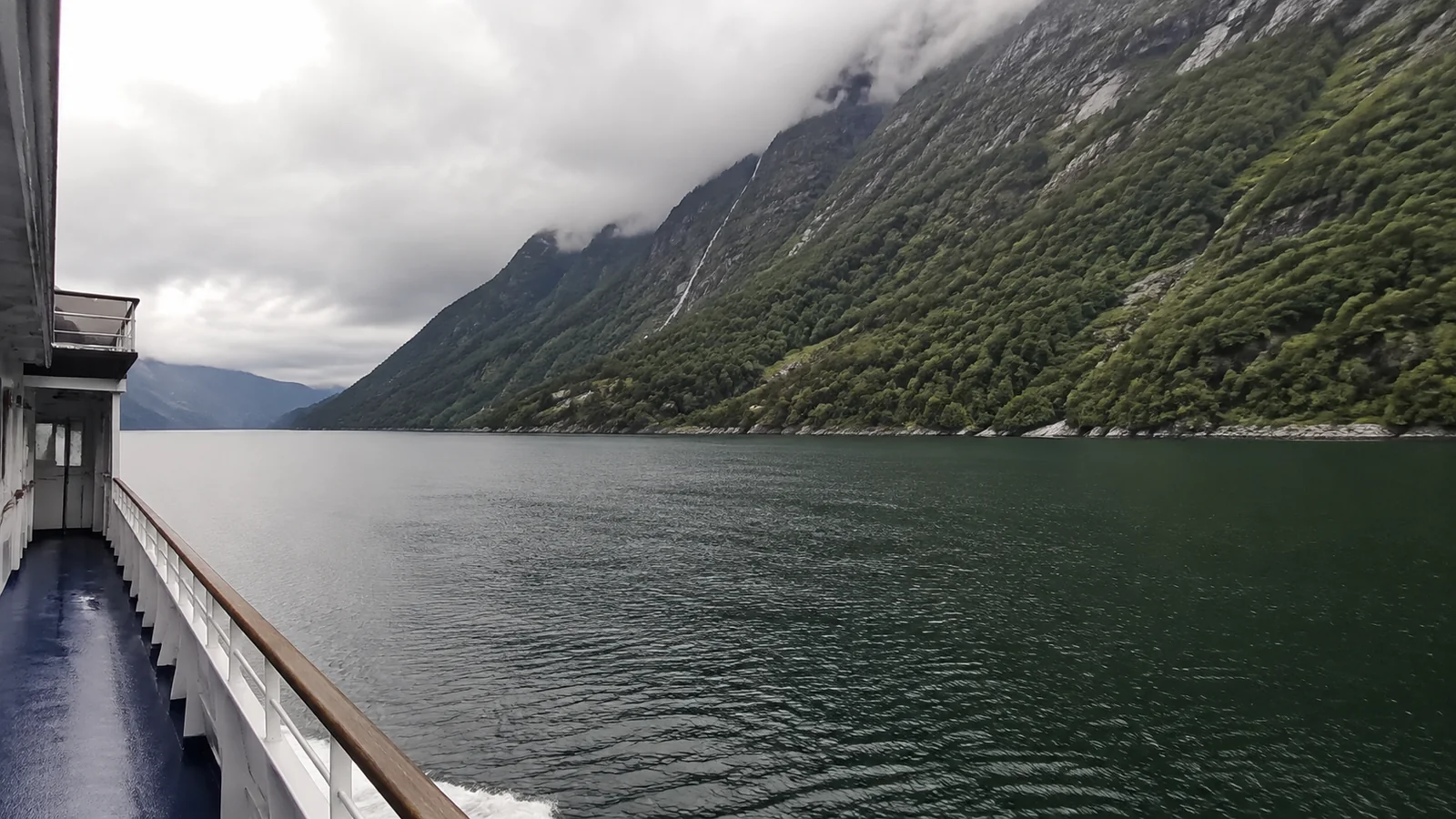
A compact fjord day might combine train, bus, and boat around Flåm, Nærøyfjord, or another published route. A boat-only outing from Bergen may involve less luggage handling and fewer missed-connection risks.
Book each segment through official operators or use a reputable packaged itinerary with clear responsibility for disruptions. A famous route name does not mean every component is one protected ticket.
Wind, low cloud, landslide risk, track work, and boat changes can alter the experience. Follow operator instructions and keep the following morning light enough to absorb a late return.
Day 14: depart or keep a buffer
If the flight leaves early, stay in Bergen on Day 13 and move the fjord outing earlier in the trip. If departure is late, use the morning for a museum, cafe, or short viewpoint rather than another distant boat.
Bergen Airport is connected by light rail and buses, but travel time depends on the stop and service. Build a weather and security cushion, especially when checking luggage or connecting through another European hub.
Entry rules for Scandinavia
Denmark, Sweden, and Norway are in the Schengen Area, so days in all three count toward the same short-stay limit. Visa-exempt U.S. visitors generally may stay up to 90 days in any 180-day period, subject to passport and individual eligibility rules.
The European Union says ETIAS is not yet operating and no applications are being collected. It is scheduled to start in the last quarter of 2026, with the exact date still to be announced, so check the official EU ETIAS site close to departure and avoid look-alike application sites.
The EU Entry/Exit System is separate from ETIAS and has been fully operational at external Schengen border crossings since April 10, 2026, changing border processing for covered non-EU travelers. Carry your passport on cross-border trains even when routine checks are not visible.
Entry rules depend on citizenship, residence, trip purpose, prior Schengen days, and passport validity. Verify all three country pages and airline requirements rather than treating a travel article as immigration approval.
When to visit Scandinavia
June through August brings long daylight, the broadest tourist schedules, school-holiday demand, and expensive rooms. Book scenic rail, ferries, cabins, and popular city attractions early, but still pack rain protection and a warm layer.
May and September can provide lighter crowds and pleasant city days while seasonal boats, mountain roads, and attractions operate on narrower calendars. Never assume shoulder season means low prices or reliable warmth.
October through April suits museums, holiday atmosphere, snow trips, and deliberate winter travel. Short daylight, ice, storms, maintenance, and mountain closures make the 14-day route less forgiving.
For the northern lights, travel well north under dark skies and allow several nights; no forecast or tour guarantees a display. Visit Norway’s winter guidance notes that northern winter conditions can begin in October and extend into April or later.
The midnight sun occurs north of the Arctic Circle, not in Copenhagen, Stockholm, Oslo, or Bergen. The capitals have very long summer evenings, which are beautiful without giving them a phenomenon they do not have.
How much does a Scandinavia trip cost?
Scandinavia is expensive when every meal is a restaurant meal, every transfer is last-minute, and every view is sold as a package. It becomes more manageable with central lodging, breakfast included, supermarket picnics, advance rail fares, and one paid priority per day.
Denmark uses Danish kroner, Sweden Swedish kronor, and Norway Norwegian kroner. Cards dominate many purchases, but choose to pay in local currency and decline poor dynamic currency conversion when your card permits.
Compare city passes against a written plan, not enthusiasm. Museum closure days, timed reservations, child admission, and transit already included elsewhere can erase the apparent discount.
Travelers balancing this trip against other regions can use this destination cost-planning framework to compare full daily spending rather than airfare alone. Scandinavia rarely wins on restaurant prices, but reliable transit can reduce rental-car costs.
What to pack for Scandinavia
- A waterproof jacket with a hood
- Layers that work from cool boats to warm museums
- Comfortable shoes with grip for cobblestones and wet platforms
- A small day bag with secure closures
- A Type C/F plug adapter and compatible chargers
- Refillable water bottle and compact umbrella
- Prescription medicine in original packaging
- Offline copies of tickets, insurance, and passport details
Winter needs insulated waterproof footwear, gloves, a hat, and proper traction chosen for local conditions. Summer still needs a sleep mask, because curtains and long twilight can challenge light-sensitive sleepers.
Scandinavia travel mistakes to avoid
- Calling every Nordic country Scandinavian: Define the trip before routing it.
- Adding the Arctic to a capital-city week: Give northern regions separate days and flights.
- Buying rail tickets onboard: Reserve long-distance and cross-border trains in advance.
- Assuming a rail pass reserves a seat: Confirm reservations and operator rules separately.
- Expecting the midnight sun in Copenhagen: Travel north of the Arctic Circle for it.
- Applying for ETIAS on a random site: Use only the official EU portal when applications open.
- Underpacking for rain: Keep waterproof layers accessible during every transfer.

Is Scandinavia worth the cost?
Yes, if you value walkable cities, design, public transportation, museums, waterfront life, and landscapes that begin outside the train window. The trip feels expensive when it is rushed, because you pay repeatedly to move without staying long enough to enjoy the place.
Fourteen days will not reveal all of Denmark, Sweden, and Norway. It will give you a coherent first chapter, and that is far better than collecting five countries while remembering mostly airports.
If coastlines and islands become the part you love most, save room for a future trip built around them. These islands for different travel styles can help define whether your next Nordic plan should favor cities, ferries, hiking, or quiet shorelines.