Madeira Travel Guide: A Realistic 5-Day Island Itinerary
Madeira rewards travelers who plan by geography and weather, not by a giant list of viewpoints. For a first trip, base in Funchal, give the island at least five full days, reserve one flexible hiking day, and divide the coast into sensible east and west loops.
Madeira at a Glance
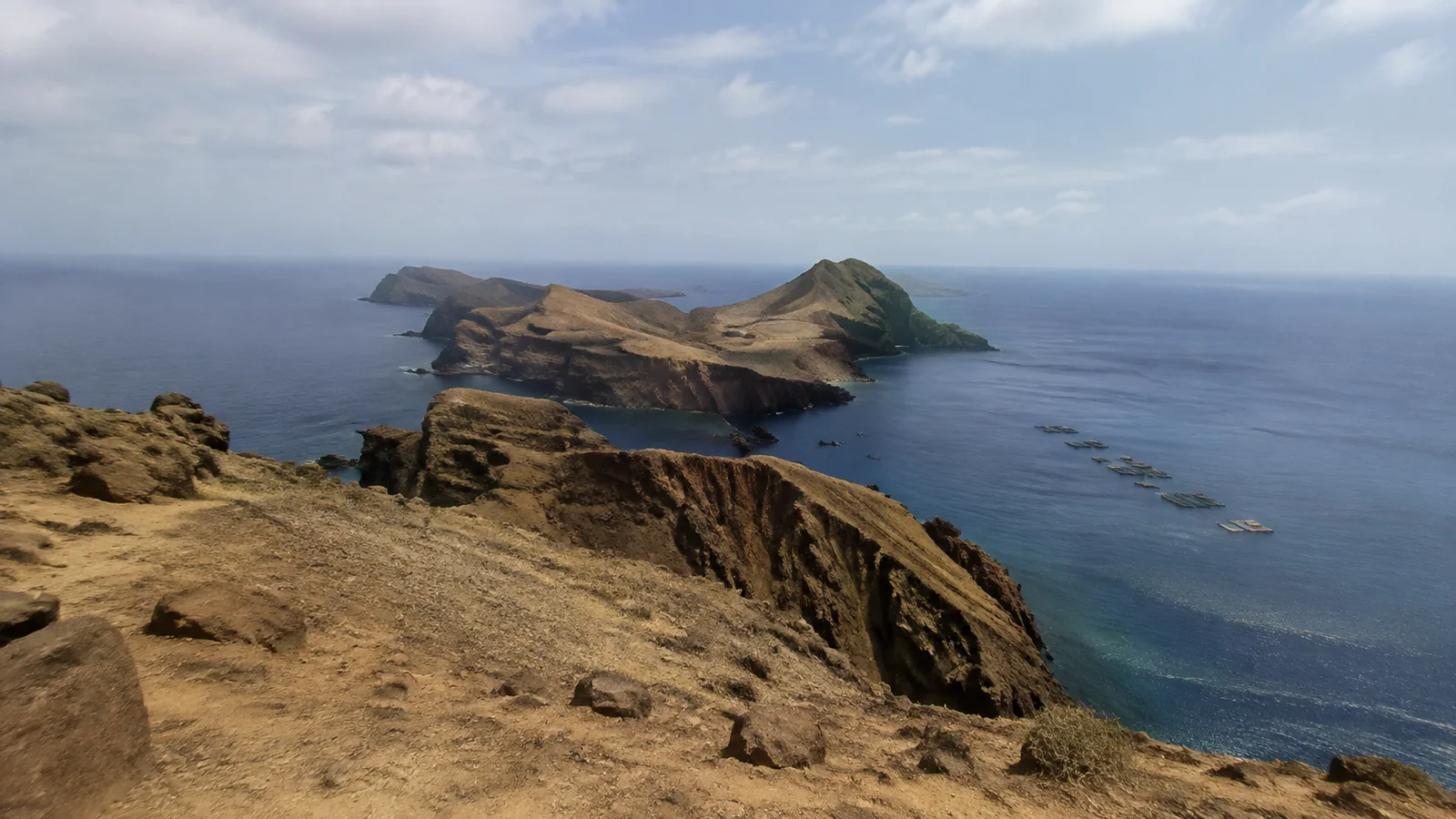
Madeira is a Portuguese Atlantic archipelago, and most first visits focus on the main island rather than trying to add Porto Santo. Funchal is the practical hub for restaurants, city buses, organized tours, and airport transfers, while the island’s dramatic interior makes short map distances feel much bigger.
The main island is only about 35 miles long, but tunnels, steep grades, winding local roads, trail logistics, and frequent scenic stops slow a sightseeing day. Five full days is a useful minimum, while seven gives you a weather buffer and time to enjoy somewhere rather than constantly relocating.
Where to Stay on a First Trip
Central Funchal
Stay near the cathedral, Avenida do Mar, or the Old Town if you want to walk to restaurants, the waterfront, the market area, and the cable car. This is my best default for travelers using tours or buses instead of keeping a rental car all week.
Lido and the Hotel Zone
The Lido area works well for resort facilities, oceanfront promenades, swimming complexes, and hotels that may have easier vehicle access. It is farther from the historic core, so check the exact walk, hill, bus stop, and evening transport rather than trusting a broad “Funchal” label.
Outside Funchal
Câmara de Lobos, Ponta do Sol, Calheta, Machico, and northern towns can be lovely for a slower return visit or a split stay. For five days, changing hotels usually costs more usable time than it saves unless the purpose is hiking, quiet, or a particular coastal base.
Getting From Madeira Airport to Funchal
Madeira Cristiano Ronaldo Airport, code FNC, sits east of Funchal near Santa Cruz. The airport’s official public transportation page directs passengers to the Aerobus from Arrivals, with stops through Funchal toward Praia Formosa.
Check the current SIGA Route 500 or 500R timetable for your date because service intervals and last departures change. A taxi or booked transfer is the cleaner choice for a late arrival, several large bags, mobility needs, young children, or lodging far from an Aerobus stop.
I would not collect a rental car after a tiring overnight journey unless the first accommodation has confirmed parking and the driver is comfortable with hills. Funchal is easier without a car, so renting only for island days can eliminate hotel parking and city-driving stress.

Do You Need a Rental Car?
No, but the alternatives create different trips. Guided minibus tours are efficient for west and east sightseeing loops, private drivers add flexibility, and public buses work best for single destinations rather than a rapid chain of viewpoints.
A rental car gives you control over weather and stop length, but the driver must handle steep grades, tunnels, tight village streets, limited parking, and changing mountain conditions. Reserve the smallest vehicle that fits people and luggage, confirm transmission type, and photograph its condition before leaving.
Never build a hiking transfer around the assumption that your route ends where it started. Point-to-point walks such as the current full PR1 configuration require a driver, shuttle, taxi plan, or two-vehicle arrangement that matches the permitted direction of travel.
A Realistic Five-Day Madeira Itinerary
Day 1: Funchal’s Historic Center and Waterfront
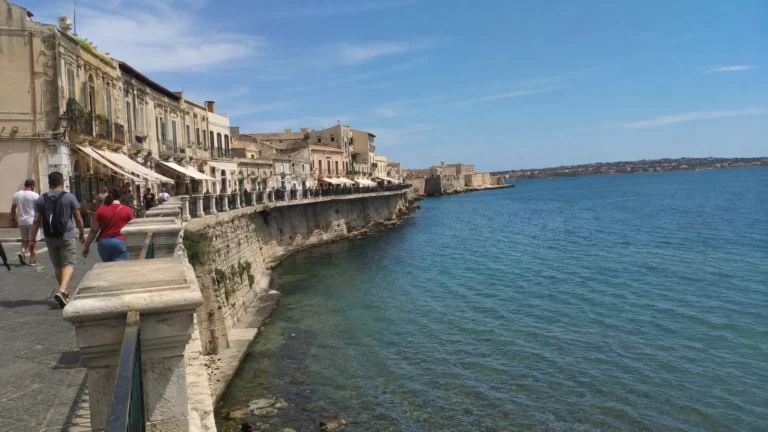
Keep the first morning compact: Sé Cathedral, the municipal center, Avenida Arriaga, the marina, and the Old Town fit into one walk with plenty of places to pause. Visit Mercado dos Lavradores earlier in the day if it is important to you, but treat it as a working market and compare prices before ordering fruit or souvenirs.
Spend the afternoon in one museum, wine lodge, garden, or seaside swimming complex rather than racing among all four. A harborfront dinner and early night protect the more demanding days ahead.
If your first day is an arrival day, cut this plan in half. Flight delays, baggage, airport transport, check-in, and Madeira’s hills can consume more energy than the itinerary spreadsheet admits.
Day 2: Monte and One Excellent Garden
Ride from the Old Town to Monte in the morning, then devote real time to Monte Palace Tropical Garden. Its official visit page lists seasonal closing times, separate museum hours, ticketing, and bus routes 20, 21, 22, and 48.
The Funchal cable car currently operates daily except Christmas Day, with published hours on its official schedule page. Weather, maintenance, queues, and special closures can still affect a visit, so check again before walking to the lower station.
Do not assume the traditional basket sled returns you to the waterfront. The ride ends partway down the hill, and you still need to walk, take a bus, or arrange a taxi, so decide on that expense and transfer before joining the line.
Choose Monte Palace or Madeira Botanical Garden as the main event unless you truly love gardens and have a full day. Doing both plus the cable cars, church, sled, and central Funchal usually turns a beautiful day into a transportation exercise.
Day 3: The West, With Three Anchors
Pick three major stops from Câmara de Lobos, Cabo Girão, Ribeira Brava, Ponta do Sol, Paul da Serra, Fanal, Seixal, São Vicente, and Porto Moniz. A standard tour may cover more, but an independent driver should not mistake brief photo stops for meaningful visits.
My balanced west day is Câmara de Lobos, one high viewpoint or Fanal if conditions suit, and either Seixal or Porto Moniz for the coast. Fanal’s fog can be atmospheric, but poor visibility and wind may also erase the reason for a detour.
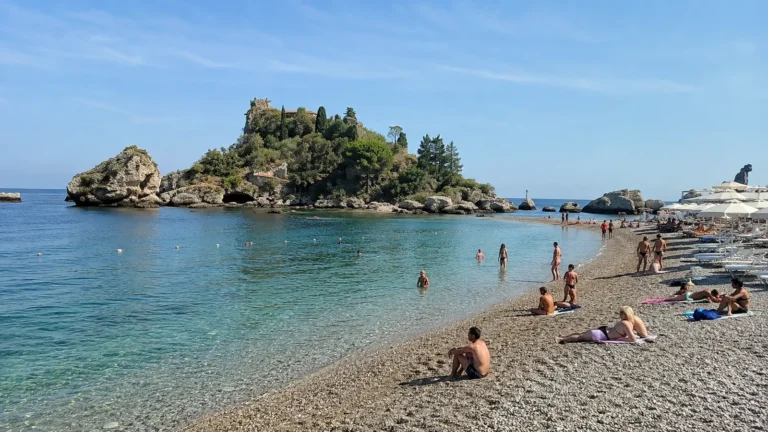
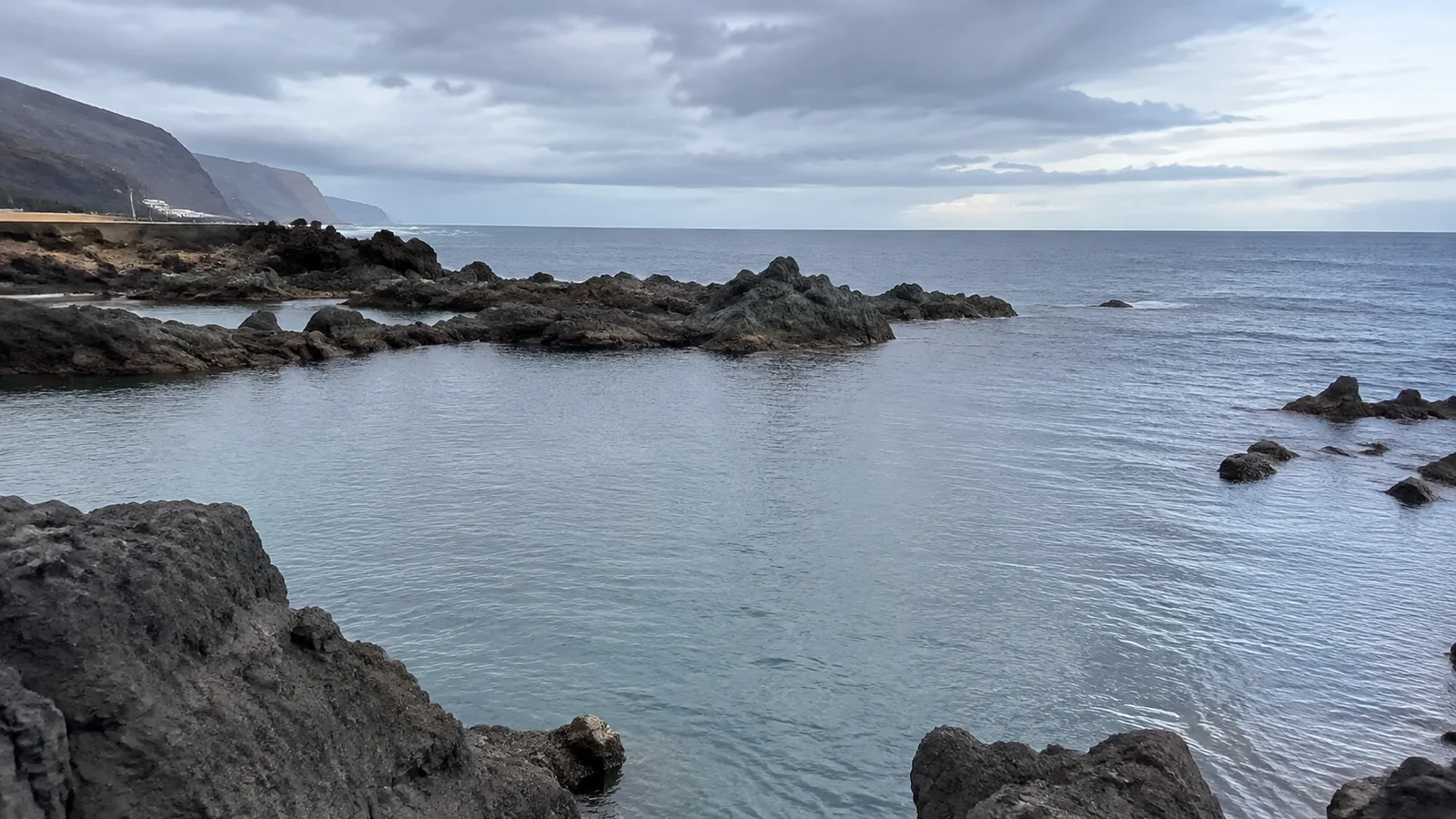
Natural pools are ocean-dependent environments, not guaranteed swimming appointments. Check posted access, lifeguard status, sea conditions, and closures on arrival, and never enter because older photos show calm water.
Return to Funchal without adding a late cross-island restaurant reservation. The west loop is a full day, and one road interruption or slow scenic stop can change the return time.
Day 4: Reserve This Day for the Mountains or a Levada
Match the walk to current status, weather, fitness, exposure tolerance, footwear, and transport. Since January 1, 2026, visitors need advance reservations for classified PR walking trails, and Visit Madeira explains the current trail reservation system.
Check the IFCN official trail status list when booking and again the morning you walk. A reservation does not overrule a closure, and sunshine in Funchal says little about cloud, wind, rain, or visibility in the mountains.
PR1 fully reopened on May 1, 2026, but it is not a simple unrestricted out-and-back. Under the normal operating pattern, the trail is bidirectional only between Pico do Areeiro and Miradouro da Pedra Rija; beyond that point it runs one-way toward Pico Ruivo. IFCN has also scheduled a temporary closure of the Pedra Rija–Pico Ruivo section for September 21–22, 2026, so the live trail notice overrides the normal pattern on those dates.
Temporary maintenance, weather, fire risk, or erosion can change that operating pattern, so plan from the official IFCN notice rather than an old track file. If the full traverse is unsuitable, consider a currently open levada with a guide or PR1.2 from Achada do Teixeira toward Pico Ruivo only when its status, reservation, conditions, and your abilities align.
Carry water, food, sun protection, a warm layer, rain protection, a charged phone, and a light for tunnels where relevant. Turn around when conditions or confidence deteriorate, even if the viewpoint was the reason you booked Madeira.
Day 5: Choose an East-Coast Priority
For landscapes, choose Ponta de São Lourenço and treat its exposed trail as the day’s main activity. For towns and culture, build a gentler loop through Machico, Santana, and one viewpoint without bolting a long hike onto the same day.
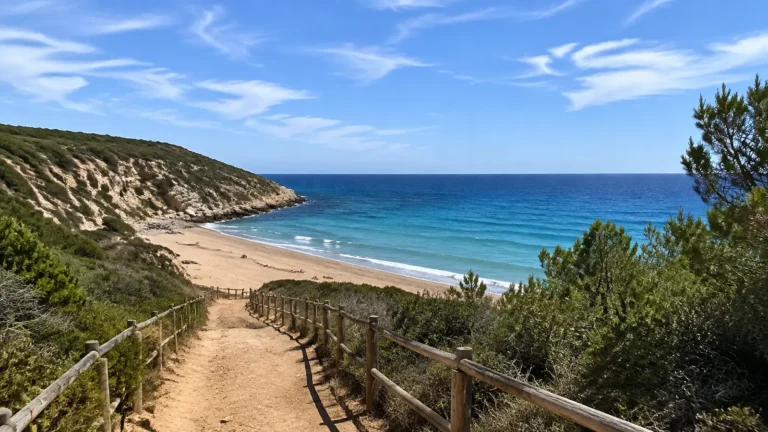
Ponta de São Lourenço can feel hotter, windier, and more exposed than green levada imagery suggests. It is also a classified route, so confirm reservation requirements, current status, water needs, and transport before departure.
On a six- or seven-day trip, separate the eastern hike from Santana and add a dedicated ocean, garden, or food day. That spare day also becomes the weather replacement for the mountains, which is far more valuable than another rushed loop.
How to Use a Weather Backup Day
Keep one mountain day movable until the short-range forecast and trail status are clearer. Reserve required slots in advance, but understand the change and cancellation terms before paying because safety closures and personal changes may not be treated alike.
A poor mountain day can become a Funchal museum, wine experience, garden, cooking class, or coastal town day. Rain in one part of Madeira does not mean the entire island is unusable, but chasing sunshine across multiple microclimates can waste hours.
Build arrival and road-day backups before departure using these broader travel planning tips. The goal is a usable alternative, not a second itinerary packed as tightly as the first.
Food and Drink Worth Planning Around
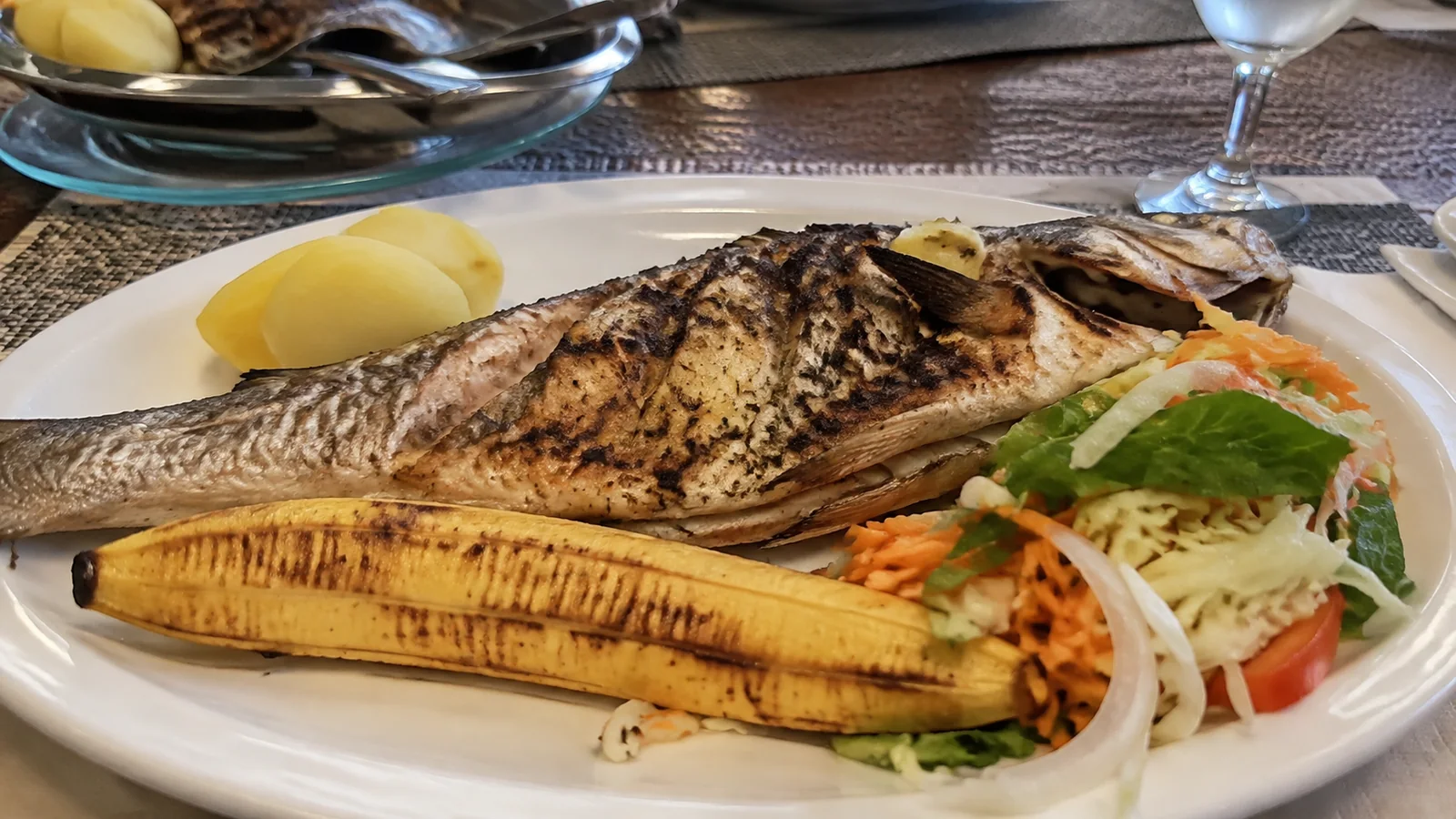
Try espetada, bolo do caco, local fish, passion-fruit flavors, and Madeira wine according to your diet and interests. Ask prices before ordering market fruit by weight, and never drive after drinking poncha or wine.
Reserve one special dinner, then leave other meals flexible around hiking and road days. Restaurants outside Funchal may close between services or on a weekly rest day, so verify current hours instead of building a remote return around a map listing.
When to Visit Madeira
Madeira can work year-round, but season does not remove mountain weather, wind, rain, or ocean conditions. Choose dates around your priority, then pack for elevation changes and treat forecasts as a planning input rather than a promise.
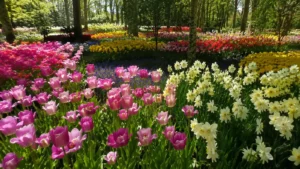
Spring flower events bring color and demand, while December festivities can make Funchal especially lively. If an event is the reason for travel, use the official calendar first and apply the reservation logic from this flower festival planning overview.
Madeira Planning Mistakes to Avoid
- Planning PR1 as an out-and-back without checking the current direction rules
- Treating Funchal weather as a mountain forecast
- Keeping a rental car all week without confirmed parking
- Scheduling Porto Moniz, Santana, and Ponta de São Lourenço in one day
- Assuming cable cars, pools, trails, and viewpoints always operate
- Changing hotels on a short trip without a clear logistical benefit
For the rest of the booking sequence, the practical travel checklist covers documents, money, phones, and delay planning. Madeira itself needs one extra habit: check the mountain plan again after breakfast.

My First-Trip Recommendation
Book five to seven full days in Funchal, stay walkable to your preferred evening area, and choose either a rental car or organized transport for two island loops. Protect one flexible day for a reserved trail, then let current conditions decide which day it becomes.
This plan leaves viewpoints unseen, and that is the point. Madeira is much better when a garden, levada, pool, meal, or village gets enough time to become a memory instead of another pin you reached.