15 Vietnam Landmarks Worth Building a Trip Around
Vietnam’s famous landmarks stretch more than 1,000 miles from Hanoi to Ho Chi Minh City, so choosing well matters more than collecting names. This guide groups 15 places into a practical north-to-south route and tells you which stops deserve a day, which need several nights, and which are easy to skip.
The 15 Vietnam landmarks on this route
- Ho Chi Minh Mausoleum and Ba Dinh Square, Hanoi
- Temple of Literature, Hanoi
- Imperial Citadel of Thang Long, Hanoi
- Ha Long Bay and Cat Ba Archipelago
- Trang An Landscape Complex, Ninh Binh
- Yen Tu mountain heritage complex
- Complex of Hue Monuments
- Hoi An Ancient Town
- My Son Sanctuary
- Dragon Bridge, Da Nang
- Phong Nha-Ke Bang caves
- Independence Palace, Ho Chi Minh City
- War Remnants Museum, Ho Chi Minh City
- Cu Chi Tunnels
- Cao Dai Holy See, Tay Ninh
Vietnam’s current UNESCO portfolio includes cultural, natural, and mixed properties, with important expansions and a new inscription since many older roundups were published. The UNESCO Vietnam list is useful for status, but World Heritage recognition does not tell you how many hours, transfers, stairs, or crowds a visit requires.
Northern Vietnam landmarks
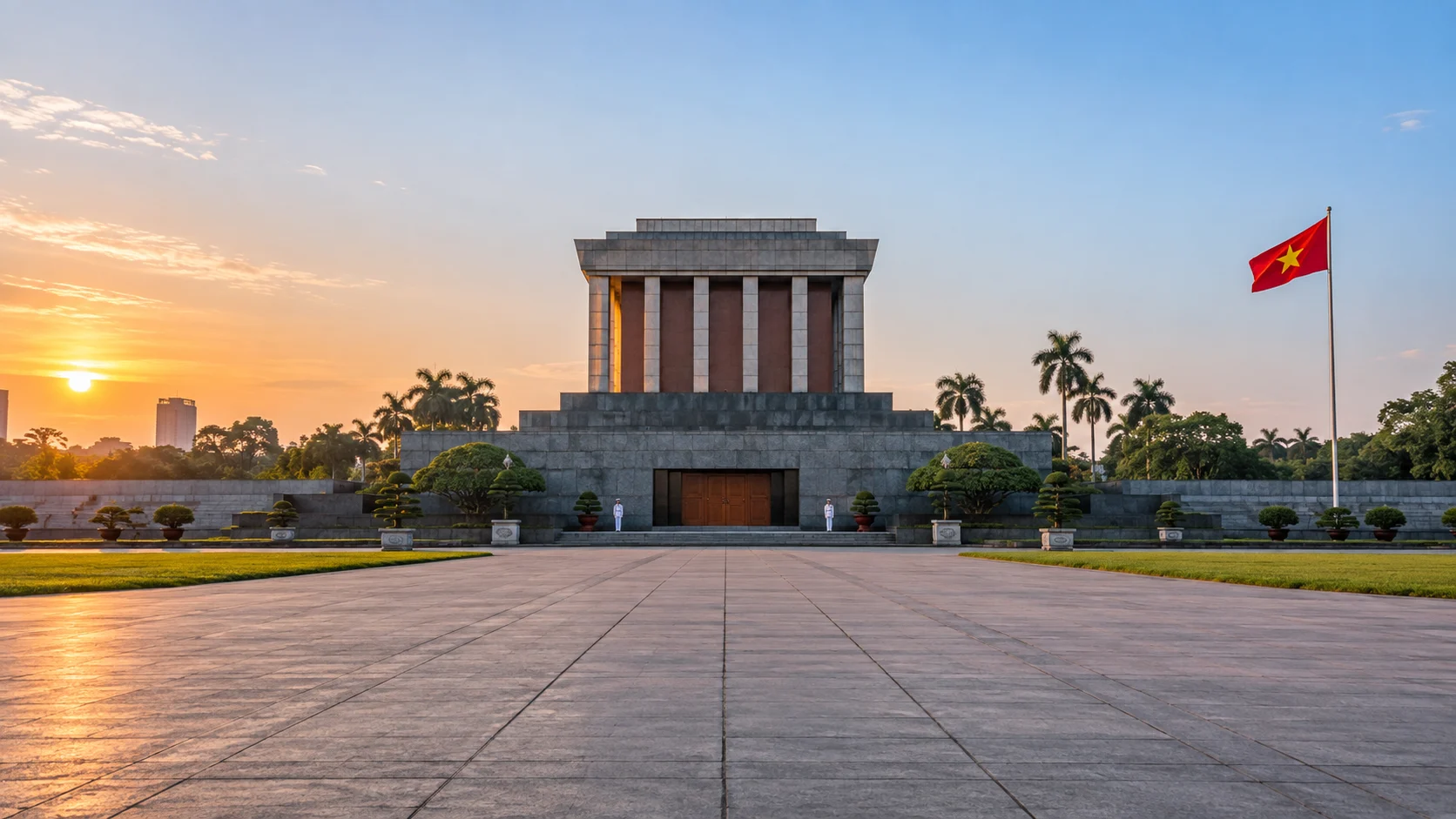
1. Ho Chi Minh Mausoleum and Ba Dinh Square
This monumental Hanoi ensemble connects the mausoleum, Ba Dinh Square, the Presidential Palace area, Ho Chi Minh’s stilt house, and One Pillar Pagoda. Treat it as a ceremonial and historical site rather than a quick photo stop.
The mausoleum follows strict entry rules and can close for official events, maintenance, or its regular weekly schedule. Check the official Hanoi or mausoleum notice immediately before visiting, arrive early, dress modestly, and expect controlled lines with restrictions on bags, cameras, talking, and movement.
Allow: Two to three hours for the wider complex, more if queues are long. Skip the interior if a rigid morning schedule would crowd out the rest of Hanoi.
2. Temple of Literature
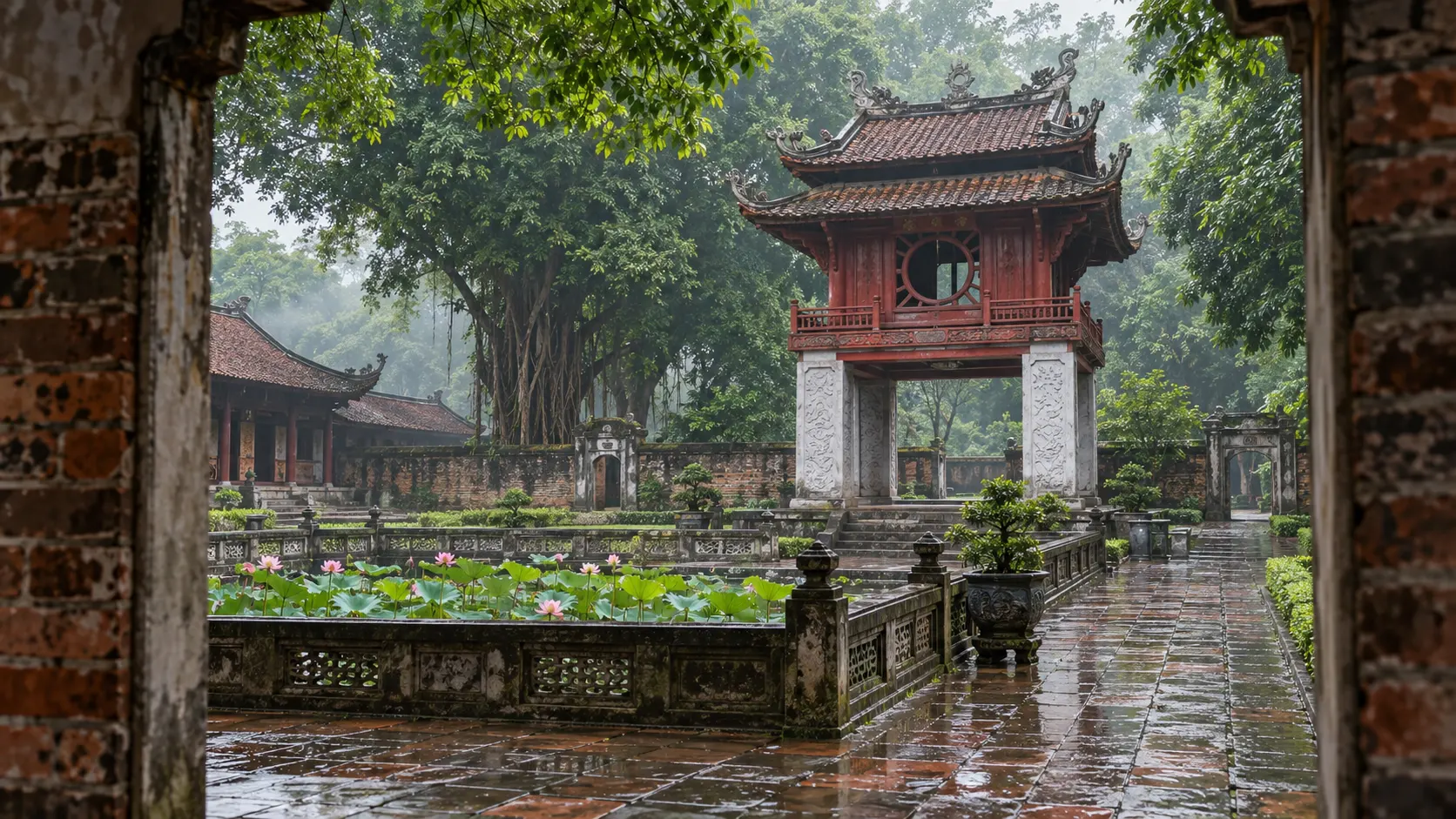
Founded in the 11th century and associated with Vietnam’s scholarly tradition, the Temple of Literature offers courtyards, gateways, pavilions, and historic stone stelae in central Hanoi. It is compact enough to combine with the Fine Arts Museum or the French Quarter without turning the day into a race.
Graduation photography and school events can make the courtyards lively rather than contemplative. Visit near opening for softer heat, behave respectfully around worship areas, and do not touch carved stone or climb for a photograph.
Allow: About 60 to 90 minutes. It is the best Hanoi landmark on this list for travelers who want layered history without a long transfer.
3. Imperial Citadel of Thang Long
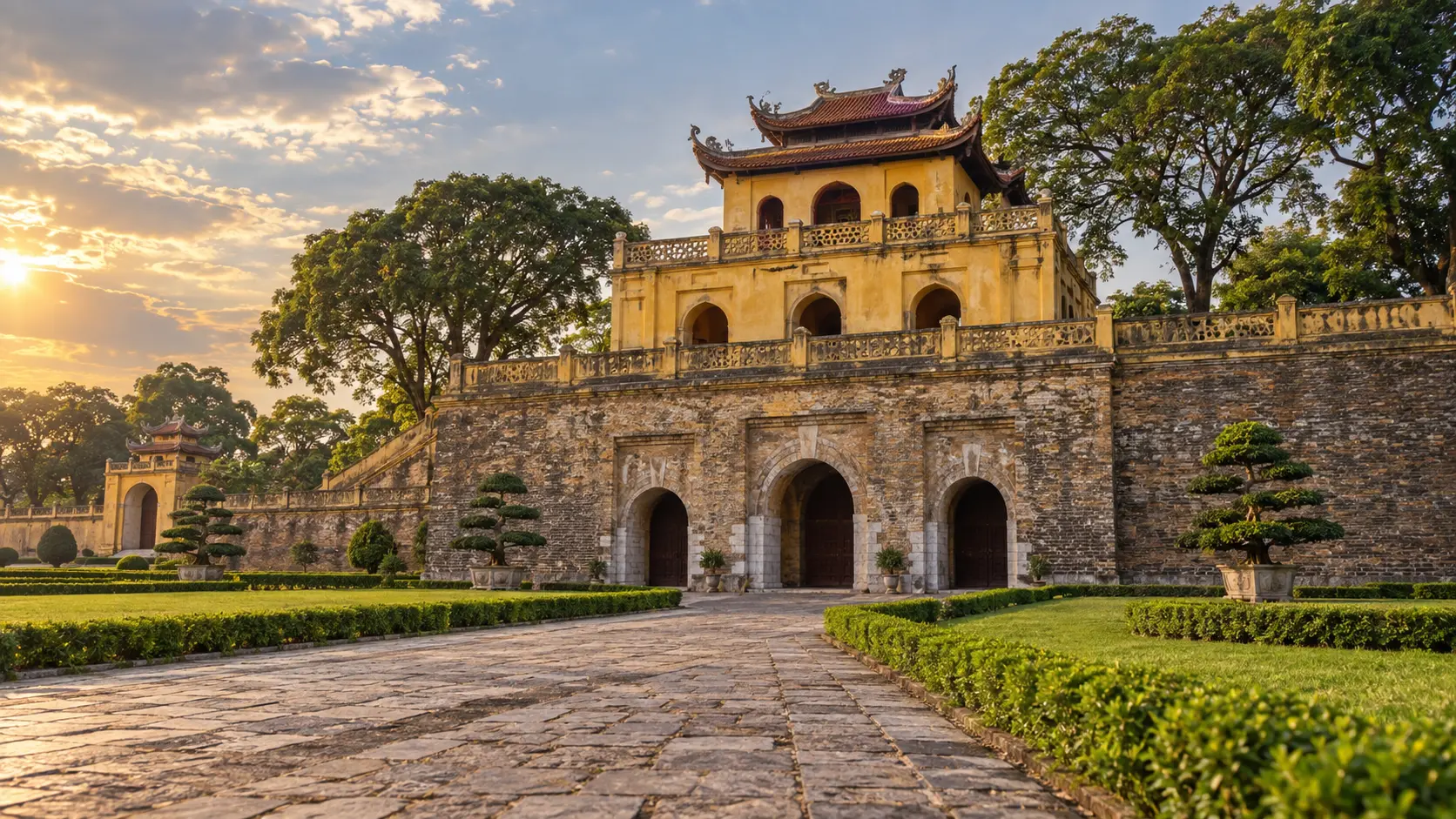
The Central Sector of the Imperial Citadel of Thang Long preserves archaeology and architecture tied to successive Vietnamese political centers. The flag tower is the postcard image, but the value lies in reading the excavated layers and surviving structures together.
Displays, open buildings, and visitor routes can change during conservation or events. Give the indoor interpretation time rather than treating the grounds as a backdrop, especially if the chronology of Hanoi is new to you.
Allow: Two hours. The Vietnam Military History Museum is a separate outing at its new Thang Long Boulevard complex in Nam Tu Liem, which opened in November 2024; allow a separate transfer with a generous traffic cushion rather than planning to walk there from the citadel.
4. Ha Long Bay and Cat Ba Archipelago
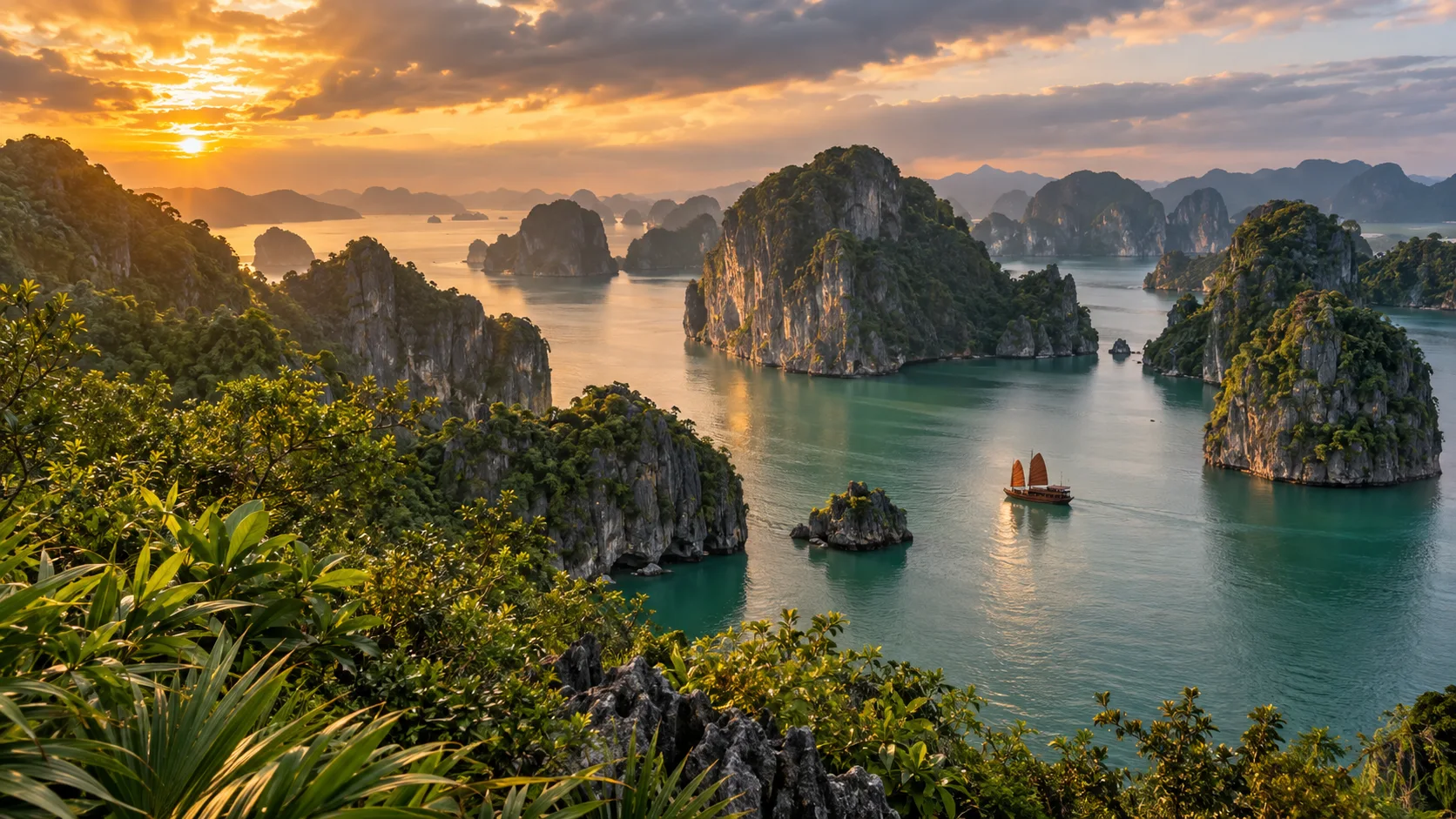
The World Heritage property is now officially named Ha Long Bay-Cat Ba Archipelago after Cat Ba was added through a 2023 boundary modification. Its limestone towers, caves, sheltered waters, and island ecosystems span more than the classic overnight-cruise photograph.
Choose between a Ha Long departure, a Lan Ha Bay or Cat Ba base, and an overnight cruise by route, transfer, vessel, and time actually spent off the bus. Fog, storms, port orders, water conditions, and crowd management can change the day, so keep a flexible expectation and use a licensed operator.
Allow: At least one overnight if the bay is a priority. A same-day trip from Hanoi can consume many road hours for a brief boat experience.
5. Trang An Landscape Complex
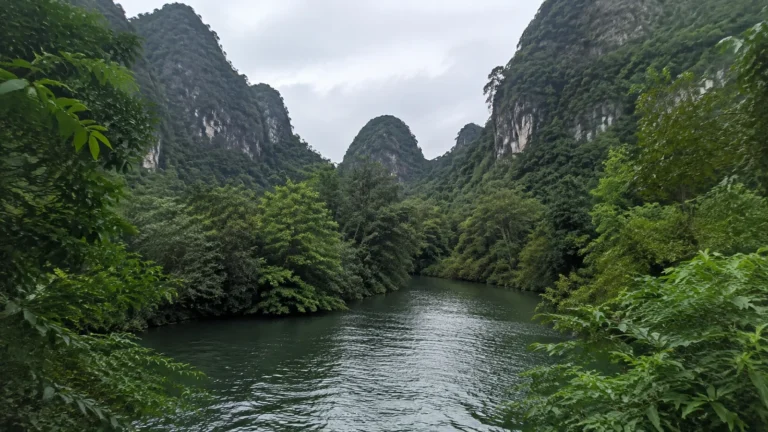
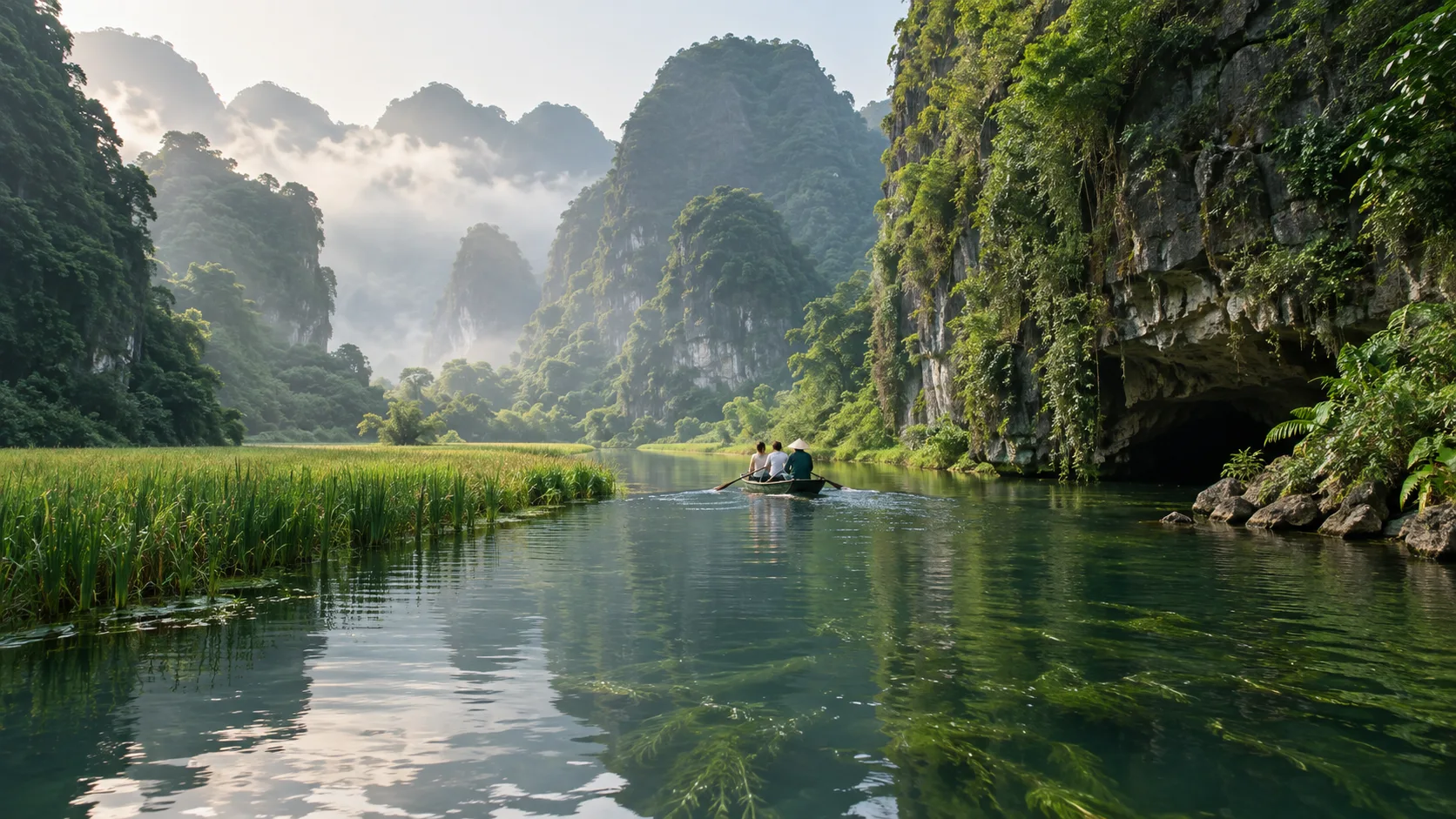
Near Ninh Binh, Trang An combines steep limestone karst, flooded valleys, cave passages, temples, and evidence of more than 30,000 years of human activity. Small rowboats follow set routes, and the choice affects duration, caves, and temple stops.
Expect several hours in an open boat with limited ability to stand, stretch, or leave the route. Bring sun and rain protection, use the provided life jacket, protect your head in low cave passages, and tell staff before boarding if limited mobility makes the low seat difficult.
Allow: Two nights in Ninh Binh for Trang An plus Hoa Lu, Bich Dong, or Mua Cave. Do not confuse the Trang An boat area with Tam Coc, which is a separate embarkation experience.
6. Yen Tu-Vinh Nghiem-Con Son, Kiep Bac complex
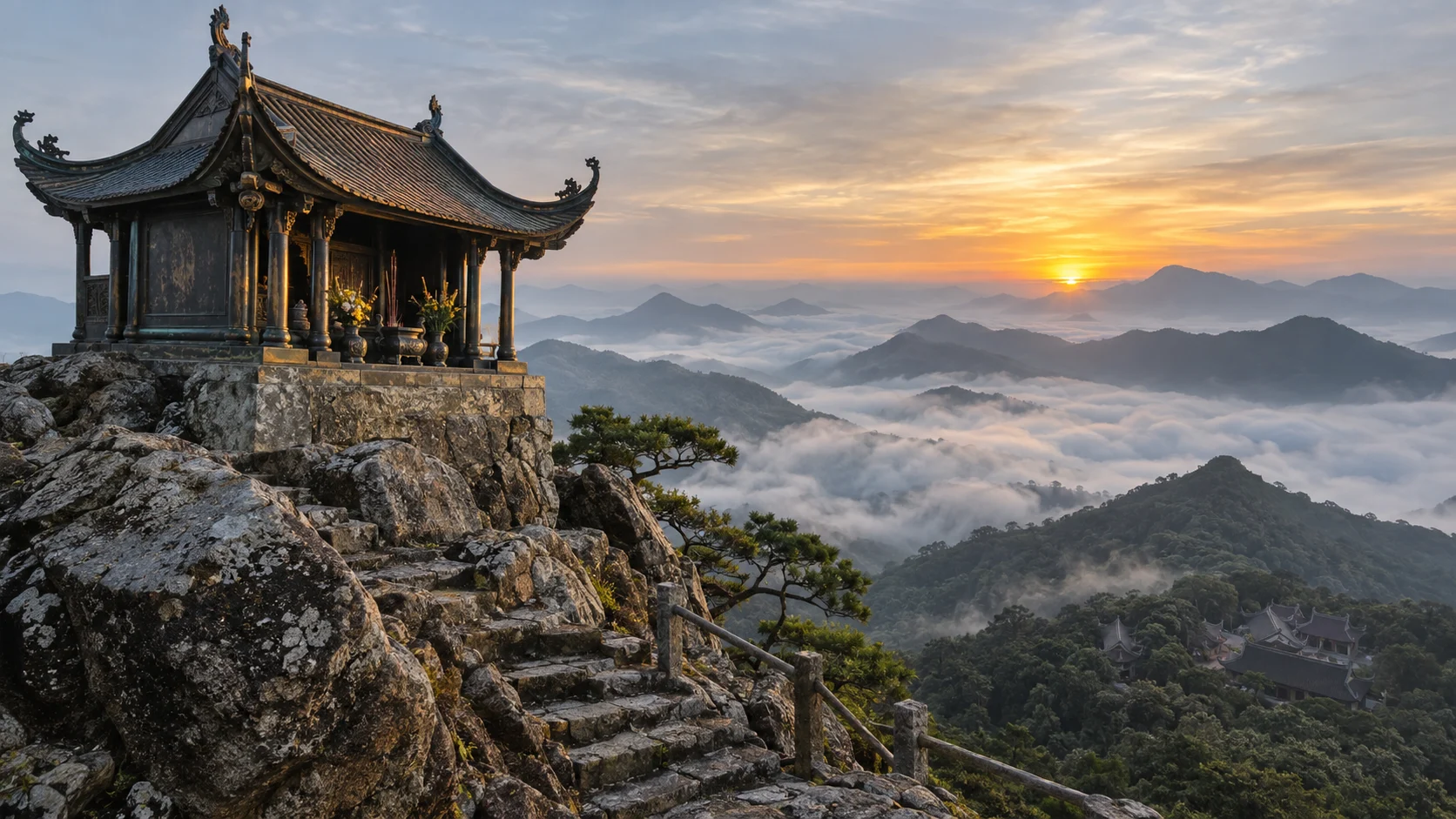
Vietnam’s newest World Heritage inscription on this list was added in 2025 and comprises 12 component sites across mountains, lowlands, and river valleys. Centered on the Yen Tu range, it is associated with the Tran Dynasty and the development of Truc Lam, a distinctly Vietnamese Zen Buddhist tradition.
This is not one monument you can pin and finish in an hour. Choose a focused Yen Tu visit for mountain temples and pilgrimage context, or plan a specialist heritage route that connects several components without pretending they sit beside one another.
Allow: A full day for Yen Tu from a suitable regional base. Festival periods can bring heavy pilgrimage traffic, while mist, heat, and rain change the difficulty of outdoor sections.
Central Vietnam landmarks
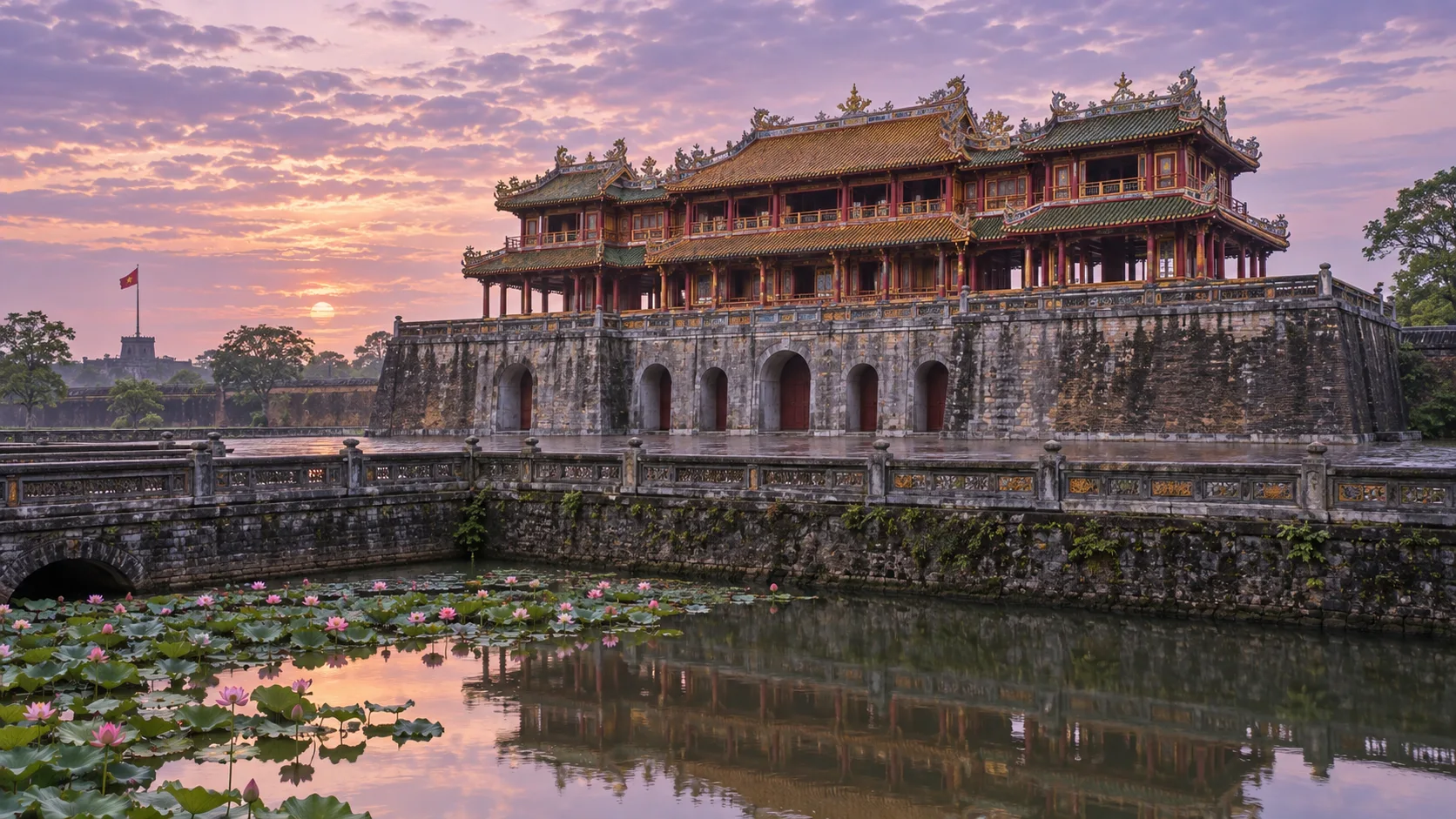
7. Complex of Hue Monuments
Hue became the capital of unified Vietnam in 1802 and remained the Nguyen Dynasty’s political, cultural, and religious center until 1945. The World Heritage complex includes the Citadel and Imperial City plus royal tombs, temples, pagodas, and ceremonial sites around the Perfume River.
That geographic spread is why “seeing Hue” is not the same as entering the Imperial City. Pair a half-day citadel visit with selected tombs on another half day, and choose those tombs for architecture and landscape rather than trying to collect every royal name.
Allow: Two full days, with a third if history is central to the trip. Shade is limited in places, surfaces can be uneven, and restoration work may alter the route.
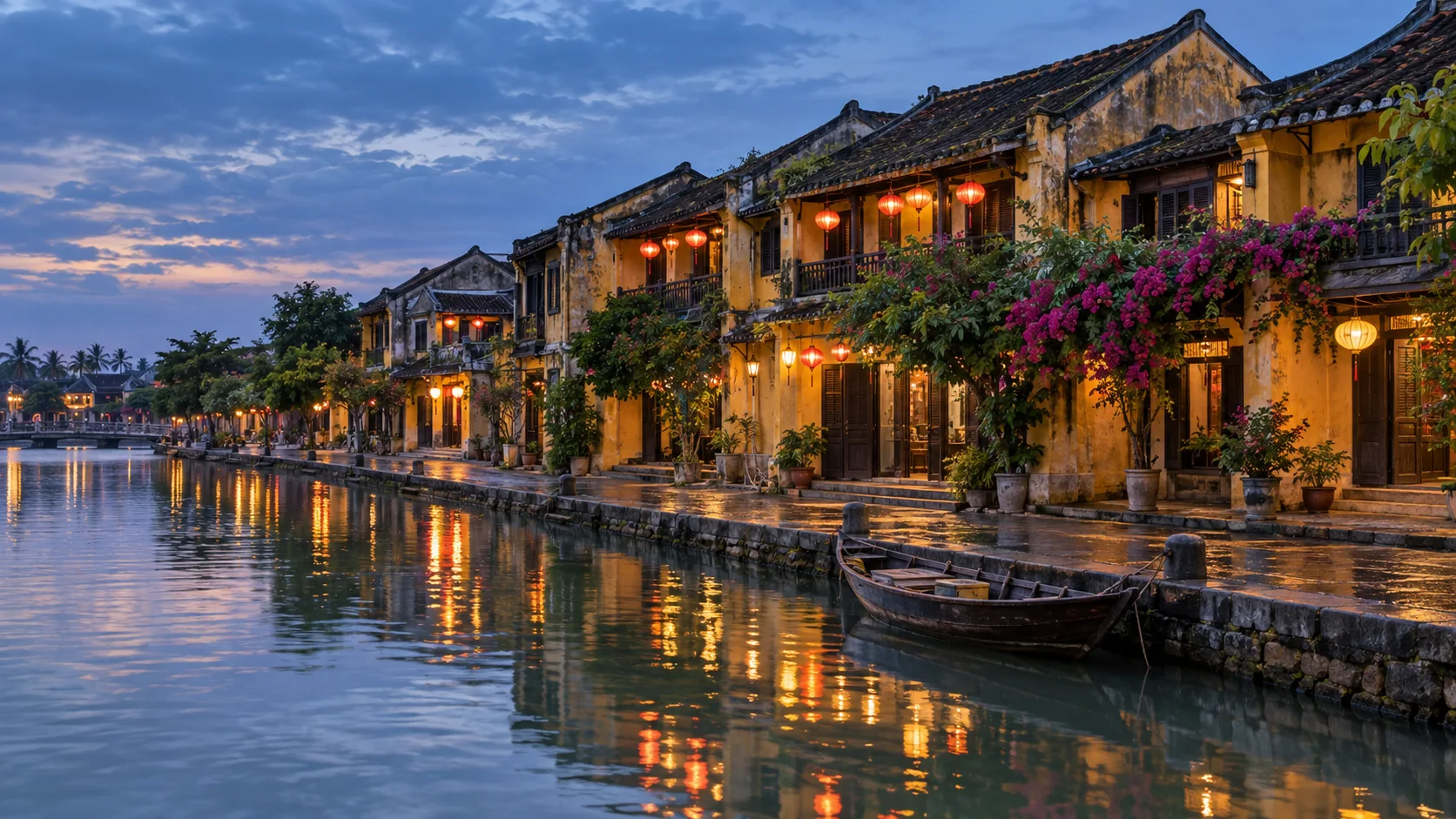
8. Hoi An Ancient Town
Hoi An preserves the street plan and built fabric of a trading port active from the 15th through 19th centuries. The Japanese Covered Bridge is the familiar symbol, but merchants’ houses, assembly halls, lanes, markets, and the Thu Bon River explain the town more fully.
Come early for architecture, return after dark if you enjoy lantern atmosphere, and accept that the evening center can be extremely busy. Buy the current heritage ticket from an official booth when required, and verify which buildings its coupons cover rather than assuming the whole town is gated admission.
Allow: Two or three nights, including a quiet morning. Flooding can affect streets during the wetter part of the year, so use local notices rather than a fixed annual promise.
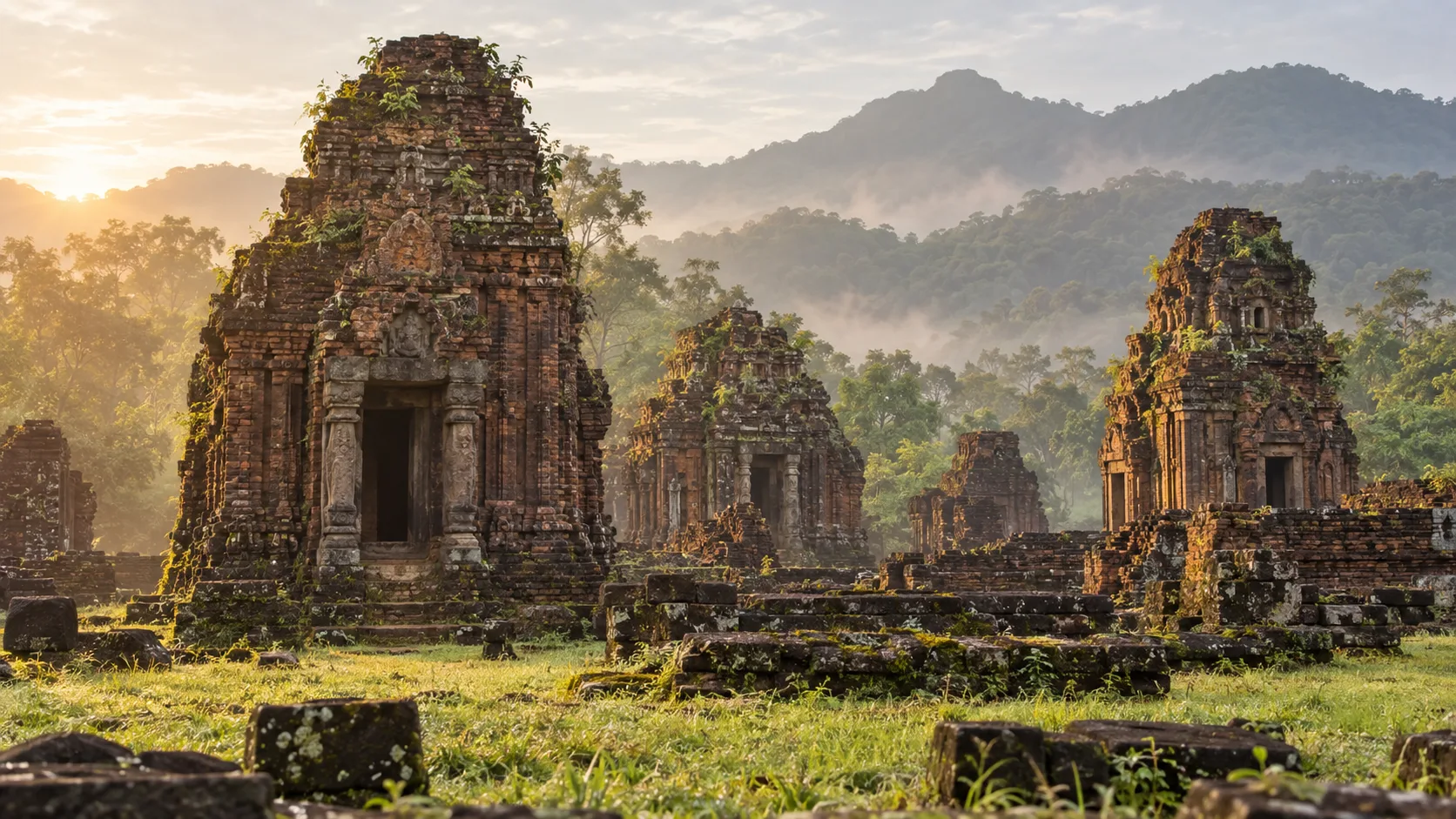
9. My Son Sanctuary
My Son’s surviving tower-temples reflect the Champa Kingdom and Hindu religious influence from the 4th through 13th centuries. The forested valley and brick architecture create a very different historical frame from imperial Hue or mercantile Hoi An.
Go early because heat and humidity build quickly, and add a knowledgeable guide if the weathered structures otherwise blur together. Stay on marked paths and obey barriers, since archaeology, conservation zones, and the legacy of wartime damage make wandering off-route inappropriate.
Allow: Half a day from Hoi An or Da Nang. Sunrise-branded tours still require a transfer before dawn, so check the actual gate time and pickup rather than trusting the label.
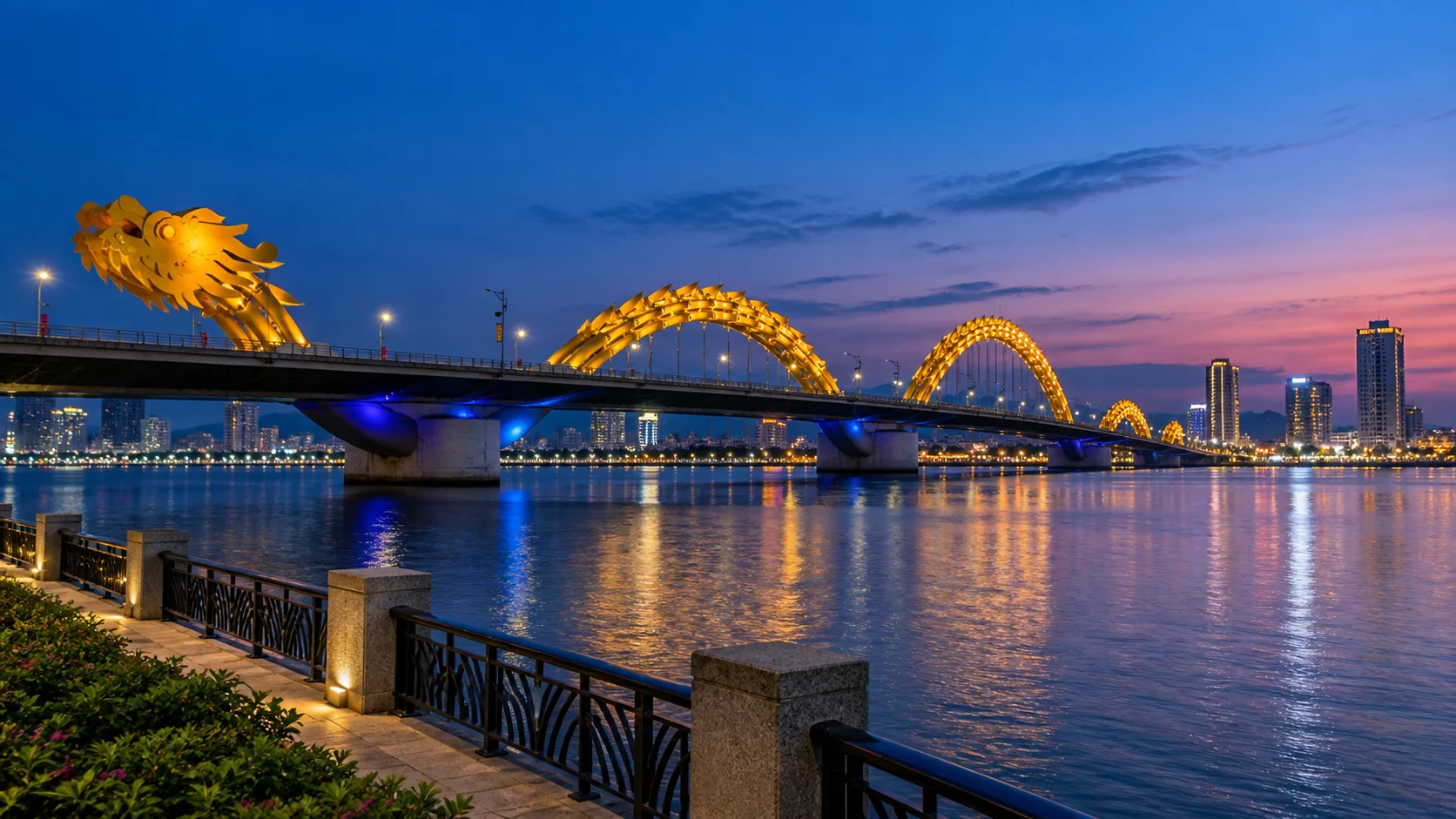
10. Dragon Bridge, Da Nang
Da Nang’s dragon-shaped bridge crosses the Han River and represents contemporary Vietnam more than ancient heritage. Its scheduled fire-and-water display is fun when it fits your night, but the exact days, time, traffic controls, and viewing restrictions need a same-week local check.
Watch from a legal riverside position where spray and crowds will not trap you against moving traffic. Do not build an entire Da Nang stay around a short performance when the city also gives you beaches, museums, food, and access to the Son Tra Peninsula.
Allow: One evening walk. Skip it without regret if your central Vietnam time is already too compressed.
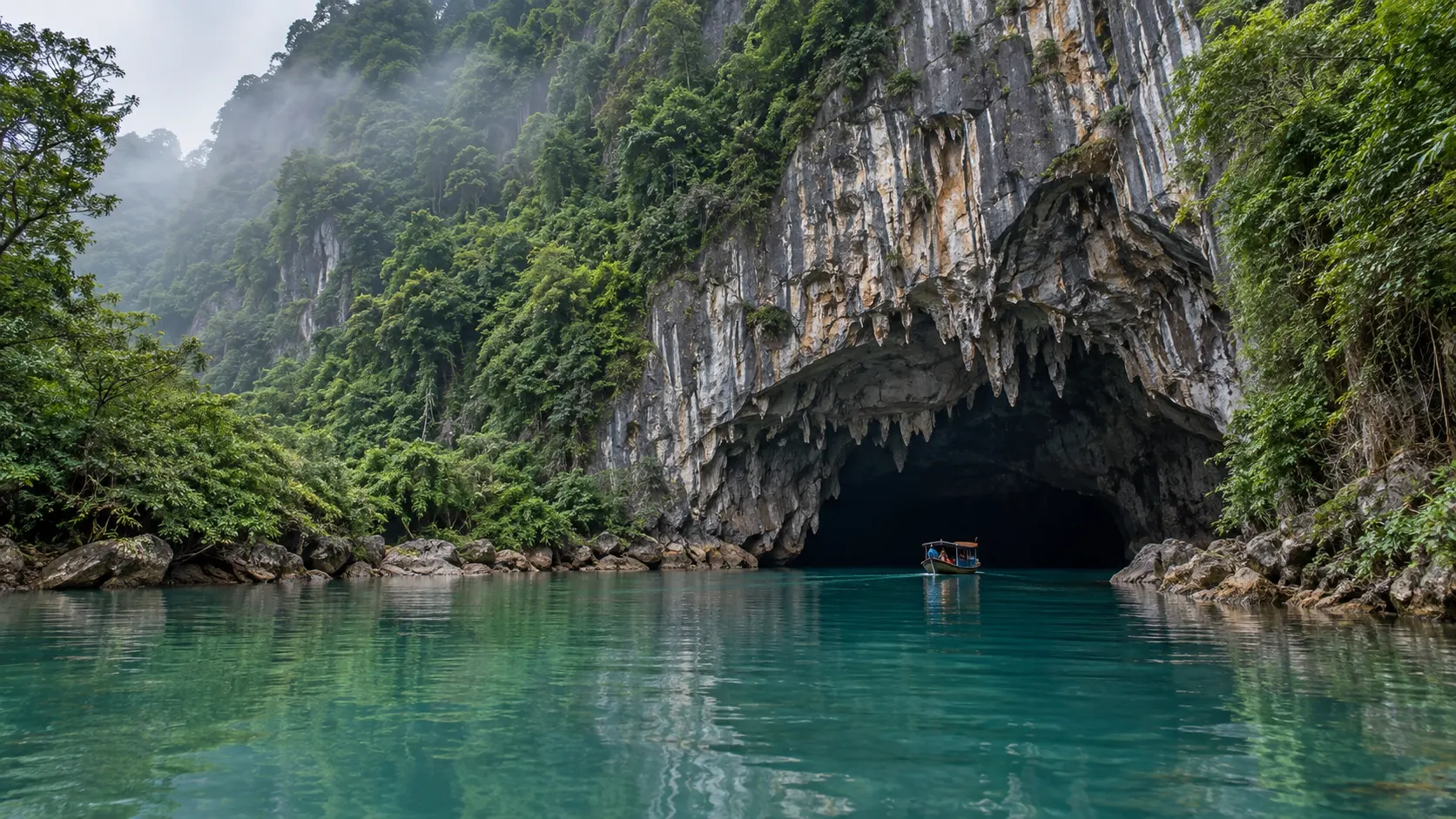
11. Phong Nha-Ke Bang cave landscapes
Phong Nha-Ke Bang is a vast karst landscape rather than a single show cave. In 2025 its World Heritage property became transboundary with Hin Nam No National Park in Laos, although ordinary Vietnam visitor trips still depend on the specific cave and local operating system.
Phong Nha Cave, Paradise Cave, and more demanding adventure caves require different boats, stairs, fitness, equipment, permits, and guide arrangements. Son Doong is a tightly controlled expedition, not a spontaneous upgrade after breakfast.
Allow: At least two full days based in the Phong Nha area. Heavy rain and flooding can close caves or boat routes, so reserve through an authorized operator and keep a land-based backup.
Southern Vietnam landmarks
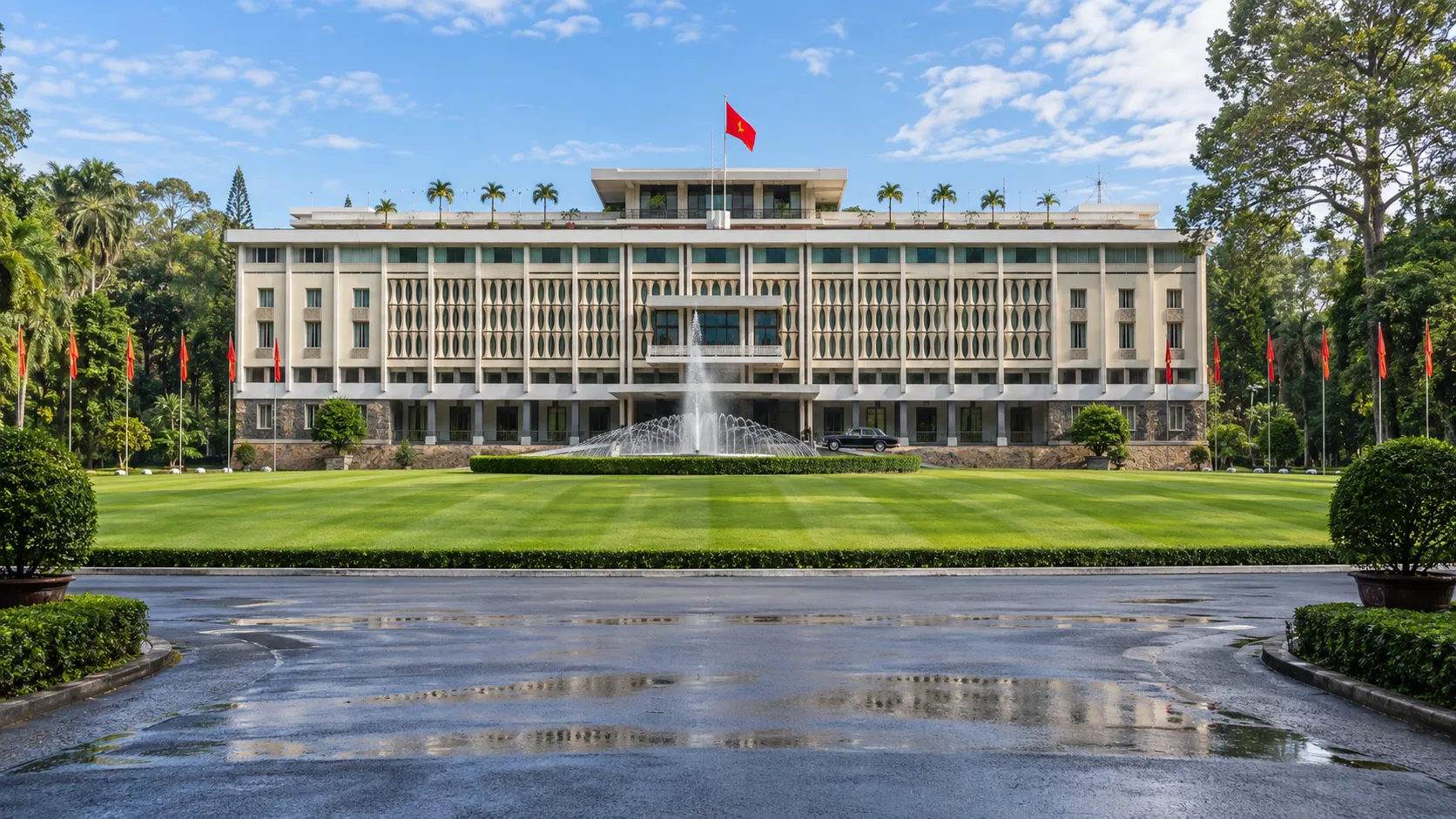
12. Independence Palace
Independence Palace, also called Reunification Palace, preserves formal rooms, command spaces, communications equipment, and architecture associated with the former South Vietnamese government. Its gates are central to the imagery of the end of the Vietnam War in 1975.
Use the exhibits or an audio guide so the basement and state rooms become more than vintage interiors. Official functions can affect access, and midday closures or ticket windows should be checked on the current palace site.
Allow: About two hours. It pairs naturally with the War Remnants Museum, but visiting both in one day can be emotionally heavy.
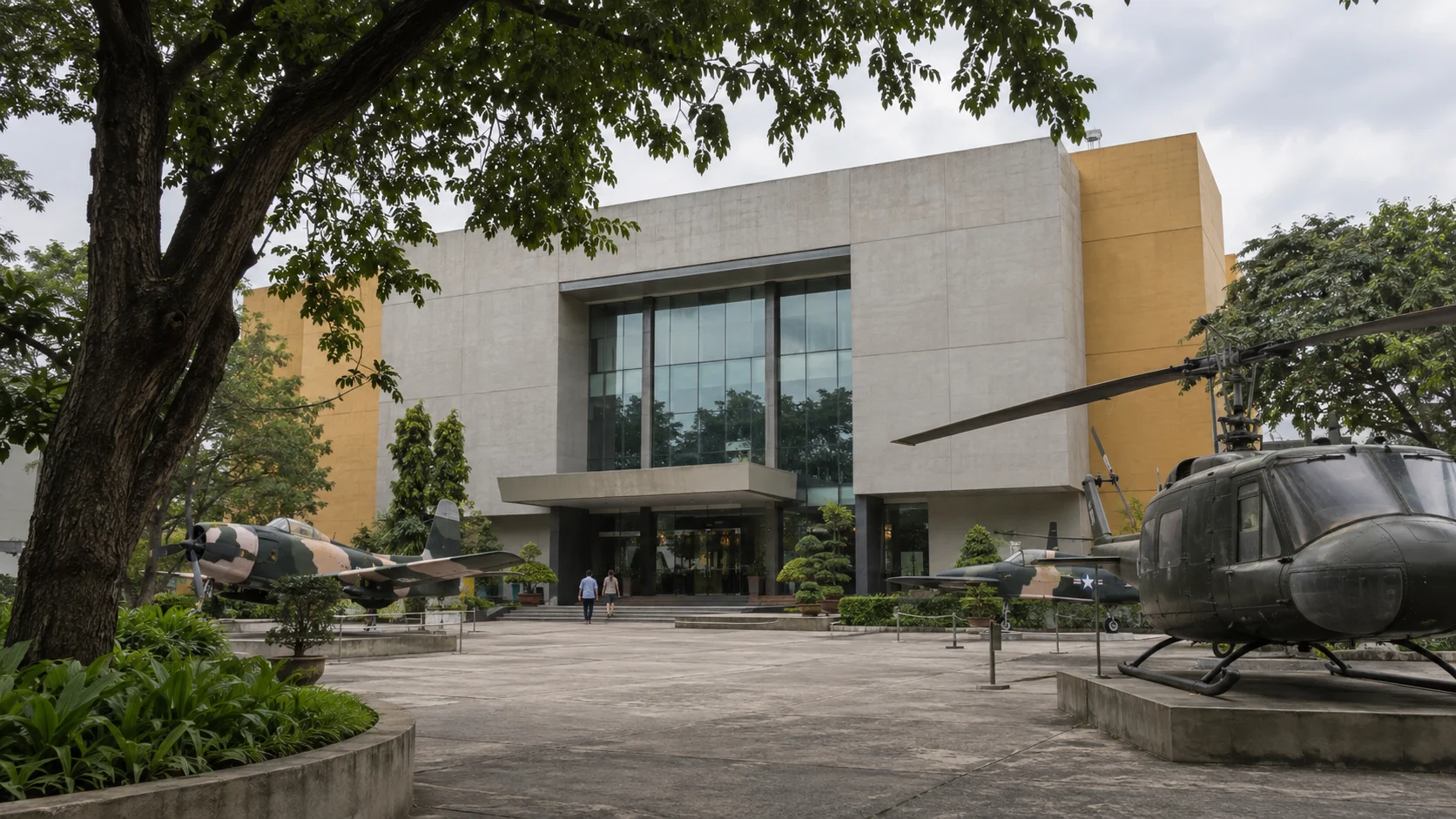
13. War Remnants Museum
The War Remnants Museum presents conflict through photographs, military objects, documents, and exhibitions that can be graphic and politically direct. This is a place to read slowly and recognize a Vietnamese institutional perspective, not rush between famous images.
Adults should preview the exhibit themes before bringing children, and anyone personally affected by war may want time afterward without another demanding attraction. Accessibility differs between the outdoor displays, elevators, and crowded galleries.
Allow: Two to three hours plus a quiet break. Do not schedule it simply because it appears on every checklist.
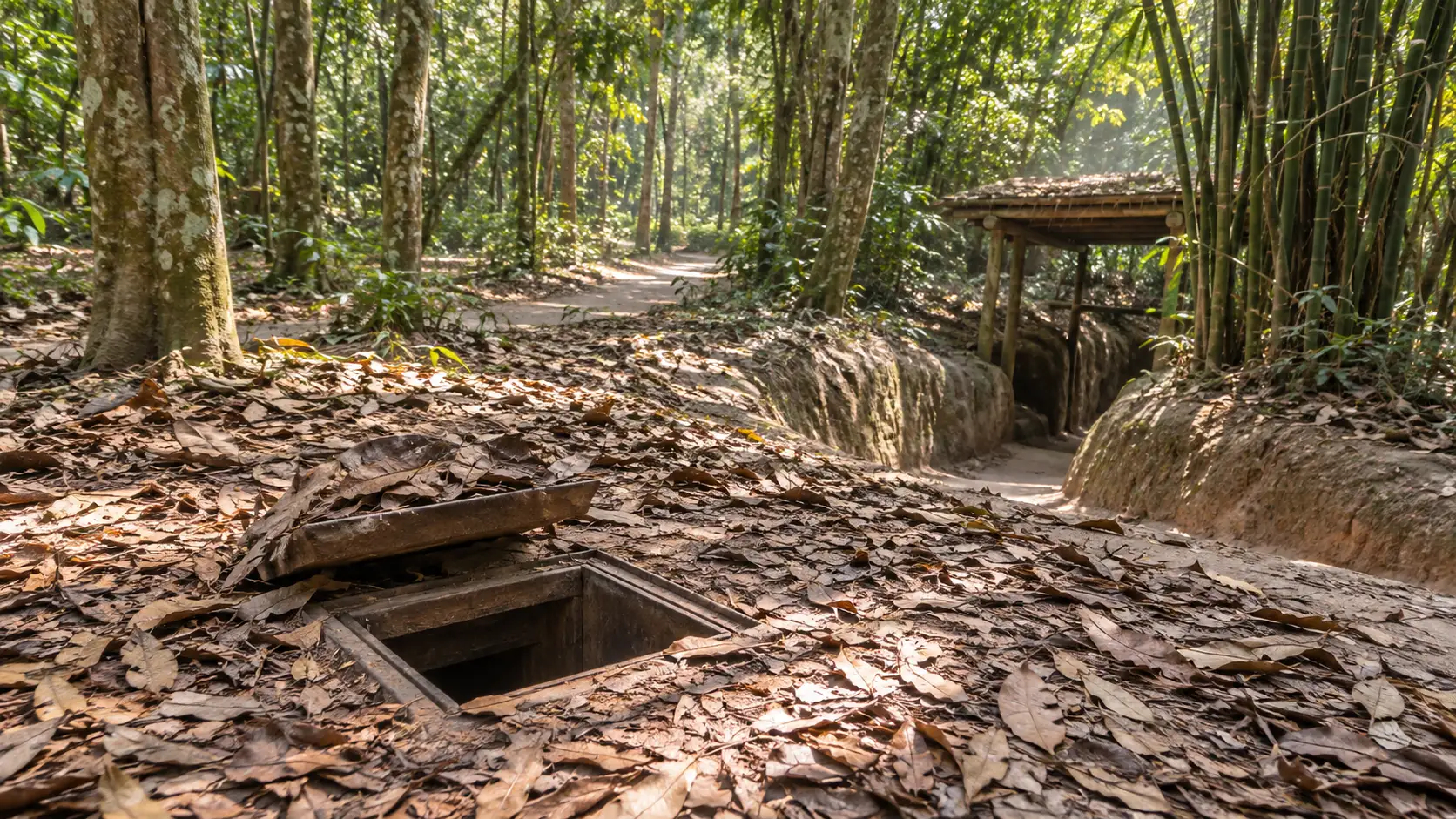
14. Cu Chi Tunnels
The Cu Chi network is represented to visitors primarily through the Ben Dinh and Ben Duoc sites outside central Ho Chi Minh City. Exhibits, reconstructed features, and short widened tunnel sections interpret wartime strategy and daily conditions, but they are not a neutral amusement course.
Claustrophobic travelers can remain above ground, and no one needs to crawl to understand the site. Ask which complex a tour visits, how long the road transfer takes, whether live-fire range time is included, and whether that atmosphere matches your reasons for going.
Allow: Most of a day once city traffic and the guided route are included. Ben Dinh is commonly used by shorter tours, while farther Ben Duoc can support a more spacious historical visit depending on the itinerary.
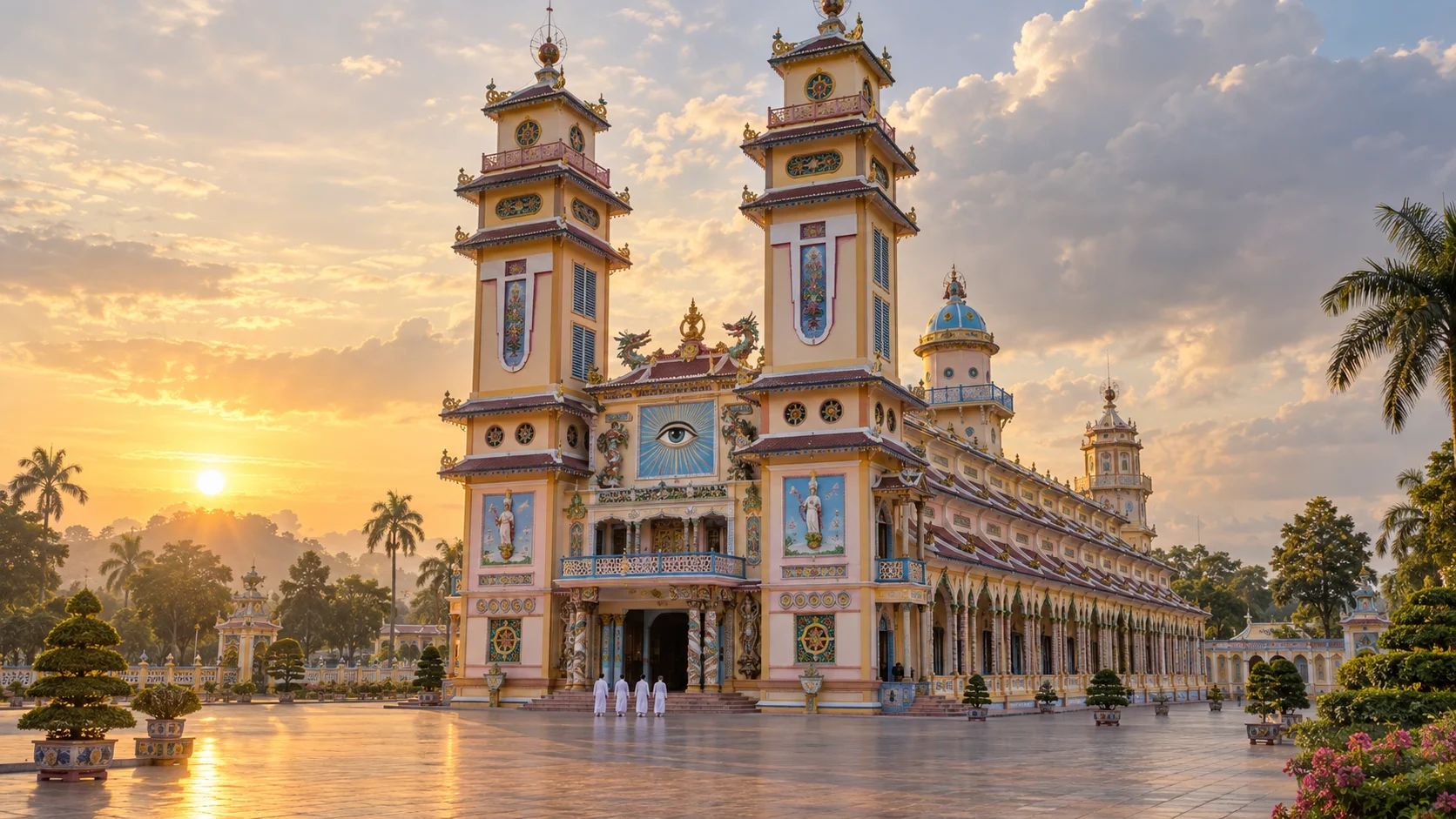
15. Cao Dai Holy See, Tay Ninh
The colorful Holy See in Tay Ninh is the center of Caodaism, a Vietnamese religion established in the 20th century. Visitors may observe worship from designated areas when permitted, but the service is a living religious practice rather than a performance arranged for cameras.
Dress modestly, remove shoes where instructed, keep voices low, and follow guidance on seating and photography. A Cu Chi combination tour saves a transport day but can reduce both sites to timed stops, so history and religion enthusiasts may prefer a private or slower visit.
Allow: A long day from Ho Chi Minh City, especially if combined with Cu Chi. Verify current service access rather than relying on a tour brochure printed months earlier.
How many landmarks fit into one Vietnam trip?
Seven days: choose one region
For the north, combine Hanoi with either Ninh Binh or Ha Long-Cat Ba, not both at maximum speed. For central Vietnam, use Da Nang as the airport and divide nights between Hue and Hoi An, adding either My Son or Phong Nha only when transfers work cleanly.
Ten days: choose two regions
A sensible first trip can pair Hanoi, Ninh Binh, and Ha Long with Hue or Hoi An. Flying between regions protects sightseeing time, but door-to-door airport hours still belong in the schedule.
Fourteen to eighteen days: travel north to south
With two or more weeks, combine Hanoi and one northern landscape, Hue, Hoi An, and Ho Chi Minh City with one southern day trip. Add Phong Nha, Yen Tu, or a Mekong segment by removing something else, not by turning every evening into an overnight transfer.
Travelers considering a river segment can compare the pace in this small-ship guide to Mekong cruising. For a wider regional trip, these Asian destinations by travel style help decide whether Vietnam should stand alone or pair with a neighbor.
Season and weather change the route
Vietnam does not have one nationwide dry season. Northern winters can be cool and gray, central Vietnam has its own heavy-rain and flood patterns, and the south follows a more tropical wet-dry rhythm.
Build the trip from monthly conditions in each region, then check current typhoon, flood, heat, and transport advisories. A cave boat, bay cruise, mountain cable car, and old-town street can all close for weather even when flights still operate.
Landmark etiquette and accessibility
Cover shoulders and knees at active religious and ceremonial sites unless local instructions say otherwise, remove shoes when directed, and never interrupt worship for a portrait. Ask before photographing people, particularly monks, worshippers, veterans, vendors, and children.
Historic sites often combine steps, thresholds, heat, slick stone, gravel, boats, and uneven courtyards. Contact each attraction about the exact route you need, because an accessible entrance does not guarantee access to every tower, tunnel, cave, tomb, or boat.
Carry water, sun protection, rain protection, and shoes that handle wet stone without becoming disrespectful indoors. Keep cash available for legitimate small tickets and transport, but buy admissions from official counters.
Keep the history human
Vietnam’s landmarks represent scholarship, faith, empire, trade, colonialism, war, reunification, nature, and modern city life. A list becomes much richer when you hire local guides where interpretation matters and leave enough time to notice how people use these places now.
If cost shapes the route, use this total-trip budgeting approach rather than assuming Vietnam is uniformly cheap. Domestic flights, private transfers, cruises, cave expeditions, and rushed single-night stops can overwhelm savings on food or hotels.
My final Vietnam landmark route
On a first two-week trip, I would choose Hanoi, the Temple of Literature, Thang Long, Ninh Binh, Hue, Hoi An, My Son, and Ho Chi Minh City’s palace and museum, then add either Ha Long-Cat Ba or Phong Nha. That sequence balances built heritage, living cities, and one major natural landscape without making every day a transfer.
Save Yen Tu, Cu Chi, Tay Ninh, and the second cave or bay region for the interests that genuinely excite you. The best Vietnam landmarks are not the fifteen you can mark complete, but the six or eight you have enough time to understand.