12 Unique European Cruise Ports Worth the Itinerary
A unique cruise port should change the voyage, not merely add another souvenir street. These 12 European calls deliver fjord sail-ins, Arctic scale, volcanic landscapes, ancient cities, or rare river access, but each also has a logistical catch worth understanding before you book.
My Best Unique Europe Cruise Ports by Traveler
- Best scenic arrival: Geiranger or Kotor
- Best railway day: Flåm
- Best archaeology: Kirkwall
- Best city port: Istanbul
- Best volcanic landscape: Ponta Delgada
- Best small-ship reward: Bordeaux
- Best expedition gateway: Longyearbyen
Do not choose a cruise from port names alone. Compare time alongside or at anchor, docking location, tender priority, excursion duration, and the number of ships scheduled on your date.
Ship size is part of the itinerary, not just the onboard experience. Ellie’s small-ship cruising breakdown explains why giving up a huge theater or water park can buy closer berths and harder-to-reach calls.
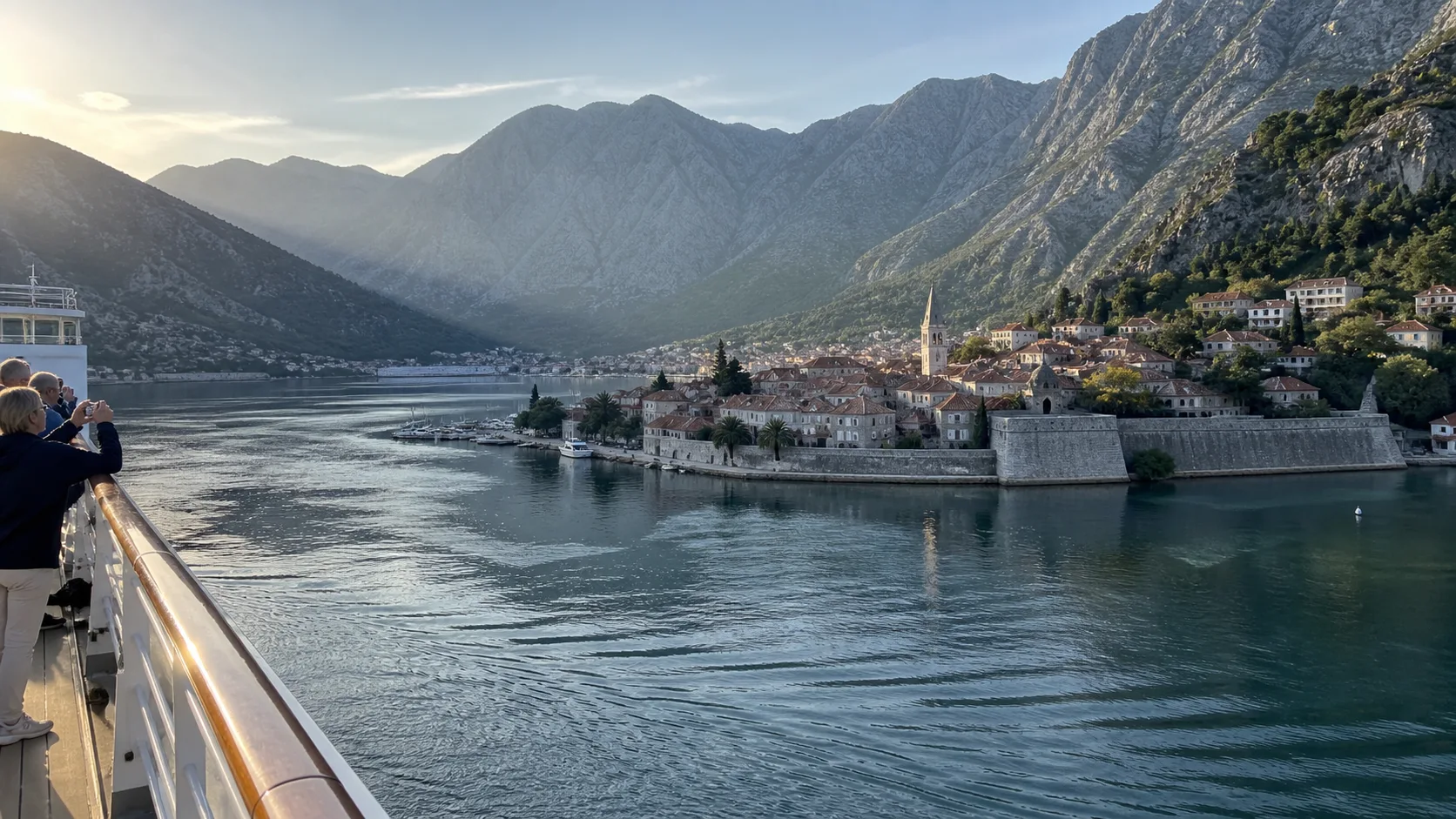
1. Kotor, Montenegro: A Bay Arrival With a Walled Town
Kotor’s approach threads through a mountain-ringed bay before depositing cruisers beside a compact medieval old town. The arrival is part of the attraction, so be outside well before the final approach rather than waiting for the gangway announcement.
Some ships berth while others anchor and tender, and that difference can consume valuable morning time. Check the line’s port notes and the onboard tender process instead of assuming an old review matches your ship.
Inside the walls, churches, lanes, cats, cafes, and small museums make a satisfying independent day. The steep fortress route needs proper shoes, water, heat judgment, and enough descent time before the last tender.
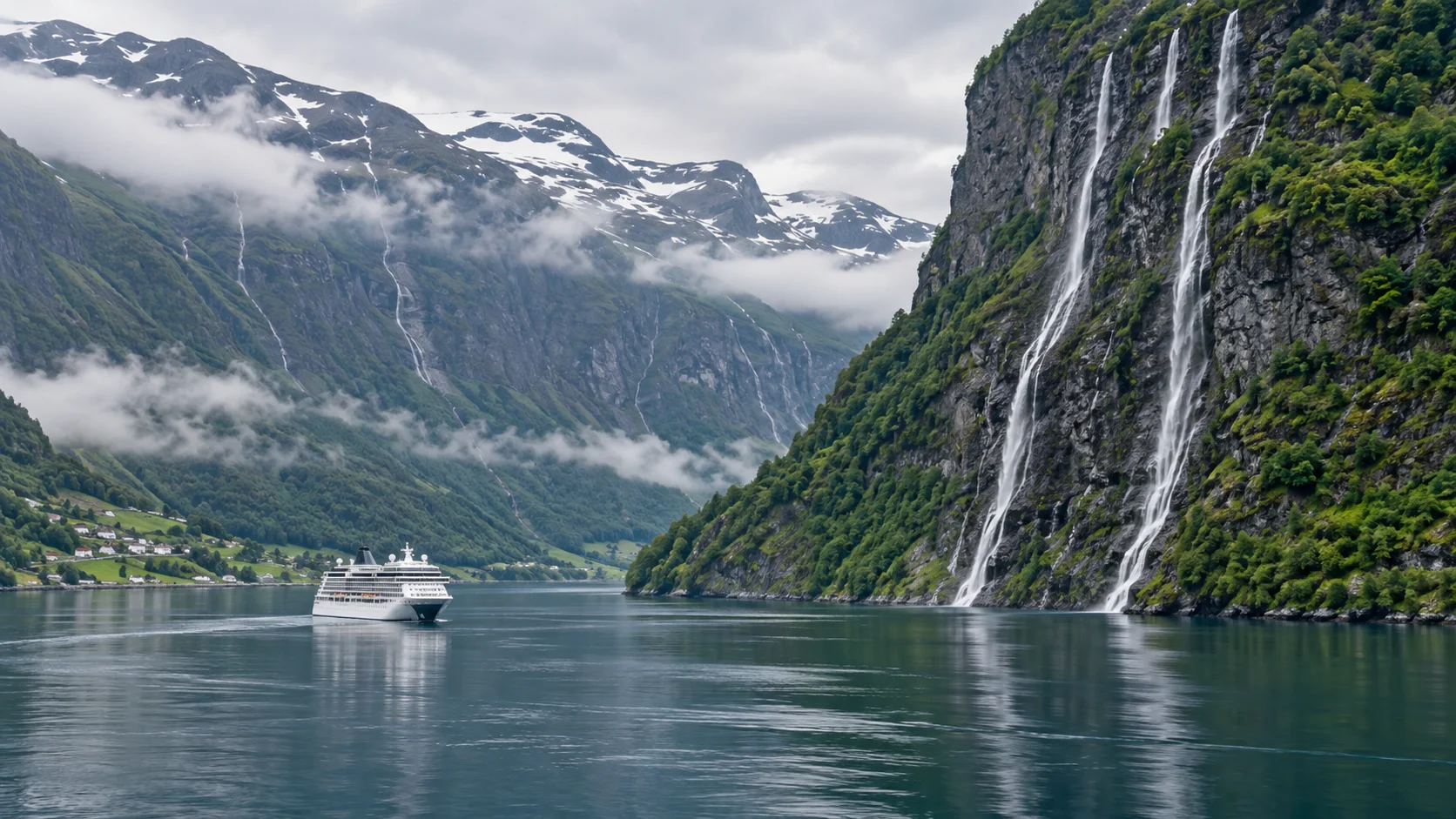
2. Geiranger, Norway: The Port Where the Ship Is the Viewpoint
Geirangerfjord turns arrival and departure into hours of scenery, with waterfalls, farms, cliffs, and tight waterway scale visible from the ship. A balcony is lovely, but open decks give you changing angles and eliminate the question of which side wins.
Geiranger may use tenders or the SeaWalk floating connection, depending on the ship and daily operation. Tender queues, weather, and limited village capacity make this a poor place to stack independently booked tours with narrow gaps.
A viewpoint excursion adds height and context, while a fjord-level outing gives the cliffs their proper scale. Pick one main perspective and leave time to walk the village rather than spending the whole call transferring between buses.
Best for: travelers who value landscape over shopping. Weather can hide famous views, yet the fjord passage still gives the day a strong sense of place.
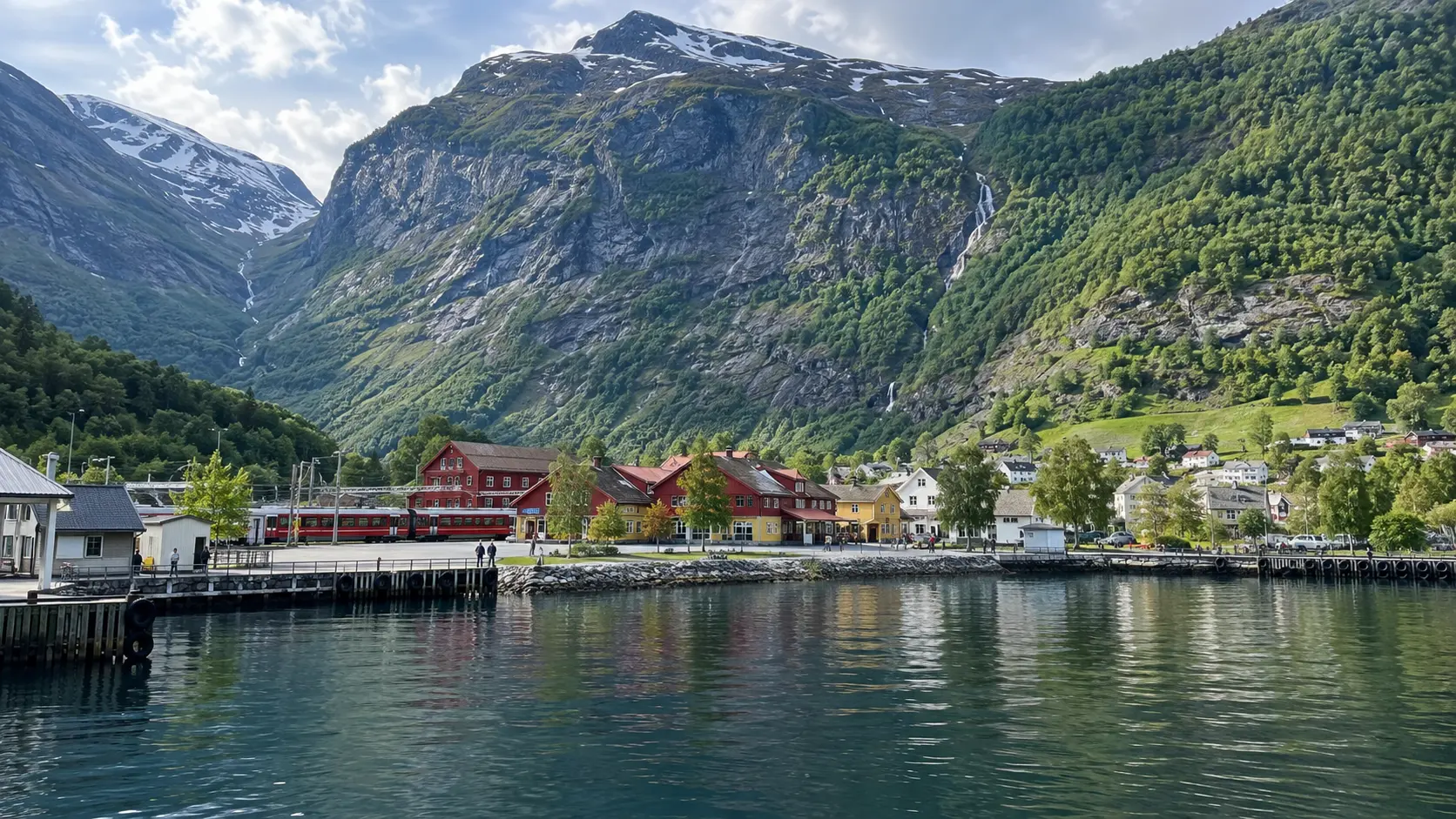
3. Flåm, Norway: Tiny Village, Serious Railway Logistics
Flåm sits deep in Aurlandsfjord and is famous for the steep, scenic rail connection toward Myrdal. The village is small enough to navigate easily, but railway inventory can disappear long before your sailing.
Ships may berth near the center or anchor and tender, and multiple calls can transform the station area. Match any independent ticket to realistic disembarkation time and preserve a generous return margin.
The railway is not mandatory for a good day because fjord boats, cycling, walking, and nearby viewpoints offer different combinations of effort and scenery. Book the train only if its fixed schedule improves your port day rather than making every minute anxious.
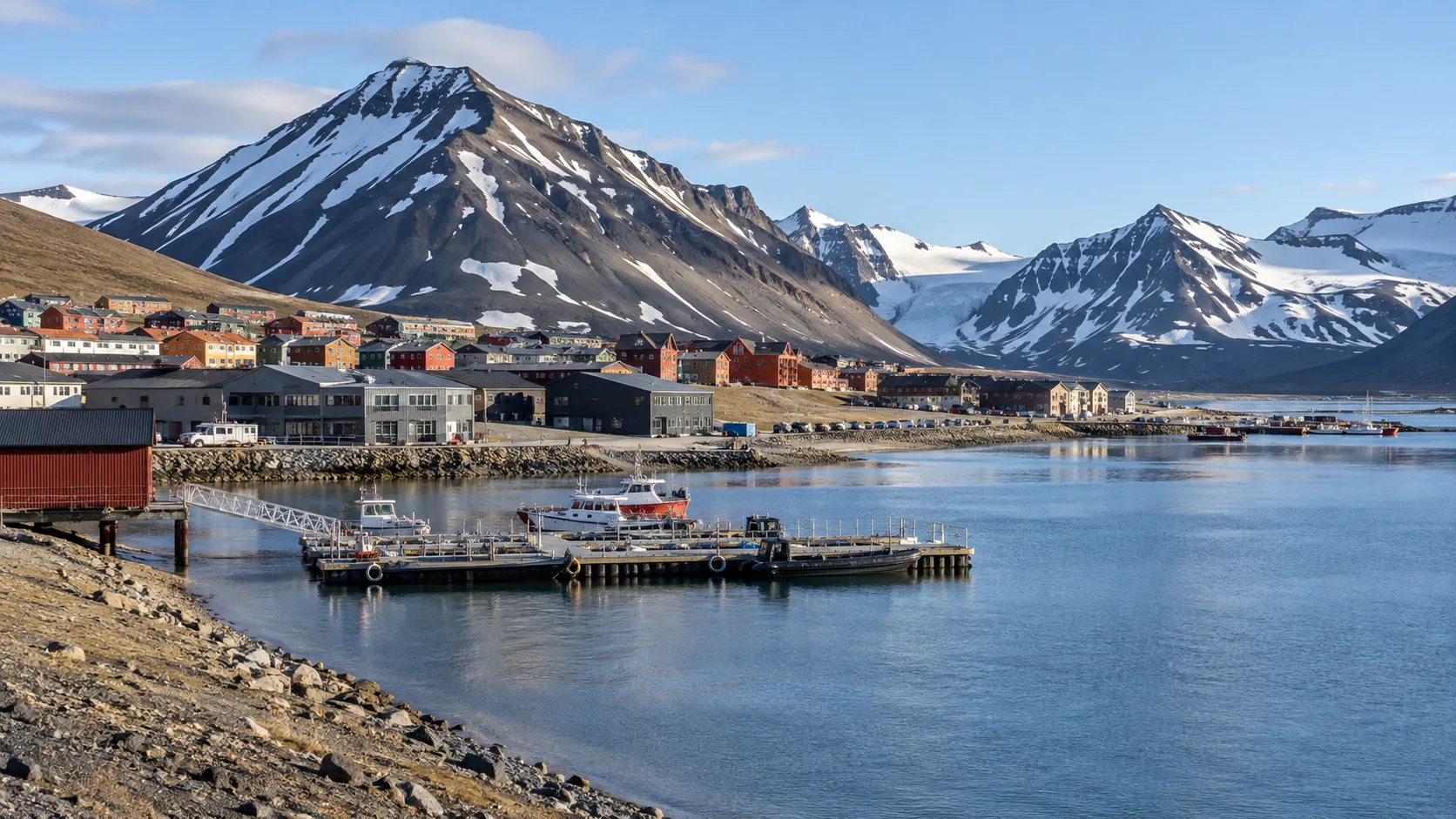
4. Longyearbyen, Svalbard: An Arctic Gateway, Not a Casual Port
Longyearbyen puts a cruise at the edge of the inhabited High Arctic, with mining history, tundra, stark mountains, and expedition operations. It may be an embarkation point, turnaround, or port call, and those versions require completely different flight and hotel planning.
The official Port Longyear information identifies Longyearbyen as Svalbard’s main cruise logistics point and confirms that tenders are allowed. Your ship’s berth, shuttle, luggage, and transfer arrangements still need direct confirmation.
Outside settlement boundaries, polar-bear risk and local safety rules make independent wandering fundamentally different from a Mediterranean stroll. Use qualified local operators, follow guide instructions, and never interpret wildlife habitat as a guaranteed sighting.
Best for: expedition-minded travelers who accept weather changes and cancellations. It is not the port for someone who wants predictable sunshine, effortless mobility, or a bargain last-minute flight.
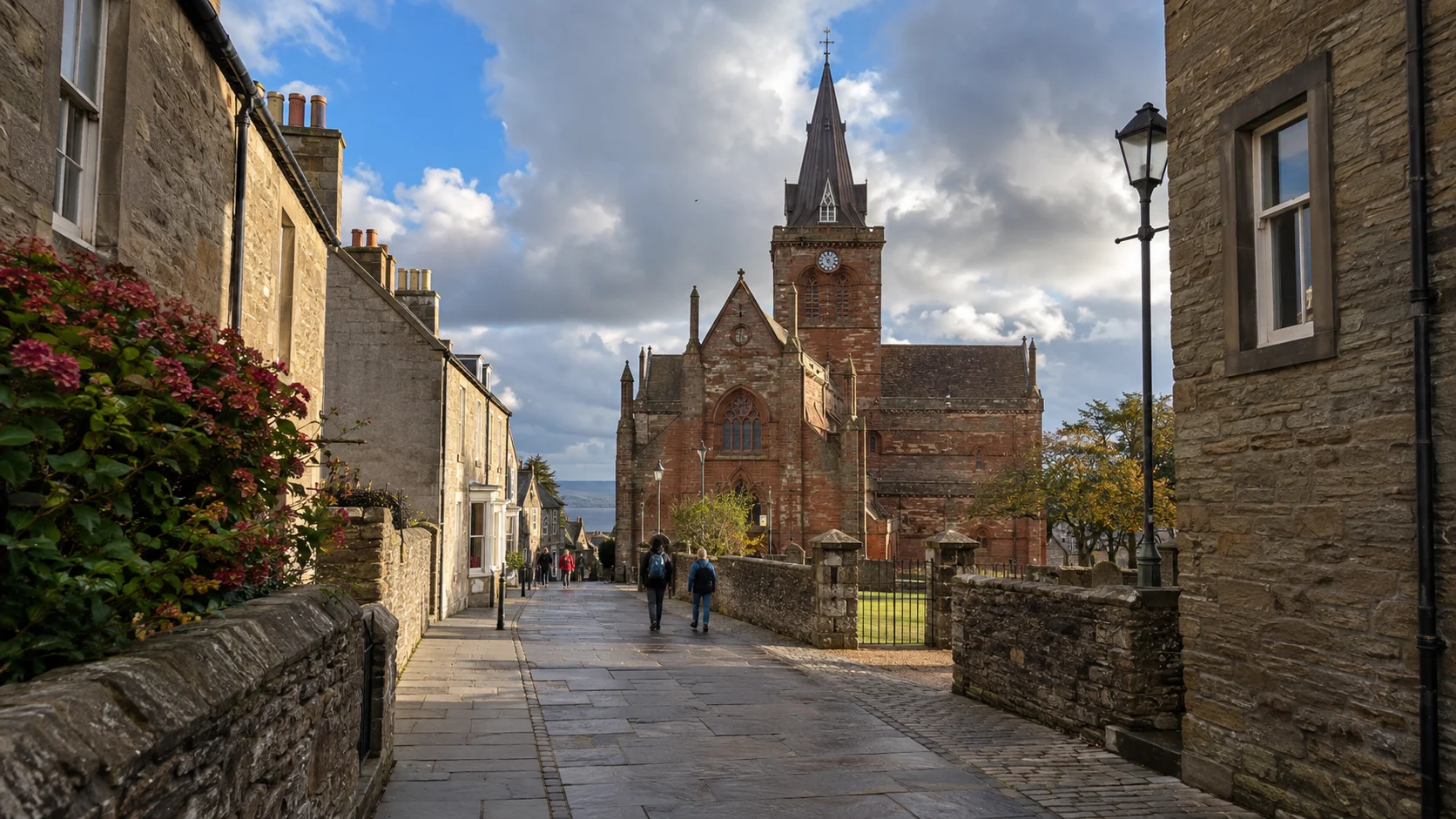
5. Kirkwall, Orkney: Neolithic History Beyond the Town
Kirkwall offers a handsome center with Saint Magnus Cathedral, shops, and museums, while Orkney’s greater distinction lies in prehistoric landscapes beyond town. Stone circles, settlement remains, coastal weather, and layered Norse history make this more than another British Isles shopping stop.
Many ships use Hatston Pier, about 2.5 miles from central Kirkwall, where Orkney Islands Council operates a shuttle. The official Kirkwall arrival page publishes current shuttle timing and return rules.
Independent rental supply and popular tours can be limited, so reserve early if the Neolithic sites are nonnegotiable. A town-only day remains worthwhile when wind, berth time, or mobility makes a long island circuit unwise.
Best for: archaeology and travelers who love a story-rich landscape. Check opening hours and access at every site because not all ruins function like walk-in monuments.
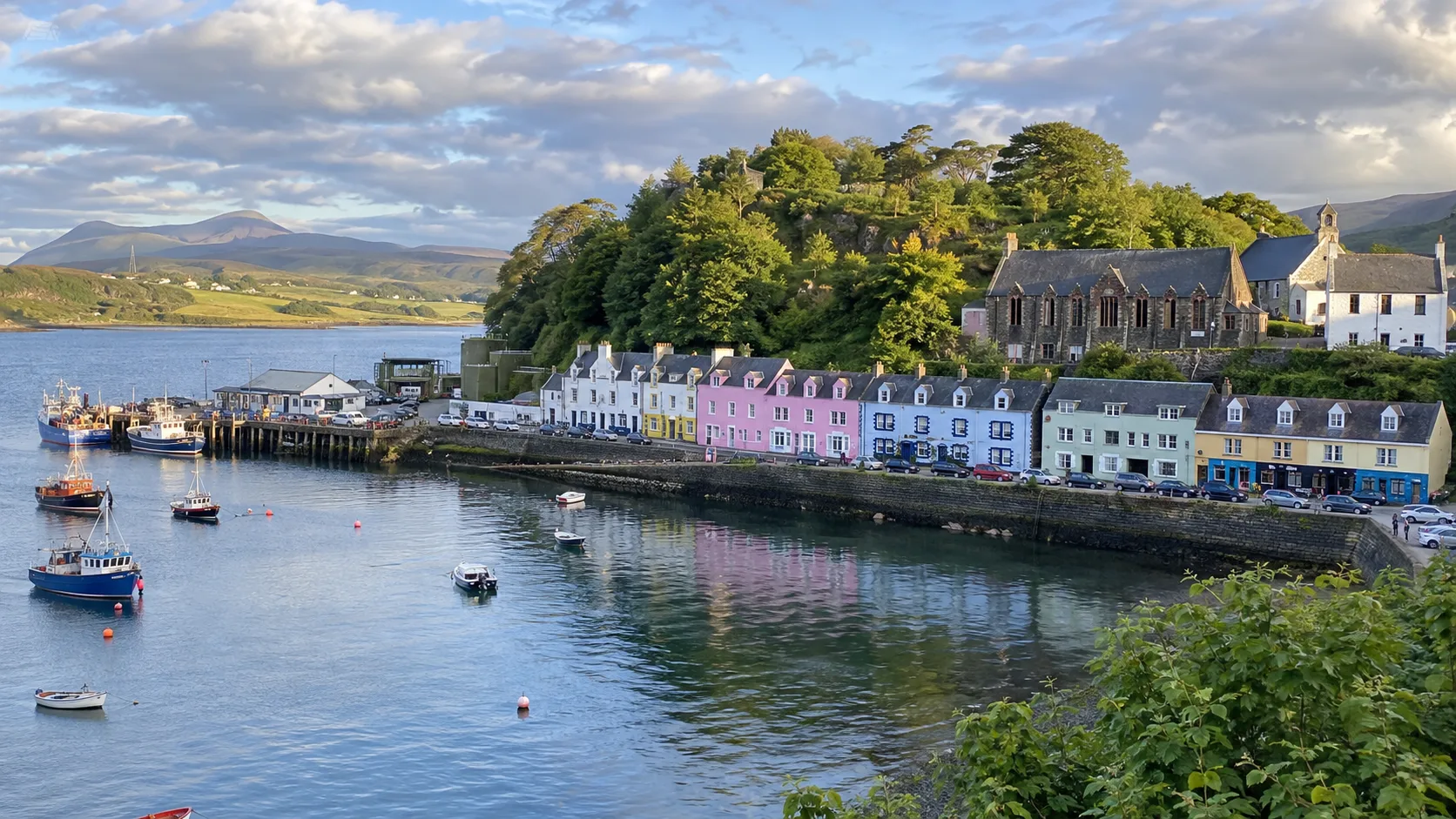
6. Portree, Isle of Skye: A Tender Gateway to Big Scenery
Portree’s colorful harbor is a charming landing point, but the real prize is access to Skye’s ridges, cliffs, glens, and geological landmarks. The island is much larger and slower to cross than a postcard implies.
Cruise ships generally anchor and tender, making wind and sea conditions operationally important. Anyone with a private tour should give the guide the ship, stated arrival, tender process, and final all-aboard time before paying.
Do not combine the Old Man of Storr, Quiraing, Fairy Pools, castle stops, and a long lunch into one fantasy circuit. Choose one geographic side of Skye and let the guide adapt when weather covers the view.
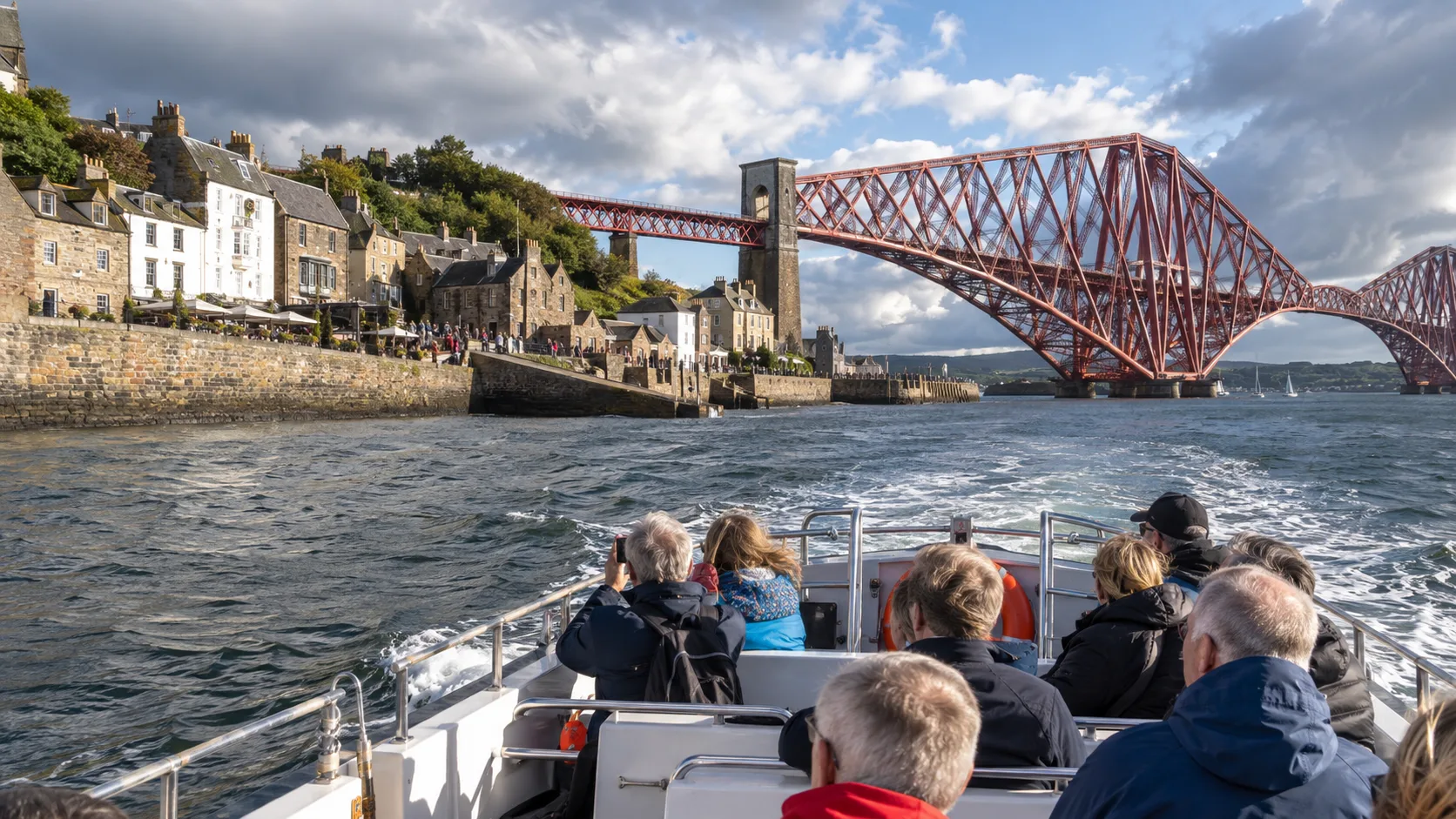
7. Edinburgh via South Queensferry: Bridges Before the Capital
South Queensferry frames the Forth bridges beautifully and feels like a destination before Edinburgh even enters the plan. The catch is that “Edinburgh” can mean South Queensferry, Rosyth, Leith, or Newhaven, each with different tender and transfer logistics.
Read the exact berth in your cruise documents, not just the marketing city. A tender plus train or coach can work well, but Royal Mile crowds, festival dates, and traffic shrink usable time.
First-time visitors should choose Edinburgh’s Old Town and castle area or a focused museum plan, not attempt the capital plus rural Scotland. Repeat visitors can enjoy South Queensferry, a nearby estate, or Fife without treating the city as compulsory.
Best for: a famous city paired with a memorable arrival setting. Mobility-sensitive travelers should verify tender boarding and station access before planning an independent rail day.
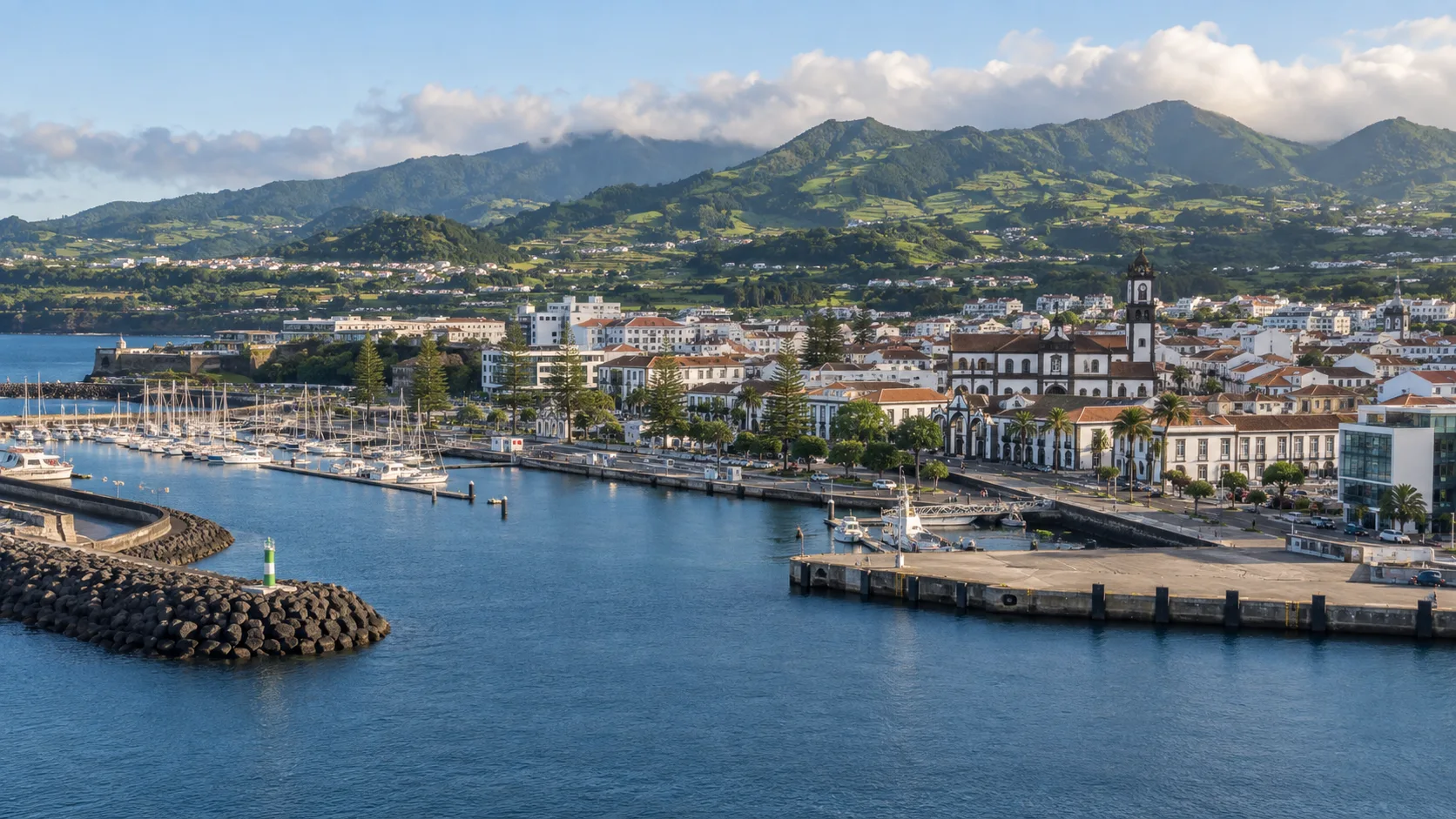
8. Ponta Delgada, Azores: Volcanic São Miguel From a Central Port
Ponta Delgada gives Atlantic itineraries a green volcanic island, crater lakes, geothermal landscapes, gardens, and a walkable historic center. It appears on transatlantic repositioning cruises as well as dedicated Azores routes, so port hours vary widely.
The official Azores cruise-port information places the Portas do Mar terminal about 650 feet from downtown. That convenience lets uncertain-weather travelers delay the choice between a city walk and a longer island tour.
Sete Cidades, Furnas, and eastern São Miguel are different day plans, not interchangeable photo stops. Fog can erase a crater viewpoint, so use an operator willing to adjust the route and avoid promising yourself every island highlight.
Best for: volcanic scenery and transatlantic cruisers craving land after sea days. It also rewards food-focused travelers who leave room for local dairy, pineapple, seafood, and tea.
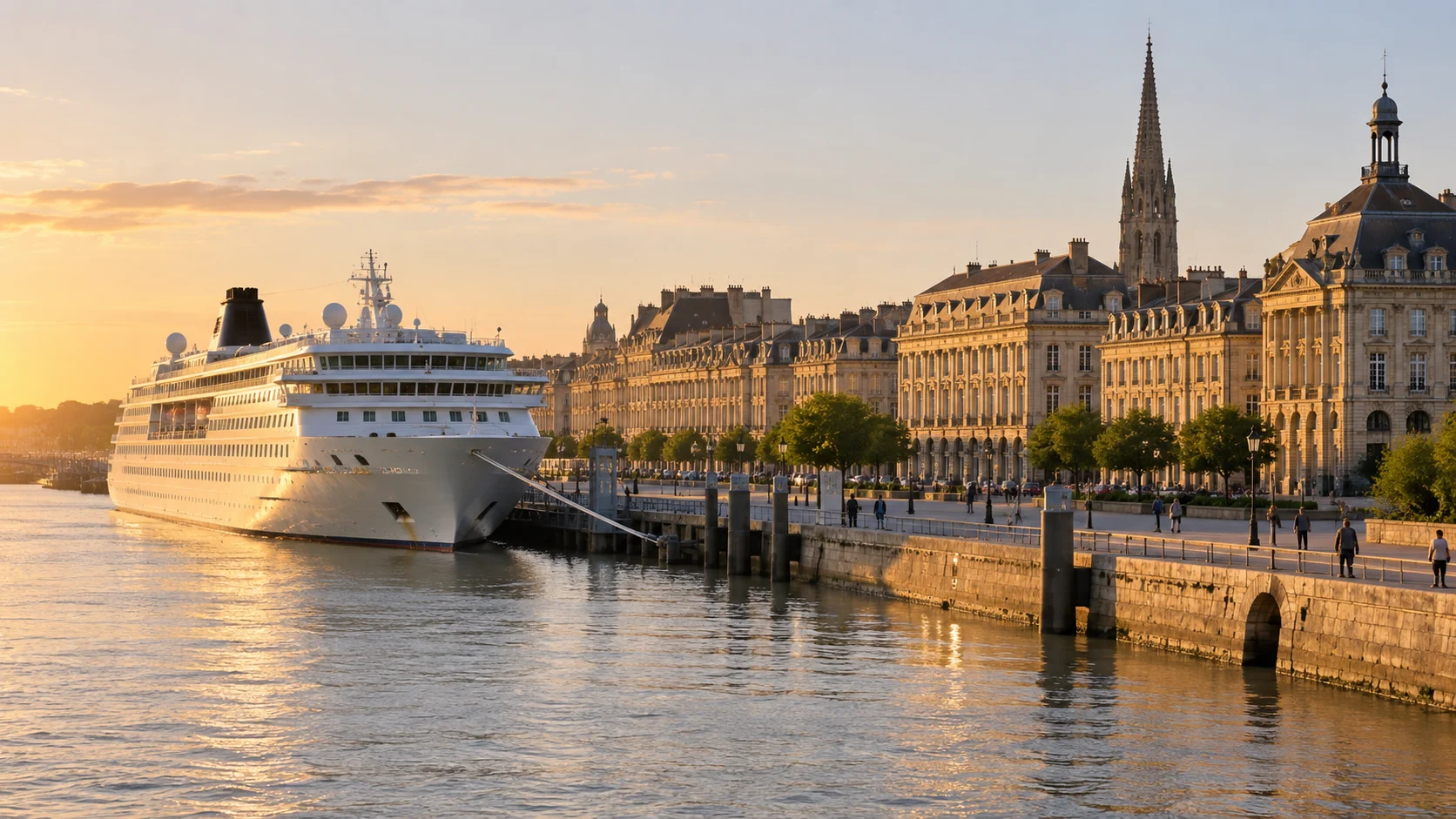
9. Bordeaux, France: The Berth Can Be the Entire Advantage
Bordeaux is exceptional when a smaller ocean ship sails the Gironde and Garonne to berth near the historic center. A larger ship may use a distant estuary terminal, turning the same destination name into a much longer transfer.
The Port of Bordeaux says its city terminal accepts smaller ships under 837 feet, while deep-water Le Verdon can handle vessels of any size. Verify the exact terminal before comparing fares or booking a timed wine tour.
A central berth supports architecture, markets, museums, and meals without an excursion. Vineyard visits add transport and tasting logistics, so choose one appellation area and use a driver if drinking.
Best for: small-ship cruisers who value walking into a major city. This is a clean example of why Ellie’s world cruise-port directory starts with the terminal rather than the destination label.
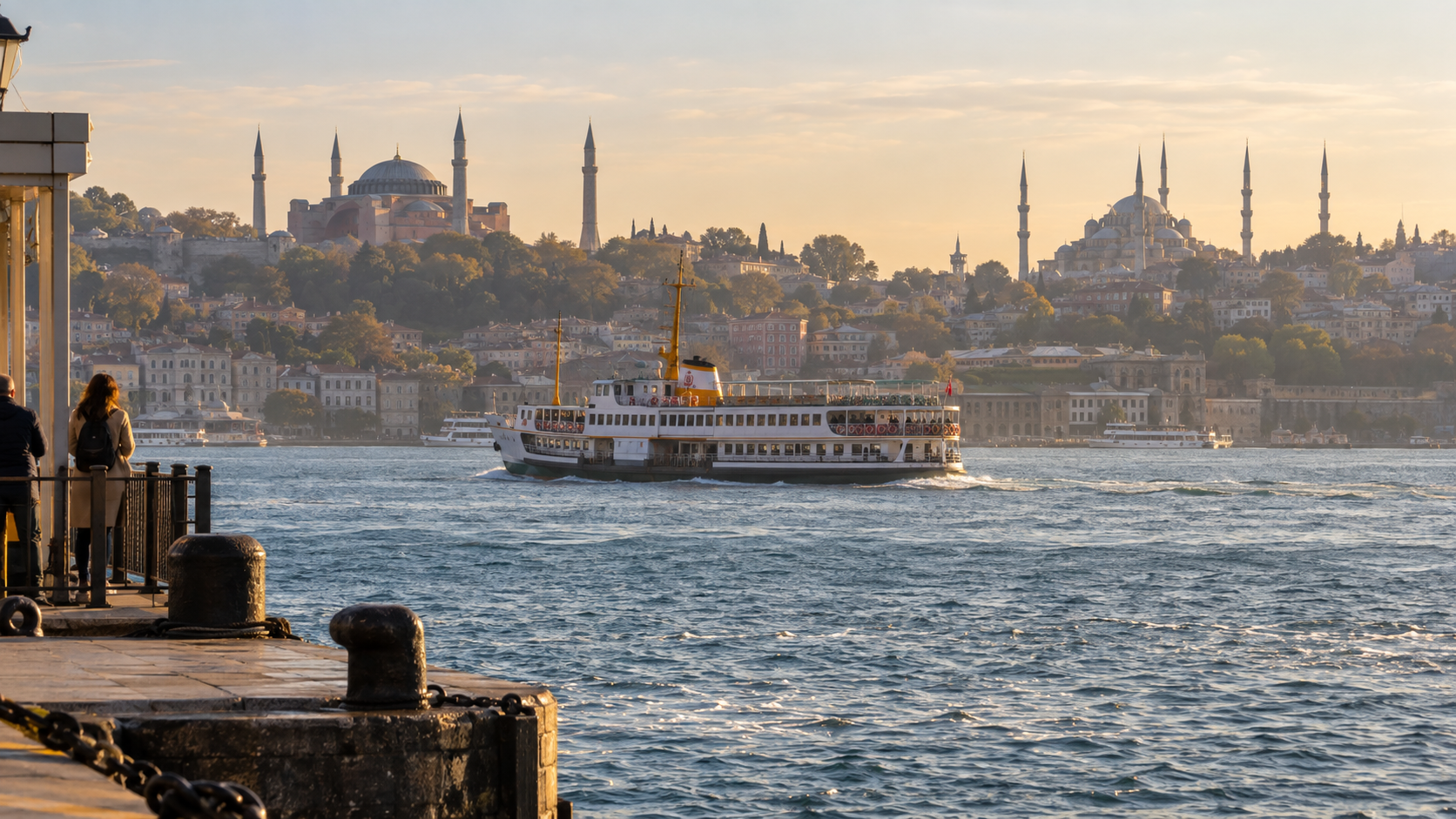
10. Istanbul, Turkey: A Port Day Across Empires and Continents
Istanbul delivers Byzantine and Ottoman monuments, the Bosphorus, markets, mosques, ferries, and a vast living city in one call. It is impossible to “do Istanbul” in a day, which is exactly why an overnight port stay is so valuable.
Galataport sits on the Karaköy waterfront, and the official terminal page explains its cruise facilities. Security processing, city traffic, prayer times, ticket lines, dress requirements, and monument restoration still shape the usable day.
First-timers should choose an Old City cluster or a Bosphorus-and-modern-district day, not both at full depth. Carry a scarf where required, wear removable shoes and modest clothing for active mosques, and confirm visitor access that morning.
Best for: history lovers and cruisers who want a port with more life than the excursion list can contain. Add pre- or post-cruise nights when possible.
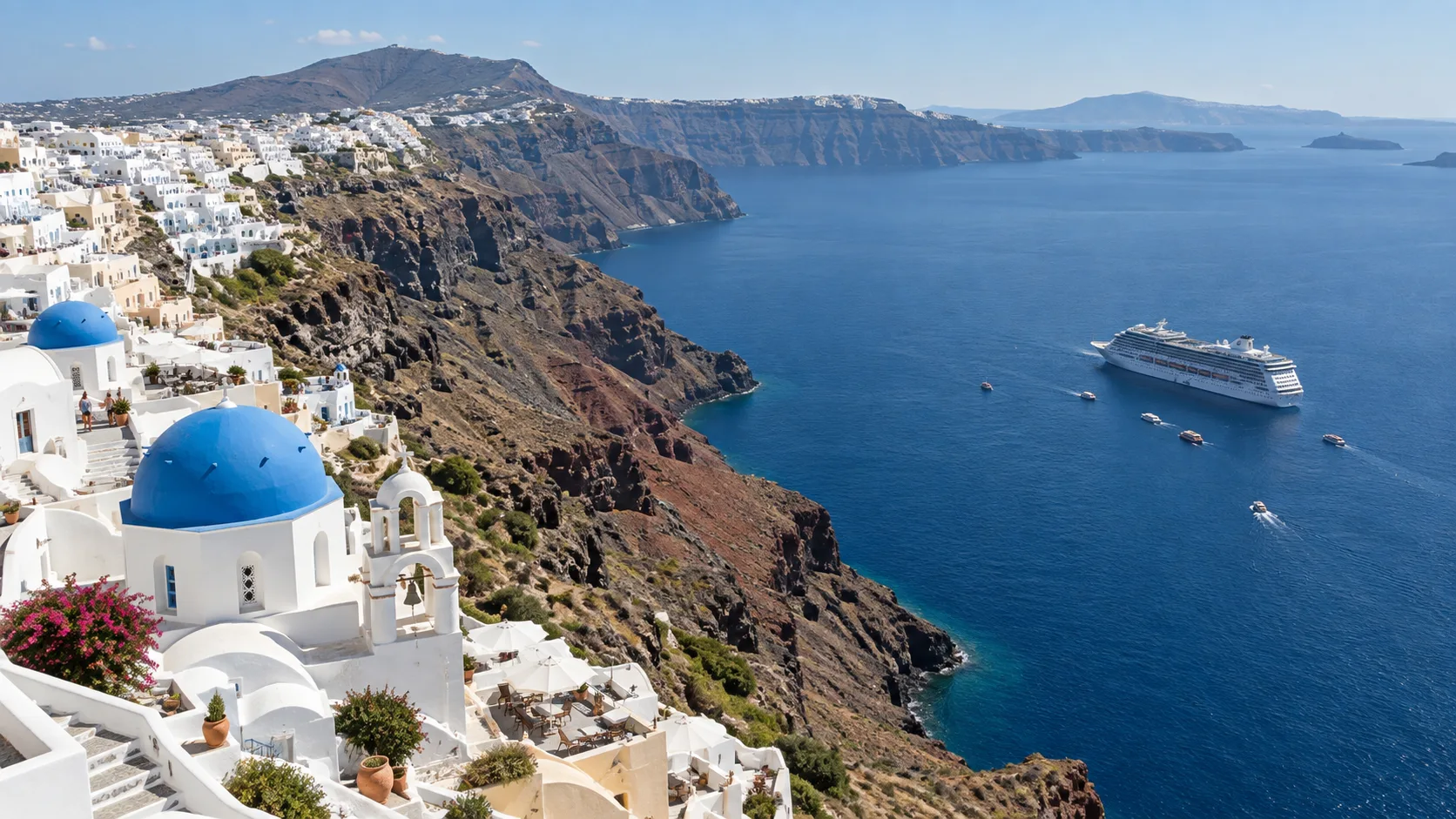
11. Santorini, Greece: Spectacular Caldera, Difficult Exit
Santorini’s caldera makes a dramatic tender arrival, but independent cruise passengers commonly face a second bottleneck between the old port and Fira. Cable-car queues can become the defining feature of a busy multi-ship day.
Your ship controls tender tickets and last-tender rules, while local operations control the shore connection. Do not book an early independent departure or late return using the vessel’s scheduled arrival and departure as if they were sidewalk times.
Oia is beautiful and crowded, while Fira, Akrotiri, villages, wineries, and caldera sailing create very different days. Select one main experience and plan the descent before chasing a final sunset picture.
Best for: first-time Aegean scenery, especially on a lower-traffic call. Travelers who cannot manage long standing waits should investigate a ship excursion’s transport details and cancellation terms.
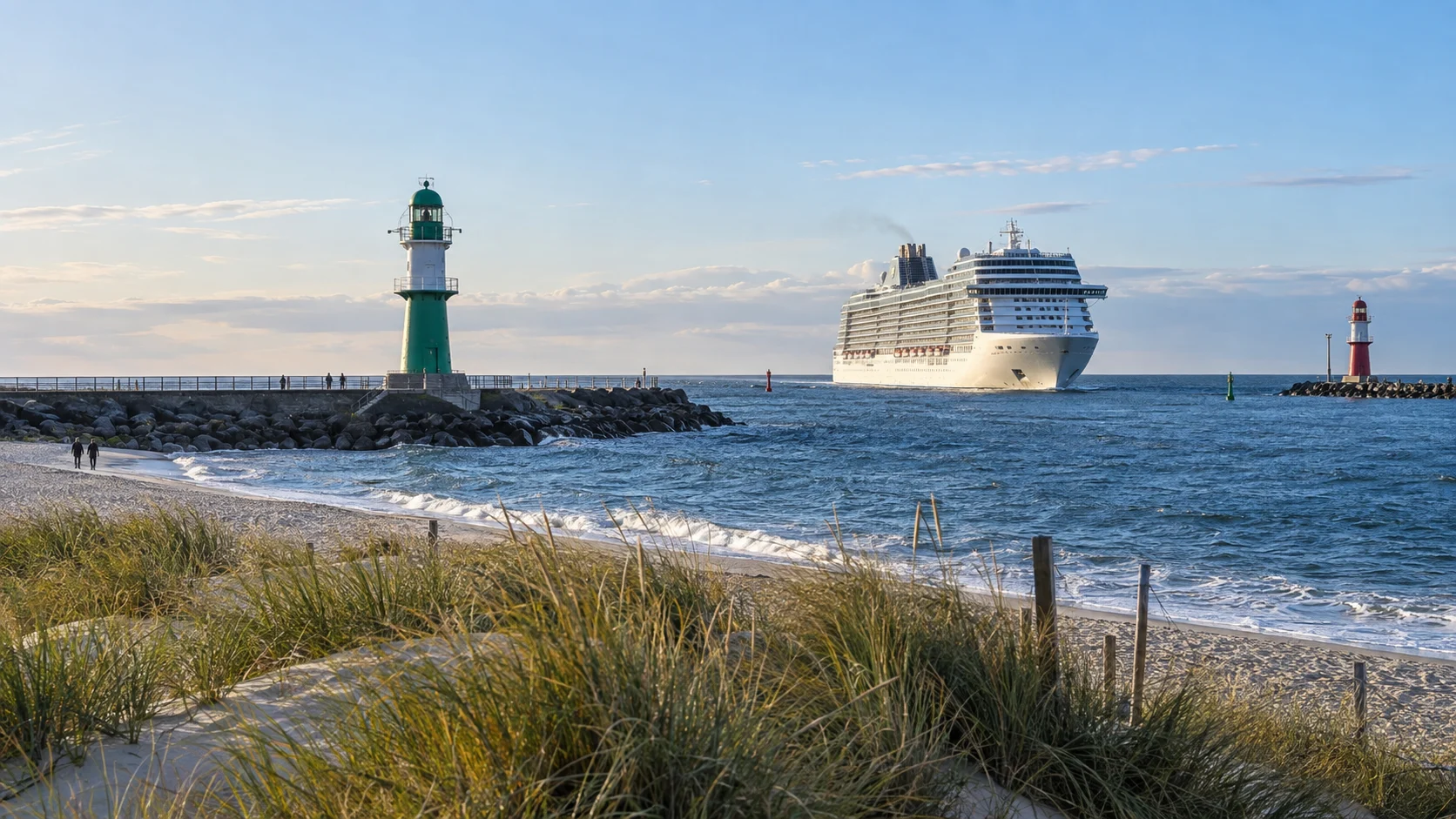
12. Warnemünde, Germany: Excellent Port, Questionable Berlin Day
Warnemünde offers a beach, lighthouse area, canal, seafood, and easy access to Rostock, giving cruisers a pleasant independent Baltic day. Its cruise marketing often emphasizes Berlin, but the capital is a long overland excursion.
Choose Berlin only if this is your sole realistic chance and you accept hours of transportation. Confirm whether the tour uses a charter train or coach, what happens during delays, and how little unscheduled time remains.
Warnemünde and Rostock reward travelers who would rather experience northern Germany than collect distant landmarks through a bus window. That is not settling; it is using port time honestly.
How to Choose the Right European Cruise Itinerary
Pick two nonnegotiable ports, then judge every sailing by its weakest logistics. A great fare does not rescue four short calls, repeated tender bottlenecks, or a marquee destination reached by a multi-hour transfer.
- Confirm the exact berth, anchorage, or gateway terminal.
- Check scheduled hours against likely tender and immigration time.
- Count how many ships and passengers may share the port.
- Reserve scarce trains, timed sites, and small-group tours early.
- Keep a walkable bad-weather or canceled-tour backup.
Season matters differently in Svalbard, Norway, Scotland, the Azores, and the Mediterranean. Ellie’s cruise timing overview is a starting point, but your exact port calendar and daylight are the final test.
Southampton departures can combine Norway, Iceland, the British Isles, the Atlantic islands, and northern European cities without a flight inside Europe. Compare those routes with Ellie’s Southampton cruise planning, then add transportation to the embarkation port.
My Final Shortlist
Book Kotor or Geiranger when the sail-in matters most, Kirkwall for archaeology, Ponta Delgada for volcanic range, and Istanbul for sheer cultural depth. Choose Bordeaux or Longyearbyen when a smaller ship unlocks an experience the largest vessels cannot reproduce as neatly.
The most unique port is not automatically the easiest port. Give operational details as much weight as the postcard, and your European cruise becomes a sequence of distinct places instead of a race through terminal names.