Outer Banks Lighthouses: Climb and Road Trip Guide
The Outer Banks lighthouses look close on a map, but barrier-island traffic, seasonal climbs, and the Ocracoke ferry turn them into a real road trip. In 2026, only Currituck Beach and Bodie Island offer regular public climbs, while Cape Hatteras remains closed for restoration.
How Many Outer Banks Lighthouses Can You Visit?
Five public lighthouse sites fit a practical north-to-south Outer Banks route: Currituck Beach, Roanoke Marshes, Bodie Island, Cape Hatteras, and Ocracoke. They are not five versions of the same stop, because only two have climbable towers in 2026 and one requires a ferry journey.
Cape Lookout Lighthouse is sometimes marketed as part of a broader “Southern Outer Banks” trip, but it sits well beyond Ocracoke and requires separate boat logistics. Diamond Shoals Light stands offshore and is not a visitor attraction, so neither belongs in the core five-stop drive.
Outer Banks Lighthouse Route From North to South
- Currituck Beach Lighthouse: Corolla, climbable in season
- Roanoke Marshes Lighthouse: Manteo, short boardwalk visit
- Bodie Island Lighthouse: south of Nags Head, climbable in season
- Cape Hatteras Lighthouse: Buxton, grounds open but no 2026 climbs
- Ocracoke Lighthouse: Ocracoke Village, never open for public climbing
Corolla to Ocracoke Village cannot be completed like an ordinary coastal highway drive. Build the route over at least three days, and preferably four if you want beaches, museums, meals, and weather flexibility rather than lighthouse parking lots alone.
1. Currituck Beach Lighthouse in Corolla
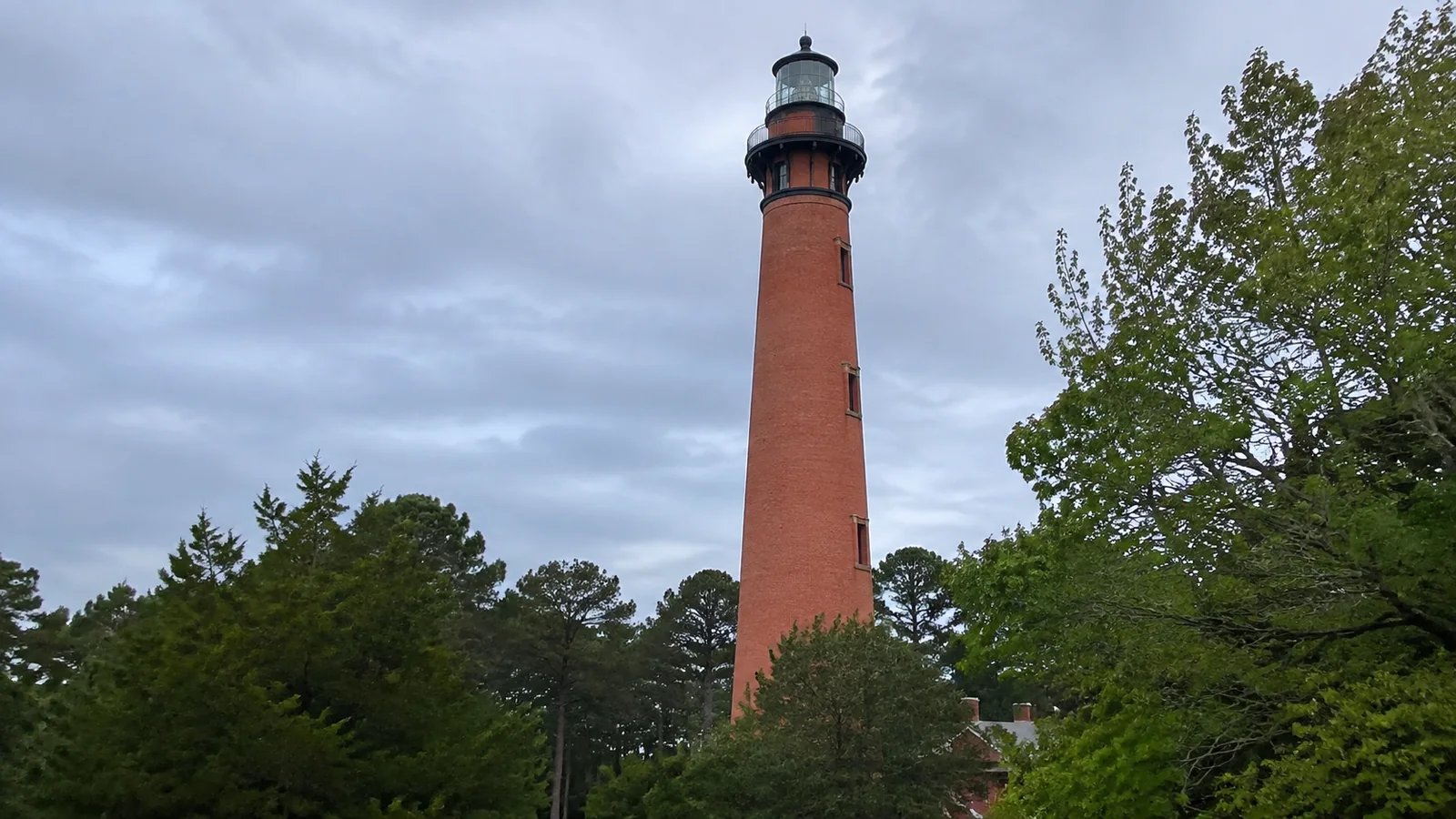
Currituck Beach Lighthouse is the handsome unpainted-brick tower at the northern end of the route. Its 220-step self-guided climb ends with broad views across Corolla, Currituck Sound, and the Atlantic side of the barrier island.
The tower is operated by Outer Banks Conservationists rather than the National Park Service, so its ticket system and rules differ from Bodie Island. The official 2026 schedule lists daily operation from March 21 through November 30, generally 9 a.m. to 5 p.m., with extended Wednesday and Thursday hours in June, July, and August.
Operation is weather-dependent and the tower closes for thunder and major storms. Check the current admission price, child rules, and payment method before leaving, because old articles that call the climb free or year-round are no longer reliable.
How much time to allow
Allow 60 to 90 minutes for the grounds, museum shop, wait, and climb. Add more time for Historic Corolla Park, the Whalehead property, or a picnic, all of which make the long drive north more worthwhile.
Who should skip the climb
The narrow spiral staircase, heat, height, and shared two-way traffic are the real experience, not a gentle elevator ride. Anyone with heart, respiratory, balance, mobility, or enclosed-space concerns can enjoy the grounds without climbing.
2. Roanoke Marshes Lighthouse in Manteo
Roanoke Marshes is the smallest and easiest stop, standing at the end of a short pier on Manteo’s waterfront. The current building is a reproduction of the square cottage-style lights that helped vessels navigate the shallow sounds, which explains why it looks nothing like the tall Atlantic coast towers.
The exterior boardwalk is the reliable attraction, while interior access follows local museum hours and can change. The Outer Banks Visitors Bureau places it opposite the Roanoke Island Maritime Museum at 104 Fernando Street.
Pair it with downtown Manteo, the waterfront, or nearby Fort Raleigh rather than driving over for a five-minute photograph. This is a free or low-cost half-day stop and the most comfortable lighthouse choice for visitors who cannot climb stairs.
How much time to allow
Give the lighthouse and boardwalk 20 to 30 minutes, or two to three hours with Manteo. Parking and events can affect access, so a festival weekend needs more margin than an ordinary weekday morning.
3. Bodie Island Lighthouse Near Nags Head
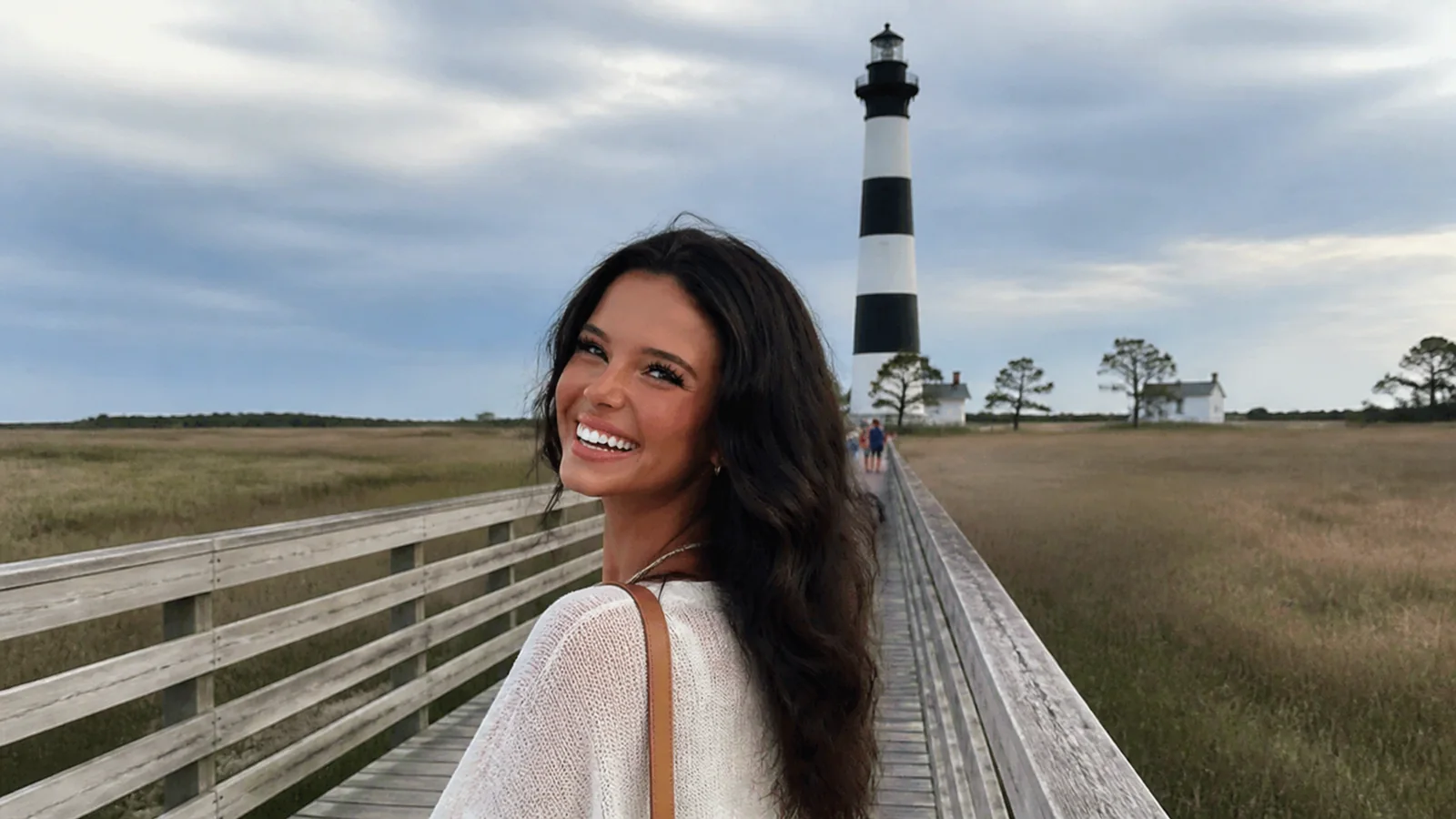
Bodie Island Lighthouse is the black-and-white horizontal-striped tower tucked into marshland north of Oregon Inlet. The setting is quieter than its Nags Head address suggests, with boardwalk views that are worthwhile even when climb tickets sell out.
Bodie Island is the only National Park Service lighthouse on this route scheduled for regular climbing in 2026. Tickets are sold through Recreation.gov beginning at 7 a.m. on the day of the climb, and the posted season runs from late April through October 12.
Create a Recreation.gov account before ticket morning and read the health, height, age, footwear, and weather restrictions. Arrive before the ticketed time, because late guests may be denied entry and weather is the standard reason climbs are canceled.
The Double Keepers’ Quarters visitor center and park store remained closed indefinitely after damage from a January 2025 fire when this article was checked. Outdoor areas remain available, but restroom, information, and retail expectations should be confirmed on the current conditions page.
How much time to allow
Plan 60 to 90 minutes with a climb and about 30 to 45 minutes for the grounds and marsh boardwalk alone. Do not stack a nonrefundable activity immediately after your slot because thunder can pause or cancel tower access.
4. Cape Hatteras Lighthouse in Buxton
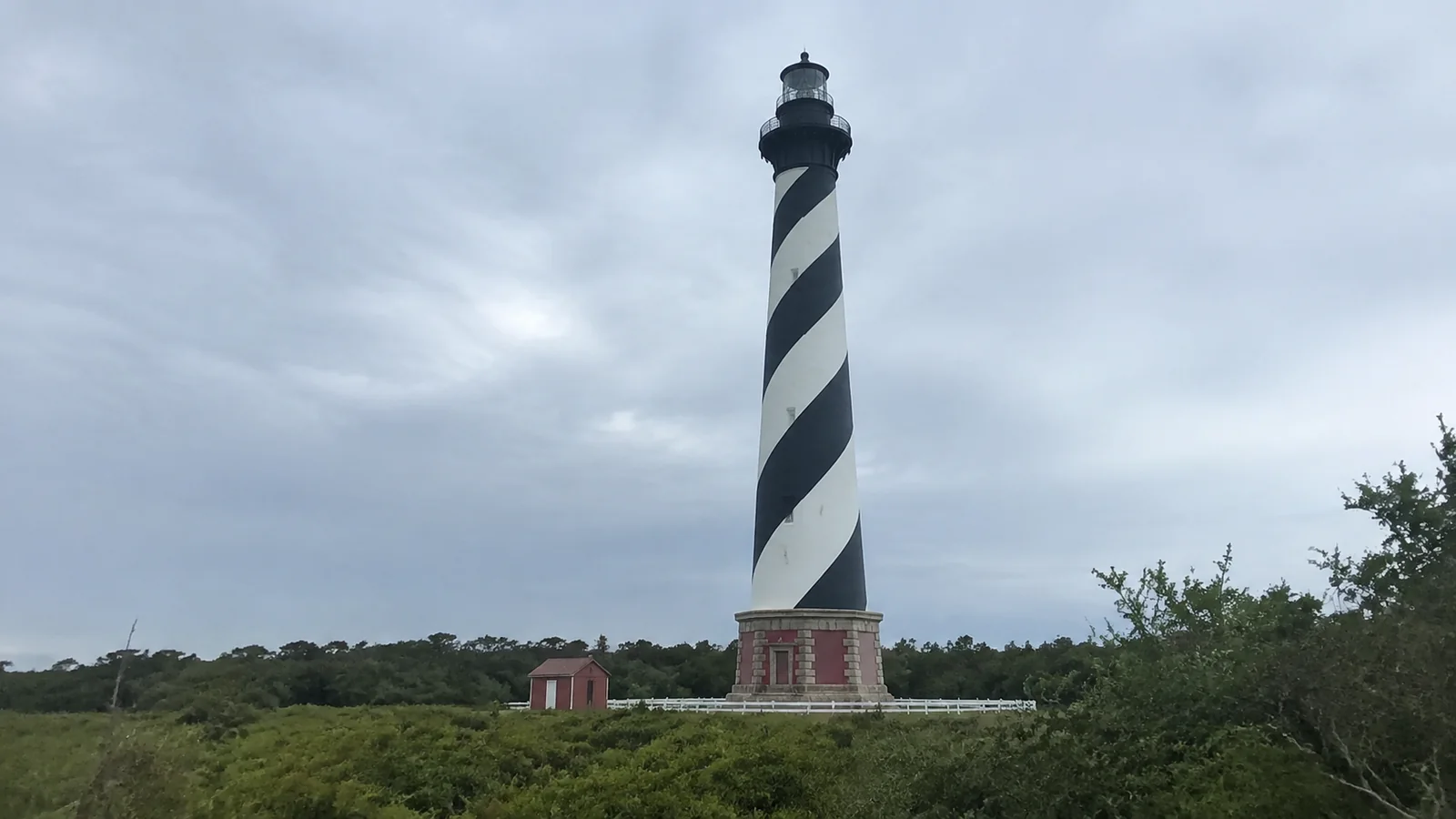
Cape Hatteras is the iconic black-and-white spiral tower and the tallest traditional lighthouse in the United States. It was moved 2,900 feet inland in 1999 to protect it from shoreline erosion, an engineering story that is nearly as compelling as the view once offered from the top.
The major 2026 planning fact is simple: Cape Hatteras Lighthouse will not open for climbing this year because of restoration. The grounds remain open, and the National Park Service provides virtual experiences, restoration updates, and a webcam.
Do not buy a tour or choose lodging based on an outdated promise that you can climb. The site is still worth visiting for exterior views, exhibits when available, the historic light-station landscape, and nearby Cape Hatteras National Seashore beaches.
How much time to allow
Allow 45 to 75 minutes for the grounds and current interpretation, then add beach or Buxton time separately. Construction zones and available paths may change as restoration advances, so follow signs instead of chasing an old photo angle.
5. Ocracoke Lighthouse
Ocracoke Lighthouse is the oldest operating lighthouse in North Carolina, first lit in 1823. Its short white tower has no public climb because the interior uses narrow spaces, small doors, and ladders rather than a visitor-ready staircase.
The National Park Service says the base may open during limited summer hours, while the exterior light-station visit is the dependable plan. Respect private neighboring property, posted closures, and the limited parking around the village site.
Ocracoke rewards an overnight, not a rushed ferry turnaround. Add the village, British Cemetery, beach, and a meal, then let the lighthouse be one quiet stop rather than the sole reason for the crossing.
Ferry logistics
The Hatteras-Ocracoke vehicle ferry is the route connecting Highway 12, but weather, shoaling, traffic, and demand can change travel time and waits. Check the North Carolina Department of Transportation ferry status and schedule on the travel date.
The ferry lands on the north end of Ocracoke Island, roughly 13 miles from the village and lighthouse. Keep fuel in the car, use restrooms before queuing, carry water, and never schedule a same-day mainland commitment around the last possible return.
Can You See All Five Lighthouses in One Day?
No, not in a way I would recommend. Corolla and Ocracoke sit at opposite ends of a long route with summer traffic, a ferry, limited climb windows, and enough worthwhile stops to make a one-day collection stressful.
A two-day plan can cover the four road-accessible areas through Hatteras if you skip most surrounding attractions, but three to four days is better. Anyone visiting Ocracoke should add a fourth day or stay overnight on the island.
A Practical Three- or Four-Day Lighthouse Itinerary
Day 1: Corolla and the northern beaches
Visit Currituck Beach Lighthouse early, then remain in Corolla for Historic Corolla Park, lunch, and the beach. Returning south before late-afternoon traffic builds can save patience, but traffic behavior is never guaranteed.
Day 2: Manteo and Bodie Island
Start at Roanoke Marshes Lighthouse and downtown Manteo, then drive to Bodie Island for a ticketed afternoon climb or a grounds visit. Keep a rain plan because tower closures and coastal storms do not follow vacation schedules.
Day 3: Hatteras Island
Drive Highway 12 through Pea Island and the villages to Cape Hatteras Light Station in Buxton. Add the Museum of the Sea if operating, a lifeguarded beach when available, or another seashore stop instead of expecting a 2026 climb.
Day 4: Ocracoke
Cross early, visit Ocracoke Lighthouse and village, and stay overnight if the budget permits. A flexible return protects the day from ferry waits and gives the island more than a photograph.
This sequence also fits a broader Outer Banks road trip, though spring climb dates and ferry schedules need a fresh check. For a group trip, these road trip planning ideas for friends help divide driving and expectations.
Outer Banks Lighthouse Costs
Roanoke Marshes, Cape Hatteras grounds, and Ocracoke exterior viewing do not require a standard tower-climb ticket. Currituck Beach and Bodie Island charge separately for climbs, and their fees, age rules, and purchasing systems are different.
The NPS listed Bodie Island adult climb tickets at $10, with reduced categories for eligible children and seniors. Verify the displayed total before buying, and remember that national park passes generally do not include special-use climb tickets.
Budget also for gas, parking where applicable, meals, lodging, and the time cost of traffic. The attraction itself may be inexpensive while a one-night Ocracoke stay or high-season Corolla room is not.
Climbing Safety and Accessibility
Historic lighthouse climbs involve narrow spiral stairs, heat, limited landings, low clearances, and two-way foot traffic. Read each operator’s restrictions instead of assuming that fitness on an ordinary staircase translates directly to a tower.
- Wear secure footwear with useful grip.
- Carry as little as the operator permits and keep both hands available.
- Do not climb if heights, enclosed spaces, heat, or exertion could create a medical problem.
- Expect closures for lightning, high winds, extreme heat, or maintenance.
- Never lift a child above a gallery railing or ignore staff direction for a photo.
Roanoke Marshes and the grounds at the taller lights provide meaningful no-climb alternatives, though surfaces, ramps, restrooms, and construction can still affect access. Call the site directly when a specific mobility accommodation will determine the visit.
Best Time for an Outer Banks Lighthouse Trip
Late spring and early fall offer the best balance of climb seasons, moderate temperatures, and somewhat lighter demand. Summer provides the broadest hours but also brings heat, humidity, thunderstorms, bridge traffic, and limited parking.
Winter can be peaceful for exterior photography, but Currituck and Bodie climbs are seasonal, visitor services shrink, and wind can be fierce. Atlantic hurricane season overlaps late summer and fall, so monitor forecasts and follow evacuation orders without trying to salvage a sightseeing list.
If you enjoy comparing how working lights and visitor access differ by coast, these Spanish lighthouse route ideas use the same exterior, grounds, museum, and climb distinctions. That distinction matters everywhere a lighthouse is still an operational aid rather than a purpose-built observation tower.
Which Outer Banks Lighthouse Is Best?
Choose Currituck Beach for a flexible seasonal climb and handsome brick architecture, Bodie Island for marsh scenery and an NPS climb, and Cape Hatteras for the most recognizable exterior. Roanoke Marshes is best for an easy waterfront stop, while Ocracoke wins for atmosphere and the island journey.
In 2026, Bodie Island is my strongest single climb and Cape Hatteras remains the essential no-climb visit. Give the route enough days, verify status each morning, and let the changing coast be part of the trip rather than a problem the schedule must defeat.