Affordable Texas Spring Break Ideas: 8 Trips Compared
A cheap Texas spring break starts with the map, not a list of photogenic towns. Texas is enormous, peak-week rooms can erase a free attraction, and March weather has opinions, so the best value is usually a short, well-connected trip with one paid priority and several flexible days.
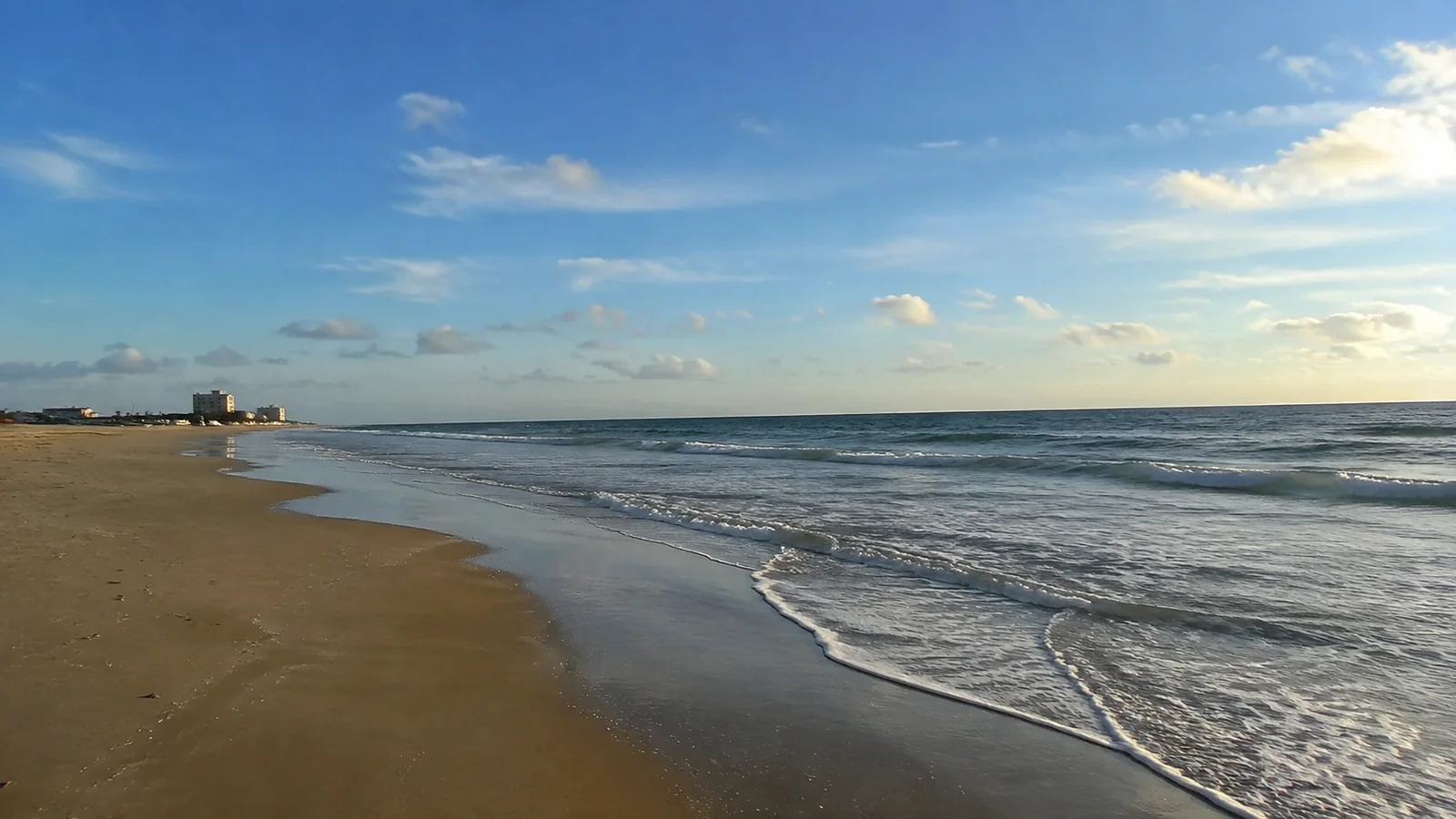
Choose the trip by total cost
Price the vacation from your driveway: gas, tolls, parking, lodging, groceries, restaurants, admissions, rentals, and pet care. Add a realistic weather backup because three “free” beach days are poor value if wind and rain send everyone to expensive indoor attractions.
Compare two nights in a city within 200 miles with four nights farther away, then divide the total by traveler. A family sharing a room and car gets different results from four college friends who need two rooms and plan to park in separate vehicles.
- Best mixed-age city: San Antonio.
- Best free museum-and-park mix: Houston.
- Best city plus nearby outdoors: Austin.
- Best classic beach town: Galveston.
- Best wild coast: Corpus Christi and Padre Island.
- Best short Hill Country reset: Fredericksburg area.
- Best western city-and-hike trip: El Paso.
- Best prepared outdoor adventure: Big Bend.
1. San Antonio for history and a flexible city break
San Antonio works for families, couples, and friend groups because a day can mix historic sites, public spaces, food, and one ticketed attraction. The River Walk is an enjoyable connector, but restaurants and garages beside it can carry convenience prices.
Use San Antonio Missions National Historical Park as the low-cost anchor, then decide whether the Alamo, a museum, zoo, cave, or theme park deserves the paid slot. The National Park Service visitor information covers mission sites, operating details, and the trail connecting the park.
Stay near the activity cluster you will use or choose an outer neighborhood with free parking and a deliberate driving plan. A bargain room 25 minutes away stops being charming after two daily garage fees and a traffic-heavy dinner return.
Best for: Mixed ages and first-time Texas visitors. Watch the budget: Central parking, festival dates, theme-park tickets, and meals on the busiest River Walk blocks.
2. Houston for indoor options and neighborhood food
Houston suits a spring break with uncertain weather because parks, museums, neighborhoods, and major paid attractions can be rearranged. It is especially practical for travelers within driving range who do not need the beach to validate the week.
Build around Hermann Park, public art, neighborhood walks, or museums with free permanent admission or scheduled free periods. Verify each museum’s current day, residency rule, reservation requirement, and special-exhibit charge before promising a $0 outing.
Choose one paid priority such as Space Center Houston, the zoo, or a major special exhibition. Stay near that day’s cluster because Houston rewards route planning and punishes a casual decision to cross the metro area at the wrong hour.
Best for: Families, museum fans, and food-focused friends. Watch the budget: Long rideshares, stadium events, downtown parking, and stacking several headline admissions.

3. Austin for parks, trails, and one entertainment splurge
Austin can still be affordable when the itinerary favors green space, swimming only when conditions and rules allow, murals, markets, and a single live-music or food event. It becomes expensive quickly during major festivals and high-demand weekends.
Check the city event calendar before booking lodging, then compare outer neighborhoods with parking and transit access. Do not assume an inexpensive suburban room will connect conveniently to downtown after dark.
Pair the city with one nearby state park or Hill Country day rather than changing hotels. For a smaller-town angle, the Dripping Springs road-trip stop fits a carefully planned loop, though tasting rooms and private venues are not automatically cheap.
Best for: Friends and active travelers who like a city-outdoors mix. Watch the budget: Festival lodging, downtown parking, rideshares, cover charges, and destination dining.
4. Galveston for a beach break with city backups
Galveston combines Gulf beaches with historic streets, museums, harbor activities, and indoor attractions. That variety helps in March, when air temperature, wind, surf, fog, or rain may make a full swimming day less appealing.
Beach access is not the same as a free day because parking, chairs, food, attractions, and lodging add up. The city posts current Seawall paid-parking rules, including enforcement details and payment methods.
Stay within walking distance of either the beach or The Strand, not both, unless the room rate supports it. Bring beach gear you already own, pack lunch where permitted, and reserve one paid attraction for poor weather.
Best for: Families and groups who want sand without giving up city activities. Watch the budget: Peak lodging, paid parking, amusement tickets, chair rentals, and seafood at the most visible waterfront addresses.
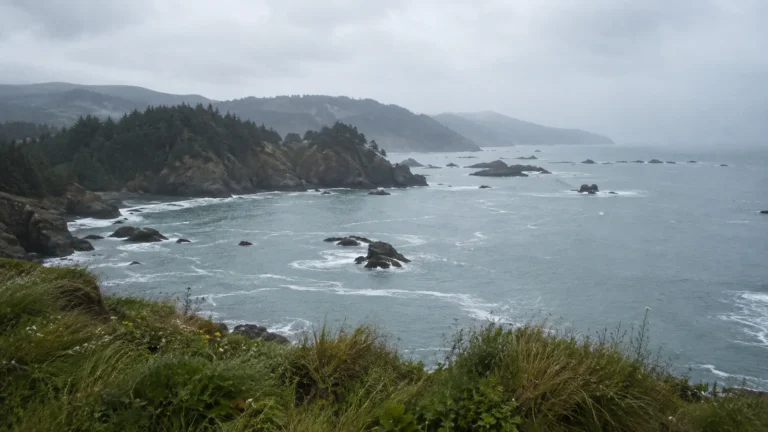
5. Corpus Christi and Padre Island for a nature-first coast
Corpus Christi works when the group wants beaches plus an aquarium, museum, harbor, or indoor backup. Padre Island National Seashore adds a less developed coast where birding, beachcombing, ranger programs, and quiet space matter more than boardwalk entertainment.
The national seashore protects 66 miles of coastline, but beach driving and primitive camping require preparation. NPS says camping is first come, first served and can close temporarily for hazards, so check the current camping and beach conditions before treating it as guaranteed lodging.
A campground can save money only if you already have appropriate equipment and understand wind, tides, sand, water, waste, vehicle recovery, and changing conditions. Beginners may spend less and sleep better at a simple Corpus Christi motel.
Best for: Wildlife watchers, campers, and families who prefer nature to nightlife. Watch the budget: Aquarium admission, beach-driving equipment, camping supplies, towing, and a weather-driven hotel pivot.
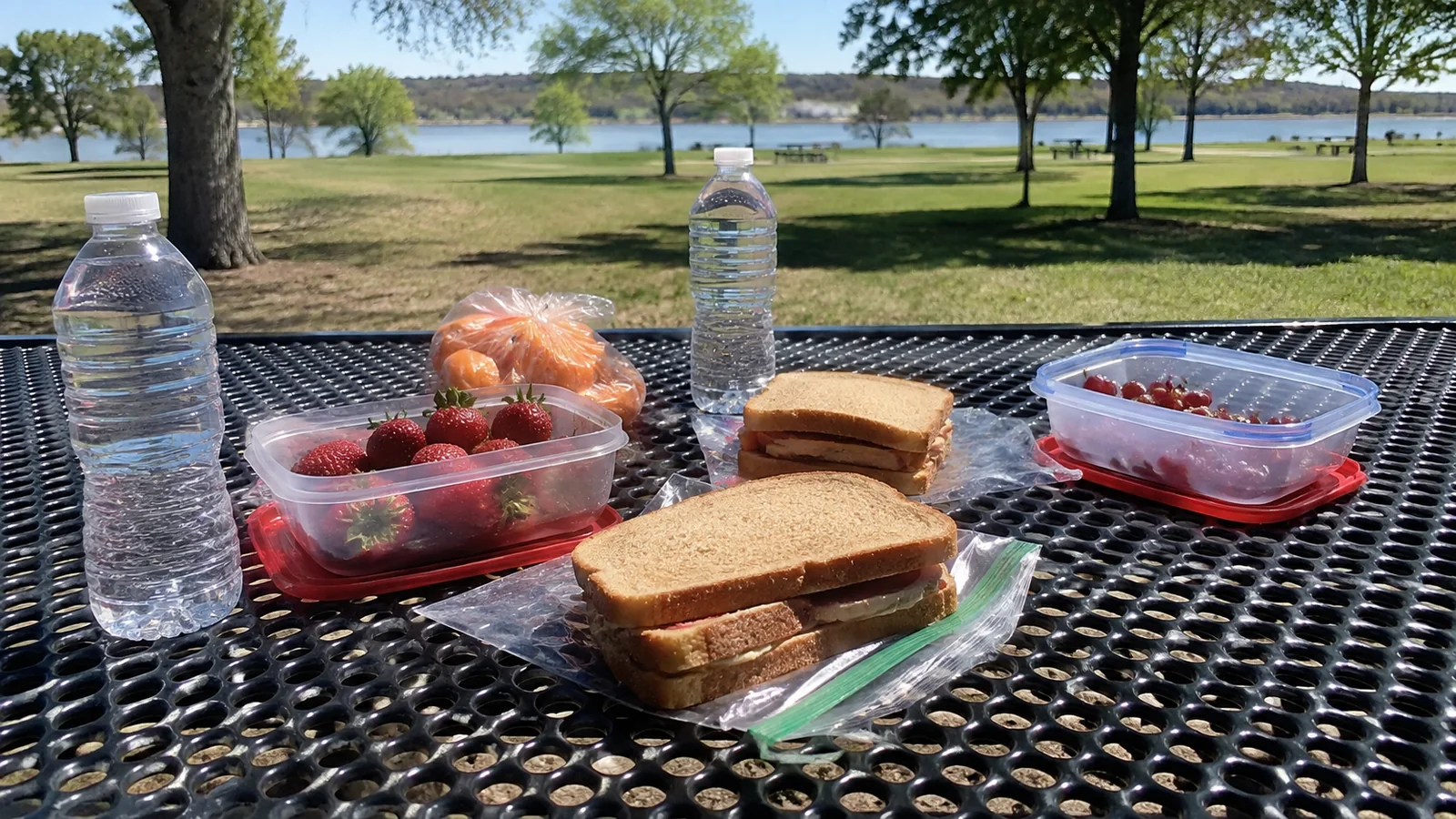
6. Fredericksburg and the Hill Country for a two-night reset
Fredericksburg is most affordable as a short weekday trip built around walking, history, scenic drives, and one reserved outdoor stop. It is not automatically cheap when a wine weekend, luxury cottage, and private driver arrive together wearing matching hats.
Compare a central guesthouse with an outer motel after adding parking and driving. Shareable lodging can help a family or group, but cleaning and service fees belong in the first comparison rather than the final gasp at checkout.
Reserve popular state parks and natural areas before making them essential. Texas Parks and Wildlife says day passes can be reserved up to one month ahead and most overnight reservations up to five months ahead on its current reservation FAQ.
Best for: Couples, friends, and families wanting a short scenic break. Watch the budget: Saturday lodging, tasting fees, drivers, boutique shopping, and unreserved park plans.
7. El Paso for desert hiking and distinct city culture
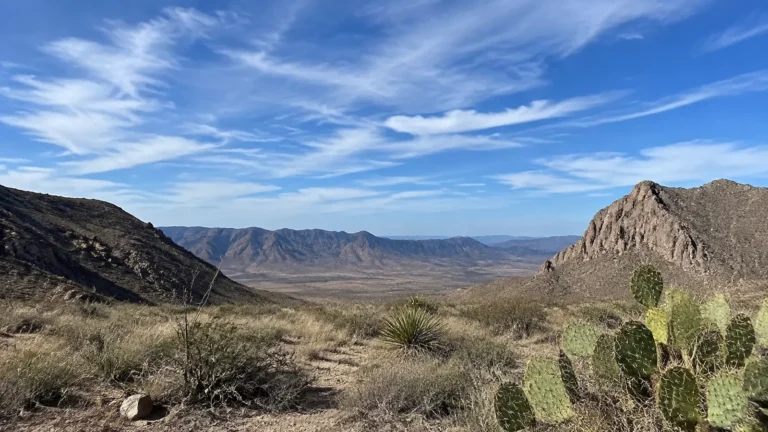
El Paso offers a different spring break from the Texas Triangle, pairing mountain and desert landscapes with museums, food, and borderland history. It can be an excellent value for West Texas and New Mexico drivers, but a very long haul from Houston or Dallas.
Use Franklin Mountains State Park, city museums, scenic overlooks, and a compact food plan as the core. Confirm trail, fire, weather, capacity, and day-use conditions because desert heat, cold fronts, high wind, and closures can all affect March plans.
Do not cross an international border casually because the city sits beside it. Travelers considering Mexico need correct documents, current official advice, insurance and vehicle rules, and enough time for unpredictable border processing.
Best for: Hikers and culture travelers already within a practical driving or flight market. Watch the budget: Mileage from eastern Texas, rental cars, remote trail logistics, and an unplanned cross-border day.
8. Big Bend for prepared travelers, not an automatic bargain
Big Bend National Park has a relatively modest entrance cost compared with a week of commercial attractions, but getting there is the expense. Fuel, food, lodging or camping, supplies, and long drives make it poor value for an impulsive two-night trip.
Reserve lodging or camping first, then build the route and hikes around current park conditions, ability, daylight, water, and vehicle suitability. The official Big Bend conditions page should outrank any saved social-media itinerary.
Spring break is popular, and services are widely separated. Carry water and emergency supplies, keep fuel well above empty, download maps, and avoid relying on cell coverage.
This deeper Big Bend overview can supply ideas, but current NPS access and safety information must decide the day. The park is a wonderful value only when the logistics fit.
Best for: Experienced road trippers, hikers, campers, and stargazers with enough time. Watch the budget: Remote lodging, gear, fuel, vehicle issues, and losing a full day to each direction.
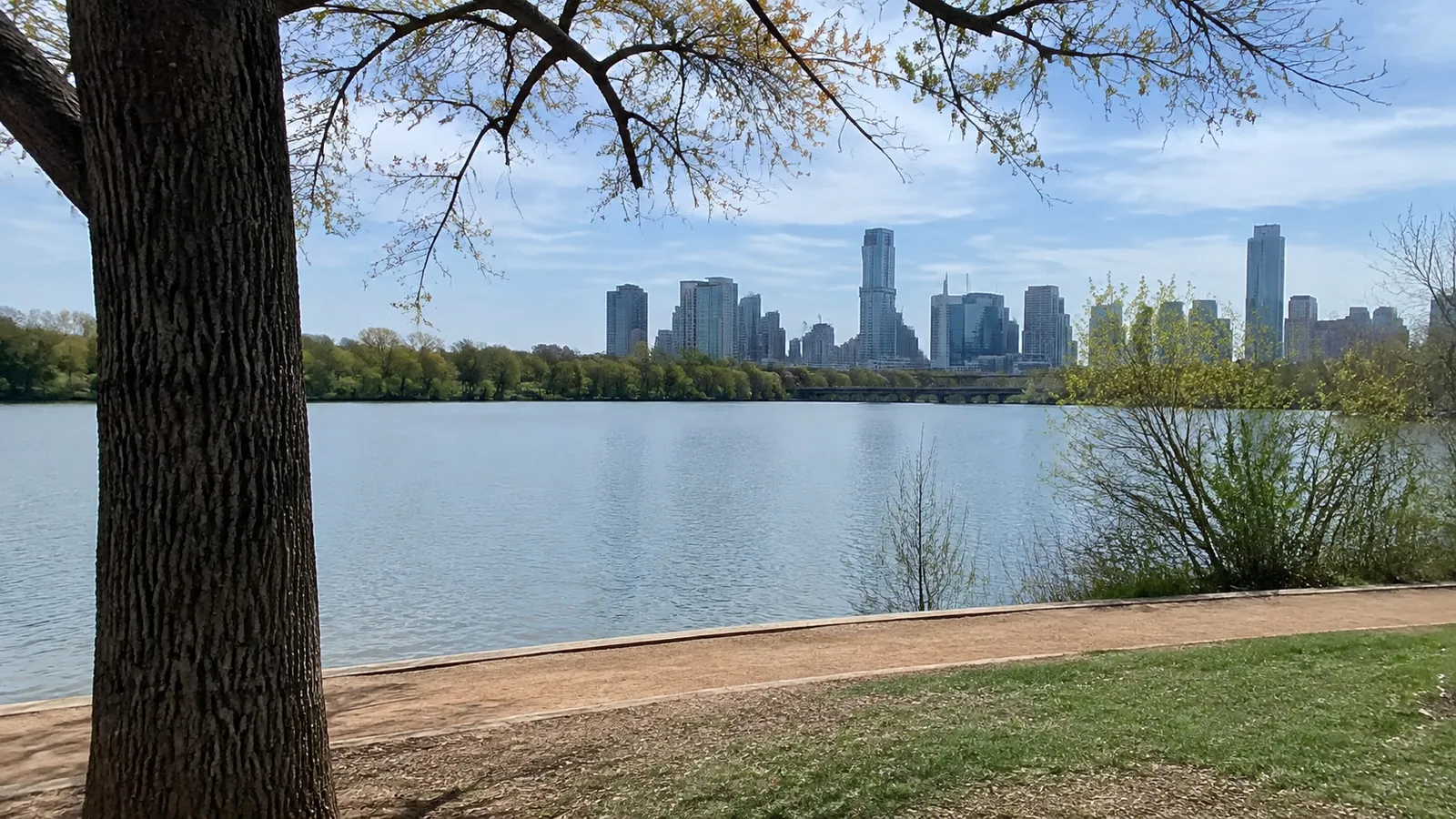
Compare an actual Texas driving budget
For a consistent example, I would price March 15 to 18, 2027: three nights and four days for two adults driving their own car from Austin. The following U.S.-dollar allocations are presented as illustrative targets, not sampled room rates or a guarantee that spring-break inventory will meet them.
Each room target includes lodging taxes and required fees, and the transportation column covers local driving and parking only. Add the separate Austin round-trip allowance below, and replace it with your own distance, vehicle fuel economy, fuel price, and toll route before booking.
- Base: San Antonio
- Room/night: $125
- Food/day for two: $75
- Local transport/day: $20
- Activities/trip: $60
- Total for two: $815
- Base: Houston
- Room/night: $120
- Food/day for two: $75
- Local transport/day: $25
- Activities/trip: $100
- Total for two: $860
- Base: Austin staycation
- Room/night: $140
- Food/day for two: $75
- Local transport/day: $15
- Activities/trip: $80
- Total for two: $860
- Base: Galveston
- Room/night: $145
- Food/day for two: $75
- Local transport/day: $25
- Activities/trip: $100
- Total for two: $935
- Base: Corpus Christi
- Room/night: $125
- Food/day for two: $75
- Local transport/day: $25
- Activities/trip: $80
- Total for two: $855
- Base: Fredericksburg
- Room/night: $150
- Food/day for two: $75
- Local transport/day: $20
- Activities/trip: $40
- Total for two: $870
- Base: El Paso
- Room/night: $110
- Food/day for two: $70
- Local transport/day: $25
- Activities/trip: $80
- Total for two: $790
- Base: Terlingua/Big Bend
- Room/night: $160
- Food/day for two: $75
- Local transport/day: $35
- Activities/trip: $60
- Total for two: $980
For Austin-origin travel, use these separate fuel-and-toll placeholders for the couple: San Antonio $50, Houston $80, Austin $0, Galveston $100, Corpus Christi $100, Fredericksburg $40, El Paso $220, and Big Bend $200. These deliberately rounded allowances exclude vehicle wear and a rental car, so western Texas can still be the more expensive choice despite an affordable meal or hotel.
San Antonio’s example totals $815 locally, or $865 with the $50 Austin drive allowance, while Big Bend totals $980 locally, or $1,180 with its $200 drive allowance. I would start with the nearer trip unless the desert itself is the reason for going, because the longer drive also consumes usable vacation time.
Reserve the attraction that can limit each route
- San Antonio: use the San Antonio Missions as the free-history anchor and reserve any separately ticketed Alamo experience before arrival.
- Houston: if Space Center Houston is the priority, price the dated admission and any added tour at checkout instead of assuming every experience is included.
- Austin: choose a trail-and-city day with one paid event, checking pool reservations and seasonal rules before planning a swim.
- Galveston: decide between a beach day and a major paid attraction such as Moody Gardens; the attraction ticket can exceed the parking savings from a cheaper hotel.
- Corpus Christi: use Padre Island National Seashore only after checking the entry pass, beach driving conditions, and whether your car is suited to the intended access.
- Fredericksburg: Enchanted Rock lists $8 daily adult entry, with children 12 and under free, and advance day-pass reservations are essential during school breaks.
- El Paso: check Franklin Mountains’ day-use reservation and trail conditions before selecting the hike, keeping an indoor museum option for wind or heat.
- Big Bend: the standard private-vehicle park pass is $30 for seven days; campground or lodging reservations and any closed road or trail are separate decisions.
For a family, retain the same room only if it legally fits everyone and add the children’s actual meal and admission costs. I would avoid calling camping the cheapest version until the tent, sleeping gear, water, food storage, and scarce campsite reservation are all covered.
How to make any Texas spring break cheaper
Pick a radius before a destination
Set a maximum drive and choose candidates inside it. Every 200 extra miles adds fuel, time, meals, and another opportunity for a tire to develop spring-break ambitions.
Move the nights, not just the hotel
Compare Sunday-to-Tuesday or weekday stays with Friday and Saturday. Check school calendars, concerts, sports, rodeos, conventions, festivals, and local spring breaks because demand peaks do not follow one statewide week.
Use one paid-priority rule
Let each traveler choose one must-do admission, then fill the rest with parks, neighborhoods, public art, trails, beach time, or free museum access. This prevents a cheap destination from becoming an expensive ticket-delivery system.
Reserve the scarce piece first
For state parks, secure the day pass or campsite before paying for nearby lodging. TPWD’s March 2026 spring-break advice again urged visitors to reserve passes and campsites through the official system.
Build a food rhythm
Choose lodging with breakfast or a usable kitchenette only when the rate difference saves money. Plan one restaurant meal, one picnic or grocery meal, and flexible snacks instead of discovering hunger inside the attraction gift shop.
Keep the weather plan cheap
Save two indoor options with verified prices and hours, then check forecasts and official alerts shortly before travel. Do not prepay every outdoor hour when coastal wind, Hill Country storms, or desert conditions could reorganize the week.
Affordable Texas spring break questions
What is the cheapest Texas spring break?
The cheapest option is usually a two- or three-night trip within driving distance, with free parking, a grocery plan, and one paid attraction. San Antonio, Houston, and nearby state parks often support that structure, depending on your origin.
Is camping the cheapest choice?
Camping saves money when you own suitable gear, secure a site, and can handle the conditions. Gear purchases, park fees, firewood, food storage, fuel, and an emergency hotel can make first-time camping cost more than a basic room.
Is South Padre Island a cheap spring break?
It can be for nearby groups sharing lodging and cooking, but peak-week rates, long drives, parking, nightlife, and activities can make it expensive. Compare it directly with Corpus Christi, Padre Island National Seashore, and Galveston for your dates.

What is the best overall value?
San Antonio is the strongest all-around comparison for history, walking, family choices, and flexible spending. Before deciding, use these Texas attraction ideas to identify one true priority, then price the complete trip around it.