College Cruise Vacation: Age Rules, Budget and Group Plan
A college cruise can be an easy group vacation, but only after everyone proves they are eligible to sail. Age policies, cabin assignments, deadlines, and add-on costs can sink the plan long before embarkation, so build the trip around the youngest traveler and the tightest budget.

Start With Age Rules, Not a Destination
Do not collect deposits because everyone loves the Bahamas. First list each traveler’s age on embarkation day, citizenship, preferred airport, and maximum all-in budget, then check the exact cruise line policy for that sailing.
Being a legal adult at 18 does not automatically mean someone can book a cabin or sail independently. Rules vary by cruise line and departure region, and a reservation website may accept payment before a terminal agent catches an invalid arrangement.
What the major cruise lines currently require
For North American departures, Royal Caribbean requires an unaccompanied guest to be 21, and a traveler under 21 generally must share with someone at least 21. Its unaccompanied minimum is 18 for departures from South America, Europe, Asia, Australia, and New Zealand, though itinerary-specific law can change that.
Carnival requires guests to be 21 to travel on their own, while a guest under 21 generally needs a relative or guardian age 25 or older linked to the booking. There are narrow exceptions, including some married couples and qualifying military members, so get written confirmation before paying if an exception matters.
Norwegian Cruise Line’s age guidance generally requires guests under 21 to travel with a guest at least 21 in the same or an approved connecting cabin arrangement. Its public pages use inconsistent wording about adjoining cabins, so obtain written approval for your exact cabin numbers before paying a deposit if the rooms are adjacent but have no connecting door.
I would choose one shared cabin or confirm an actual connecting pair first, rather than assume side-by-side rooms qualify. NCL lists exceptions for married guests ages 18 to 20 with proof and qualifying U.S. or Canadian military members with verification.
Virgin Voyages permits guests 18 and older to book and sail, making it the clearest mainstream option for an all-under-21 group. It is adults-only, however, and its fare, entertainment, and social feel are different from a typical spring-break ship.
Recheck policies directly before deposit and again before final payment, especially if a traveler turns 18 or 21 close to departure. The age that matters is usually the age on the first day of sailing, not the age when you reserve.
Choose a Cruise the Whole Group Can Actually Take
For a first college cruise, three to five nights from a reachable home port is the sweet spot. It limits missed classes and trip cost while giving everyone enough time to learn the ship, enjoy a sea day, and visit one or two ports.
A short Bahamas itinerary is simple for groups flying into Florida, while Western Caribbean routes may offer better snorkeling and independent port days. Mexico cruises from Los Angeles or Long Beach can be smarter for West Coast students because airfare often matters more than a $50 difference in cruise fare.
Judge the ship before the logo. Look for included dining that stays open late, enough casual entertainment, a useful pool deck, and activities that appeal to friends who do not drink.
One tender port on a short cruise adds weather risk and slower shore access. A private-island stop can be easy for a mixed-confidence group, but paid beach clubs and water attractions can turn an apparently included day into the trip’s most expensive one.

Build an Honest Per-Person Budget
The advertised fare is not the vacation price. Create one per-person number that includes the fare, port taxes, service charges, transportation, a pre-cruise hotel, food in transit, onboard extras, shore spending, and an emergency cushion.
- Fixed cruise cost: fare, taxes, fees, and prepaid gratuities or daily service charges
- Getting there: airfare or gas, checked bags, airport transfers, port rides, parking, and one hotel night
- Onboard choices: Wi-Fi, drinks, specialty restaurants, photos, spa visits, casino play, and shopping
- Port days: tours, local transportation, beach chairs, meals, tips, and small cash expenses
- Protection: travel insurance plus money for a changed flight, clinic visit, or missed connection
Ask every traveler for a hard ceiling, not an optimistic guess. If the lowest comfortable budget is $900 all-in, do not book a $650 cruise fare and pretend flights, gratuities, and transportation will somehow fit into the remaining $250.
Assign each person their own onboard account and payment method. One organizer should track deadlines, but that person should never become the group bank or put everyone’s incidental charges on one card.
Drink packages deserve their own math because cruise lines often require eligible adults sharing a cabin to buy the same package. Under-21 travelers may be ineligible for alcohol packages, and local drinking ages do not automatically override ship rules.
Set Up Cabins Without Creating Drama
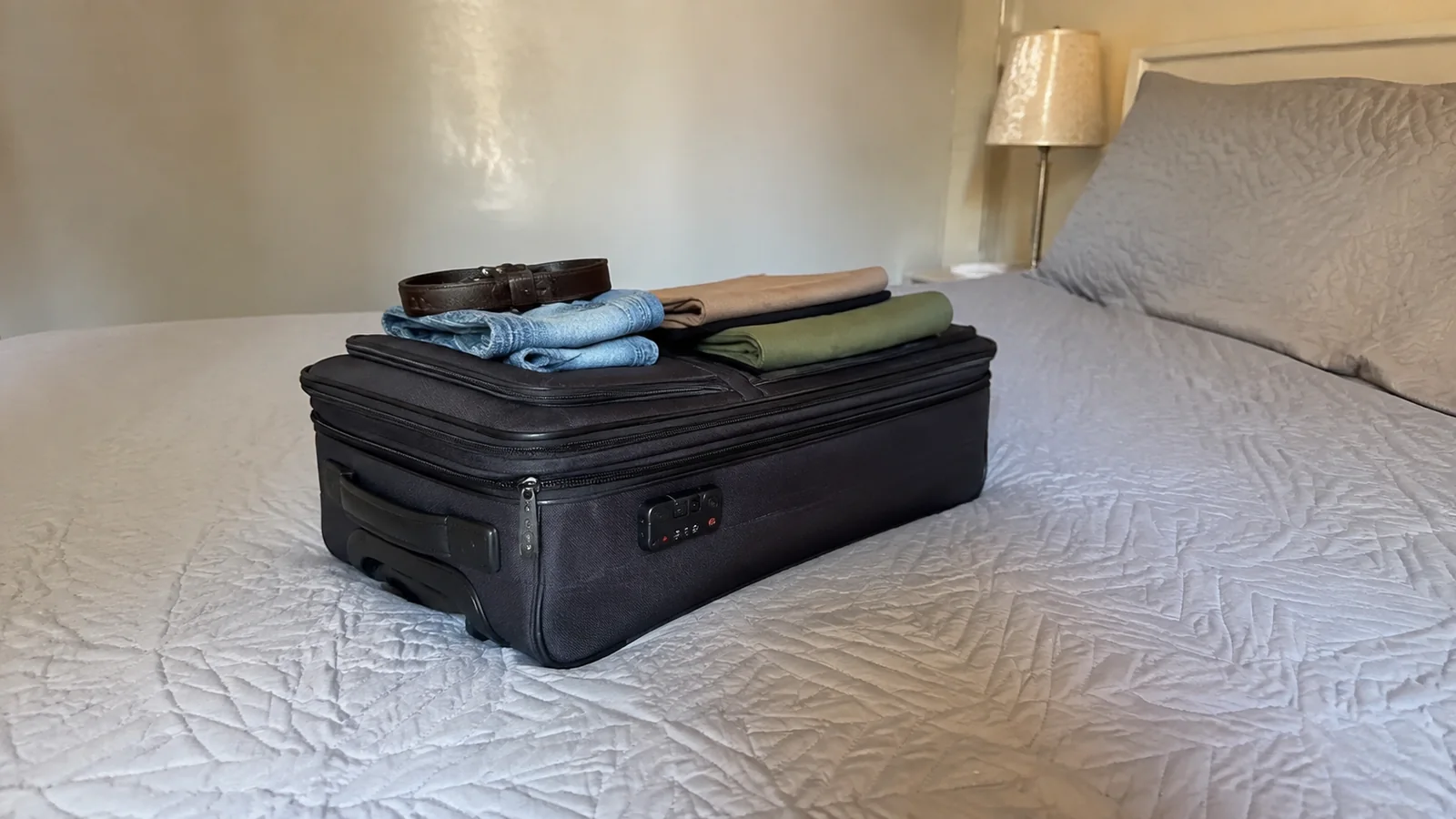
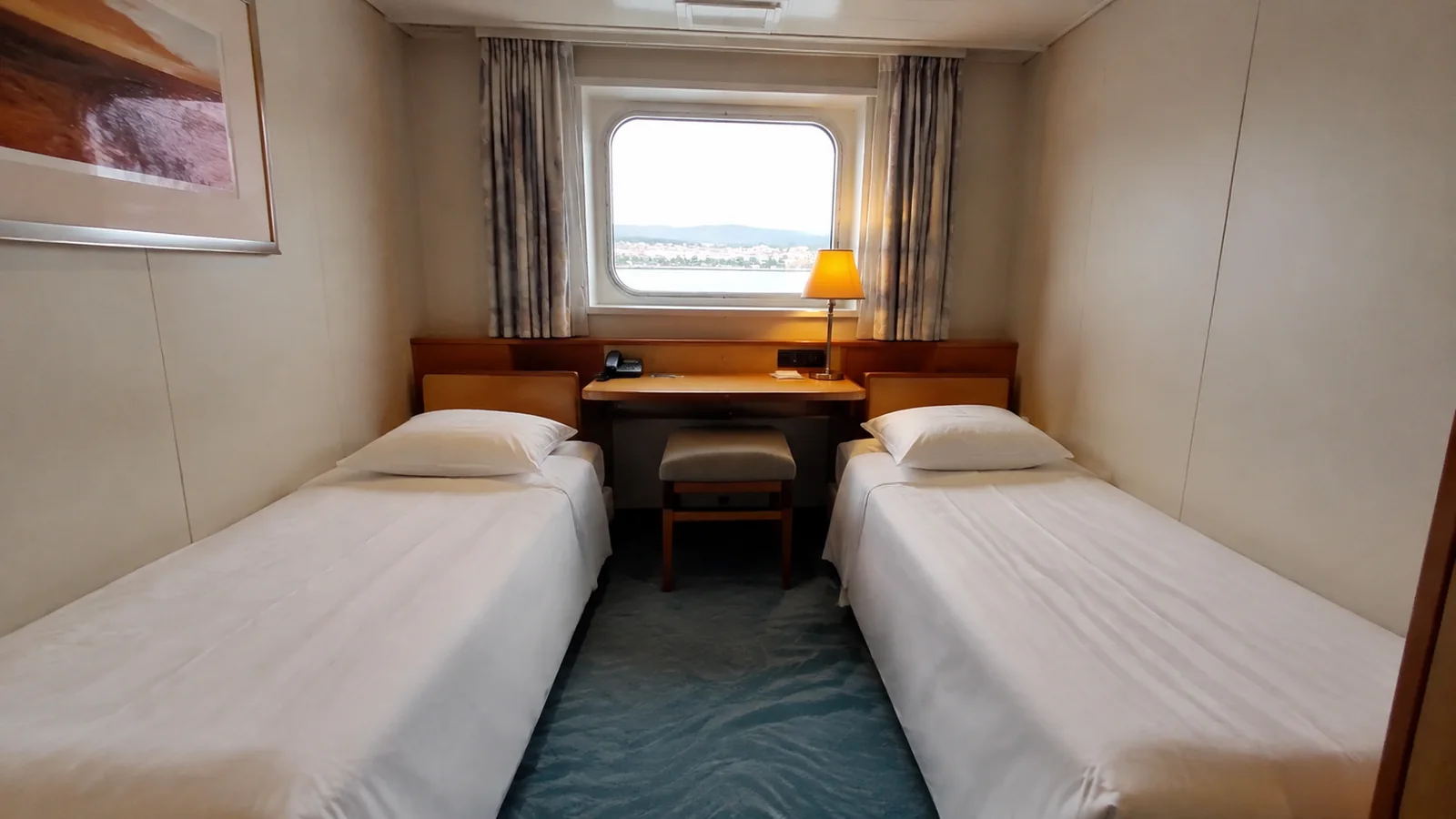
Two people per cabin usually costs more than squeezing in four, but it also buys usable storage, a workable bathroom schedule, and real beds for more of the group. Third and fourth berths may be upper bunks or a converted sofa, so inspect the deck plan before assigning roommates.
Match cabins by sleep habits, cleanliness, and comfort with late nights, not just by friendship. Agree before booking whether roommates can bring guests back, how alarms will work, and when the cabin needs to be quiet.
Adjacent cabins are convenient, but connecting doors, obstructed views, and noisy locations can change the experience. Use this list of cruise cabins to avoid before anyone selects the cheapest room under a nightclub or beside a service area.
Put every reservation in one linked travel party if the line allows it, while keeping individual confirmation numbers private. Linked bookings can help with dining and shore plans, but they do not make one person responsible for another guest’s bill.
Use a Simple Group Booking System
Name one coordinator and one backup, then use a shared sheet with legal names, birth dates, cabin assignments, confirmation status, flight details, emergency contacts, and payment deadlines. Limit sensitive document details, and never store passport images in a broadly shared folder.
Set internal deadlines at least seven days before the cruise line’s deadline. Friends miss texts, banks flag large payments, and a card expiring between deposit and final payment can cancel a reservation at the worst time.
Book refundable airfare when the premium is reasonable, and arrive near the home port one day early. A cruise ship will not wait for a delayed student group, and buying a same-day flight to the first foreign port may be impossible or more expensive than the entire trip.
Schedule only two group anchors per day, such as dinner and one activity. A cruise works because people can split up, nap, study, exercise, or meet new friends without forcing ten people to agree on every hour.
Get Documents Right the First Time
Each traveler should check the cruise line’s document page and the entry rules for every country on the itinerary. Citizenship, residency, name changes, and one-way or open-jaw sailings can all change what is required.
The U.S. Department of State strongly recommends a passport book for cruise passengers, even when another document may satisfy a closed-loop itinerary. A passport book gives you a realistic way to fly home if illness, a missed ship, or a mechanical problem leaves you abroad.
Compare the booking name letter by letter with the travel document and airline ticket. Pack the required ID and medication in a carry-on, because checked luggage may not reach the cabin until after departure.
Anyone under 18 traveling without a parent or legal guardian may need signed consent and medical authorization documents. That detail is less common for college groups, but one 17-year-old freshman can change the paperwork and cabin plan for everyone.
Make Safety Rules Before the Party Starts
A cruise ship feels self-contained, but it is still international travel with alcohol, strangers, balconies, unfamiliar ports, and limited medical care. Agree on safety expectations while everyone is sober and willing to listen.
- Use a buddy system in port and after late-night events.
- Never leave a drink unattended or accept an opened drink from a stranger.
- Do not climb railings, sit on balcony dividers, or enter crew-only areas.
- Share live location only with trusted friends and designate a nightly check-in time.
- Report harassment, suspected drink tampering, injury, or a missing person to ship security immediately.
Alcohol is not a requirement for having a good college cruise, and buying drinks for someone below the ship’s minimum age can lead to lost privileges or removal from the vessel. A friend who cannot consent, stand safely, or find the cabin needs care, not another round or a video.
Know where the medical center and guest services desk are, photograph the daily program’s emergency information, and keep the cabin number off public social media. The State Department also advises limiting alcohol, locking cabin and balcony doors, and contacting security if a crime occurs.
Plan Port Days Around All-Aboard Time
Ship time and local time are not always the same. Photograph the posted all-aboard time as you leave, carry the ship’s port contact information, and plan to be near the pier at least 60 to 90 minutes early.
A cruise-line excursion costs more but provides clearer assistance if an organized tour runs late. Independent plans can be excellent for a walkable port or nearby beach, but leave a wide buffer and use established transportation.
Do not let the group split into one taxi with all phones, wallets, and IDs. Each buddy pair should have enough money, battery power, and information to return without the organizer.
Pack for the Ship You Booked
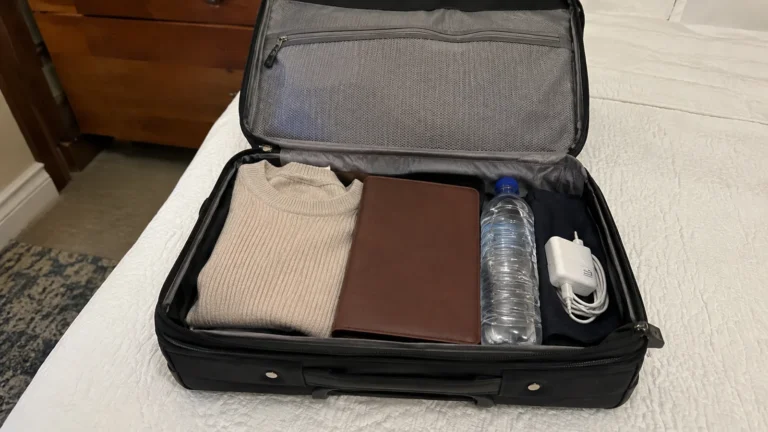
Start with documents, prescriptions, sunscreen, comfortable shoes, a light layer for cold interiors, and one outfit that meets any dining dress code. A compact magnetic hook, charging setup allowed by the cruise line, and refillable bottle make a small cabin easier.
Do not assume a dorm-room power strip, steamer, or bottle of alcohol is permitted. Check the line’s prohibited-items list, then use a complete cruise packing list to catch the practical items without bringing an oversized suitcase.
Keep the first afternoon simple because cabins and luggage may not be ready. A swimsuit, sunscreen, medication, phone charger, and change of clothes belong in the personal item that stays with you.
A First-Time College Cruise Timeline
Six to nine months before sailing
Confirm ages, documents, budgets, school dates, and the line’s current eligibility rules. Choose a refundable or flexible fare when the group is still uncertain, assign cabins, and collect each person’s deposit directly.
Three to five months before sailing
Book flights and the pre-cruise hotel, compare protection plans, and decide which port day needs a reservation. Link bookings and agree on the few activities the group genuinely wants to do together.
Thirty to sixty days before sailing
Complete online check-in as it opens, settle remaining shared costs, and verify every name and document. Review these first-time cruise tips with anyone who has never dealt with embarkation, gratuities, or a ship schedule.
The week before sailing
Download the cruise app, save offline copies of confirmations, confirm the hotel and rides, and check weather. Share the emergency plan, buddy assignments, and the rule that nobody gambles with all-aboard time.

Is a College Cruise Worth It?
Yes, when the group is eligible to sail, can afford the real total, and accepts a little structure. The winning trip is not the one with the biggest ship or cheapest fare, but the one where nobody is denied boarding, surprised by the bill, or left managing ten adults alone.
For most first-timers, choose a three- to five-night sailing, arrive a day early, book two people per cabin when the budget allows, and keep the schedule loose. That leaves room for the fun everyone pictured without making one avoidable mistake the story of the whole vacation.