Plus-Size Cruise Outfits: Fit, Comfort, Dress Codes, and Packing
A useful plus-size cruise wardrobe is not a list of body rules or miracle products. It is a small system of tested clothes that fit through sitting, walking, heat, wind, dining, swimming, and repeat wear without asking you to shrink, hide, or suffer.
Plus-Size Cruise Outfits: Fit, Comfort, Dress Codes, and Packing
Start with your actual itinerary and the clothing you already enjoy wearing. Then fill only the gaps that affect comfort, venue access, climate, or a booked activity.
I would rather pack five dependable combinations than ten aspirational outfits with untested shoes, straps, waistbands, or underlayers. Onboard shops have limited size ranges and unpredictable stock, so a cruise is a poor place to discover that an essential piece does not work.
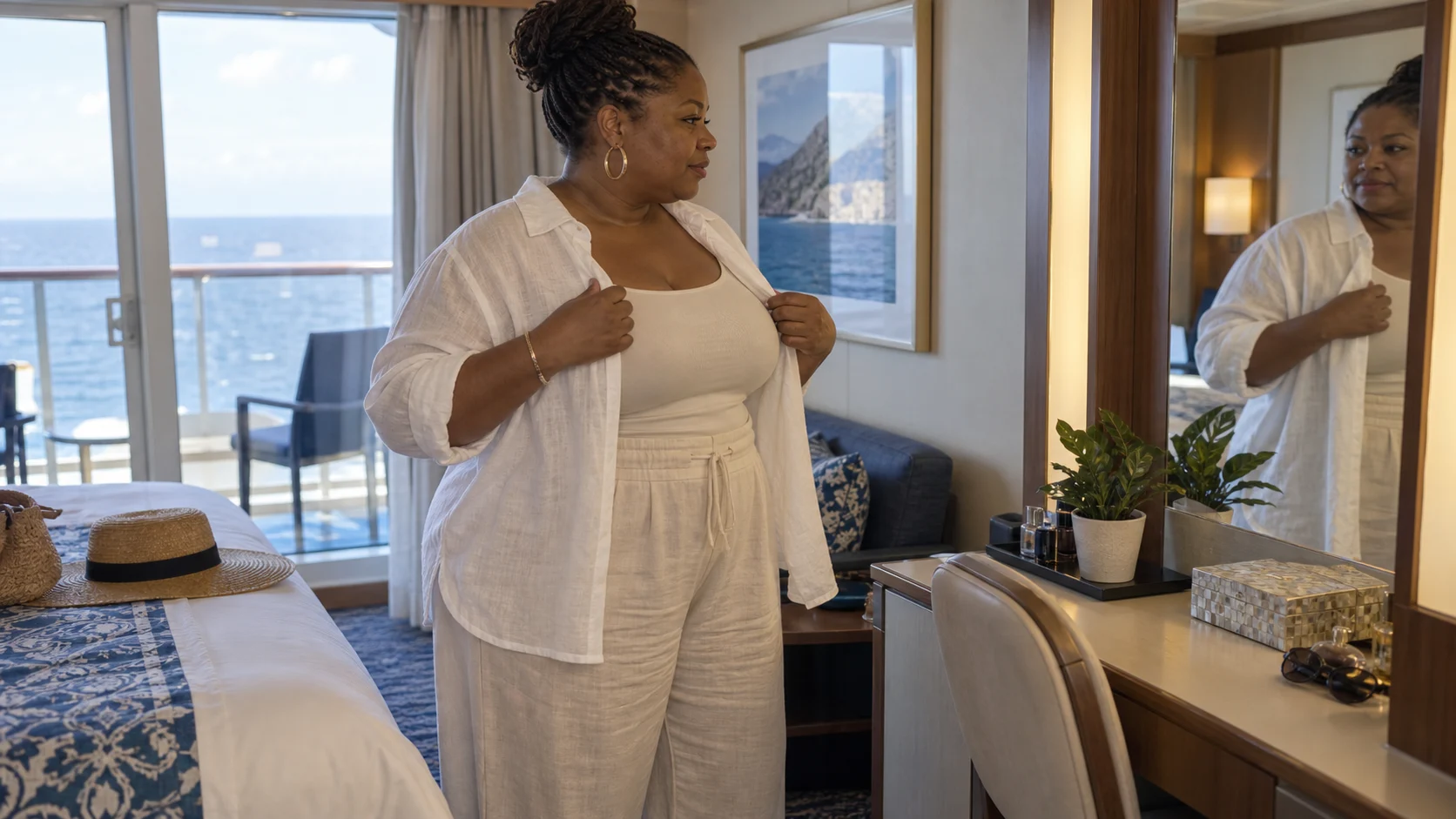
The Best Plus-Size Cruise Outfit Formula
Build around three bottoms, four or five tops, one dress or one-piece outfit if you like them, two layers, two swimsuits, and two or three pairs of shoes. Every piece should work with at least two others unless it serves a specific excursion or confirmed dress requirement.
This is a framework, not a body-size ration. Add pieces for laundry timing, sensory needs, medical equipment, outfit changes, religious clothing, or the simple joy of dressing up.
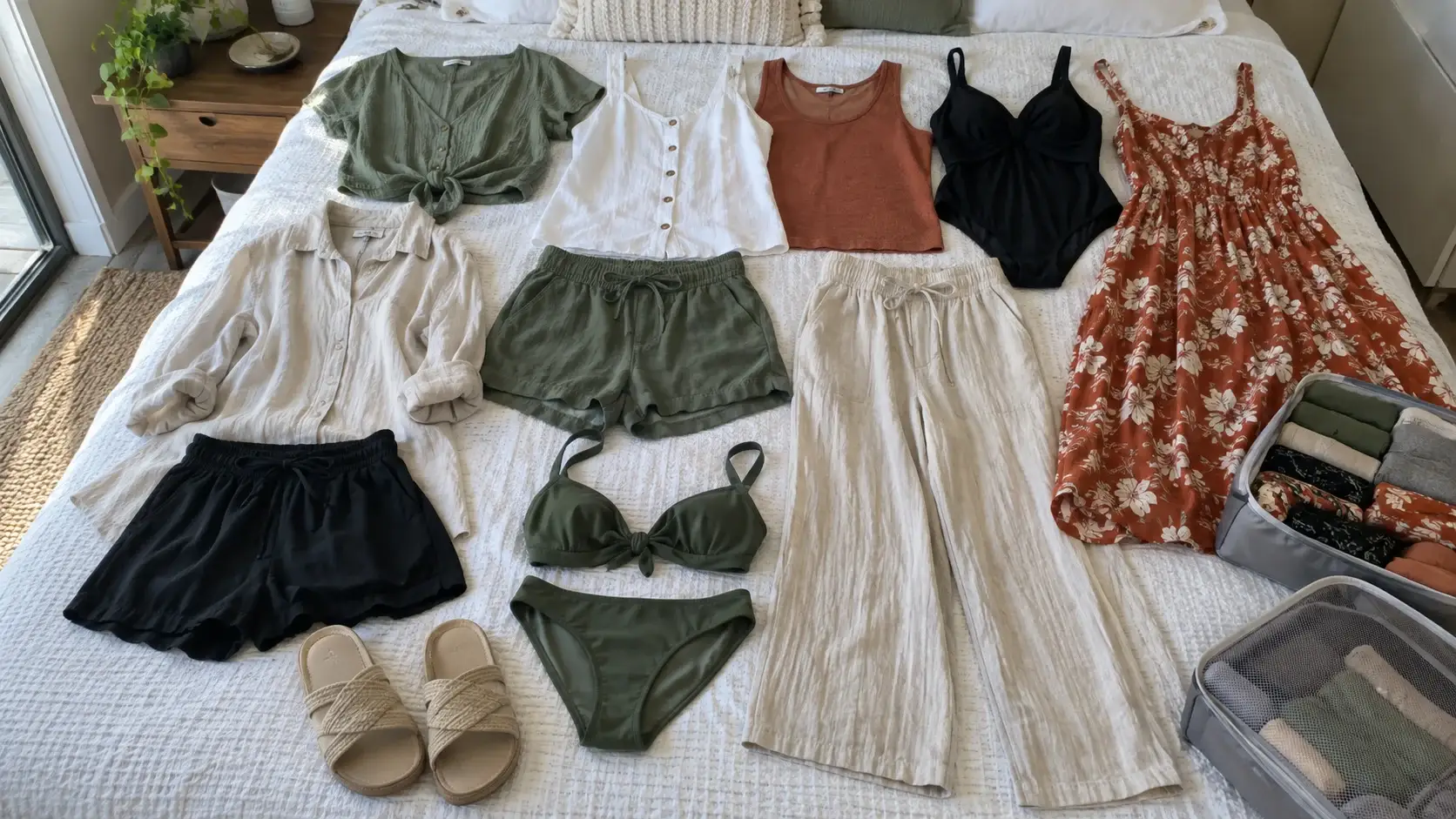
A seven-night warm-weather capsule
- Two casual shorts, skirts, or lightweight pants in combinations you already wear.
- One longer trouser, soft jean, skirt, or dressier bottom for cool rooms and dinner.
- Four breathable tops that mix with every bottom.
- One dress, jumpsuit, matching set, or polished separates for a dressier evening.
- One light cardigan, overshirt, wrap, or jacket for air conditioning.
- Two swimsuits, plus one cover-up suitable for the route from cabin to pool.
- One walking shoe, one pool or water shoe, and one optional dinner shoe.
Repeat the neutral foundation and change a top, layer, jewelry piece, scarf, or other small detail when you want variety. Rewearing is a packing strategy, not a social failure.
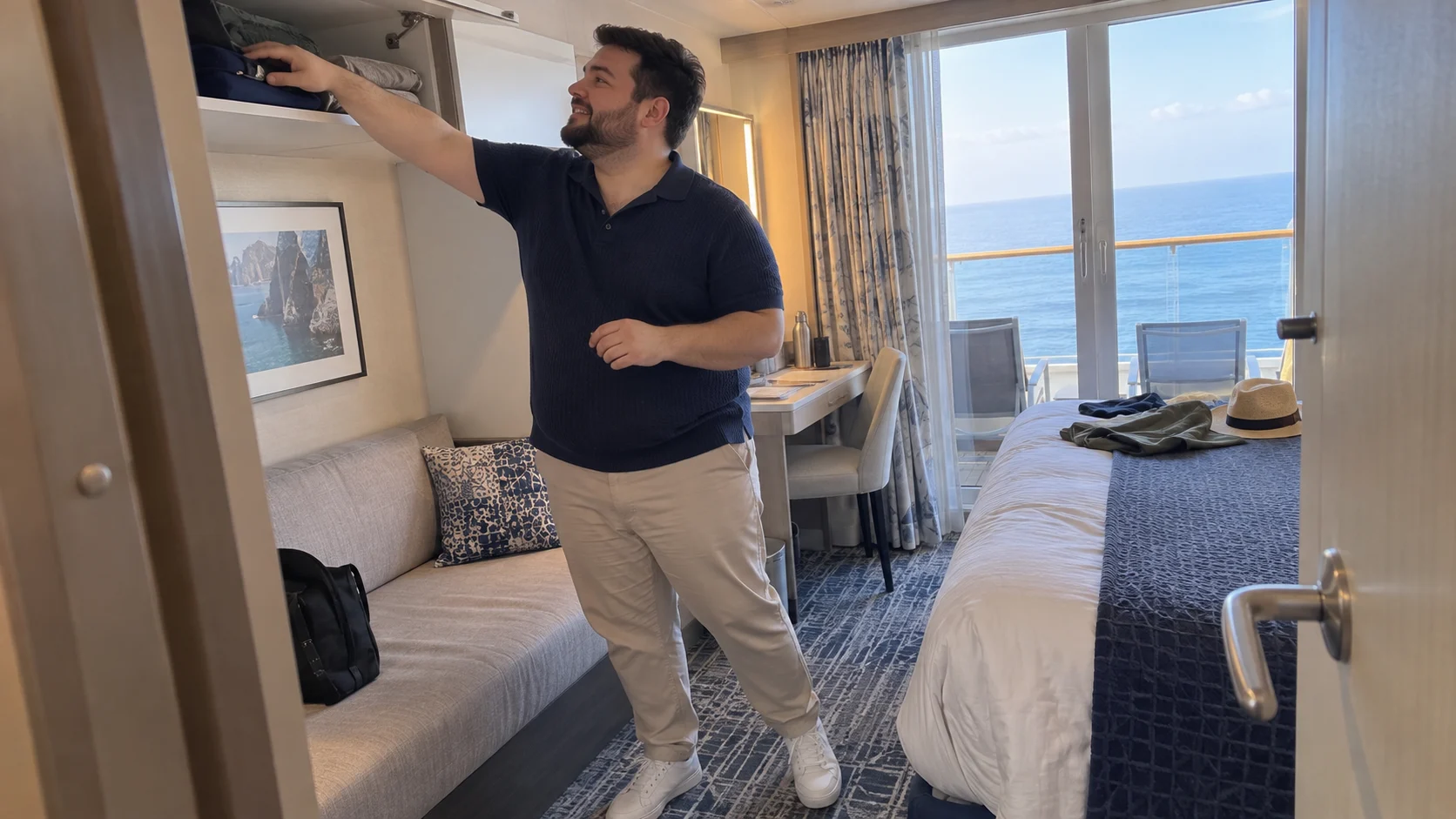
Fit-Test Every Outfit Before the Cruise
A mirror checks appearance, but a cruise asks much more from clothing. Wear the complete outfit for several hours at home, including the bra or base layer, anti-chafe choice, socks, shoes, mobility aid, and bag.
Sit at a table, climb stairs, reach overhead, bend, walk outside, and use a restroom. Check whether fabric rolls, fasteners dig, thighs rub, a hem catches, shoes slip, or a waistband becomes painful after a meal.
Test at the time of day you will wear it
Feet and legs may swell after heat, salt, walking, travel, or a long shore day. A shoe that feels generous at breakfast may be tight before dinner.
If your size or comfort fluctuates, pack one forgiving backup rather than betting every evening on the same fitted garment. Stretch, adjustability, and a reliable alternate can protect the plan without making every piece oversized.
Choose support, compression, or shaping only if you want it
No cruise outfit requires shapewear, underwire, compression, or a particular silhouette. Use those items only when they support your comfort or medical needs, and test them for sitting, eating, heat, and restroom access.
Medical compression should follow the traveler’s clinical guidance. Fashion advice should never replace an individualized health recommendation.
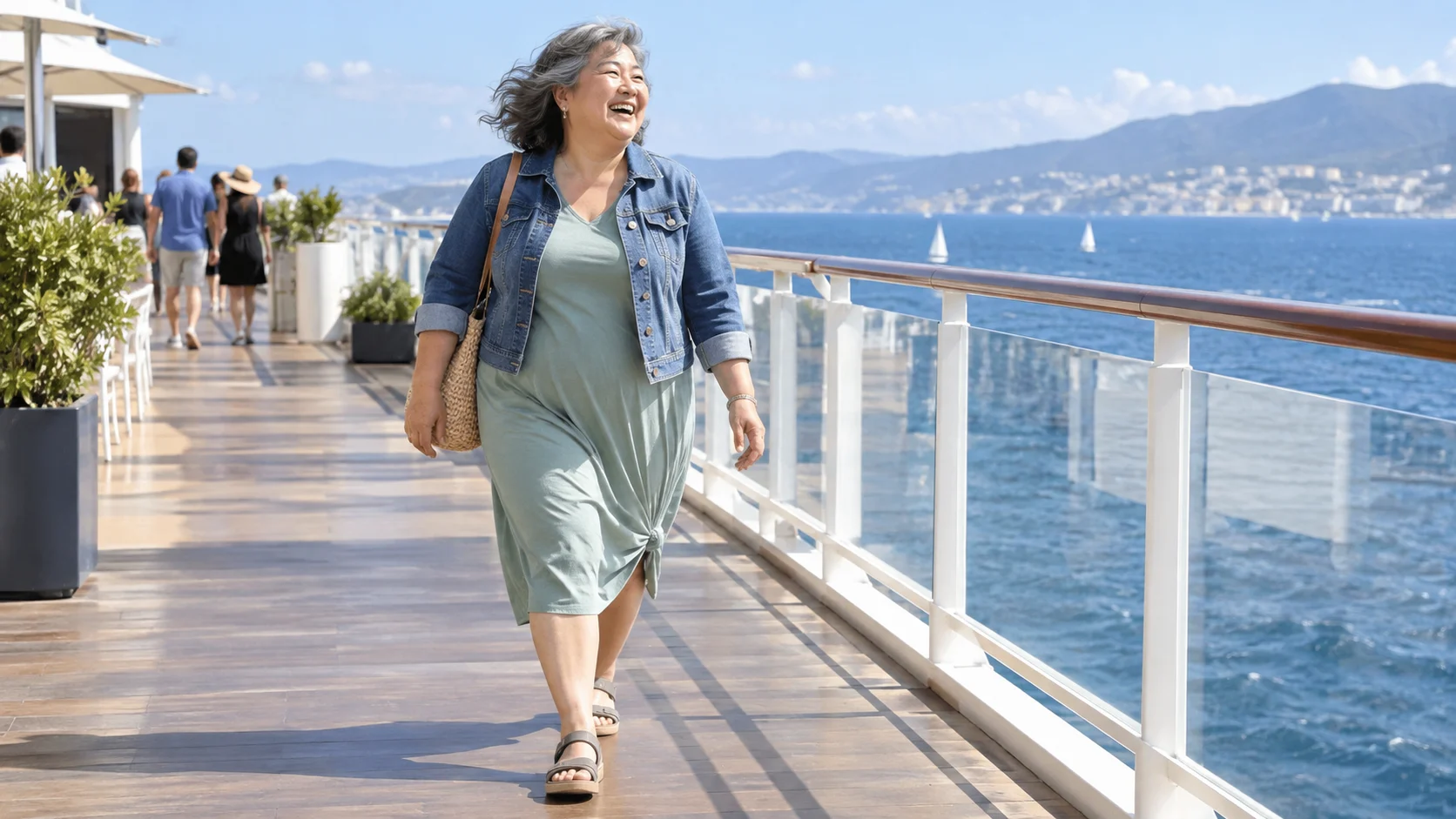
Daytime Ship Outfits
Daywear needs to handle breakfast, open decks, indoor air conditioning, elevators, and sudden activity. A breathable top with shorts, a skirt, loose trousers, leggings, or a casual dress can work when the fabric and fit suit the climate.
Carry a light layer even in the Caribbean because theaters and dining rooms may feel cool. A layer that also covers shoulders for sun or site requirements earns its luggage space twice.
Do not confuse oversized with comfortable
Extra volume can feel breezy, but it may catch wind, rub, drag, or interfere with stairs and equipment. Choose the amount of ease that lets you move safely rather than assuming looser is always better.
Likewise, close-fitting clothing can be excellent when seams, rise, stretch, and moisture management work for your body. The useful category is “tested,” not tight or loose.
Warm-Weather Shore Excursions
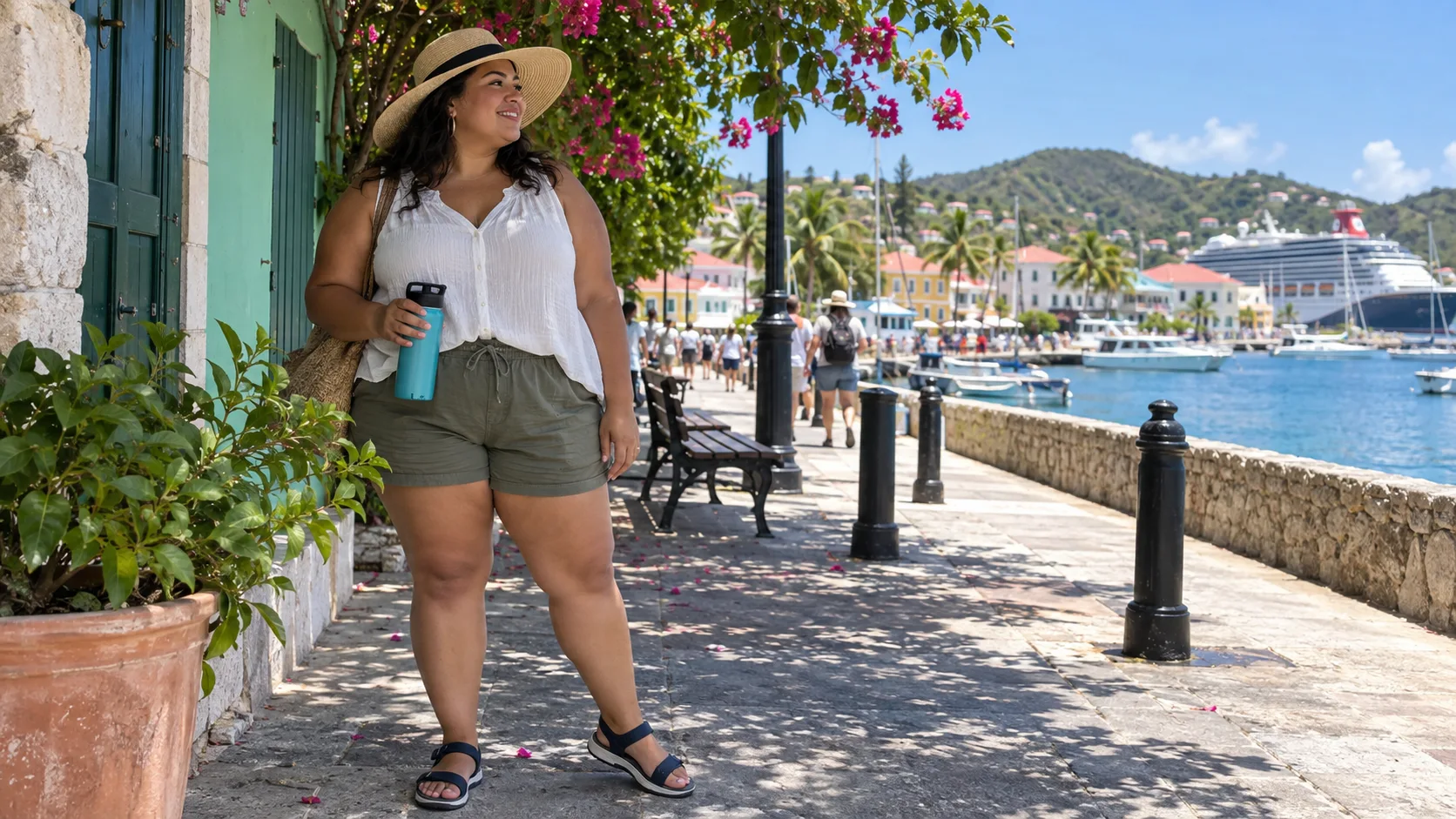
Hot ports call for breathable fabrics, sun coverage, secure pockets, and shoes matched to the surface. Dark colors, pale colors, natural fibers, and synthetics all have tradeoffs, so choose based on drying speed, transparency, rubbing, and care.
A long-line lightweight top, technical tee, breezy button-up, dress, skirt, or shorts can all work. The excursion’s safety requirements control, especially for zip lines, climbing, cycling, horseback riding, and water activities.
Plan for thigh and skin comfort
If friction affects you, test slip shorts, bike shorts, longer inseams, anti-chafe balm, powder, or another familiar solution before travel. Pack the option that works for your skin rather than relying on an untested viral recommendation.
Carry a spare dry base layer for humid or wet days. Changing one small item can rescue an afternoon without requiring a full second outfit.
Cool-Weather and Alaska Cruise Outfits
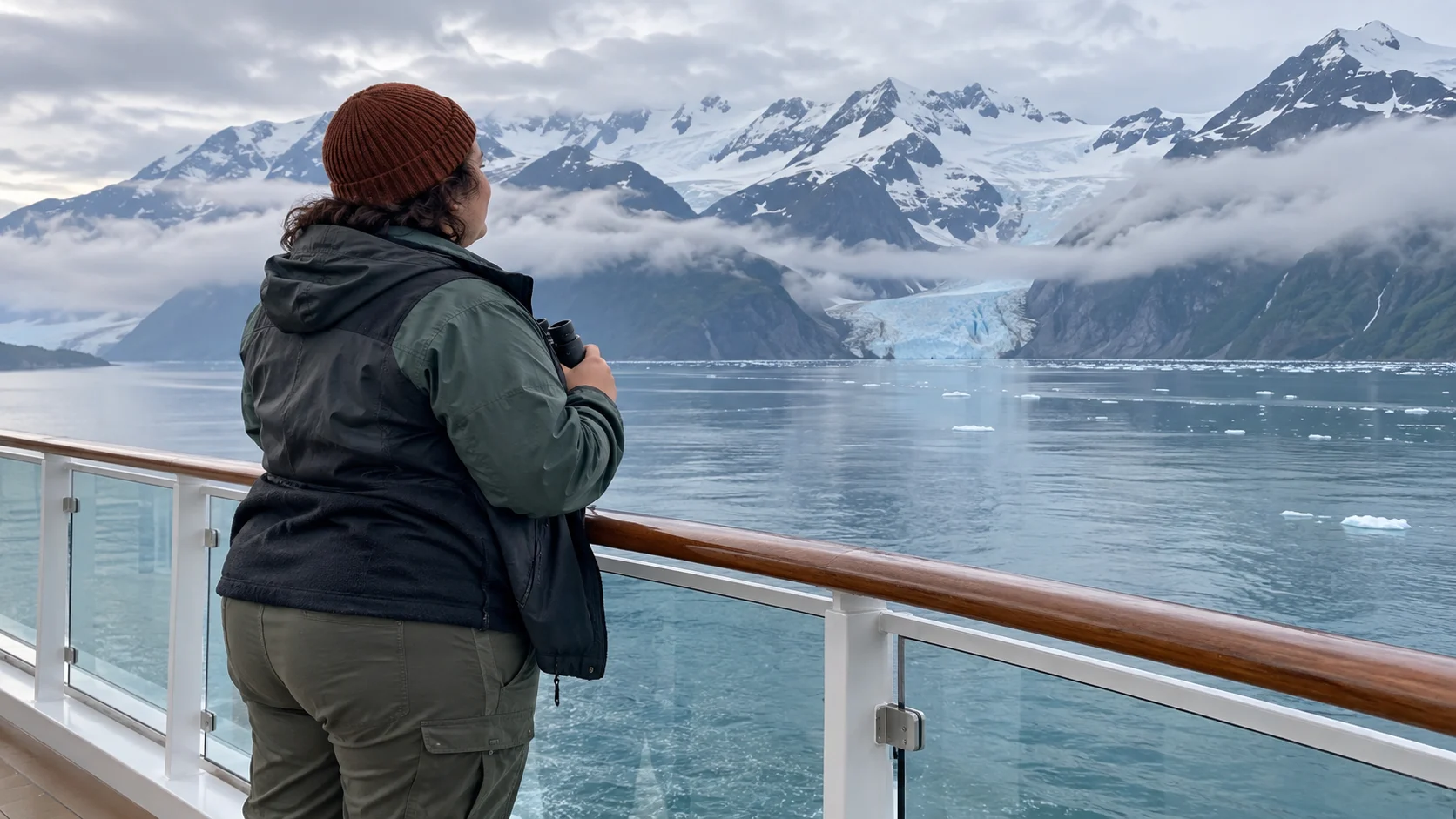
Cold-route dressing works best in layers because ports, moving boats, sheltered buses, and heated interiors feel completely different. Use a moisture-managing base, warm midlayer, and waterproof outer shell that all fit together without restricting shoulders or hips.
Try the zipped shell over the thickest intended layer before packing. A technically correct jacket is useless if the combined outfit pinches, pulls open, or limits movement.
The Alaska cruise outfit planner covers rain, glacier viewing, and repeatable layers in more detail. Size does not change the weather logic, but it makes pretesting and replacement planning especially valuable when onboard stock is limited.
Swimwear and Pool-Deck Clothing
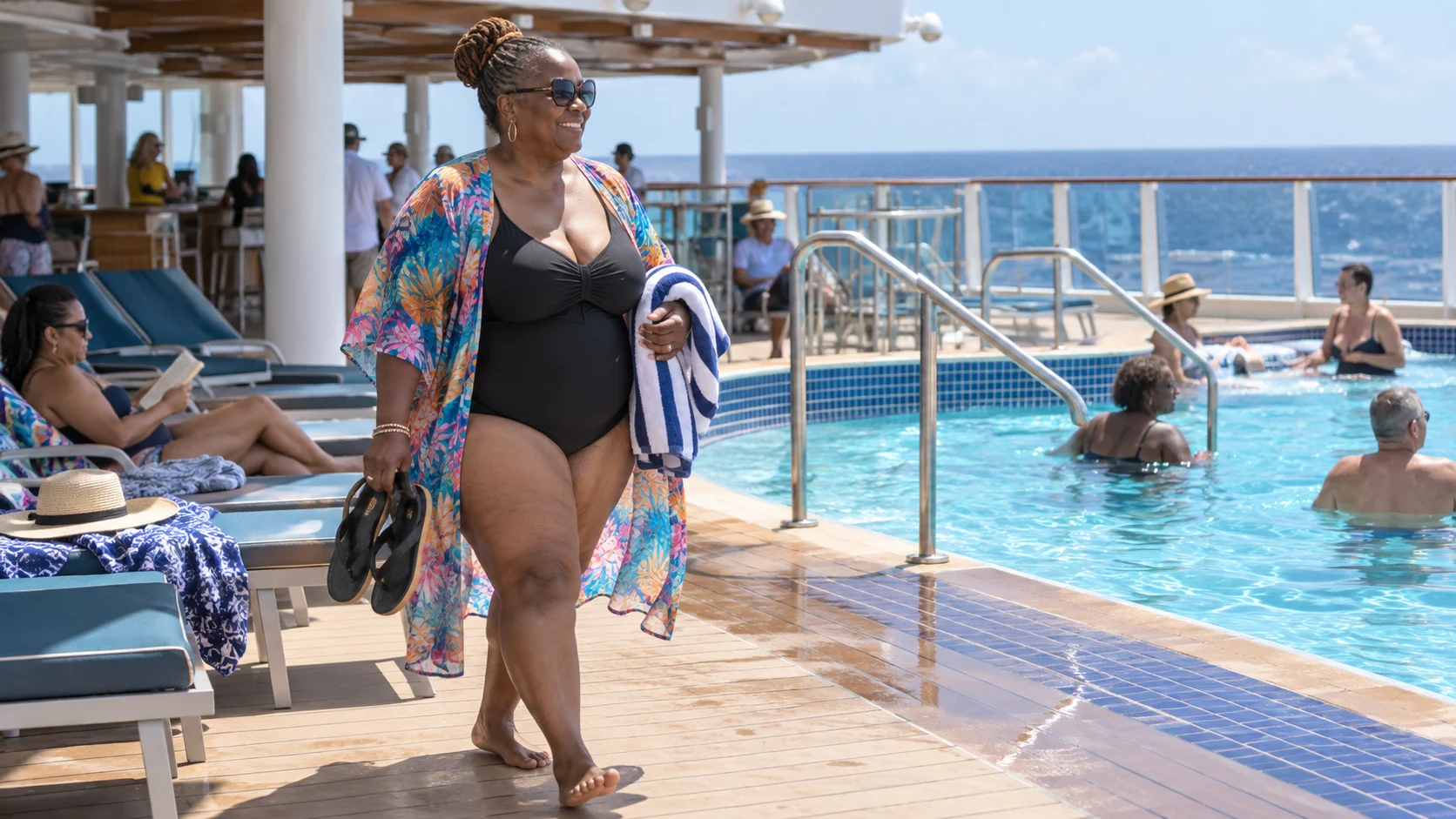
The best swimsuit stays where you want it during swimming, climbing ladders, sitting, and walking. That could be a one-piece, bikini, tankini, swim dress, rash guard, swim shorts, or mix of separates.
Bring two when swimming matters so one can dry while the other is worn. Dark cabins and humid bathrooms can slow drying, and putting on a damp suit is nobody’s favorite vacation ritual.
Check the full pool route
Try the suit with its cover-up, footwear, tote, and any changing or bathroom needs. A cover-up should work for the actual ship route and venue guidance, not just look good beside a chair.
Some dining venues require more coverage than the pool deck. Change or add the needed layer rather than assuming a cover-up automatically meets every restaurant’s standard.

Evening and Main Dining Room Outfits
Cruise dress guidance belongs to the line, ship, venue, and evening, not to a body type. Plus-size travelers have the same range of accepted silhouettes as everyone else.
Royal Caribbean’s current dress-code FAQ describes casual, smart casual, and Dress Your Best examples, while noting that the number of dressier nights is at ship discretion. It also lists specific main-dining and specialty-venue restrictions.
Carnival’s current help guidance uses Cruise Casual and Cruise Elegant examples, including dresses, pantsuits, skirts, blouses, trousers, dress shirts, and optional jackets. Those are choices, not body-shape assignments.
Norwegian’s restaurant attire guidance emphasizes clothing suited to the setting, with shirts, footwear, respectful graphics, coverage, and no swimwear in dining environments. Princess describes daytime casual clothing and evening smart casual or dressier suggestions in its onboard FAQ.
Check your own cruise materials because policies and enforcement can change. Do not extrapolate Royal Caribbean’s examples to Carnival or a premium line to an expedition ship.
Formal Night Without Body Rules
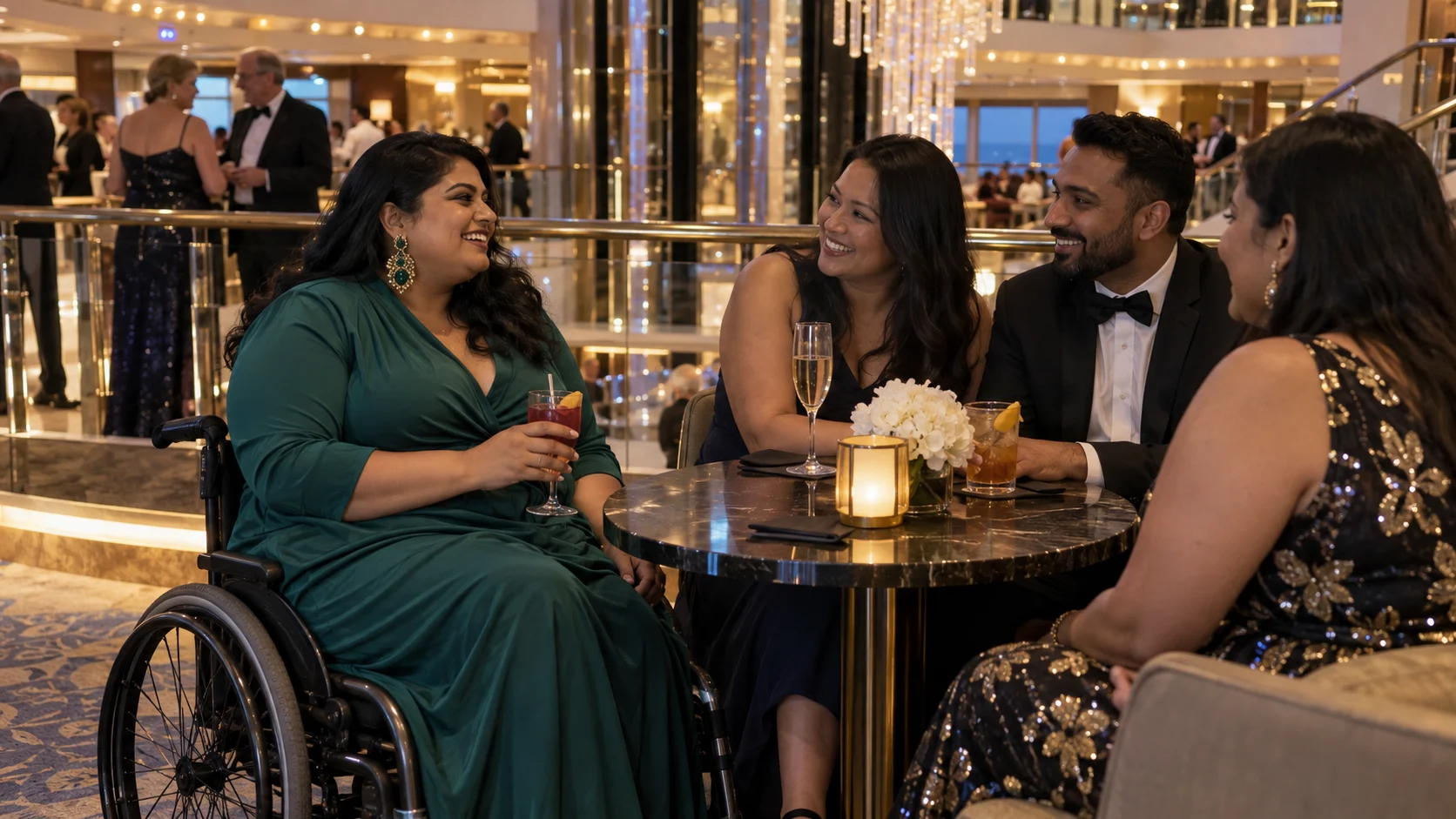
A formal-night outfit can be a cocktail dress, gown, jumpsuit, suit, tuxedo, pantsuit, skirt and top, dress trousers and shirt, or another combination accepted by the line. You do not need a dress, heels, shapewear, sleeves, black clothing, or a waist-emphasizing silhouette unless you want them.
Choose the garment by fit, venue, care, and walking plan. The line-by-line formal-night guide separates official examples from traditions and opinions.
Use one foundation twice
For two dressier nights, repeat the trousers, skirt, jacket, dress, shoes, or other foundation and change one top or accessory. Nobody is auditing your photo roll for garment repetition.
A fold-friendly outfit that already works is safer than a delicate one that depends on shipboard pressing or an iron you may not bring. Verify laundry and pressing services for the exact ship before relying on them.
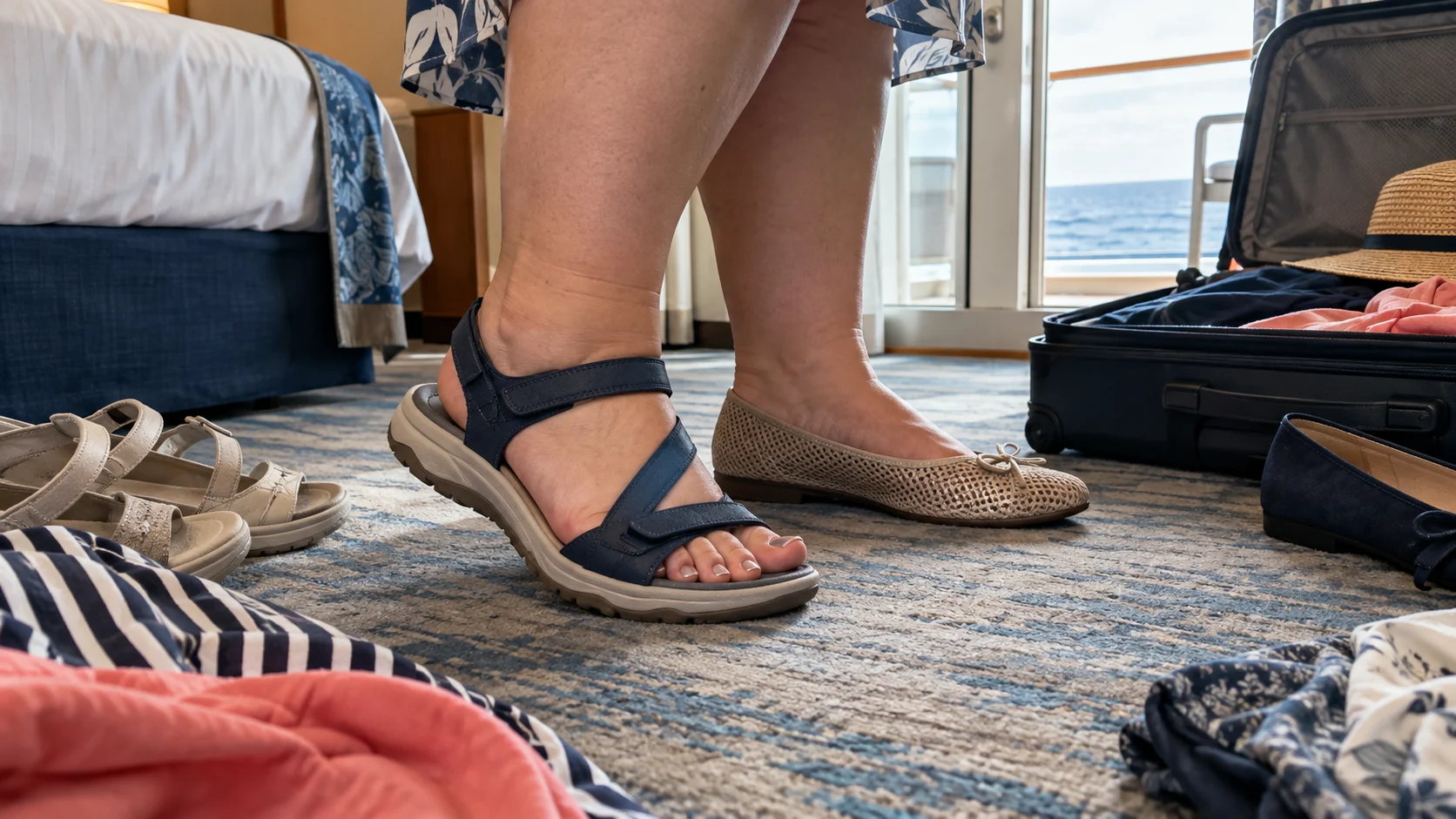
Footwear Is the Most Important Fit Decision
Cruise days combine ramps, gangways, wet decks, cobblestones, stairs, tender boats, and miles of walking. Choose shoes for grip, stability, swelling, and proven wear time before matching them to a photo idea.
A heel is optional unless you personally want it. A polished flat, loafer, stable sandal, sneaker, boot, or supportive dress shoe can serve dinner when it meets the venue’s current guidance.
Keep a backup pair
Alternate shoes to change pressure points and allow damp pairs to dry. A blister, broken strap, or wet shoe can derail more of the cruise than a repeated shirt.
Break in footwear before the trip, but retire any pair that still hurts after testing. Vacation is not a seven-day endurance trial for shoes.
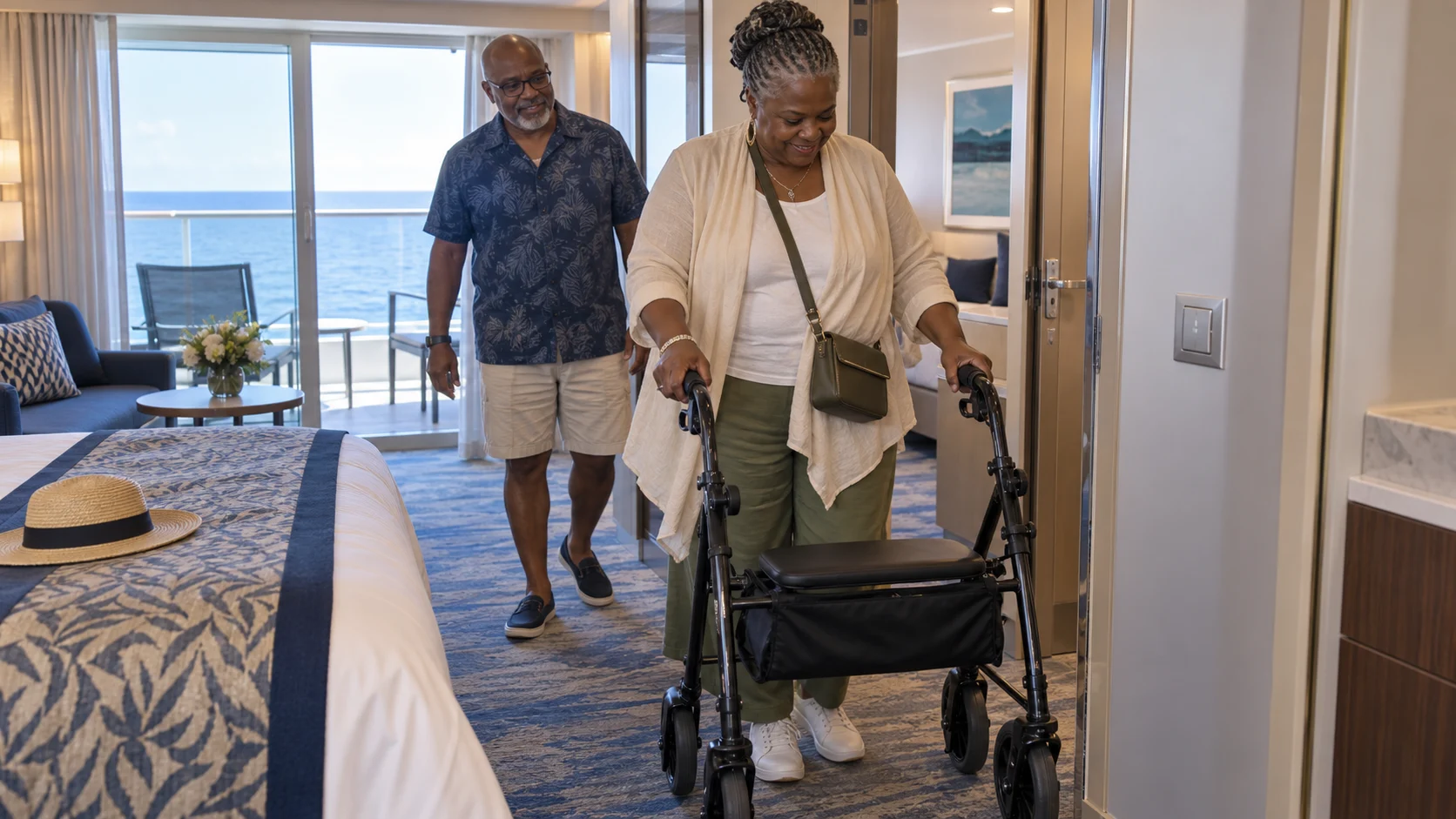
Mobility, Sensory, and Medical Equipment Fit
Test garments with a cane, walker, wheelchair, scooter, orthosis, prosthesis, pump, ostomy, compression garment, or other equipment used during travel. Check snag points, seated hems, access openings, pressure areas, and whether layers interfere with safe transfers.
Choose closures that work with your dexterity and energy, especially after a long port day. Easy dressing is not less stylish, and a complicated garment is not more formal.
Pack hard-to-replace medical and fit essentials in carry-on baggage within applicable security rules. A checked-bag delay should not remove the only base layer, brace-compatible trousers, or bra that makes the wardrobe function.
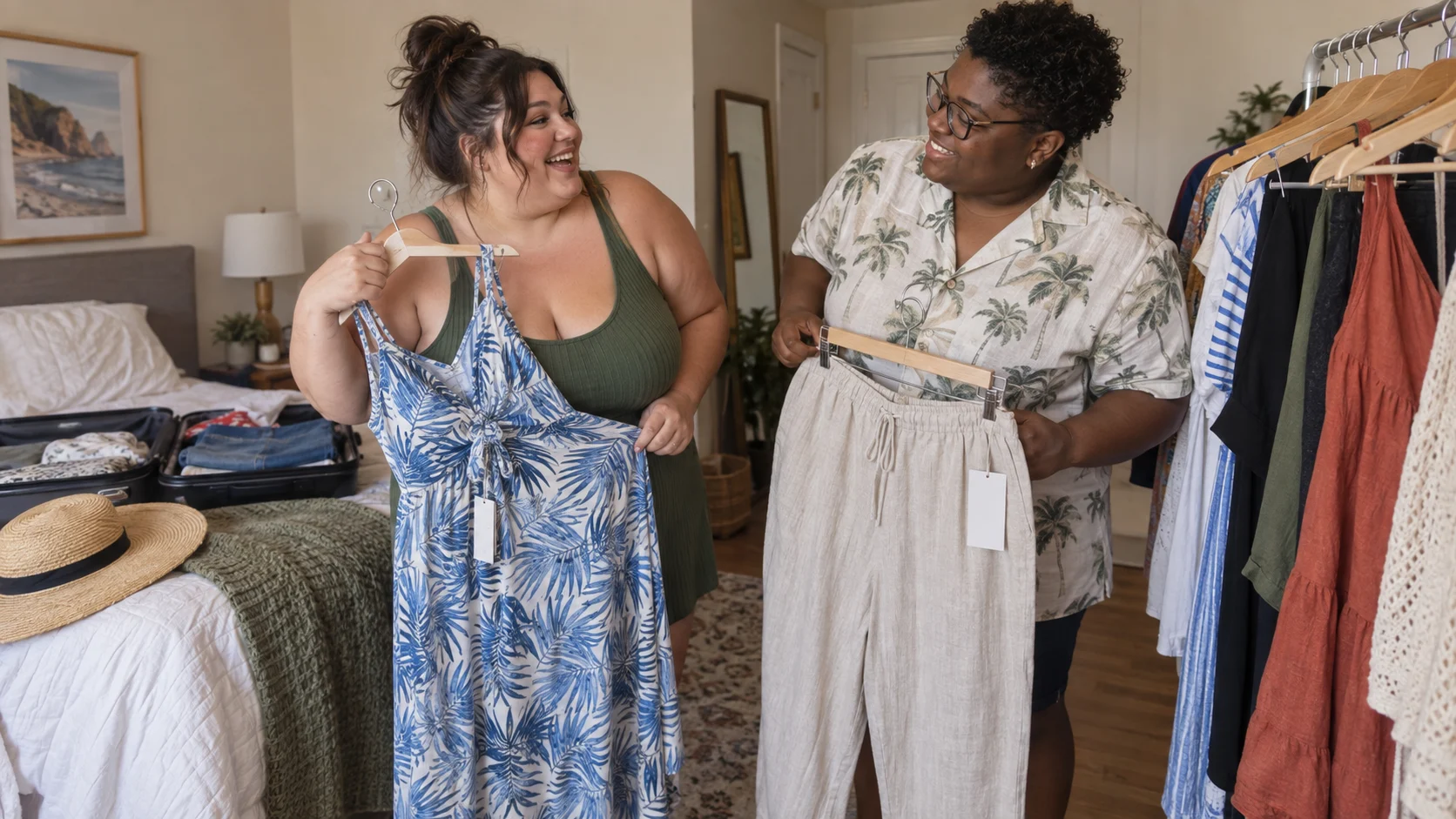
Shopping for Plus-Size Cruise Clothes
Shop early enough to sit, walk, wash, and return items. Size labels are inconsistent across brands, so use garment measurements and your own tested comparison piece rather than trusting one number.
Check fabric opacity in daylight, recovery after sitting, seam placement, pocket security, and care instructions. An item that requires special cleaning after every wear has to justify that dependency.
Do not rely on onboard replacement
Ship shops may carry clothing, but exact size, style, stock, opening time, and price cannot be guaranteed. Bring backups for swimwear, supportive undergarments, footwear, and any garment with a specialized fit.
A basic emergency repair kit can include safety pins, fashion tape, stain treatment, and a small sewing kit if permitted. Check prohibited-item rules before packing appliances or tools.
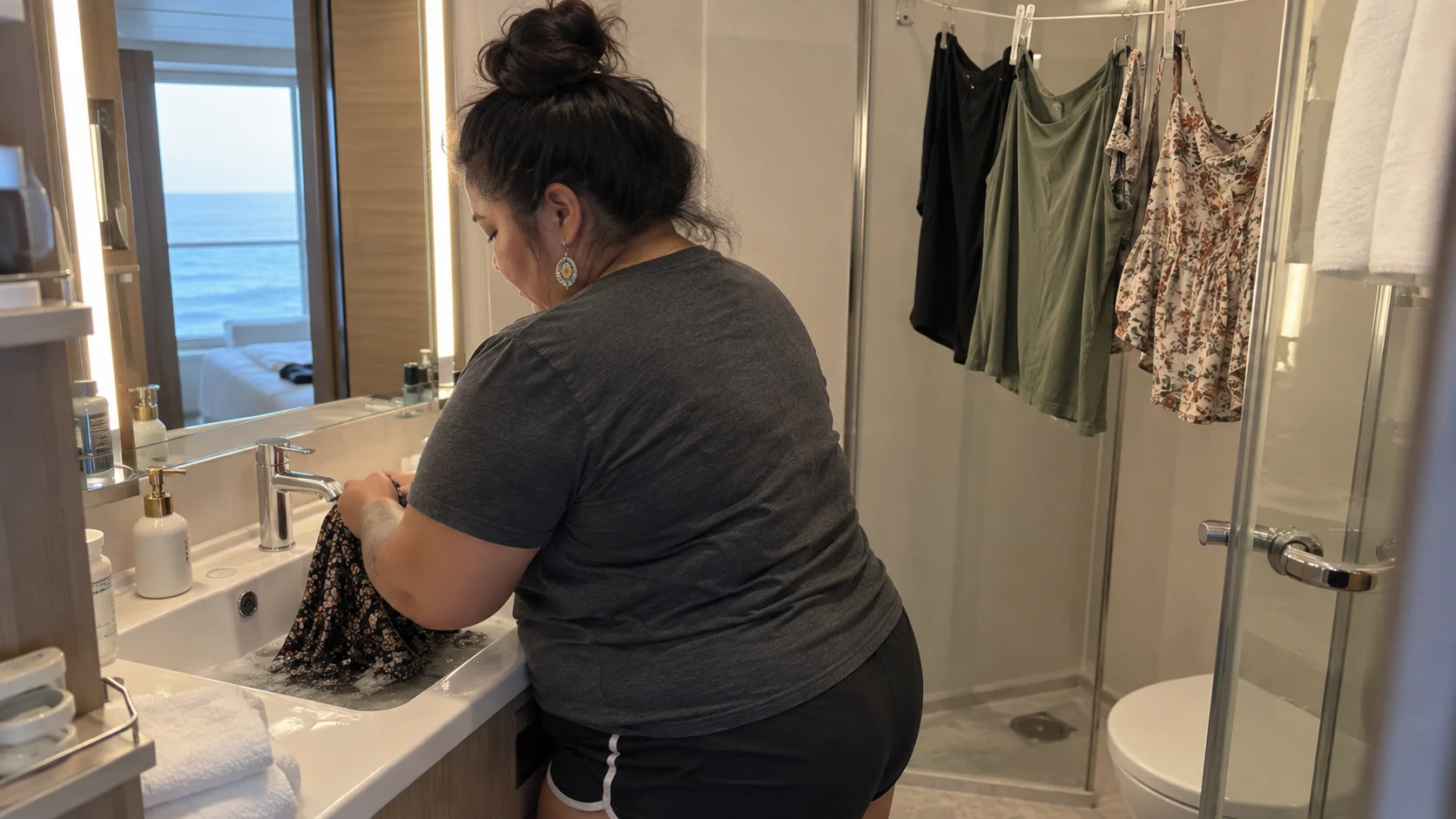
Laundry and Repeat Wear
Verify whether your ship has self-service laundry, paid wash-and-fold, pressing, dry cleaning, or none of those at the time you need them. Cruise lines, ships, turnaround times, and prices differ.
For sink washing, test whether the fabric dries overnight and whether detergent agrees with your skin. A lightweight quick-dry base is more dependable than hoping a heavy garment dries in a humid cabin.
The broader cruise packing checklist covers documents, medication, electronics, and cabin items so clothing does not crowd out harder-to-replace essentials. Pack the wardrobe as part of the whole travel system.
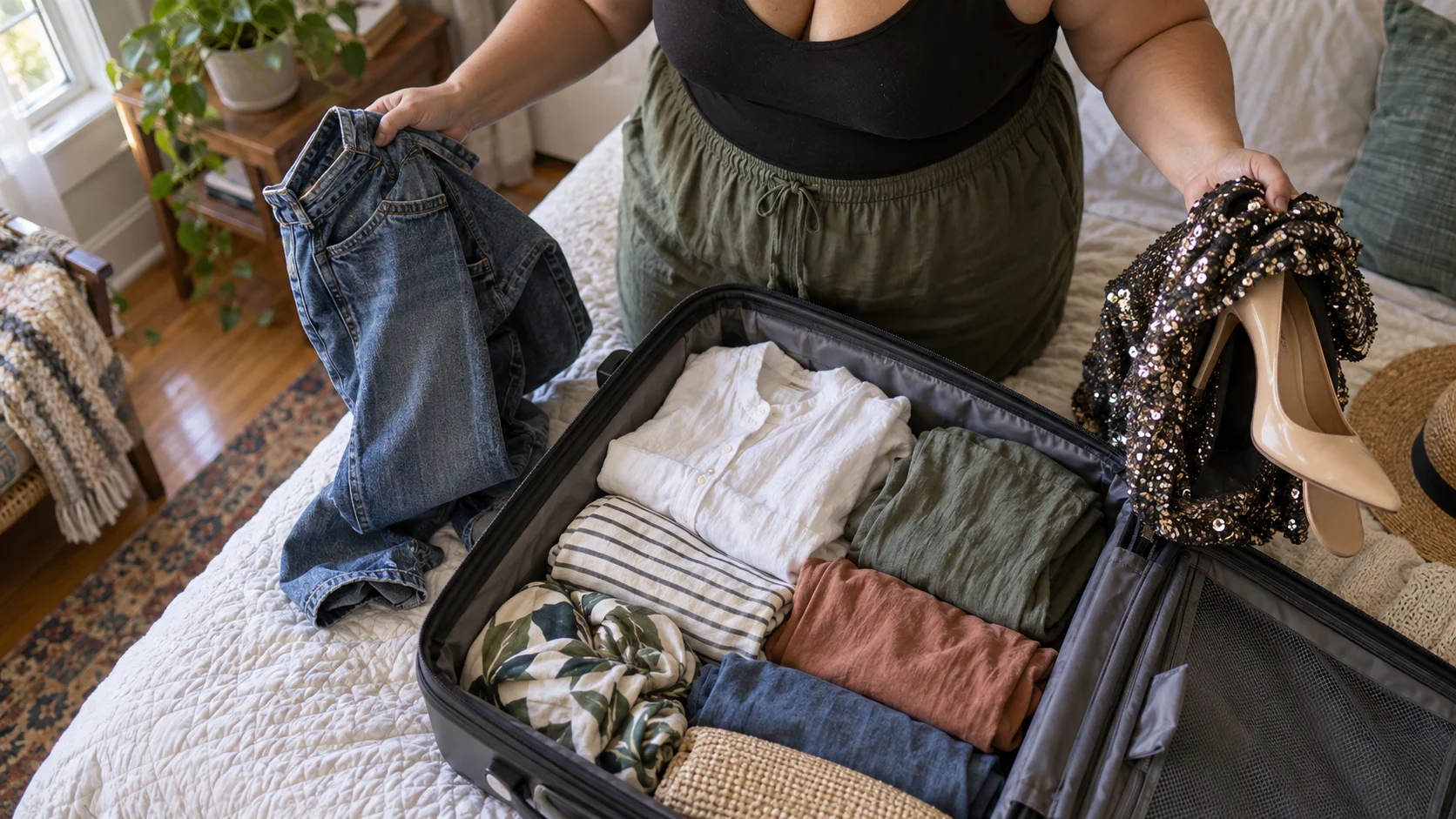
What Not to Pack
- Untested shoes that already pinch during a short try-on.
- Clothing purchased for a future body instead of the trip date.
- Single-use theme outfits before the theme is confirmed.
- A formal look that depends on uncomfortable underlayers.
- Heavy pieces that cannot be reworn or cleaned as planned.
- Every “just in case” garment at the expense of medication or practical gear.
- Anything chosen only because an article called it slimming or flattering.
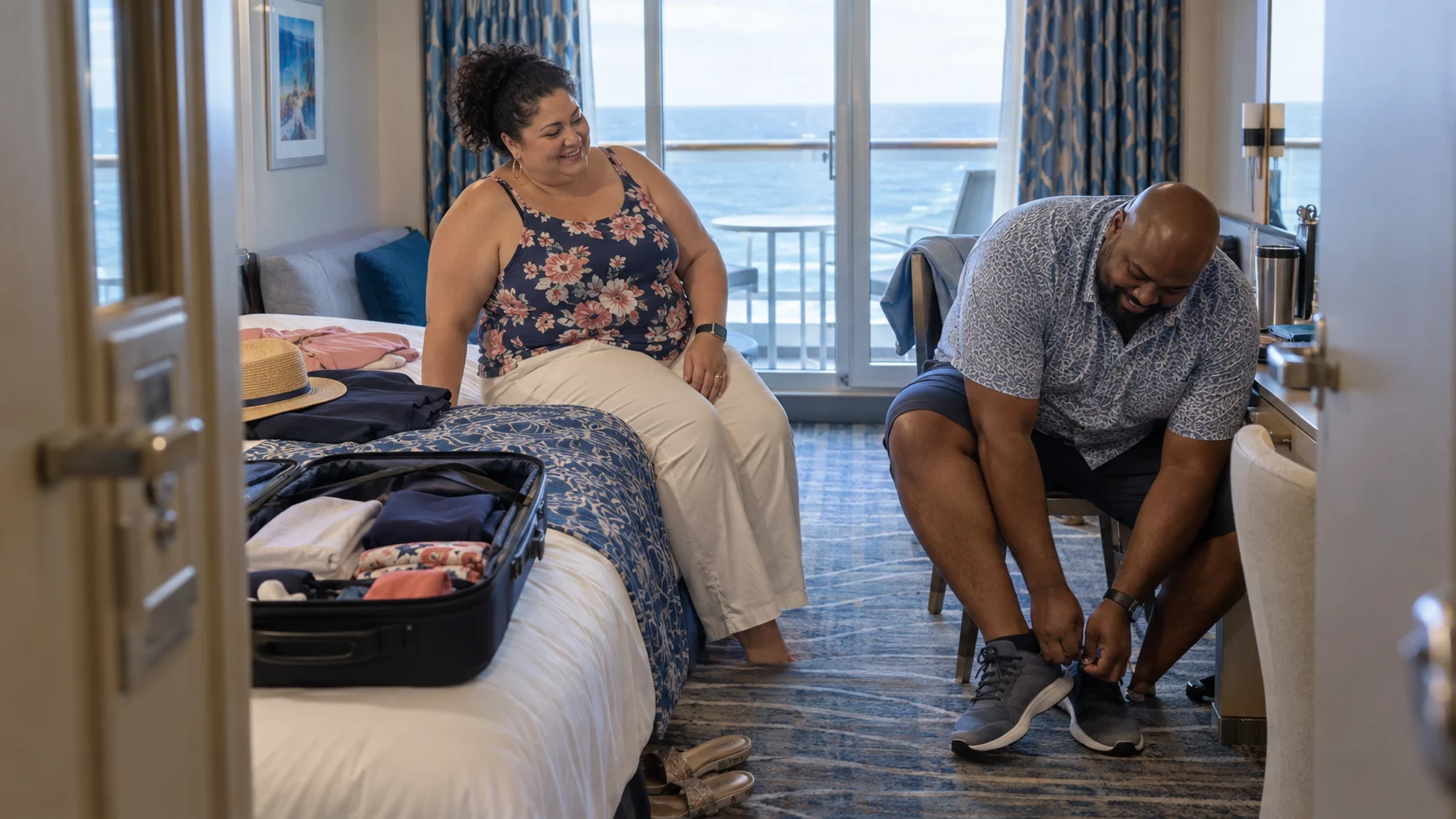
My Final Packing Check
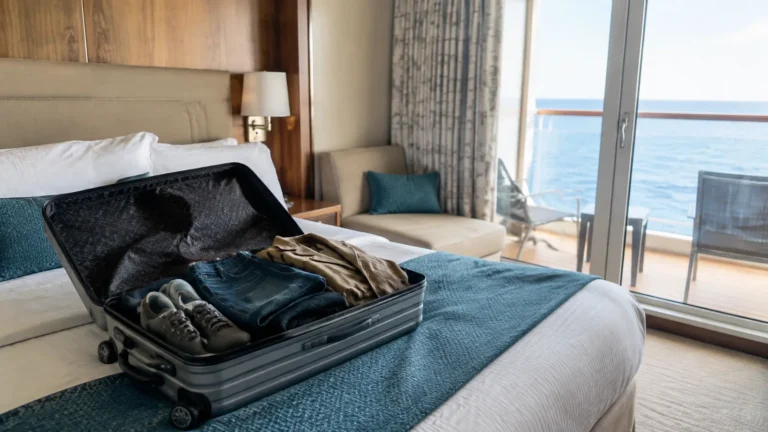
Lay out complete outfits by activity, not by day, then remove pieces that do not mix. Photograph the combinations if that reduces decision fatigue in the cabin.
Wear the bulkiest comfortable shoes and layer during travel, but keep airport and transfer comfort in charge. Save one clean outfit, medication, swimsuit, and essential underlayers in your carry-on.
Finally, reread the booked line’s current dress guidance and excursion requirements. Pack for your real body, real itinerary, and real preferences, and the wardrobe will do its job quietly while you enjoy the cruise.
Bottom Line
The best plus-size cruise outfits are tested, mixable, climate-appropriate, and comfortable through actual movement. They can be bold or simple, fitted or flowing, casual or formal, because size does not prescribe style.
Build around fit, shoes, layers, repeat wear, and hard-to-replace essentials. Let current venue rules set the minimum, then wear what makes the vacation easier and more like you.