How Much Does a Road Trip Cost? Example Budgets for Three, Seven, and Fourteen Days
I love a scenic detour, but I would rather know what the whole road trip costs before the hotel, dinner, and parking bills start arriving.
I budget a road trip by separating the costs that grow with mileage from the costs that grow with days, then I add enough breathing room that one great dinner does not suddenly feel like a financial emergency.
The Short Answer
For two adults sharing a room and using their own reasonably fuel-efficient car, a simple regional road trip can land around $800 for three days, roughly $2,000 to $2,500 for a week, and $4,000 to $5,000 for two weeks. Those are planning examples, not live quotes, because lodging, food, fuel, parking, and activity prices can vary wildly by destination and season.
The useful part is not memorizing one total. It is understanding which costs change when you add miles, nights, cities, national parks, toll roads, or a rental car.
The Example Assumptions I Am Using
To make the examples comparable, I am using the same baseline for two adults. Replace each assumption with the numbers that match your vehicle and trip before you book anything.
- Fuel economy: 30 miles per gallon
- Example gas price: $3.50 per gallon
- Hotel: about $160 per night after a rough tax allowance
- Food for two: about $90 per day
- Activities: a mix of free stops and a few paid experiences
- Parking and tolls: a moderate route, not a city-heavy Northeast itinerary
The U.S. Department of Energy’s FuelEconomy.gov is useful for checking your vehicle’s estimated fuel economy. For gas, I would use the current prices along your actual route rather than the example number above.
Three-Day Road Trip Budget
Imagine a long weekend with 450 total miles and two hotel nights. This is the scale of a regional getaway such as Madison to Door County, Phoenix to the Verde Valley, or Seattle to Whidbey Island.
- Gas: about $53
- Hotels: about $320
- Food: about $270
- Parking and tolls: about $40
- Activities: about $100
- Miscellaneous buffer: about $50
Example total: about $833 for two adults.
The funny part is that fuel barely drives the total. On a short road trip, the hotel and food choices usually matter far more than whether you drove 350 or 450 miles.
Seven-Day Road Trip Budget
For a one-week example, I am using 1,200 miles and six hotel nights. That is enough for a focused regional road trip without crossing half the country.
- Gas: about $140
- Hotels: about $960
- Food: about $630
- Parking and tolls: about $80
- Activities: about $250
- Miscellaneous buffer: about $100
Example total: about $2,160 for two adults.
This is the range where free scenery starts saving real money. A week built around state parks, scenic drives, beaches, and small towns can cost much less than a week with museum tickets, boat excursions, paid parking, and one expensive attraction every day.
Fourteen-Day Road Trip Budget
For two weeks, assume 2,500 total miles and thirteen hotel nights. This is closer to something like a Great Lakes loop, long Pacific coast trip, or multi-state national-park route.
- Gas: about $292
- Hotels: about $2,080
- Food: about $1,260
- Parking and tolls: about $150
- Activities: about $500
- Miscellaneous buffer: about $200
Example total: about $4,482 for two adults.
The hotel is now almost half the example budget, which is why changing the average room price by even $40 makes a much bigger difference than obsessing over finding the cheapest gas station.
How to Calculate Your Gas Cost
The simplest formula is total miles divided by your expected miles per gallon, then multiplied by the gas price you want to use for planning. If the route is mountainous, heavily congested, or your car is loaded down, I would use slightly worse fuel economy than your best-case highway number.
For example, 1,200 miles divided by 30 mpg equals 40 gallons. At $3.50 per gallon, that is $140.
Do Not Forget the Miles You Drive at the Destination
A route planner may show 800 miles between your overnight cities while the actual trip ends at 1,050 because of trailheads, grocery runs, scenic detours, dinner drives, and the impressive number of times everyone decides they need coffee.
I add roughly 10 to 20 percent to the obvious point-to-point mileage for an itinerary with lots of day trips. A route with one hotel and mostly walkable sightseeing may need much less.
Hotel Costs Are Usually the Biggest Lever
On most comfortable hotel-based road trips, lodging matters more than fuel. The difference between a $140 and $240 average room rate across ten nights is $1,000 before you have changed a single mile of the route.
This is why my road trip hotel guide focuses on location as well as price. A cheaper room can become expensive when it adds parking, repeated driving, and another forty minutes in the car every day.
When I Splurge on the Hotel
I am much more willing to spend extra when the hotel changes the experience. A harbor room, walkable historic inn, national-park lodge, or beautiful cabin can become part of the trip rather than simply the place where I sleep.
I save money more aggressively on practical one-night stops where I am arriving after dinner and leaving after breakfast. That is where a clean, well-reviewed hotel beside the route does exactly what I need.

Food Can Be $35 a Day or $200 a Day Surprisingly Easily
Food is the category where travel style changes the math fastest. Breakfast from a grocery store, a picnic lunch, and one restaurant dinner can keep costs reasonable without making the trip feel like a budget exercise.
On food-focused routes such as Cajun Country, Charleston, Wisconsin supper-club country, or Portugal, I would spend more because the meals are part of why I chose the trip. Cutting every local restaurant to save money can erase part of the destination.
My Favorite Food Budget Strategy
I budget one meal per day that I am excited about and keep the others simpler. Some days that means a restaurant dinner, while other days it is a bakery breakfast or seafood lunch and a picnic later.
My road trip food guide has the cooler-and-snack side of this once you want to reduce restaurant costs without living on protein bars.

Parking Is the Expense People Forget
Parking can be almost irrelevant in rural Wisconsin and painful in Chicago, Charleston, San Francisco, Boston, Miami, or a downtown hotel with nightly valet-only parking. I check hotel parking before I compare room rates because the cheapest room may not be the cheapest stay.
I also check whether I can park once and walk. Paying $35 to park once can be better than paying less for a suburban hotel and then paying at three attractions.
Tolls Can Be Tiny or Material
Tolls matter most on routes through the Northeast, Florida, parts of Texas, and other areas with extensive tolled roads or bridges. Rental cars can add another layer because the company’s electronic-toll program may include daily or administrative fees.
Check the route with and without tolls before deciding to avoid them. A free route that adds ninety minutes and twenty miles is not automatically the economical choice.
National Park and State Park Fees
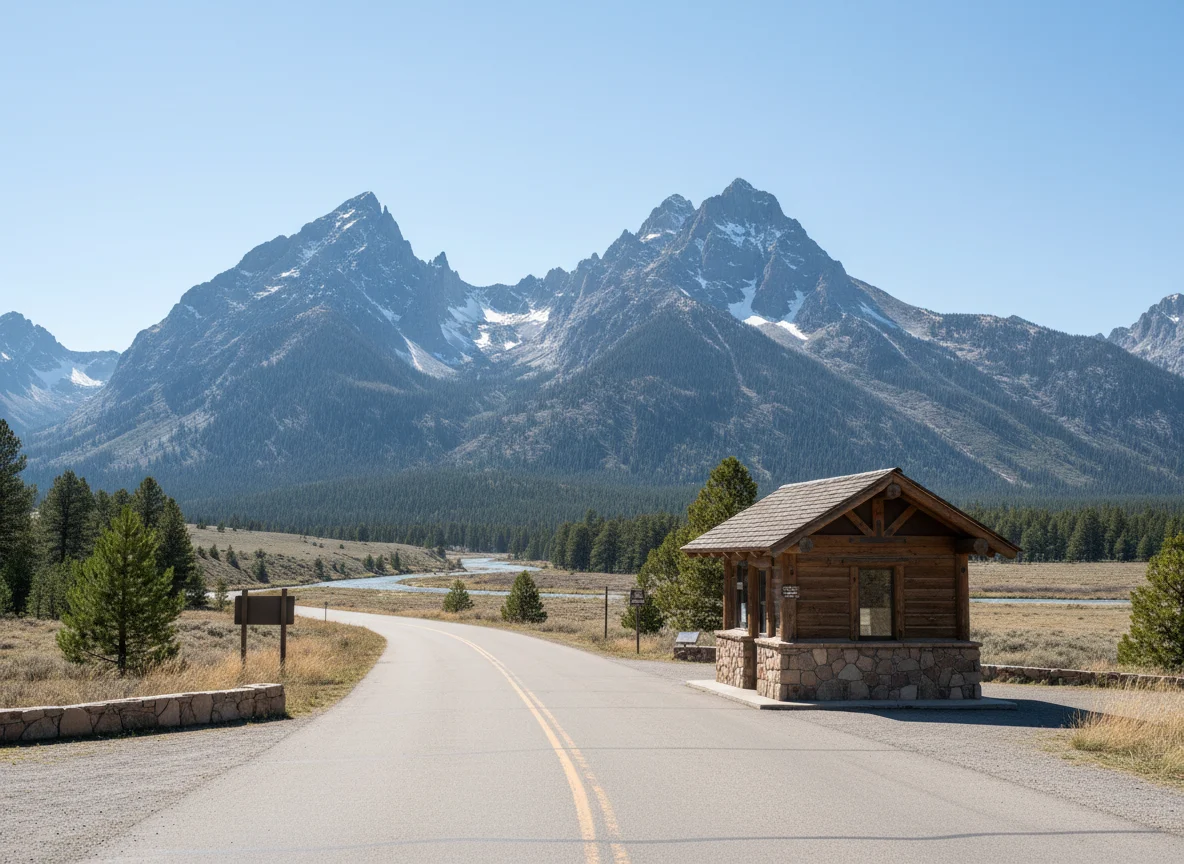
If a road trip includes several federal recreation sites, compare individual entrance fees with the current America the Beautiful pass. The National Park Service explains the current pass options on its entrance-pass page.
State parks operate separately, so a federal pass does not replace Wisconsin, Minnesota, Michigan, or another state’s vehicle or day-use fees. I budget those before the trip instead of being surprised at the first entrance booth.
Activities Are Where a Cheap Trip Can Stop Being Cheap
A scenic drive, beach day, downtown walk, or waterfall can cost almost nothing, while whale watching, a guided glacier outing, amusement park, helicopter tour, or popular museum can add hundreds of dollars in one afternoon.
I list the big-ticket experiences separately instead of burying them in “miscellaneous.” That makes it obvious whether the trip is expensive because of the destination or because I booked three once-in-a-lifetime activities.
Rental Car Costs Need Their Own Budget
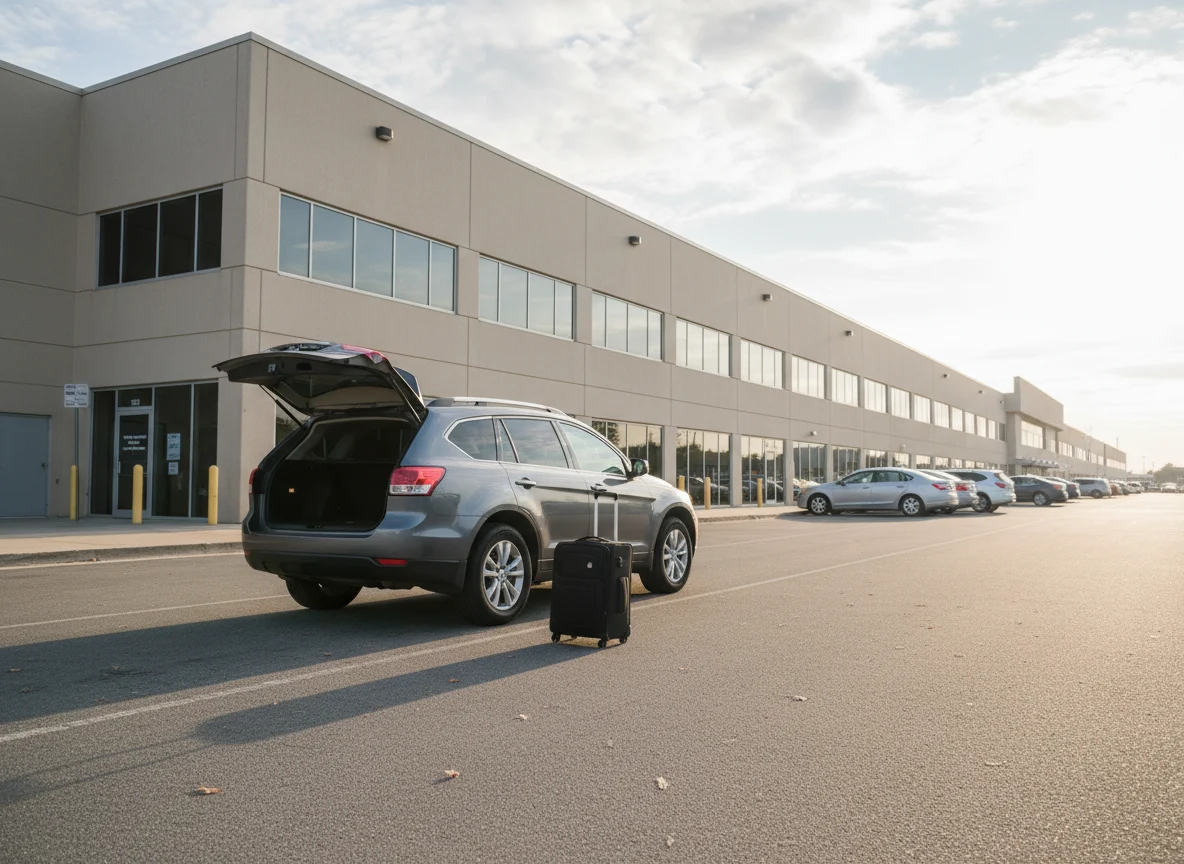
If you are flying in, do not treat the advertised daily rental rate as the total. Taxes, airport fees, extra drivers, one-way charges, toll programs, fuel, parking, insurance decisions, and larger-vehicle pricing can change the real number substantially.
My renting vs. driving your own car guide breaks down that decision. I would calculate the rental separately before deciding whether a fly-and-drive trip is cheaper than driving from home.
The Cost of Using Your Own Car Is More Than Gas
Fuel is the obvious expense, but tires, oil, depreciation, maintenance, and added mileage are still real costs. You may not write a check for them on the vacation, but a 4,000-mile road trip absolutely uses part of the vehicle.
I do not assign a giant theoretical per-mile charge to every vacation budget, but I consider the wear when comparing a long drive with flying and renting. That is especially true when the home vehicle is new, leased, inefficient, or due for expensive maintenance.
Pet Fees Can Quietly Add Hundreds
Dog-friendly hotels may charge a flat fee per stay or a nightly pet fee, and the difference matters on a multi-stop road trip. Two $50 flat fees are manageable; six $75 pet fees across six hotels can completely change the lodging budget.
My dog-friendly Midwest routes focus on destinations where bringing the dog actually improves the trip. Always read the individual property’s current pet policy before booking.
One-Way Fees Can Break a Beautiful Budget
One-way rental cars are incredibly useful for routes like Seattle to San Francisco, Alaska cruise extensions, or long international drives, but the drop charge can range from negligible to painful depending on inventory.
Price the exact dates and locations before building a one-way itinerary around a hypothetical bargain. Sometimes flying into one airport and out of another saves so much backtracking that the fee is still worth it.
How Much Emergency Buffer Do I Add?
For a short domestic trip, I like at least a few hundred dollars of available breathing room beyond the planned budget. For an international road trip, remote region, or trip with ferries and weather-sensitive lodging, I want substantially more financial flexibility.
The buffer is not money I plan to spend. It is what keeps a tire problem, hotel change, or weather reroute from becoming a crisis.
Easy Ways to Lower the Cost Without Making the Trip Worse
- Stay two or three nights in one hotel instead of changing nightly.
- Travel midweek when destination pricing rewards it.
- Use grocery breakfasts or picnic lunches strategically.
- Choose one paid activity per day rather than several.
- Compare hotel parking before booking the room.
- Use scenic drives, beaches, towns, and parks as major activities.
- Keep the daily mileage low enough that fuel and fatigue stay reasonable.
- Book the expensive experience you genuinely care about and skip the filler.
Costs I Would Not Cut Too Aggressively
I will not choose unsafe lodging, bad tires, an unsuitable rental car, or a dangerously tight itinerary to save money. I am also willing to pay for the hotel location that keeps me off a mountain road after dark or lets me walk to dinner after a long driving day.
Saving money is useful only when the cheaper option still creates the trip you wanted. There is no victory in spending less on a vacation you did not enjoy.
Use Current Fuel Prices, Not My Example Number
The gas price in the sample budgets is only a planning placeholder. I check current regional averages through a source such as AAA Gas Prices, then adjust the fuel calculation for the states or provinces on the actual route.
My Quick Budget Formula
Start with lodging, because it is usually the largest number. Add food, fuel, parking and tolls, major activities, rental-car cost when relevant, pet fees or park passes, and then a buffer.
That total is much more useful than asking whether road trips are “cheap.” Some are, some absolutely are not, and the good news is that you can usually see exactly where the money is going before you leave.