Utah’s Mighty Five Road Trip: A Realistic Ten-Day Itinerary
Red-rock canyons, hoodoo amphitheaters, and arches bigger than buildings make Utah awfully good at distracting me from the next stop.
I would give the Mighty Five ten days, stay multiple nights in the same places, and let one excellent hike or scenic drive be enough for a day instead of treating southern Utah like a national-park punch card.
The Ten-Day Mighty Five Route
- Day 1: arrive in Springdale and ease into Zion
- Day 2: full day in Zion National Park
- Day 3: Zion morning, then drive to Bryce Canyon
- Day 4: Bryce Canyon National Park
- Day 5: Scenic Byway 12 to Capitol Reef
- Day 6: Capitol Reef National Park
- Day 7: Capitol Reef to Moab
- Day 8: Canyonlands and Dead Horse Point area
- Day 9: Arches National Park
- Day 10: flexible Moab morning and departure
This route works best west to east, but you can reverse it without changing the substance. I would choose direction based on airfare, weather, and where you are continuing afterward rather than chasing a supposedly perfect orientation.
If national-park road trips are your thing, my Yosemite road trip follows the same rule I use here: protect full park days and stop measuring success by how many trailheads you touch.
Day 1: Arrive in Springdale and Keep It Easy
Springdale is the base I would choose for Zion because you can walk to restaurants and use the local shuttle when it is operating. Arrive, check in, and resist the urge to turn your travel day into a major canyon adventure.
If you have daylight and energy, use the afternoon for the visitor center, a riverside walk, or a short viewpoint. Save your biggest Zion plan for a morning when you are rested.
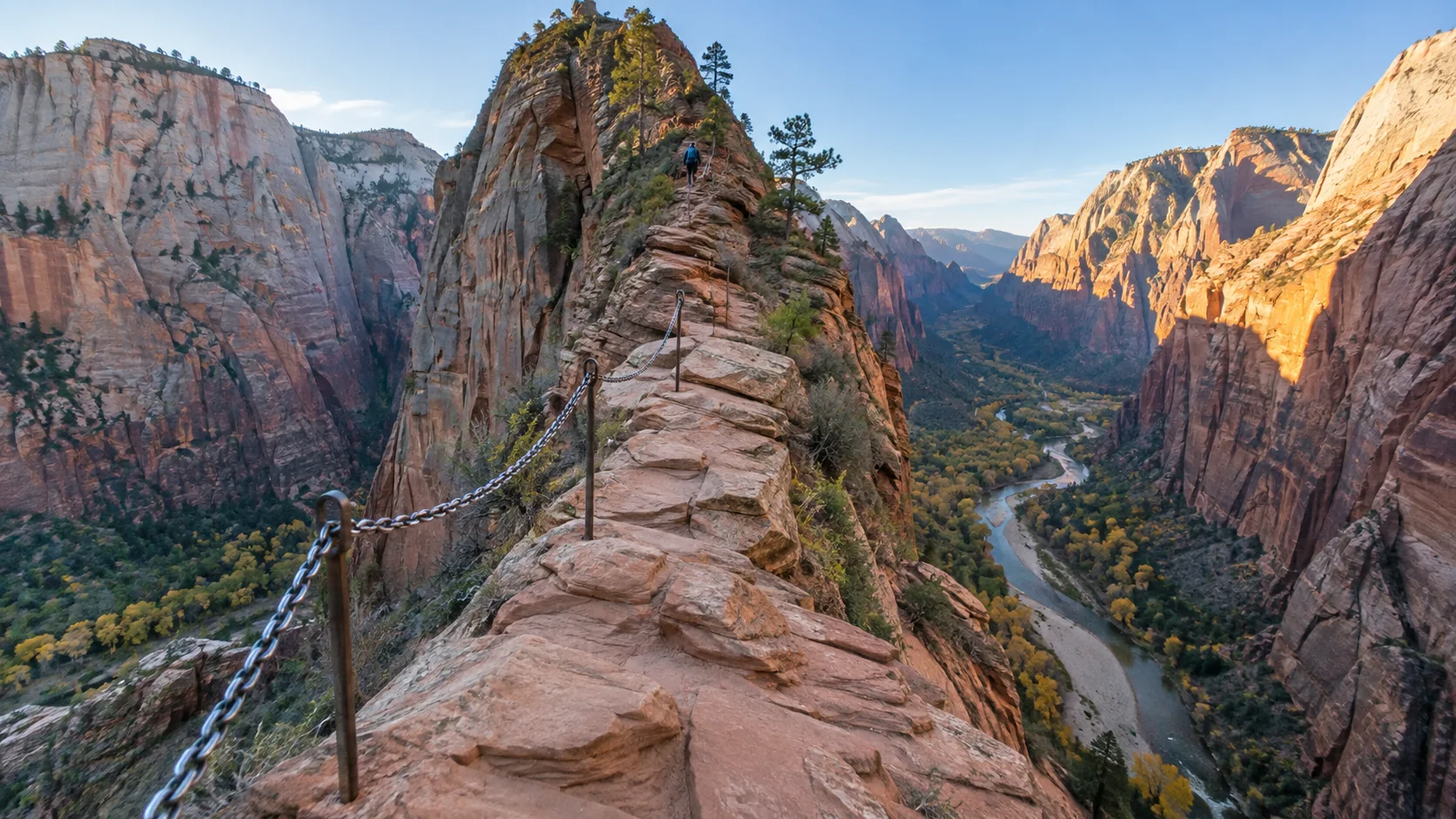
Day 2: Zion National Park
Zion is the park where transportation logistics matter most. For much of the year, private vehicles cannot simply drive the Zion Canyon Scenic Drive, and the free park shuttle becomes the practical way to reach the main canyon stops.
Check the Zion current-conditions page and seasonal shuttle schedule right before your visit. The shuttle does not require a ticket or reservation, but queues and parking around Springdale can still shape the day.
Choose one major Zion experience
If Angels Landing is your goal, remember that a permit is required for the chain section and winning a permit is not a safety guarantee. If the Narrows is your priority, current river flow, flash-flood risk, and water-quality advisories matter more than what an old itinerary promised.
You can also have an excellent Zion day without either famous hike. Canyon viewpoints, shorter trails, and simply riding the shuttle through the cliffs can make the park feel enormous without a high-adrenaline plan.
Heat and flash floods are serious
Summer temperatures in Zion regularly exceed 100°F, and monsoon storms can create flash-flood risk. Start early, carry enough water, and do not enter a narrow canyon when official warnings tell you not to.
Day 3: Zion to Bryce Canyon
Use the morning for one final Zion stop, then leave through the east side if current road and vehicle restrictions allow. The Zion-Mount Carmel Highway can be affected by snow, rockfall, traffic, and large-vehicle rules, so check conditions before assuming that route works for your vehicle.
Reach Bryce Canyon with enough daylight for a first overlook. I would rather watch the hoodoos change color in the evening than squeeze another Zion hike into the morning.
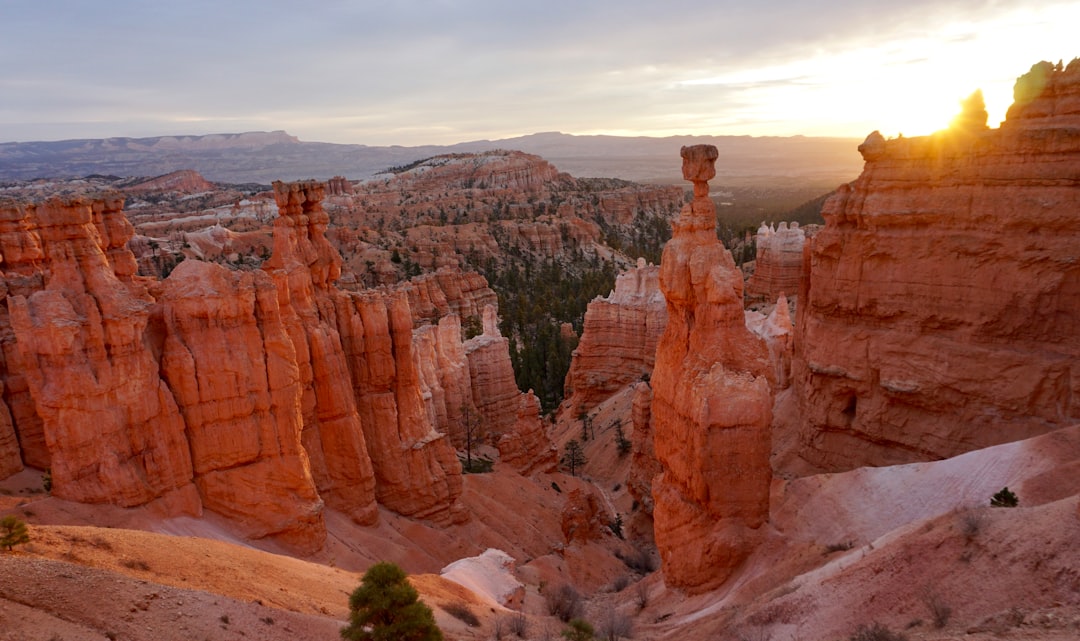
Day 4: Bryce Canyon National Park
Bryce is compact compared with Zion, but the elevation and steep trails change how quickly you move. Give it a full day so you can see the amphitheater from above and, if you want, walk below the rim.
Start at the overlooks
Sunrise Point, Sunset Point, Inspiration Point, and Bryce Point give you several perspectives without a huge amount of driving. Choose the best light and weather rather than dutifully visiting each one in numerical order.
Pick one below-the-rim hike
A trail that descends among the hoodoos can completely change the scale of the park, but remember that every downhill step must eventually be climbed back up at elevation. Check current trail conditions at the visitor center because snow, ice, rockfall, and maintenance can close sections.
The Bryce Canyon conditions page is the place to check for road, trail, and fire updates close to your visit.
Day 5: Highway 12 to Capitol Reef
Utah Scenic Byway 12 is not a transfer day I would rush. The road between Bryce and Capitol Reef moves through changing high-country and canyon landscapes that deserve viewpoints, lunch, and time outside the car.
Make Escalante or Boulder your main midday stop and reach Torrey before dinner. If heights or winding roads make you uncomfortable, give yourself more daylight and fewer optional detours.
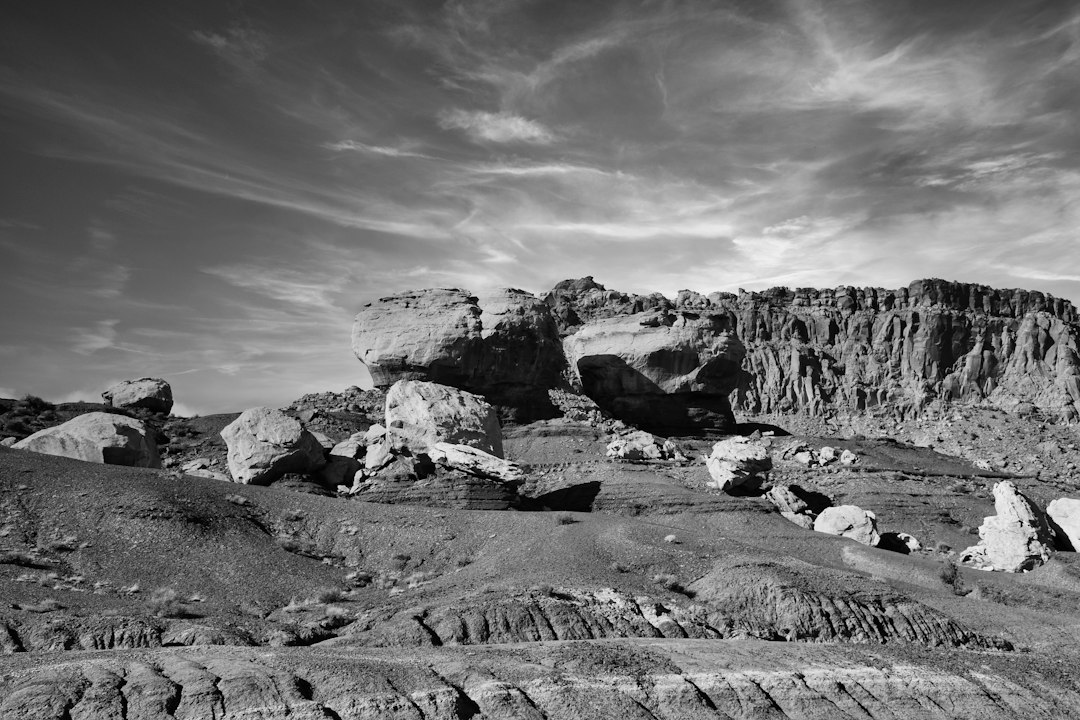
Day 6: Capitol Reef National Park
Capitol Reef is the park where I would intentionally schedule less. Fruita, orchards, the Waterpocket Fold, and the Scenic Drive create a gentler day than the headline hikes in Zion or Bryce.
Start in Fruita
Walk the historic district, stop at the visitor center, and see whether any orchards are open for harvest on your dates. Fruit availability changes with weather and season, so check the park’s current orchard update rather than expecting a particular crop.
Drive the Scenic Drive if conditions allow
The paved Scenic Drive is 7.9 miles, and the National Park Service recommends allowing roughly ninety minutes for the out-and-back drive plus the usual dirt spurs when they are open. Flash floods, mud, snow, and road damage can close spur roads quickly.
Check the Capitol Reef road conditions on the day you go. Backcountry roads elsewhere in the park can require high-clearance or four-wheel-drive vehicles, so do not follow a map line simply because your rental car technically fits on it.
Day 7: Capitol Reef to Moab
Leave Torrey after breakfast and head toward Moab, keeping the afternoon deliberately open. Seven days into a road trip, a pool, laundry stop, grocery run, or long lunch can be more valuable than another viewpoint.
If you have energy, use the evening for a short Moab-area scenic drive. Save both national parks for full days rather than trying to claim you “did” Arches before sunset.
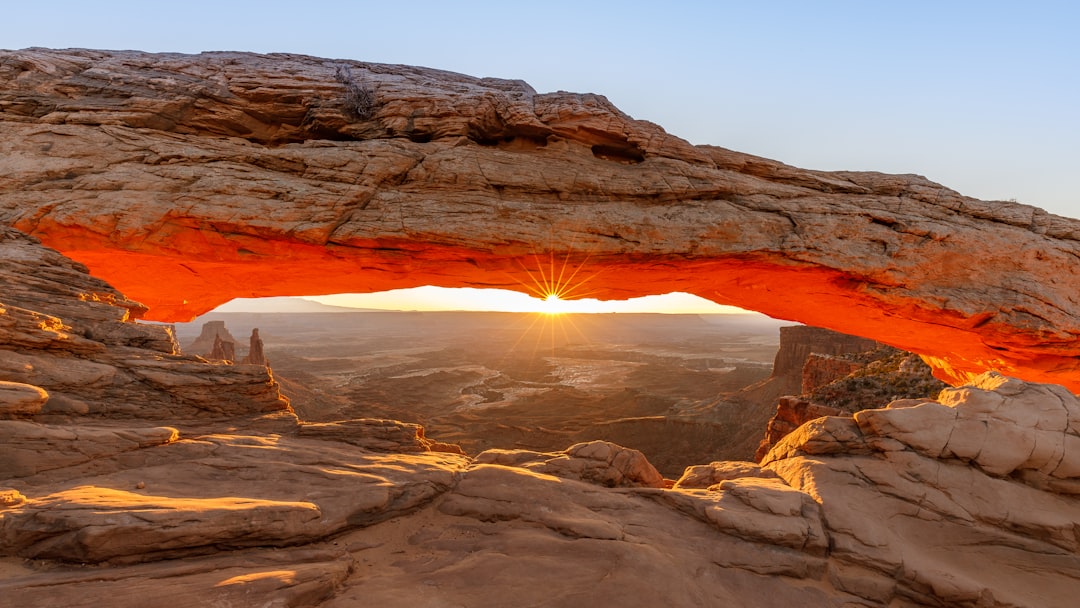
Day 8: Canyonlands National Park
For a first Mighty Five trip, I would focus on the Island in the Sky district because it is the easiest to reach from Moab and gives you huge views without an expedition-style day. Canyonlands is divided into separate districts that are not directly connected by park roads.
Build the day around overlooks
Choose a few overlooks and one manageable walk rather than trying to reach every pin. Parking can fill during busy spring and fall periods, so an early start helps.
The Canyonlands conditions page warns that unpaved roads can become impassable quickly after rain or snow. Four-wheel-drive routes in this park can be genuinely technical, which is not the place to test what a crossover’s marketing brochure meant by “adventure.”
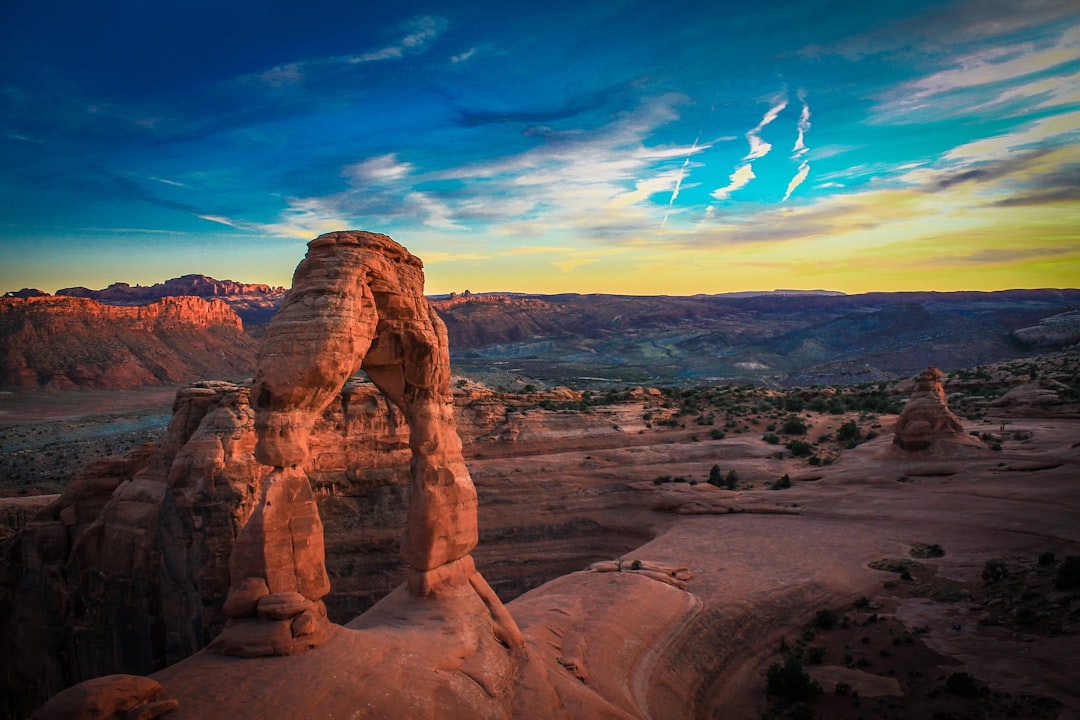
Day 9: Arches National Park
Give Arches its own day and go early enough that parking pressure does not dictate every decision. In 2026, Arches is not requiring advance timed-entry reservations, though the park can still manage traffic when congestion becomes unsafe.
Pick your must-see arch
Delicate Arch is famous, but it is not the only worthwhile part of the park. Windows, Balanced Rock, Devils Garden, and roadside formations can build a great day even when a popular parking area is full.
Check the Arches planning page for the current entry system before your trip because reservation policies have changed between seasons. Fiery Furnace activities and Devils Garden camping have separate reservation requirements.
Stay after the harshest heat
Arches is an International Dark Sky Park, and early morning or evening also gives you better light and cooler temperatures. If you visit late, keep your navigation simple and carry a light for any walk that might finish after sunset.
Day 10: Keep the Final Morning Flexible
Use your final morning for whatever Moab-area stop lost to weather, crowds, or tired legs. If everything went smoothly, have breakfast slowly and leave without inventing another park-sized task.
A buffer day is not wasted vacation. It is one of the reasons the previous nine days can stay enjoyable.
Where to Stay
Springdale: best for Zion access and walkable evenings. It is often expensive, but reducing parking and shuttle stress can justify the rate.
Bryce Canyon City or Tropic: use whichever gives you the best combination of park access and dinner options. Use two nights here so the Bryce Canyon day falls between arrival and the drive toward Capitol Reef.
Torrey: my favorite base for Capitol Reef because it keeps the park close while giving you restaurants and comfortable lodging.
Moab: stay three nights if possible. One hotel for Canyonlands, Arches, and your flex time makes the end of the trip much more relaxed.
When to Take a Mighty Five Road Trip
Spring
Spring brings comfortable desert temperatures and huge popularity. Higher elevations around Bryce can still have snow, so pack layers and check trail conditions.
Fall
Fall is another excellent window, with cooler hiking conditions and busy weekends. Shorter daylight makes me more conservative with scenic-drive detours.
Summer
Summer heat in Zion, Arches, Canyonlands, and Capitol Reef can be dangerous, while Bryce stays cooler at elevation. Build outdoor activity around early mornings and evenings instead of forcing a midday hike because the itinerary says so.
Winter
Winter can be gorgeous and quieter, but snow and ice affect high-elevation parks and roads. This ten-day route needs more flexibility when seasonal roads, shuttles, or trails are limited.
What I Would Not Do
I would not attempt all five parks in five days unless the goal is simply to say you entered them. I would also skip serious backcountry driving unless your vehicle, conditions, and experience genuinely match the route.
The landscape is already overwhelming in the best way. There is no need to make the logistics overwhelming too.
What to Pack
- More water capacity than you normally carry
- Sun protection
- Warm layers for Bryce and cool mornings
- Hiking shoes with good traction
- Offline maps
- A small cooler
- Headlamp or flashlight
- Emergency car supplies
My road trip tips cover the general driving side. In southern Utah, water, heat management, and checking road conditions deserve much more attention than bringing every possible road-trip gadget.
A Planning Guide I Would Keep Handy
My road trip packing list is especially useful for this route because Bryce can be cold while Zion and Moab are hot on the same trip. I would keep layers, sun protection, and extra water easy to reach instead of repacking the trunk at every elevation change.
My Favorite Version of the Mighty Five
The ten-day itinerary uses nine nights: two in Springdale, two near Bryce, two in Torrey, and three in Moab. That matches the daily route, with day ten available for a final Moab stop and onward travel rather than another hotel night.
The Mighty Five are close enough to connect beautifully and different enough that none of them should feel like the space between the others. Ten days lets the road trip feel ambitious without becoming exhausting.