Colorado Mountain Towns Road Trip: Scenic Drives and Places Worth Staying
Colorado makes it very easy to fall into the trap of planning a road trip around mountain passes instead of actual vacations, especially when every bend seems to lead to another town that looks like it belongs on a postcard.
I would give this route at least seven days, stay long enough to enjoy Breckenridge, Leadville, Aspen, Ouray, and Telluride after the day-trippers leave, and treat the scenic roads as experiences rather than shortcuts.
The Seven-Day Colorado Route
- Day 1: Denver to Breckenridge
- Day 2: Breckenridge and a slow mountain day
- Day 3: Leadville and Independence Pass to Aspen when open
- Day 4: Aspen and the Roaring Fork Valley
- Day 5: drive south toward Ouray
- Day 6: Ouray and the San Juan Mountains
- Day 7: Telluride and a flexible finish
This route is designed for the warmer months when seasonal mountain passes are open. If Independence Pass or another high road is closed, reroute rather than trying to force a shoulder-season itinerary onto winter geography.
For another mountain-focused western route, compare this with my Yellowstone and Grand Teton road trip. Colorado is the trip I would choose when the towns themselves matter as much as the landscapes between them.
Day 1: Denver to Breckenridge
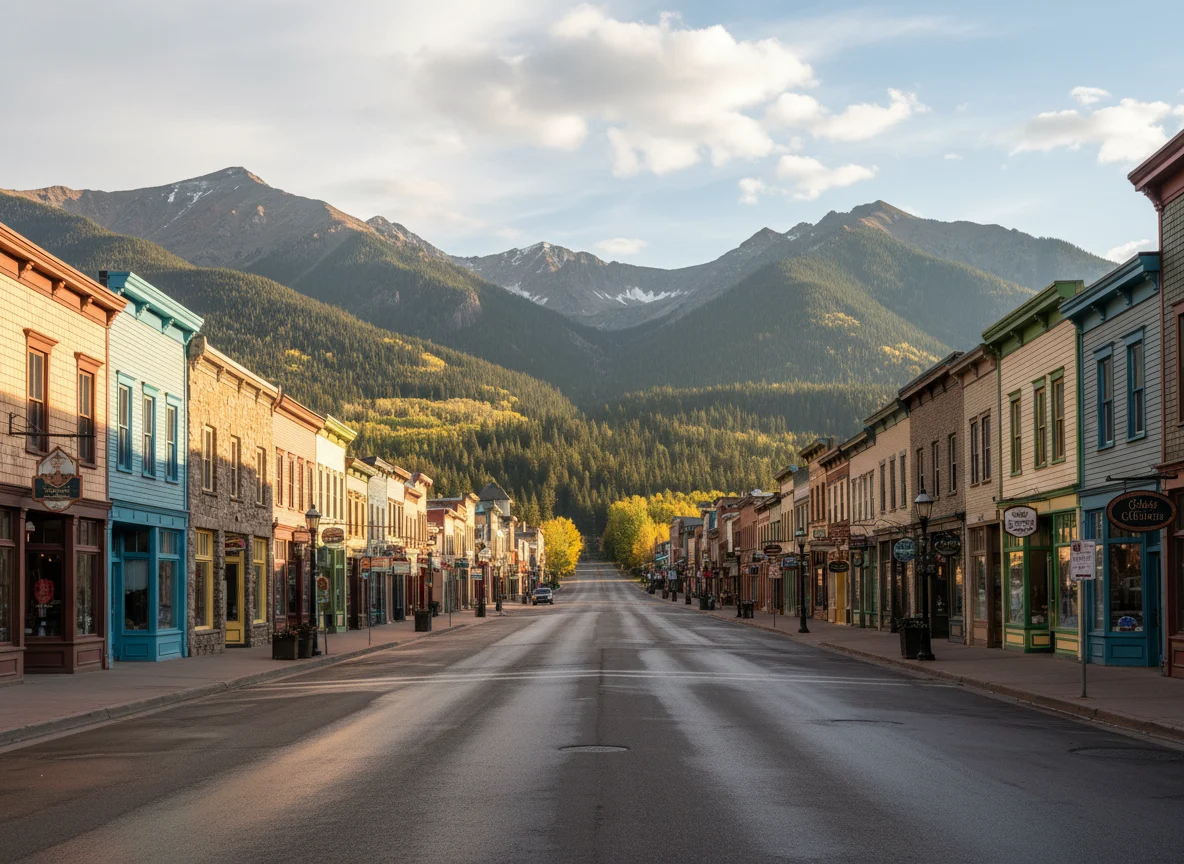
Leave Denver with enough time to deal with I-70 mountain traffic without turning your first evening into a stress test. Breckenridge makes an easy first base because you can park, walk to dinner, and immediately feel like you have arrived somewhere distinct.
Do less on arrival day
Walk Main Street, have dinner, and get used to the elevation. Breckenridge sits above 9,000 feet, and your body does not care how excited your itinerary is.
If you are arriving from a low elevation, build in time to acclimatize before sleeping in Breckenridge, which sits above 9,000 feet. CDC altitude guidance recommends gradual ascent and avoiding alcohol and heavy exercise for at least the first 48 hours after arriving above 8,000 feet.
Altitude illness can occur at lower elevations too, and individual risk varies. Check with your clinician if your health or itinerary makes the ascent a concern.
Day 2: Breckenridge
Keep this first full day gentle while you acclimatize: an easy town walk and relaxed stops are enough. Save strenuous hikes and bike rides until after the initial adjustment period and only go higher if you feel well.
A scenic lift also increases elevation, so it is not a substitute for gradual acclimatization. If symptoms of altitude illness appear, do not go higher; if they worsen at the same elevation, descend and seek medical help.
Keep the first outing easy
Choose a gentle walk close to town while you are adjusting, and avoid going higher if you have symptoms of altitude illness. Save exposed high-country hikes for later in the trip; afternoon thunderstorms are another reason to keep those outings flexible.
Enjoy the town at an easy pace
One reason I like sleeping in mountain towns rather than commuting from a cheaper highway hotel is the evening. Shower, walk to dinner, browse, and let somebody else worry about the car until tomorrow.
Day 3: Leadville and Independence Pass
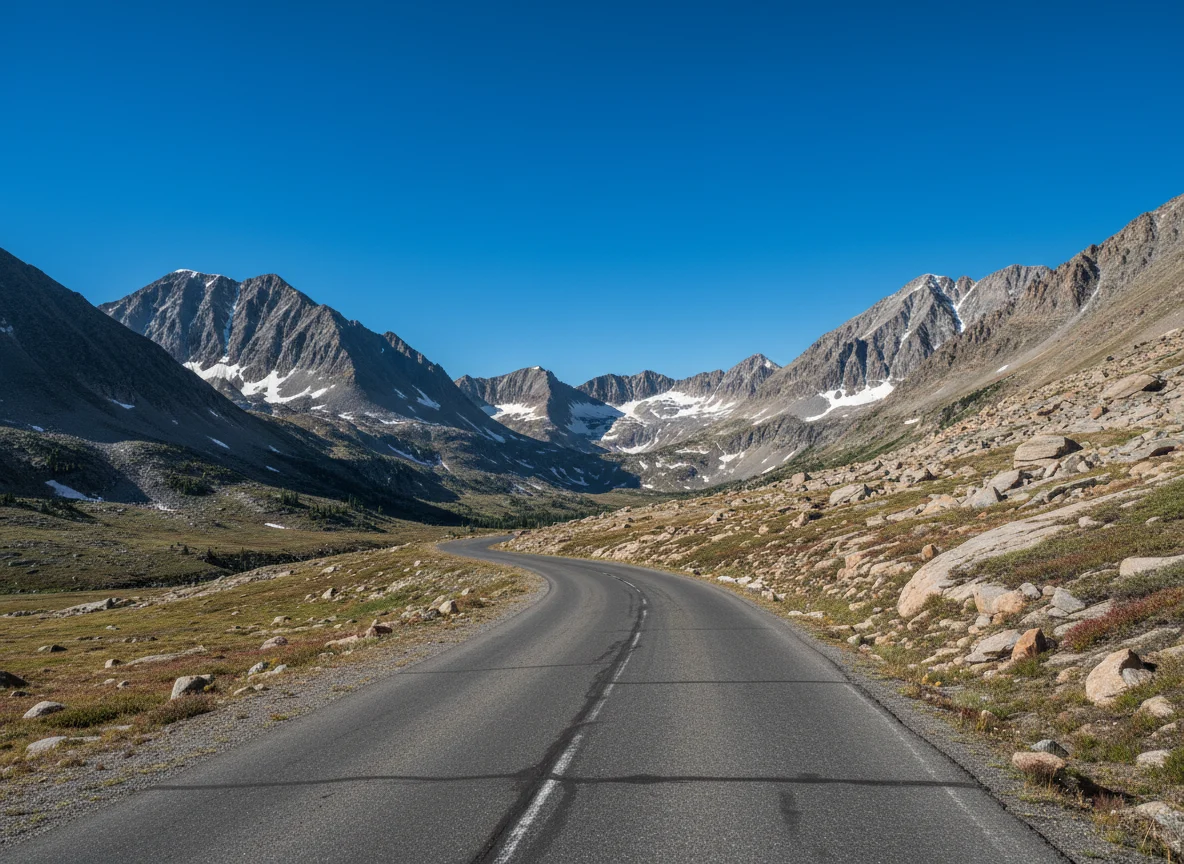
Drive south toward Leadville and give the town a real stop. Its mining history, high-elevation setting, and slightly less polished personality make it a useful contrast to Breckenridge and Aspen.
Leadville
Walk downtown, choose one history stop if that interests you, and have lunch before heading toward Twin Lakes. This is also a good point to assess weather before committing to Independence Pass.
Independence Pass
Colorado’s Independence Pass reaches 12,095 feet and is seasonal. The Colorado Department of Transportation says it typically opens before Memorial Day and closes around early November, always depending on weather.
Vehicles or vehicle-trailer combinations over 35 feet are prohibited, and the road includes narrow, winding, single-lane sections. Check COtrip immediately before driving it because rockfall, storms, and winter weather can close the pass unexpectedly.
Arrive in Aspen slowly
There are plenty of pullouts and scenic reasons to stop along the pass, so do not make an inflexible dinner reservation on the other side. Reach Aspen, park the car, and give yourself the evening off from mountain-road concentration.
Day 4: Aspen and the Roaring Fork Valley
Aspen is expensive enough that I would make sure I actually enjoy the town rather than treating the room as a bed between drives. Walk downtown, choose an outdoor activity, and use local transit when it makes sense.
Maroon Bells requires planning
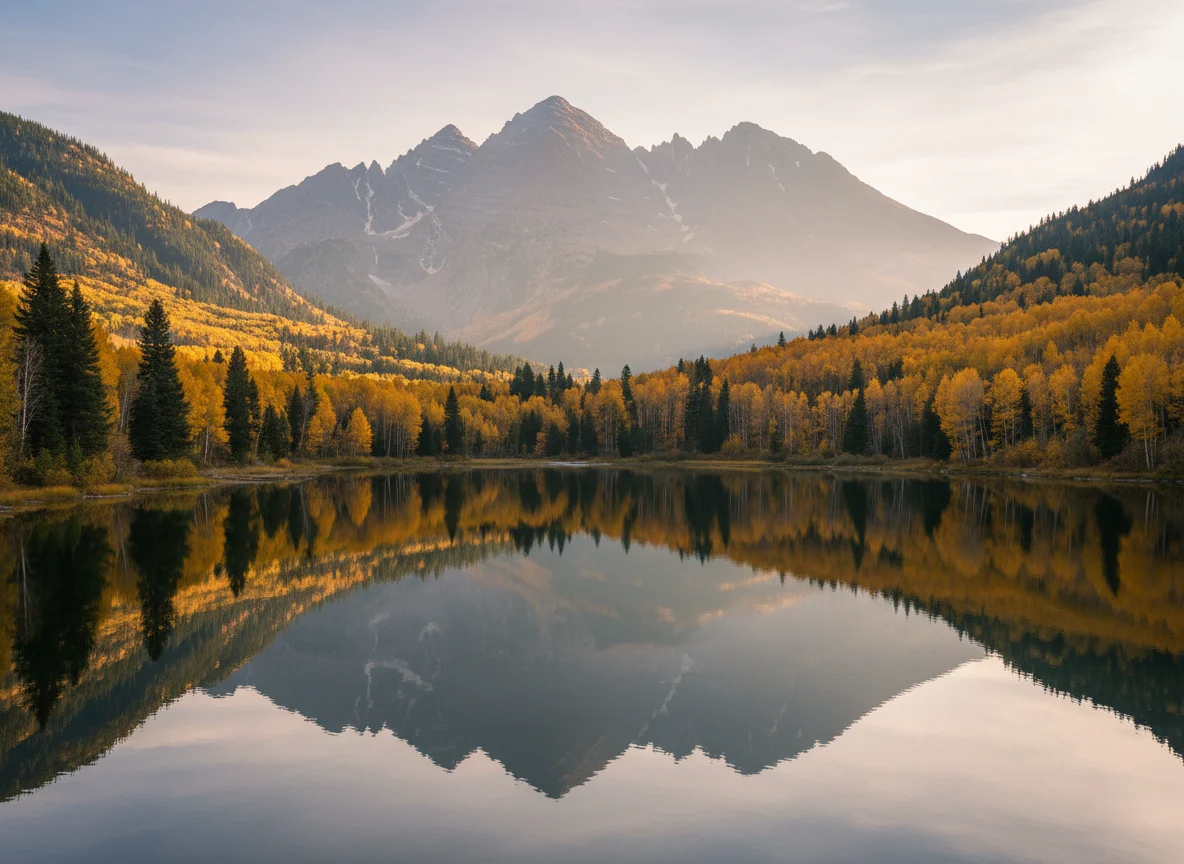
If Maroon Bells is a priority, check the current reservation and transportation system before your trip because access is actively managed during busy seasons. Do not arrive assuming private-car access is unlimited.
If reservations do not work out, let it go. The Roaring Fork Valley has no shortage of scenery, and a trip does not fail because the most photographed lake in Colorado was not available at your preferred hour.
Day 5: Aspen to Ouray
This is one of the longer relocation days, so I would not stack it with a major hike. Stop in one or two towns, have a proper lunch, and let the changing landscape be the attraction.
Depending on your chosen route and current road conditions, the drive can vary substantially. Check CDOT before departure and keep enough daylight for the final mountain approach.
Ouray
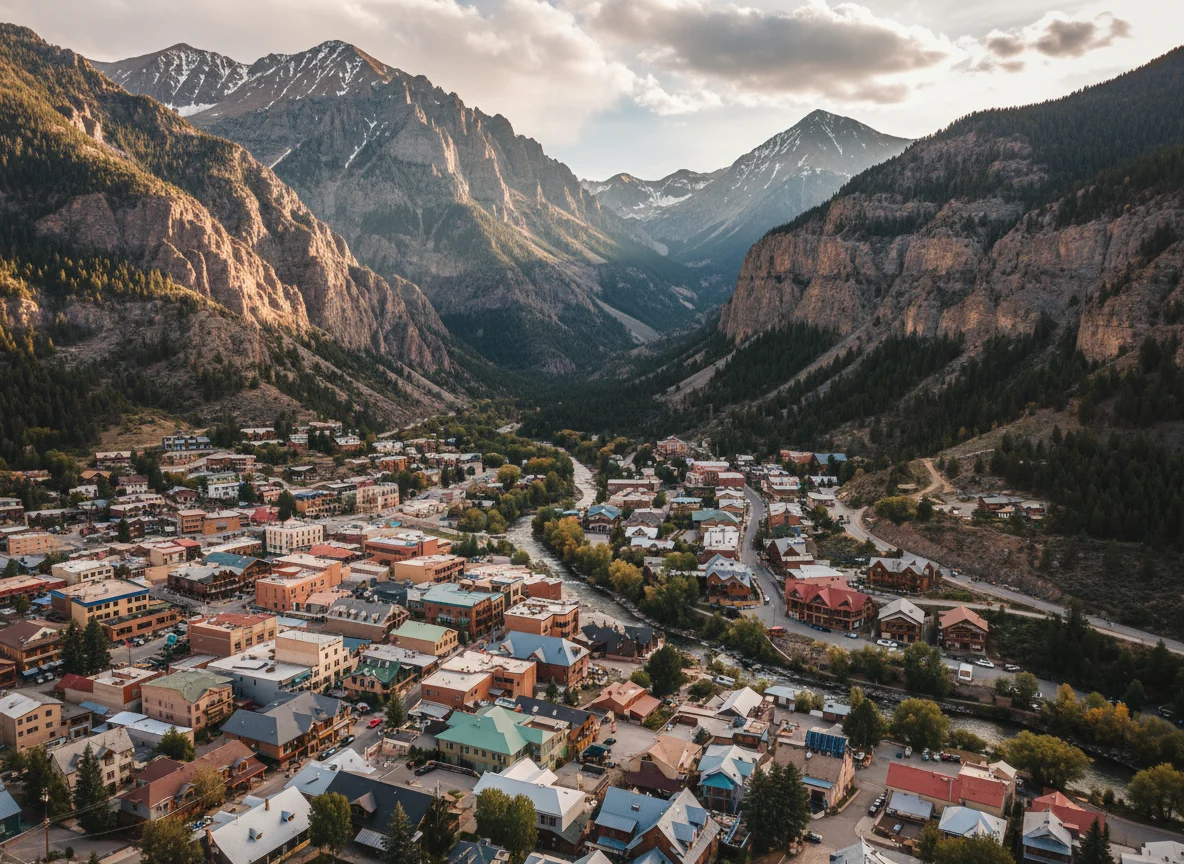
Ouray sits in a dramatic box canyon and is worth at least two nights if your schedule allows. Arriving before dinner gives you time to walk downtown and appreciate just how tightly the mountains wrap around town.
Day 6: Ouray and the San Juans
Use today for Ouray itself and a scenic outing that matches your comfort level. Hot springs, waterfalls, shorter trails, and mountain drives can all shape the day without requiring a serious backcountry plan.
Million Dollar Highway
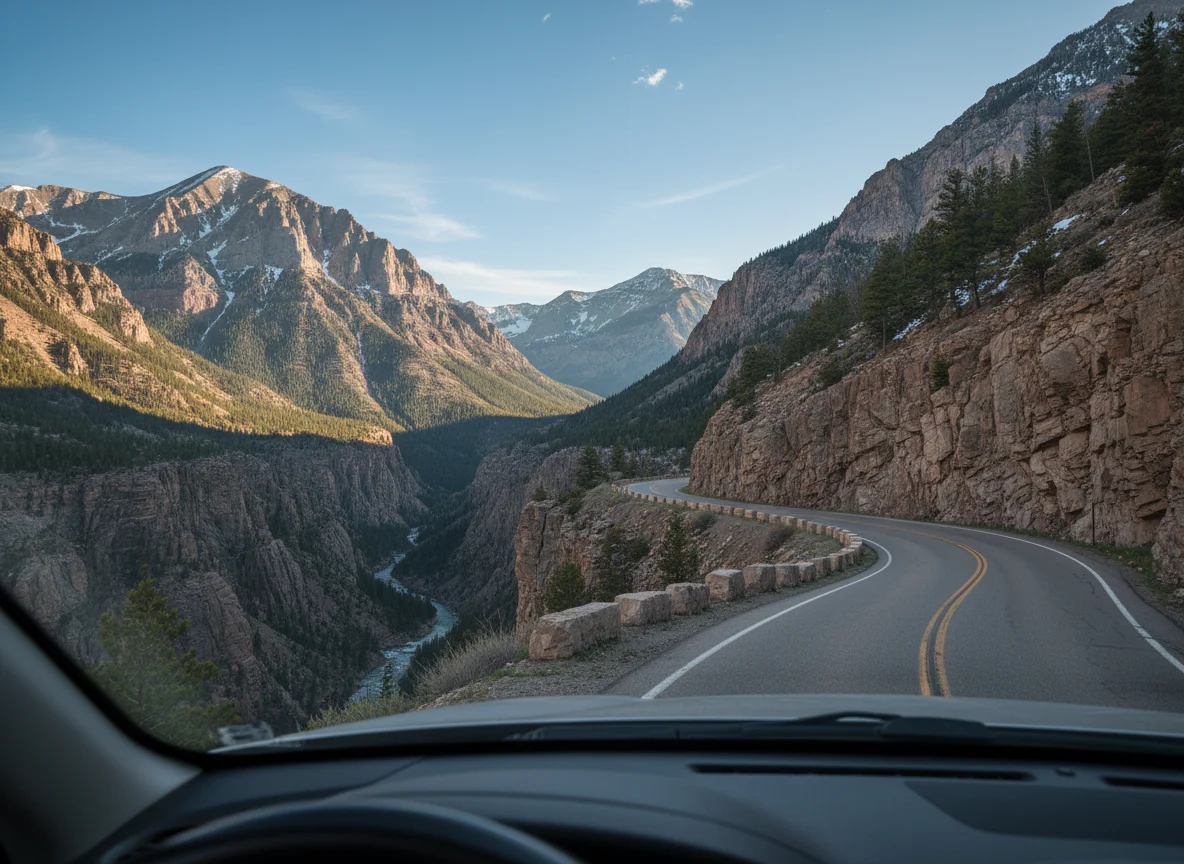
The highway between Ouray and Silverton is spectacular, steep, and intimidating for some drivers. It includes narrow mountain sections and exposed drop-offs, so I would never recommend it to someone who already knows that kind of driving makes them miserable.
Check current COtrip road conditions before departure and turn around if weather deteriorates. Snow, rockfall, construction, and heavy traffic can all change the experience.
Use Ouray as the evening reward
After a mountain-road day, I would stay put for dinner and a soak rather than adding another nighttime drive. The whole point of choosing a beautiful base is getting to enjoy it.
Day 7: Telluride
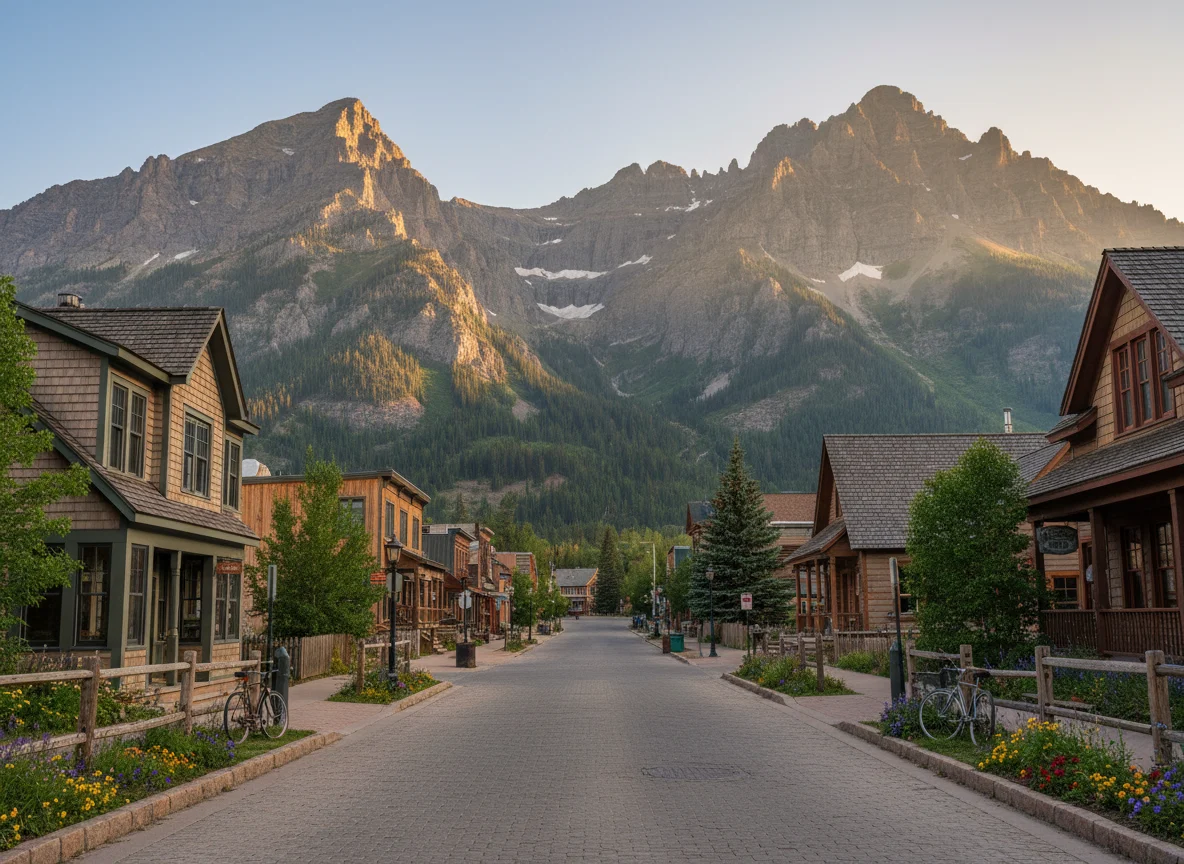
Drive to Telluride and give the town as much of the final day as your departure schedule allows. The box-canyon setting, walkable center, and free gondola system make it easy to have a very scenic day without another complicated car plan.
Stay one more night if you can
Telluride is not conveniently close to Denver, which is why I would add an eighth day rather than planning a heroic same-day return. A final night here makes the route feel like a vacation instead of a loop you completed under pressure.
Where I Would Stay
Breckenridge: two nights for an easy first adjustment to mountain travel. A walkable location is worth paying more for if you plan to dine in town.
Aspen: one or two nights depending on budget and what you want to do. Consider nearby communities in the Roaring Fork Valley if Aspen pricing is extreme.
Ouray: two nights is my preferred pace. The town is small enough to enjoy on foot and makes the San Juan scenery feel like more than a drive-through.
Telluride: add a night whenever possible. It is far more enjoyable when you are not counting the hours until a long return drive.
Altitude Changes the Trip
Several stops and passes on this route sit at significant elevation, and symptoms can affect travelers who are perfectly fit at home. Hydrate, ascend gradually when possible, and take headache, nausea, unusual fatigue, or shortness of breath seriously.
If symptoms become severe or worsen, descend and seek medical help. A mountain-town vacation is not the place to prove anything about toughness.
Best Time for This Route
Summer
Summer gives you the broadest pass access, hiking, patios, and long daylight. Afternoon thunderstorms are common in the mountains, so earlier outdoor starts are smart.
Early fall
September can bring beautiful weather and changing aspens, but snow can arrive early at high elevations. Seasonal passes remain weather-dependent right up until closure.
Winter
This exact route is not a winter itinerary because Independence Pass closes and mountain driving changes dramatically. Build a ski-town trip around open winter corridors rather than trying to reproduce the summer loop.
Driving Advice That Matters
- Check COtrip every morning before a major pass.
- Start high-country drives with plenty of fuel.
- Use lower gears appropriately on long descents rather than riding the brakes.
- Do not pressure yourself to drive a route that makes you uncomfortable.
- Finish unfamiliar mountain passes before dark when possible.
- Expect cyclists on scenic roads and give them safe space.
My road trip tips cover the general car-prep side. Mountain routes add enough variables that I would rather have a flexible hotel cancellation policy than a beautifully optimized minute-by-minute itinerary.
What to Pack
- Layers for large temperature swings
- Rain shell
- Sun protection
- Refillable water bottles
- Hiking shoes
- Offline maps
- Basic roadside supplies
- A small cooler
Keep the Mountain Driving Days Realistic
My road trip route-planning guide is useful here because Colorado’s mileage can hide a surprising amount of slow mountain driving. I would rather shorten one pass day than arrive in a beautiful town too late to enjoy it.
My Favorite Colorado Mountain-Town Rhythm
The seven-day route has six nights before reaching Telluride: two in Breckenridge, two around Aspen, and two in Ouray, so it is a one-way sightseeing plan rather than a completed Denver loop. I would add one or two Telluride nights and a separate return-travel day instead of trying to explore Telluride and drive back to Denver on day seven.
Colorado’s roads are beautiful enough that you do not need to manufacture more drama with the schedule. Stay somewhere worth waking up, then let the mountains handle the scenery.