Inuvik, Northwest Territories: Complete Travel Guide
Inuvik is not a novelty stop at the end of a very long road. It is a lively Western Arctic hub where Inuvialuit, Gwich’in, Métis, and other northern residents build contemporary community life beneath the midnight sun, the northern lights, and weather that gets the final vote on almost every ambitious plan.
Where is Inuvik?
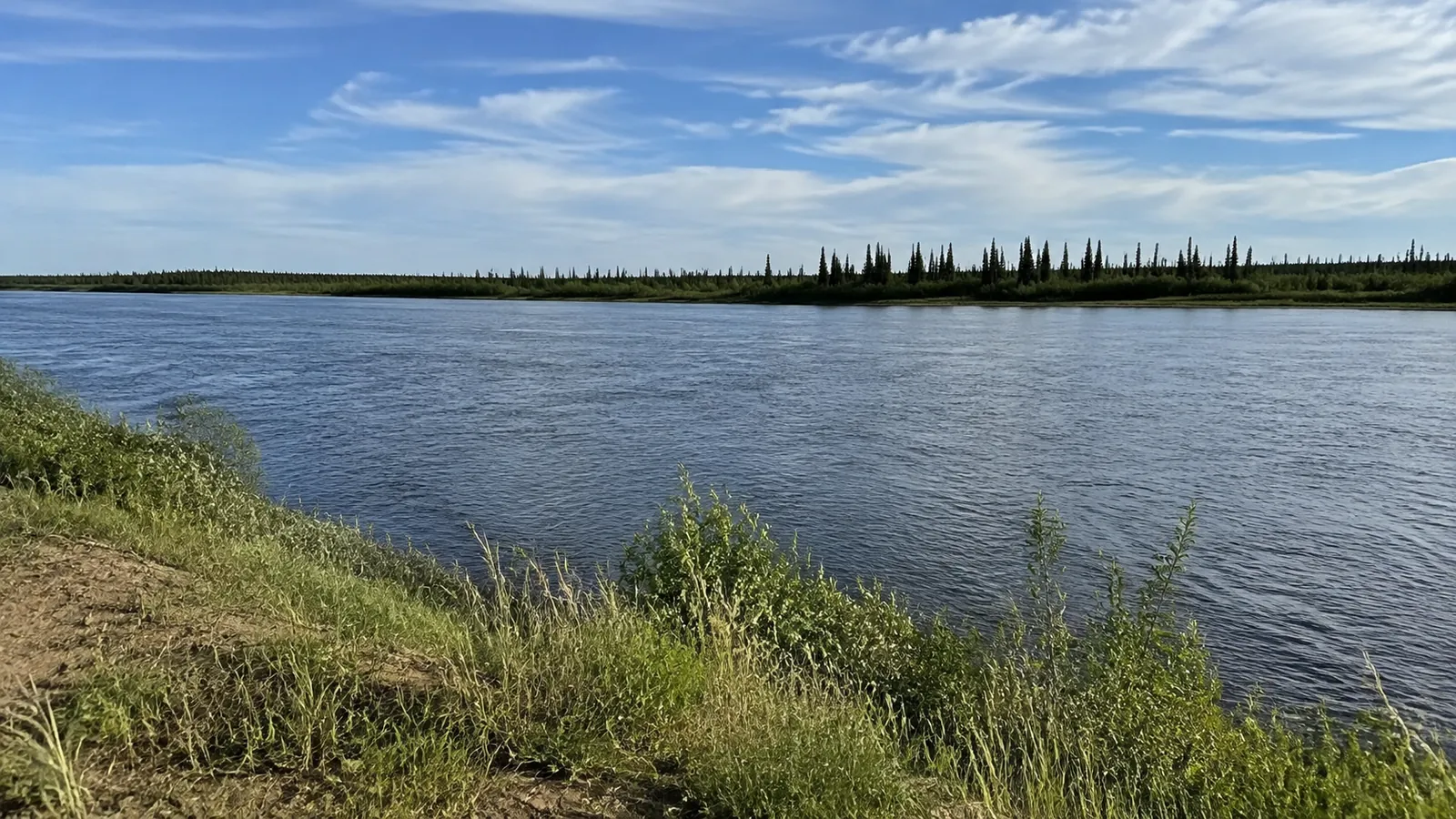
Inuvik sits above the Arctic Circle in Canada’s Northwest Territories, near the Mackenzie Delta. It is the Western Arctic’s regional transportation and service hub, reached by scheduled flights or the Dempster Highway.
The town is not directly on the Arctic Ocean. Tuktoyaktuk lies about 82 road miles north near the Beaufort Sea, connected by the all-season Inuvik-Tuktoyaktuk Highway.
Inuvik is on the traditional lands of Inuvialuit, Gwich’in, and Métis people, and northern Indigenous governments and organizations remain central to the region. The Town’s official community introduction is a better starting point than treating the North as empty wilderness.
Why visit Inuvik?
Inuvik combines Arctic light, tundra and delta landscapes, local art, community events, research, and road access to Tuktoyaktuk. It also serves as a base for highly planned trips into remote Western Arctic national parks.
This is a community first and a destination second. Be patient with limited services, ask before photographing people, and spend money with local guides, artists, restaurants, and accommodations.
Fly or drive to Inuvik?
Flying is the simplest approach for most short visits, with connections typically routed through larger northern or western Canadian airports. Schedules, baggage limits, fares, and weather delays can be significant, so protect connections and carry essential medication in hand luggage.
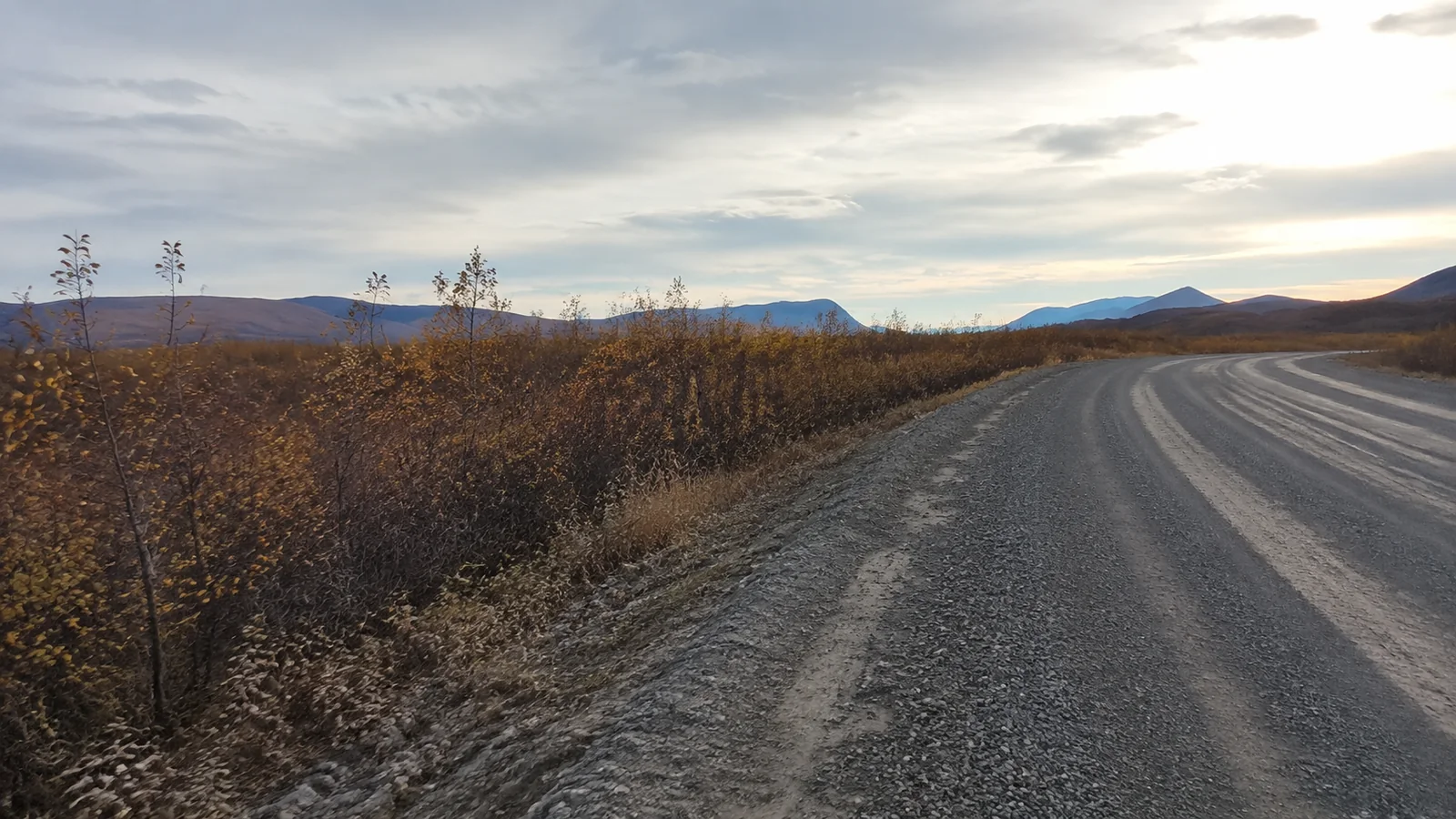
Driving the Dempster Highway is a major expedition through Yukon and the Northwest Territories. Long gravel sections, construction, sharp rock, dust, mud, wildlife, limited fuel, limited cellular service, and fast weather changes demand a suitable vehicle and a real contingency plan.
Use 511 Yukon for the southern Dempster and DriveNWT for territorial roads, ferries, ice crossings, advisories, and closures. Check both repeatedly, including on the morning of travel.
Dempster Highway ferry and ice gaps
The northern Dempster crosses the Peel and Mackenzie rivers. Vehicle ferries normally serve the open-water season, ice crossings serve part of winter, and neither works safely during freeze-up or breakup.
Those shoulder periods can temporarily sever through-road access even when the highway on both sides looks open. Average dates are not promises, and a warm fall or late spring changes the calendar.
Never drive onto a closed ice crossing or around a barricade. Carry enough food, water, prescription medicine, and financial flexibility to wait or turn back.
Prepare the car for the Dempster
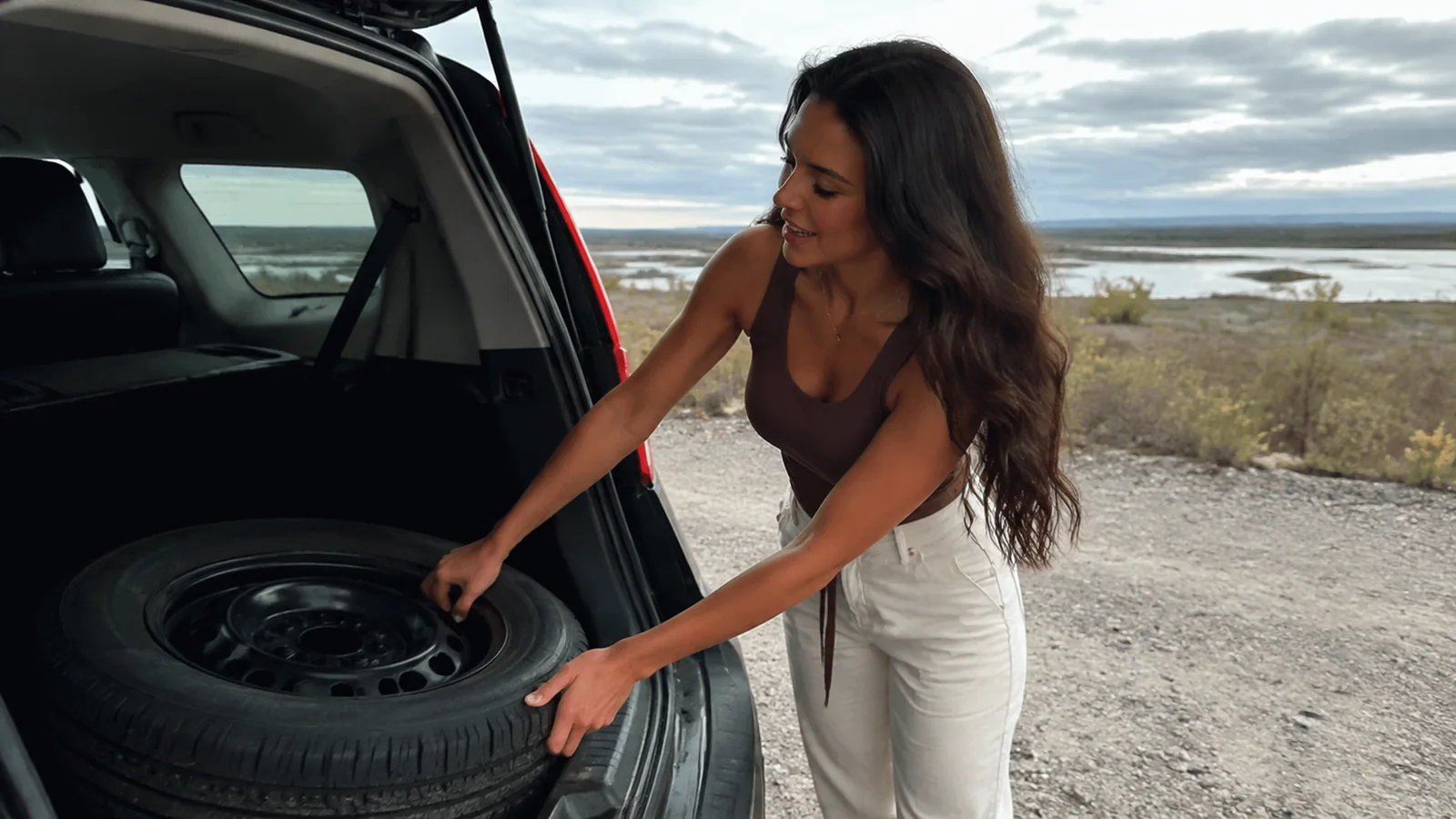
A full-size spare tire in good condition is essential, and many careful drivers carry a second spare or complete repair setup. Know how to use the jack on soft ground and confirm that a rental contract permits the highway.
Carry extra fuel appropriate to the vehicle and route, a compressor, tire gauge, basic tools, first-aid kit, food, water, warm shelter, and a communication device suited to areas without service. Fuel whenever it is available rather than testing the range estimate.
Slow down for oncoming traffic, especially trucks, because flying gravel breaks windshields. Headlights, wide following distances, and speed reductions on soft shoulders are more useful than bravado.
Start at the Western Arctic Regional Visitor Center
The visitor center introduces regional art, wildlife, neighboring communities, and travel logistics. It is also the place to ask about current tours, events, roads, trails, and the Arctic Circle certificate.
The Town’s visitor-services page currently lists the center as seasonal from June into September. Verify exact dates and hours before making it the first stop after a flight.
The Parks Canada office in Inuvik provides guidance for Pingo Canadian Landmark and remote parks such as Ivvavik, Aulavik, and Tuktut Nogait. Those parks are not casual rental-car day trips and can require aircraft, guides, registration, permits, and serious backcountry preparation.
Walk around town
Inuvik’s compact core is pleasant to explore when weather and surfaces cooperate. Public buildings, murals, churches, shops, and community spaces make a good first-day circuit.
Our Lady of Victory Church is widely called the Igloo Church because of its distinctive dome. Check service and visitor hours, dress respectfully, and do not interrupt worship for photographs.
The Midnight Sun Mosque reflects the town’s modern cultural diversity, while Ingamo Hall Friendship Center supports Indigenous community programs. Neither is a display set, so enter only when visitors are welcomed and follow host guidance.
Boot Lake Trail and outdoor time
Boot Lake Trail offers an accessible-to-town taste of boreal and delta-edge scenery, with sections used for walking, running, skiing, or snowshoeing as conditions allow. Recent maintenance, water, wildlife, and snow determine what is practical.
Tell someone the route and return time even for a local trail, carry layers, and keep bear attractants controlled. In winter, short daylight and cold injuries can turn a minor navigation mistake into an emergency.
In summer, mosquitoes and black flies can be astonishingly persistent. Pack effective repellent, a head net, and clothing that closes at wrists and ankles.
See the Inuvik Community Greenhouse
A former hockey arena transformed into a northern greenhouse is exactly the kind of practical creativity Inuvik deserves to be known for. Community growing spaces and garden plots contrast beautifully with the short outdoor season.
Tour access and hours are seasonal and may depend on volunteers or scheduled programs. Confirm before visiting, respect working plots, and do not sample anything without invitation.
Buy northern art thoughtfully
Artists in Inuvik and the Beaufort Delta work in carving, printmaking, sewing, beadwork, jewelry, clothing, and materials adapted to northern life. Buying directly or through a reputable local outlet helps keep the maker’s name and story attached to the work.
Ask what a piece is made from and whether wildlife materials can legally cross provincial or international borders. A legal local purchase may still need permits or may be prohibited at home.
Experience the midnight sun
The Town of Inuvik describes 56 days of 24-hour daylight in summer. Even outside that period, the long twilight can make midnight feel like late afternoon.
Pack an eye mask and choose lodging with effective curtains because a tired body may not understand the clock. Keep normal meal and sleep routines instead of allowing the light to turn every day into one endless outing.
Midnight Sun celebrations and National Indigenous Peoples Day can be wonderful times to visit, but dates and programming change. Book lodging early and check the official event calendar.
Plan for northern lights season
Aurora viewing needs darkness, clear skies, and solar activity, so the 24-hour light of summer is the wrong season. Dark nights return from late summer through winter and early spring, with no guarantee on any particular evening.
Use a local guide when transportation, cold-weather gear, or safe viewing locations are concerns. Standing beside a dark winter road without visibility or an emergency plan is not an aurora strategy.
Take a careful trip to Tuktoyaktuk
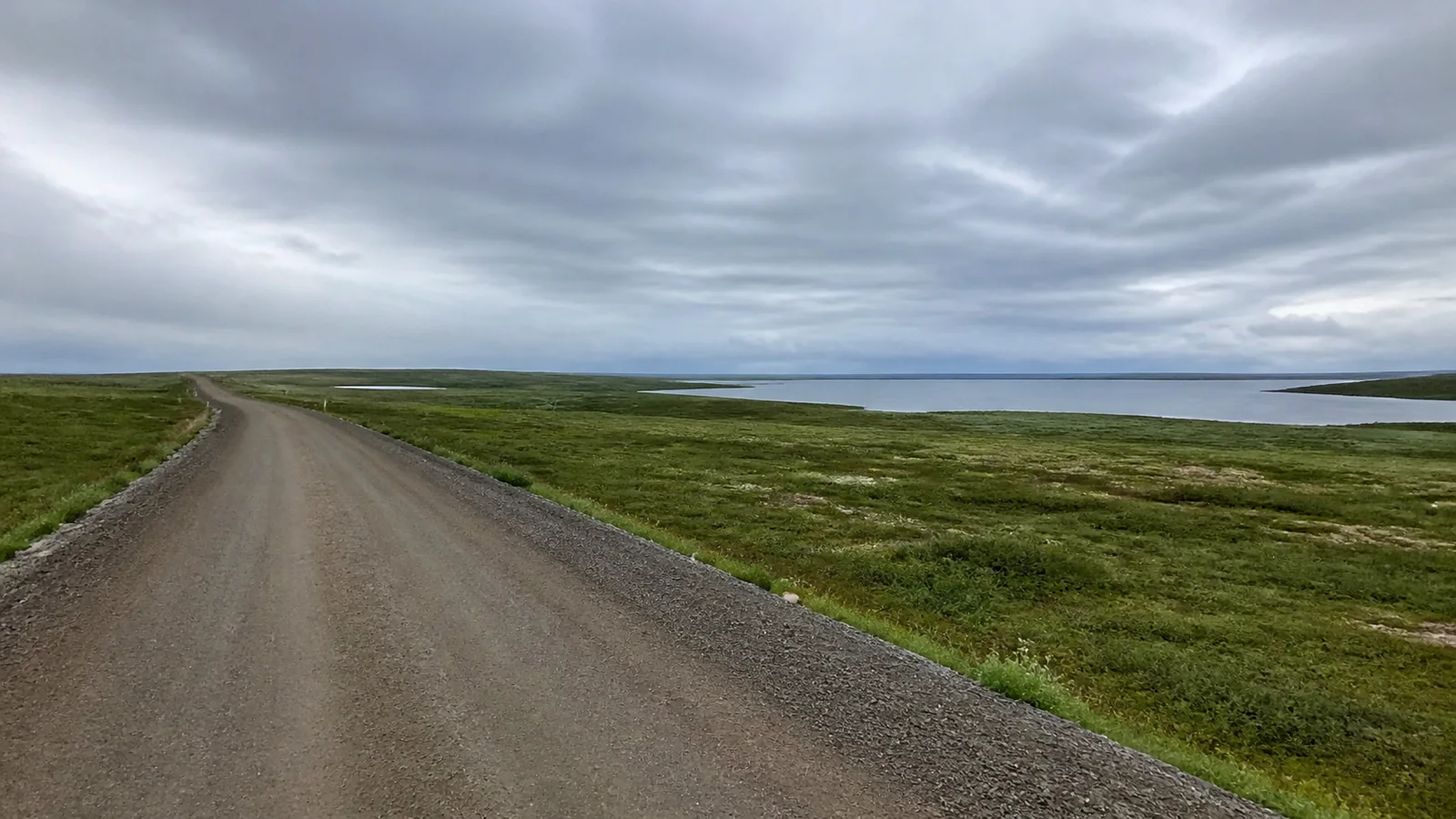
The Inuvik-Tuktoyaktuk Highway crosses tundra and the tree line before reaching the Inuvialuit community on the Arctic Ocean. It is an extraordinary drive, but gravel, blowing snow, fog, dust, construction, and closure can change the day.
Check DriveNWT, start with a full tank, carry emergency gear, and leave enough time to return without speeding. Winter whiteout or summer road damage may make postponement the only sensible choice.
Tuktoyaktuk is a living community, not simply the place where a road ends. Book local guiding where possible, obey signs, stay off private property, ask before photographing residents, and buy food or art locally.
Pingo Canadian Landmark protects remarkable ice-cored hills near Tuk. Review the Parks Canada planning information because day-use access, tours, paddling, facilities, and restrictions vary by season.
Choose the right season
June through August
Summer brings the midnight sun, visitor services, open-water activities, events, road-trip traffic, and insects. Temperatures can feel pleasant, but cold rain and wind remain possible.
Late August through September
Darkness returns enough for aurora possibilities, fall color can appear, and visitor services begin reducing hours. Ferry timing and early freezing become increasingly important for road travelers.
Winter
Winter offers snow, long nights, aurora viewing, and intense cold. Vehicles, clothing, exposed skin, batteries, and any outdoor plan require genuine Arctic preparation.
Freeze-up and breakup
Late fall and spring transition periods can be the hardest for road access because rivers are unsafe for both ferries and ice crossings. Mud, standing water, and limited seasonal tourism services add complications.
Where to stay and eat
Inuvik has hotels, guest accommodations, and limited seasonal camping, but inventory is small during festivals and busy work periods. Reserve early and confirm airport transfer, breakfast, blackout curtains, accessibility, parking, and cancellation terms.
Restaurants and grocery stores serve residents rather than a resort bubble. Hours can change, costs are higher because of northern logistics, and a late flight may arrive after kitchens close.
Bring a backup meal without hauling an entire southern supermarket north. Buy locally when possible and treat availability with patience.
Cold, wildlife, and emergency safety
Winter frostbite can develop quickly on exposed skin, especially with wind. Dress in loose layers, cover face and hands, keep clothing dry, and turn back at the first numbness or loss of dexterity.
Bears and other wildlife live throughout the region. Follow current local advice, keep food and scented items secured, make noise where appropriate, and never approach an animal for a photograph.
Do not walk onto river, lake, or sea ice without current expert knowledge. Appearance alone cannot reveal thickness, currents, pressure cracks, or overflow.
For remote outings, share a written plan and carry a satellite communication device, shelter, first aid, and the skills to use them. Rescue can be delayed by distance and weather.
What to pack for Inuvik
- Season-specific insulated and waterproof layers
- Warm hat, gloves, neck coverage, and winter face protection
- Eye mask for summer sleep
- Effective insect repellent and head net in summer
- Supportive waterproof footwear and seasonal traction
- Personal medication plus extra for delays
- Portable charger and spare camera batteries
- Offline maps and printed reservations
- Refillable water bottle and travel food
- Roadside and communication equipment for drivers
How long to stay in Inuvik
Three nights covers the town and a weather-dependent Tuktoyaktuk day trip without much margin. Four or five nights allows a local tour, event, weather delay, or slower community-focused day.
A Dempster Highway journey needs far more time than the Inuvik stay alone. Build buffer days on both sides of river crossings and never tie the return to a same-day international flight.
These Canada road-trip tips help with the southern approach, while this Grise Fiord guide explains a very different and fly-in High Arctic community. For another northern-light destination, these Finland travel ideas make an interesting comparison.
Inuvik FAQs
Can you drive to Inuvik year-round?
Road sections are maintained across seasons, but the Peel and Mackenzie crossings create gaps during freeze-up and breakup. Closures, weather, and weight restrictions can interrupt any plan, so check official conditions.
Can you see the northern lights in summer?
Not during the brightest midnight-sun period because the sky does not become dark enough. Plan for darker nights from late summer into spring and remember that cloud can still win.
Is Inuvik on the Arctic Ocean?
No, Inuvik is inland near the Mackenzie Delta. Tuktoyaktuk and the Beaufort Sea coast are about 82 road miles north.
Final thoughts
Inuvik is memorable because northern life is happening now, not because it represents a frozen past. Community, research, art, roads, river crossings, Indigenous governance, and Arctic seasons all meet here.
Come with time, proper gear, and respect for the people whose home makes the journey possible. The midnight sun and aurora may provide the headline, but thoughtful preparation lets Inuvik provide the story.