Minnesota North Shore Road Trip: Duluth to Grand Portage
Waterfalls before lunch, a rocky shoreline afterward, and pie somewhere in the middle is an itinerary I can get behind.
Minnesota’s North Shore makes that combination wonderfully easy, as long as you give the parks real time and remember that the drive home begins after the final lake view.
Four Days From Duluth to Grand Portage
Use three overnights for the four-day version: Two Harbors after day one, Beaver Bay or Silver Bay after day two, and Grand Marais after day three. Day four visits the Grand Portage area and then requires either your onward journey or an additional overnight.
For five days and four nights, stay a second night in Grand Marais and make day five the southbound journey. That extra night is especially valuable when you want both Grand Portage National Monument and High Falls without finishing with a long drive in the dark.
- Day 1: Duluth’s waterfront, then Two Harbors.
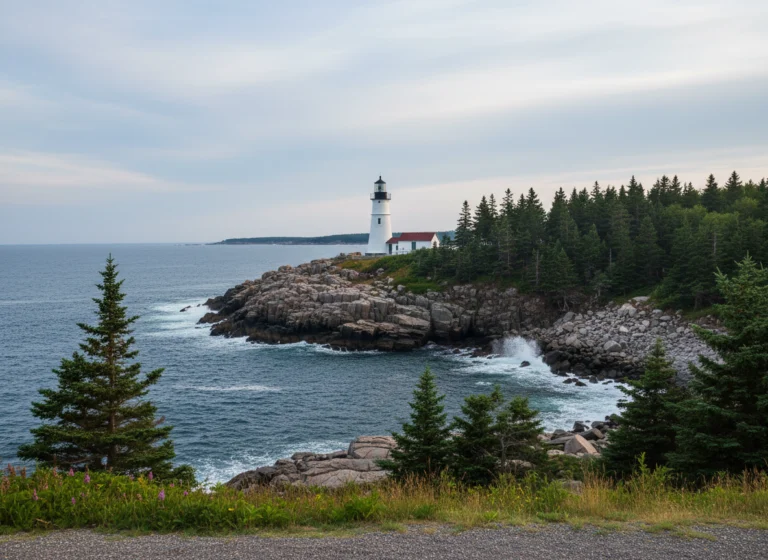
- Day 2: Gooseberry Falls and Split Rock Lighthouse.
- Day 3: one Tettegouche outing, then Grand Marais.
- Day 4: Grand Portage history and High Falls, with a realistic departure plan.
This is a northbound sightseeing itinerary, not a promise that every four-day trip fits regardless of your starting city. My road trip tips help account for the arrival and return drives before you decide how many park stops belong in each day.
Day 1: Duluth Before Highway 61
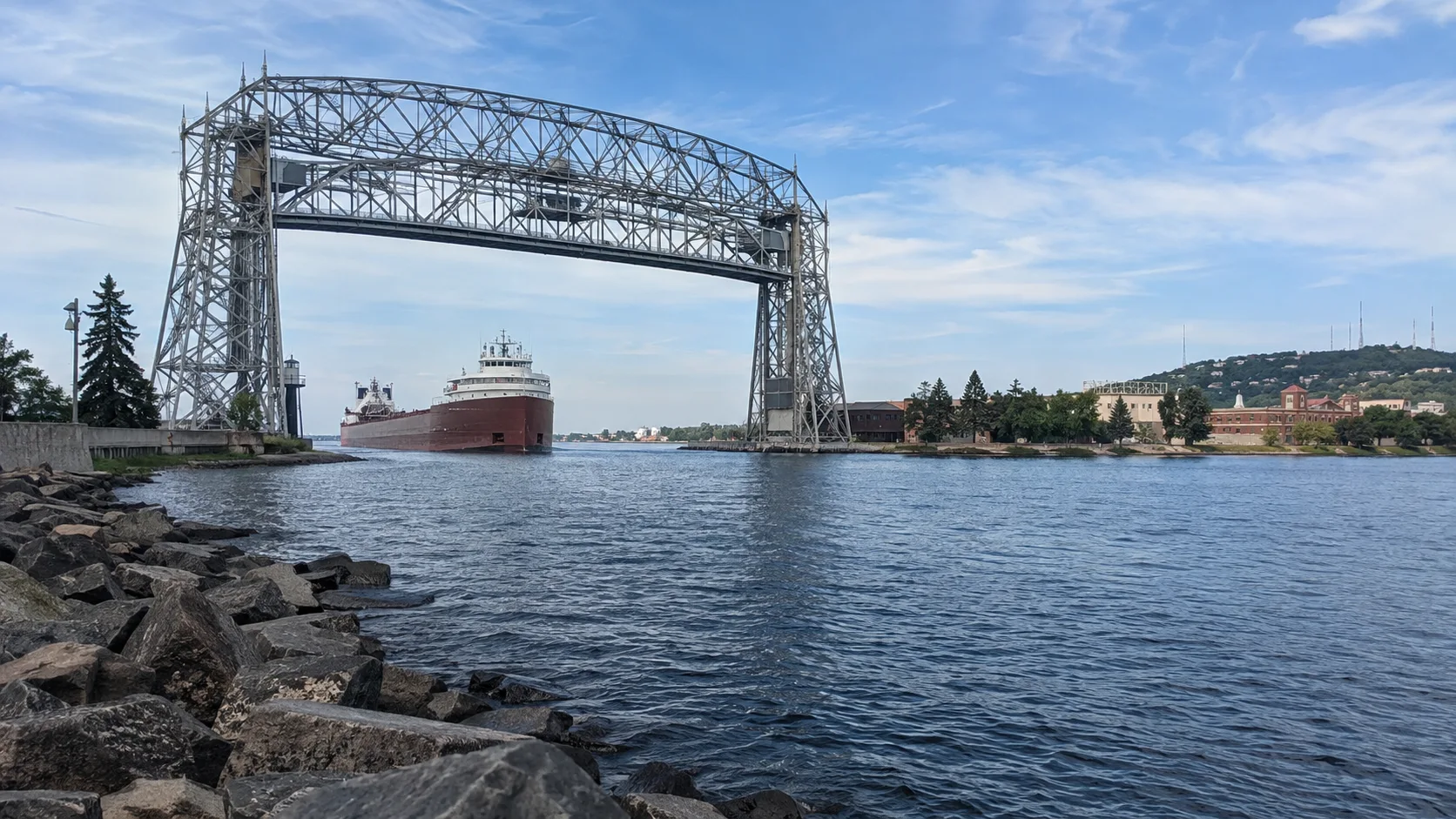
Start with Canal Park and a manageable section of the Lakewalk, giving yourself time to see the harbor instead of immediately chasing the next town. An hour or two outside is a good arrival-day block, with the exact distance determined by your energy and the weather.
For a waterfall-focused alternative, choose one city-area outing from my Duluth waterfalls guide. Make it an alternative to a longer waterfront visit rather than the first of several hikes before you have even started north.
Continue to Two Harbors with time for the harbor area and an early evening. Plan roughly an hour for the Duluth-to-Two Harbors driving block, longer with a scenic-road choice or traffic, rather than treating the first hotel as a destination to reach at midnight.
Betty’s Pies is the named food stop near Two Harbors, with the restaurant on Highway 61 by the Stewart River. Order the slice that sounds best from the day’s selection instead of turning a particular flavor into a nonnegotiable itinerary requirement.
Check Betty’s Pies for the menu and current hours, especially outside the busiest season. A takeaway slice can suit the day better than a long restaurant stop when you have already eaten lunch.
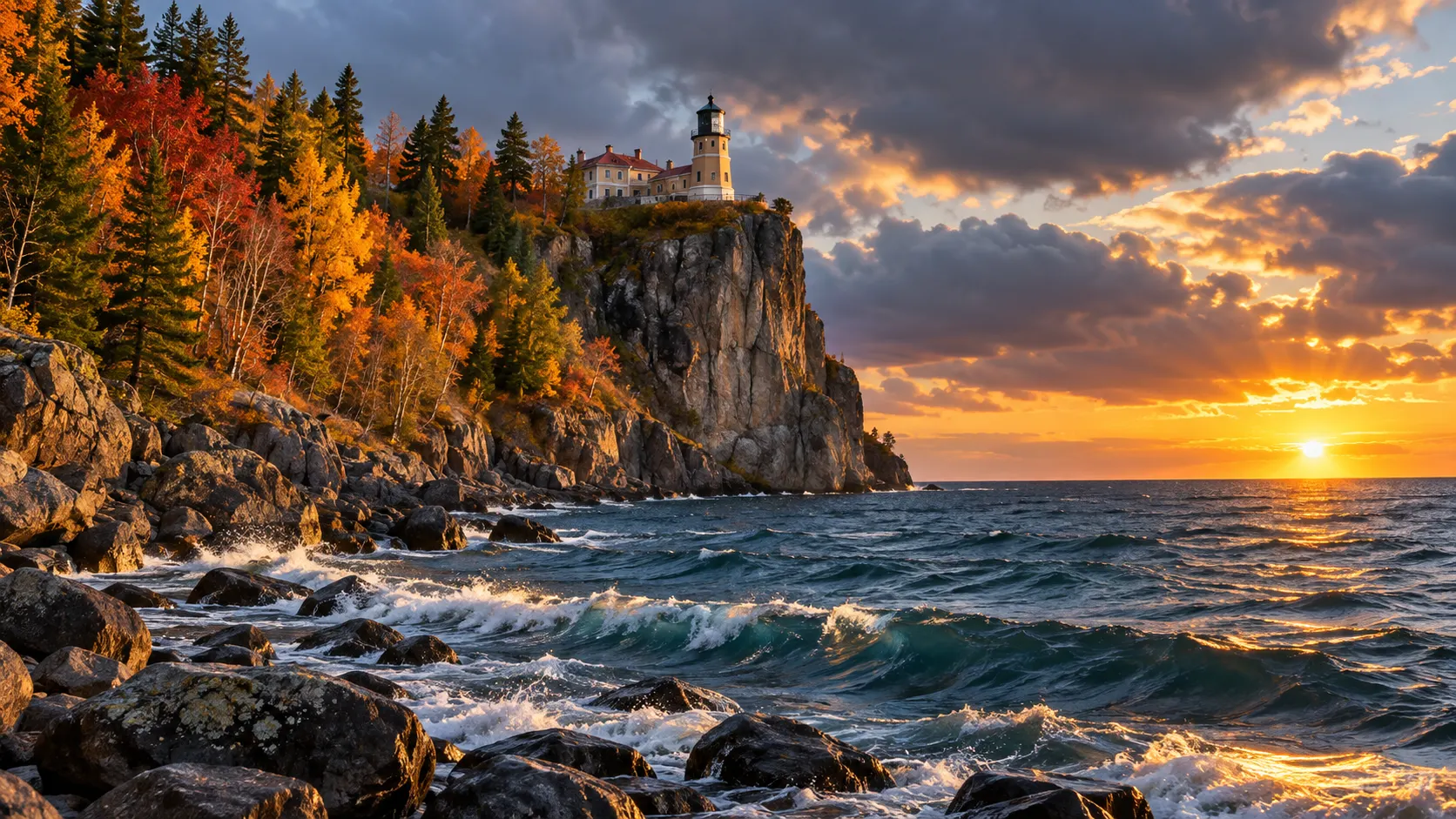
Day 2: Gooseberry Falls and Split Rock
Gooseberry Falls is the morning’s main outdoor visit, not a five-minute pause on the way to the lighthouse. Begin with the signed falls viewpoints and choose a longer river or lakeshore walk only when the open paths, footing, and your group’s ability suit it.
Reserve roughly two hours for the first visit, with more time for a longer walk. Wet rocks and moving water deserve a wide margin, and a tempting photograph is not a reason to leave the designated route.
The Gooseberry Falls park page is the place to check maps and access notices. Confirm the parking and permit requirements for the area you will use, since a highway rest stop and a recreational park visit are not always identical arrangements.
Continue north to Split Rock after lunch and decide whether you want the historic lighthouse visit, the state park shoreline, or both. The historic site is operated by the Minnesota Historical Society, while the surrounding state park has its own vehicle-permit system.
The Split Rock visitor information explains tickets, tours, and accessibility. Historic-site parking during its operating hours is treated differently from off-hours state park use, so check the exact visit you plan rather than assuming one purchase covers every activity.
Allow another one to two hours for the lighthouse experience, more when you add the shore. Sleep around Beaver Bay or Silver Bay so tomorrow begins close to Tettegouche instead of requiring a long return to the southern part of the route.
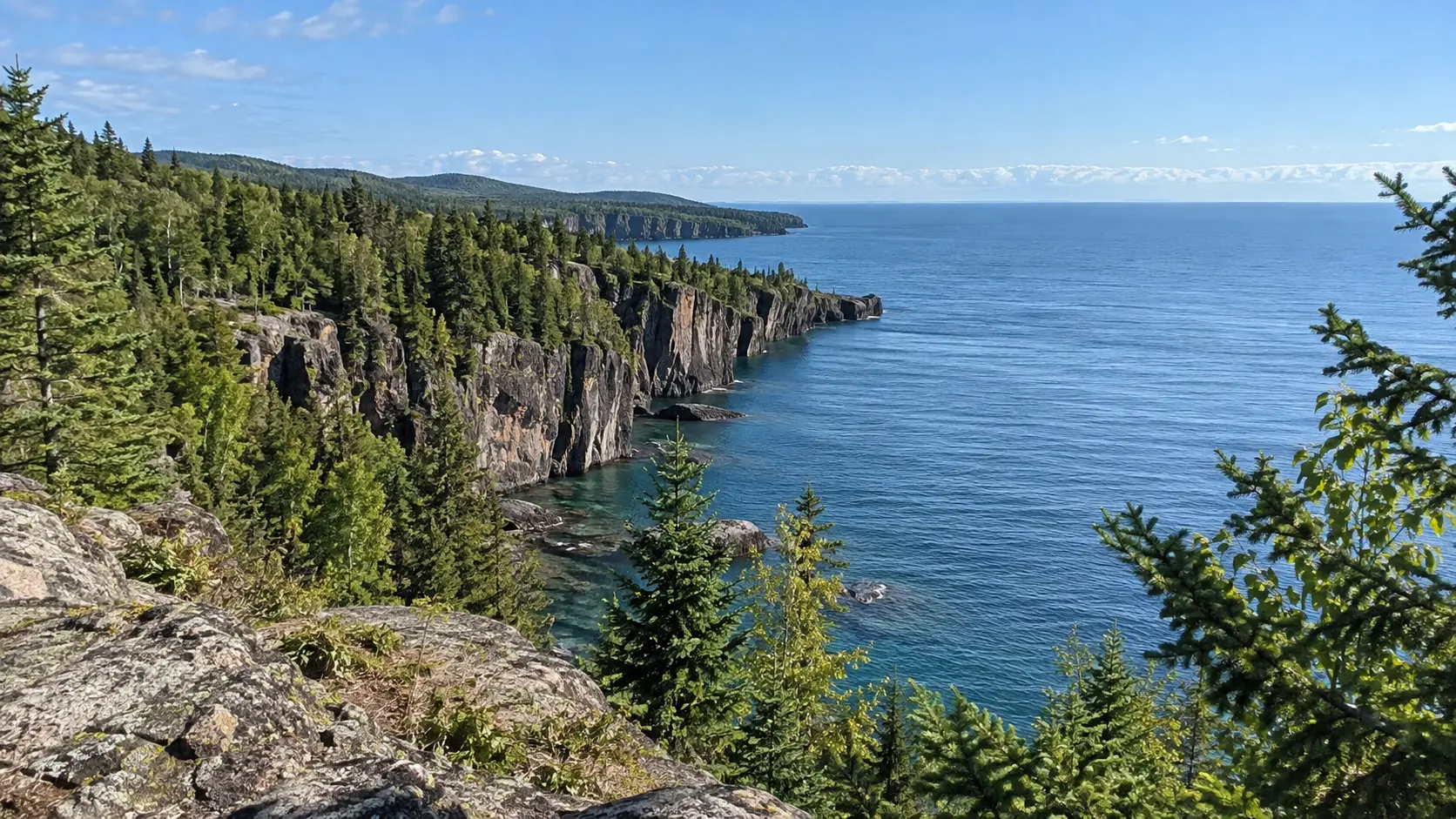
Day 3: A Tettegouche Walk, Then Grand Marais
Make Shovel Point your first trail choice when it is open and the weather suits an exposed headland outing. Expect steps and uneven terrain rather than a level stroll, and ask at the visitor center about current access before committing the morning.
For a lower-effort visit, choose the visitor-center area and an open shoreline viewpoint instead of forcing a climb that does not suit the group. Tettegouche’s waterfalls and inland routes are other options, but they need a separate look at the map and bridge or trail notices.
Use the Tettegouche park information to choose the actual trailhead and current route. Do not assume a previously saved loop is still connected after storm damage or a bridge closure.
Give one selected outing two to three hours including arrival and breaks, then continue north. A lunch stop around Lutsen or Tofte can break up the afternoon without requiring a second major hike.
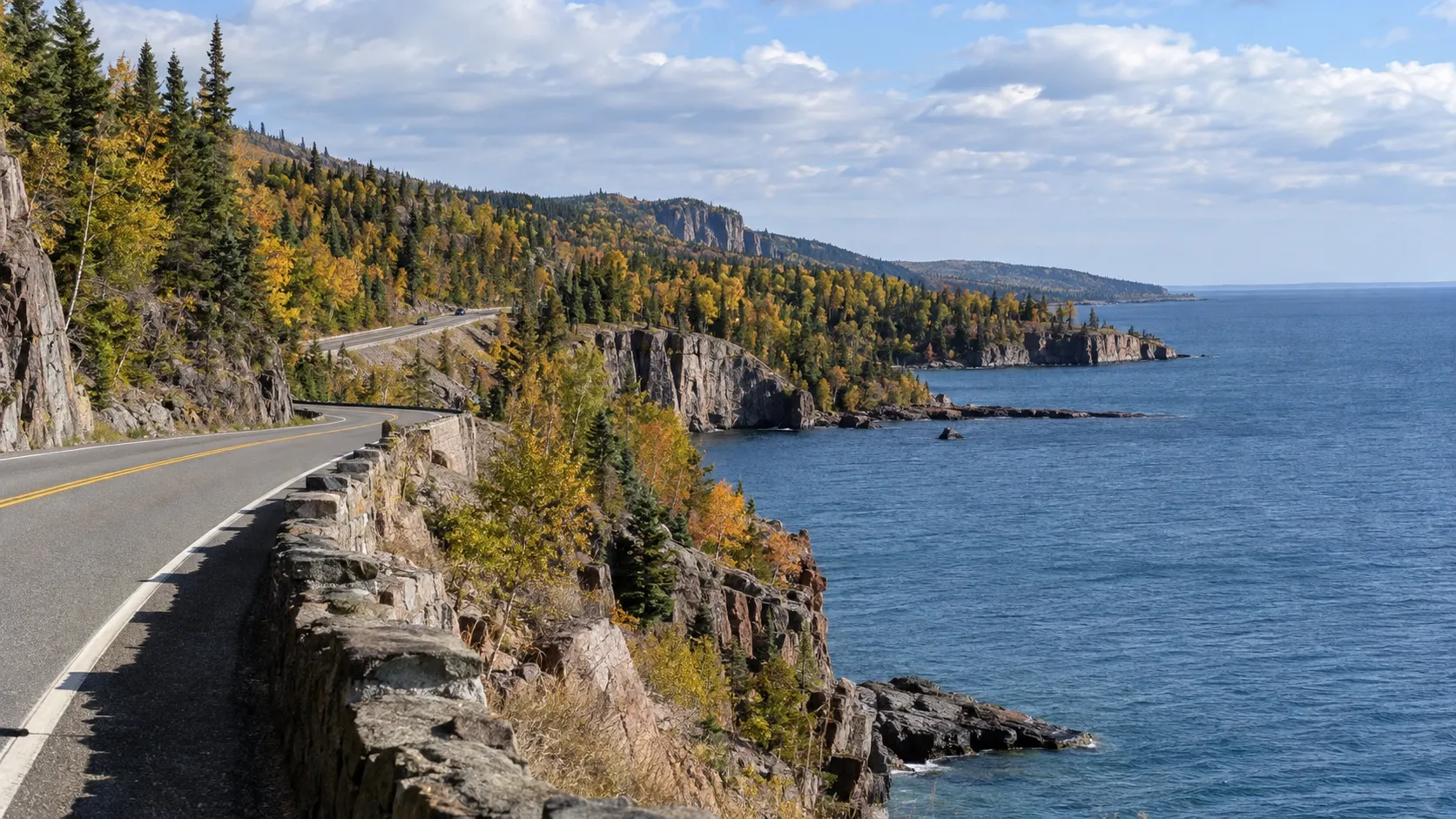
Reach Grand Marais in time to walk the harbor before dinner and stay within comfortable reach of town when possible. Artist’s Point is an appealing optional walk in suitable conditions, but exposed rocks, waves, and slippery footing can make a sheltered harbor stroll the better choice.
World’s Best Donuts is a specific breakfast or treat option in Grand Marais rather than a claim that you must eat at a particular hour. Check its seasonal operating schedule and buy what is available before planning a long departure-day drive around one hoped-for pastry.
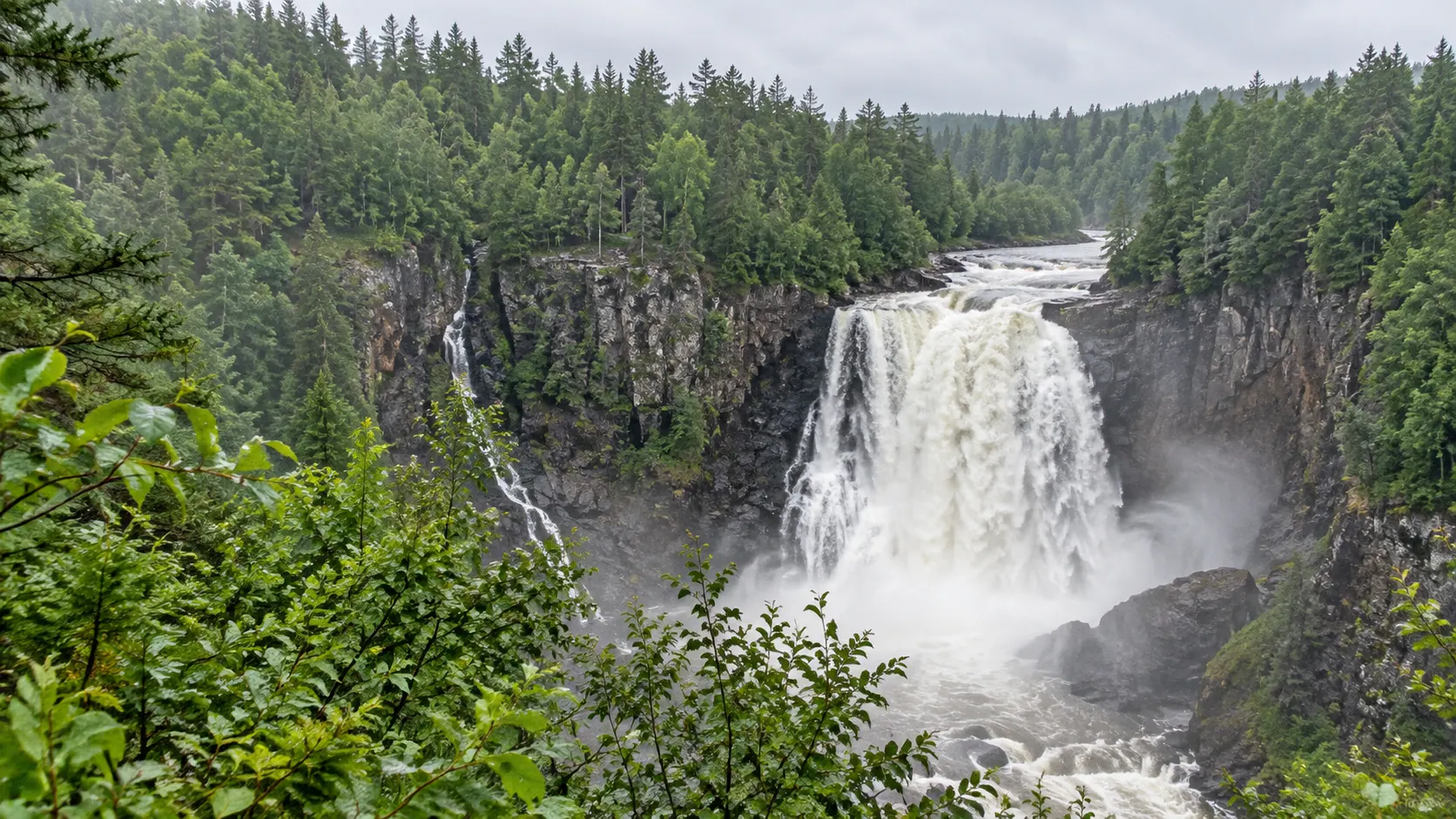
Day 4: Grand Portage History and the Border Waterfall
Drive northeast with fuel, water, and lunch supplies already sorted, allowing roughly an hour from Grand Marais toward the Grand Portage area before stops. The national monument and the state park are separate destinations, and each deserves its own place in your plan.
Start at Grand Portage National Monument’s Heritage Center for context about the portage, Ojibwe history, and the fur trade. Continue to the reconstructed depot area when it is open, rather than reducing the visit to a quick picture of a historic building.
The national monument’s visitor guide distinguishes the Heritage Center from the seasonal historic site. Allow a couple of hours for an introductory visit, and recognize that an off-season trip does not include every summer building and program.
High Falls on the Pigeon River is the separate state park outing farther toward the border. Follow the signed High Falls route from Grand Portage State Park, checking the current map and accessibility information before selecting it for someone with specific mobility needs.
You can enjoy the Minnesota side without crossing into Canada. Stay on the designated route and behind barriers; the international setting does not change the need for normal waterfall safety.
For the four-day version, select one of these substantial visits when the journey home is long. For the five-day version, enjoy both at a sensible pace and return to Grand Marais for the fourth night.
Driving Blocks That Keep the Route Honest
Use these as conservative planning windows, not current traffic estimates: about an hour from Duluth to Two Harbors, around an hour of moving time between the day-two stops and a Beaver Bay or Silver Bay hotel, and roughly two hours from that area to Grand Marais with the Tettegouche approach. Add every hike, meal, and viewpoint separately.
The Grand Portage area is several hours from Duluth, with your onward journey continuing after you reach the city. A waterfall visit near the border is not a minor extra before a late afternoon flight or an overnight destination far south of Duluth.
Check Minnesota 511 and live directions for the roads you actually intend to drive, then preserve daylight for the longest unfamiliar stretch. Road work, fog, wildlife, and slower traffic can make an apparently simple Highway 61 day much longer.
Choose Lodging for the Next Morning
Two Harbors is practical after an arrival-day Duluth visit, Beaver Bay or Silver Bay places you near the middle parks, and Grand Marais is the base to protect when you want the far northeastern shore. Those choices are tied to this route, not a requirement to move hotels every night on every North Shore vacation.
For fewer hotel changes, use two nights near the middle of the route and two in Grand Marais, then shorten the Duluth portion. Confirm parking, stairs, kitchen facilities, and actual lake access before paying a premium for a waterfront description.
Pack layers, rain protection, shoes with traction, and a small cooler, with extra water and supplies for remote stretches. My road trip packing list helps keep the day gear within reach instead of buried underneath the luggage.
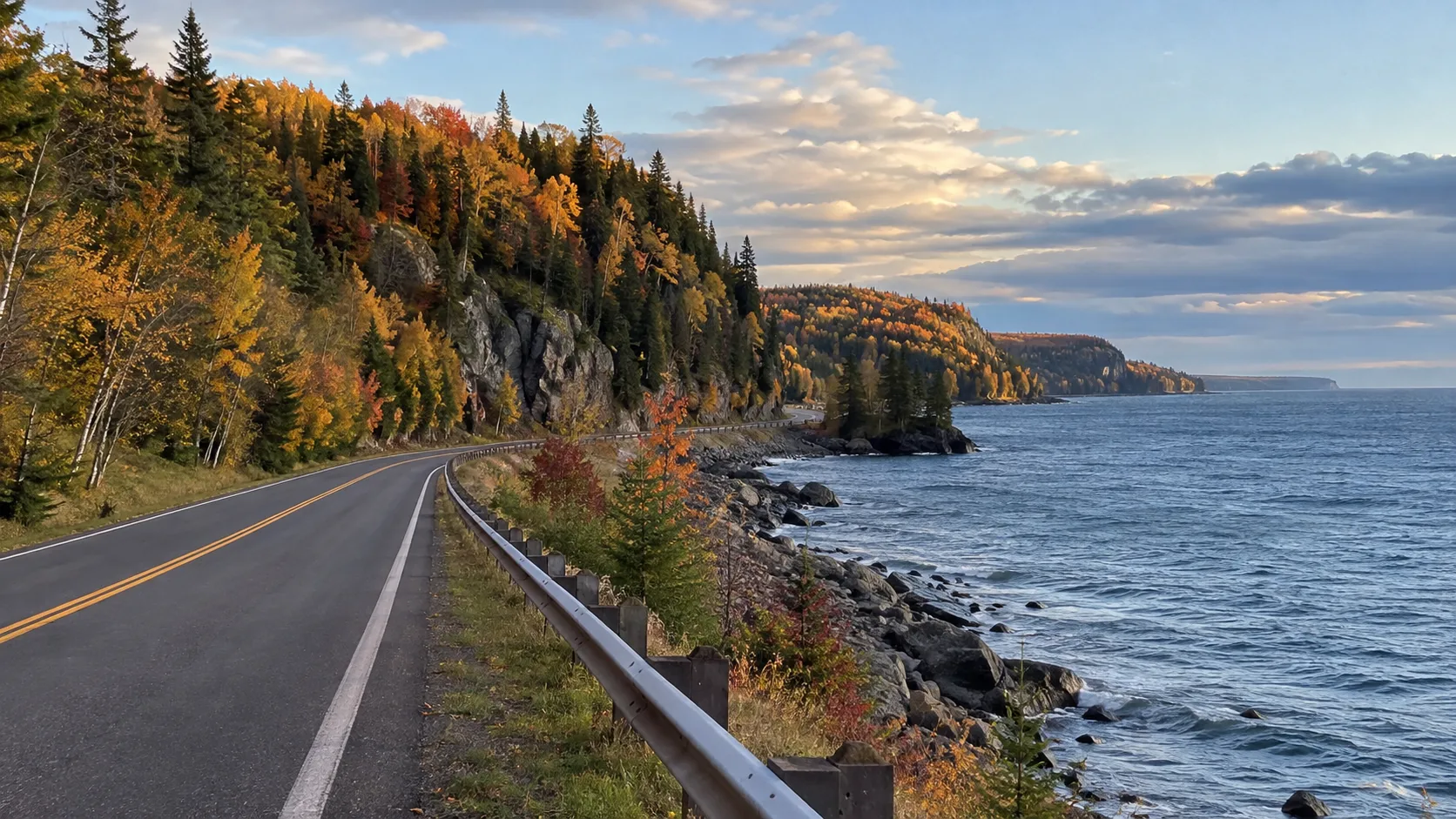
A Longer Lake Superior Trip Is a Separate Extension
Continuing toward Wisconsin’s south shore and Bayfield is a longer regional journey that returns through the Duluth area; it is not another stop north of Grand Marais. My Upper Midwest itinerary provides the larger framework when you have the time for both sides of the lake.
For these four or five days, let Minnesota’s shore be enough. The route becomes memorable when a harbor walk, waterfall, and meal have time to feel like experiences rather than things you completed before the next drive.