Drumheller, Alberta: Complete Badlands Travel Guide
Drumheller looks as if the Alberta prairie opened a trapdoor into another planet. Hoodoos, striped coulees, dinosaur bones, coal-mining stories, and a river valley full of wonderfully goofy dinosaur statues make this an easy road trip to love, but the badlands need more time, water, and sun protection than a quick museum stop suggests.
Why visit Drumheller?
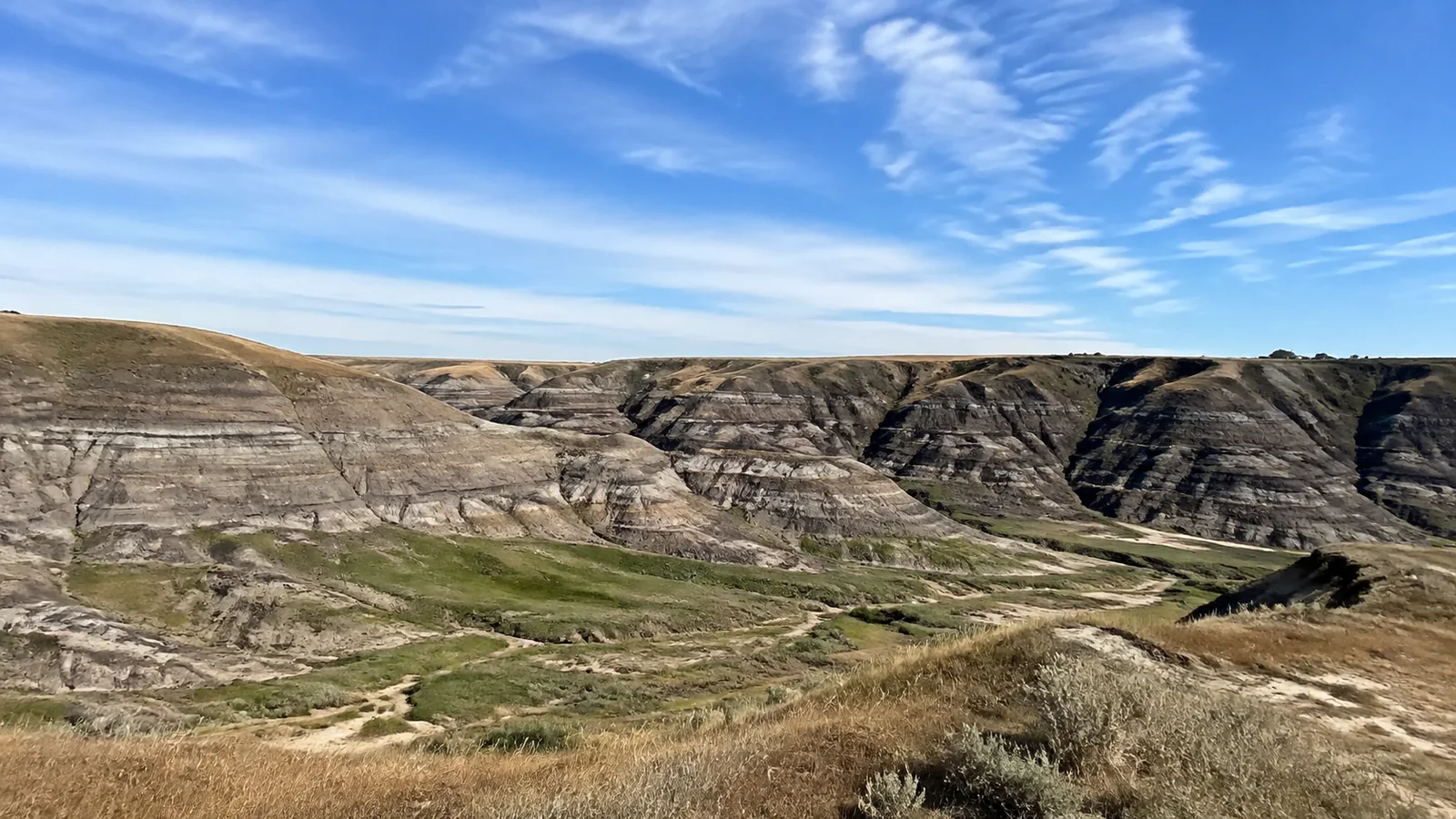
Drumheller sits in the Red Deer River valley northeast of Calgary, surrounded by eroded hills that reveal layers of rock and fossil history. It is known as a dinosaur destination, yet geology, mining heritage, prairie communities, and wide-open skies give the trip its depth.
The town is on Treaty 7 territory, within the ancestral and traditional lands of the Blackfoot Confederacy, the Tsuut’ina First Nation, and Mini Thni First Nation, as well as Métis territory. The Town of Drumheller’s land acknowledgment is a useful beginning, not a substitute for learning whose stories shaped the region.
Most travelers arrive by car, and that is helpful because the best viewpoints spread along several valley roads. Plan at least one full day, although two nights make the museum, hoodoos, canyons, and coal history much easier to enjoy.
Start with the Royal Tyrrell Museum
The Royal Tyrrell Museum of Palaeontology is Drumheller’s essential stop, with major fossil displays, reconstructions, research, and exhibits that explain ancient Alberta environments. It sits in Midland Provincial Park a short drive from downtown.
Current museum policy requires prepurchased timed admission, with walk-up space subject to availability. Check the official hours and admission page, bring the required original identification, and review program bookings before driving out.
Allow at least two to three hours for the galleries, and longer with a dinosaur-obsessed child or a scheduled activity. Morning admission leaves the hottest part of a summer afternoon available for indoor exhibits rather than an exposed canyon.
The short Badlands Interpretive Trail near the museum puts geology under your shoes, but it is still hot, uneven terrain. Carry water, wear closed shoes, and stay on the established route.
Do not collect fossils
Alberta’s fossils are protected under provincial law, and the location of a find can be as scientifically important as the object. Do not dig, pry, glue, move, or pocket a fossil.
If something looks significant, photograph it in place with a scale object, record the exact location without disturbing the site, and report it through the museum’s Found a Fossil guidance. Leave the actual discovery where it belongs.
Buying a decorative fossil in a shop does not prove it was collected legally or ethically. Ask for origin and documentation, and remember that crossing an international border adds another layer of rules.
See the Willow Creek Hoodoos
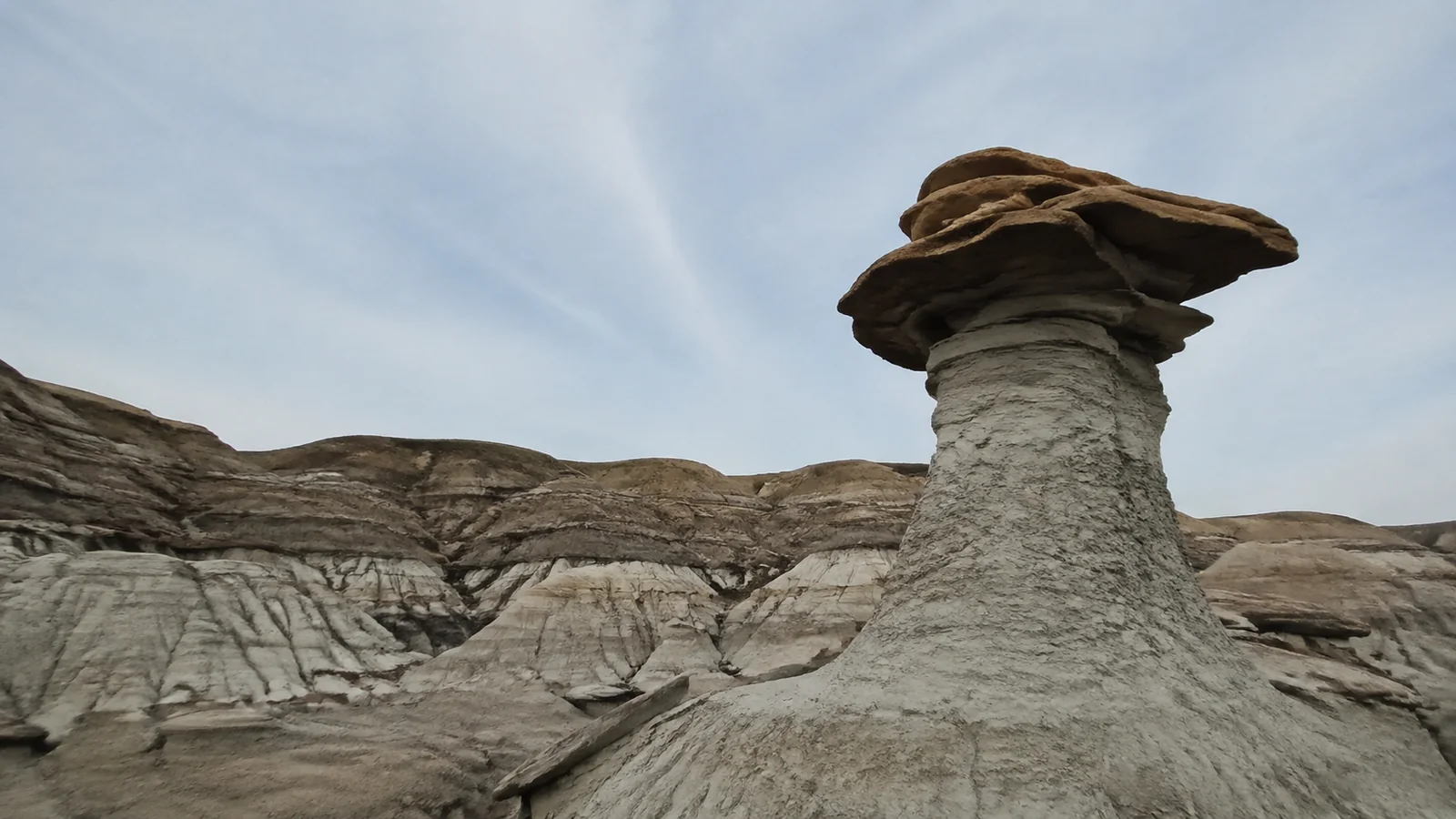
The famous hoodoos east of town are slender sandstone pillars protected by harder caprock. Wind, water, heat, and frost continue shaping them, which also makes them fragile.
Use the designated paths and platforms, obey barriers, and never climb or carve the formations. A photograph is not worth speeding up erosion that took thousands of years to create.
Early morning and later afternoon generally bring softer light and less punishing heat. The site can still be busy, icy, muddy, or windy depending on season, so check conditions rather than planning around a perfect postcard.
Horseshoe Canyon
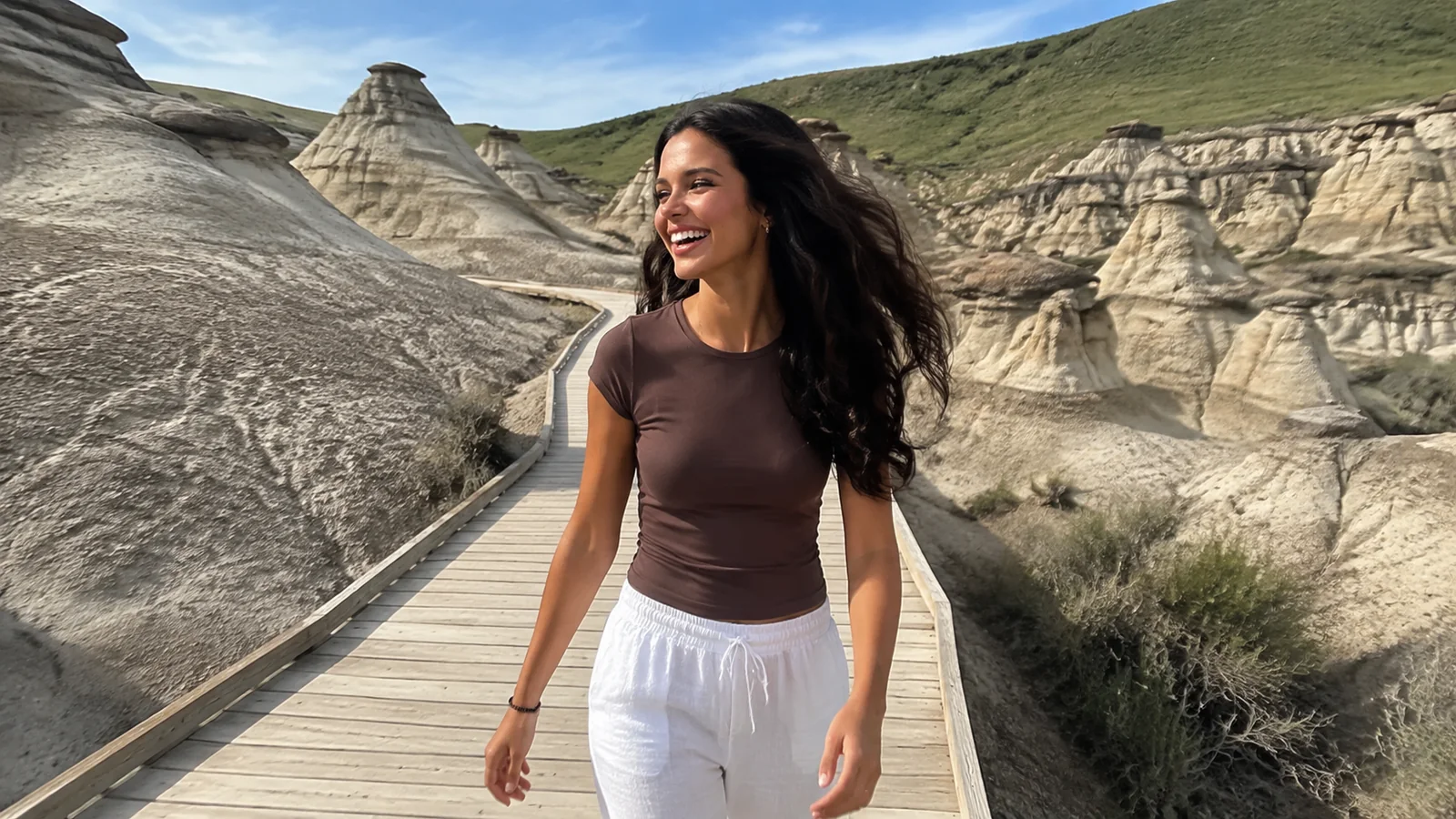
Horseshoe Canyon offers a dramatic badlands overlook close to the highway between Calgary and Drumheller. Many visitors stop at the rim, while others descend onto informal-looking terrain that becomes far more confusing from below.
Stay on recognized routes, keep children and pets well back from edges, and mark the return point before dropping into a coulee. Clay becomes extremely slick when wet, and summer heat builds quickly between bare slopes.
Do not stand beneath crumbly cliffs or scramble up steep formations. Erosion, rockfall, and sudden storms are part of the landscape rather than scenery arranged for visitors.
Horsethief Canyon
Horsethief Canyon lies northwest of town along the Dinosaur Trail loop and opens across layered hills toward the river valley. It is a quieter complement to Horseshoe Canyon, not the same place under a second name.
Unfenced drops and soft ground require close supervision. Sunset can be beautiful, but leave enough daylight to return safely and watch for wildlife on the drive.
Drive the Dinosaur Trail loop
The North and South Dinosaur Trail highways create a scenic loop around the valley, with the seasonal Bleriot Ferry carrying vehicles across the Red Deer River. Ferry hours, water levels, maintenance, and seasonal opening can change.
Check the day’s operation before making the ferry essential to dinner or a museum ticket. If it is closed, the drive becomes an out-and-back or a longer reroute.
Orkney Viewpoint adds a high look over the river’s curves, while Horsethief Canyon provides the most dramatic badlands stop. Pull fully into legal areas and never stop on the highway shoulder merely because the light is lovely.
Follow Highway 10 through Rosedale and Wayne
East of Drumheller, Highway 10 passes the hoodoos, old mining communities, and valley scenery. The route toward Wayne crosses a string of small bridges and ends near the historic Last Chance Saloon.
Check whether the Rosedale suspension bridge, Atlas Coal Mine tours, restaurants, and other seasonal attractions are operating before setting out. A landmark can remain visible online long after access rules change.
The road is scenic because it serves real communities inside narrow terrain. Drive slowly, give cyclists space, avoid private property, and do not block a resident’s entrance for a photograph.
Learn Drumheller’s coal-mining history
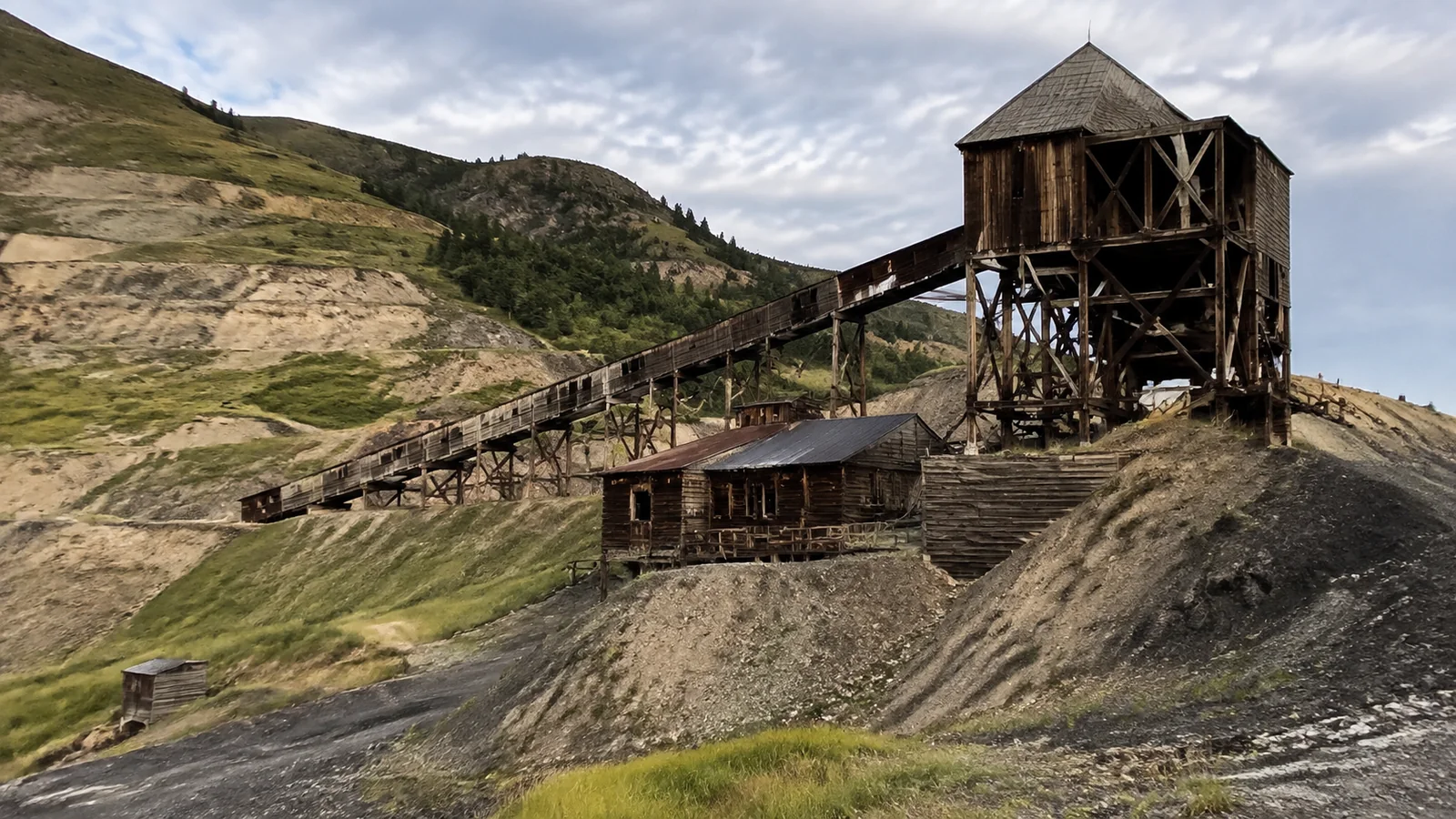
Coal built the valley towns long before dinosaur tourism filled downtown with fiberglass teeth. The Atlas Coal Mine National Historic Site preserves machinery, industrial structures, and worker stories connected to that era.
Tours, equipment requirements, age restrictions, accessibility, and seasonal dates vary by program. Book the specific experience rather than assuming general admission includes every mine feature.
Mining history should include labor, migration, danger, families, and environmental change, not only old equipment. Give this story time and the valley begins to make sense as a community rather than a dinosaur backdrop.
Have fun with downtown Drumheller
Downtown’s dinosaur statues are cheerfully unscientific in places, which is part of their charm. A self-guided hunt breaks up the day for children and makes even an errand for snacks feel on theme.
The giant Tyrannosaurus rex beside the visitor center includes stairs to a viewpoint when open. Confirm hours, admission, and mobility requirements because the climb and enclosed interior do not suit everyone.
Riverside paths offer a calmer walk away from the busiest attractions. Keep away from unstable banks and do not enter the river without current local safety knowledge.
Drumheller is not Dinosaur Provincial Park
This confusion can wreck an itinerary: Dinosaur Provincial Park is near Brooks, not in Drumheller. Alberta Parks says the drive between the park and Drumheller takes at least two hours.
Dinosaur Provincial Park is a UNESCO World Heritage Site with public trails, a visitor center, camping, and guided programs. Most of its natural preserve is accessible only on an authorized tour, as explained in the park’s official trip tips.
Combining both areas works with an extra night near Brooks or a carefully paced road trip. It does not work as two attractions assumed to be across the street from each other.
When to visit Drumheller
Late spring through early fall offers the broadest range of tours and attractions, with July and August the busiest. Summer badlands temperatures can rise above 86 degrees Fahrenheit, yet wind, rain, and cool evenings remain possible.
May, June, September, and early October can bring comfortable hiking temperatures and lighter crowds. Hours may be reduced, and rain can turn bentonite-rich clay into remarkably slippery mud.
Winter makes the hoodoos and coulees strikingly quiet, but snow, ice, short daylight, road conditions, and seasonal closures reshape the trip. Bring real winter clothing and traction, then confirm every attraction rather than trusting a summer itinerary.
The official Travel Drumheller site is the best starting point for current seasonal experiences and local businesses. Contact the operator directly for final hours and reservations.
Badlands weather and safety
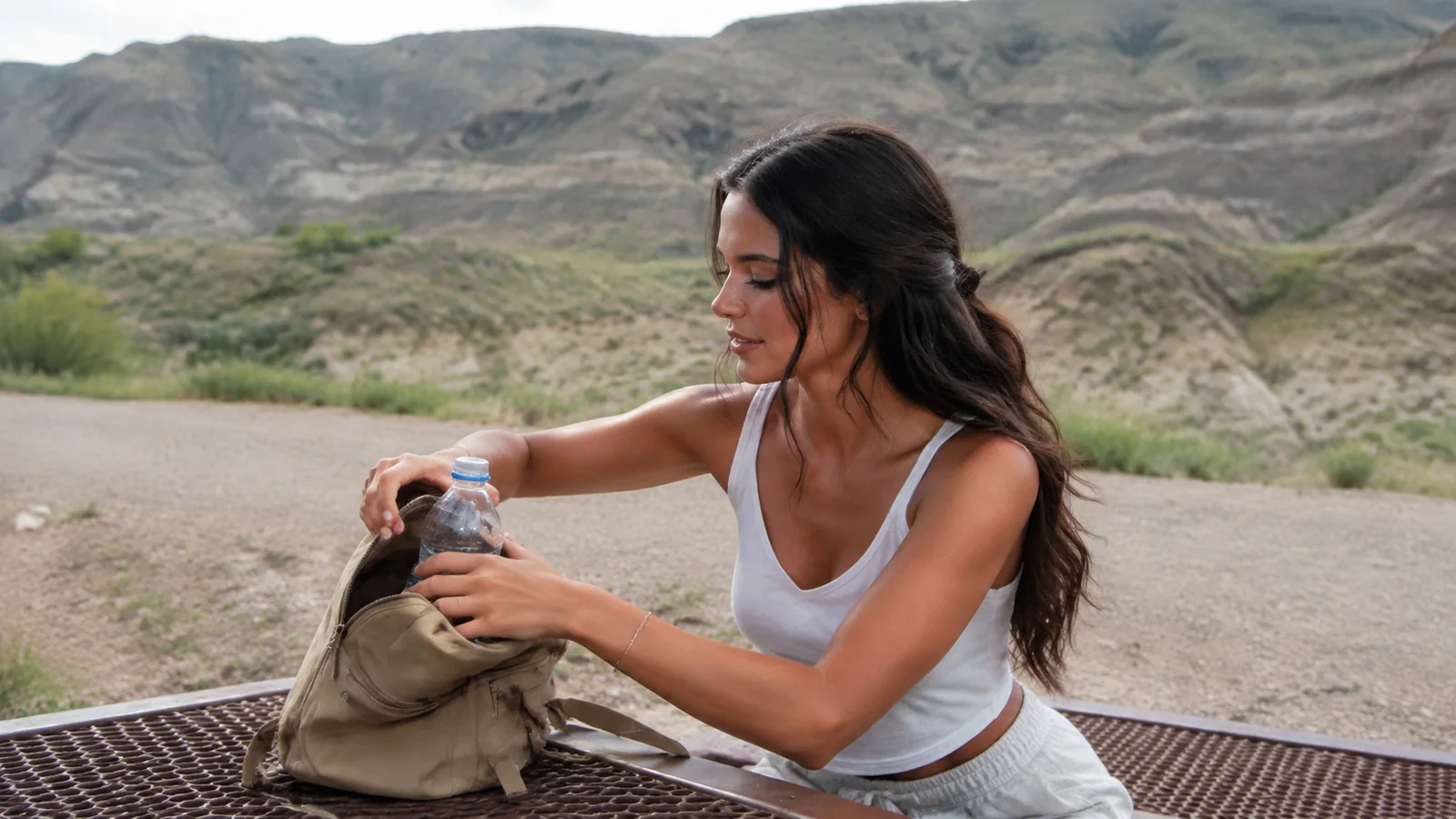
There is little shade on many trails, and dry air can hide how quickly you are losing water. Carry more than a small coffee-shop bottle, wear a brimmed hat, and use sunscreen even on a breezy day.
Thunderstorms can bring lightning, hail, fast temperature changes, and flash flooding in low areas. Leave exposed ridges and coulees when weather threatens.
Rattlesnakes live in Alberta’s badlands, though an encounter is not inevitable. Watch where hands and feet go, give every snake a wide route away, and never try to move or photograph one closely.
Ticks, mosquitoes, and wasps also deserve ordinary precautions. Check for ticks after hiking and keep food sealed at picnic stops.
Where to stay and eat
Drumheller has hotels, motels, vacation rentals, and campgrounds in and around the valley. Summer weekends and special events can fill the best-located options, so reserve earlier than the town’s size might suggest.
A downtown stay simplifies restaurants and evening walks, while an outer-valley property can feel quieter. Ask about air conditioning, stairs, parking, breakfast, pet rules, and late arrival before booking.
Restaurants range from familiar family choices to local cafes, pubs, and seasonal stops. Make dinner reservations or confirm hours after the museum, especially on weekdays outside peak summer.
What to pack for Drumheller
- Refillable water bottles with extra water in the car
- Wide-brimmed hat, sunglasses, and sunscreen
- Closed-toe shoes with dependable traction
- Light rain and wind jacket
- Warm layer for mornings and evenings
- Insect repellent and tick-removal tool
- Small first-aid kit
- Offline map and portable charger
- Binoculars for wildlife at a safe distance
- Winter traction and emergency supplies in cold months
A two-day Drumheller itinerary
On day one, take an early Royal Tyrrell time slot, walk the museum-area trail if conditions suit, eat downtown, and drive the Dinosaur Trail loop. Finish at Horsethief Canyon or a safe river viewpoint with enough daylight remaining.
On day two, visit Horseshoe Canyon, the Willow Creek Hoodoos, Rosedale, and a prebooked coal-mining experience. Add Wayne only if seasonal hours and driving time fit without turning the day into a windshield tour.
These Alberta destination ideas help extend the route, while this Alberta weekend guide suits a shorter escape. For the bigger journey, these Canada road-trip tips keep the prairie distances realistic.
Drumheller FAQs
How many days do you need in Drumheller?
One full day covers the museum and several major viewpoints. Two days allows a scenic loop, coal history, and weather flexibility without racing.
Can you take fossils home?
Leave fossils exactly where they are and follow Alberta’s legal reporting guidance. Digging or removing a discovery can destroy scientific context and create serious legal consequences.
Is Drumheller good with kids?
Yes, particularly for children interested in dinosaurs, geology, and playful statues. Heat, exposed edges, timed tickets, and the spacing between attractions still require adult planning.
Final thoughts
Drumheller is at its best when dinosaurs open the door and the wider valley gets to tell the rest of the story. Museum science, fragile hoodoos, mining communities, Indigenous territory, and a living prairie town all belong in the same trip.
Prebook the museum, protect the fossils, carry plenty of water, and keep Dinosaur Provincial Park on the correct part of the map. Those four choices turn a hurried stop into a properly good Alberta adventure.