Wisconsin Cheese Road Trip: Creameries, Cheese Shops, and Small-Town Stops
A cooler full of cheese is a perfectly respectable reason to take the scenic route through Wisconsin.
The trick is choosing a few genuinely different stops, checking when the cheesemakers actually welcome visitors, and leaving room for the little towns between them.
Choose One Regional Cheese Trip
Choose Mineral Point and Monroe for aged cheese and historic towns, Rudolph and Fremont for a factory-store trip, or Malone, Theresa, and Milwaukee for goat cheese, traditional Wisconsin varieties, and a city finish. These are three separate routes, not one exhausting statewide weekend.
Plan around the visit you most want first, particularly a production tour or a weekday-only factory shop. Retail opening hours, viewing-window activity, and a guided tour are three different things, and a shop being open does not mean cheesemaking is happening behind the glass.
My Wisconsin road trips guide provides the wider regional picture. Here, each route includes a practical way to enjoy the place after the cheese counter closes.
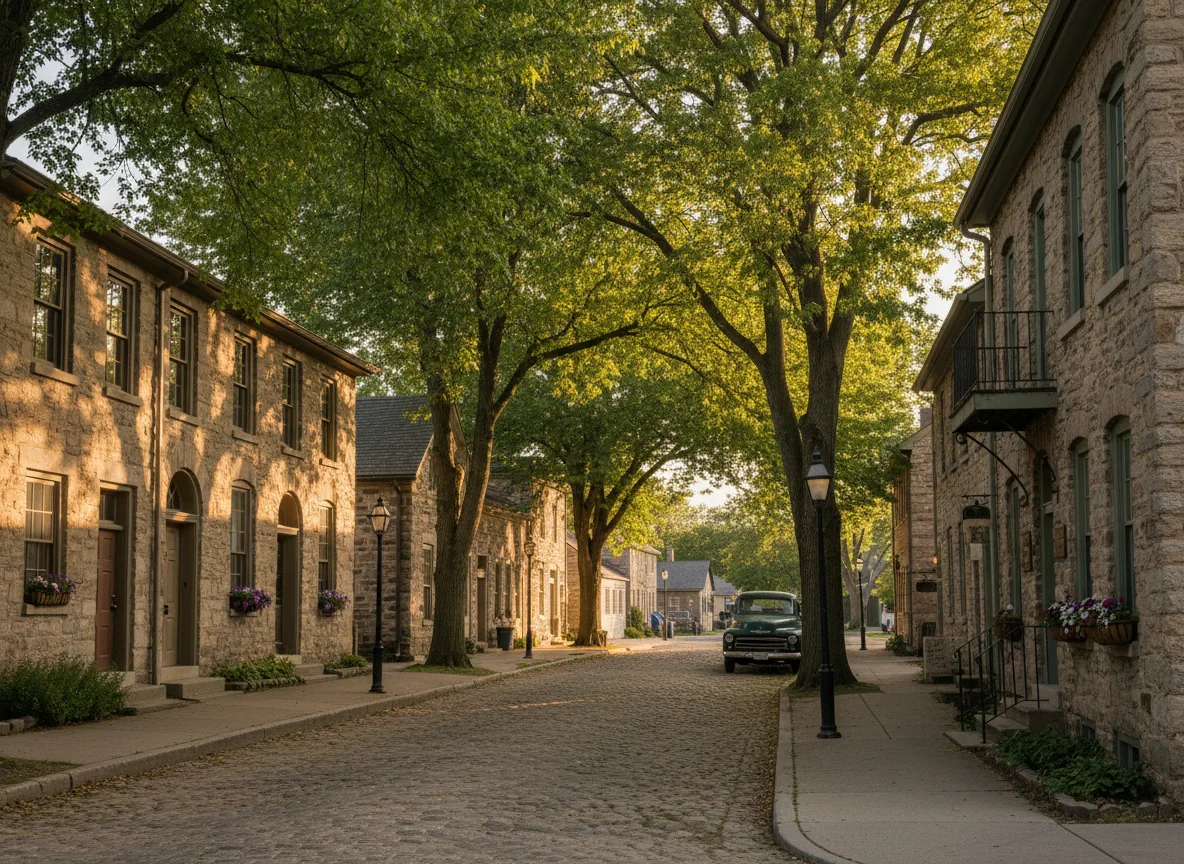
Route 1: Mineral Point and Monroe
For a Friday-to-Sunday trip, reach Mineral Point early Friday, stay there the first night, and move to Monroe for the second. Sunday can be a shorter shopping or town morning before departure, rather than a rush to factories that do not open that day.
Hook’s is the reason an early Friday arrival matters: the Mineral Point factory currently sells cheese Monday through Friday, 8 a.m. to 2 p.m. A Saturday afternoon arrival will not produce the same visit, so confirm those hours before taking time off or driving out specifically.
At Hook’s Cheese, compare two cheddar ages instead of automatically buying the oldest and most expensive piece. A smaller portion of a more mature cheese alongside a younger cheddar makes an interesting tasting without filling the cooler with nearly identical purchases.
For a weekend-only visit, check Hook’s announced market appearances or a retailer’s stock instead of promising a factory stop. Then give Mineral Point a real afternoon of stone streets, galleries, and a meal, with the cheese as one part of the visit.
Uplands and Brunkow: Products First, Access Confirmed
Uplands Cheese near Dodgeville makes Pleasant Ridge Reserve, an Alpine-style cheese, and the seasonal spruce-wrapped Rush Creek Reserve. Put those names on your tasting shortlist, but do not treat the farm’s address as a guaranteed walk-in visitor attraction.
Use the Uplands retailer locator to find a convenient seller, then confirm stock directly. Arrange any farm visit with the producer before adding it to the route; retail access or a tour is not assumed here.
Brunkow near Darlington is the optional weekday detour for Brun-uusto baked cheese, which offers something quite different from another aged cheddar. Its published weekday hours make it a planned visit, not an automatic Sunday stop on the way home.
Choose either that detour or a longer Mineral Point afternoon when your arrival window is tight. Trying to reach two early-closing factory shops after a late departure from Madison is exactly how a pleasant food trip turns into watching the clock.
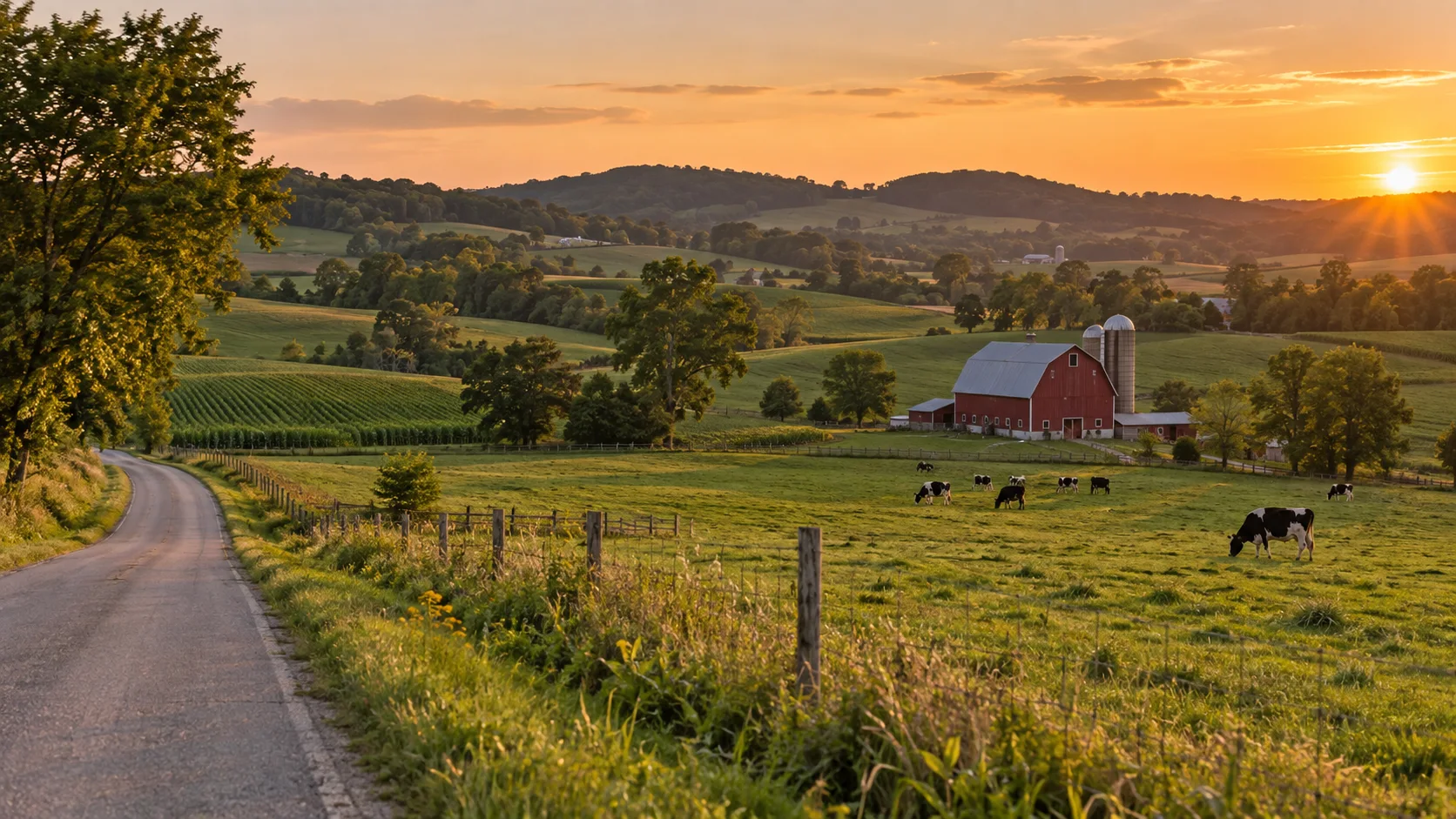
Saturday in Monroe: Alp & Dell and the Town
Make Alp & Dell the main Monroe retail visit, then spend the rest of the morning or afternoon around the courthouse square. The shop is a useful place to compare Roth Grand Cru, Butterkäse, and blue cheese rather than treating every Wisconsin cheese stop as a bag-of-curds errand.
The visitor arrangements distinguish its public viewing hall from the short guided tour. Production normally runs weekdays and some Saturdays, while the guided visit is currently listed for weekday mornings; a Saturday shopping trip should not promise either activity without confirmation.
Allow about an hour for shopping and a viewing-hall visit when there is activity, with more time only for a confirmed program. Larger groups should arrange their visit rather than arriving together and expecting the staff to improvise a tour.
Choose a town walk and lunch afterward, or check the National Historic Cheesemaking Center’s visitor schedule for a separate history stop. Keep the second night in Monroe so there is no pressure to squeeze the afternoon into the drive home.
For planning purposes, reserve a generous hour or more for the Mineral Point-to-Monroe transfer, then calculate any Darlington or Dodgeville detour separately. Your departure city, road choice, and shop hours matter more than a single mileage total for the weekend.
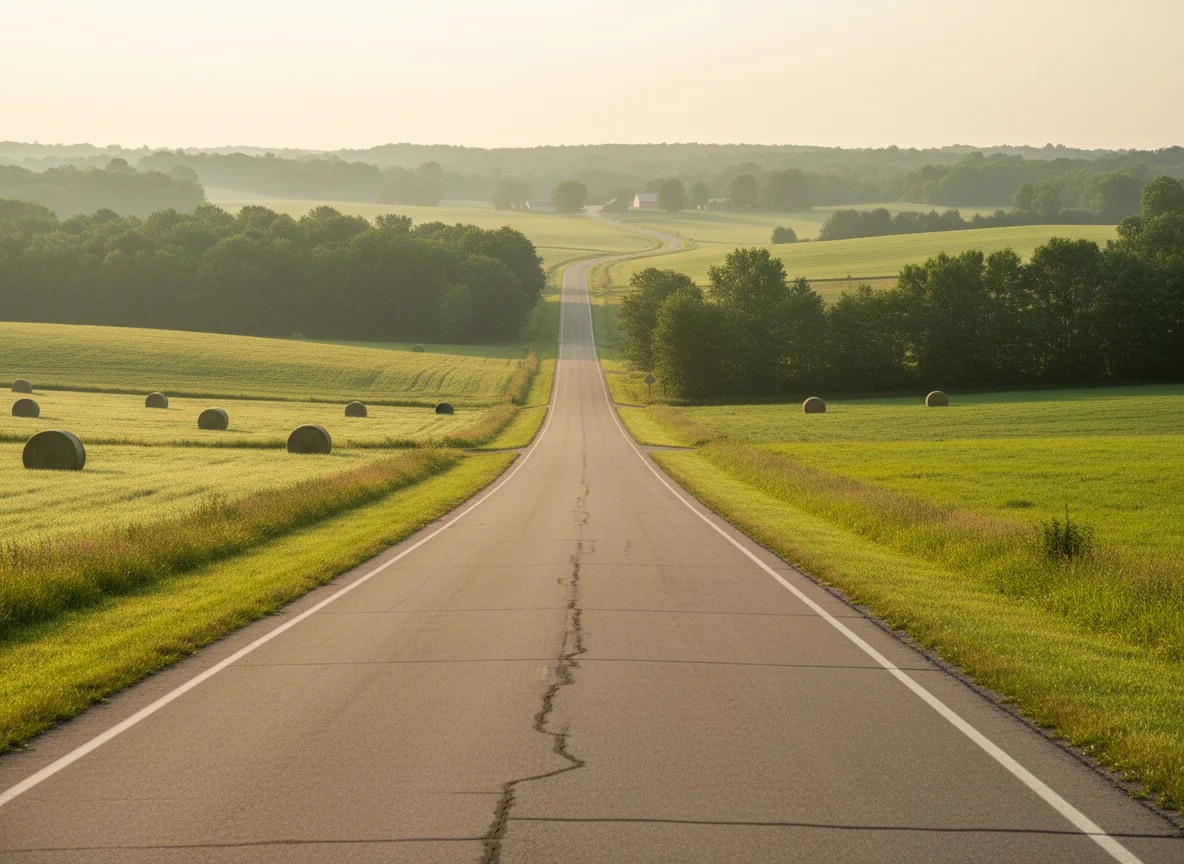
Route 2: Rudolph to Fremont With an Actual Tour
Make Wisconsin Dairy State Cheese Company in Rudolph the first day’s retail stop, then move toward Fremont or the Fox Valley for the night. This route works best when you sleep close enough to reach the following morning’s early tour without a long predawn drive.
At Rudolph, choose a couple of cheeses you have not already bought and ask which fresh items are available that day. Confirm any production-viewing opportunity separately from the shop’s opening hours instead of treating the retail building as a permanently running demonstration.
Union Star offers a concrete tour option: its current schedule lists roughly thirty-minute visits starting at 8 a.m. on Monday, Thursday, Friday, and Saturday. Small groups of fewer than ten do not normally need advance arrangements, but check the current tour schedule before building the trip around it.
A Friday-to-Saturday version therefore works well: Rudolph Friday, a nearby overnight, and Union Star Saturday morning. The Fremont shop is closed Sundays, so a Saturday arrival followed by an assumed Sunday tour is not the same itinerary.
Fresh curds are the obvious first purchase after the demonstration, with a cheddar or another contrasting style for later. Allow time for shopping after the tour instead of leaving at the final minute for another booking.
Reserve roughly one and a half to two hours as a conservative driving block between Rudolph and the Fremont area, checking the actual route before departure. Add a riverfront walk or a town lunch, then finish the short trip without inventing a third factory just to keep driving.
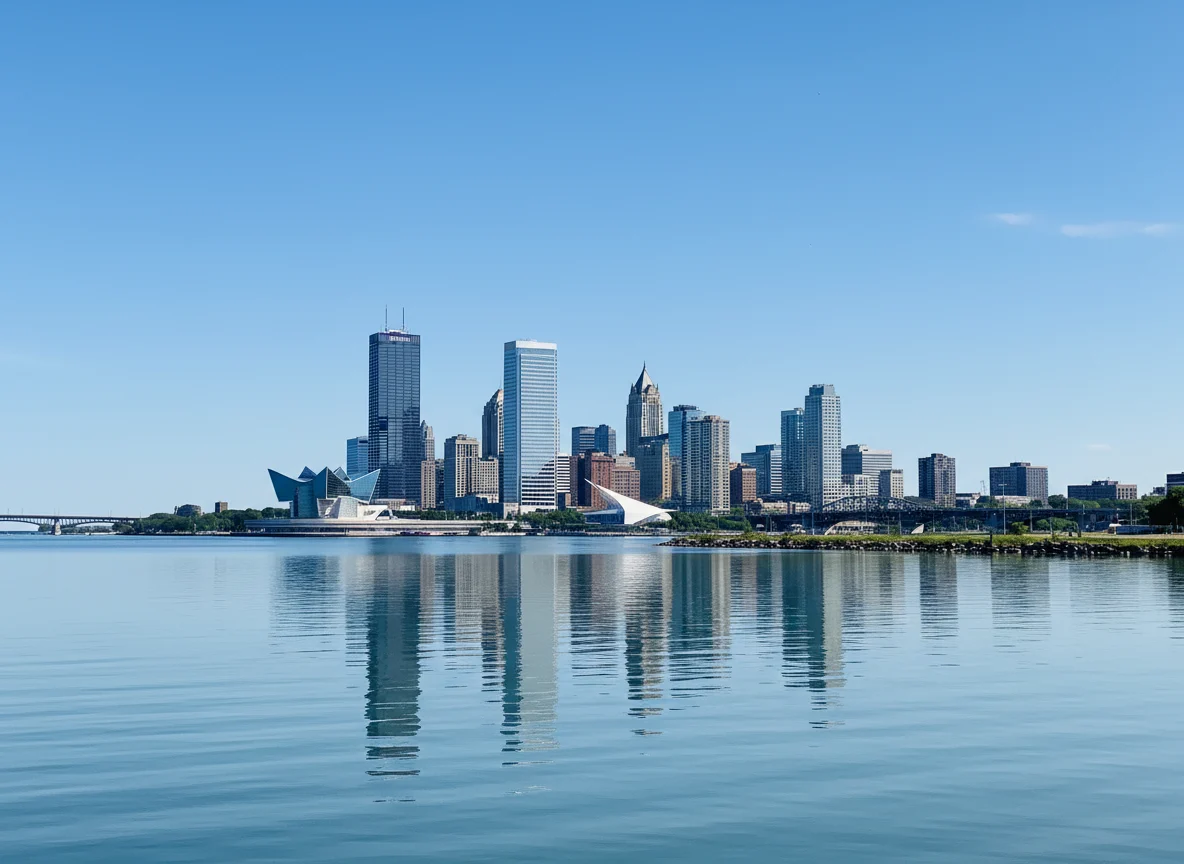
Route 3: LaClare, Widmer’s, and Milwaukee
For a two-day trip, start at LaClare in Malone, continue to Widmer’s in Theresa, and sleep in Milwaukee before a city-focused second day. That keeps the route moving south rather than repeatedly returning to the same rural crossroads.
LaClare is the goat-cheese stop, with fresh chèvre and other styles worth comparing. Its visitor center, shop, and café can make a substantial visit, while the outdoor goat experience is seasonal rather than something to promise every month.
The LaClare tour information separates free self-guided viewing from booked group programs. Production-window viewing is listed on weekdays, and guided groups require confirmation; neither should be confused with simply arriving during café hours.
At Widmer’s, ask about Brick and Colby rather than purchasing another version of everything you already found at the first stop. Its Theresa store has its own schedule, including seasonal Sunday hours, so verify the day before assuming a weekend visit fits.
Allow a broad two- to three-hour driving window for Malone through Theresa into Milwaukee, separate from the two visits and lunch. Staying in the city afterward makes the day more comfortable than attaching another long drive home to your final cheese purchase.
On day two, Wisconsin Cheese Mart is a retail comparison stop, not a factory tour. Use it to fill a specific gap in the cooler, then enjoy a Milwaukee lakefront or neighborhood walk before departure.
Buy a Tasting, Not the Entire Cheese Case
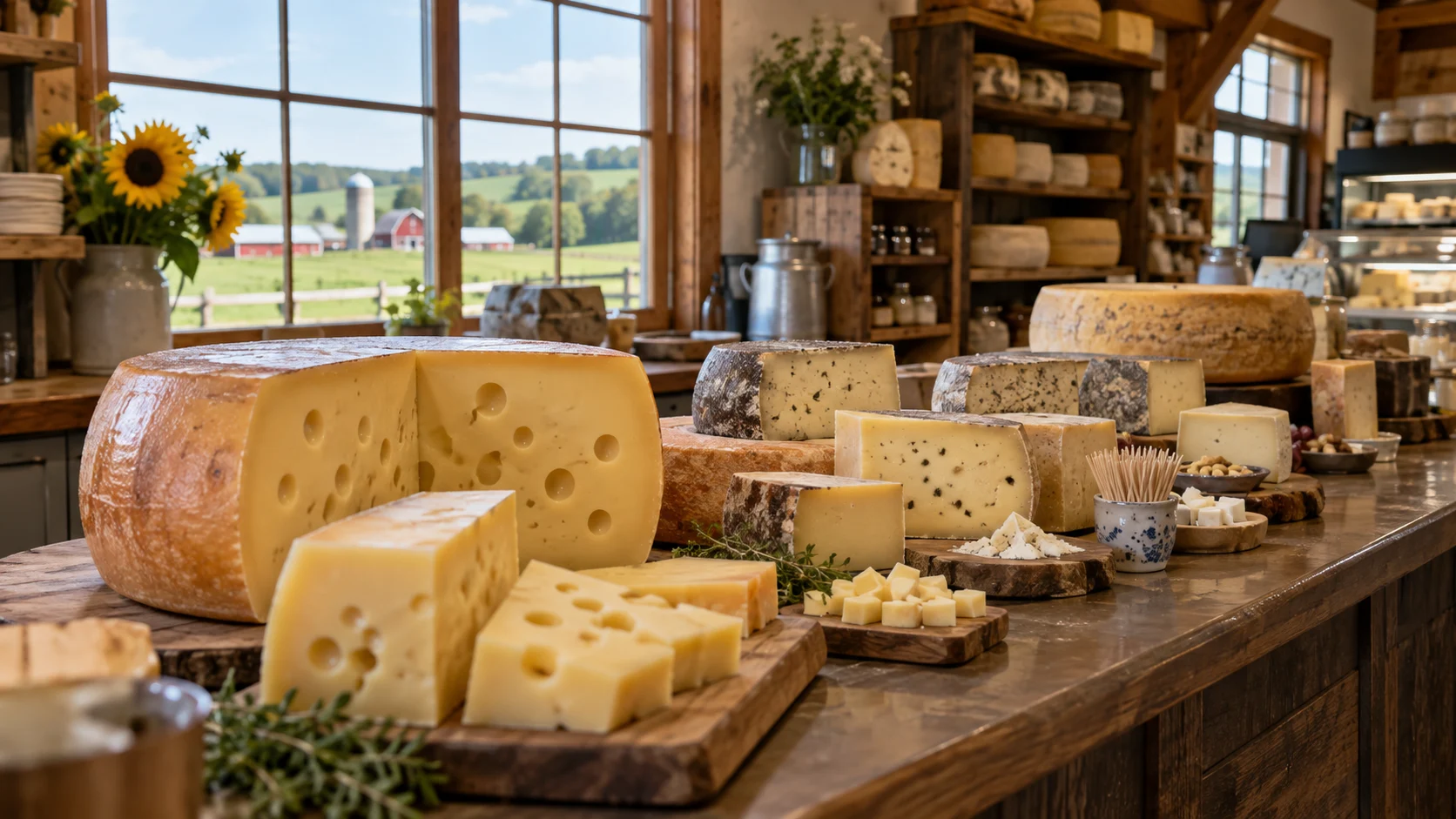
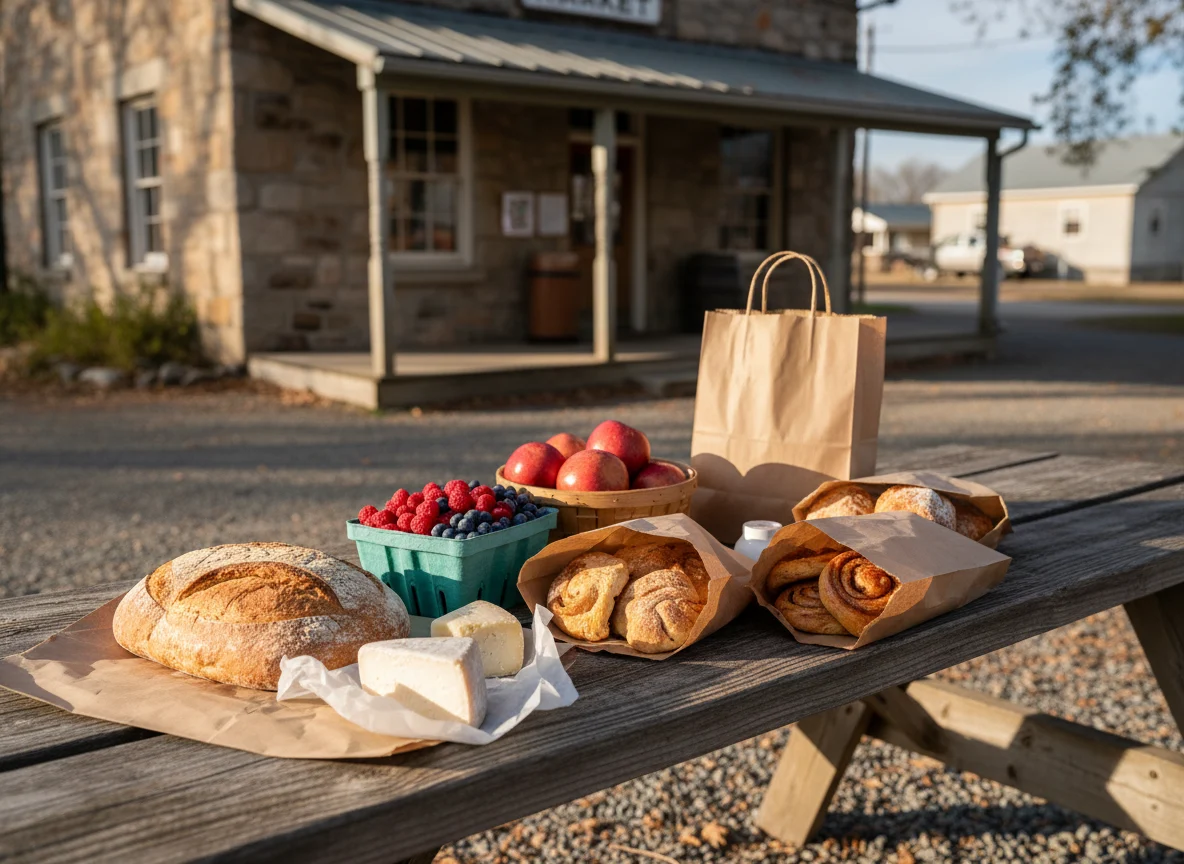
My favorite shopping plan is one fresh cheese, one aged cheese, and one style the group has never tried. Ask the counter staff about portions and serving suggestions, and keep the label so the best discovery does not become a mysterious unmarked wedge.
Two meaningful stops a day usually leave plenty to taste without wearing everyone out. A town, public walk, museum, or unhurried meal gives the trip another dimension, particularly for the friend whose enthusiasm for dairy has a more reasonable upper limit.
The Spring Green guide provides an extra southwestern Wisconsin option when you extend that route. Add the time for it honestly instead of making an architecture tour compete with a shop that closes early.
Keep Purchases Cold Enough to Enjoy at Home
Bring an insulated cooler, adequate ice or cold packs, and a thermometer before the first purchase. Follow the producer’s storage instructions for each cheese, and keep foods requiring refrigeration at 40°F or below rather than relying on the cooler feeling vaguely chilly.
A hotel refrigerator should be checked with a thermometer before transferring perishables; some small units are designed mainly to cool drinks. Keep a safe cold source in the cooler if the room’s appliance cannot maintain the required temperature.
The government food-safety guidance explains temperature control and when inadequately chilled perishables should be discarded. Saving an expensive cheese is not a reason to guess about a warm cooler.
My road trip packing list helps keep the cooler and day supplies accessible. Come home with a few cheeses you are excited to share, not a trunk full of shopping and a weekend you barely remember outside the checkout lines.