Danube River Cruises: Choose the Right Route, Month, and Ship
A Danube river cruise can be a week of Vienna, Bratislava, and Budapest, a grand journey toward Romania, or a Christmas-market trip in winter coats. The best sailing is the one whose actual docks, hours, excursions, and disruption plan match your priorities, not simply the itinerary with the most country names.
Is a Danube river cruise right for you?
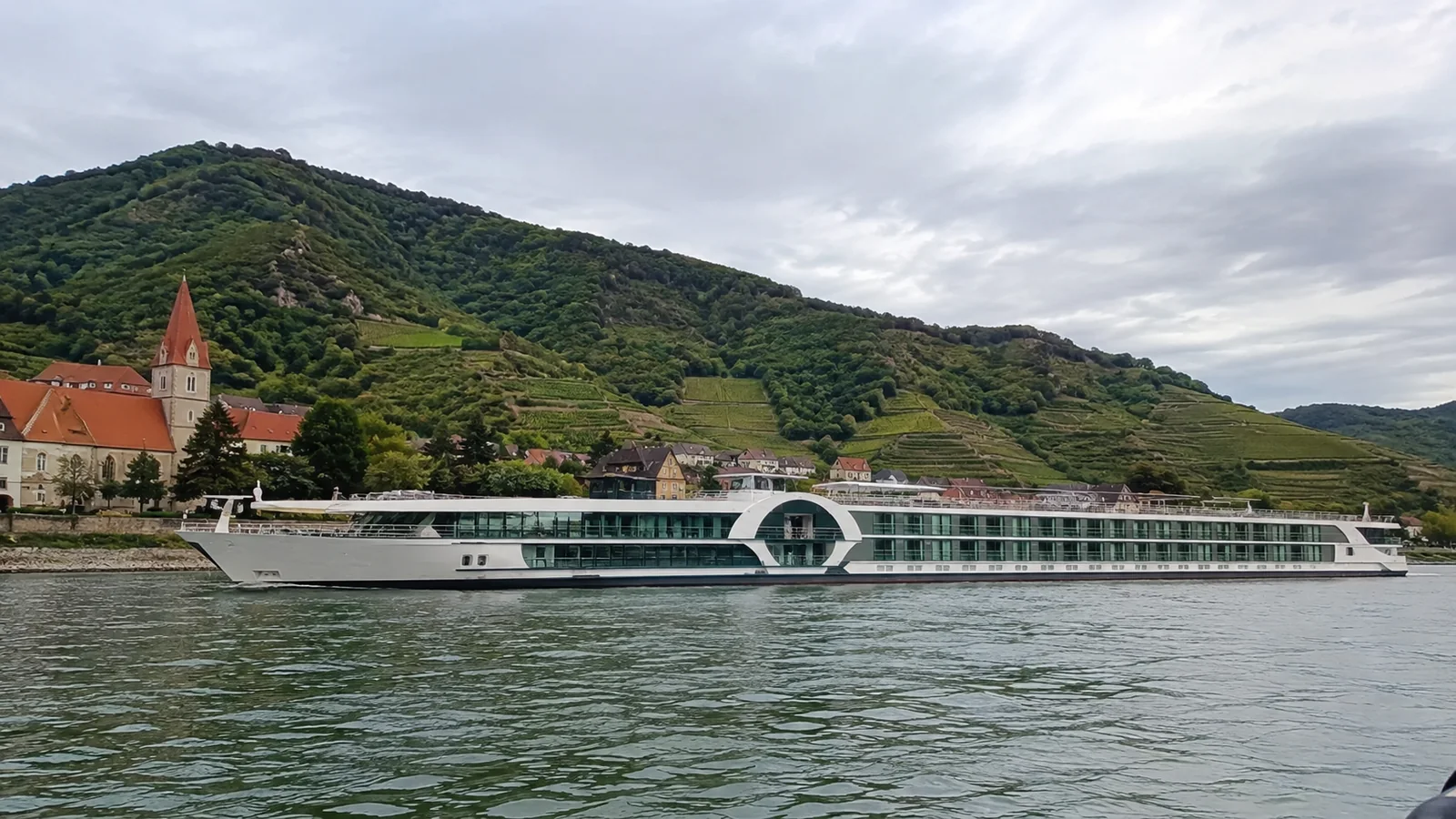
Choose the Danube if you want a new historic center almost every day, guided sightseeing, unpacking once, and evening scenery from a small ship. The classic route is especially strong for travelers interested in architecture, music, imperial history, wine, churches, and walkable cities.
Skip or reconsider it if your perfect cruise needs sea days, big production shows, a pool deck, late-night variety, extensive children’s programming, or a wide choice of restaurants. River ships are compact transportation and lodging, not floating resorts.
Mobility also deserves an honest check. Gangways can be steep, ships may raft side by side, cobblestones appear frequently, and some castles, coaches, or walking tours are difficult even when the ship has an elevator.
Start with the Danube segment
The classic Upper Danube
For a first river cruise, I would start with a seven-night route between Vilshofen or Passau and Budapest. A typical itinerary includes Passau, an excursion choice from Linz, the Wachau Valley, Vienna, Bratislava, and Budapest.
AmaWaterways’ current Romantic Danube itinerary follows that broad sequence, but sailing hours and exact docking places change. Use it as proof that the route exists, not as a promise for another line or departure.
This segment works because the headline cities are close enough to create a port-rich week. It also gives first-timers the Wachau’s vineyard and village scenery between larger urban days.
Nuremberg to Budapest
A Nuremberg-to-Budapest route adds Bavarian history and often Regensburg before joining the familiar Austrian and Hungarian ports. The initial waterway can involve the Main-Danube Canal rather than the natural Danube itself, a distinction worth understanding if continuous river geography matters to you.
Choose this version when Nuremberg or Prague is a priority and you can spare eight to 12 days with land extensions. Check whether Prague is a hotel-and-coach extension because Prague is not on the Danube.
Lower Danube and the Iron Gates
Lower Danube itineraries can connect Budapest with Serbia, Croatia, Bulgaria, and Romania, often featuring Belgrade and the Iron Gates gorge. They are better for repeat Europe travelers who want layered 20th-century history, Orthodox heritage, rural landscapes, and fewer Western European greatest hits.
Bucharest commonly appears as a hotel stay or coach transfer rather than a riverfront port. Confirm every overnight, border, bus duration, and included visit before assuming the city sits outside your cabin window.
Grand Danube cruises
Longer voyages combine Upper and Lower sections over roughly two weeks. AmaWaterways currently advertises a 14-night Grand Danube from Bavaria toward Bulgaria and Romania, showing how different the experience becomes after Budapest.
Choose a grand route if you enjoy historical context building day after day and tolerate frequent guided touring. Skip it if four consecutive capitals and long coach excursions begin to blur together.
Round-trip Budapest
Some lines offer a round-trip Budapest week, reducing open-jaw flight complexity. Read carefully for repeated scenic stretches, turnaround points, and which towns replace Passau or Vilshofen.
This is a sensible choice when simple flights outrank covering the maximum river distance. Add two hotel nights in Budapest so embarkation and departure days do not consume the city.
Pick the best month for your travel style

April and May
Spring can bring blossoms, green riverbanks, cool walking weather, and lower temperatures than midsummer. Pack for rain and variable mornings, and understand that high water can disrupt bridges, docks, or navigation just as low water can.
May is my spring choice for travelers who care about gardens and long city walks. This broader May cruise planning guide explains why seasonal opening dates still deserve individual checks.
June through August
Summer delivers long daylight and a lively events calendar, making it easier to fit evening walks around dinner. It can also bring heat, busy landmarks, warm cabins during docking, and low-water pressure after dry periods.
July and August suit teachers and families tied to school calendars, but they are not automatically the easiest weather. Ask whether excursion coaches and the exact cabin category have dependable air-conditioning.
September and October
September is my best all-around month for daylight, harvest-season atmosphere, and comfortable city touring, with October appealing to travelers who accept cooler and shorter days. Neither month is protected from high or low water.
That warning is especially current: the Danube Commission reported in August 2026 that low water was affecting navigation. Passenger ships and specific river sections can respond differently, so ask your operator about your sailing rather than translating a cargo report into a guaranteed cancellation.
Late November and December
Christmas-market cruises trade vineyard color and long evenings for lights, seasonal food, concerts, and cold-weather atmosphere. Market dates are set locally, some close before Christmas Day, and early departures may reach towns before every stall opens.
Verify each must-see market against the ship’s port date, not the cruise theme. These Christmas cruise timing checks help separate a festive sailing from a guaranteed white Christmas, which no operator can promise.
Water levels can change the itinerary
River cruising depends on fitting a vessel under bridges and through navigable channels. High water can remove bridge clearance or close facilities, while low water can limit draft and make a section impassable for a particular ship.
There is no month that guarantees perfect Danube levels. A forecast before final payment also cannot establish conditions weeks later across hundreds of river miles.
Possible operator responses include adjusted times, different docks, extra coaches, port substitutions, a ship swap, or moving guests between sister vessels on opposite sides of a problem area. In a major disruption, part of the “cruise” can become a coach-and-hotel program.
Ask the line four questions before booking: what changes when the ship cannot sail, who pays for replacement hotels or transport, when cancellation becomes available, and how quickly guests receive updates. Read the passenger contract and insurance terms because a modified itinerary may not meet the policy’s definition of cancellation.
Current operator notices matter close to departure. AmaWaterways’ August 2026 river update said it was proactively adjusting selected Rhine and Danube itineraries as conditions evolved, which is the right level of specificity for travelers to seek.
Compare cruise lines by inclusions, not adjectives
Most Danube river lines sell comfortable cabins, daily tours, regional food, and a relaxed atmosphere. The meaningful differences are excursion choice, walking groups, bikes, drinks, gratuities, airport transfers, Wi-Fi, special dining, laundry, passenger mix, and disruption handling.
AmaWaterways emphasizes multiple activity levels and bicycles on selected departures. Avalon markets Active and Discovery itineraries with a broader menu of hands-on or active choices, while Viking generally packages a daily included excursion with optional upgrades.
Uniworld leans toward highly decorated ships and a more inclusive luxury positioning. If that atmosphere appeals, compare the fare details in this Uniworld river cruise overview, then verify the exact 2026 or 2027 departure.
Do not infer every inclusion from a brand’s reputation. Two itineraries on the same line can differ in transfers, special events, drinks, bikes, gratuities, and land-extension meals.
Choose a cabin with river-ship realities in mind
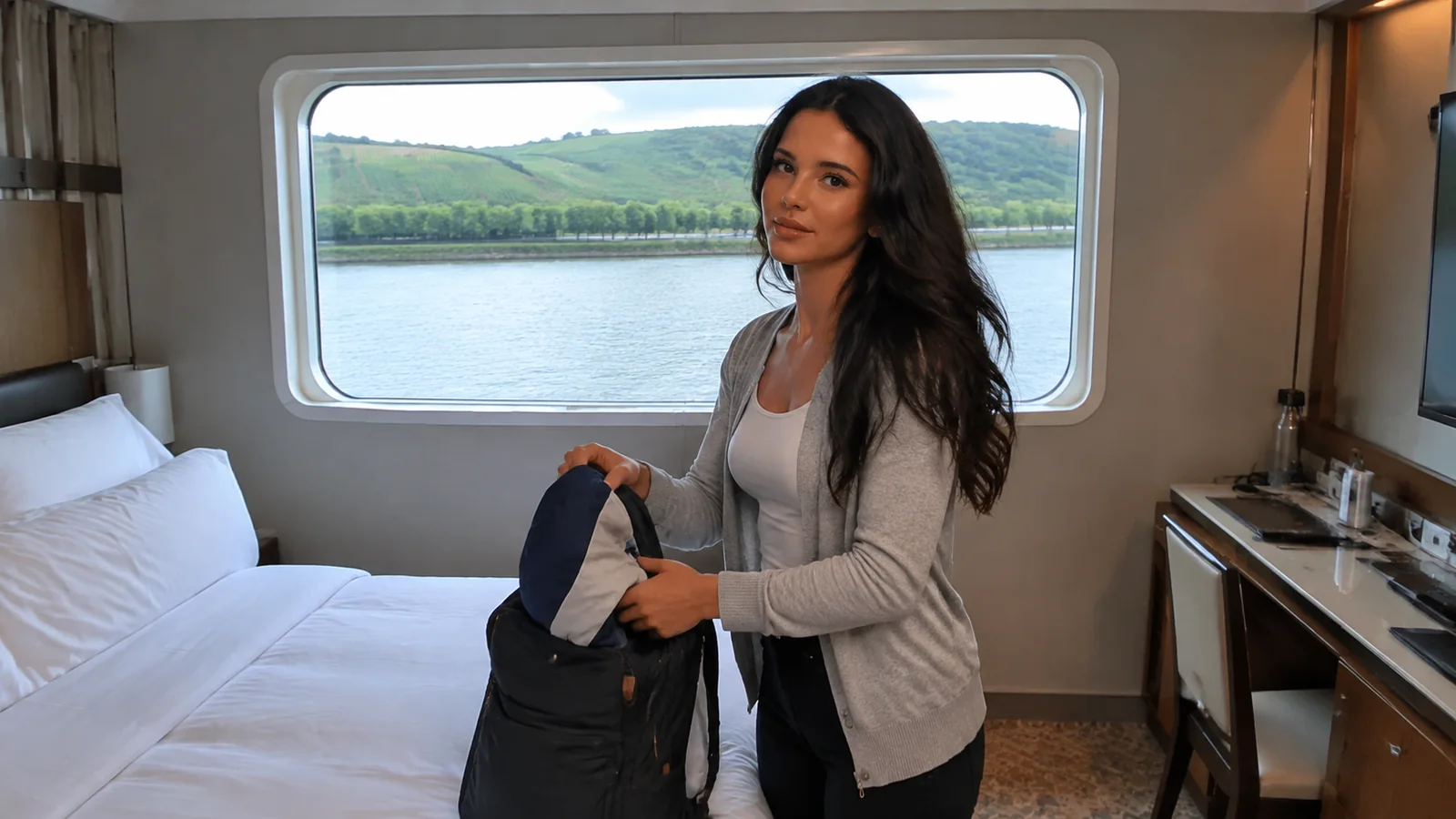
Lower-deck cabins are usually the value choice and may have small, high windows near the waterline. They suit travelers who prioritize tours and sleep, but they do not deliver the seated panoramic view shown in balcony advertising.
French-balcony cabins use a sliding glass door or opening window without a walk-out platform, while true balconies consume cabin depth or sit behind movable glass depending on design. Compare floor plans and square footage, not category names.
Ships often raft alongside each other at busy docks. Your view can become another vessel a few feet away, and passengers may cross one ship to reach another, so privacy requires curtains even in an expensive cabin.
Noise-sensitive travelers should inspect stairs, elevator, lounge, galley, crew access, engines, and rear or bow thruster areas on the deck plan. A cabin near reception can be worth some foot traffic for anyone who struggles with long corridors or moving gangways.
What the classic ports are really like
Budapest
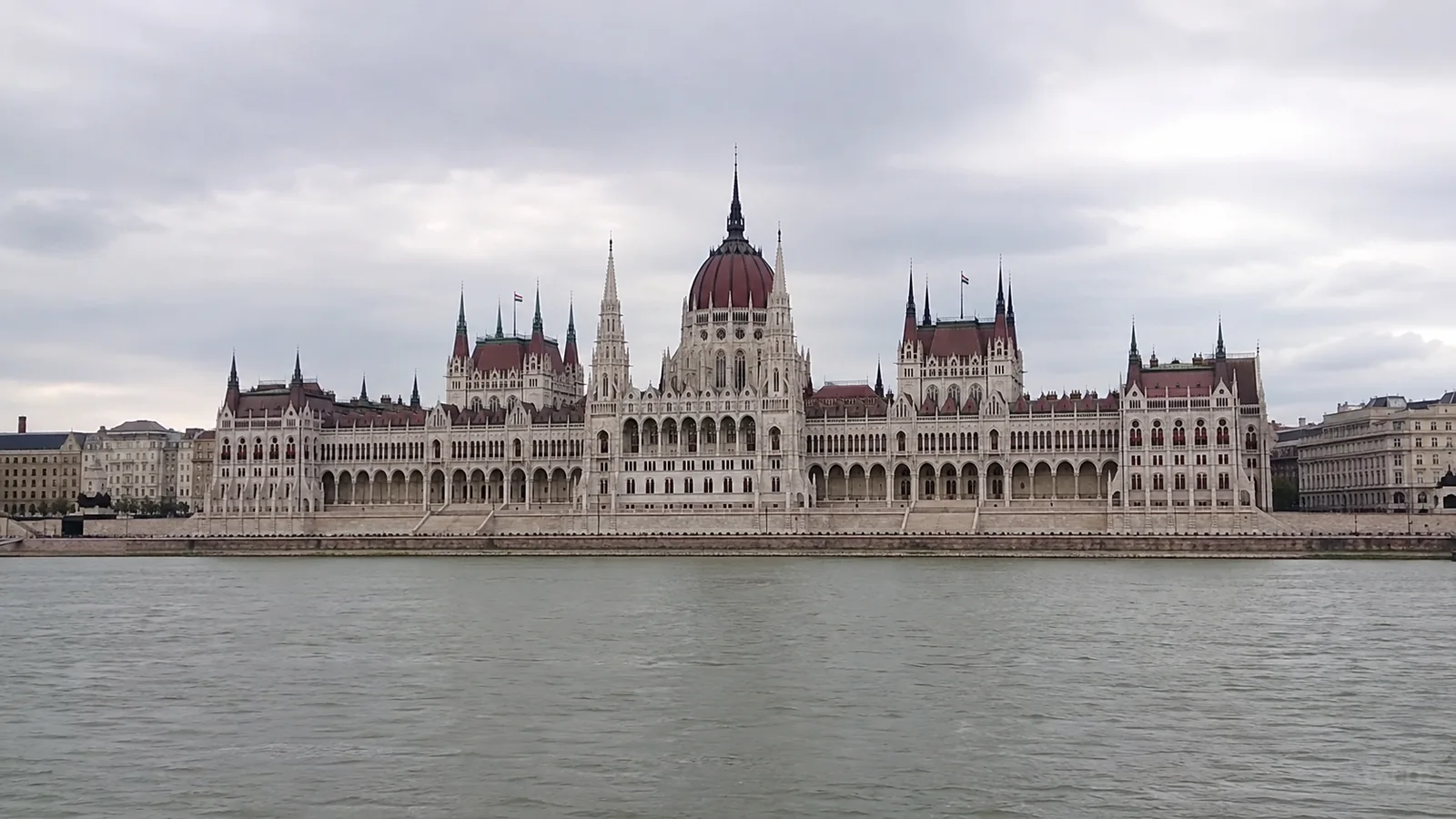
Budapest deserves two hotel nights beyond the sailing for Parliament views, Buda hills, baths, markets, Jewish history, and unhurried evenings. Confirm the dock because Danube ships use several locations, and changes affect airport transfers and independent plans.
Vienna
Vienna can support museums, imperial sites, coffeehouses, music, markets, and neighborhoods over several days, yet cruise calls may offer only one long day. Pick one major interior sight and one district or concert instead of turning the city into a bus window.
Bratislava
Bratislava’s compact center makes it a pleasant walking port between larger capitals. Do not treat it as a lesser Vienna; focus on Slovak history, castle or hillside views, and time beyond the first souvenir streets.
Wachau Valley and Melk
The Wachau is the classic scenic-sailing section, with vineyard slopes, villages, ruins, and abbey excursions. Check the day’s sailing time so lunch, a massage, or a bus tour does not overlap the river view you most wanted.
Passau, Linz, and optional Salzburg
Passau provides a compact old town where three rivers meet, while Linz offers a genuine Austrian city beyond imperial nostalgia. Salzburg is often a long coach excursion from Linz or another port, so compare bus hours with what you would give up on the river.
Excursions require a daily priority
Included walking tours are valuable for orientation, but doing one every morning can become repetitive. Choose the guide when context matters, then allow independent time in ports with simple navigation and generous docking hours.
Active excursions can include cycling, hiking, or faster walking groups, but labels are line-specific. Ask for distance, elevation, surfaces, pace, restroom access, equipment, and whether the ship relocates while you are away.
Concerts, palace interiors, wine tastings, and all-day side trips often cost extra. Book the experiences that cannot be recreated during a free walk, and leave at least one afternoon unscheduled.
Budget beyond the cruise fare
Price airfare, pre-cruise hotel, transfers, gratuities, optional tours, premium drinks, laundry, travel insurance, and meals on land extensions. A more inclusive fare can beat a lower base price once daily choices are added.
Solo supplements vary by departure and category, sometimes dropping during promotions. Compare total single occupancy rather than assuming a tiny lower cabin is always the least expensive.
Carry a small amount of local currency where useful, but expect card acceptance in major ports. Hungary uses the forint and not the euro, and countries beyond the classic route add more currency and border questions.
Flights, documents, and arrival timing
Arrive at least one day before embarkation, preferably two in Budapest or Vienna. A river ship will not wait indefinitely for a delayed flight, and an unexpected dock change is easier to solve from a hotel than from an airport arrival hall.
Confirm the exact ship, dock, emergency contact, and transfer meeting point shortly before travel. “Budapest port” is not a complete address.
Carry a passport and verify validity, entry, visa, and authorization rules for every country on the itinerary and extension. Do not assume an operator checking documents removes the traveler’s responsibility, especially on Lower Danube routes that move among different border systems.
What to pack for the Danube
Bring broken-in walking shoes, a light waterproof layer, compact umbrella, breathable layers, sun protection, a secure day bag, refillable bottle, and any medication in original packaging. For spring and fall, add a warm midlayer and scarf; for Christmas markets, add a real insulated coat, gloves, hat, and water-resistant footwear.
Most ships dress casually by day and smart-casually at dinner, with no need for ocean-cruise formalwear. Laundry pricing and cabin storage vary, so use this cruise packing framework as a filter rather than bringing every item.
A European plug adapter does not change voltage. Check every appliance label, and leave high-wattage hair tools at home when the line prohibits them.
A six-step Danube booking plan
- Choose the segment: classic Upper Danube, Nuremberg extension, Lower Danube, grand route, or round-trip Budapest.
- Choose the season: spring greenery, summer daylight, fall touring, or Christmas markets.
- Compare total inclusions: tours, drinks, gratuities, transfers, bikes, Wi-Fi, and land-extension meals.
- Inspect the cabin: deck, window type, square footage, nearby public spaces, and rafting privacy.
- Read the disruption terms: understand buses, ship swaps, hotel substitutions, refunds, and insurance triggers.
- Protect the endpoints: add a pre-cruise hotel, verify documents, and save the final dock information.
Danube river cruise questions
What is the best first Danube cruise?
Choose seven nights between Passau or Vilshofen and Budapest, then add two hotel nights at one endpoint. It delivers Vienna, Bratislava, the Wachau, and Budapest without turning the vacation into a two-week historical marathon.
Which direction is better?
Direction matters less than flight convenience, port timing, and pre- or post-cruise plans. Compare the day-by-day schedule because eastbound and westbound versions can allocate different hours even when they list the same cities.
Are Danube cruises all-inclusive?
Usually not in one universal sense. Many include lodging, meals, Wi-Fi, selected drinks, and a daily tour, but gratuities, premium drinks, optional excursions, airport transfers, and land-extension meals vary.
Will low water ruin the cruise?
Not necessarily, but it can change the vessel, dock, route, or amount of coach travel. Choose an operator whose written response plan you can accept and insurance whose covered events you understand.
Is a Danube cruise good for limited mobility?
It can be, but the answer depends on gangways, rafting, elevator coverage, docks, coaches, cobblestones, and excursion design. Ask the line for specific accessibility information before paying a nonrefundable deposit.
The Danube is most rewarding when you book it as a sequence of real places connected by a working river. Choose the right segment, leave room around the guided tours, and accept that flexibility is part of river travel rather than a flaw hidden in the brochure.