Solo Travel in Amsterdam: Safety, Transport and 4-Day Plan
Amsterdam makes solo travel unusually manageable: major sights sit close together, public transportation is easy to use, and nobody blinks at one person in a cafe. The trick is choosing a base that matches your evenings, treating bicycles as traffic rather than scenery, and booking the handful of experiences that do not reward spontaneity.
Is Amsterdam good for solo travel?
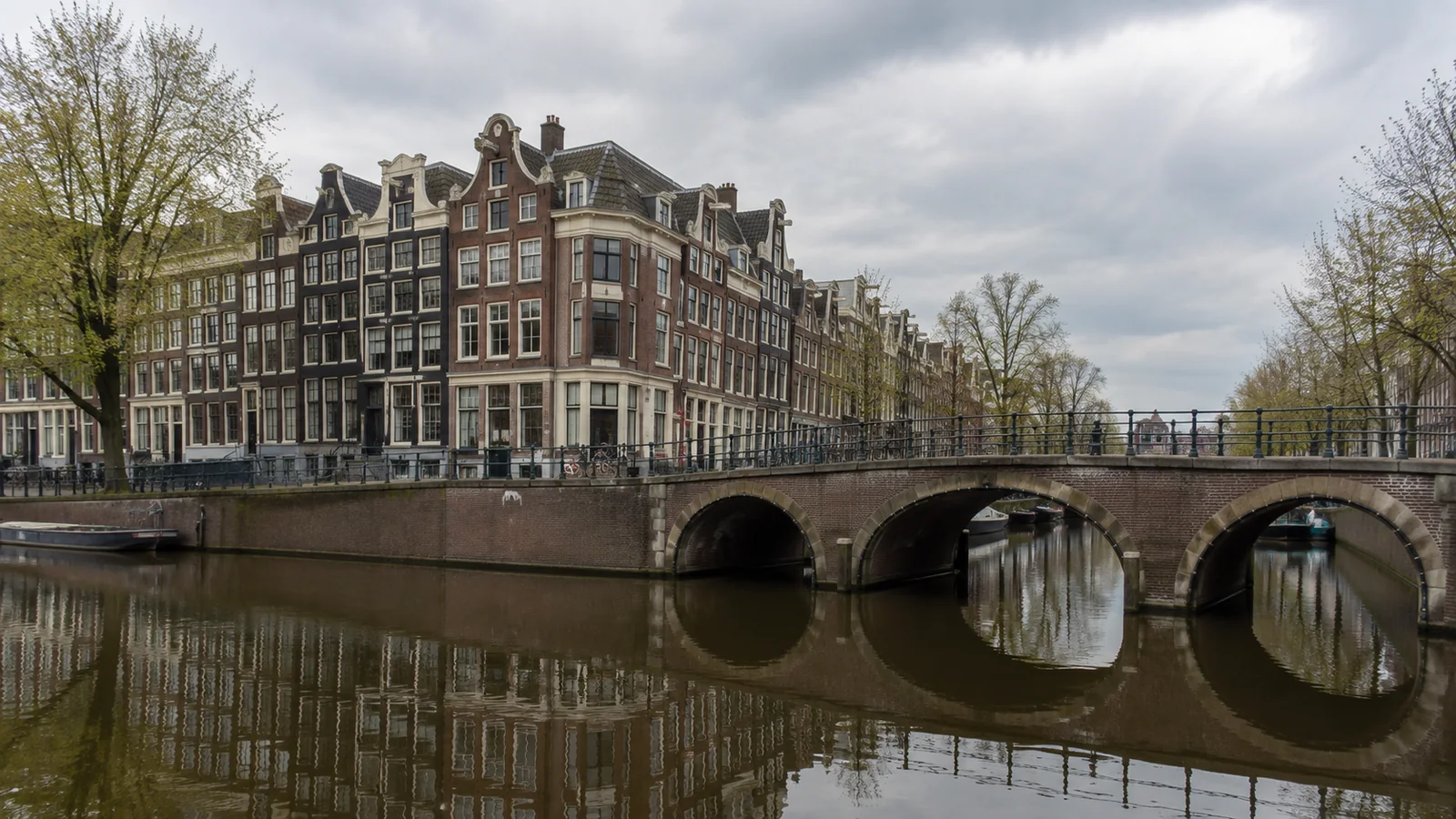
Yes, especially for a first independent European city trip. You can walk between many museums, canals, markets, and neighborhoods, then use trams or the metro when your feet submit a formal complaint.
It is not carefree in every respect. Crowds, bicycle lanes, canals without barriers, nightlife, pickpocketing, high room prices, and major events all require normal big-city judgment.
Three full days cover the headline sights, while four gives you room for neighborhoods, a day trip, or weather changes.
Where to stay alone
Canal Belt and Jordaan
This is the postcard choice, with photogenic streets, cafes, galleries, and walkable access to central sights. Rooms tend to cost more, historic stairs can be steep, and a picturesque canal house may not have an elevator.
Pick Jordaan for charm and quieter evenings, or the eastern and southern Canal Belt for central convenience beyond the busiest station-to-Dam corridor. Read recent noise reviews and check the exact tram stop, not merely the neighborhood name.
De Pijp
De Pijp suits food-focused travelers who want a lively residential base near Albert Cuyp Market and good metro and tram connections. It can be busy around bars, but it feels less like sleeping inside the attraction district.
Oud-West and Museum Quarter
Oud-West balances restaurants, parks, and access to the center, while the Museum Quarter is ideal when the Rijksmuseum, Van Gogh Museum, and Concertgebouw lead the wish list. The latter becomes quieter at night, so confirm the late route home if nightlife matters.
Oost and Noord
Oost offers a more local rhythm, green space, restaurants, and useful transit. Noord can offer more room and a different city view, with free ferries from behind Centraal Station, but the exact property may require a bus or a longer walk after the crossing.
For a first short visit, prioritize a well-reviewed property within a few minutes of frequent transit over the lowest map price. A bargain that requires two night connections is mostly selling you a new hobby.
Entry rules
Requirements depend on nationality, residence status, passport, trip length, and the full route through the Schengen Area. Check Dutch and EU rules before paying for nonrefundable travel, even if a previous visit required only a passport.
The European Entry/Exit System is fully operational at external Schengen borders for eligible non-EU short-stay travelers. The official Dutch EES explanation covers the passport and biometric registration process that now replaces routine passport stamping for covered travelers.
ETIAS is a different system, and the Dutch government says it is not yet operating or accepting applications as of this check. Ignore websites selling a nonexistent authorization, then verify the official status again shortly before departure.
Allow time for border processing, carry proof of onward travel and accommodation when applicable, and keep insurance and emergency details offline. Transit-country rules can apply even when Amsterdam is the destination.

From Schiphol Airport to Amsterdam
The airport railway station is directly beneath Schiphol Plaza. According to Schiphol’s current train guidance, trains connect Amsterdam Centraal and the airport frequently, with the direct trip taking about 17 minutes under normal operations.
Do not assume Centraal is the best stop for every hotel. Properties in De Pijp, Oud-Zuid, or Oud-West may be simpler via Amsterdam Zuid, Lelylaan, a bus, or a transfer shown in the official journey planner.
For a taxi, use the official rank or a clearly designated prebooked pickup. Keep your bag controlled while buying a ticket, collecting luggage, using a machine, or standing in a crowd, because transition moments are excellent office hours for thieves.
Getting around without becoming bicycle folklore
Walking
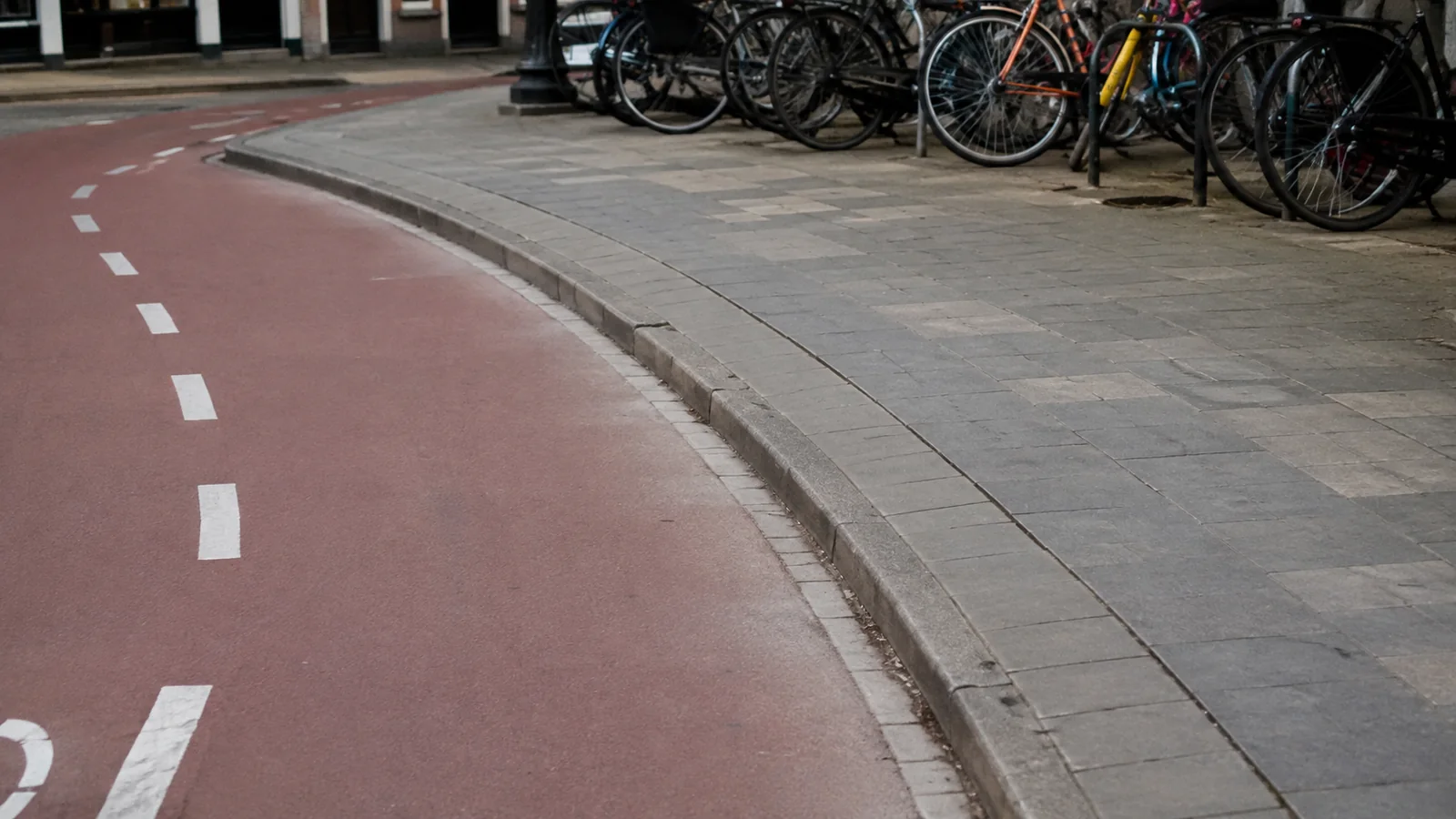
Walking is the best way to understand the compact center, but intersections may include cars, trams, bicycles, scooters, and pedestrians moving on separate signals. Red pavement often marks a bike path, not an invitation to admire the canal from the middle of it.
Look in both directions before crossing, obey signals, and step aside before checking the phone. Canal edges can be unguarded and dark, so take extra care after drinking, in rain, and while photographing at night.
Trams, metro, buses, trains, and ferries
Amsterdam’s system is practical for solo travelers because contactless OVpay works across much of Dutch public transportation. The official I amsterdam transport overview explains trams, metro, buses, trains, and the free GVB ferries across the IJ.
Tap in and out with the same physical card or same phone wallet, including on trains. A phone and its linked plastic card may represent different payment tokens, which is a surprisingly expensive little identity crisis.
Compare pay-as-you-go fares with current day or visitor passes based on the services you will actually use. Some passes cover only particular operators or zones, so never buy one simply because the word “unlimited” looks comforting.
Cycling
Rent a bicycle only if you already ride confidently in traffic, can signal and look behind without swerving, and understand local signs. Amsterdam is a transportation network, not a beginner cycling lesson with prettier bridges.
Do not use a phone while riding, stop in moving lanes, follow another cyclist through a red light, or cross tram rails at a shallow angle. Use the supplied locks correctly and ask the rental shop where parking is legal.
Solo safety and late nights
As checked September 4, 2026, the U.S. State Department advisory places the Netherlands at Level 2 due to terrorism. It also identifies pickpocketing, purse snatching, passport theft, scams, and crimes of opportunity in tourist areas and on transportation.
A level applies nationally and does not predict what will happen on one street. Stay alert around Centraal Station, crowded trams, markets, nightlife areas, ticket machines, and major events, while also monitoring local news and transport notices.
- Keep the passport and backup card separate from daily cash.
- Zip the day bag and keep it in front in dense crowds.
- Never hang a phone or purse loosely from a cafe chair.
- Save the accommodation address and route offline.
- Tell a trusted person when plans change substantially.
- Use 112 for police, fire, or medical emergencies.
- Leave any situation that feels wrong without worrying about politeness.
Solo women should plan the return before the evening begins, keep drinks controlled, and use staffed venues and well-lit routes. Amsterdam is not one uniform safety zone, and comfort can change with crowds, construction, events, or the last tram.
A registered hotel or well-reviewed hostel with 24-hour reception can be worth more than an isolated bargain. Confirm the entrance, after-hours procedure, locker size, elevator, and whether a dorm is mixed or women-only before booking.
Red Light District, cannabis, and respectful behavior
De Wallen is a lived and worked neighborhood, not an adult theme park. The City of Amsterdam’s visitor conduct guidance explicitly says not to photograph sex workers, and ordinary consent still applies everywhere else.
Follow posted restrictions on public alcohol and cannabis smoking, keep noise down, use restrooms, and never buy drugs from a street dealer. Dutch tolerance policy is not the same as blanket legalization, and carrying cannabis across an international border remains illegal.
If you choose a licensed coffeeshop, understand what is being sold, start cautiously, do not combine intoxicants, and do not bicycle afterward. A solo traveler has no designated sensible friend unless one is deliberately arranged.
Meeting people without surrendering the itinerary
For a low-pressure social start, I would book the small-group Amsterdam Walking Tour listed by I amsterdam on Day 1. A shared walk gives you something to talk about, a defined finish, and useful orientation without committing your evening to strangers.
Choose a small walking, food, canal, or museum tour early in the stay, or book a hostel with optional social events. Daytime activities create easier conversation and a natural finish, which is useful when the group chemistry has the sparkle of damp cardboard.
Sit at a bar counter, join a workshop, or attend a concert, but keep the accommodation and detailed schedule private from new acquaintances. The first-time solo travel tips can help with boundaries, light packing, and communication planning before departure.
Booking museums and canal cruises
The reservations I would build around
For Day 2, choose the Rijksmuseum if you want Dutch history and a broad collection including Rembrandt and Vermeer; I would allow 2 to 3 hours for selected highlights. Choose the Van Gogh Museum instead for a focused visit centered on one artist’s work and life, with about 90 minutes to two hours as a comfortable first-visit allowance.
My default is Rijksmuseum on Day 2 and Anne Frank House on Day 3, giving you art and historical context without stacking two major museums into one afternoon. Book official timed entry and leave space afterward for a walk and a quiet coffee.
Anne Frank House releases tickets every Tuesday at 10:00 a.m. Amsterdam time for visits six weeks later. Buy only through its official site, including tickets for children; allow roughly an hour for the museum itself and additional time if you choose the introductory program.
The museum currently announces closures September 21 through 24, 2026, so travelers on those dates need a different anchor. Its historic stairs are steep, and visitors with mobility needs should review the museum’s access information before booking.
Reserve must-see museums on their official websites before the trip, particularly when visiting on a weekend, holiday, or during a major event. Timed admission can sell out, and a reseller promising a miracle may simply be selling a lesson.
Book the most important timed sight first, then build nearby activities around it. Leave room between reservations for security, transit disruption, lunch, and the inevitable canal photo that turns into twelve.
For a cruise, compare departure pier, boat size, covered or open seating, accessibility, live guide versus recording, cancellation terms, and drinks rather than chasing the shortest price. Daylight gives architectural detail; evening brings atmosphere and colder air.
Budget for the expensive parts
Amsterdam can be costly for solo travelers because no companion splits the room. Price accommodation, city tax, breakfast, airport transport, local transit, museum tickets, tours, meals, luggage storage, insurance, and a disruption reserve in euros.
Save by staying near useful transit rather than on the most famous canal, choosing lunch as the main restaurant meal, and mixing ticketed museums with markets, parks, ferries, and neighborhood walks. The broader travel planning tips are useful for separating real priorities from purchases made by itinerary panic.
Some places may not accept cash, so carry a second payment method and understand foreign transaction and ATM fees.
When to visit
Spring brings flowers and demand, summer offers long days and heavy crowds, fall can feel calmer and wetter, and winter means short daylight with cozy indoor options. Weather changes quickly in every season, so pack for wind and rain rather than negotiating with a forecast screenshot.
Weekdays generally help with the busiest attractions, but conferences, concerts, holidays, and festivals can transform price and availability. Search the city events calendar and the exact museum dates before choosing flights.
A flexible 4-day solo itinerary
Day 1: orientation and canals
Check in, learn the nearest transit stops, walk the Canal Belt in daylight, and take a canal cruise. Keep the evening close to the accommodation while jet lag decides which version of you arrived.
Day 2: Museum Quarter and De Pijp
Use your Rijksmuseum reservation as the morning anchor, or substitute Van Gogh if that collection excites you more. Keep the afternoon for De Pijp and a relaxed meal rather than booking another major museum immediately afterward.
Book one major museum in the morning, allow a real lunch, and explore De Pijp or Vondelpark afterward. Add a second museum only if it is a genuine priority.
Day 3: Jordaan and the historic center
Place your Anne Frank House ticket here if available, then walk the Jordaan at an unhurried pace. If the museum is sold out, keep the neighborhood plan and choose another officially bookable historical visit rather than trusting a reseller’s promise of entry.
Walk Jordaan, browse independent streets, and visit another reserved sight. See De Wallen by daylight or early evening if interested, observing local rules and worker privacy.
Day 4: Noord, Oost, or a day trip
Ride a free ferry to Noord, explore Oost, or take a train to Haarlem, Utrecht, Leiden, or another nearby city. Check the return service and choose one outing instead of collecting train stations.
What to pack
- Comfortable shoes with grip for wet paving stones.
- A light waterproof shell and compact umbrella.
- Thin layers for wind, shade, and heated interiors.
- A zipped day bag that stays close in crowds.
- Portable power, charging adapter, and offline maps.
- Necessary medication in compliant original packaging.
- A reusable bottle and small payment backup.
Pack only what you can carry up stairs and through train gates without assistance. The women’s travel essentials list offers ideas, but Amsterdam rewards a compact bag more than a backup outfit for every canal.
Final checks before going solo
- Verify passport, EES, ETIAS, visa, and transit rules.
- Reserve the room and highest-priority timed attractions.
- Check airport engineering work and the final connection.
- Download bookings, maps, and emergency contacts.
- Review travel insurance and medication requirements.
- Confirm the late route home before going out.
Amsterdam works beautifully alone when the important pieces are fixed and the days are not packed solid. Choose a sensible base, respect the city’s traffic and residents, protect the small valuables, and let one unplanned cafe stop become part of the itinerary.