Blooming Point Beach: Access, Safety and What to Expect
Blooming Point is an unserviced north-shore beach, not a managed resort stop. Visit with a clear route, everything you need for the day, respect for dunes and private property, and a conservative plan for surf, wind, and the beach’s long-established clothing-optional section.
What Blooming Point Is, and Is Not
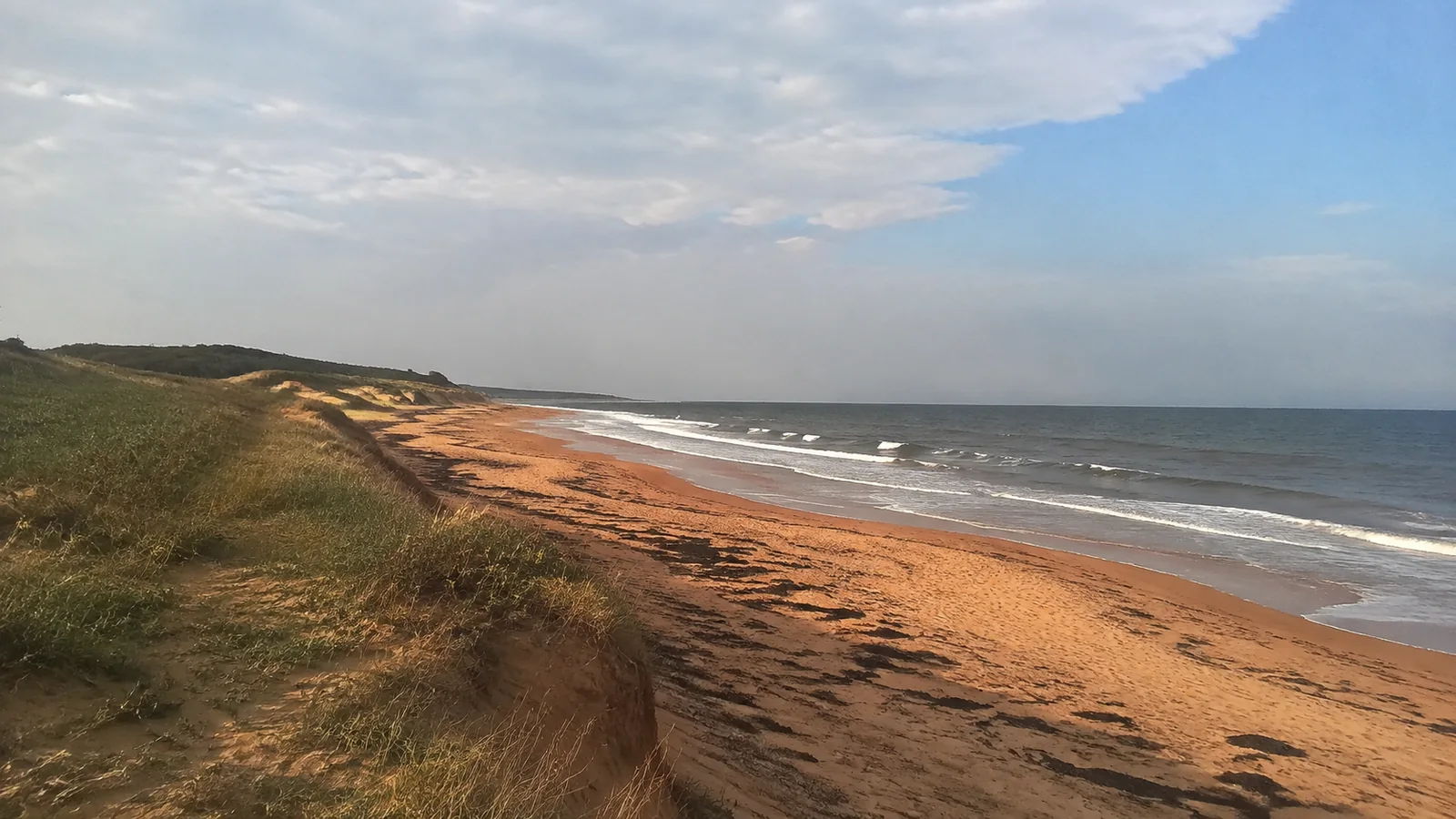
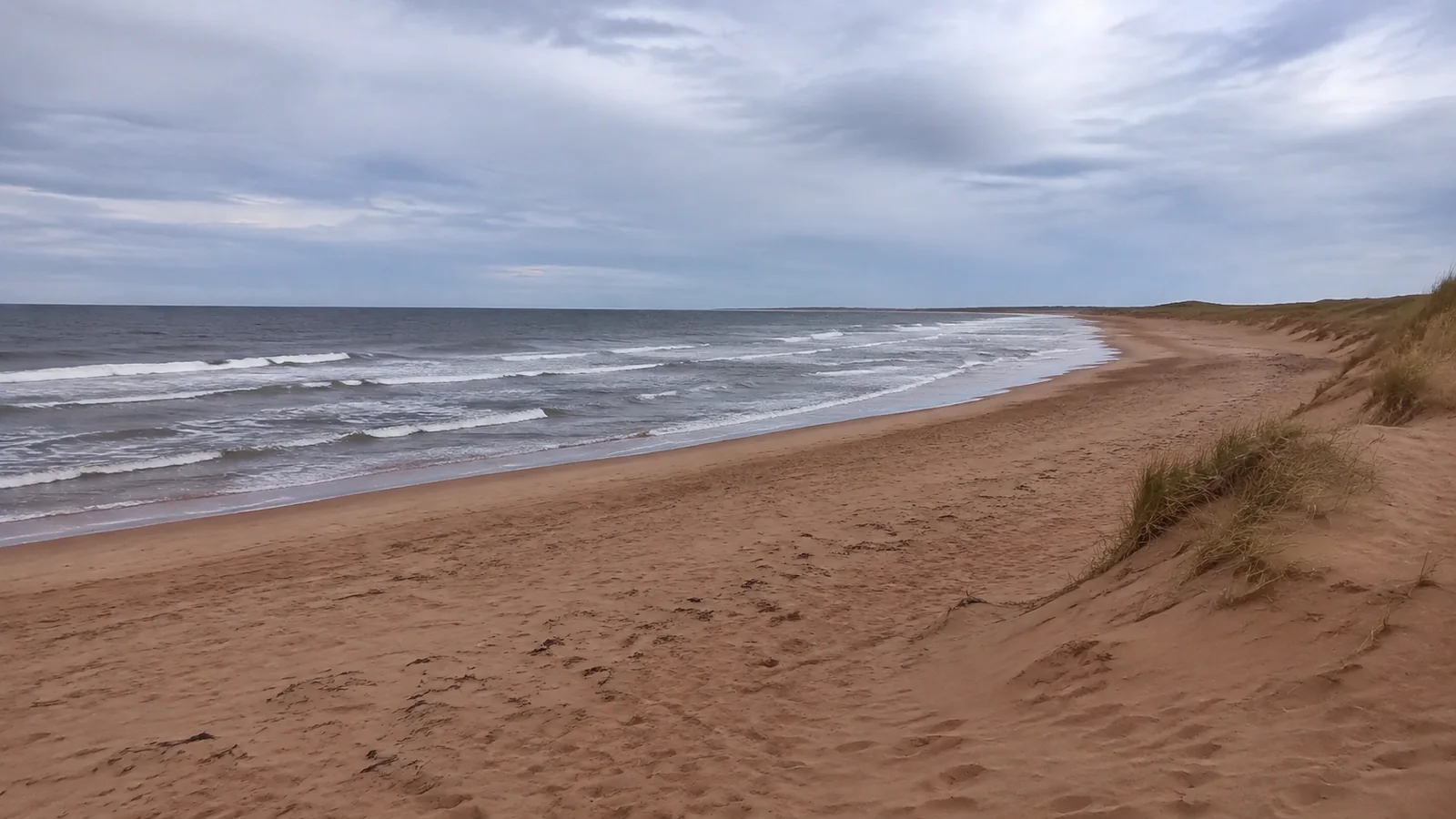
Blooming Point Beach sits on Prince Edward Island’s north shore near Mount Stewart and the eastern end of the national park coastline. Its appeal is a long sandy shore and a quieter, less-developed feel than the island’s major park beaches.
That quiet comes with a real tradeoff. The regional destination listing says there are no facilities, so do not expect washrooms, changing rooms, food, drinking water, a staffed gate, beach wheelchairs, or dependable surf supervision.
- Best for: prepared adults, long walks, quiet beach time, and flexible road trips.
- Not ideal for: visitors who need accessible infrastructure, guaranteed toilets, or lifeguards.
- Best timing: a calm summer morning after checking weather and surf.
- Best backup: a serviced national or provincial park beach.
The official Points East Coastal Drive listing describes white sand, asks visitors to stay on paths over the dunes, and notes both the absence of facilities and a section reserved for naturists. Check the current Blooming Point Beach listing before leaving because access conditions and local guidance can change.
Find the Public Route Carefully
The regional tourism listing places Blooming Point Beach at 342 Macdonald Road, reached via Blooming Point Road, Route 218. Save Macdonald Road as your approach rather than navigating to the sandbar or a cottage address.
I could verify the approach road but could not confirm a currently designated public parking parcel, an official access-walk distance, or a legally defined naturist boundary. The listing identifies established dune paths, but it is not a parking authorization or a surveyed walking map.
Visitor accounts generally place conventional beach use near the entrance and the naturist section farther left, westward when facing the water; treat that as informal orientation rather than a marked boundary. I would stay near the access for a short first visit, keep swimwear on until any local designation is clear, and leave if a lawful space and open path cannot be established.
Save the destination listing and exact road approach before cell service becomes uncertain. A beach name in a navigation app does not prove that the nearest driveway, cottage stairs, lane, or sandy track is public.
Use the established approach, obey signs, and turn around if a route crosses private land or is blocked. Never park in front of a gate, along a narrow turnaround, on dune vegetation, or where emergency and local vehicles cannot pass.
Arrive in daylight so you can understand the return route before sunset. Photographing the legal access from the beach side can help when dunes make the exit look similar to several private paths.
Do not count on a large paved lot or a level unloading zone. If parking is full or the road edge is soft, continue to a managed alternative instead of creating a new space.
Plan for Zero Facilities
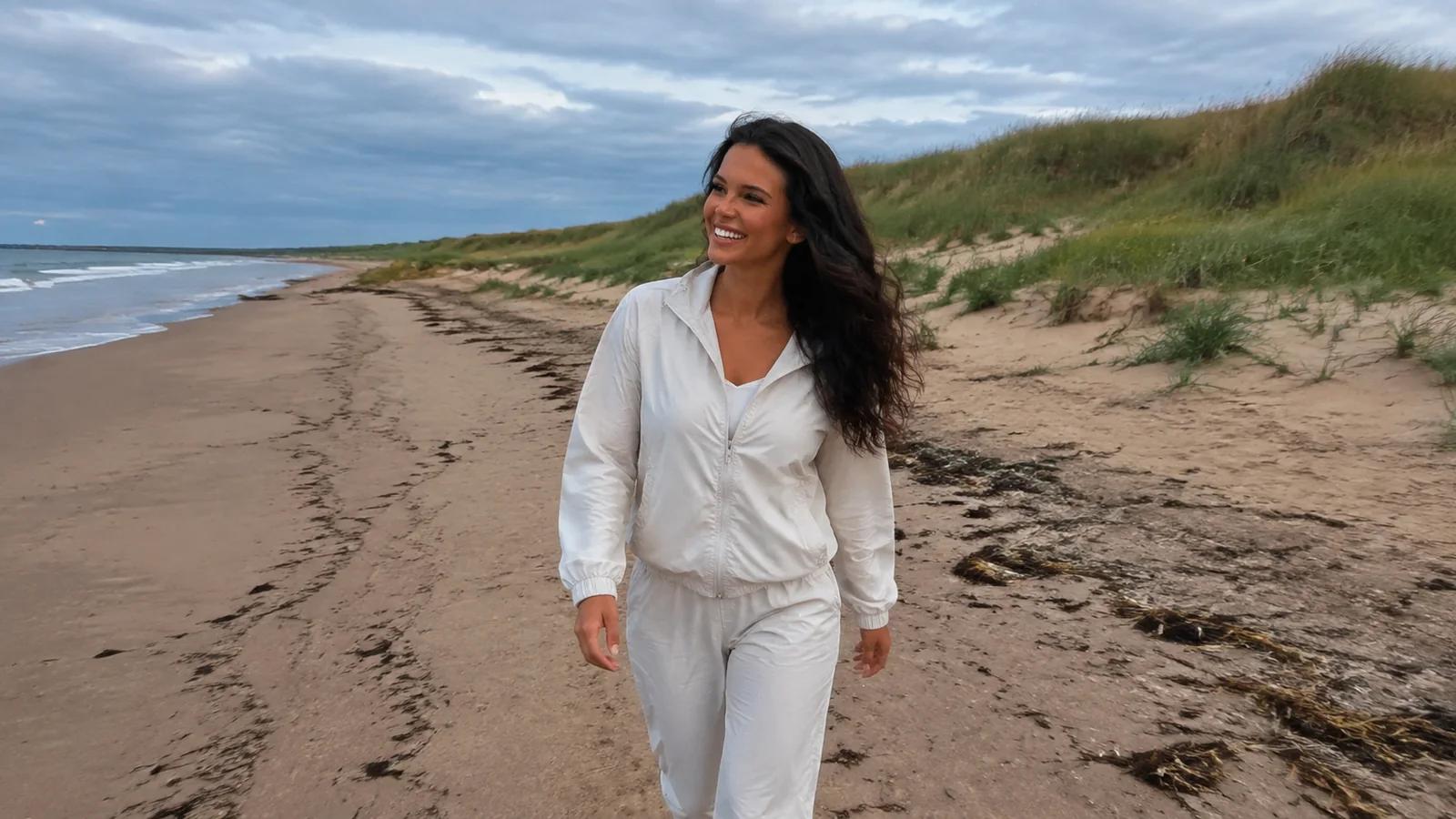
Use a restroom, fill water bottles, buy food, and top up fuel before the final approach. Bring all trash out, including food scraps, dog waste, tissues, and items that seem biodegradable.
A short visit can still require sun protection, insect repellent, a warm layer, water shoes, first-aid supplies, and a dry bag. North-shore wind can make a pleasant afternoon feel chilly as soon as clouds arrive.
There is no responsible way to improvise a toilet beside a busy access path or sensitive dune. Travelers who cannot comfortably manage an unserviced beach should choose a park with confirmed washrooms.
For a broader comparison of supervised, serviced, provincial, national-park, and unserviced shores, use this Prince Edward Island beach planner. Blooming Point earns its place through quiet, not amenities.
Understand the Clothing-Optional Section
Part of Blooming Point has a long-standing clothing-optional use noted by the regional destination organization. That does not mean the entire beach is clothing optional, and it does not excuse intrusive behavior from either clothed or unclothed visitors.
Families and travelers who prefer to avoid that section should remain near the conventional access area and watch for current local cues. Do not photograph or record people without clear permission, stare, make jokes, or treat naturists as an attraction.
Visitors choosing that area should keep a generous distance from others and follow every rule that applies elsewhere on the shore. Consent, personal space, dune protection, litter rules, and public conduct still matter.
If anyone in the group is uncomfortable, select another beach before arrival rather than trying to negotiate the issue on the sand. Cavendish Beach offers a very different, managed national-park experience with clearer seasonal services.
Protect the Dunes
PEI dunes are built and stabilized by wind, sand, and plants such as marram grass. Foot traffic outside established paths breaks vegetation, opens erosion channels, and can damage the very landscape that makes the beach attractive.
Cross only on the established route, keep children beside you, and never climb dune faces for a photograph. Do not drag coolers through grass or create a shortcut because the official path feels longer.
Leave driftwood, plants, nests, and wildlife undisturbed. A quiet beach is still habitat, not an empty recreation lot.
Piping plover nesting can bring signed closures elsewhere along PEI’s north shore, and Parks Canada explains that posted nesting areas are closed to public travel. Even outside the park boundary, treat any wildlife sign or barrier as a firm limit and give small shorebirds abundant space.
Swimming Is Unsupervised and Conditions Change
The Gulf of St. Lawrence can look calm from the dunes while waves, current, cold water, or an offshore wind make swimming unsafe. Never infer safety from other people being in the water.
Check the forecast and surf before driving out, then reassess from shore. If waves are breaking hard, wind is carrying objects offshore, thunder is audible, or the water has unusual color or debris, stay on land.
Parks Canada’s current PEI water-safety guidance explains rip currents, cold-water risk, supervision, and open-water hazards even though Blooming Point is not presented as a staffed national-park beach. The principles apply anywhere along this exposed coast.
Keep children within immediate reach and swim with another capable person. A flotation toy is not rescue equipment, and an inflatable lounger can move offshore much faster than a swimmer expects.
In 2026, Parks Canada bans pool floaties in PEI National Park beach waters while still allowing appropriate child flotation aids with an adult within arm’s length. At Blooming Point, the safer choice is also to leave large inflatables at the rental and use a properly fitted life jacket where appropriate.
Wind, Weather, and Water Temperature
PEI’s surrounding waters moderate the climate but also contribute to frequent breeze and occasional strong wind. The provincial climate overview points visitors toward current forecasts rather than suggesting one reliable beach pattern.
July and August provide the easiest odds for warm sand and comfortable air, not a guarantee of calm or warm water. June and September can be beautiful for walking, but a waterproof shell and insulating layer belong in the bag.
Fog, smoke, thunderstorms, and tropical-system remnants can change visibility and road conditions. Keep one managed-beach or indoor plan available instead of forcing Blooming Point into the schedule.
After major wind or rain, access can be muddy, eroded, or temporarily restricted. The Government of PEI posts current road disruptions through its alerts system, which should be checked again on departure day.
Dogs Require More Planning
Do not rely on an old review to decide whether a dog is permitted or can be off leash. Check current signs and local requirements at the access, then keep the dog controlled around people, wildlife, and nesting areas.
Carry water, a bowl, waste bags, and a towel, and prevent digging in dunes. Hot sand, salt water, sharp shells, ticks, and long sun exposure can turn a beach outing into a veterinary problem.
National-park beaches have their own seasonal pet restrictions, so moving to a backup beach requires a fresh rules check. The fact that two beaches share the same coastline does not make their dog policies interchangeable.
Accessibility and Family Fit
Blooming Point is a poor choice when the trip depends on a firm path, accessible toilet, designated parking space, or mobility equipment. Sand, dune crossings, uncertain parking, and the lack of services create several independent barriers.
Families who do visit should pack light and assign one adult to children while another handles gear. The clothing-optional section, unguarded water, and absence of toilets are manageable only when everyone knows what to expect.
A managed beach can be the more relaxing choice without being less adventurous. The best family day is the one where water safety, bathroom needs, shade, and the walk back to the car are all solved before the towels come out.
What to Bring
- Drinking water, lunch, and extra snacks with no expectation of a vendor.
- A waterproof shell, warm layer, sun hat, sunscreen, and insect repellent.
- Secure water shoes and dry clothes for every child.
- A compact first-aid kit, charged phone, car charger, and offline map.
- Trash bags and a waterproof pouch for keys and electronics.
- A small umbrella or shade shelter only if wind permits safe anchoring.
Avoid glass, oversized inflatables, loud speakers, and heavy setups that encourage trampling a shortcut. Everything carried in must make the same uneven return to the vehicle.
A Simple Half-Day Plan
Check road alerts, forecast, and surf before breakfast, then use facilities and buy supplies in a larger community. Arrive early, confirm the public approach, and walk the shore before choosing a place to settle.
Swim only if conditions and ability align, leave the clothing-optional section to consenting visitors, and turn back before weather or daylight becomes a concern. Finish with food in Mount Stewart or Charlottetown rather than expecting a beach concession.
On a longer eastern PEI loop, compare this unserviced stop with a provincial park such as the one covered in this Sally’s Beach planner. Choose one beach for depth instead of collecting several nearly identical sand stops.
When to Skip Blooming Point
Skip it when the access is unclear, parking is full, a closure is posted, surf is rough, thunder is nearby, or anyone needs dependable facilities. No quiet-beach promise is worth damaging dunes, trespassing, or stretching a swimmer’s ability.
Also skip it if the clothing-optional section will cause conflict within the group. PEI has enough managed alternatives that nobody needs to feel surprised or uncomfortable.

The Honest Bottom Line
Blooming Point is worth visiting for a self-sufficient traveler who values space, long sand, and a low-key north-shore setting. Its limitations are the point: no facilities, no guaranteed supervision, fragile dunes, uncertain daily conditions, and a naturist section that deserves privacy and respect.