Vancouver Island Road Trip: Victoria, Tofino, and the Stops Between
I like a trip that makes room for both a city dinner and a windswept beach, and Vancouver Island does that beautifully.
I would give this route a week, spend real time in Victoria and on the wild west coast, and let the old-growth forest in the middle be part of the trip instead of something you notice while checking the arrival time.
The Seven-Day Vancouver Island Route
- Day 1: Victoria
- Day 2: Victoria and the southern island
- Day 3: Victoria to Nanaimo or Parksville
- Day 4: Cathedral Grove and Highway 4 to Ucluelet or Tofino
- Day 5: Pacific Rim National Park Reserve
- Day 6: Tofino and Ucluelet
- Day 7: flexible west-coast morning and return east
I would not add the northern half of Vancouver Island to this week unless you remove something else. Distances expand quickly once you start chasing every coastline on the island.
If you are driving south from British Columbia into the United States afterward, my Vancouver to San Francisco road trip can carry the route farther down the Pacific coast. This itinerary keeps Vancouver Island itself from becoming a side trip.
Day 1: Victoria
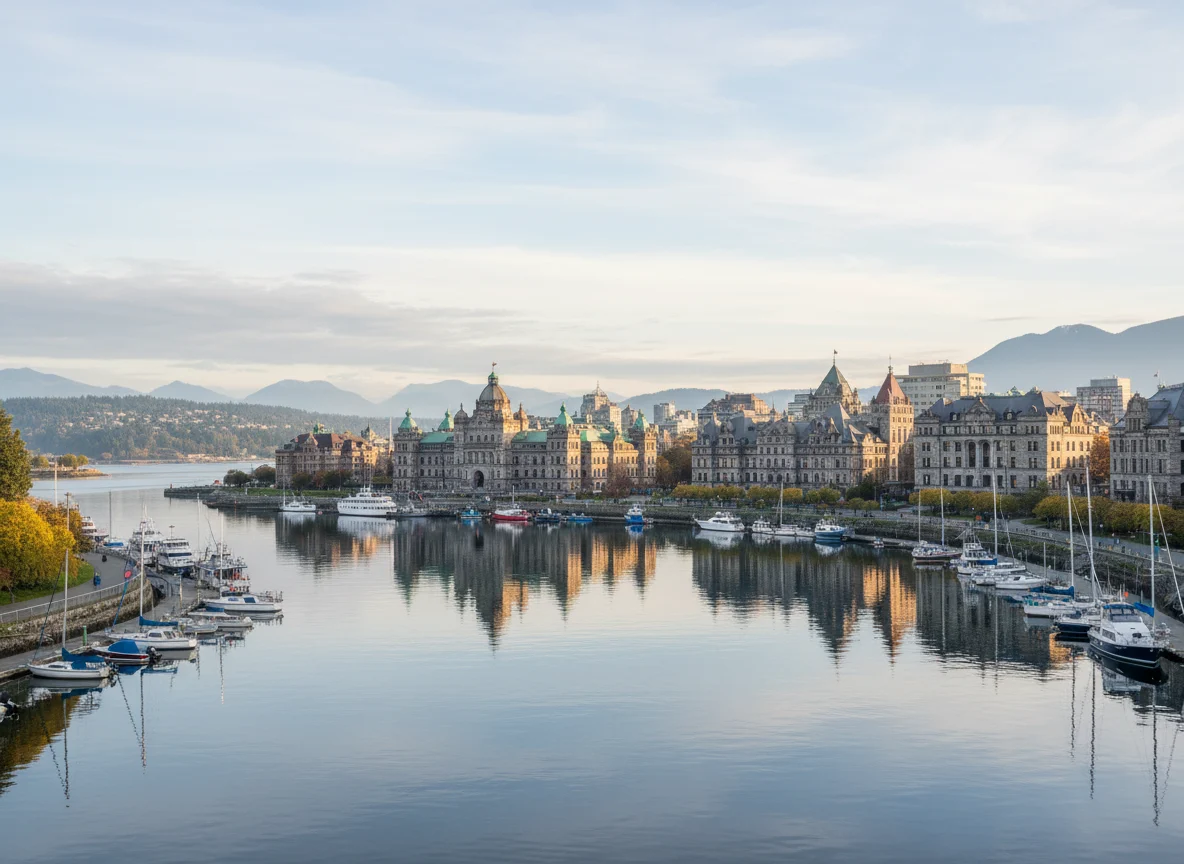
Victoria deserves an arrival day with the car mostly parked. Walk the Inner Harbour, choose one museum or garden if that interests you, and save the long island driving for when you are rested.
Stay somewhere walkable
The city center is compact enough that location can save repeated parking decisions. I would rather walk to dinner than pay less for a room that requires another drive every time I want coffee.
Let the waterfront be the first attraction
The Inner Harbour gives you a sense of place immediately without needing a timed ticket. Keep the first afternoon deliberately loose if ferry, flight, or border timing made your arrival unpredictable.
Day 2: Victoria and Southern Vancouver Island
Use today for whichever Victoria experience actually matters to you, whether that is gardens, history, food, shoreline scenery, or a whale-watching trip. One substantial outing plus city time is plenty.
If you book a whale-watching trip
Use a reputable operator that follows current wildlife-viewing rules and leaves appropriate distance. Ocean conditions can alter or cancel departures, so I would not stack another nonrefundable activity immediately afterward.
Have one nice dinner
Victoria is a good place to make a reservation because you will have simpler coastal meals later. Then enjoy a second night without unpacking somewhere new.
Day 3: Victoria to Nanaimo or Parksville
Begin moving north along the east side of the island and keep the day easier than the west-coast crossing tomorrow. Cowichan Valley towns, coastal stops, and Nanaimo all give you options without requiring a giant detour.
Choose one mid-island stop
A farm, winery, waterfront, or small town is enough for the middle of the day. Trying to sample every community between Victoria and Nanaimo turns a relaxed island drive into constant braking.
Stay in Nanaimo or Parksville
Nanaimo is the practical choice for restaurants and ferry connections, while Parksville works well if beaches and a quieter evening matter more. Either positions you for an early start west.
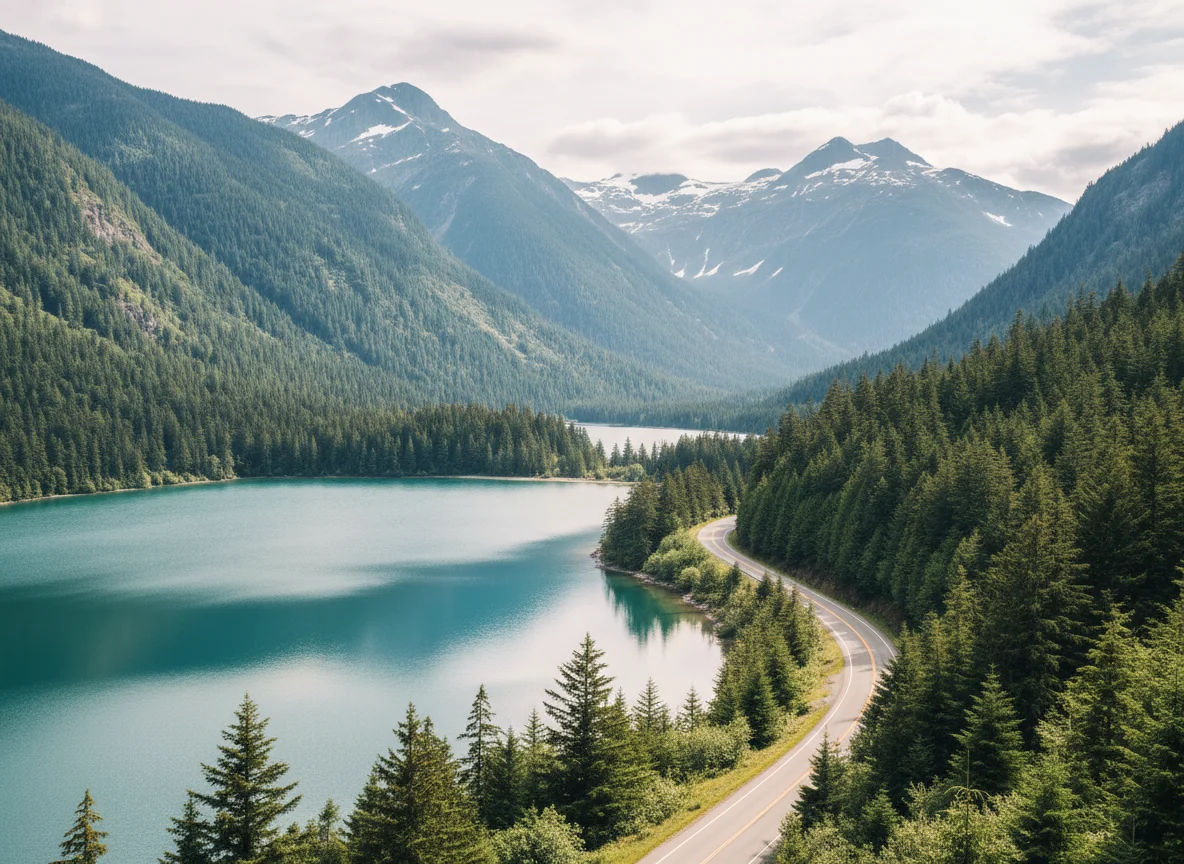
Day 4: Cross the Island to Tofino and Ucluelet
Highway 4 is the only main road connection to the Tofino-Ucluelet region, and this is the day when I would build extra time into every estimate. Parks Canada describes the final 108-kilometre stretch from Port Alberni as steep, twisting, and at least ninety minutes even before stops or traffic.
Check DriveBC before departure
Use DriveBC for the current road status, construction, wildfire impacts, delays, and closures. The Pacific Rim National Park Reserve specifically directs visitors there rather than relying only on navigation apps.
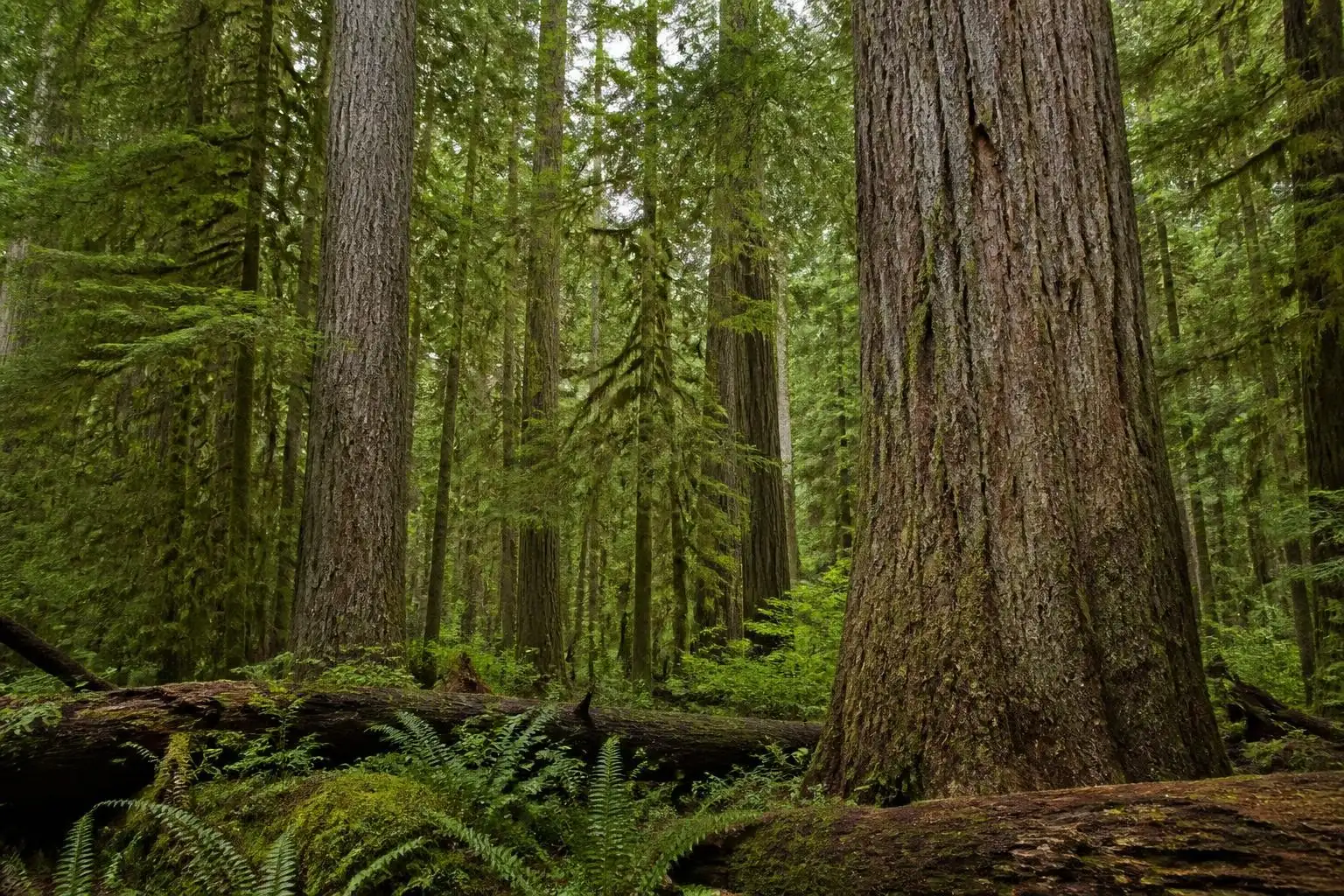
Stop at Cathedral Grove if conditions allow
MacMillan Provincial Park protects impressive old-growth Douglas fir and western red cedar beside Highway 4. Parking can be crowded, so skip the stop rather than creating a dangerous roadside situation when legal spaces are full.
Reach the west coast with daylight
The road west is winding enough that I would avoid finishing it after a tiring full day of detours. Check into Tofino or Ucluelet and let the first beach or harbor walk be your reward.
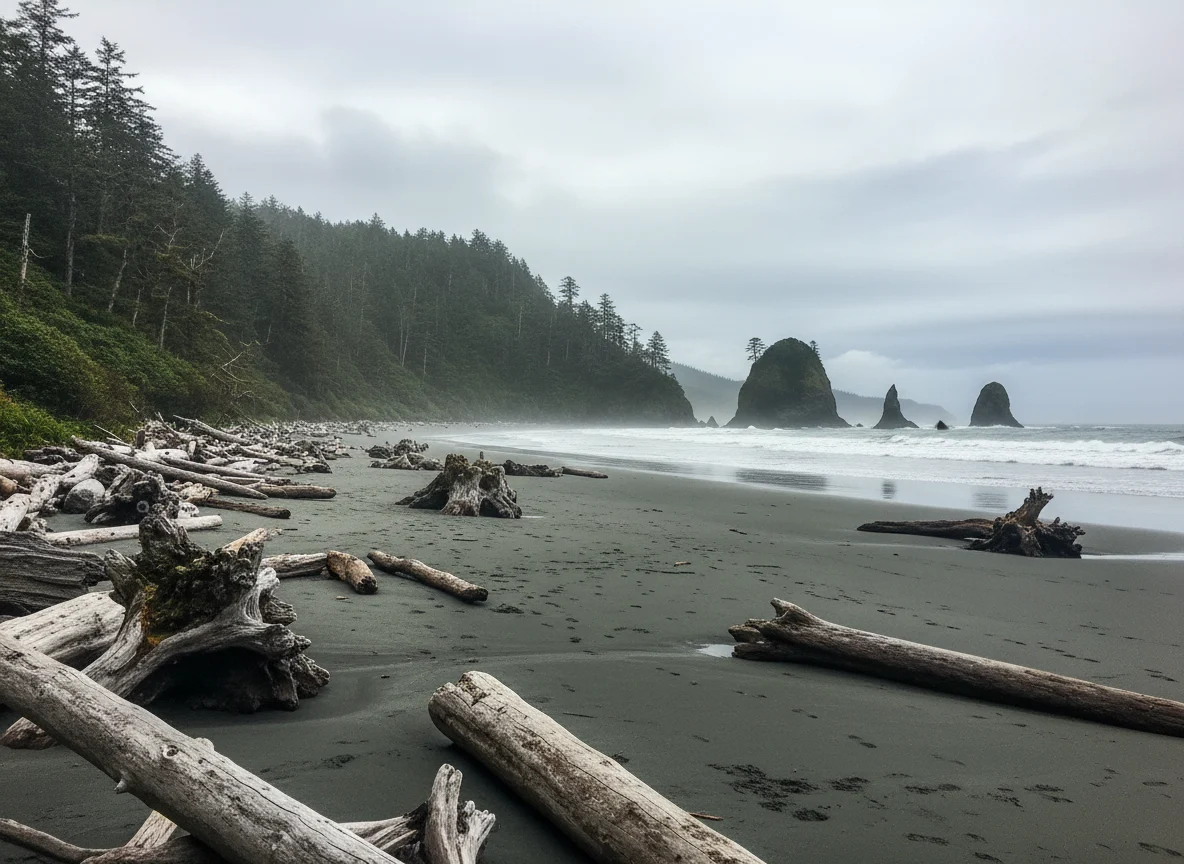
Day 5: Pacific Rim National Park Reserve
The Long Beach Unit sits between Tofino and Ucluelet and gives you beaches, temperate rain forest, and an excellent multi-use trail. A valid national park entry pass is required when you stop in the park.
Check live closures first
The Parks Canada Pacific Rim page posts wildlife warnings, trail conditions, cultural closures, and infrastructure updates. Temporary closures can be highly specific, which is why I would choose today’s stops over breakfast instead of six months earlier.
In 2026, for example, individual Long Beach areas have closed temporarily for cultural events, while Schooner Cove Trail remains closed until further notice. The details will change, but the habit of checking should not.
Spend time on the beach
Long Beach is not a single five-minute viewpoint. Walk, watch surfers, look for wildlife from a responsible distance, and let the Pacific weather be part of the day.
Wildlife rules matter
Wolves, bears, and other wildlife use the Long Beach area, and Parks Canada may close areas or prohibit dogs where risk increases. Follow posted restrictions and never approach wildlife for a better photograph.
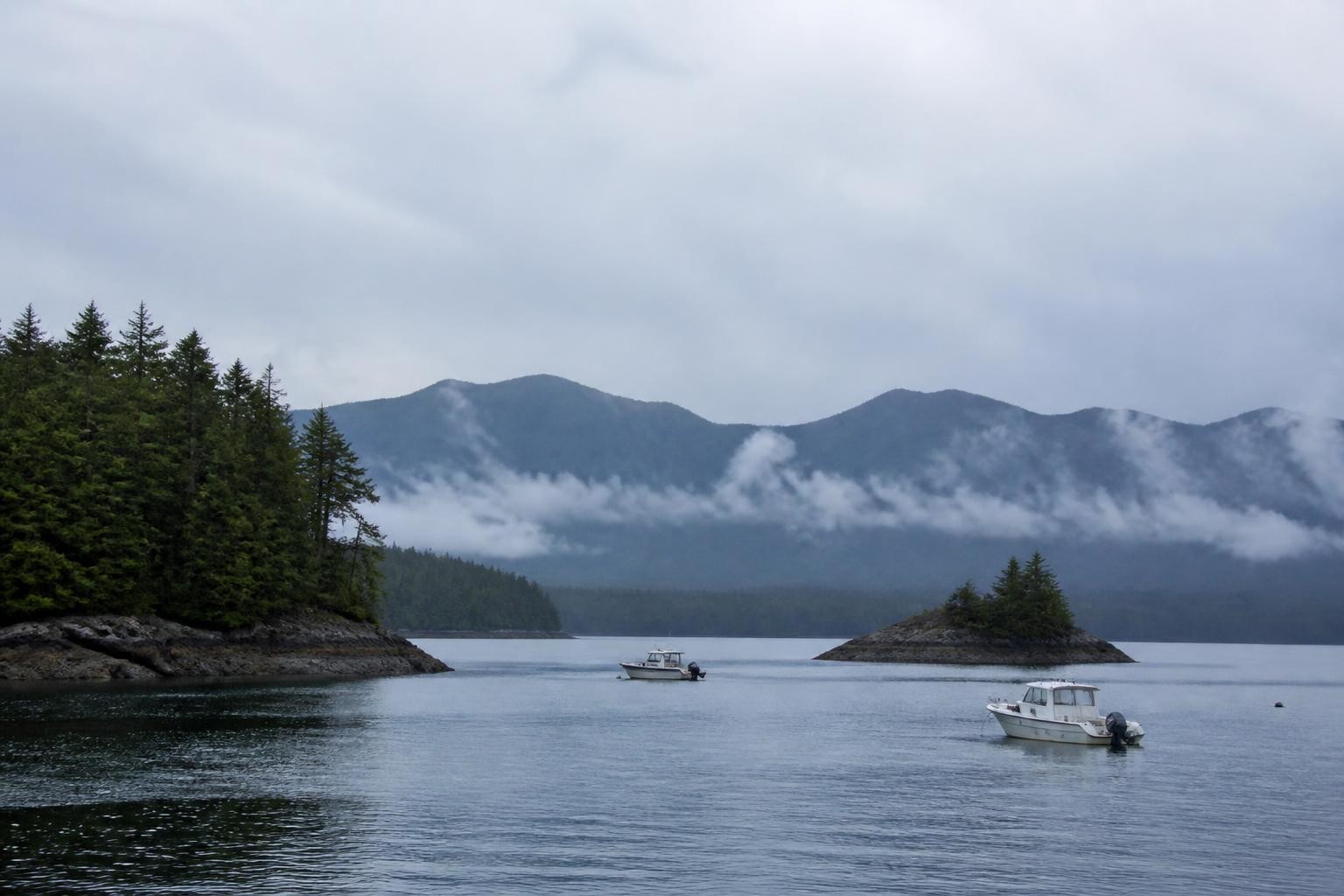
Day 6: Tofino and Ucluelet
Use one full day for the communities outside the national park. I like splitting it between one substantial activity and unhurried town time.
Tofino
Choose a boat trip, food-focused afternoon, spa, surf lesson, or simply several beaches depending on weather. Tofino is popular enough that restaurants and tours deserve reservations in peak season.
Ucluelet
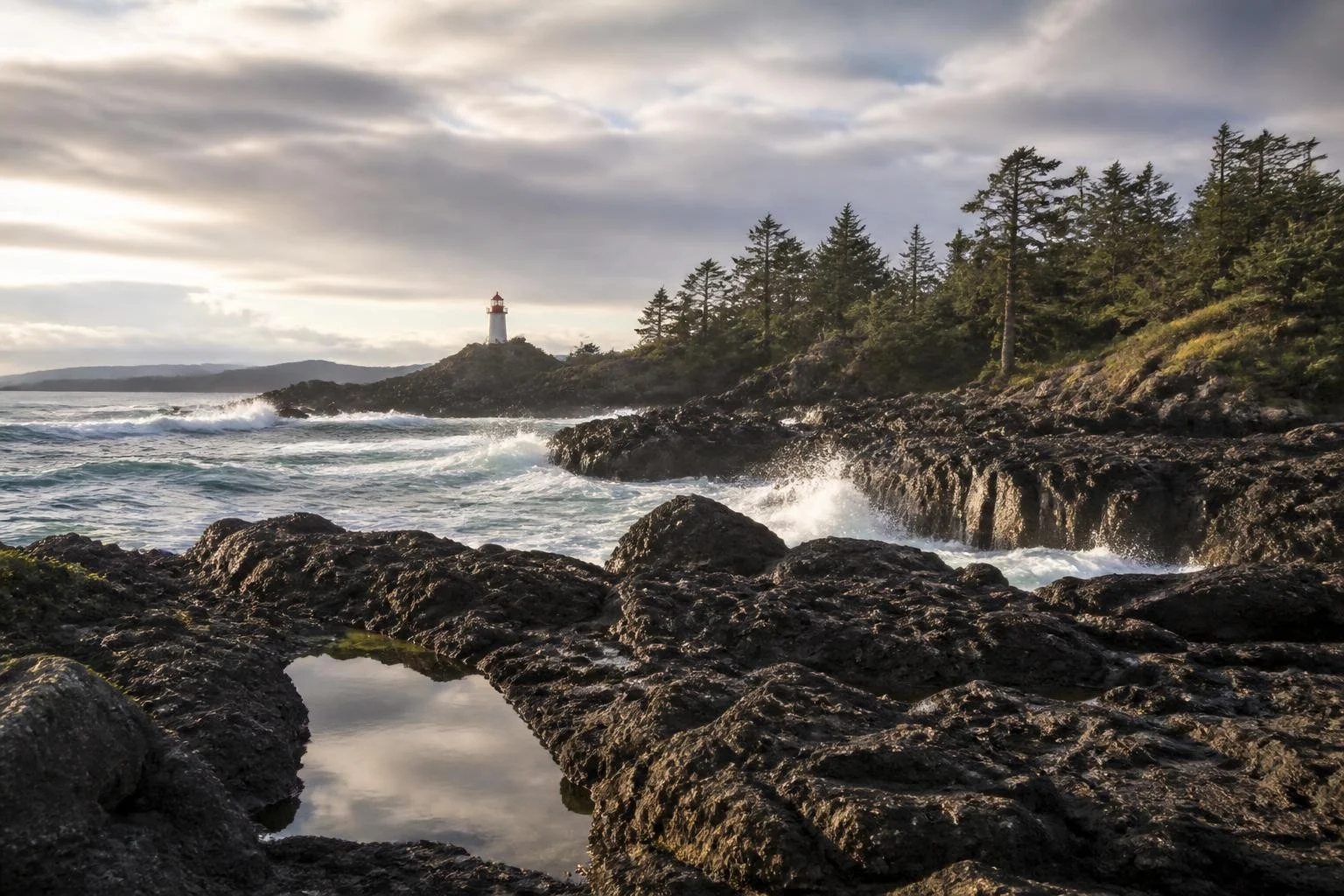
Ucluelet feels quieter and is worth its own walk rather than being treated only as cheaper lodging for Tofino. The rocky coastline around town gives you a different version of the west coast than the long sandy beaches farther north.
Do not force a boat day in poor weather
West-coast ocean conditions are serious, and operators adjust trips accordingly. I would rather eat well and walk in the rain than spend a miserable afternoon proving I could keep a reservation.
Day 7: A Flexible Morning and the Drive East
Use the final morning for whichever beach, trail, or town you wanted more of. Then leave enough daylight for Highway 4 and whatever ferry, flight, or hotel comes next.
If you are catching a mainland ferry the same day, build substantial margin. Road closures and construction have no obligation to respect a ferry reservation.
Tofino or Ucluelet: Where Should You Stay?
Tofino: choose it for more restaurants, tours, and a busier resort-town feel. It can be expensive, especially in summer.
Ucluelet: choose it for a quieter base, easy access to Pacific Rim, and dramatic rocky shoreline. You can still reach Tofino easily for a meal or tour.
Split stay: I would not bother on a short trip because the towns are close. Pick one hotel you like and keep the luggage put away for three nights.
Best Time for Vancouver Island
Summer
Summer gives you the broadest range of tours, campgrounds, beach days, and long daylight. It is also the busiest and most expensive season on the west coast.
September
September can be a lovely shoulder season with fewer peak-summer families. Pacific weather remains variable, and wildfire or road conditions elsewhere in British Columbia can still affect travel.
Winter
Tofino and Ucluelet are famous for storm watching, but this becomes a different vacation with shorter days, rough seas, and more challenging driving. Book lodging you would enjoy spending time inside.
Ferry Planning
If you bring a vehicle from mainland British Columbia or Washington, ferry reservations can matter in busy periods. Check the exact operator and route for current reservation requirements, arrival windows, and vehicle-size rules.
Do not schedule a long Highway 4 drive to end minutes before ferry check-in closes. I prefer another mainland night to finishing a relaxing island trip with a four-hour stress spiral.
What to Pack
- Waterproof shell
- Warm layer in every season
- Walking shoes that can handle mud and rain
- Small cooler
- Offline maps
- Binoculars
- Dry bag or spare towel for beach gear
My road trip tips cover ordinary route preparation. Vancouver Island is where I make sure rain gear lives in the car cabin instead of under three suitcases.
Driving and Wildlife Safety
Highway 4 is winding, summer traffic can be heavy, and rural roads may have limited shoulders. Use pullouts to let faster traffic pass and never rush because a map underestimated the road.
Wildlife encounters should stay distant, especially around bears and wolves. Parks Canada currently advises group travel, awareness, noise on trails, and carrying bear spray where appropriate.
One More Island Resource I Would Check
My road trip packing list is useful for Vancouver Island because rain gear, warm layers, and beach gear all need to stay accessible. If your route uses a mainland ferry, check BC Ferries directly for current schedules, reservations, vehicle rules, and service notices.
My Favorite Version
I would spend two nights in Victoria, one in Nanaimo or Parksville, and three nights in either Tofino or Ucluelet, leaving the final day flexible for the return. That gives you city, east-coast island life, old-growth forest, and Pacific Rim without changing rooms constantly.
Vancouver Island is not a place I would try to finish. Pick one coast, give it enough time, and leave the north as a very good reason to come back.