How to Choose a Fun Cruise for Your Kind of Vacation
A fun cruise is not automatically the ship with the most slides, bars, or passengers. It is the sailing whose activities match your group, whose itinerary leaves time to enjoy them, and whose extra-cost temptations fit the budget.
Start with your definition of fun
I would never book from a cruise line’s fleet-wide activity list. The feature that sold you may exist on three ships, operate only at limited times, require an extra fee, or have age, height, weight, clothing, and weather restrictions.
Write down the three experiences that would make the vacation feel successful. A family might choose a good kids club, water play, and early dining, while a friend group might care more about live music, a late bar, and one memorable port day.
Choose a fun style
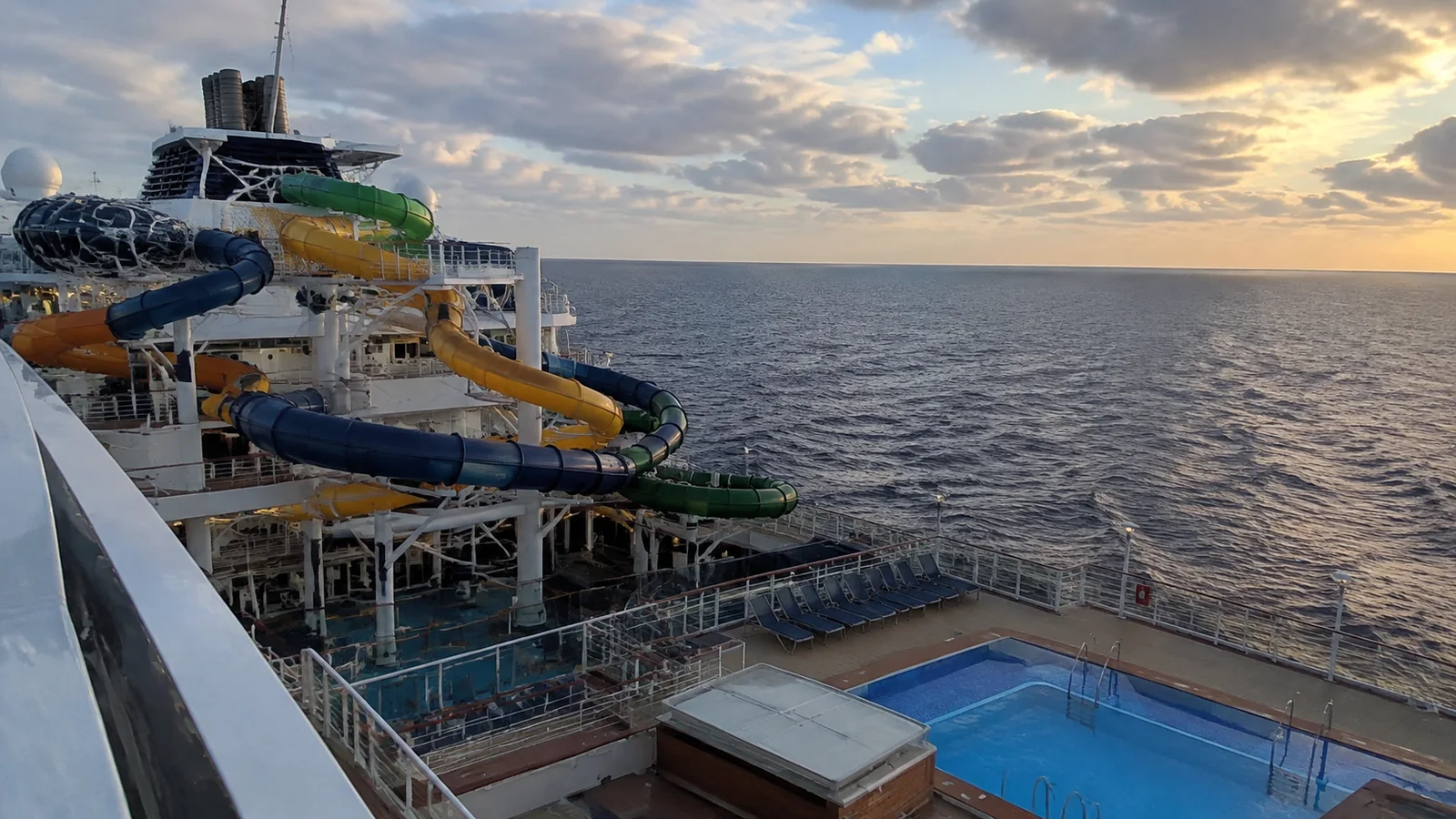
- Big-ship thrills: waterslides, surf simulators, ropes courses, coasters, and sports
- Family immersion: characters, youth clubs, family shows, and themed dining
- Adult energy: nightlife, comedy, DJs, social activities, and late dining
- Food-first fun: varied restaurants, tastings, demonstrations, and port cuisine
- Destination fun: long port calls, beaches, wildlife, hiking, and cultural touring
- Low-key fun: trivia, live music, pools, reading space, and easy conversation
These categories overlap, but not perfectly. A ship can be excellent for thrill seekers and frustrating for adults who want a quiet pool, just as a destination-focused ship can feel dull to a teen who wanted a waterpark.
Best fun cruise for big-ship thrills: Royal Caribbean Icon Class
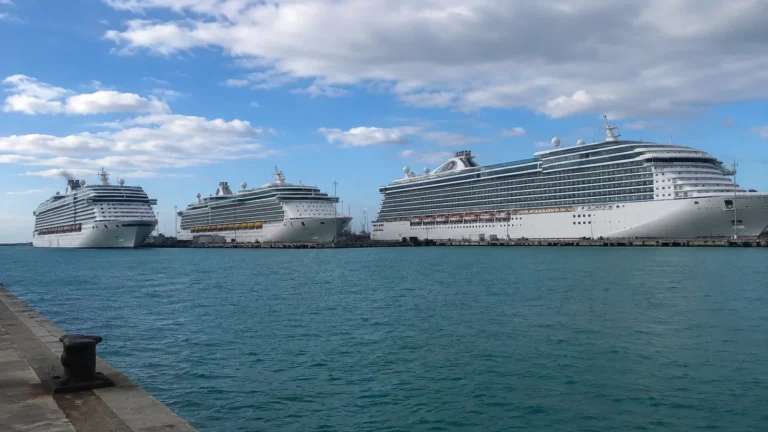
Icon Class is the clearest answer when the ship itself is the attraction. Royal Caribbean’s current Icon Class page lists Category 6 with six slides, plus family areas and other high-energy attractions across the class.
I would compare Icon of the Seas, Star of the Seas, and Legend of the Seas by actual sailing rather than treat them as identical. Deployment, entertainment, venues, and opening dates can differ even when the broad ship design feels familiar.
The tradeoff is scale. More choices mean more walking, more scheduling decisions, more chances to split the group, and potentially higher fares for the newest hardware.
Study the exact deck plan before booking, then locate the family neighborhood, waterpark, teen space, main dining, theaters, and cabin. A beautiful feature list is less useful if a child is too small for the headline ride or a grandparent must repeatedly cross a huge ship.
Best lively value comparison: Carnival’s Excel-class ships
Mardi Gras, Carnival Celebration, and Carnival Jubilee combine broad casual dining, comedy, deck parties, WaterWorks, sports, and BOLT. Carnival’s ship-specific Jubilee page confirms BOLT, three large waterslides, mini golf, a full basketball court, and a ropes course on that ship.
Carnival is my first comparison for travelers who want sociable, unpretentious energy without paying only for a luxury atmosphere. It can feel loud and participatory, which is the appeal for one traveler and the warning label for another.
BOLT and other headline attractions can cost extra, close in poor conditions, or impose participation rules. I budget as though premium rides, specialty meals, drinks, arcade play, gambling, spa treatments, Wi-Fi, and excursions are separate until the exact fare terms say otherwise.
Best new-ship activity mix: Norwegian Aqua
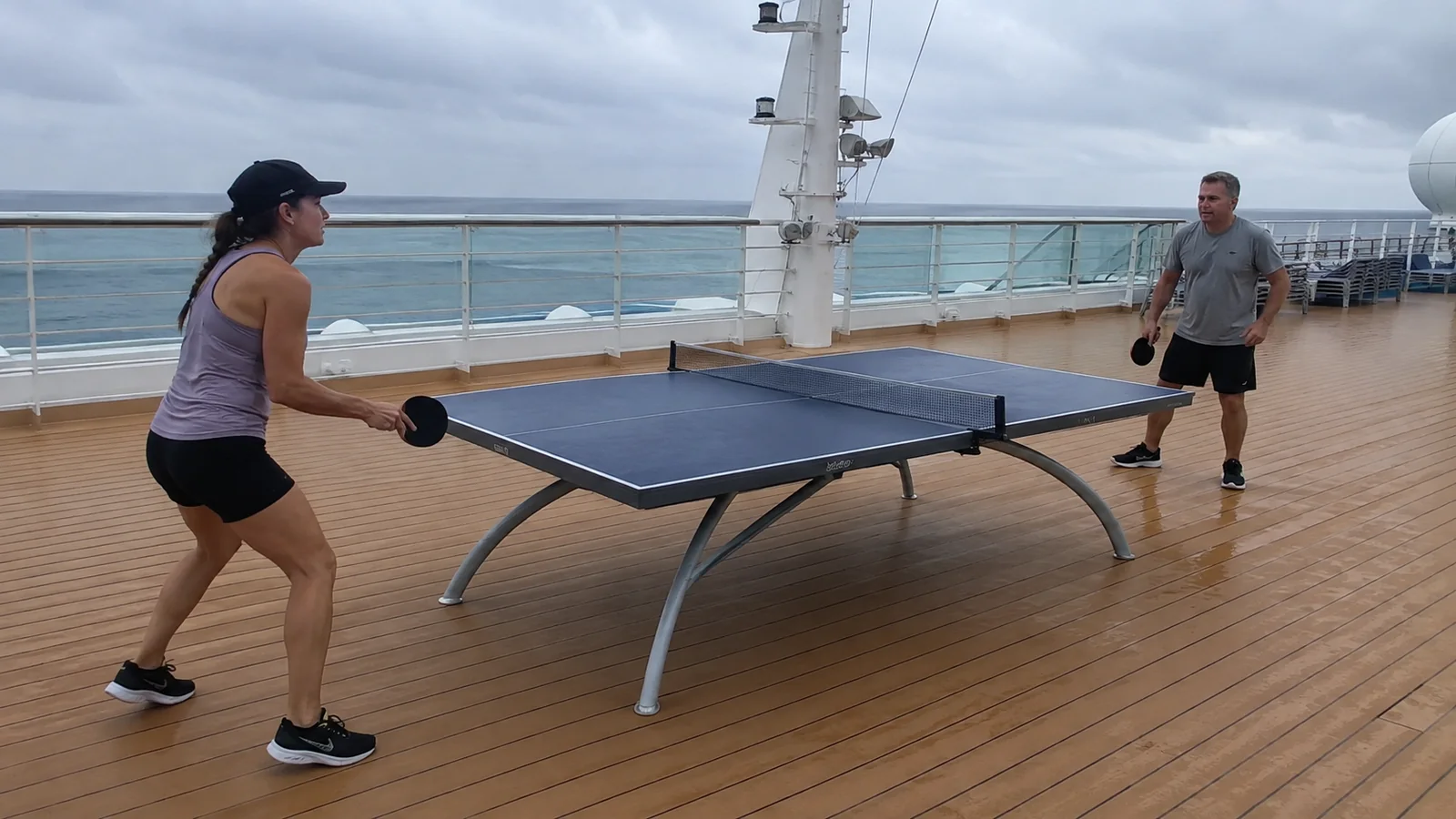
Norwegian Aqua suits travelers who want unusual active attractions but also value flexible dining and adult spaces. Its official ship page identifies the Aqua Slidecoaster, Glow Court, Aqua Game Zone, and a broad mix of restaurants and entertainment.
The exact deck plan matters here because the ship stacks active venues high and spreads restaurants and lounges through several decks. Decide whether your cabin should be close to that action or buffered from it before choosing a room number.
NCL’s most interesting activities do not all serve the same audience. Glow Court can shift from games by day to nightlife later, while the arcade, slides, Vibe Beach Club, and kids facilities have different rules, charges, and access.
This is why “Norwegian has a fun ship” is not enough research. Confirm what is included, what is capacity-controlled, and whether a reservation can be made before sailing or only onboard.
Best for Disney-loving families: Disney Cruise Line
Disney is strongest when characters, storytelling, family shows, rotational dining, and polished children’s programming are the main event. The line’s official activity directory lets travelers filter experiences by ship instead of assuming every vessel has the same attractions.
That distinction is essential because AquaMouse is listed on Disney Wish, Disney Treasure, and Disney Destiny, while other ships have different water features. Even within the same fleet, one family can book the wrong ship by relying on a commercial that blends several vessels.
The obvious tradeoff is price. I would pay the Disney premium only if the group values the Disney-specific experience, because another family line may deliver more physical thrills or a larger cabin for the same total.
Children’s club eligibility is age-based, and nursery care, special experiences, or certain dining can require separate reservations and charges. The best cruises for kids comparison helps separate toddler needs from elementary-age and teen priorities.
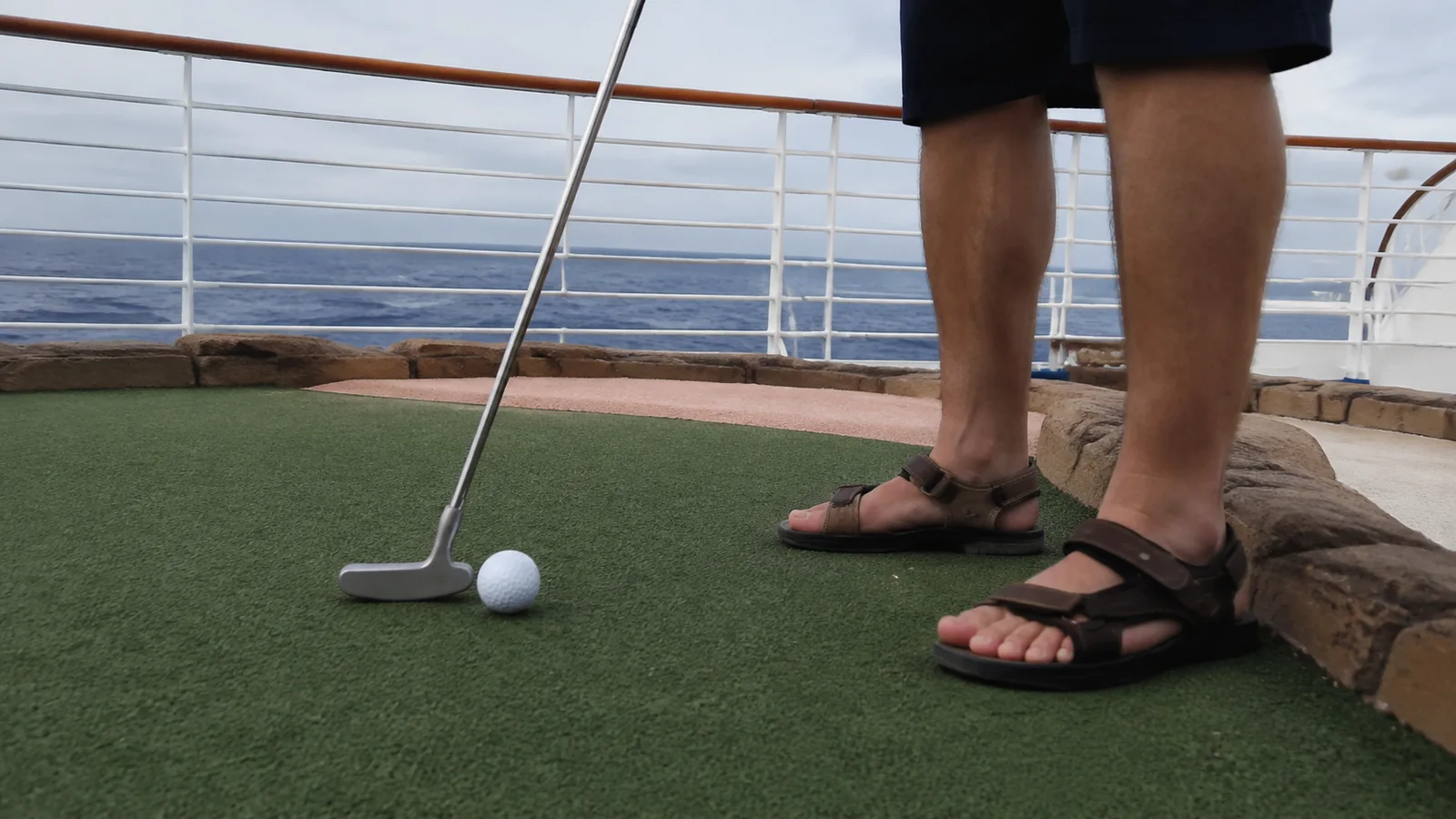
Best fun cruise for teens
For teens, I would shortlist Royal Caribbean’s biggest ships, Norwegian’s newer activity-heavy ships, and selected Carnival ships. Then I would let the teenager rank the teen club, sports, slides, arcade, late activities, and freedom to meet friends.
A teen club that closes an age gap awkwardly can matter more than an impressive waterslide. The teen cruise comparison covers age bands and atmosphere in more detail.
Also check the calendar. A seven-night school-break sailing is more likely to create a large peer group than a long repositioning cruise during the school term, even aboard the same ship.
Best fun cruise for adults
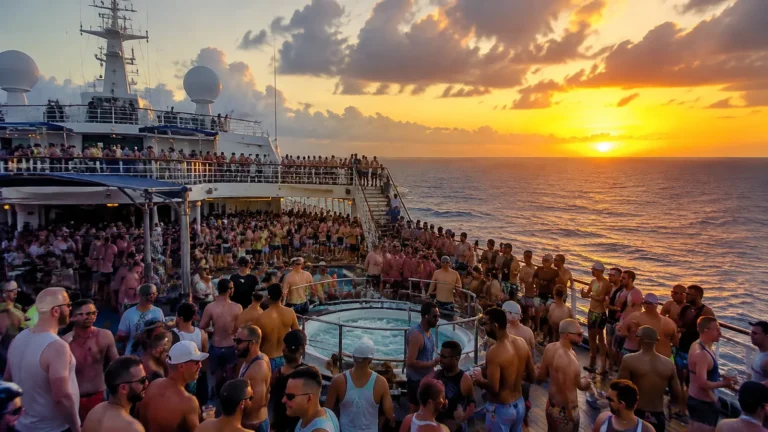
Adults who want nightlife should compare Virgin Voyages, Carnival, Norwegian, and selected Royal Caribbean ships, but these products do not feel alike. Virgin is 18 and older, while the others are family lines with adult spaces and programming.
A child-free policy does not promise quiet. Virgin can be social and nightlife-forward, while Viking’s 18-plus ocean cruises are far calmer and more destination-centered, as the adults-only cruise comparison explains.
For a friend trip, choose the cabin arrangement before falling in love with the party schedule. Split bathrooms, sofa beds, connecting rooms, and the number of actual beds can decide whether everyone remains friends by day three.
The girls’ cruise planning guide goes deeper on shared expectations, costs, and group decisions. Those conversations create more fun than matching T-shirts ever could.
Fun cruises for travelers who dislike crowds
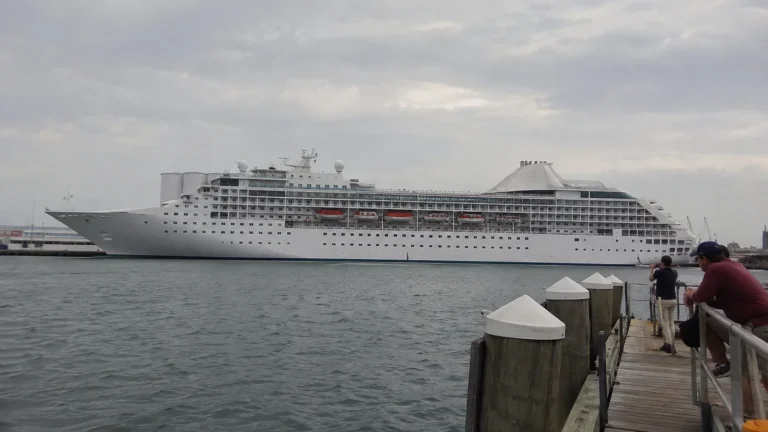
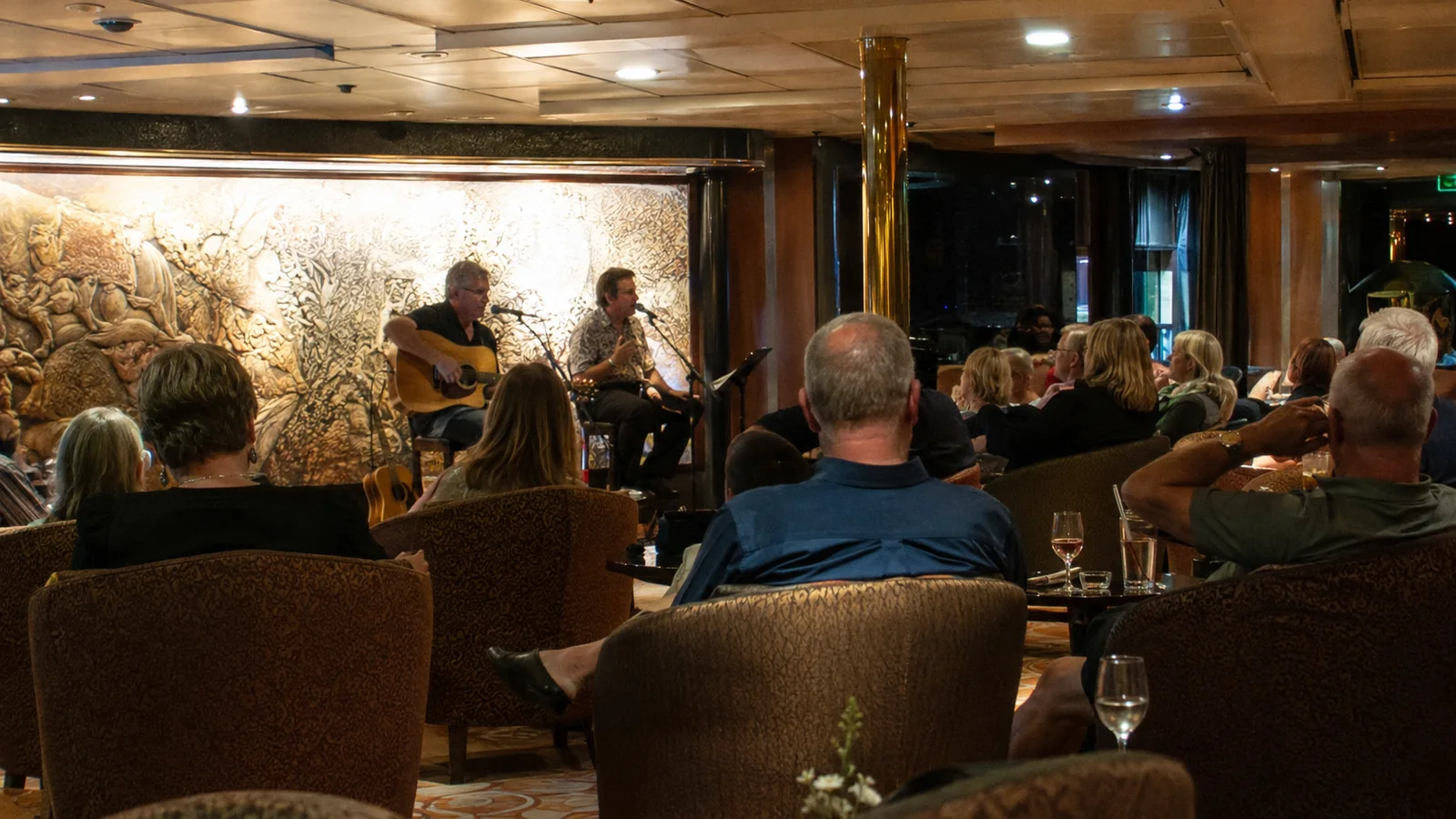
You do not need a mega-ship to have fun. A smaller ship with strong live music, a good promenade, trivia, a welcoming bar, and port-intensive days may produce more genuine enjoyment than a floating amusement park.
Look at the passenger capacity, number of sea days, venue size, reservation system, and deck-plan bottlenecks. I care especially about whether there is a comfortable alternative when the main pool deck becomes crowded.
Older or smaller ships also tend to cost less on some dates, but they may lack splash parks, specialty dining breadth, and dedicated teen infrastructure. Their fun comes from people, ports, and simple programming rather than constant novelty.
Choose the itinerary as carefully as the ship
A seven-night cruise with three sea days gives you meaningful time to use a large ship. A port-heavy Mediterranean route can turn expensive attractions into scenery you pass while hurrying to breakfast.
Caribbean and Bahamas
These routes work best for pool decks, private destinations, water sports, and a warm-weather party atmosphere. Weather can still close outdoor attractions, and not every Caribbean call guarantees a good beach without added transportation.
Alaska
Alaska fun is usually wildlife, glaciers, scenery, and port experiences rather than waterslide mileage. An indoor pool, covered observation space, and an itinerary with strong scenic cruising can be more valuable than exposed top-deck hardware.
Mediterranean
Mediterranean cruises reward travelers who enjoy cities, food, history, and long days ashore. I would choose the itinerary and port times first, then select a ship with enough evening entertainment to recover pleasantly between demanding sightseeing days.
Short cruises
Three- and four-night cruises can feel energetic because everyone is trying to fit a week of fun into a long weekend. They are useful for first-timers, but embarkation, a port call, and disembarkation consume a large share of the trip.
Calculate the real fun budget
The fare may cover meals, shows, pools, and many activities, yet the most advertised experience can still carry a fee. Price the cruise as a total that includes taxes and port expenses, gratuities, transport, hotel nights, drinks, dining, rides, Wi-Fi, childcare, excursions, and insurance.
Decide which extras are meaningful before sailing. Prepaying every package can be wasteful, but discovering onboard that the group expected daily specialty dining can create an avoidable money argument.
- Give each traveler a personal extras allowance.
- Choose one or two paid highlights instead of treating every upcharge as essential.
- Check cancellation terms for weather-dependent activities.
- Set rules for children’s arcade and app-based purchases.
- Keep excursion money separate from the onboard entertainment budget.
Pick a cabin that supports the vacation
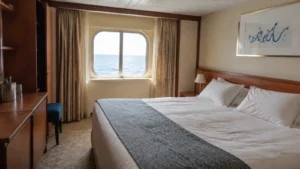
A cabin near the action reduces walking but can increase corridor traffic or venue noise. A room far forward or aft may be quieter in some respects but adds distance and can feel more motion in rough water.
Read the exact deck above, below, and beside the room, not only the cabin-category description. The broad cruise cabins to avoid checklist helps identify connecting doors, blank service areas, public venues, and other tradeoffs without pretending any room is universally bad.
For four adults, two modest cabins can be more comfortable than one premium cabin with fold-out beds. Compare two bathrooms, privacy, storage, and total fare before assuming one larger category is the upgrade.
Plan the first day without overplanning the cruise
Once onboard, connect to the ship’s app or schedule, confirm reservations, and locate muster information, dining, kids clubs, show venues, and the quiet fallback space. Walk the route to any must-do attraction before promising it to the group.
Book scarce priorities, then leave open space. A minute-by-minute plan turns a fun cruise into project management, while no plan at all can mean missing limited-capacity shows and activities.
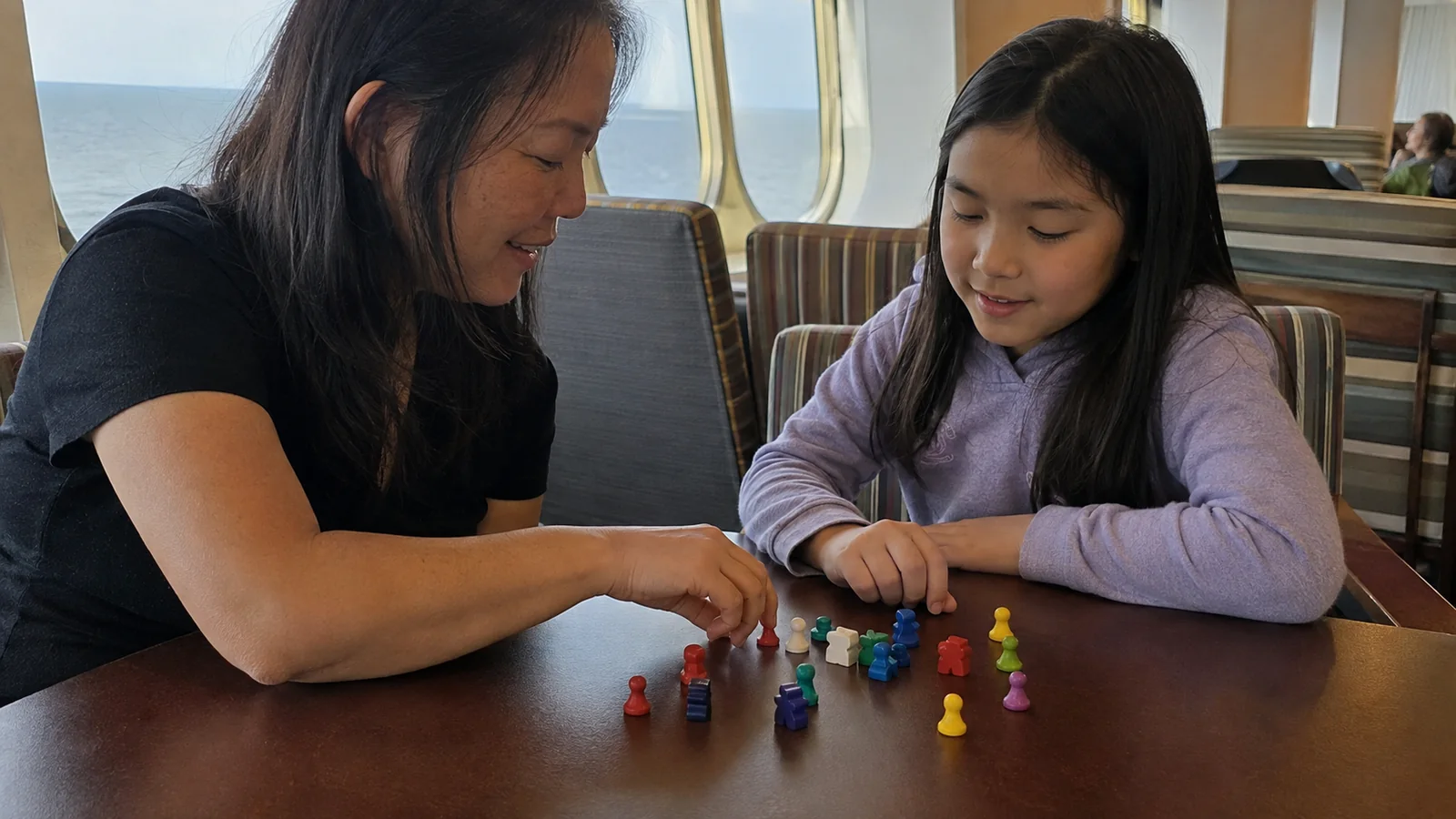
I like one shared anchor per day: a dinner, show, excursion, or pool block. Everyone can separate around it and return with something new to talk about.
My final recommendation
Choose Icon Class for maximum family hardware, Carnival Excel Class for lively casual energy, Norwegian Aqua for a flexible new-ship mix, and Disney when Disney storytelling is worth the premium. Choose a smaller or quieter ship when conversation, simple entertainment, and port days sound more fun than queues and spectacle.
Most importantly, book the exact ship and exact sailing you researched. When the activity match, itinerary, cabin, and budget all make sense together, fun stops being a marketing promise and becomes a vacation your group can actually enjoy.