Pasadena, California: What to See and How to Plan
Pasadena is Los Angeles County at a calmer volume: serious art, remarkable houses, mountain views, and restaurants you can reach without spending the whole day on a freeway. The trick is choosing a compact Pasadena trip, rather than casually adding half of greater Los Angeles and wondering where the afternoon went.
Is Pasadena worth visiting?
Yes, especially for travelers who like art, architecture, gardens, college campuses, and walkable dining districts. It is also a smart pre- or post-flight base when your plans center on the San Gabriel Valley or downtown Los Angeles rather than the beach.
Pasadena is not a coastal town, and it is not close enough to Santa Monica, Disneyland, or the Los Angeles cruise terminals to treat those as quick errands. If a sailing is part of the trip, compare the actual terminals in this Los Angeles cruise port guide before choosing a Pasadena hotel.
Who should stay somewhere else?
Beach-first visitors will spend too much time crossing the region, while travelers with daily plans in Hollywood or the Westside may prefer a more central base. Pasadena makes the most sense when at least one full day belongs to Pasadena itself.
Understand the map before booking
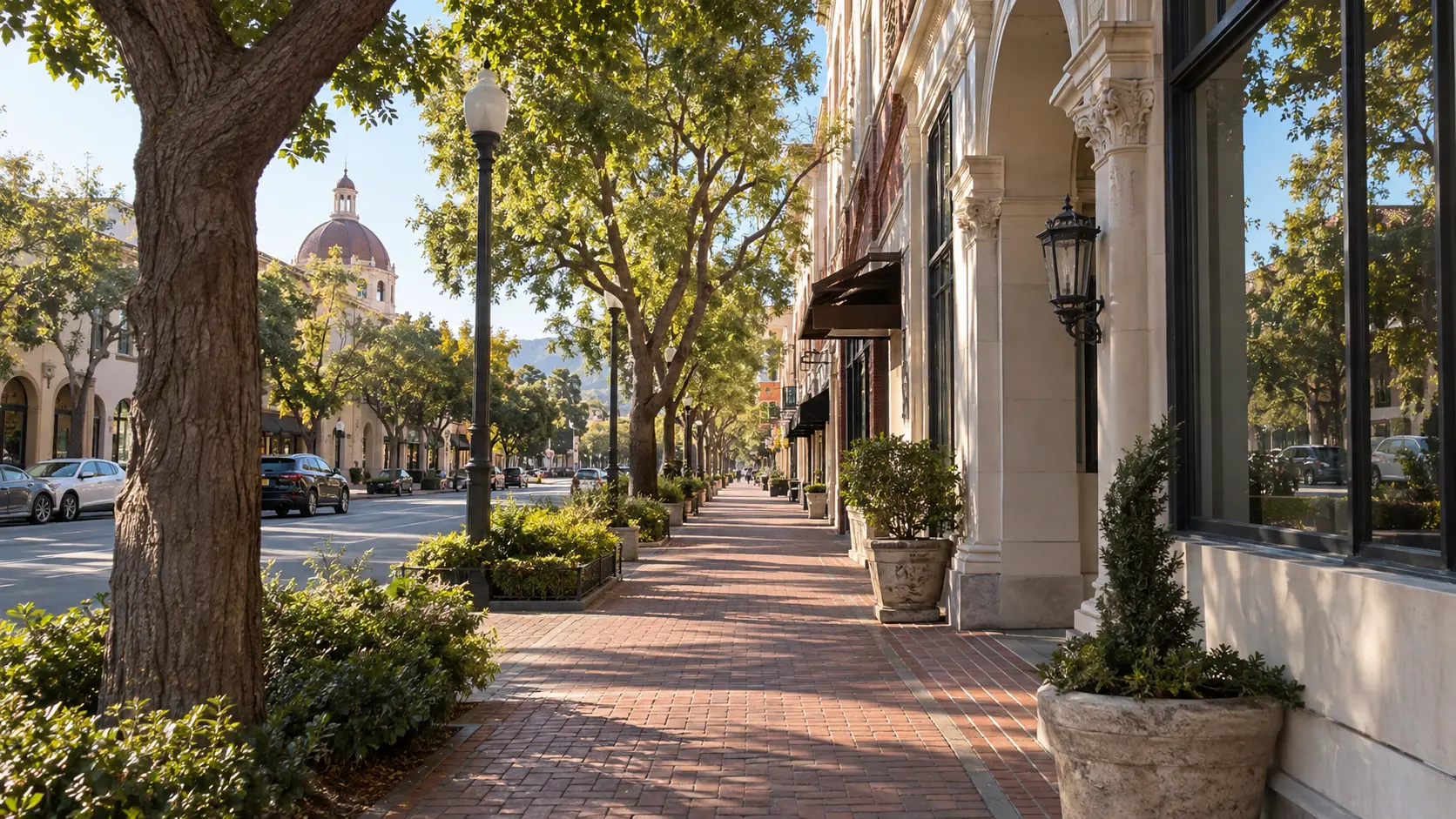
Old Pasadena is the historic shopping and dining core around Colorado Boulevard and Fair Oaks Avenue. Playhouse Village lies farther east around the Pasadena Playhouse, while South Lake offers shops and restaurants along Lake Avenue.
The Civic Center, including Pasadena City Hall, sits between Old Pasadena and Playhouse Village. The Rose Bowl and Brookside Park occupy the Arroyo Seco west of downtown, and Caltech anchors a quieter area southeast of the center.
The Huntington is routinely called a Pasadena attraction, but its address is in neighboring San Marino. Eaton Canyon Natural Area is north of central Pasadena and is managed by Los Angeles County, so neither belongs in a supposedly effortless downtown walking loop.
Best things to do in Pasadena
Walk Old Pasadena
Old Pasadena is the easiest place to begin because restored commercial buildings, alleys, patios, shops, and restaurants reward wandering without a strict route. Memorial Park and Del Mar stations also make it the most convenient district for a car-free visit.
Give the neighborhood a meal and an unhurried walk, not an entire sightseeing day unless shopping is the goal. Colorado Boulevard is the spine, but the side streets and courtyards supply much of the charm.
See the Norton Simon Museum
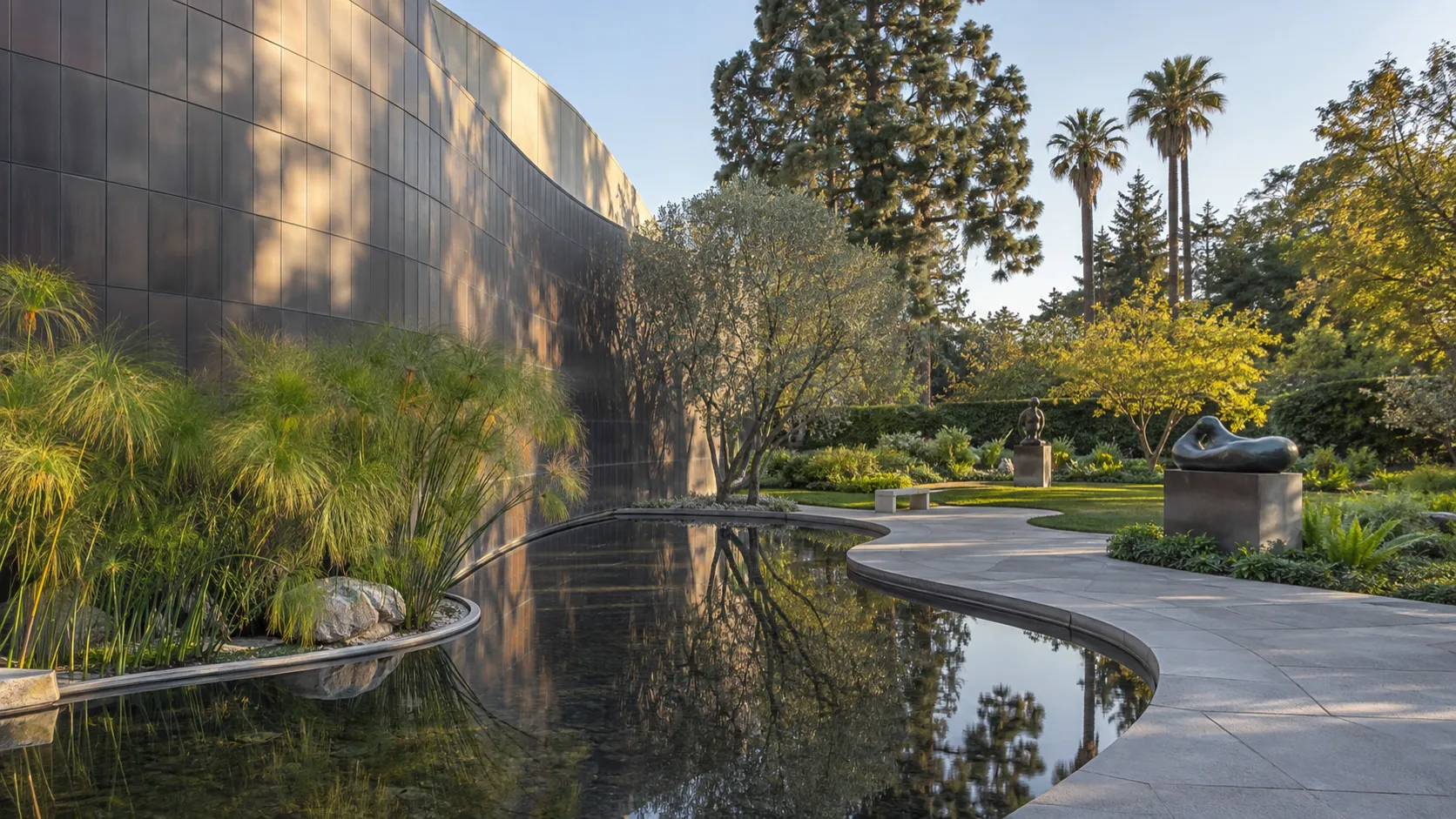
The Norton Simon is Pasadena’s essential art stop, with European paintings and sculpture, major South and Southeast Asian collections, and a compact sculpture garden. Its scale is generous without feeling like a museum endurance event.
Check the current museum hours and admission because it is closed on some weekdays and stays open later on Friday and Saturday. Students with valid identification and visitors age 18 or younger currently enter free, while the first Friday evening of each month is free for everyone.
Tour the Gamble House
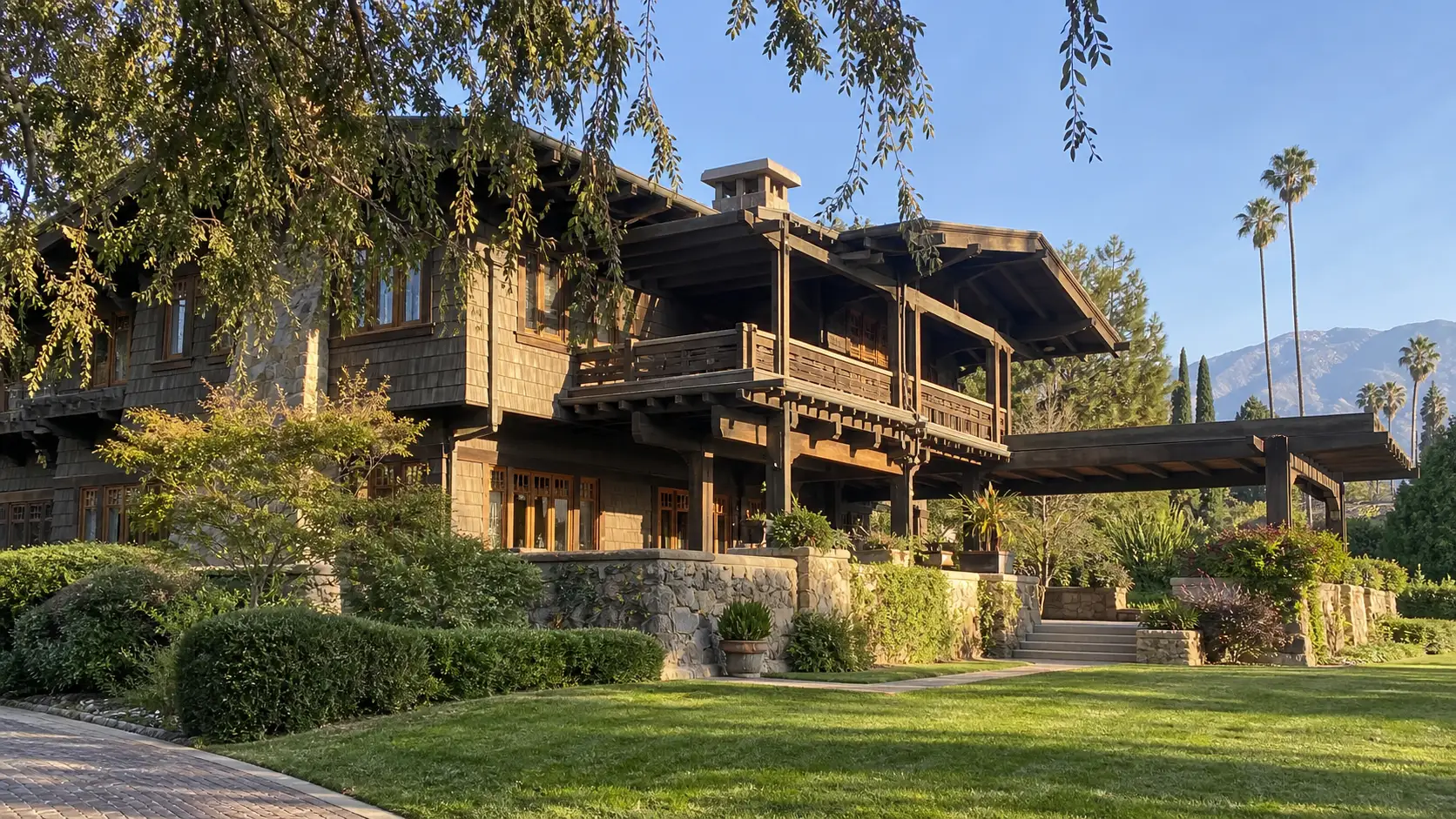
The 1908 Gamble House is a landmark of American Arts and Crafts architecture designed by Charles and Henry Greene. Its woodwork, built-in furnishings, glass, and relationship to the surrounding garden make the interior tour the point, not merely a photograph from the sidewalk.
Tour formats, duration, prices, and accessibility differ, so reserve through the Gamble House tour calendar before building the day. Historic-house stairs and narrow spaces deserve a closer accessibility check than a modern museum does.
Explore the Civic Center
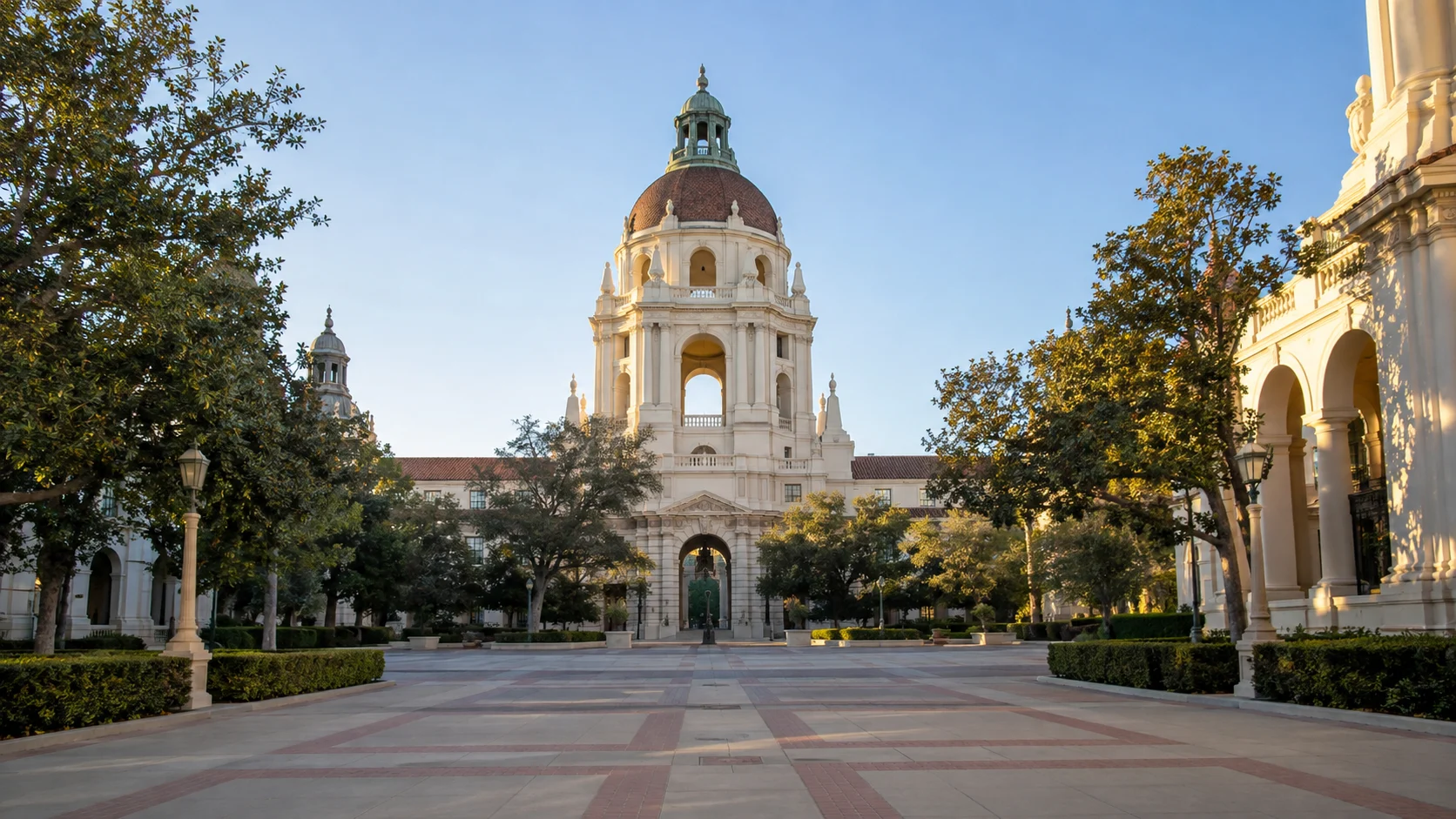
Pasadena City Hall, the Pasadena Civic Auditorium, Central Library, and broad civic avenues create an attractive architectural walk between Old Pasadena and Playhouse Village. City Hall’s courtyard is lovely, but remember that this is a working government building and access can change for events or operations.
Continue to the USC Pacific Asia Museum or Pasadena Playhouse only after checking the day’s program and opening schedule. This pairing works particularly well when the Norton Simon is closed.
Visit the Rose Bowl area without a game
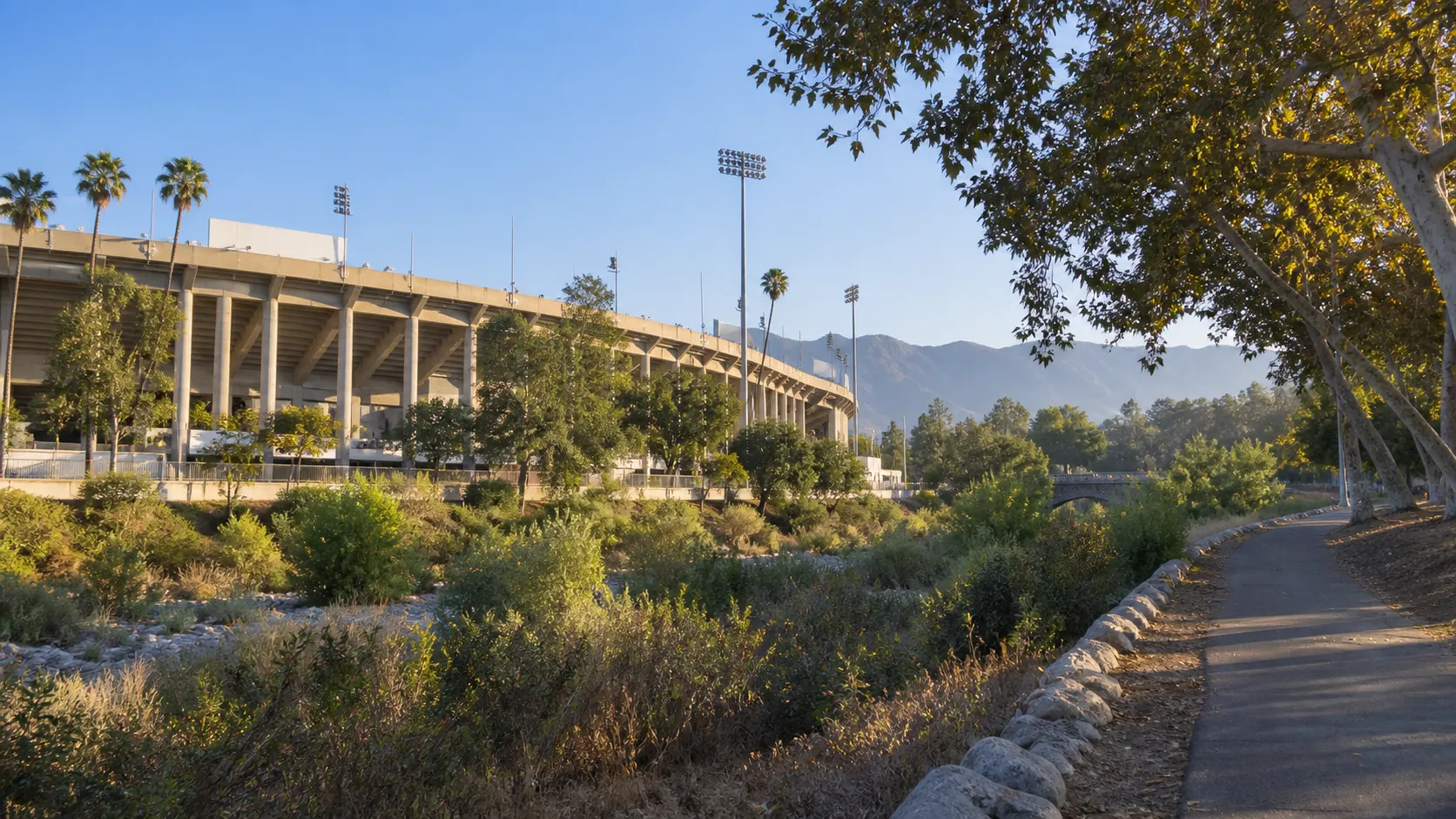
The Rose Bowl Stadium is famous for football, yet the surrounding Arroyo Seco is useful even on an ordinary morning. Brookside Park, Kidspace Children’s Museum, and the roughly 3-mile Rose Bowl recreation loop can turn the area into a family outing or an easy walk.
Event days change everything, including road access, parking, shuttle operations, and pedestrian routes. Check the stadium calendar before assuming the peaceful loop shown on your map will be peaceful in real life.
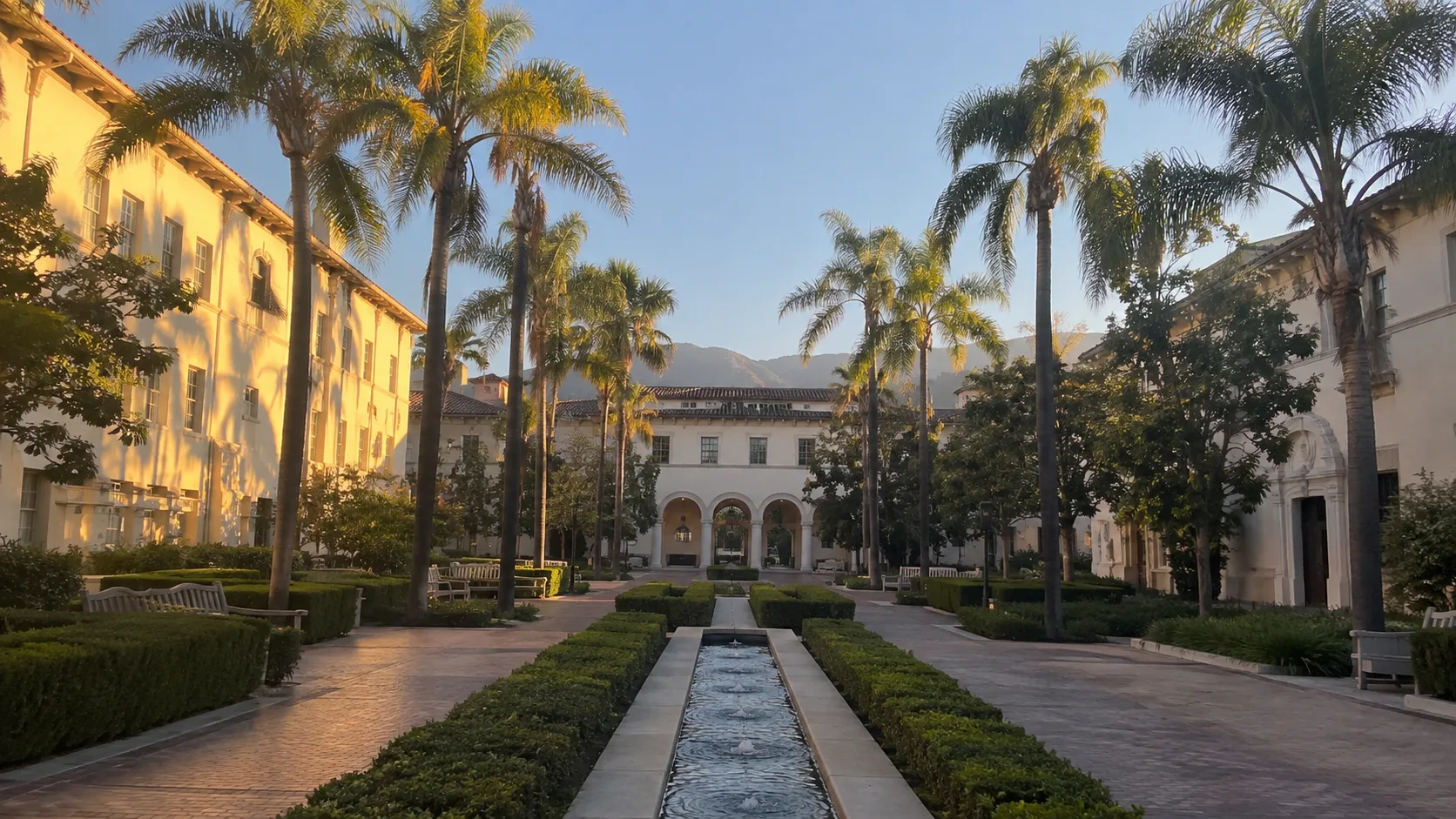
Stroll Caltech and South Lake
Caltech’s landscaped campus is pleasant for a respectful walk among courtyards and academic buildings, provided visitors avoid restricted spaces and active classes. Pair it with the restaurants and stores on South Lake rather than driving across town for every meal.
Campus events and public lectures can add substance, but availability changes by term. This is a quiet change of pace, not a theme-park version of science.
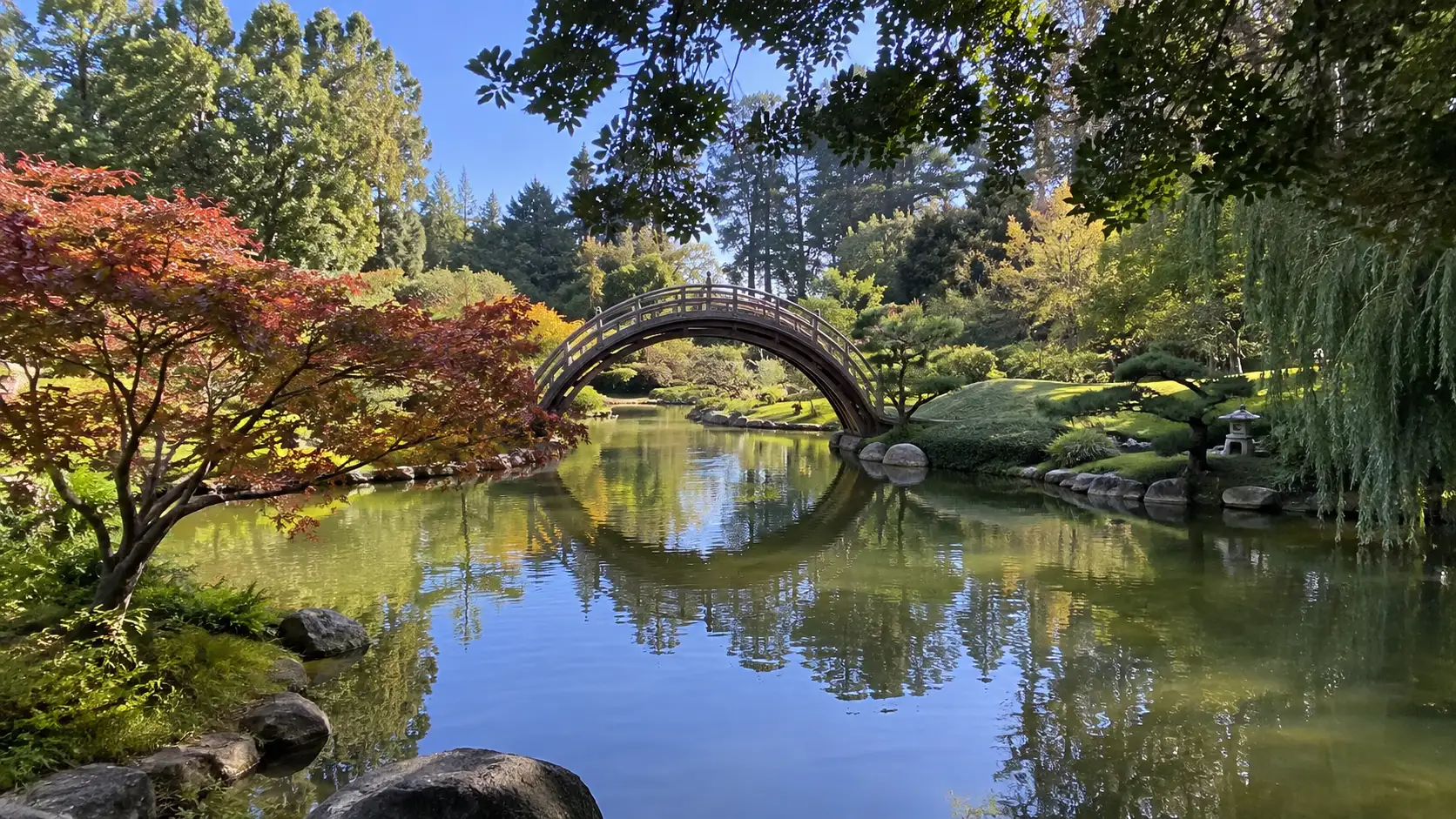
Give The Huntington enough time
The Huntington Library, Art Museum, and Botanical Gardens can consume most of a day through its galleries, research-library exhibitions, and extensive themed gardens. It is in San Marino, despite how often it appears on Pasadena lists.
Current Huntington visiting rules require reservations on Friday through Sunday, holidays, and published peak periods, with closure on Tuesday. Three hours is a rushed sampler; garden lovers should protect four to six hours and wear shoes suited to long outdoor paths.
Eaton Canyon is open, with weather closures possible
Los Angeles County’s live Eaton Canyon page currently says the natural area and trail system are open and reservations are no longer required. The park can still close during heavy rain because of flash-flood risk, so check the current county park page before making the canyon a fixed part of the day.
The waterfall is seasonal rather than guaranteed, and busy weekends can erase any fantasy of solitary wilderness. Stay on the marked trail, carry water in hot weather, and respect any temporary weather or safety closure posted by the county.
How to get around Pasadena
Arriving by Metro
Los Angeles Metro’s A Line serves Pasadena, with useful stations including Del Mar, Memorial Park, Lake, Allen, and Sierra Madre Villa. Use the current Metro schedules and alerts, since maintenance and event service can alter a tidy plan.
Memorial Park works well for Old Pasadena and the Civic Center, while Del Mar is another strong downtown arrival. The Rose Bowl sits downhill and west of rail, so major events may use a shuttle connection from the Memorial Park area.
Driving and parking
A car becomes useful for The Huntington, the Rose Bowl area, or a wider Southern California itinerary, but it is unnecessary for every downtown movement. Park once in a city garage and walk between Old Pasadena, Civic Center, and Playhouse Village when weather and mobility allow.
Do not rely on an old blog promising 90 free minutes in every Old Pasadena garage, because city rates have changed. Read the posted price and closing rules at the exact facility, and never leave luggage visible in a parked car.
From the airports
Hollywood Burbank Airport is geographically closer than Los Angeles International Airport, although the best choice depends on fare, schedule, and ground transport. LAX to Pasadena is a cross-region journey with transfers by public transportation, so a late arrival with bags may justify a shuttle, taxi, or rideshare.
Build airport time from current traffic, not mileage alone. Los Angeles County has a special talent for making a short-looking line on a map eat a perfectly respectable dinner reservation.
Where to stay in Pasadena
- Old Pasadena: Best for restaurants, nightlife, rail access, and a first car-light visit.
- Civic Center or Playhouse Village: Best for theater, architecture, and a quieter walk to downtown sights.
- South Lake: Best for a neighborhood feel, dining, Caltech, and easier access toward San Marino.
- Near the Rose Bowl: Best only when the event or Arroyo Seco is the trip’s anchor.
Before reserving, plot the hotel entrance, nearest rail station, parking fee, and every fixed-ticket attraction. “Pasadena area” can cover a location that is pleasant but inconvenient without a car.
One-day Pasadena itinerary
Start in Old Pasadena with breakfast, then walk through the Civic Center before the day gets hot. Continue to the Norton Simon when it opens, allowing about two hours for the galleries and garden.
Reserve a Gamble House tour for later in the afternoon, then finish with dinner back in Old Pasadena. If tour times do not cooperate, substitute Playhouse Village or a Rose Bowl loop rather than racing across town.
Two-day Pasadena itinerary
Use the first day for Old Pasadena, Civic Center, Norton Simon, and the Gamble House. Dedicate the second day to The Huntington, then add Caltech and South Lake only if energy and closing times permit.
For an outdoor morning, I would use the Rose Bowl recreation loop followed by an indoor afternoon, checking stadium events and posted access before setting off. Families may prefer Kidspace and Brookside Park, with spare clothing for water play and enough downtime to prevent a charming day from becoming a tiny mutiny.
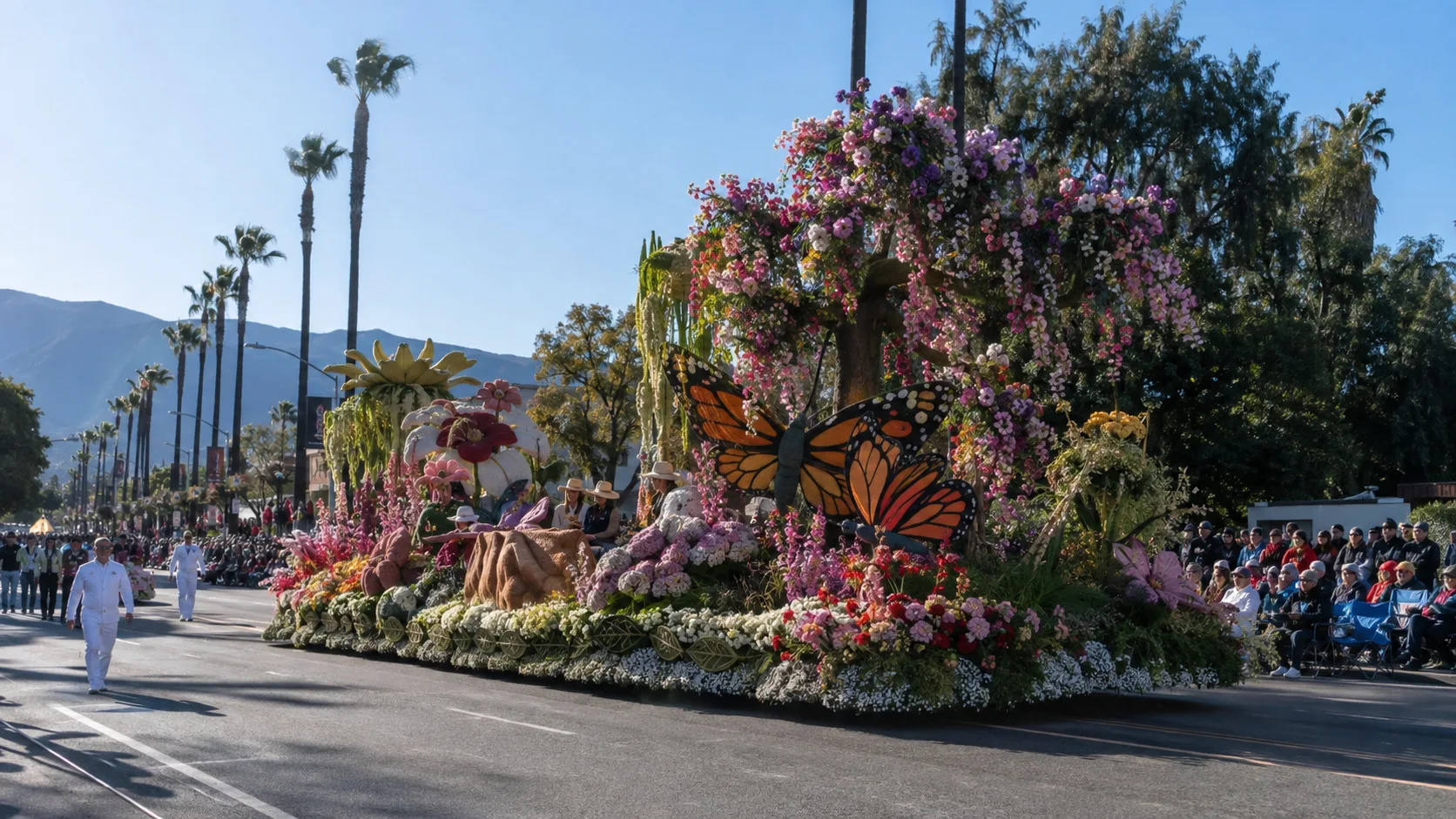
Planning for the Rose Parade and Rose Bowl
New Year’s week is not ordinary Pasadena with a parade sprinkled on top. Hotel prices, minimum stays, road closures, security zones, grandstand access, parking, and restaurant availability all require early planning.
The Rose Parade traditionally begins at 8 a.m. on January 1 and follows a 5.5-mile route, while official parade guidance governs curbside viewing and overnight positioning. Confirm the exact year’s schedule, ticket seller, prohibited items, and weather plan with the Tournament of Roses.
The Rose Parade and Rose Bowl Game are separate events, and a ticket to one does not create access to the other. Choose whether the parade, game, float viewing, or neighborhood atmosphere matters most before paying peak hotel rates.
Best time to visit Pasadena
Spring brings garden interest and generally comfortable sightseeing, while fall can be warm and clear. Summer is often hot enough to move outdoor walks to morning and museums to afternoon, especially in exposed foothill areas.
Winter brings cooler days and a greater chance of rain, plus New Year’s crowds around the parade. Smoke, heat, rain, and fire-related trail conditions can affect outdoor plans in any transition season, so keep one indoor option available.
What to pack
- Supportive walking shoes for galleries, gardens, and historic sidewalks
- A refillable water bottle, sun hat, sunglasses, and sunscreen
- A light layer for cool evenings and heavily air-conditioned interiors
- A compact rain layer in winter
- A small day bag that meets any stadium or event restrictions
- A portable battery for transit directions and timed tickets
For a longer drive, the Pacific Coast road trip can provide the coastal chapter that Pasadena does not. Travelers continuing north can also compare pacing in the Vancouver to San Francisco route guide, then build Southern California as its own module.
Pasadena travel questions
Can you visit Pasadena without a car?
Yes, if you stay near Old Pasadena or the Civic Center and focus on downtown, the Norton Simon, and transit-accessible sights. Use rideshare or local buses for a few outlying stops rather than renting a car solely to keep it parked.
How many days do you need?
One day covers the historic core and one major museum or house tour. Two days allow The Huntington or an outdoor morning without turning every hour into a negotiation with traffic.
Is The Huntington in Pasadena?
No, The Huntington is in San Marino, immediately south of Pasadena. It is a logical regional addition, but the distinction matters for transport, timing, and honest geography.
Is Pasadena a good base for Los Angeles?
It is a good base for Pasadena, the San Gabriel Valley, and trips connected by the A Line to downtown Los Angeles. It is a poor all-purpose base for daily beach, Westside, theme-park, and cruise-terminal excursions.
The best Pasadena trip is deliberately small
Pasadena rewards travelers who choose two or three substantial experiences and let the neighborhoods connect them. Give the art time, reserve the historic house, respect the summer sun, and allow one meal to last longer than the parking app expected.