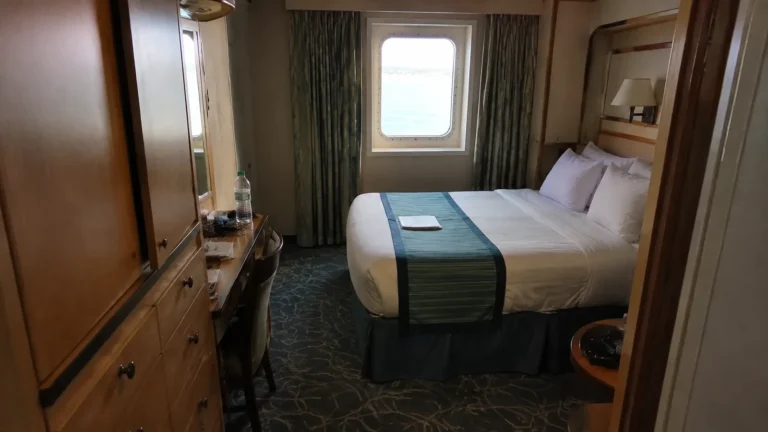
Solo Cruise Cabins: How to Find the Best Room and Fare
I would compare a solo cabin with a regular inside, oceanview, and balcony priced for one person before booking. A room designed for singles can be a great fit, but its label does not guarantee the lowest fare or the most comfortable layout.
My priority would be a room I can afford comfortably, sleep well in, and use without living out of a suitcase.
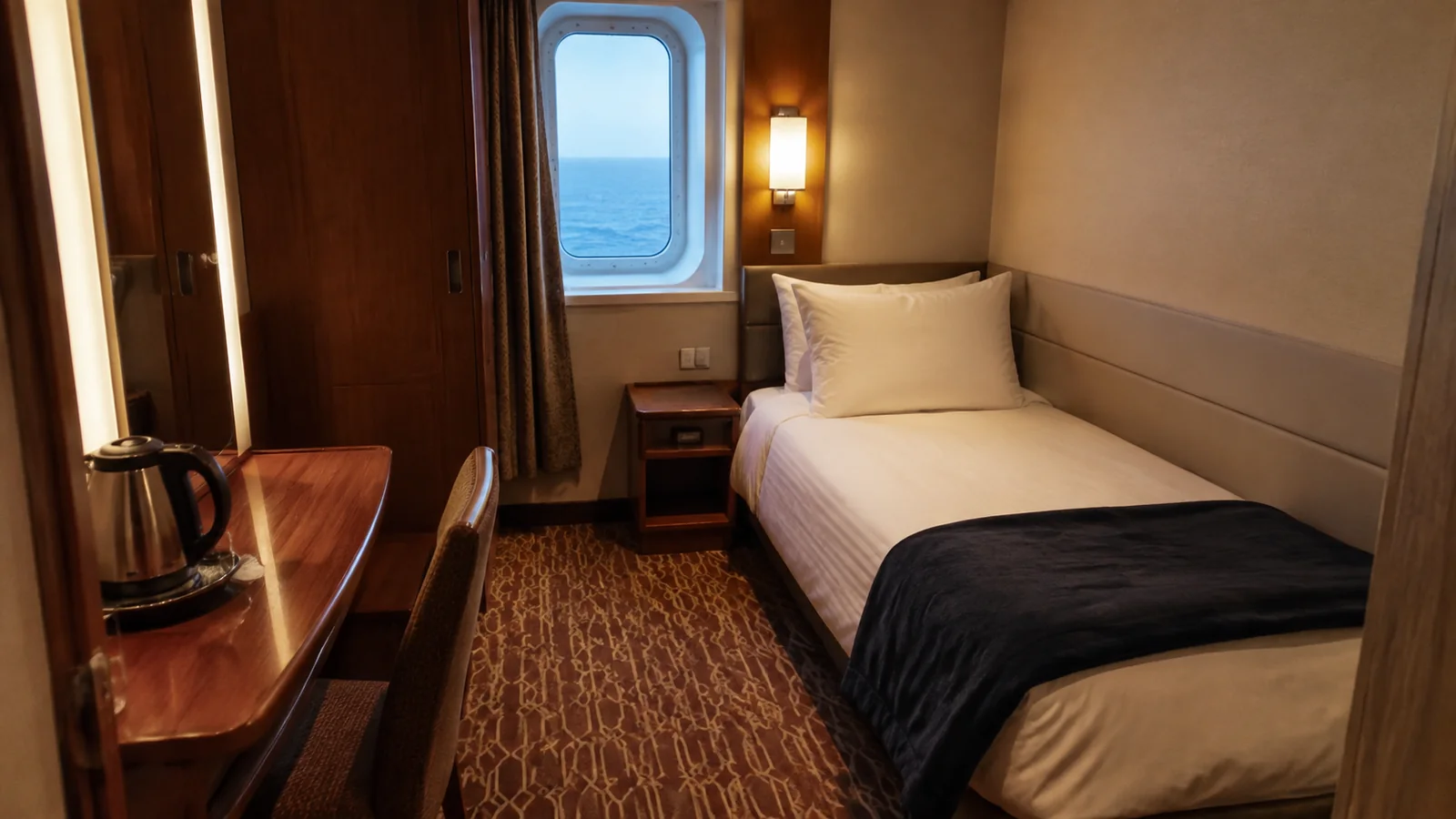
The solo-cabin choices I would price first
- A purpose-built Studio if I want a compact room and the ship’s confirmed solo facilities.
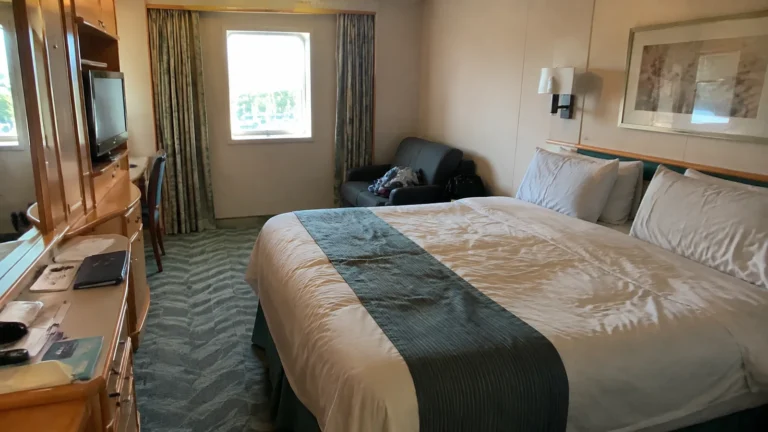
- A regular inside booked for one if it provides more usable space at a lower total.
- A solo oceanview if daylight matters more than private outdoor seating.
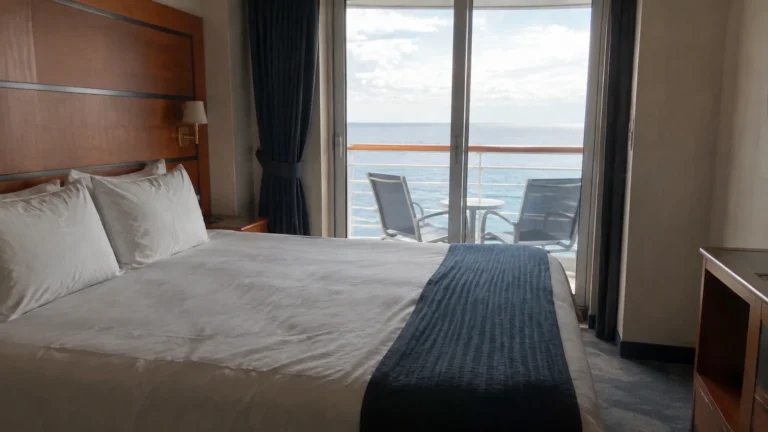
- A balcony or veranda if I expect to spend substantial time enjoying the view alone.
- A different sailing date if the only affordable single room is a poor fit.
I would decide which of those benefits I actually want before comparing sale banners. A small room can be excellent value, but it should earn its place in the comparison.
Understand the single supplement without getting distracted by it
Many conventional cruise fares start with two people sharing a cabin. When one person occupies that room, the cruise line may apply a single supplement to the fare calculation.
The supplement varies by sailing, promotion, and category. It does not mean every solo traveler pays exactly twice the complete price that one person in a couple pays.
I would enter one guest from the beginning of every search. A low advertised per-person amount based on double occupancy is not the number to use for your solo budget.
Compare the final amount for your reservation, including applicable taxes, fees, required charges, and the extras you intend to buy. Then note meaningful inclusions separately so you do not treat a fare with more benefits as identical to a bare room price.
A zero-supplement label can still appear on a room that costs more than another line’s conventional cabin. I care more about the dollars leaving my account than which pricing formula produced them.
Norwegian: distinguish Studios from other solo rooms
Norwegian sells Solo Inside, Oceanview, and Balcony accommodation as well as Studios. Its official solo stateroom page is the starting point for checking what your chosen ship offers.
I would be especially careful about Studio Lounge access. The current page contains broad promotional language and more restrictive footnotes, so I would ask Norwegian to confirm access for the exact ship and category before paying extra for it.
Do not assume every Norwegian vessel has the same Studio complex or lounge. A solo-priced conventional cabin and a purpose-built Studio may differ in location, size, and the social space attached to the booking.
If meeting other solo travelers in a familiar place is the main attraction, I would confirm both entry eligibility and the sort of gatherings offered. A lounge that exists somewhere onboard is not enough to establish that your reservation includes it.
Celebrity: a single room with an opening-window veranda
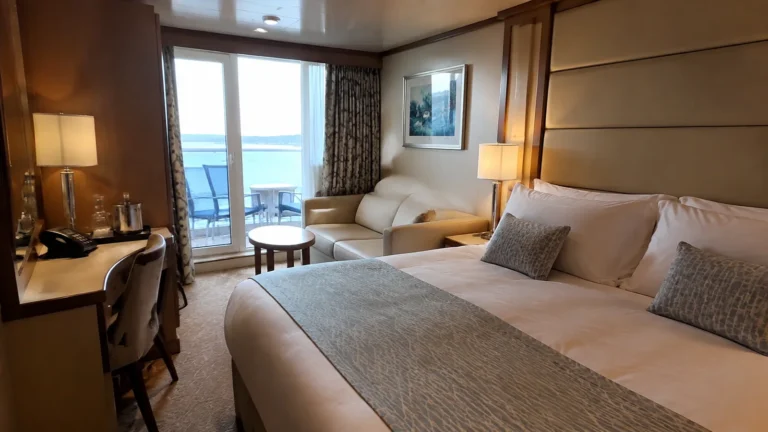
Celebrity’s veranda descriptions include the Edge Single Stateroom with Infinite Veranda. This gives a solo traveler another option beyond a compact interior room, where offered on the selected ship.
I would examine the physical design before comparing it with a traditional balcony. The Infinite Veranda uses an opening exterior window and a flexible interior seating area rather than a separate exterior platform in the usual balcony sense.
For one traveler, that can be an appealing use of space because there is no partner with competing shade or window preferences. If my main wish were to step completely outside, I would still compare conventional veranda accommodation priced for one.
Availability and fares need to be checked for the actual sailing. I would not assume the single category is cheaper just because it accommodates fewer people.
Virgin Voyages: compare the solo layouts directly
Virgin’s official cabin overview shows solo versions of its Insider and Sea View accommodation. I would use the actual category and ship plan to distinguish those from the larger rooms grouped under the same broad headings.
The Sea View option is worth considering when natural light is the improvement you want. I would compare its complete solo fare with an Insider and with a Sea Terrace priced for one.
Photographs of a two-person room should not stand in for the solo version. Check the bed, window, storage, and seating shown for your exact layout rather than borrowing expectations from the main gallery image.
I would choose among these rooms based on how much time I expect to spend inside and whether daylight changes that time for me. The social atmosphere elsewhere on the ship remains a separate part of the cruise choice.
More floor space can be worth more than a solo label
Imagine a Studio totals $1,650 while a regular inside booked for one totals $1,500 on the same sailing. Those are hypothetical prices, but the decision is real: is the Studio’s layout or confirmed social access worth the extra $150 to you?
If I already plan to meet people through dinners, activities, and excursions, I might choose the larger or cheaper inside. If a familiar solo gathering space would make the trip much more comfortable, I could reasonably choose the Studio.
Now imagine the conventional cabin costs $500 more. I would be much less likely to pay that difference simply to gain a second side of the bed that no one else will use.
The useful comparison is between features you will notice every day. I would not pay a premium for capacity I do not need or reject a good room solely because it was designed for two.
Look for a place to put the suitcase
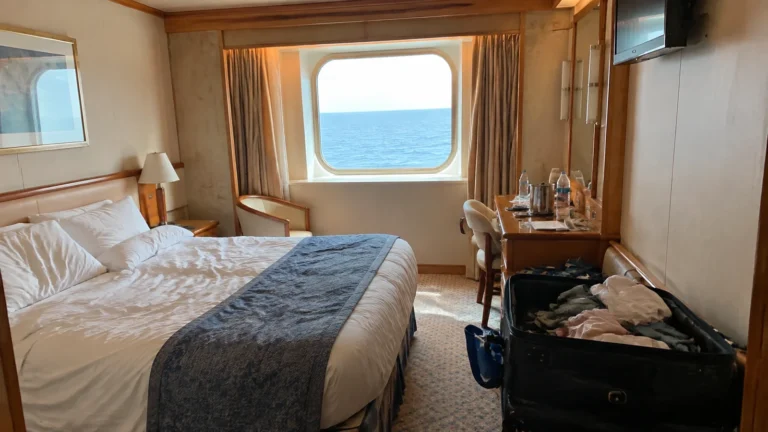
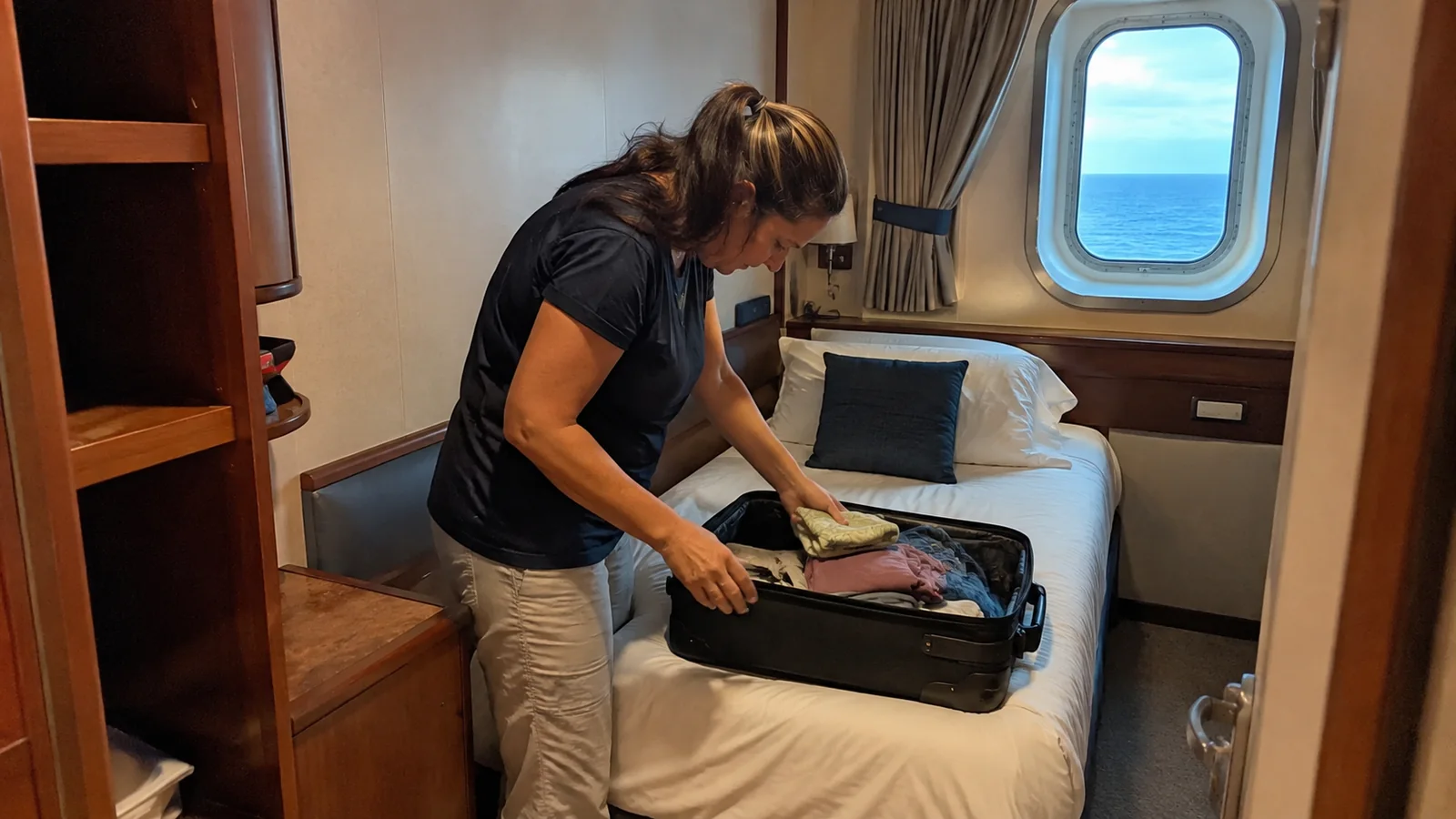
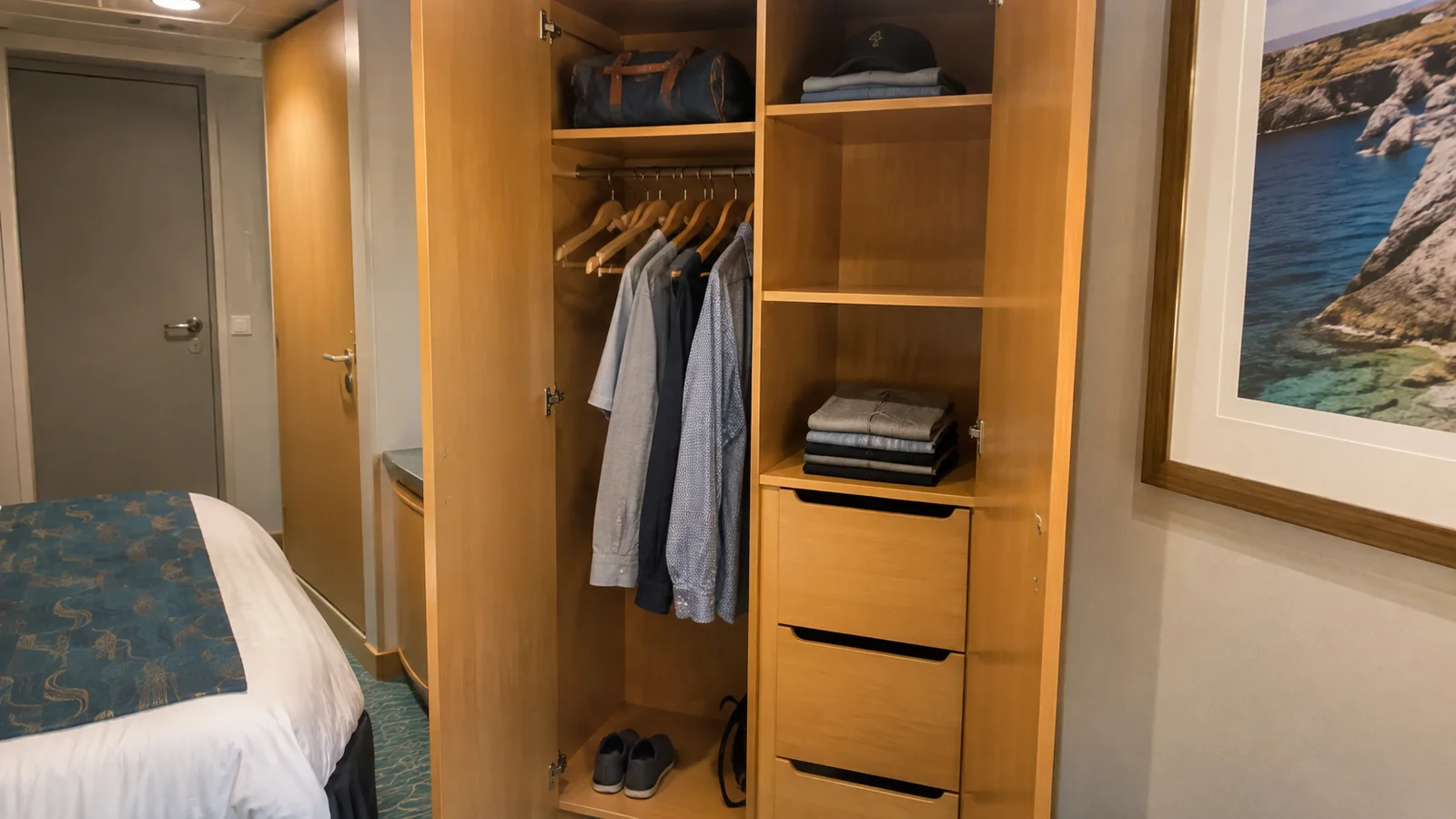
A compact cabin works much better when luggage has a predictable home. Before booking a longer trip, I would check under-bed clearance, closet layout, drawer space, and the amount of floor left with the bag open.
Do not assume a bedside shelf can hold a laptop or a tiny desk can double as a dressing area without rearranging everything. Photographs with everyday objects in the room can be more helpful than empty promotional shots.
My cabin organization guide can help once you know the layout. I would start by packing a manageable bag rather than expect several organizers to turn a cramped room into a large one.
For a long sailing, compare laundry options with the cost of moving to a larger room. Paying to wash a few items may be more useful than carrying enough clothing to fill every storage space.
Choose a sleep location, not just a small-room category
Solo cabins can be grouped in particular parts of a ship, so the category may offer less freedom of location than a conventional inside. I would check what sits above and below the available rooms before deciding that the solo product is automatically preferable.
My guide to reading deck plans helps locate entertainment, service spaces, and the useful elevator banks. The best room for your routine may sit slightly farther from a lounge entrance than the first available option.
I would welcome a convenient elevator location around a corner from the lobby. I would be less enthusiastic about a door directly facing a busy gathering point if I expected to sleep early.
Connecting doors also deserve a deliberate decision. When I do not need the connection, I would choose an otherwise comparable nonconnecting room, while recognizing that a connection is not proof of a noise problem.
The broader cabin-location checklist is useful here. Being a solo traveler does not make overhead pool activity, an obstructed view, or a long daily route irrelevant.
Separate the social plan from the sleeping space
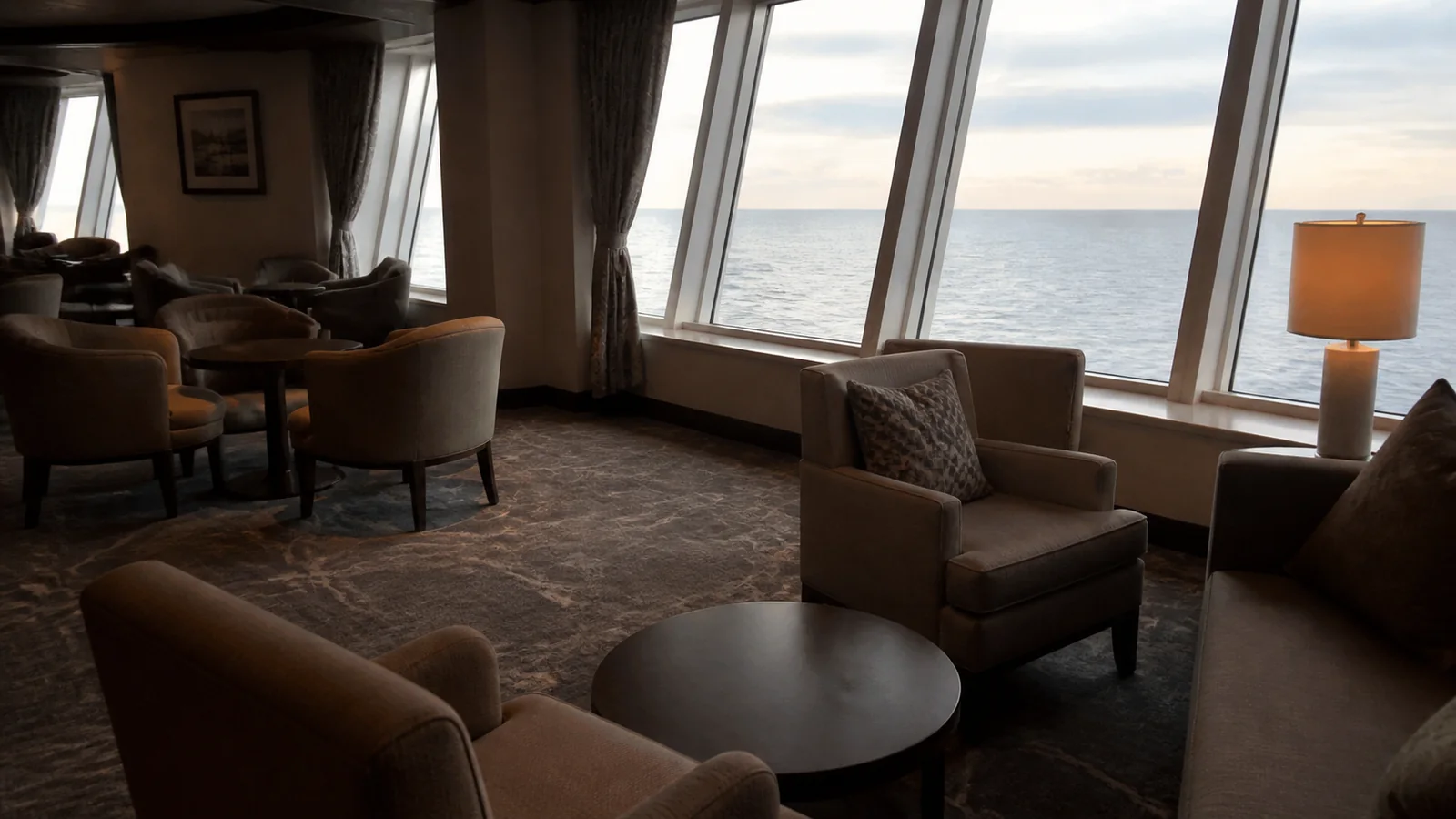
A dedicated lounge can lower the effort of meeting people, particularly on the first day. It is still only one possible way to build a comfortable solo routine.
I would look at hosted gatherings, shared dining opportunities, classes, and excursions before paying a substantial cabin premium purely out of concern about feeling alone. The right activity can create more useful familiarity than a room label.
Consider how much social time you actually want. A traveler seeking quiet independence may place more value on a window and good reading chair than on exclusive access to a gathering space.
If you are sailing alone as part of a larger family group, location near their cabins may matter more. I would compare a conventional room nearby before accepting a solo category at the other end of the ship.
Work, accessibility, and longer trips change the calculation
For remote work, I would verify the desk, chair, reachable outlets, and the internet product separately. A room that is comfortable for sleeping can become awkward when a laptop occupies the only usable surface all afternoon.
If you need accessibility features, a compact solo room may not provide them. I would ask the line to identify suitable accommodation and price that for one rather than force essential equipment into a room designed around minimal space.
Longer voyages also make daylight and storage more valuable for some travelers. I would compare the total upgrade cost with the number of days I will actually use the improvement.
An overnight stop or a port-heavy short trip may favor the inexpensive inside. Several sea days with time to read or rest in the cabin can justify a different choice without making either traveler wrong.
Five-minute solo fare comparison
- Search every quote for one guest.
- Record the final total and what is included.
- Compare the solo category with a conventional room occupied alone.
- Confirm any lounge access for the exact ship and category.
- Check bed layout, storage, daylight, and surrounding venues.
- Decide whether a different sailing date solves the budget problem more effectively.
Solo cabin questions
Can a solo room accommodate a second person later?
Do not assume it can, even if the bed looks large enough. Confirm the category’s permitted occupancy before booking if your travel plans may change.
Are solo upgrade bids charged for one person?
Not always, because some programs calculate a bid using two occupants even when you travel alone. I would read the program’s solo pricing rule before entering an amount.
Is a balcony wasted when traveling alone?
No, private outdoor time can be just as enjoyable alone. I would judge it by the time I expect to use it and the complete solo fare difference.
What I would book
I would choose the least expensive room that gives me the sleep location, daylight, storage, and confirmed social access I actually want. A purpose-built solo cabin gets a place on that shortlist, but it still has to beat the alternatives.