Celebrity Beyond Cabins to Avoid: Rooms & Better Picks
My idea of a Celebrity Beyond upgrade is a room I enjoy every morning, not a fancier label attached to a compromise I missed.
I would compare these cabin numbers and layouts before choosing between balcony time, an easy walk and the kind of ceiling I want above my pillow.
Celebrity Beyond cabins I would reconsider first
- 12173 and 12175: port-side Deck 12 examples beneath the main pool-deck surroundings, not a residential ceiling.
- 12259 and 12261: aft Deck 12 examples beneath the Oceanview Café area, where preparation and clearing are more relevant than swimming-pool noise.
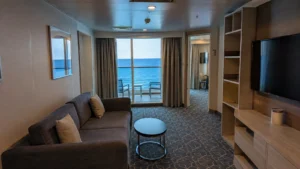
- 6192, 6196, 6198 and 6202: the Deck 6 Magic Carpet Sky Suite group, which deserves its own balcony-frame comparison.
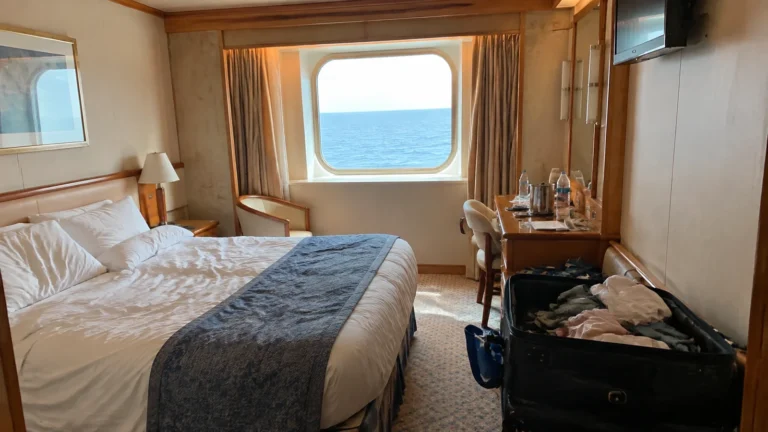
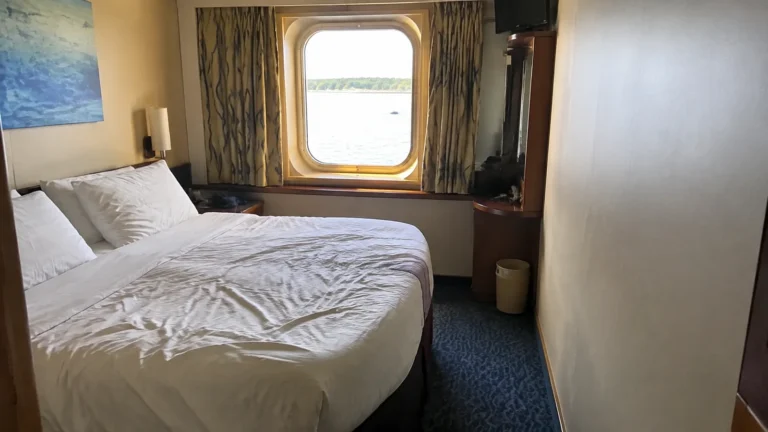
- 6128 and 6129: Panoramic Ocean View rooms with windows rather than private balconies, a poor substitute when fresh-air sitting space is essential.
- 6100 and 6102: forward Deck 6 oceanviews to inspect against the theater below if you turn in before the final show.
I would start with a non-connecting midship room on Deck 8, 9 or 10 with cabins directly above and below. That reduces obvious public-venue exposure, but it does not guarantee freedom from every shipboard creak or sound.
Match your departure to the official Beyond plans and read the actual category description. The numbered ceiling examples are reasons to compare locations, not a list of rooms proven noisy on every voyage.
Creaking reports: useful warning, unreliable blacklist
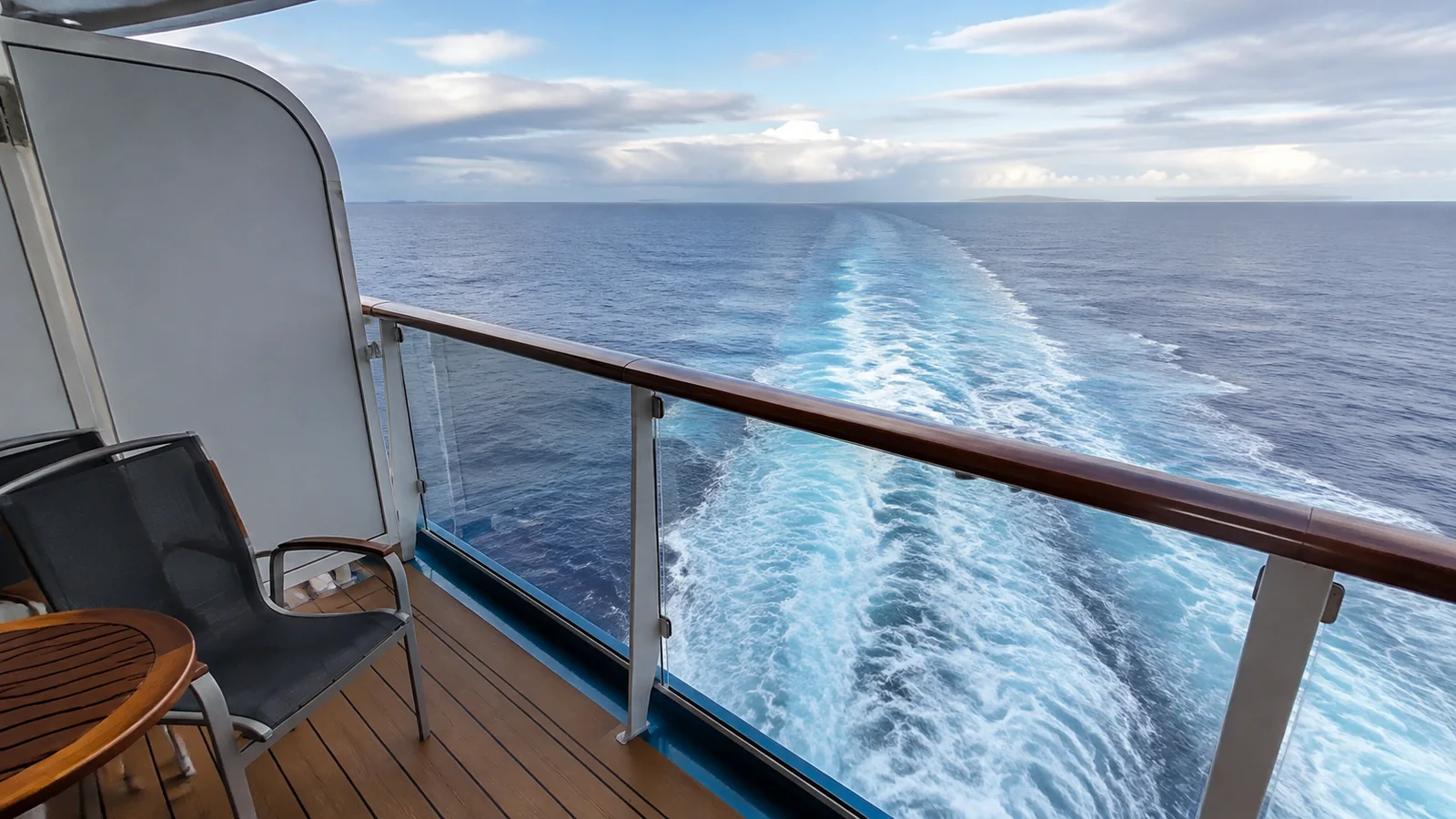
A report of creaking or popping would make me investigate the exact Beyond cabin, not automatically rule out its whole deck. I would want to know whether the sound occurred while underway, during rough seas or around a particular window or fitting before deciding that another room is worth a higher fare.
This is different from a theater directly below a room. The physical venue stays in place, while a creak can depend on sea conditions, a fitting, maintenance work, and exactly where the sound originates.
I would search the exact cabin number with “Celebrity Beyond” and favor a recent account that identifies both the sound and when it happened. I would give less weight to a list copied from an earlier sailing without a date, room number, or description of what was repaired.
If several independent recent reports identify the same room and a comparable alternative is available, I would choose the alternative. I would not pay a large premium for someone else’s “silent cabin” claim as if it were an acoustic warranty.
A residential buffer remains useful for reducing exposure to public-space activity, even though it cannot guarantee freedom from shipboard creaks. I would control the layout risks I can verify and keep the uncertain ones in proportion.
The Infinite Veranda is the biggest expectation trap
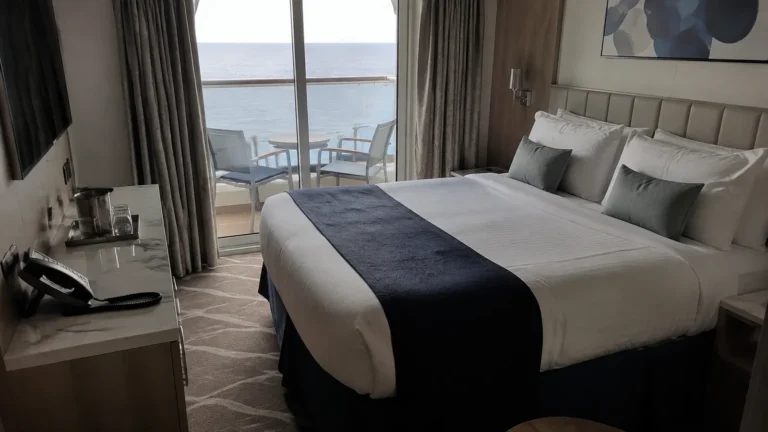
On Beyond, the standard Infinite Veranda uses a powered exterior window to bring open air into the veranda area. It feels more like extending the room toward the sea than stepping onto a conventional balcony outside it.
That can be a lovely arrangement if you value flexible indoor space and spend most of the day with the window closed. I would be less enthusiastic if your main wish is to sit outdoors while your partner keeps the bedroom cool and dark.
The interior folding doors create some separation, but I would not assume their temperature and sound behavior matches a substantial exterior balcony door. Reports about climate-control behavior can also vary, so I would avoid choosing the room around a promised workaround.
Celebrity’s Beyond accommodation pages show the room types separately. If you want an actual exterior balcony, compare Sunset Verandas, Deluxe Porthole View with Veranda rooms, and the relevant suites.
For me, this is worth deciding before cabin location. A perfectly located room is still the wrong purchase if its main feature is something you already know you dislike.
Deck 12 has several different ceilings
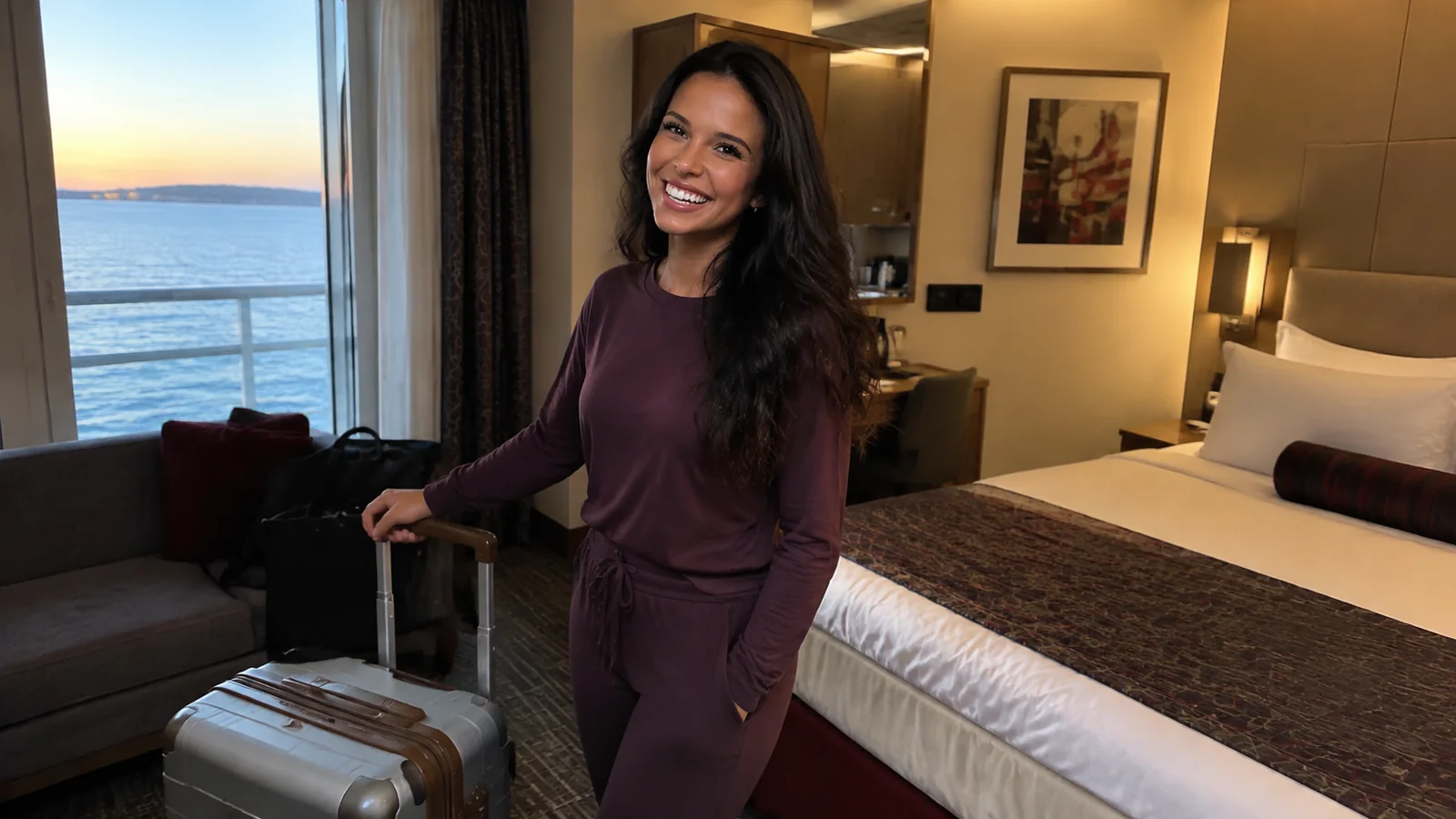
Beyond does not have a passenger Deck 13, so Deck 14 sits immediately above Deck 12. The next-deck relationship matters more than the apparent two-number gap.
For 12173 and 12175, I would weigh the poolside furniture and circulation above against my need for naps or late mornings. Farther aft, 12259 and 12261 need a different comparison with Oceanview Café, where breakfast preparation and dining-chair movement are the more relevant concerns.
Aft Deck 12 rooms need comparison with Oceanview Café. Breakfast preparation, table clearing, rolling equipment, and chair movement make a buffet ceiling a different proposition from another bedroom.
Forward Deck 12 has a different relationship to the spa and other forward public spaces. I would not dismiss an expensive suite there for “pool noise” if the pool is not actually over its footprint.
My quieter-ceiling alternative is a Deck 11 room beneath Deck 12 accommodation. If the price is similar, I would also compare Deck 9 or 10 for a lower position and fewer upper-deck variables.
An upper cabin can still be worthwhile for someone who spends most of the trip around the pool. I simply would not pay a premium for convenience I will use twice a day if it compromises the sleeping environment I care about more.
Below Deck 6, look for the actual entertainment space
Beyond’s theater occupies the forward lower decks, making forward Deck 6 accommodation a sensible place to inspect for sound from below. I would be particularly cautious if your normal bedtime overlaps evening performances.
There can also be daytime rehearsals, so an afternoon nap is not automatically protected by a quiet evening schedule. For additional separation, compare a similar cabin on Deck 8 rather than relying on a favorable review of another Deck 6 room.
Deck 3 ocean-view cabins create the opposite relationship: public spaces are above them on Deck 4. Identify the casino, restaurant, lounge, or service boundary overhead before treating a low deck as a simple sleep-first answer.
Far aft, Eden spans multiple levels, and the aft accommodation does not line up with every part of its footprint in the same way. I would not label every Sunset Veranda “over Eden” or claim a stage sits directly beneath it without matching the levels.
My guide to comparing cruise floor plans shows why you should align the hull and elevator cores rather than identical-looking cabin numbers. A plan shifted slightly on a screen can create a false conclusion about what is above or below.
A partial view can be a sensible saving
The lower veranda decks are closest to lifeboats and their associated equipment. Beyond’s partial-view category and obstruction markings tell you where an extra sightline check is required.
I would ask whether the obstruction interrupts the seated horizon, the downward water view, or an angled view toward the bow or stern. “Thirty percent obstructed” is less useful to me than a clear photograph showing what I will see from my chair.
Do not assume every room on Deck 6 shares the same obstruction. The equipment has gaps, the ship changes shape, and two nearby cabins can frame it differently.
For a scenic trip where I plan to spend hours at the window, I would pay a reasonable difference for a confirmed clear view. For a trip spent mostly ashore, a documented partial view can be an easy place to save money.
Moving to Deck 8 or 9 increases separation from the lower equipment zone, but I would still check the room’s own marking. An upgrade that retains a view restriction has not necessarily solved the problem you were trying to remove.
Magic Carpet Sky Suites need their own comparison
The Magic Carpet structure is on Beyond’s starboard side, with dedicated suites grouped in its support zone. This is a visible plan feature, not a rumor about a particular passenger’s experience.
I would look at balcony photographs that include the sides and overhead framing. The view straight ahead may be attractive while the view diagonally along the ship includes structural elements you would not see from a normal side-facing room.
I would compare the suite against a Sky Suite outside that block at the same height. If the Magic Carpet suite gives you a worthwhile space or price advantage, the frame can be an acceptable tradeoff.
What I would not do is promise uninterrupted privacy or pronounce every suite beside the platform noisy. The platform’s position and operations vary, and the plan alone does not measure sound inside the suite.
Sunset Verandas favor balcony time over a central address
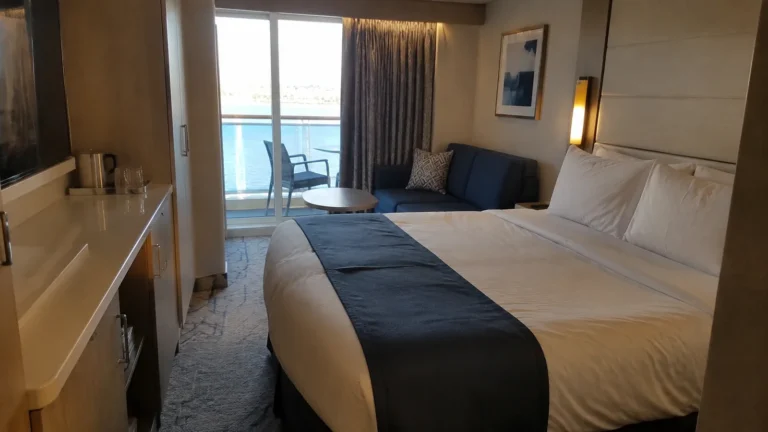
A Sunset Veranda is one of the first categories I would check if a conventional balcony is essential. The wake-facing outlook is a real reason to accept a less central location.
The compromise is the stern position and a longer route to the elevators, with forward venues farther away still. I would measure that route before booking for someone who returns to the cabin repeatedly during the day.
For privacy, inspect how much of the balcony projects beyond the cover above. A stepped stern can create sightlines from higher balconies or public viewpoints, and an overhead roof may shade only part of the outdoor space.
If motion is a major concern, I would choose midship even if it means accepting an Infinite Veranda or a simpler room category. If motion is rarely an issue, I would choose the wake view and treat possible docking vibration as an operational event rather than assume constant shaking.
Premium categories and family layouts
I would buy AquaClass for the dining and spa benefits I expect to use, not because the label promises a better ceiling. Check its actual location and remember that the Infinite Veranda arrangement remains relevant.
Concierge Class needs the same scrutiny. A well-placed ordinary room can be more suitable than a higher-priced room with a public venue overhead, even if the latter includes appealing extras.
For The Retreat, compare the suite’s position with the high forward facilities. An aft suite and a forward suite can deliver very different daily walking routines despite providing access to the same amenities.
Families should confirm the exact connecting pair and the extra-bed setup before paying for occupancy. A sofa opened for sleeping changes the path through the room, so I would compare two connecting rooms with one crowded premium room when pricing is close.
Camp at Sea is on Deck 3, so I would compare the route to that lower level for drop-off and pickup rather than look for a room near the upper pools. A short elevator trip from a residential deck can be a better family compromise than choosing a room directly at a busy public-space entrance.
Convenient elevators can be the better choice
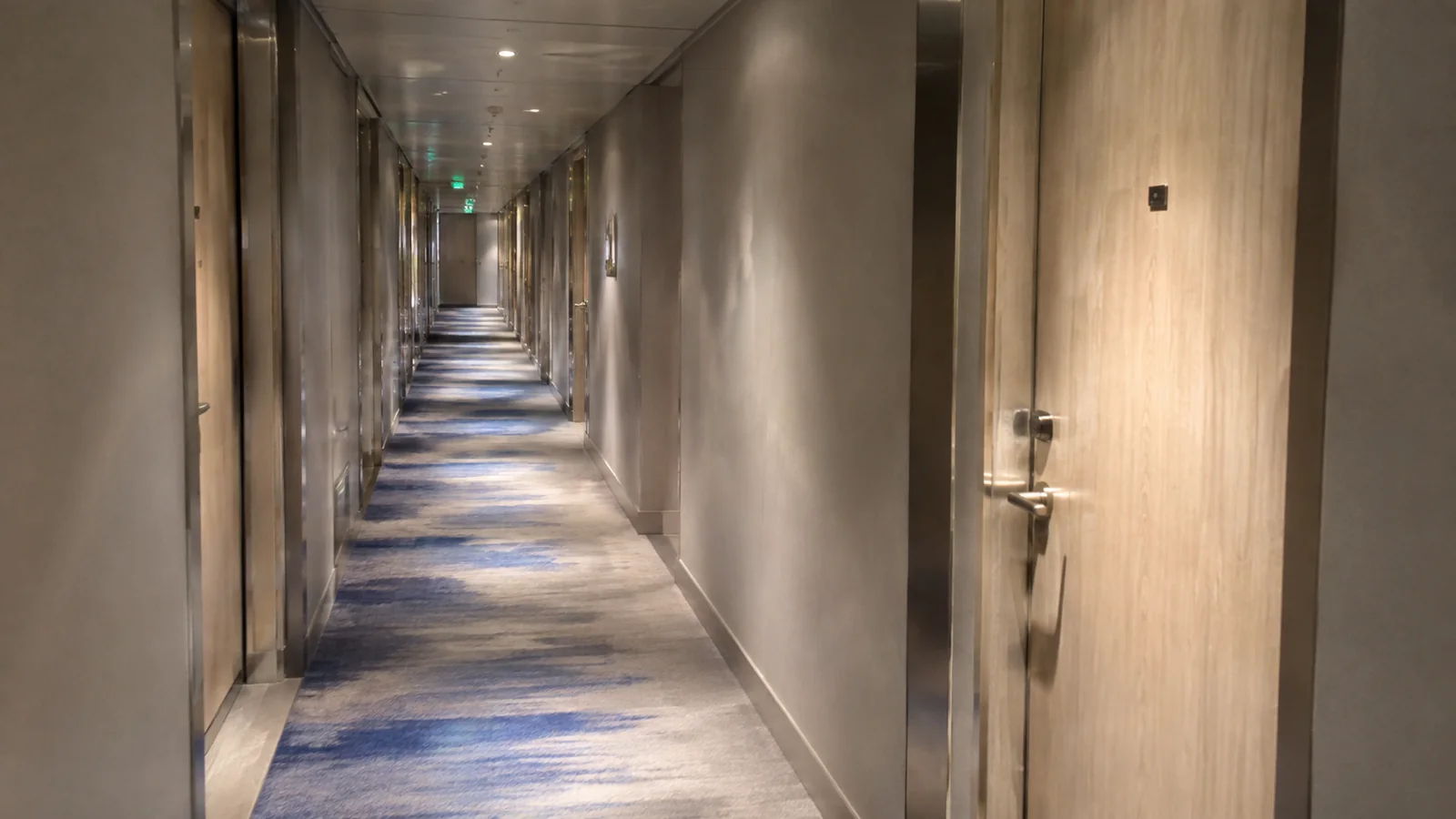
I would happily choose a room near an elevator if its door sits around the corridor corner. A direct view into a lobby where groups wait deserves more attention than simple proximity to the lift shaft.
When a connection is unnecessary, an otherwise equal non-connecting room is my preference. That avoids an extra doorway without overstating the chance of hearing your neighbors.
Guests needing accessible features should confirm the exact room with Celebrity’s accessible cruising resources. A suitable shower, threshold, equipment clearance, and elevator route matter more than a speculative noise advantage down a long hallway.
My five-minute Beyond booking test
- Check the departure-date deck plan and the written balcony category.
- Compare the physical deck above and below, including Deck 14 directly over Deck 12.
- Identify theater, pool, buffet, and lower public-space exposure where relevant.
- Confirm any partial-view note and the relationship to the Magic Carpet supports.
- Read recent reports for the exact room without treating one sailing as a permanent verdict.
- Check connection, beds, accessibility, walking route, and guarantee restrictions before paying.
I would save that decision in a cruise planning record and repeat the check after an upgrade. My general cabin warning checklist is helpful for the details that booking filters leave out.
Beyond cabin questions
Can I eliminate creaking by choosing one deck?
I would not promise that. Choose the strongest physical location you can afford, check recent room-specific evidence, and report an identifiable fitting or window noise promptly if it occurs onboard.
Would I accept a guarantee?
Only if I would accept all the room types and locations allowed by the fare. I would choose my number if an Infinite Veranda arrangement, view restriction, or extreme-end location would be a dealbreaker.

What would I book for the lowest-risk trip?
I would choose a non-connecting midship room on Deck 8, 9, or 10, with accommodation above and below and no marked obstruction. If a traditional balcony mattered more than the central location, I would switch deliberately to a Sunset Veranda with a residential ceiling and accept the stern’s tradeoffs.