Cruise Ship Shirts: Smart Ideas for Groups and Everyday Sailings
Cruise ship shirts can be useful, funny, sentimental, or all three, but the best one is still a shirt people willingly wear. Choose a comfortable blank, readable design, respectful wording, and realistic delivery timeline, then remember that matching embarkation tees are not usually a substitute for dining-room attire.
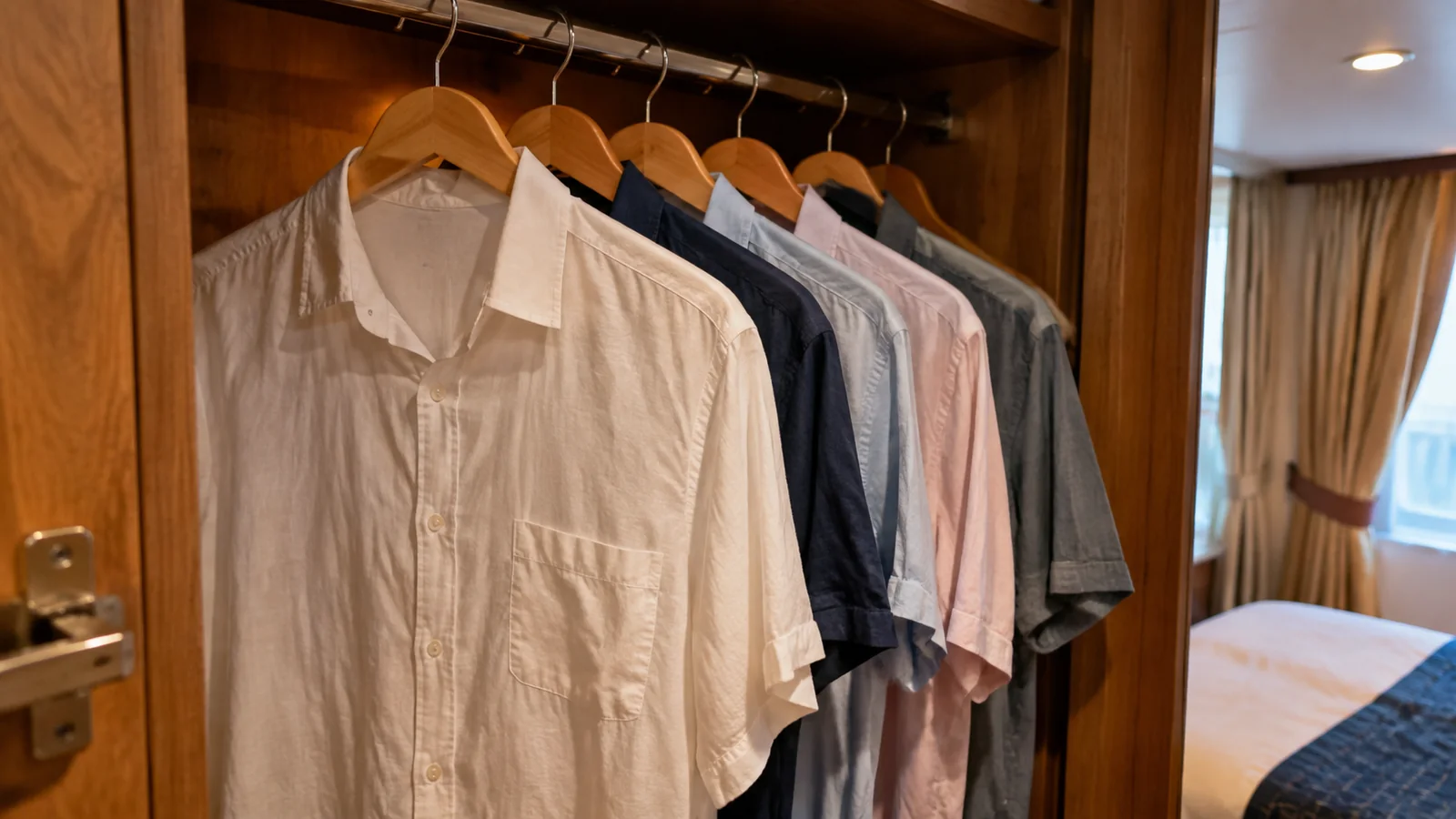
What counts as a cruise ship shirt?
A cruise ship shirt can be official line merchandise, a destination tee, a personalized family design, a group identifier, or simply a comfortable top chosen for sea days. It does not need an anchor, a pun, or the phrase “ship happens,” although the internet has clearly held several committee meetings about all three.
The useful question is what job the shirt needs to do. A reunion shirt must fit many bodies, an Alaska layer must work under rain gear, and a funny embarkation tee must still feel appropriate around children and crew.
Best cruise shirt ideas by purpose
Embarkation-day group shirts
Use a simple design with the group name, year, and one recognizable color. Large groups can add a small first name on the front or sleeve, but avoid publishing cabin numbers, full family names, or detailed travel dates where strangers can read them.
Matching shirts make a group easier to spot at the terminal and improve the first photo. They do not replace a meeting point, phone plan, or agreement about who is carrying Aunt Linda’s passport.
Family reunion shirts
Choose a design that works across adult, youth, and extended sizes, with several garment cuts in the same color family. A single unisex shape rarely fits every person well, and “everyone gets medium” is less a sizing strategy than the opening scene of an argument.
Keep the wording broad enough that people may wear it after the cruise. A small ship graphic with a family nickname is more reusable than a dense itinerary across the entire back.
Birthday and anniversary shirts
Let the guest of honor decide how loudly the occasion should be announced. One coordinated color with a small chest design can feel festive without requiring every relative to become a moving billboard.
For milestone groups, print the event on the back and keep the front clean. This leaves space for a lanyard, crossbody strap, cardigan, or the inevitable plate from the embarkation buffet.
Friends and bachelor or bachelorette groups
Use humor that remains funny when read by a child, a grandparent, and the person serving lunch. Avoid jokes about intoxication, bodies, relationships, or crew members that could become embarrassing or conflict with a line’s conduct expectations.
Give every participant the option to skip a nickname or slogan. Group spirit works better when nobody must wear a joke they dislike for the sake of one photograph.
Destination shirts
A route-based design can use original icons such as mountains, waves, a compass, or a simple port list. For a cold destination, put the graphic on a midweight long-sleeve shirt or sweatshirt only if it layers comfortably under the planned jacket.
Do not treat a printed “Alaska” shirt as cold-weather equipment. Weather belongs to the destination, not the typography.
Holiday and theme-night shirts
Coordinate colors for seasonal sailings, white parties, tropical nights, or other announced events, but verify the schedule close to departure. Holiday programming changes by line, ship, and sailing, as explained in this practical look at Christmas cruises.
A reversible accessory, scarf, or overshirt can handle multiple themes with less luggage. There is no medal for dedicating half a suitcase to outfits worn for forty-five minutes.
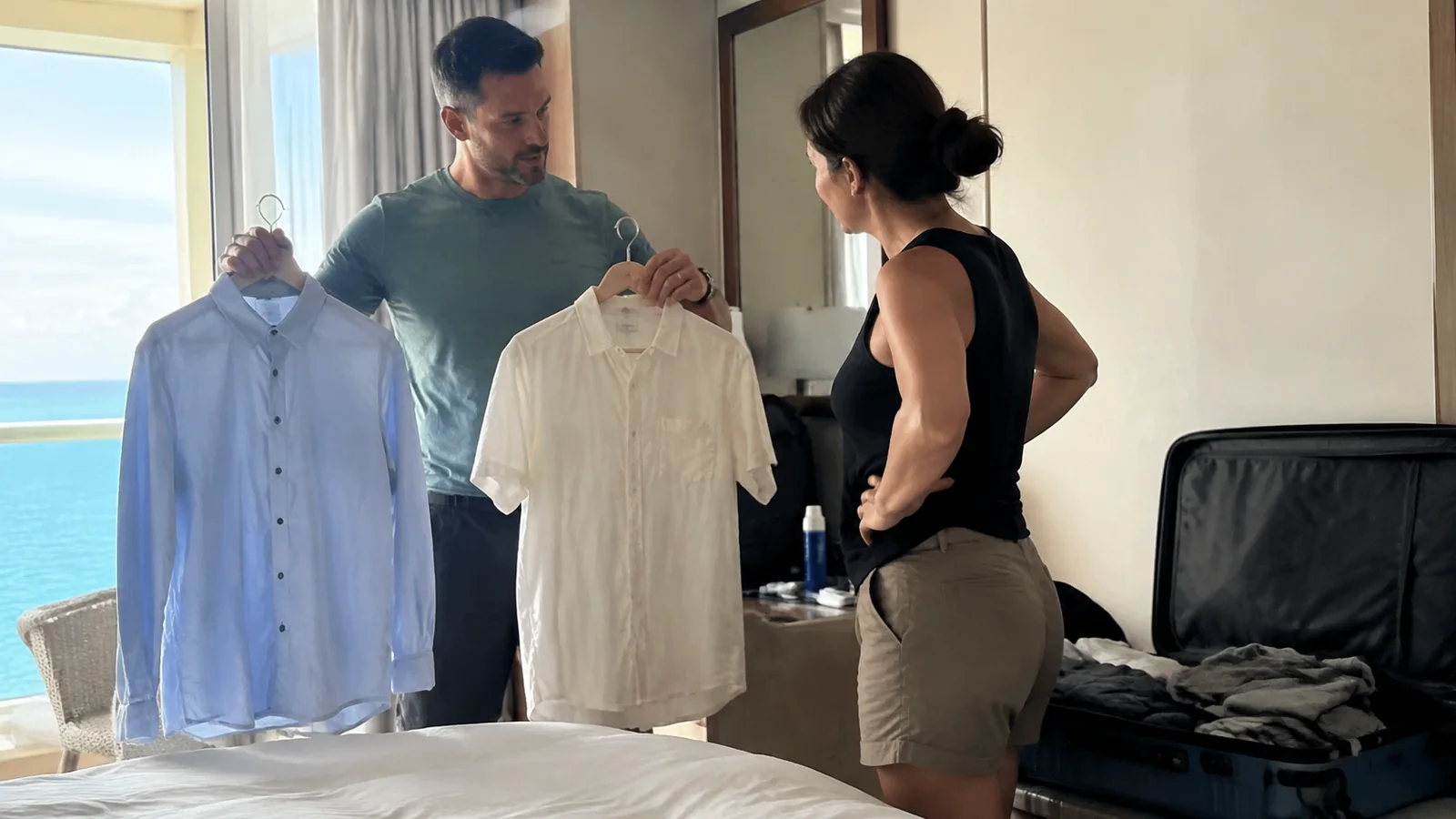
How to design a shirt people can actually read
Limit the front design to one message, one focal graphic, and a small number of colors. If the joke requires a paragraph, it belongs in the group chat.
High contrast matters more than decorative complexity. Dark navy text can disappear on black, thin script becomes illegible in photos, and tiny port names turn into decorative lint from ten feet away.
- Use one short headline of roughly two to seven words.
- Choose a bold, open typeface for the main message.
- Keep important detail away from seams, collars, and underarms.
- Make the design readable in a phone-size preview.
- Test dark and light backgrounds before choosing the shirt color.
- Print one sample before approving a large order.
For a back design, remember that long hair, backpacks, and life jackets can cover it. Put essential identification high enough to remain visible, but never rely on a shirt for safety information.
Use original artwork or licensed material
Cruise-line logos, entertainment characters, photographs, and other artwork may be protected intellectual property. Being able to download an image does not automatically give a group permission to print it on thirty shirts.
The U.S. Copyright Office explains that graphic art, illustrations, and photographs can be protected from the moment qualifying original work is fixed in a tangible medium. Use original graphics, properly licensed assets, or a vendor that documents the rights included with its design library.
Do not ask a printer to “change the logo just enough” and assume that solves the issue. A simple custom ship silhouette, family initials, and original phrase usually creates a more personal result anyway.
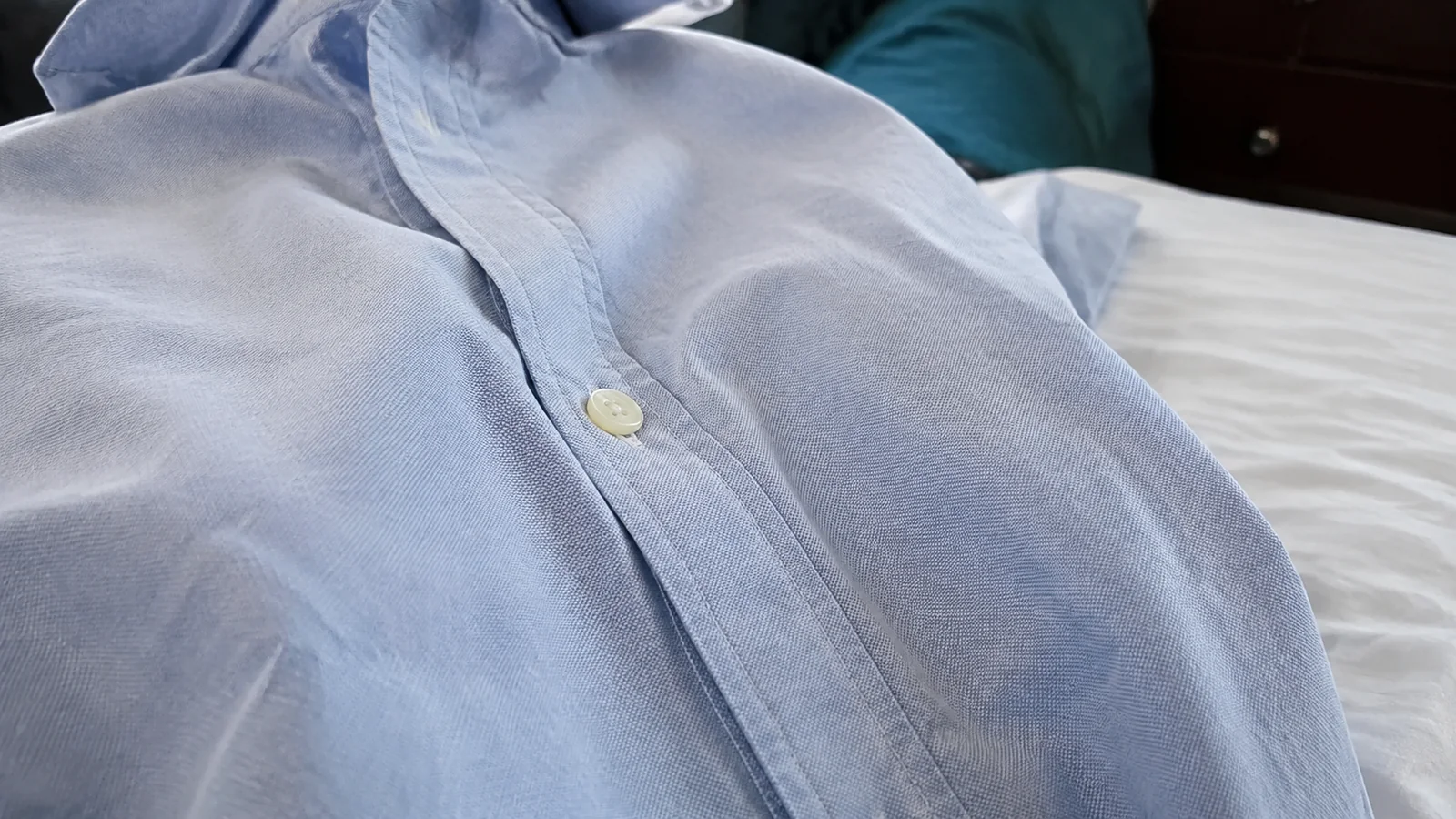
Choose fabric for the itinerary
Cotton feels soft and familiar but absorbs moisture and may dry slowly. Polyester and performance blends can dry faster, while some wearers dislike their feel or find that they retain odors differently.
A cotton-polyester blend can balance softness, drying time, and shape retention. Fabric weight, knit, finish, cut, and construction matter alongside the fiber percentages, so composition alone does not predict comfort.
The Federal Trade Commission says most textile products sold in the United States must disclose fiber content, country of origin, and the responsible business, with care instructions covered by a separate rule. Read the actual label and wash directions rather than trusting a seller’s vague “premium” description.
For hot-weather cruises
Look for a lightweight, breathable shirt with enough coverage for sun protection and air-conditioned interiors. Pale colors may feel cooler in direct sun, but fabric weave, fit, moisture, and shade also affect comfort.
A shirt is not a complete sun plan. Add broad-spectrum sunscreen, a hat, water, and breaks from the strongest heat according to current health guidance.
For Alaska and Northern Europe
Choose a comfortable base or midlayer that does not bunch under a sweater and waterproof shell. Long sleeves add coverage, but the full system should handle wind and rain rather than depending on one heavy souvenir tee.
For active port days
Use a quick-drying shirt with flat seams and a fit that does not rub beneath a daypack. Test it on a long walk before travel, because a neckline can become remarkably opinionated by mile three.
Fit matters more than the size letter
Ask the vendor for garment measurements, not only a generic small-through-3XL chart. Compare chest width, body length, sleeve length, and cut with a shirt each person already owns.
Unisex, women’s, youth, tall, relaxed, and fitted styles can use different proportions even within one brand. If exact color matching matters, confirm that every chosen style is made in the same shade and fabric blend.
Order a range that respects individual preferences and mobility needs. Some people want a loose neckline, longer hem, adaptive opening, tag-free finish, or room for medical equipment, and none should have to explain why to the entire reunion.
Plan for shrinkage without guessing
Follow the manufacturer’s care label and test one shirt before the group order. Washing temperature, dryer heat, fiber content, and construction affect size changes, so blanket claims like “size up once” are unreliable.
Prewash a sample if the printing method permits, then remeasure it. Do not prewash everyone’s final shirts unless the group agrees, since some people will want the item unworn.
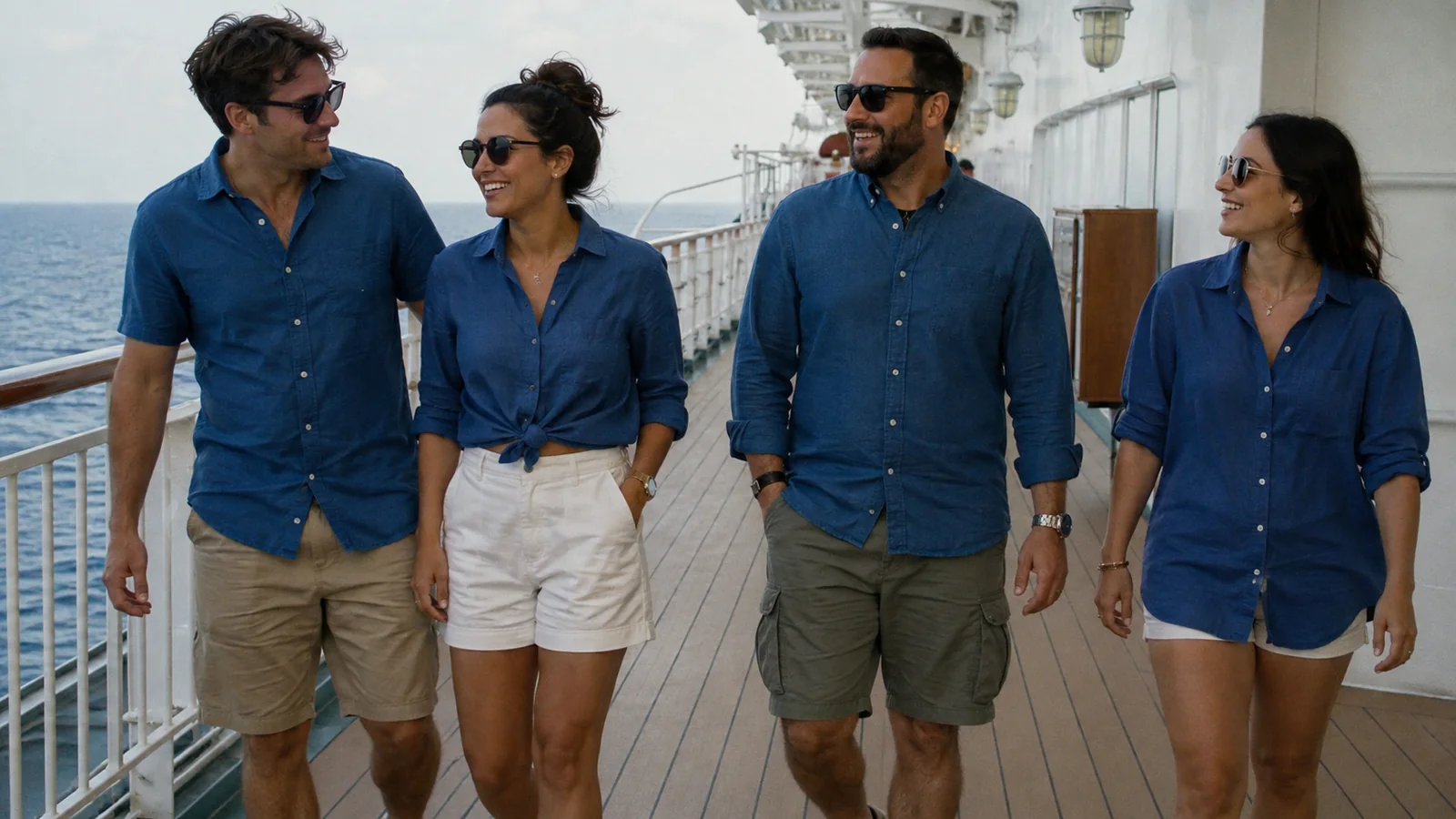
Printing methods in plain English
Screen printing
Screen printing is often economical for larger orders with few colors and can produce durable, opaque designs. Setup costs make tiny orders less attractive, and each added color may increase complexity.
Direct-to-garment printing
Direct-to-garment printing handles detailed, multicolor artwork and small quantities well. Results depend on garment composition, pretreatment, equipment, ink, and curing, so request a sample rather than treating the method name as a quality guarantee.
Heat transfer and vinyl
Transfers can work for names, numbers, and short runs. Large solid areas may feel warmer or stiffer, and repeated high-heat drying can affect some applications.
Embroidery
Embroidery gives polos and heavier garments a polished look but can pucker lightweight tees or feel scratchy without backing. Keep fine lettering large enough for thread to reproduce cleanly.
Ask the printer how to wash and dry the decorated garment, because the print may require gentler care than the blank shirt. Put the instructions in the group message before someone enthusiastically selects the hottest dryer setting.
Will a cruise shirt meet the dress code?
A T-shirt is usually fine for casual daytime spaces, shore days, the buffet, and many relaxed venues, provided it offers appropriate coverage and a respectful graphic. Main dining rooms, specialty restaurants, formal evenings, and religious sites ashore can require something more polished.
Royal Caribbean’s current dress-code FAQ calls jeans, polos, sundresses, and blouses casual while asking guests to keep swimwear on the pool deck. The acceptable outfit changes by venue and time of day.
Carnival says certain dining settings exclude items such as T-shirts, gym shorts, cutoffs, and men’s sleeveless shirts under its cruise-casual guidance. Norwegian’s current restaurant guidance requires shirts and footwear, respectful graphics, appropriate coverage, and no swimwear in dining venues.
Those examples do not create one fleetwide rule for every company. Check the line, ship, venue, and daily schedule shortly before packing, then bring at least one alternative top that satisfies the strictest dinner you plan to attend.
Respectful slogans are the safest slogans
Avoid obscene, sexually explicit, threatening, harassing, discriminatory, or demeaning messages. A cruise combines families, cultures, workers, and public spaces, and a shirt can be readable long after its wearer forgets the joke.
Skip slogans that objectify crew members or make light of dangerous drinking. Crew members are professionals at work, not accessories to a group costume.
Destination respect matters too. Do not reduce a culture, Indigenous community, religion, or national identity to a stereotype for matching-port-day photos.
Ordering group shirts without chaos
- Choose one organizer with final approval authority.
- Set the wearing occasion, budget, color, and delivery deadline.
- Collect garment measurements and style choices through one form.
- Confirm spelling, dates, artwork rights, and print placement.
- Order one physical sample in the final blank and print method.
- Approve a proof that shows every personalized version.
- Build in time for reprints, shipping delays, and size corrections.
- Distribute shirts before travel whenever possible.
Do not ship the entire order to a hotel without written confirmation that it accepts guest packages, understands the arrival date, and charges no surprise handling fee. Carry irreplaceable personalized shirts rather than checking them if they are central to an event.
How many shirts should you pack?
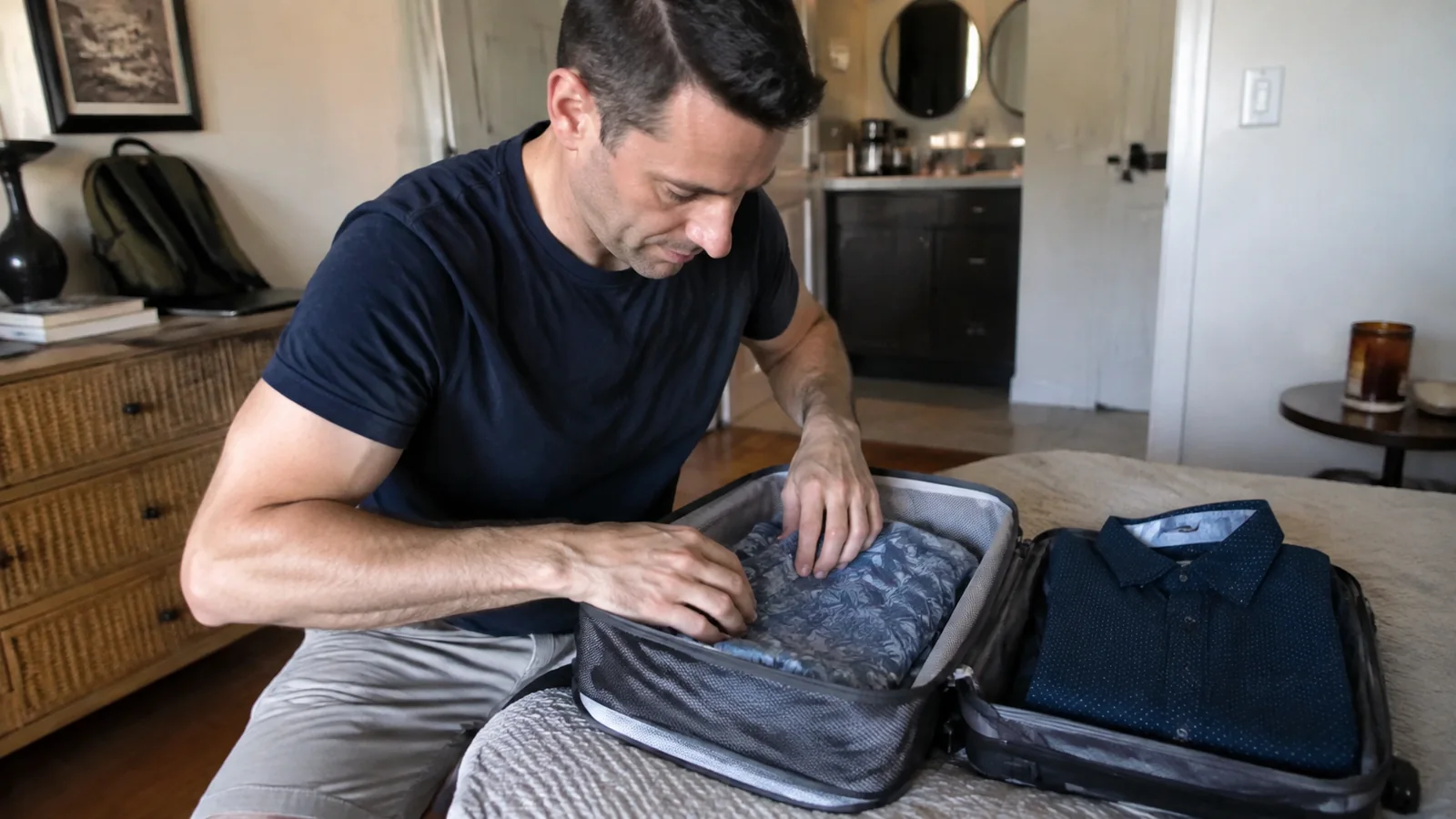
One or two cruise-themed shirts are enough for most travelers, plus clothing appropriate to climate, activities, and dining. Repeating a shirt is normal, and sink washing or ship laundry may extend a compact wardrobe.
Build the shirts into the core-plus-modules system in this cruise packing list. Wear the bulkiest group shirt on embarkation day only if it remains comfortable through travel, terminal lines, and warm weather.
Pack one spare neutral top in the embarkation bag. Luggage can arrive later, weather can change, and a six-year-old can place pancake syrup on a white reunion shirt with laboratory precision.
Smart uses onboard
- Coordinate embarkation or reunion photos.
- Identify a large group at a meeting point.
- Celebrate a birthday, graduation, or anniversary.
- Create a low-effort theme-night outfit.
- Give each traveler a reusable trip keepsake.
- Make children easier for their own adults to spot in busy family spaces.
Matching clothing is not a substitute for supervision, and it should not display a child’s full name prominently. For families, pair shirts with the check-in and daily-plan advice in first-time cruise tips.
Frequently asked questions
Can you wear T-shirts to dinner on a cruise?
Sometimes, depending on the line, venue, evening, design, and shirt style. Pack a polo, blouse, button-front shirt, sweater, or other smart-casual option for venues that do not accept tees.
What color is best for a group shirt?
Choose a color everyone can obtain in a suitable size and cut, with enough contrast for the artwork. Midtone colors may hide small marks better than pure white while remaining visible in photos.
Should names go on cruise shirts?
First names or nicknames can help within a private group, but avoid full names, cabin numbers, and detailed travel information. Let each person opt out.
When should you order personalized shirts?
Allow time for a sample, proof, production, shipping, and one correction cycle. The exact lead time belongs to the vendor, order size, decoration method, and season.
Are matching shirts required?
No. Offer a coordinated color or optional accessory for anyone who dislikes matching clothes, and make participation a pleasure rather than a uniform inspection.
The shirt that earns suitcase space
A successful cruise shirt fits comfortably, communicates one clear idea, respects the people around it, and works beyond a single photograph. Start with the wearer, then choose the fabric, cut, artwork, and printing method.
Bring a dining-appropriate alternative and follow the exact ship’s rules. Matching tees can create a lovely group memory, but nobody should need a complicated backstory, legal defense, and lint roller just to get dressed.