The Drake Passage: What an Antarctica Crossing Is Really Like
The Drake Passage is the roughly 500-mile stretch between South America and Antarctica that most peninsula expedition cruises cross in each direction. It can be calm, rough, or somewhere inconveniently between, and no month, ship, cabin, forecast, or lucky pair of socks can guarantee which version you get.
Where is the Drake Passage?
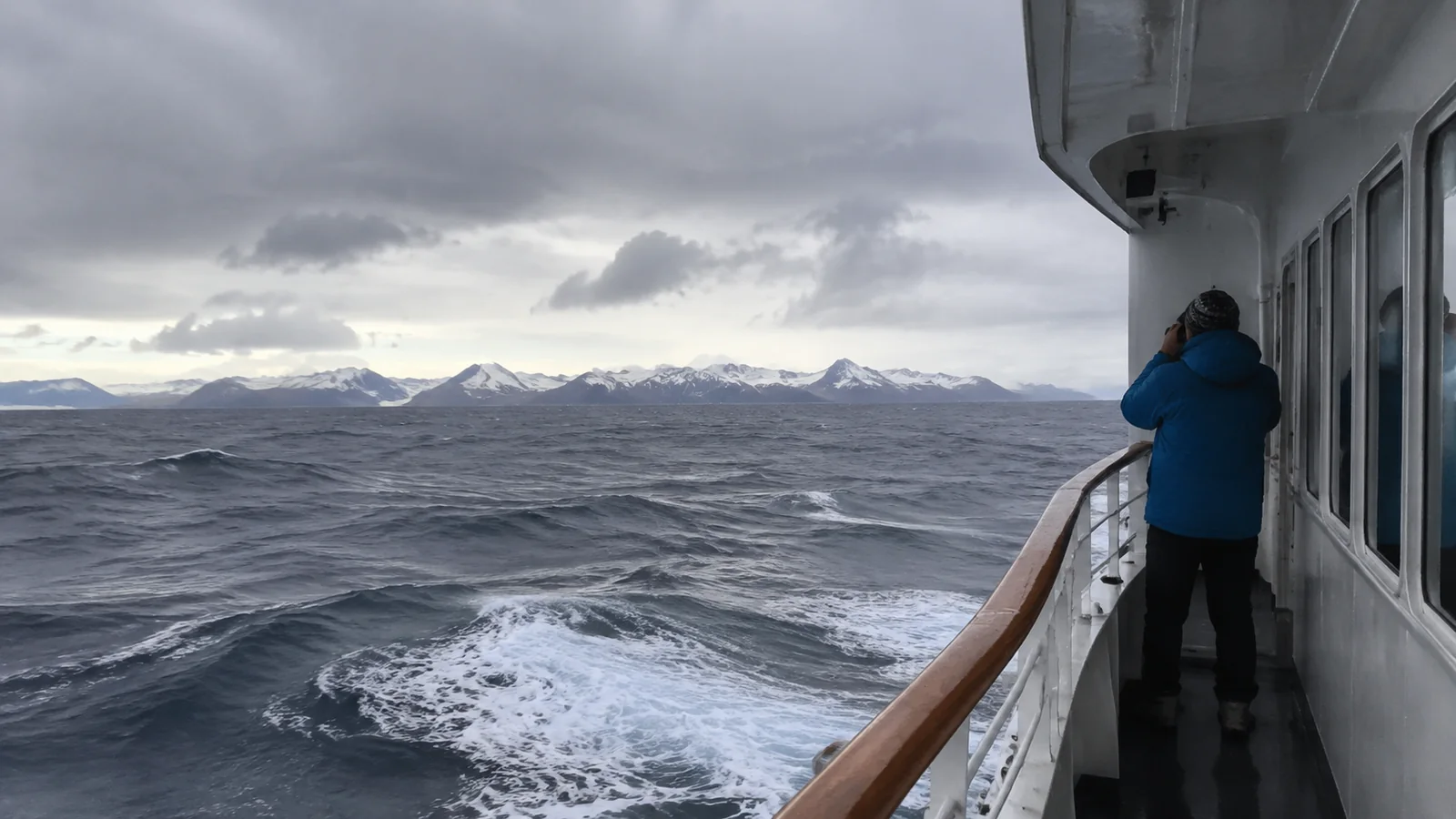
The Drake Passage lies between Cape Horn at the southern end of South America and the South Shetland Islands near the Antarctic Peninsula. It links the southern Atlantic and Pacific waters across a broad, exposed part of the Southern Ocean.
Most conventional Antarctic Peninsula voyages embark in Ushuaia, Argentina, then sail through the Beagle Channel before turning south. Fly-cruise programs commonly begin in Punta Arenas, Chile, and use a charter aircraft to reach King George Island in the South Shetlands.
Its reputation comes from strong Southern Ocean weather, long stretches of open water, and powerful ocean movement with little land to interrupt it. That reputation is deserved, but it is not a forecast for your departure.
How long does the crossing take?
The Australian Antarctic Program says the Antarctic Peninsula is typically about 1.5 to 2 days by ship across the Drake from South America. Operators usually schedule two itinerary days in each direction, although the actual timing varies with vessel, route, wind, waves, and operational decisions.
A classic 10- or 11-day peninsula expedition can therefore devote roughly four days to getting across and back. Those are not necessarily empty days, since expedition teams may run briefings, lectures, wildlife watches, equipment checks, and biosecurity preparation.
Still, travelers should understand the arithmetic before booking. A fly-cruise costs more but can exchange several sea days for more time around the peninsula, while a traditional sailing makes the ocean crossing part of the experience.
Drake Lake versus Drake Shake
Travelers use “Drake Lake” for unusually gentle conditions and “Drake Shake” for rougher ones. They are catchy descriptions, not formal sea-state categories, and real crossings occupy every point between the two.
Conditions can change during one crossing, and the outbound trip does not predict the return. A calm photograph posted yesterday tells you what happened yesterday, which is charming but meteorologically limited.
Captains and bridge teams monitor forecasts and observations, then adjust course or speed within operational limits. Their priority is safe navigation, not delivering the precise roller-coaster level someone requested in a group chat.
Is there a calmest month?
Antarctic tourism to the peninsula is concentrated in the austral spring and summer, broadly from late October into March. Weather, daylight, ice, and wildlife activity change across that period, but no month guarantees a smooth Drake Passage.
Choose dates for the broader expedition you want rather than trying to outsmart one stretch of ocean. Early season can bring more ice and fresh snow, midsummer offers long daylight, and later departures can have different wildlife and ice conditions, all without a promise about wave height.
A late-season departure may overlap the broader shoulder-season choices covered in cruises in March, but Antarctica demands its own operator-specific planning. Check the exact route, daylight, included gear, and expected activities rather than treating the month as a guarantee.
Specific wildlife sightings, landing sites, and sea conditions are never guaranteed. Antarctica is a destination where a flexible itinerary is an operating necessity, not decorative fine print.
What rough water can feel like
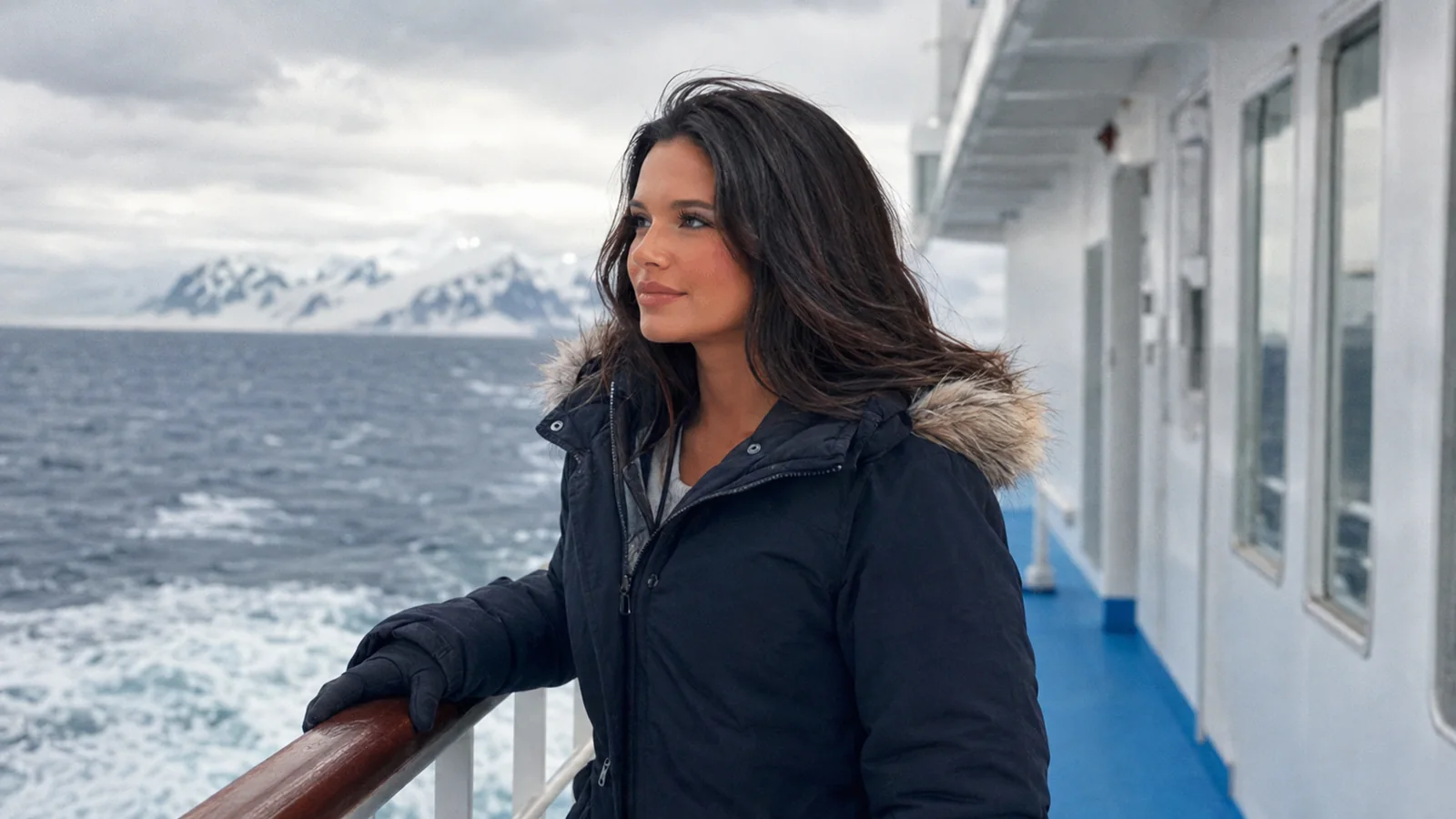
Ship movement may include rolling from side to side, pitching from bow to stern, and shorter vibrations or impacts as the hull meets waves. The sensation varies around the vessel and from person to person.
Some guests continue eating, attending lectures, and scanning for seabirds, while others rest in their cabins. Neither response earns a more authentic Antarctica badge.
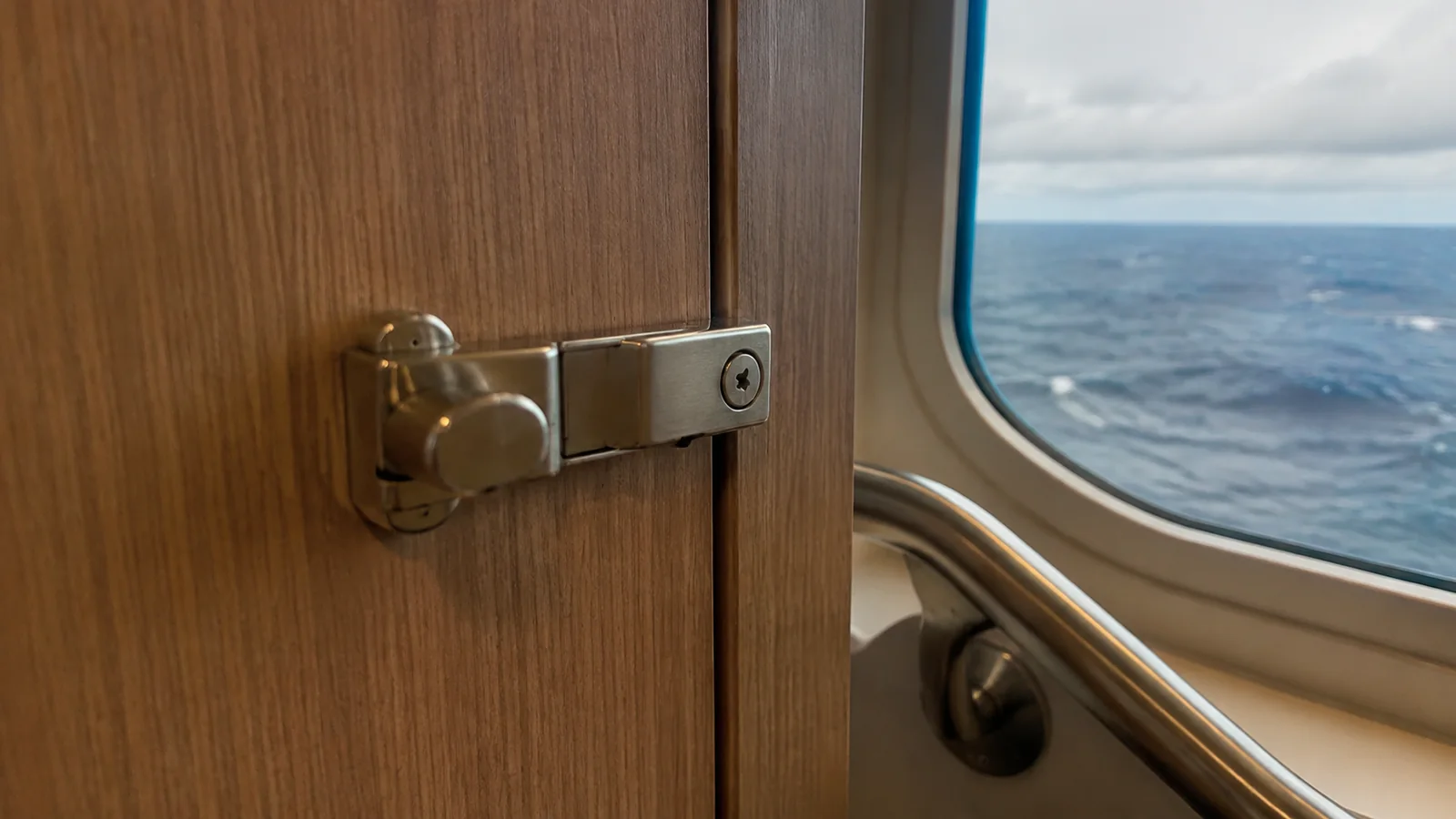
Furniture, doors, and loose objects may be secured when conditions require it, and outdoor decks can close. Meals or programming can change because safe operations come before maintaining the brochure’s daily rhythm.
Practical seasickness planning
This section is general preparation, not personal medical advice. Motion-sickness medicines and patches can have side effects, contraindications, interactions, and timing requirements, so discuss suitable options with a clinician or pharmacist well before departure.
The CDC’s 2026 Yellow Book chapter on motion sickness says sleep deprivation can worsen symptoms and advises avoiding alcohol and nicotine because they can increase motion sickness. It also notes that evidence for ginger, supplements, vitamins, and special diets is weak or contradictory.
If a clinician recommends a product, ask when to start it, how long to use it, what drowsiness or vision effects matter, and whether you should test it before travel. Do not combine remedies or change prescribed medication based on cabin conversation.
Before the ship leaves
- Sleep well and recover from long flights before embarkation.
- Eat and hydrate in the way your clinician or operator recommends.
- Keep approved remedies in your carry-on, not checked luggage.
- Learn where the onboard medical center is and how to contact it.
- Secure your cabin before conditions deteriorate.
During the crossing
Follow crew instructions, use handrails, wear secure flat shoes, and keep one hand available when moving. Ask whether outside decks are open before seeking fresh air, since a closed deck is not a wellness suggestion.
Some people find looking at the horizon or resting in a stable position more comfortable, but responses differ. Sip fluids and eat tolerable foods as appropriate, and contact the medical team if symptoms are severe, unusual, or prevent you from keeping down fluids.
Be cautious after taking anything that causes drowsiness. Expedition landings, wet gangways, and Zodiac transfers require balance and attention, so tell the medical or expedition team how you are feeling.
Does cabin location matter?
A lower cabin near the ship’s center generally experiences less amplified motion than a high cabin far forward or aft. It cannot remove the sea, and hull design, heading, speed, and wave direction still matter.
Book a room you can reach comfortably if elevators pause or walking feels difficult. A window can help some guests orient themselves, while a balcony is less valuable if decks or doors must stay closed.
Also inspect noise adjacency, stair access, and the route to the dining room and mudroom. On an expedition ship, the perfect cabin is less about chandeliers and more about not completing an obstacle course while wearing waterproof pants.
How ship choice changes the experience
Ship size, hull form, stabilizing technology, speed, passenger count, and interior layout all influence a crossing, but none creates a rough-water guarantee. Ask the operator for factual specifications and accessibility information rather than accepting a vague claim that a vessel “handles anything.”
A larger ship may offer more indoor space and feel steadier in some conditions, while a smaller expedition vessel may support faster group movements and a more intimate program. Landing access also matters more than lobby size.
IAATO’s current visitor briefings prepare guests for shore visits and cruise-only trips. Antarctic visitor rules state that vessels carrying more than 500 passengers do not make landings, and no more than 100 passengers from a vessel may be ashore at one site at a time unless site guidance sets a lower number.
That means a 200-guest expedition can still land people in rotations. Ask how the operator plans shore groups, Zodiac cruises, kayaking, and alternate activities when a site or landing is unavailable.
Sail, fly, or do one of each?
Sail both ways
The classic option usually leaves from Ushuaia and crosses the Drake twice. It tends to offer the broadest choice of ships, dates, and fare levels, while providing sea days for lectures and the gradual reveal of Antarctica.
The tradeoff is time and motion exposure. You should be comfortable devoting several itinerary days to open-ocean transit and accepting whatever reasonable route or schedule the captain chooses.
Fly both ways
Quark’s current Antarctic Express markets an approximately 500-mile charter flight between Punta Arenas and King George Island, replacing the ship crossing in both directions. Other operators sell related fly-cruise products, but baggage limits, inclusions, aircraft, and contingency rules differ.
Flying reduces time on the Drake; it does not guarantee punctuality or eliminate rough water after boarding. Antarctic air operations are weather-dependent, and the ship still cruises exposed waters around the South Shetlands and peninsula.
Fly one way and sail the other
A hybrid itinerary lets you experience one traditional crossing while saving time in the other direction. Choose the direction based on the whole schedule and contract, not a belief that northbound or southbound seas are reliably gentler.
One-way flying also introduces different gateway logistics. Confirm whether your trip begins in Punta Arenas and ends in Ushuaia, or the reverse, then price the open-jaw flights and required hotels.
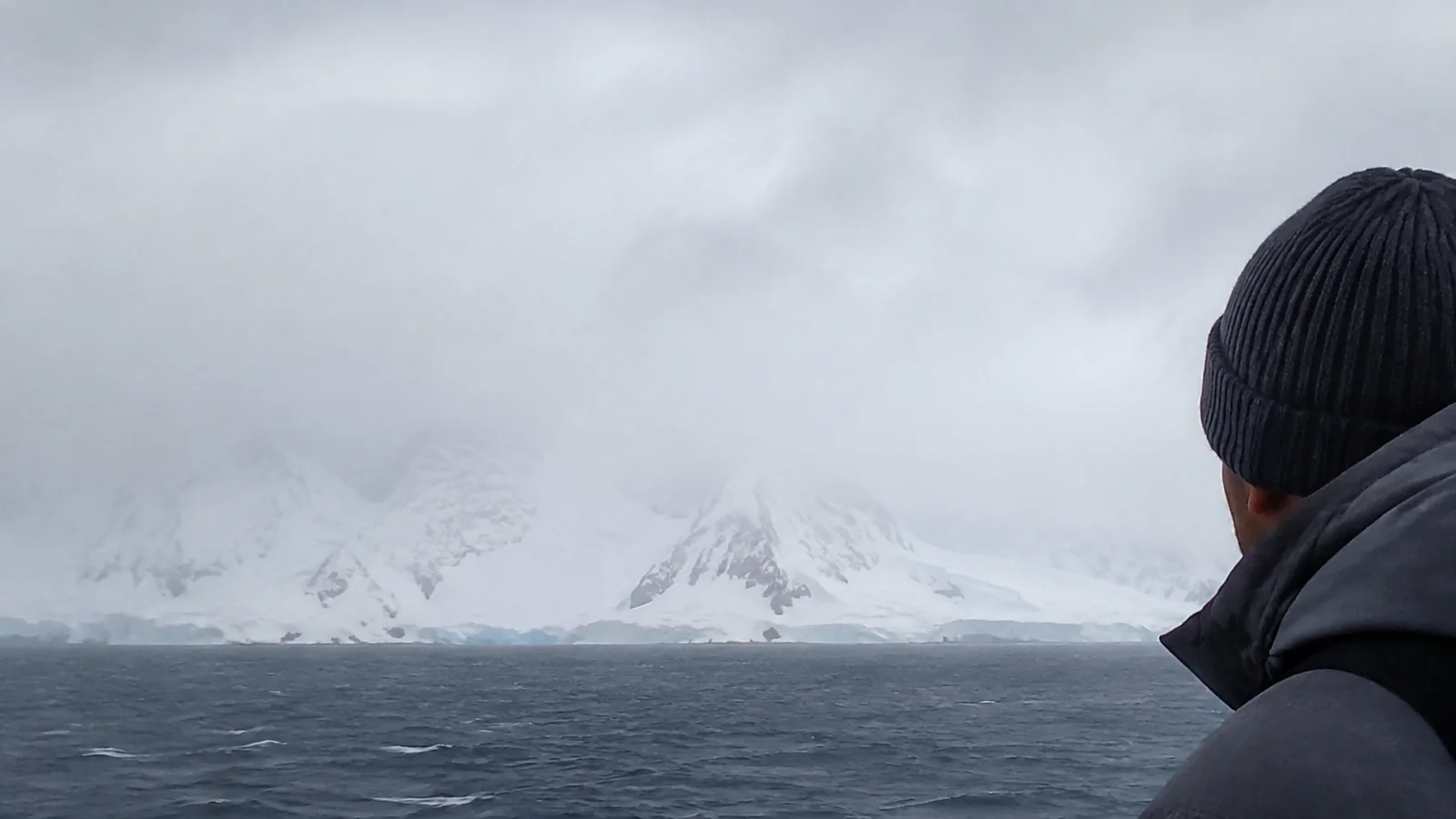
The fly-cruise weather tradeoff
A charter flight avoids days at sea only if it can operate. King George Island weather can delay, advance, interrupt, or cancel flying, so guests may be placed on standby and asked to depart with little notice.
Quark’s current expedition contract specifically warns that Antarctic Express flights can be delayed, interrupted, or canceled by weather and describes a contingency process. That contract applies to Quark bookings under its stated dates; every traveler must read the terms supplied by their own operator.
Build buffer nights after a fly-cruise before expensive separate flights, weddings, or anything involving a speech and fitted clothing. Travel insurance should be chosen only after checking limits for weather, missed connections, expedition interruption, medical evacuation, and operator arrangements.
Why the itinerary must stay flexible
Wind, waves, visibility, ice, wildlife, site capacity, and local restrictions can change landings and cruising plans. The expedition leader and captain may substitute a site, switch a landing to a Zodiac cruise, alter timing, or cancel an activity.
The Australian Antarctic Program’s visitor guidelines tell travelers to know their capabilities, follow leaders, keep a safe wildlife distance, and plan with safety in mind. Environmental protection can also require an activity to be modified, suspended, or canceled.
Judge an operator by the quality of its decision-making and alternatives, not by whether it forces the original plan through unsafe conditions. Antarctica does not become less meaningful because the landing at Point A becomes a cruise past Point B.
What to do during two sea days
Attend the mandatory briefings first, including biosecurity and Zodiac procedures. Then use lectures, the library, photography sessions, wildlife watches, and conversations with the expedition team to build context for what you may see.
Keep a flexible routine based on conditions and how you feel. You do not need to attend every lecture live if recordings are available, and nobody will revoke your penguin privileges for taking a nap.
Carry binoculars and a camera where they are secure and easy to reach. Albatrosses, petrels, whales, and the first iceberg may appear, but sightings and timing remain unpredictable.

What to pack for the Drake Passage
- Clinician-approved motion-sickness supplies in your carry-on
- Soft layers for warm interiors and cold observation decks
- A waterproof outer layer that meets operator guidance
- Secure, nonslip indoor shoes and expedition-appropriate outdoor footwear
- A water bottle, lip balm, sunscreen, and sunglasses
- Dry bags or protective cases for electronics
- Charging cables and camera batteries secured against movement
- Comfortable clothing that does not restrict you when using handrails
Many operators provide loaner parkas, boots, or both, but sizes, models, and return rules vary. Confirm the exact inclusions before applying the cold-weather module in this cruise packing list.
How to choose an operator
Verify the operator’s IAATO status, vessel, passenger capacity, medical setup, expedition staffing, landing process, included equipment, and contingency language. Compare the exact departure contract, not merely an attractive itinerary map.
Ask how many guests are typically assigned to each shore rotation and whether activities cost extra. Confirm physical requirements for gangways, Zodiacs, wet landings, snow, and uneven terrain before paying a nonrefundable deposit.
Look closely at evacuation coverage and preexisting-condition terms with a qualified insurance professional. Antarctica is remote, and ordinary domestic health coverage may not address the transport or care arrangements an expedition requires.
If this is your first ship trip, the practical basics in these first-time cruise tips still apply, but expedition rules take precedence. The captain is not crowdsourcing navigation, and the penguins have declined to join the customer-service department.
Frequently asked questions
Is the Drake Passage always rough?
No. Conditions range from relatively calm to very rough and can change quickly, with no guaranteed outcome for any sailing or season.
Can a cruise avoid the Drake Passage?
A fly-cruise can replace one or both main crossings with a charter flight to King George Island. Flights are weather-dependent, and cruising conditions around Antarctica can still be unsettled.
Will stabilizers prevent seasickness?
No. Stabilizing systems may reduce certain ship motions in some conditions, but they cannot remove all movement or guarantee how an individual feels.
Is crossing the Drake dangerous?
The passage is a serious marine environment operated by trained bridge and expedition teams under applicable rules and procedures. Travelers still need to follow instructions, accept itinerary changes, and understand that no remote expedition is risk-free.
Is crossing worth it?
It is worthwhile for travelers who value the traditional journey, sea days, and broad choice of ship itineraries. A fly-cruise may fit better when time or motion exposure matters more, provided you accept the flight-delay risk.
The bottom line
The Drake Passage is not a test of courage and does not owe anyone a dramatic story. Prepare for motion, choose the right ship and route, read the contingency terms, and let the captain respond to the conditions that actually appear.
A calm crossing is lovely, a lively one is manageable for many prepared travelers, and either can change. The best plan is not certainty, which Antarctica rarely sells, but informed flexibility with a generous buffer on both sides.