U.S. River Cruises: How to Choose the Right Route and Line
U.S. river cruises trade waterslides and mega-ship crowds for small vessels, close-to-home history, and docks that may sit near the center of town. The best choice is not one universal line; it is the route, ship, pace, and inclusion package that match how you want to spend your days.
Best U.S. River Cruise by Traveler Type
- First river cruise: Lower Mississippi between New Orleans and Memphis for music, food, and layered history.
- Scenery lover: Columbia and Snake Rivers for gorge landscapes, geology, wine country, and expedition-style options.
- Summer traveler: Upper Mississippi between the St. Louis area and St. Paul for river towns and a greener landscape.
- History-focused guest: Mississippi, Ohio, Cumberland, and Tennessee routes with carefully chosen interpretation.
- Maximum route choice: American Cruise Lines, based on its live 2026 to 2028 U.S. inventory.
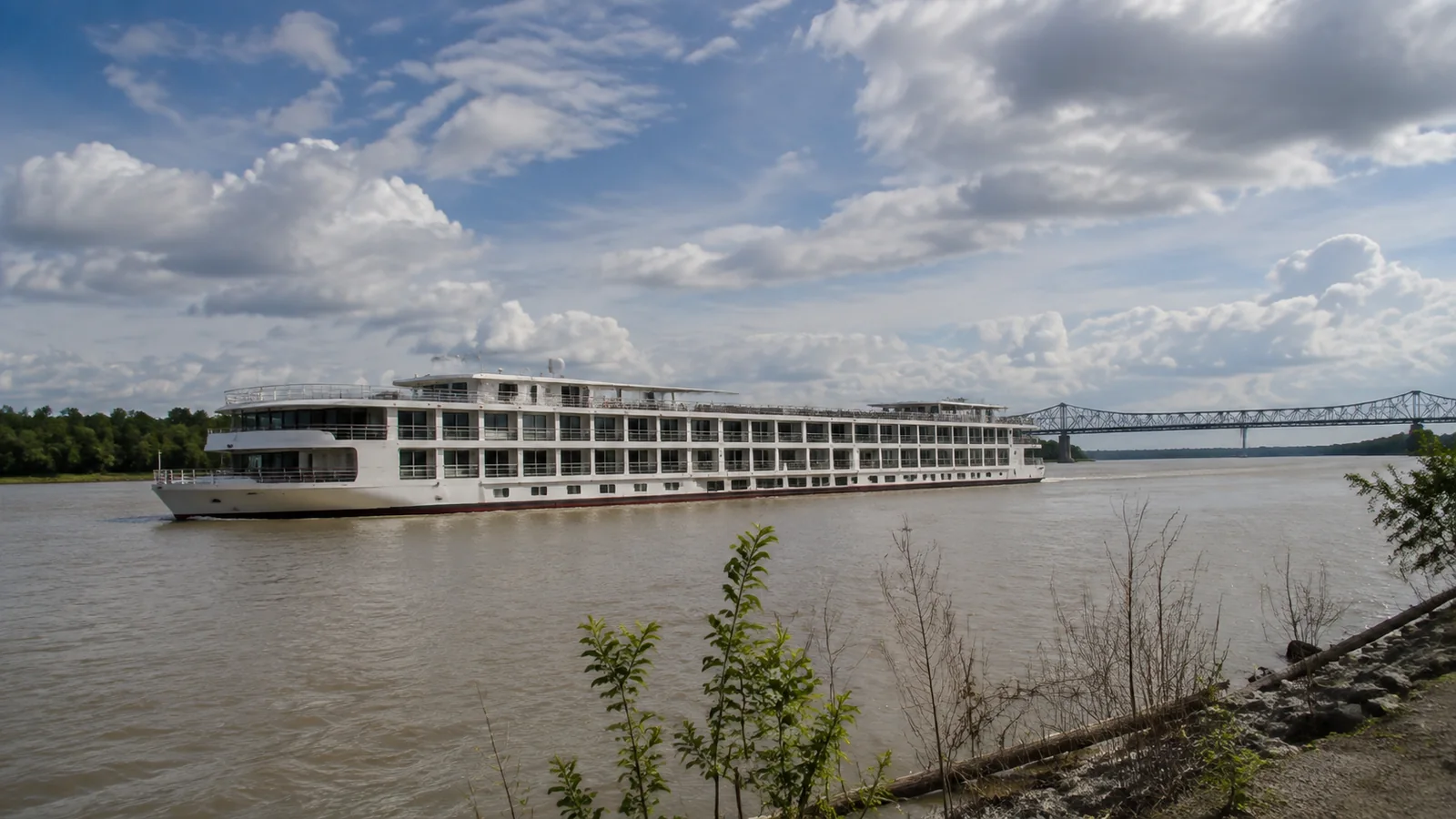
- One-ship Mississippi comparison: Viking Mississippi, with an all-outside-stateroom design and defined river itineraries.
- Active small-ship traveler: Lindblad’s seasonal Columbia and Snake River expedition product.
These recommendations were checked September 4, 2026. Ships, charter partners, included excursions, and even port sequences can change, so use them as a short list and verify the departure itself before paying.
What Counts as a U.S. River Cruise?
A true river cruise spends most of its itinerary on inland waterways, using a vessel sized for those channels and locks. Coastal cruises, Great Lakes trips, and Alaska expedition voyages can share the small-ship feel but solve a different vacation problem.
Expect fewer passengers, fewer dining venues, and less late-night entertainment than on a mainstream ocean ship. In exchange, docking locations can be more convenient, port lectures more specific, and logistics simpler for travelers who prefer unpacking once.
Lower Mississippi: Best for a First U.S. River Cruise
The Lower Mississippi between New Orleans and Memphis gives a first-timer the clearest mix of river scenery, music history, food culture, and significant historic sites. American Cruise Lines currently lists a nine-day, eight-night route with stops such as Baton Rouge, Natchez, Vicksburg, and Cleveland, with direction and calls varying by departure.
The line’s official Lower Mississippi itinerary says its modern riverboats on that product carry no more than 180 guests. That small scale appeals to travelers who value familiar faces and easy navigation more than a long venue list.
The Tradeoffs
Lower Mississippi scenery is often about the working river, levees, industrial traffic, and broad water rather than an uninterrupted wilderness panorama. The cultural substance is the star, so excursion quality and interpretation deserve more weight than balcony photos.
Plantation-related sites require honest context about enslavement, labor, wealth, and whose stories are centered. Read the day’s description and the site’s own mission before assuming every included tour handles that history equally well.

Upper Mississippi: Best for River Towns and Summer
Upper Mississippi routes generally connect the St. Louis region with St. Paul and call at smaller communities along the river. The season is more limited by northern weather, making summer and early fall the usual planning window rather than a year-round promise.
This is the better fit for travelers drawn to bluffs, locks, river ecology, and walkable Midwestern stops. It is less ideal for someone whose wish list begins with New Orleans jazz and Delta history.
Add land time before or after instead of trying to see everything through port calls. A Wisconsin road-trip extension can connect river scenery with state parks, small towns, and Lake Michigan without forcing every stop into one cruise schedule.
Full Mississippi and Grand Voyages
Longer itineraries link upper and lower sections for travelers who care about the river’s changing landscape and culture. Viking’s official 2026 schedule listed a 15-day St. Paul-to-New Orleans America’s Great River and a 22-day New Orleans-to-St. Paul Mississippi River Odyssey, while availability varies by date.
A long voyage is not simply two short cruises glued together. More river days, repeat rhythms, laundry, prescription supply, transfer complexity, and comfort with a small social environment all matter.
Check whether pre-cruise hotel nights shown on the itinerary are included in the advertised duration. “Eight days” may contain seven hotel or ship nights, and embarkation day is not a full sightseeing day.
Ohio, Cumberland, Tennessee, and Arkansas River Routes
American Cruise Lines’ current 2026 to 2028 advisor materials list products on the Tennessee and Arkansas Rivers alongside Mississippi programs. These routes can connect music cities, military history, national-park gateways, and smaller inland ports that are awkward to combine by car.
Availability is thinner than on the core Lower Mississippi, and high or low water can force changes. Choose the theme and endpoint logistics first, then treat every named small port as planned rather than guaranteed.
Columbia and Snake Rivers: Best for Western Scenery
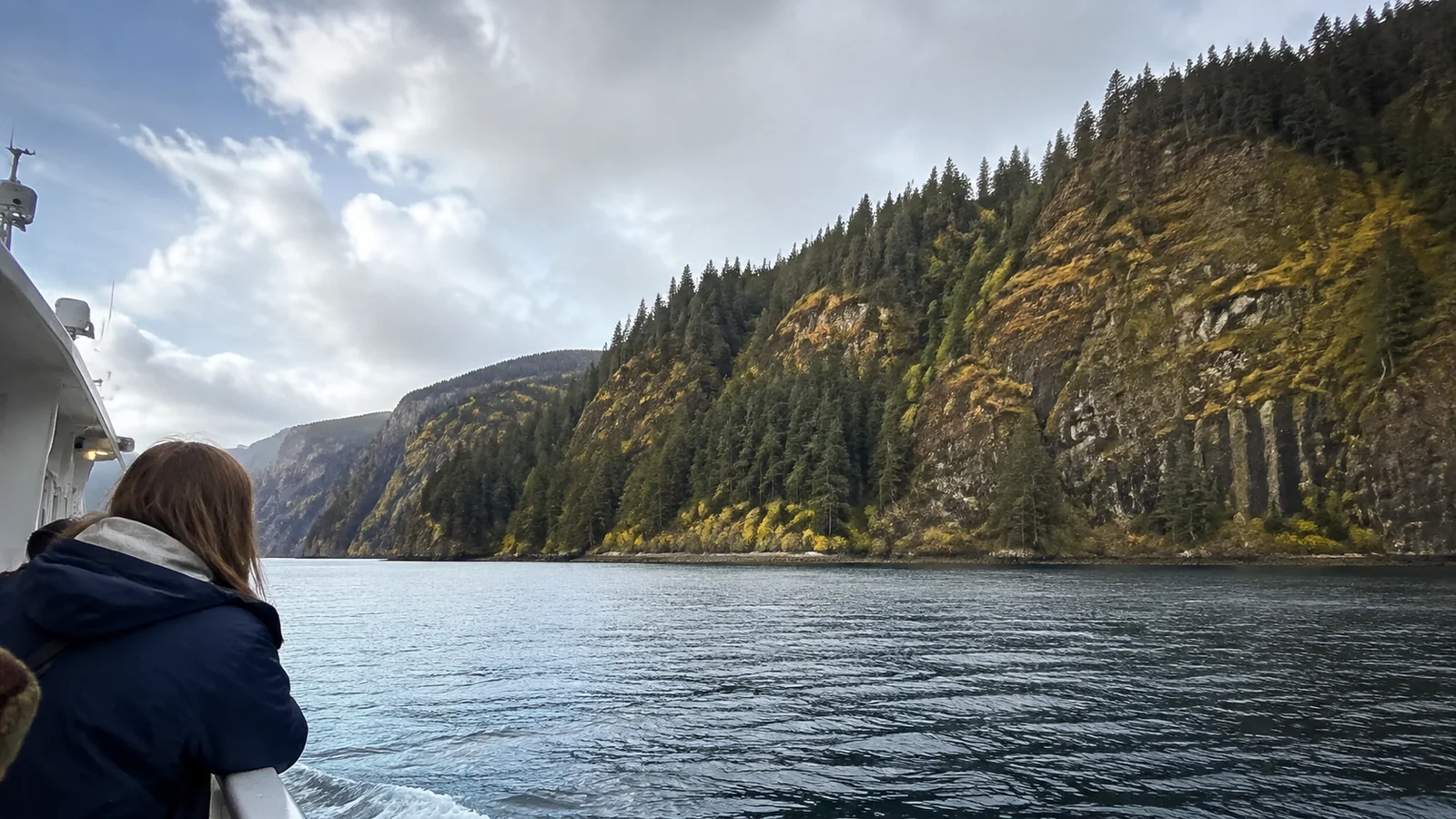
The Pacific Northwest option shifts the emphasis to basalt cliffs, the Columbia River Gorge, regional agriculture, Lewis and Clark history, wineries, dams, and locks. It is the strongest alternative for travelers who want dramatic terrain and do not need a Southern music itinerary.
American Cruise Lines currently markets Columbia and Snake River voyages within its broad U.S. portfolio. National Geographic-Lindblad also lists six- and eight-day Food, Wine, and History departures aboard the 62-guest National Geographic Sea Bird or Sea Lion, with seasonal dates rather than continuous service.
The official Lindblad river-cruise listing describes hiking, kayaking or Zodiac activity on relevant departures and a food-and-wine focus. Confirm activity level and included gear, because the expedition label does not guarantee that every outing suits every body.
American Cruise Lines: Best for Breadth
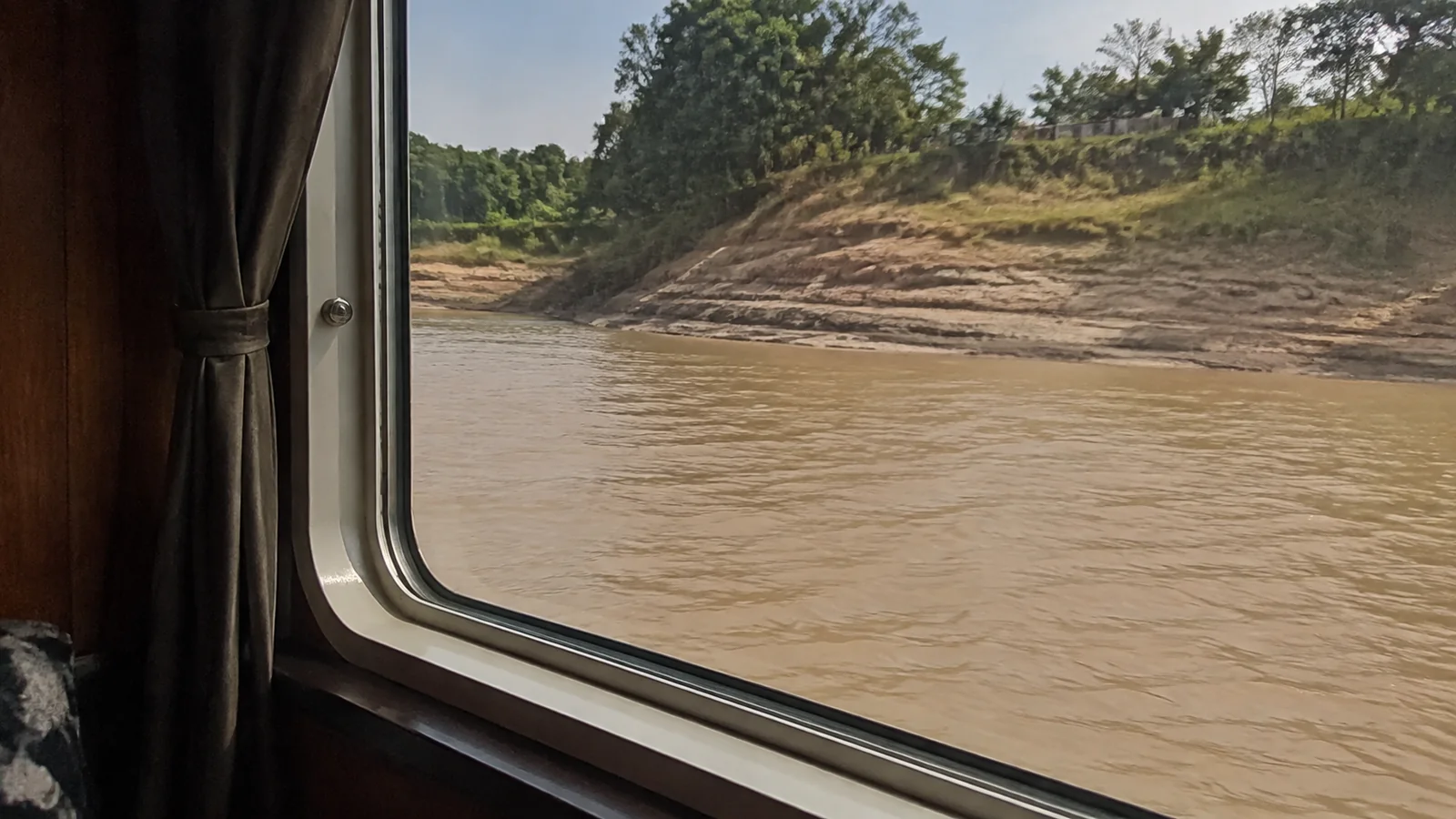
As of this check, American Cruise Lines has the widest live range of U.S. river and domestic small-ship itineraries among the operators compared here. Its inventory spans the Mississippi system, Columbia and Snake Rivers, and coastal regions, with different modern riverboats and paddlewheelers.
The company’s current inclusions page says dining, onboard enrichment, select excursions, Wi-Fi, gratuities, and alcoholic and nonalcoholic beverages are included across its itineraries. “Select excursions” matters, since optional premium choices and pre-cruise packages can still cost extra.
This line suits travelers who want one company to compare across several U.S. regions. The tradeoff is that experience can vary by vessel generation, cabin category, route, and exact excursion menu, so compare departures rather than reviewing the brand as one uniform ship.
Viking Mississippi: Best for a Familiar River-Cruise Format
Viking operates one purpose-built Mississippi vessel in the current official fleet listing. The Viking Mississippi page lists 193 all-outside staterooms, including veranda, French balcony, and suite categories.
Its 2026 route pages included eight-day regional itineraries and longer combinations, with a stated number of guided tours varying by product. Do not assume a European Viking inclusion list transfers word for word to Mississippi, especially for gratuities, beverages outside meal times, transfers, and optional excursions.
Viking works well for adults who prioritize a consistent ship style, destination programming, and an outside room. Under Viking’s age policy, every guest must be at least 18 on embarkation day, so families with younger children need another operator.
For eligible adults, it is a weaker fit if multiple entertainment venues after dinner matter more than destination programming.
Lindblad: Best for Active Columbia and Snake Exploration
Lindblad’s current Pacific Northwest river product is much smaller and more expedition-oriented than the mainstream riverboats. Its listed 62-guest vessels and guided active components create a closer-to-the-land rhythm.
The route is seasonal and theme-heavy, with food and wine playing a central role on current departures. Travelers who mainly want a roomy private balcony, leisurely coach tours, and elevator convenience should compare the ship specifications very carefully.
Operators You See on Old Lists
Never assume a familiar brand in an older roundup still sails or that a former ship remains with the same company. Verify that the operator is selling your date on its own functioning website, then confirm who owns and operates the vessel named in the contract.
A travel agency page displaying an old logo or archived itinerary is not proof of active service. Pay by a method with consumer protections and understand cancellation, insolvency, and travel-insurance terms.
What “All-Inclusive” Should Mean to You
River fares look high beside ocean-cruise lead prices because they may bundle more shore touring, drinks, Wi-Fi, and gratuities. The only useful comparison is total expected trip cost for the same length and cabin comfort.
- Which excursions are included, and how many choices exist in each port?
- Are beer and wine limited to lunch and dinner, or are cocktails included throughout the day?
- Are crew gratuities, port charges, and transfer tips included?
- Does Wi-Fi have stated limitations?
- Are airport transfers included only with the line’s air purchase?
- Is a pre-cruise hotel night part of the fare and advertised duration?
- What costs extra for specialty tours, bicycles, kayaks, or premium drinks?
American Cruise Lines’ current FAQ says meals, entertainment, tips and gratuities, alcohol, port charges and fees, plus many excursions are included. Viking’s Mississippi pages itemize the number of guided tours by itinerary, so compare the written booking package rather than two uses of the word inclusive.
Cabins, Elevators, and Mobility
Small ships reduce walking distance but can introduce gangway slopes, stairs, tendering, uneven historic sites, and motor-coach steps. Water level changes the angle between vessel and shore, sometimes within the same day.
Ask whether the elevator reaches every passenger deck and whether any observation area or excursion requires stairs. Request door width, bathroom threshold, shower setup, bed clearance, and mobility-device storage details for the exact cabin.
An “accessible excursion” label needs specifics about distance, grade, surfaces, restrooms, and transfer method. Share needs with the operator before deposit, not after final payment.
Weather, Water Levels, and Schedule Changes
Flooding, low water, fog, lock closures, storms, and river traffic can change docking points or port order. No operator can guarantee a waterway will behave exactly as the brochure map suggests months ahead.
Read the contract for substitutions, coach transfers, hotel use, and cancellation remedies. Travel insurance should be evaluated for covered trip interruption and delay, not purchased as a vague promise that every disappointment will be reimbursed.

Choose the Season by Region
Lower Mississippi departures can span more of the year, but summer heat and humidity may make outdoor touring difficult. Spring can bring severe weather or high-water concerns, while winter mornings can be chilly despite the Southern setting.
Upper Mississippi schedules concentrate in warmer months, with fall color timing variable and never guaranteed. Columbia and Snake itineraries often emphasize spring or fall, when layers are still essential and rain or wind can affect outdoor plans.
Pack for shore conditions rather than a resort pool deck. The practical travel essentials list covers adaptable layers, comfortable walking gear, medication, and day-bag organization without turning packing into a shopping spree.
Solo Travelers and Single Supplements
Most published lead fares are per person based on double occupancy, so a low starting number may not describe the solo total. Search actual solo inventory and compare supplement, cabin category, deposit, cancellation schedule, and included transfers.
A small ship can make conversation easy, but it also means fewer places to retreat from the group. Look for open seating, hosted activities, cabin comfort, and an itinerary you would enjoy even if the social mix is not perfect.
How U.S. River Cruises Differ From Ocean Cruises
River ships win on domestic access, intimate scale, destination time, and an excursion-centered fare. Ocean ships win on pools, theaters, dining variety, children’s programming, spa breadth, and the ability to disappear among thousands of guests.
If you are deciding between formats, this cruise-line comparison by traveler type helps clarify whether shipboard variety or port immersion matters more. A river cruise is not a smaller version of the same vacation.
My Booking Checklist
- Choose the river region and the history, scenery, or activity you want.
- Compare the exact 2026 or later departure, not a generic operator page.
- Price the same cabin occupancy with taxes, fees, gratuities, and flights.
- List included and optional excursions port by port.
- Verify walking demands, elevator reach, and cabin accessibility.
- Read water-level, substitution, cancellation, and insurance terms.
- Arrive one day early when flights or long drives create embarkation risk.
For most first-timers, I would start with the Lower Mississippi for cultural depth or the Columbia and Snake Rivers for western scenery. Then I would choose American Cruise Lines for route breadth, Viking for its specific Mississippi ship format, or Lindblad for a small active expedition, based on the live departure rather than the brand name alone.