How Long Is a Cruise Ship? Sizes from Riverboats to Mega-Ships
A modern cruise ship can be about 330 feet long or stretch close to 1,200 feet, depending on its purpose. Length gets the attention, but beam, draft, passenger count, gross tonnage, and deck layout tell you far more about how the ship will feel.
What is the average length of a cruise ship?
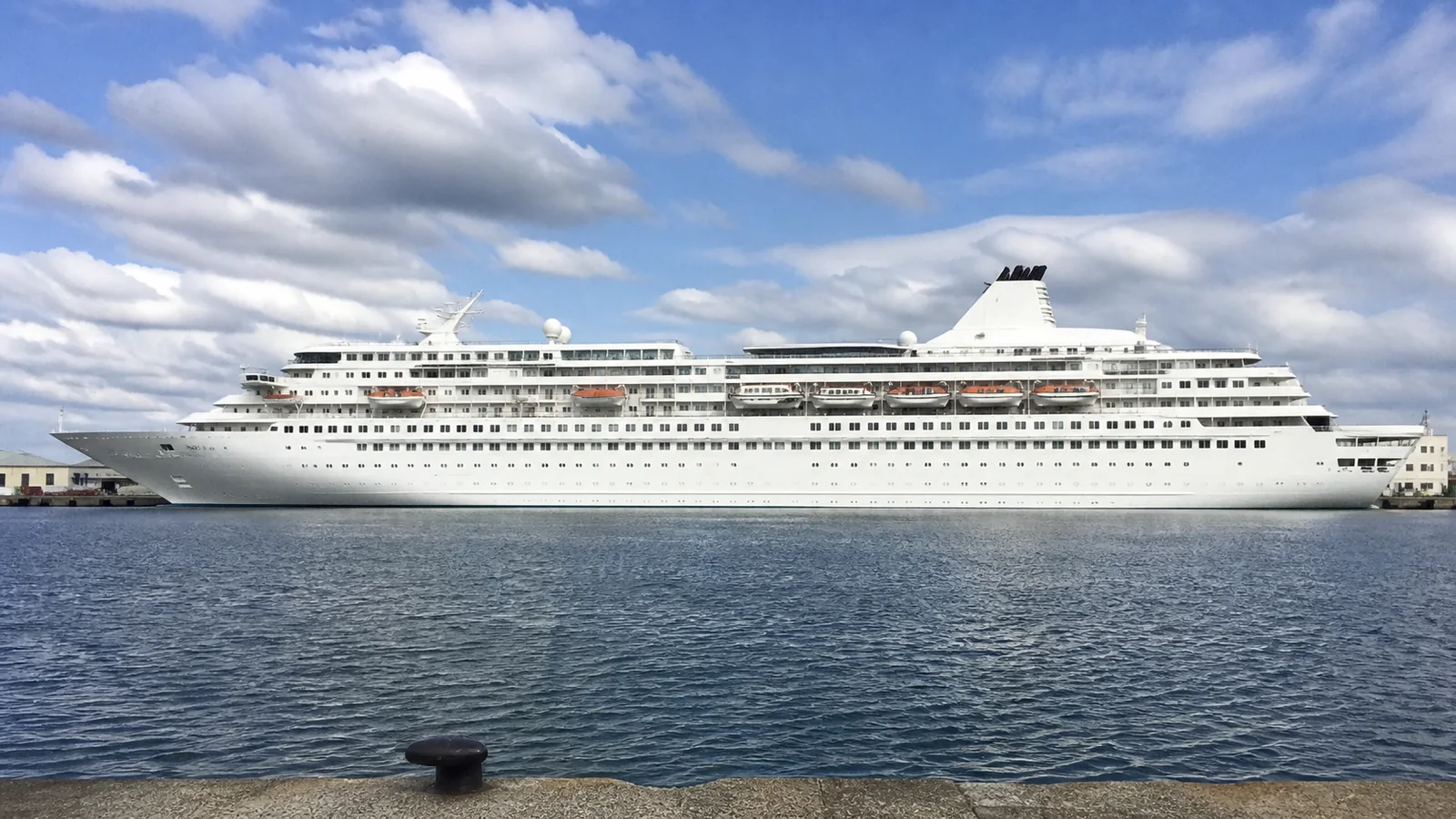
There is no useful single average because “cruise ship” includes 100-guest expedition vessels, 930-guest ocean ships, narrow riverboats, classic ocean liners, and resort ships carrying several thousand passengers. Most large mainstream ocean ships fall roughly between 850 and 1,200 feet long, while purpose-built small and expedition ships can be much shorter.
A football field including end zones is 360 feet long. That makes a 1,196-foot Icon Class ship a little more than three football fields from bow to stern, while a 333-foot Galápagos vessel is slightly shorter than one field including the end zones.
- Largest resort-style ships: About 1,180 to 1,200 feet long.
- Large mainstream ships: Commonly about 950 to 1,150 feet.
- Small ocean ships: Often around 550 to 800 feet.
- Compact expedition ships: Frequently around 300 to 550 feet.
- European river ships: Often around 360 to 443 feet, shaped by locks and waterways.
Those bands are orientation, not formal industry classes. Cruise lines use terms such as “small,” “mega,” and “yacht” differently, so compare the actual specifications every time.
Representative cruise ship lengths
Royal Caribbean Icon Class: 1,196 feet
Royal Caribbean’s current Icon Class guide lists the ships at 1,196 feet long with 20 decks. This is the modern resort-ship end of the spectrum, built to hold multiple neighborhoods, pools, entertainment venues, and dining choices.
Length is only part of that scale. A very wide beam and high gross tonnage create space for attractions that a long but narrower ship could not accommodate in the same way.
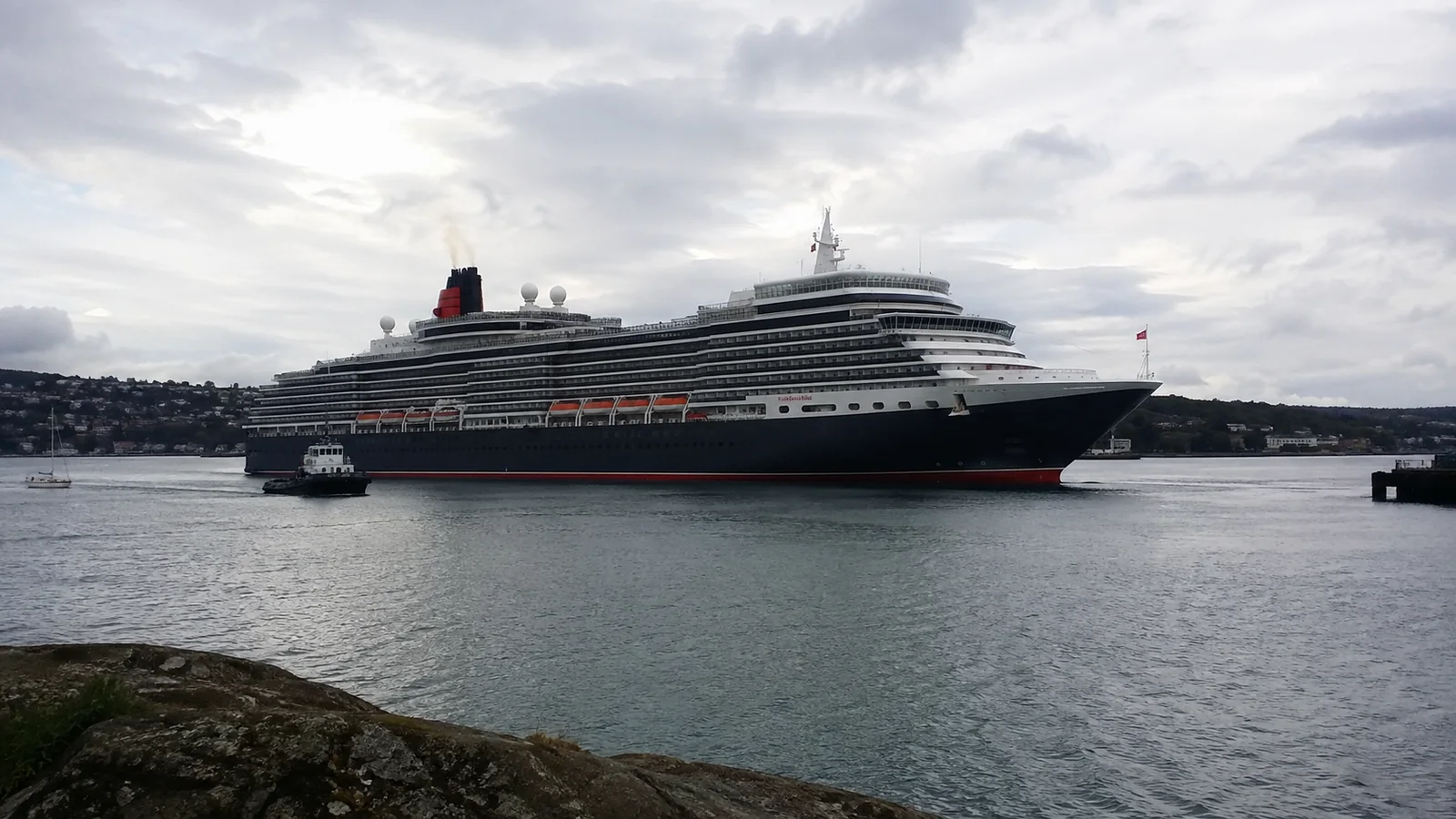
Queen Mary 2: 1,132 feet
Cunard lists Queen Mary 2 at 1,132 feet long. She is an ocean liner designed around regular North Atlantic crossings, which makes her purpose different from a resort-focused mega-ship even when the length sounds similar.
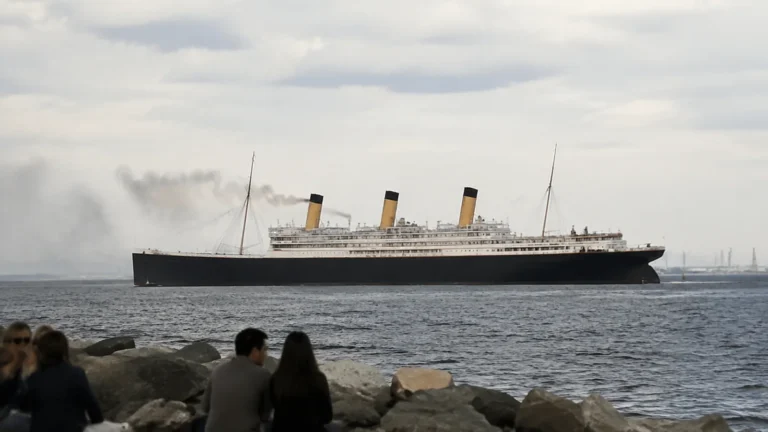
Her proportions, stronger hull, draft, speed, and arrangement reflect ocean service. Our comparison of the Titanic and modern cruise ships explains why equal-looking length figures do not mean equal engineering or capacity.
Viking Sea: 745 feet
Viking’s official specifications put Viking Sea at 745 feet long and 94 feet wide, with capacity for 930 guests. That is a useful example of a contemporary small ocean ship that still has multiple restaurants, lounges, a theater, a spa, and generous outdoor space.
The smaller footprint can access some ports that a mega-ship cannot, although berth assignment still depends on depth, local rules, scheduling, and terminal facilities. “Small” does not automatically mean the ship will dock in the city center.
Celebrity Flora: 333 feet
Celebrity lists its Galápagos-focused Flora at 333 feet long, about 56 feet wide, and 100 guests. This is a destination-built ship whose compact scale supports expedition operations rather than water parks and giant theaters.
A lower guest count can simplify group movement and create a more intimate atmosphere. It can also mean fewer restaurants, less entertainment variety, and more noticeable motion than a very large ship in comparable conditions.
AmaPrima: 443 feet
AmaWaterways lists AmaPrima at 443 feet long with 162 passengers. Its long, narrow, low profile is shaped by European locks, bridges, river depth, and docking arrangements.
River vessels can be long without feeling remotely like an ocean mega-ship. They usually have fewer passenger decks, one main lounge, limited dining venues, and no need for a hull designed around open-ocean crossings.
Why ship length alone is misleading
Gross tonnage measures enclosed volume
Gross tonnage is not the ship’s weight. It is a regulated measure tied to the volume of enclosed spaces, which is why a shorter but wider ship can have more gross tonnage than a longer, sleeker vessel.
For travelers, gross tonnage gives a rough sense of overall scale but still says nothing definitive about personal space. Passenger capacity and the distribution of public rooms matter alongside it.
Beam tells you how wide the ship is
Beam is the width at the ship’s broadest point. More width can support large interior spaces, wider pool decks, and additional cabin corridors, but it can also prevent access through certain locks or into compact ports.
Do not compare published beams casually because cruise lines may specify waterline beam or maximum beam. Use figures from the same type of official specification when making a technical comparison.
Draft tells you how deep it sits
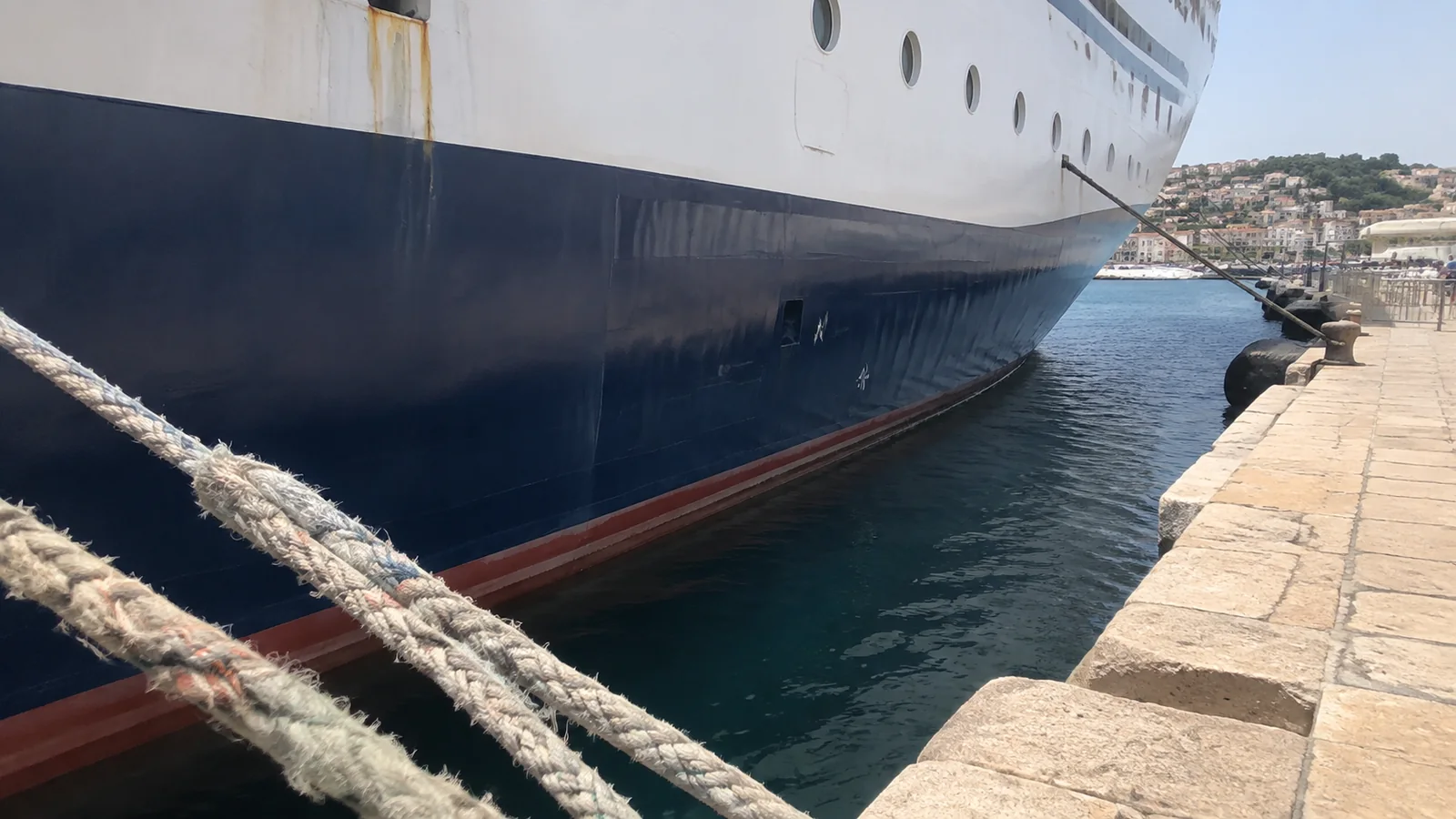
Draft measures from the waterline to the lowest part of the hull. A deeper-draft ship needs sufficient water beneath it, influencing which channels, harbors, and berths are practical.
Draft is one reason port access cannot be predicted by length alone. Tides, turning basins, bridge clearance, local pilot rules, and pier strength also shape the decision.
Passenger count changes the experience
Two ships of similar length can carry very different numbers of guests. More cabins may create a livelier atmosphere and fund an enormous variety of venues, while fewer guests can provide more space and simpler movement.
Capacity figures also differ by definition. “Double occupancy” generally counts two people per cabin, while maximum capacity includes additional berths such as sofa beds and pull-down beds.
How ship size changes your cruise
Walking distance
On a 1,100-foot ship, choosing the wrong elevator bank can create a meaningful detour. A cabin at the opposite end from your favorite dining room may add several long walks every day.
This can be beneficial for active travelers and burdensome for anyone with pain, fatigue, or limited mobility. Study the deck plan vertically as well as horizontally, and prioritize proximity to one or two daily essentials.
Dining and entertainment
Large ships usually win on variety. They can support multiple theaters, specialty restaurants, family attractions, and separate neighborhoods, though reservations may be necessary for the most popular options.
Small ships offer fewer choices but often create a simpler rhythm. That is lovely when you like the line’s food and atmosphere, and limiting when your group wants competing activities every night.
Port access
Smaller ships may use narrower channels, shallower berths, or smaller ports, but they can still tender if no pier is available. Large ships often call at purpose-built terminals farther from old centers because those facilities can handle their depth, security, and passenger flow.
The port name alone does not reveal the logistics. Our guide to the world’s top cruise ports focuses on terminal location and independent touring, which matter more than the ship’s headline length.
Embarkation and crowd flow
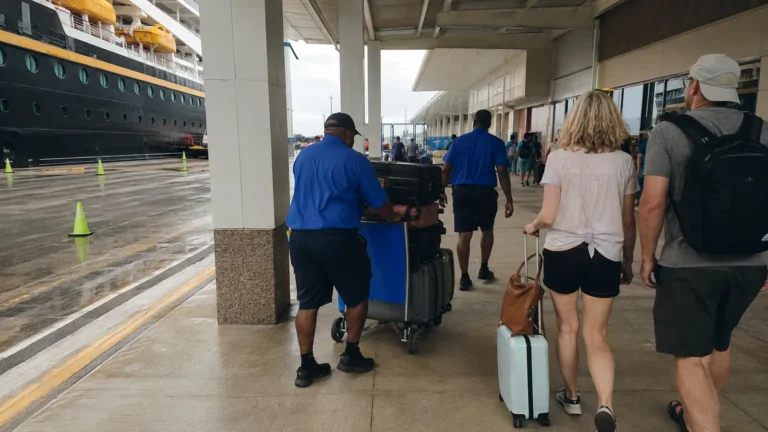
A mega-ship can board efficiently when timed arrivals, multiple gangways, and a modern terminal work together. A smaller ship can still create a line if one security point or tender landing handles everyone.
Judge flow by the design and operation, not passenger count alone. Elevators, corridor width, stair placement, buffet layout, and show schedules decide whether the ship feels crowded.
Motion at sea
Very large ships often feel more stable than small vessels, but no length guarantees calm. Wave direction, wind, speed, hull form, stabilizer use, and your cabin location all influence motion.
A low, central cabin generally minimizes the sensation compared with a high cabin near the bow or stern. Our guide to choosing the best room on a cruise ship matches location to motion sensitivity, noise, views, and mobility.
How long does it take to walk a cruise ship?
A brisk straight walk along an open 1,200-foot path could take roughly four to five minutes, but real ships are not empty hallways. Doors, elevators, other guests, deck changes, and the lack of a continuous passenger corridor make an actual trip longer.
Allow 10 to 15 minutes to move between distant venues on a large unfamiliar ship. Add more when elevators are busy after a show, during embarkation, or before a port departure.
A full lap of an outdoor promenade may be longer or shorter than the ship’s length multiplied by two because the path curves, narrows, or stops. Use the onboard signage for the number of laps per mile rather than calculating from the hull.
Is a longer ship always better?
No, because length solves some problems while creating others. Mega-ships excel at onboard variety, family attractions, and entertainment, but their ports may be more limited and the ship can require advance planning.
Small ships can reach destination-focused routes, carry fewer guests, and feel easy to navigate. They usually cannot match the dining, production shows, childcare, and all-weather attractions of the largest vessels.
I would choose by trip purpose. For a family vacation centered on the ship, scale can be an asset; for wildlife, small harbors, or intensive cultural touring, a smaller platform may make more sense.
What ship size is best for a first cruise?
A mid-size or large ship is the safest general recommendation because it balances venue variety with manageable navigation. First-timers who already love theme-park energy may prefer a mega-ship, while boutique-hotel travelers may feel happier on a small ship.
Look beyond the length and ask how many guests share the public space, whether activities need reservations, and where the ship sails. A 1,196-foot ship on a private-island route delivers a different vacation from a 745-foot ship visiting small European ports.
How to compare ship specifications
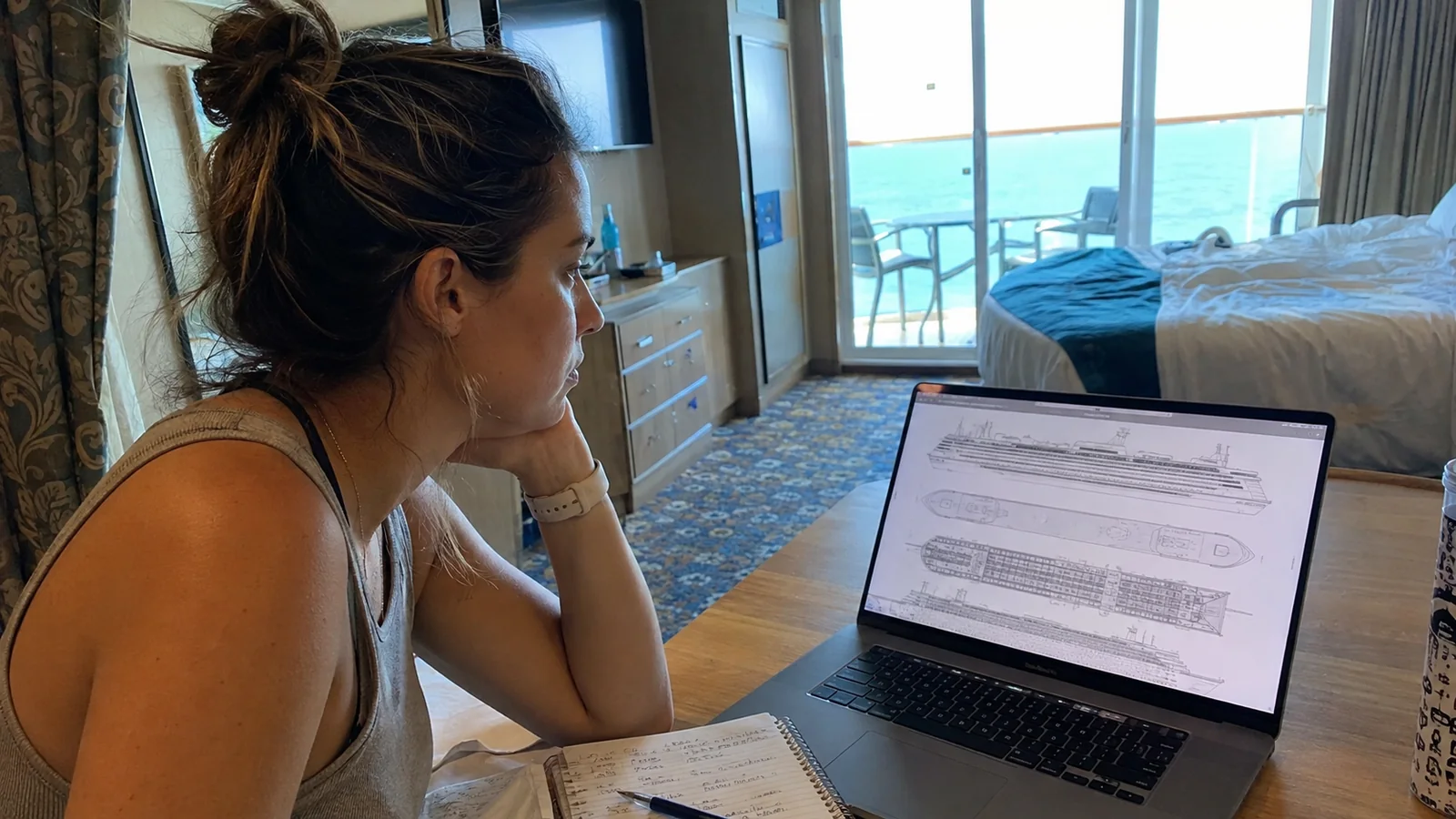
- Use the cruise line’s current ship page or deck-plan PDF.
- Record length, beam, draft, gross tonnage, guest capacity, and deck count.
- Check whether capacity means double occupancy or maximum berths.
- Note the refit date because layouts and venues can change.
- Compare passenger decks and elevator banks, not total decks alone.
- Confirm that the specifications apply to the exact ship, not just its class.
Sister ships can diverge after construction through different venues, cabin changes, and refurbishments. A class overview is useful for scale, but the exact deck plan should make the booking decision.
The practical answer
Mainstream cruise ships commonly span roughly 850 to 1,200 feet, but the full market stretches far below that range. Current examples run from the 333-foot Celebrity Flora to 1,196-foot Icon Class ships, with riverboats and small ocean vessels filling very different roles between them.
Length tells you how far the bow sits from the stern. To understand your vacation, pair it with width, draft, volume, passenger capacity, deck layout, and the ports the ship was built to reach.