Cruise Luggage Drop-Off: Tags, Porters, Tips, and Delivery
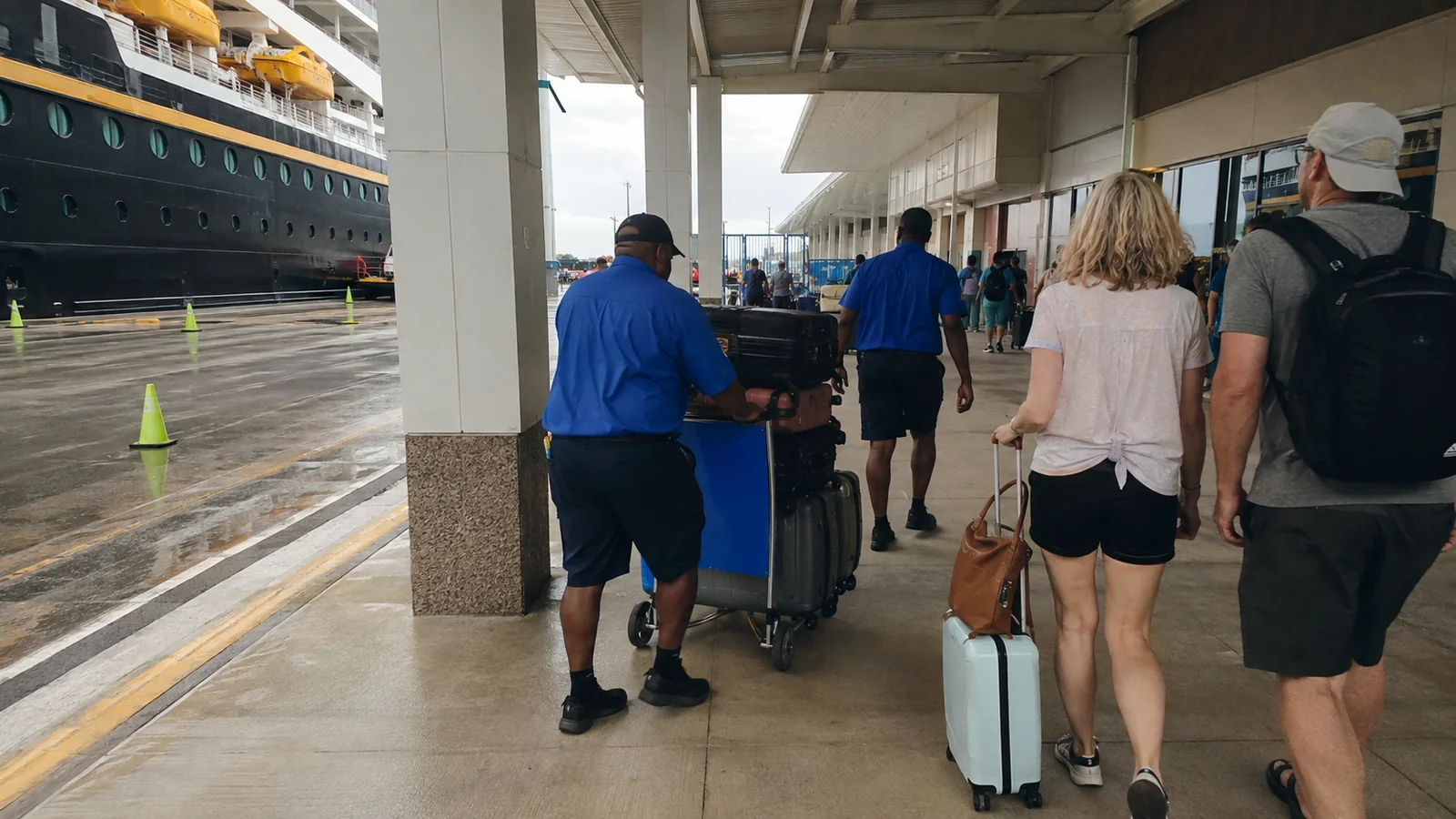
At cruise luggage drop-off, give your tagged checked bags to the designated porter or baggage team for your ship and keep documents, medication, valuables, and first-day essentials with you. I would photograph the bags and confirm the terminal before handing anything over.
Your room can be ready before your luggage arrives, so pack the carry-on to work through the first evening.
Before the suitcase leaves your hand
- Confirm the ship name and today’s terminal.
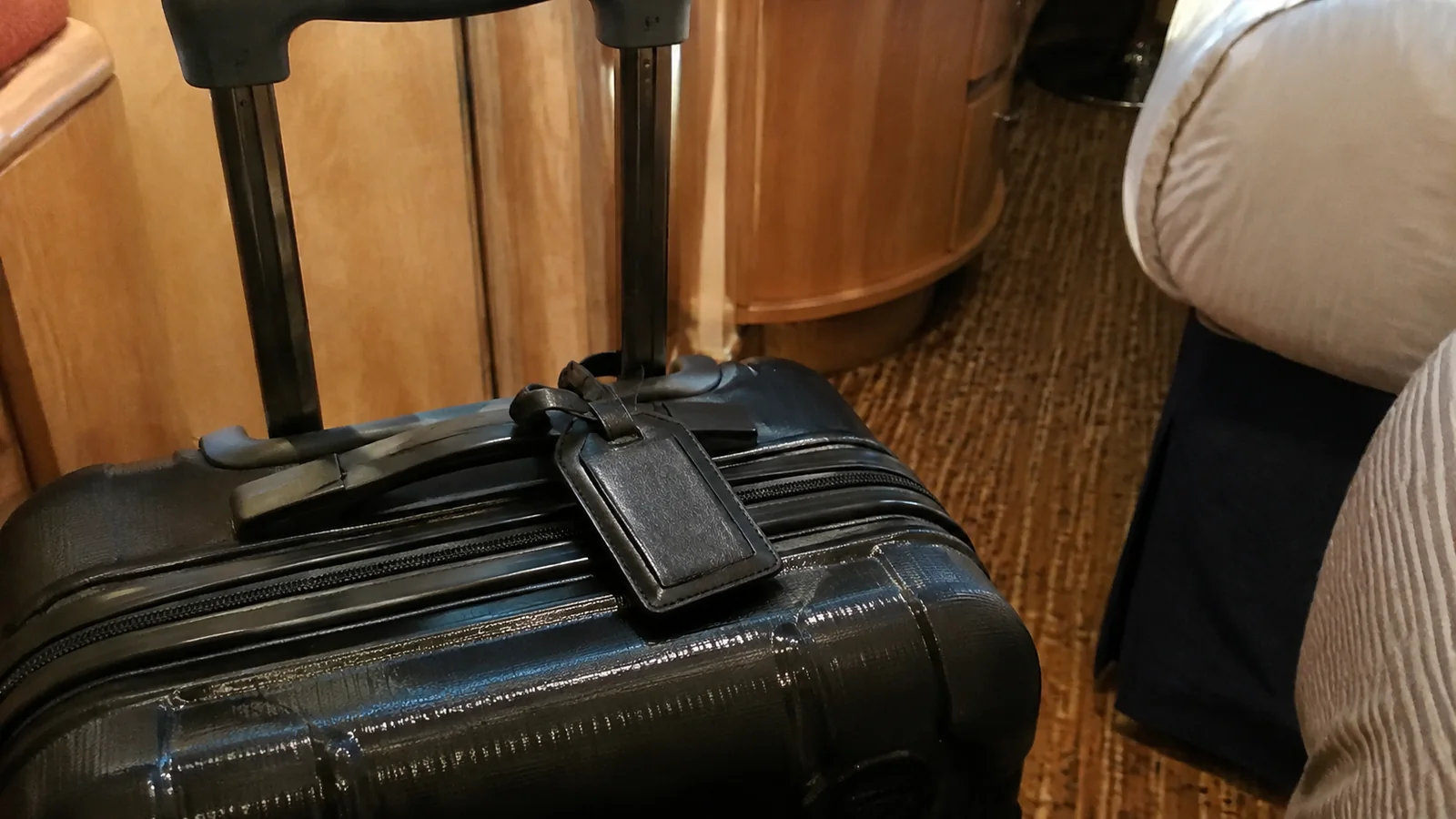
- Check that the cruise tag shows the correct sailing and cabin.
- Remove old routing tags that could confuse the baggage team.
- Keep passports, boarding passes, medication, and valuables in your own bag.
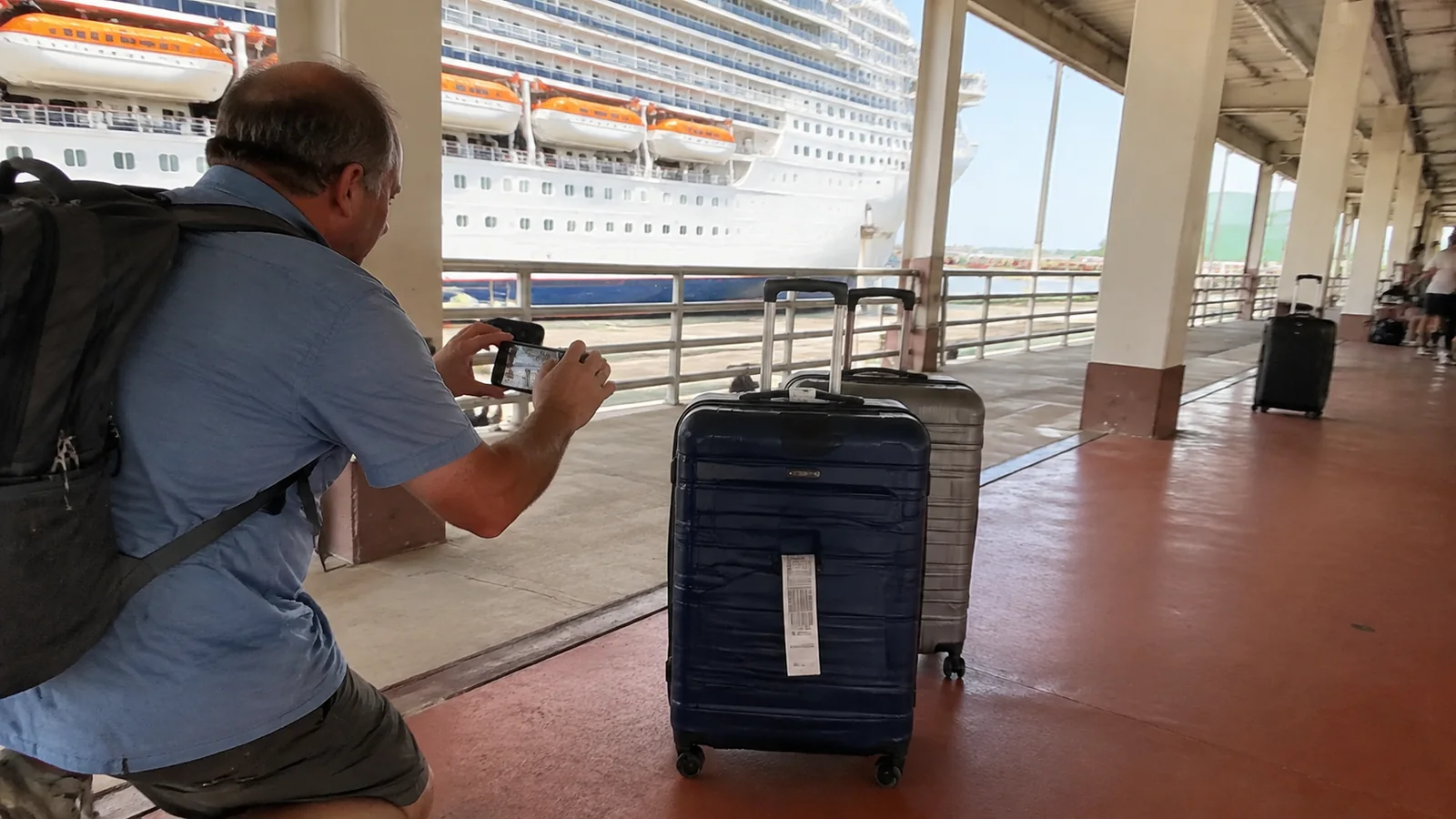
- Take a photo of each checked suitcase and its identifying details.
- Follow the line’s current rules for size, weight, locks, and prohibited items.
I would do most of this at the hotel or at home. The curb is busy, and opening several suitcases beside unloading vehicles is an awkward way to fix a packing mistake.
Print the cruise tags that match this sailing
Use the luggage tags supplied through the cruise line’s official documents or reservation system. The design and information help staff route bags to the correct ship and cabin.
Print a fresh set after a confirmed room change if the line releases updated tags. A tag showing your old cabin can send the bag to the wrong hallway.
If your cabin is not assigned yet, follow the line’s instructions for an unassigned or guarantee booking. Do not choose a room number yourself because the printer leaves the field blank.
Fold and attach paper tags as instructed, or use a holder that fits the printed format without hiding information. I would keep the ship, sailing, and cabin details clearly visible rather than cover them with a decorative label.
A separate personal identification tag is still useful. Include contact information that helps identify the owner without displaying unnecessary personal information to everyone handling the bag.
What if you cannot print the tags?
Check whether the line provides tags at its port baggage area and what information you need to show. For Carnival, the official luggage information says additional tags can be obtained from curbside porters.
I would still arrive with the booking and cabin information easy to retrieve. An offline copy is useful if your phone cannot load the app beside the terminal.
Do not treat missing printer access as a reason to attach an old cruise tag. The baggage team needs current details, and a handwritten correction may be harder to read than a replacement tag.
Allow a little more time when you know tags must be supplied at the curb. The task is manageable, but it belongs in the transfer plan rather than becoming a surprise.
Check the luggage rules before packing the last bag
Cruise lines do not all use the same weight, dimension, or lock instructions. Airlines and ground transfers can impose separate limits on the same suitcase.
Carnival’s published guidance uses a 50-pound limit per checked and carry-on suitcase and specifies the bag’s height and width when lying flat. I would read the complete rule rather than translate it into an assumed airline suitcase size.
Royal Caribbean’s luggage policy says self-carried bags must fit through the terminal’s screening equipment, which varies by port. A suitcase that fits in a car is not automatically suitable for carrying through cruise security.
Lock instructions also differ between lines. Check the current policy rather than repeating a blanket rule that all cruise bags should be locked or all must be left unlocked.
My cruise packing tips can help reduce the number of bags. I would rather manage one reasonable suitcase than two overfilled ones that make every shuttle and elevator harder.
Find the designated baggage area
Use the ship and terminal shown in your current arrival instructions. A large port can have several ships receiving luggage at the same time.
Look for the official baggage-drop signs and staff directing traffic. If you are unsure who is handling your ship’s bags, ask a uniformed terminal employee before handing them over.
Do not leave suitcases beside a cart and assume someone will sort them out. Make a clear handoff to the designated team and confirm which bags you are checking.
Keep your party and carry-on out of the vehicle lane while unloading. If one adult is parking the car, agree on a precise meeting point before the group separates.
For Florida departures, my Florida homeport guide helps with the wider airport, hotel, and port plan. On sailing morning, however, today’s terminal assignment should decide where the driver takes you.
What I would keep out of checked luggage
Your boarding documents belong with you because you may need them immediately after baggage drop-off. The fact that a suitcase is headed to your room does not make it accessible during terminal check-in.
Medication and medically necessary supplies should also remain under your control. Discuss temperature-sensitive items and equipment with the line in advance rather than depending on the delivery time.
Keep jewelry, expensive electronics, keys, and items that would be difficult to replace in the carry-on. Pack chargers and the cables needed to use those devices before your room opens.
I would add a change of clothes, basic toiletries, and anything needed for the first evening. For children, include enough diapers, feeding supplies, and comfort items to cover a delayed afternoon.
Do not put permitted carry-on-only beverages into checked luggage for convenience. The line’s packaging and bag-location rules still apply after a porter accepts the suitcase.
How much would I tip a porter?
Check the guidance for your departure port and cruise line. Tipping practices can differ by country and by whether you are using a curbside porter or a self-service baggage station.
At a U.S. port, I would usually have a few small bills ready and choose a reasonable gratuity for the bags handled. A personal choice such as $2 per ordinary bag is a budgeting example, not a mandatory fee or universal rate.
Carnival’s published luggage guidance lists a customary $1 per bag, which illustrates why an online claim that a larger amount is required should not be taken literally. You can choose more for helpful service or a difficult load.
A tip does not buy a guaranteed delivery time or an exemption from screening. I would not pay someone who claims your bags will be abandoned unless you provide an unofficial fee.
If a charge is presented as required, ask the official baggage supervisor what it covers. Handle any concern before leaving the curb, where the porter team can still identify the transaction.
What happens after the handoff?
Checked bags pass through the ship’s baggage-handling and security process before delivery to the cabin area. Large numbers of suitcases move through that system, and different carts may be delivered at different times.
Do not assume a bag is lost because another cabin on the same deck already has its luggage. Even two bags handed over together may not reach your door together.
A questioned item can delay a particular suitcase. Royal Caribbean explains in its held-luggage screening guidance that bags containing a suspected prohibited item may be taken for inspection.
If you receive a message to contact security, follow that instruction promptly. A delayed bag is easier to resolve when you know whether it is awaiting inspection or simply still being delivered.
Why I would not promise a delivery hour
Delivery timing depends on the port, ship, boarding operation, and whether a bag needs extra handling. A standard estimate from one sailing does not guarantee your suitcase will appear before dinner.
Room readiness is a separate issue. Housekeeping may release the cabin while baggage handling continues elsewhere.
I would pack for the inconvenience of a late suitcase, then ask staff when a missing bag should be reported. That is more useful than repeatedly waiting in the hallway because another passenger said bags always arrive by 3:00.
If you have an essential item accidentally inside a checked bag, tell the crew what it is. Do not describe an ordinary clothing preference as a medical urgency, but be clear when there is a real time-sensitive need.

If a bag is still missing
Check your cabin number and ask the steward or guest-services team about the ship’s missing-luggage process. Have a photo and a description ready.
Useful details include the brand, color, approximate size, number of wheels, tag information, and a distinctive strap or mark. “Black rolling suitcase” is a start, but it describes many bags onboard.
Look only in public areas where staff direct you. Do not enter crew corridors or open someone else’s suitcase to check whether it might be yours.
Report visible damage or a missing bag promptly and follow the line’s reporting requirements. Keep photos and written details if a claim may be necessary.
A tracker can provide a clue, but it does not replace the ship’s baggage process. Its displayed position may be delayed or approximate, so I would show the information to staff rather than treat it as a reason to enter a restricted area.
Carrying every bag onboard yourself
Self-carry can be practical if the line permits the bags through screening and your group can manage them. It keeps your belongings with you, but it also means keeping them with you until cabin access is allowed.
Think through lunch, muster, stairs, and crowded elevators before choosing this option. A manageable carry-on is different from a full vacation’s luggage for four people.
I would not pick self-carry solely to avoid a small porter tip if it creates a difficult first afternoon. The forgotten-items checklist can help identify the few things that need to be accessible while the rest is delivered.
Can I give the porter my carry-on?
Only if it is suitable for checking and you have removed everything needed before delivery. I would keep the essential bag rather than change the plan at the curb.
Can the porter fix an old cabin tag?
Ask for the line’s current retagging procedure. I would prefer a clear, correct tag over several competing numbers written on the same paper.
Does a porter tip guarantee my bag arrives first?
No. Screening and delivery are separate from the curbside gratuity.
The handoff I would aim for
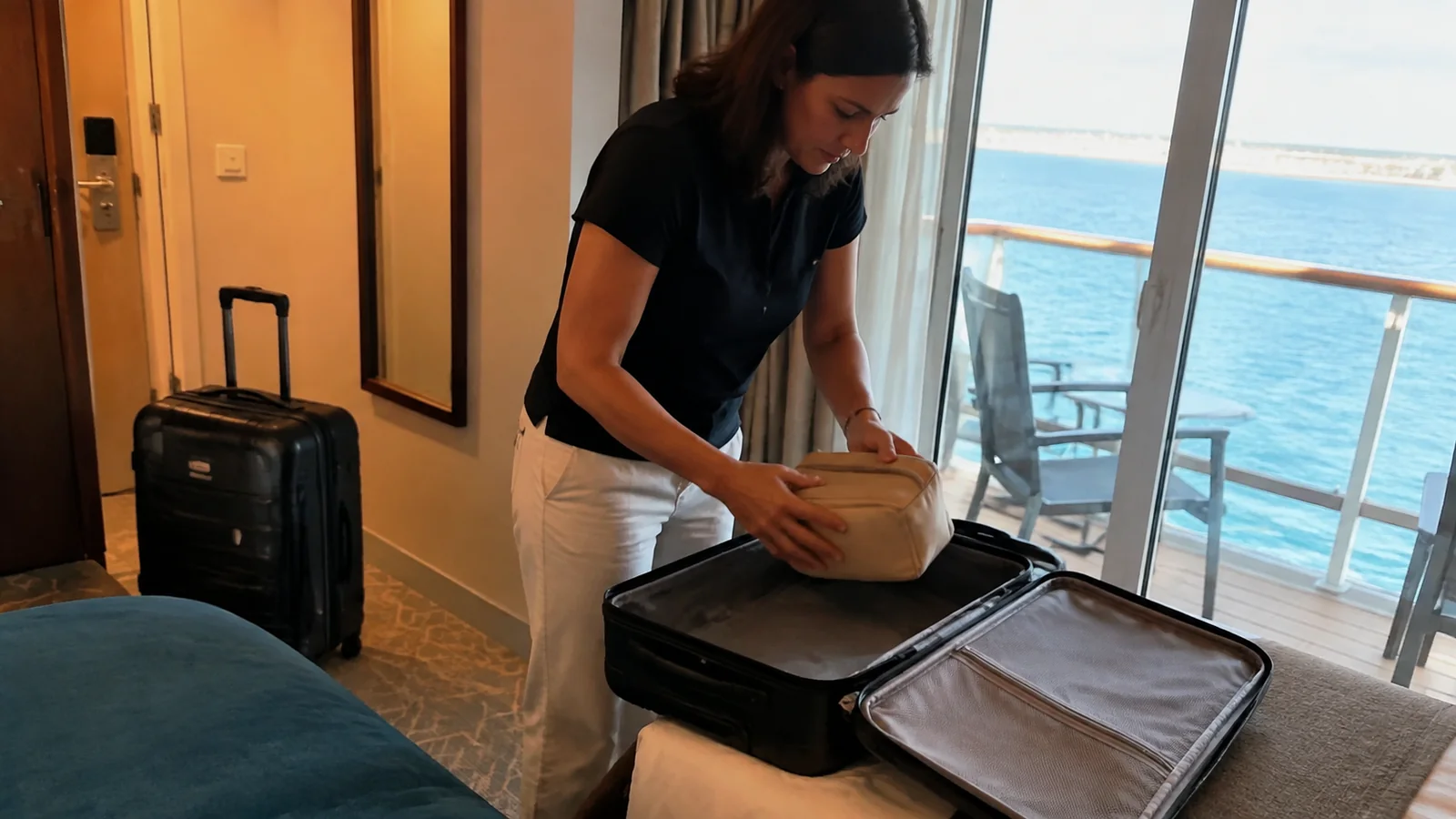
I would arrive with correctly tagged bags, make a clear handoff at my ship’s designated area, and keep one useful carry-on. That leaves the first afternoon free for boarding, lunch, and the safety briefing without needing the suitcase to arrive on a perfect schedule.