Best Asian Countries to Visit, Matched to Your Trip
There is no honest number-one country in Asia. Japan may be ideal for an organized first trip, Vietnam for food and value, Thailand for a city-and-beach split, and Indonesia for island nature, but season, flight time, mobility, entry rules, and regional safety can reverse any ranking.
How to choose without a fake ranking
Start with the experience you want, then narrow by month and available days. A seven-night vacation should usually stay in one country and two bases, while a three-week trip can justify a regional flight or a second country.
Asia is not one climate zone. Northern Japan can be snowy while southern Thailand is tropical, and Vietnam’s long shape gives the north, center, and south different rain patterns in the same month.
Check the exact destination on the U.S. State Department’s current travel-advisory list, then open the complete country page for regional warnings, entry information, and local laws. A national level never replaces a route-level check.
My fastest matches
- Easiest first trip: Japan or Singapore
- Food and strong ground value: Vietnam
- City plus beach: Thailand
- Contemporary culture and hiking: South Korea
- Islands, diving, and volcano landscapes: Indonesia or the Philippines
- History and regional depth: India
- Wildlife, tea country, and coast in one route: Sri Lanka
Japan for the smoothest first Asian trip
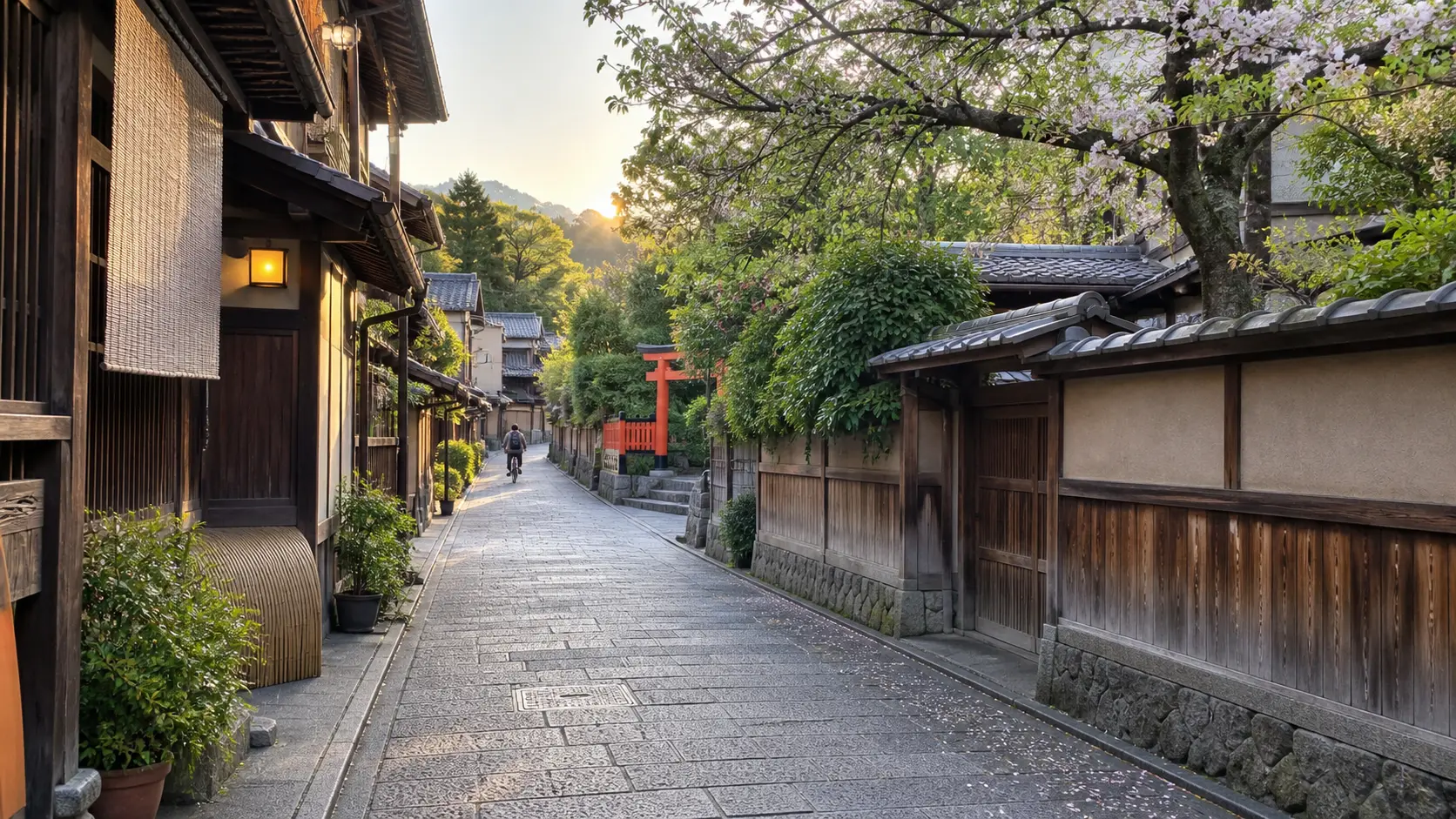
Japan is my strongest first-time recommendation for travelers who want efficient intercity trains, clear urban transit, deep cultural sites, excellent food at many price levels, and a trip that works without hiring a driver. It is not automatically cheap, and Tokyo, Kyoto, and famous seasonal dates can strain both budgets and patience.
A first route should usually be Tokyo plus Kyoto, with Osaka added only if you have at least nine nights. Hokkaido, Kyushu, the Japanese Alps, and the Seto Inland Sea are better second-trip choices than extra pins crammed into a seven-day sprint.
Best season and tradeoffs
Spring cherry-blossom timing and autumn leaves are beautiful but crowded and impossible to guarantee far in advance. Summer brings heat, humidity, a rainy period in many areas, and typhoon risk, while winter is excellent for snow regions and often calmer in major cities.
The Japan National Tourism Organization organizes planning by season and region, which is far more useful than one nationwide “best month.” Golden Week, New Year closures, and local festival dates also deserve a price and capacity check.
Japan suits independent travelers, but step-free routes may be less direct in old stations, temples, and historic districts. Build recovery time into transit-heavy days rather than assuming punctual transportation eliminates physical fatigue.
Vietnam for food, history, and long-trip value
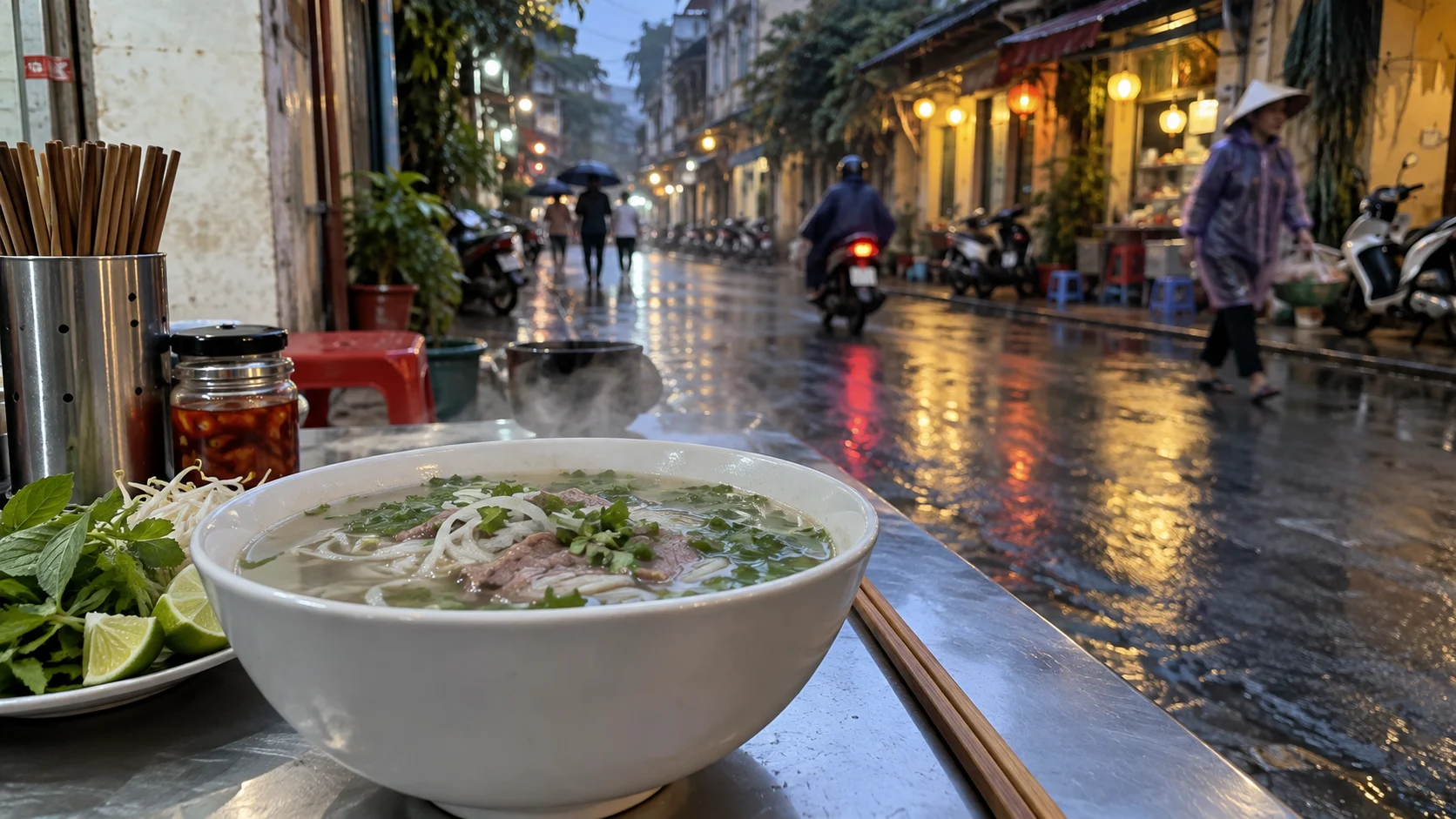
Vietnam is the best match here for travelers who want street food, layered history, energetic cities, rural landscapes, and a ground budget that can stretch across two weeks. The catch is distance, since Hanoi, central Vietnam, and Ho Chi Minh City are not casual day trips from one another.
For seven to ten nights, choose the north around Hanoi and Ninh Binh or the center around Hue, Da Nang, and Hoi An. Add a domestic flight and a second region only when the schedule has enough slack for weather or transport disruption.
Weather changes by region
Vietnam’s official tourism site explains that northern winters can be cool, central Vietnam can face late rainy-season storms and floods, and southern Vietnam is generally hot with a wetter May-to-November pattern. Its regional weather overview is a better planning tool than a single temperature chart for the whole country.
March through May may offer a useful countrywide compromise, but heat can intensify in April and May. September or October can be pleasant in the north while central conditions are less dependable.
Travelers who require a visa should use Vietnam’s official electronic visa system, not a look-alike agency charging an unnecessary service fee. Eligibility, entry points, passport rules, and digital arrival procedures should be rechecked shortly before travel.
Thailand for an easy city-and-beach combination
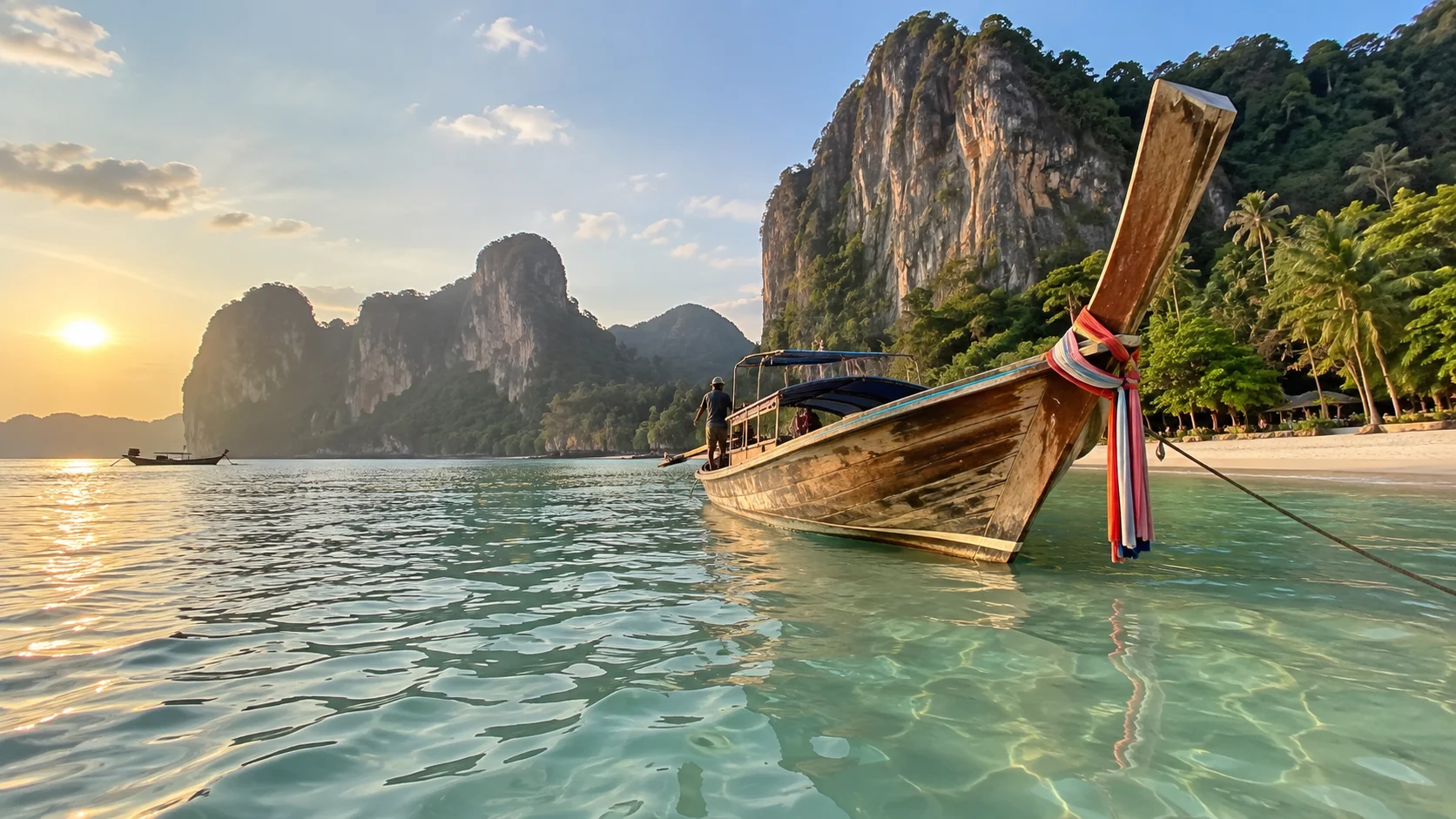
Thailand is the strongest all-rounder for travelers who want Bangkok’s food and temples, northern culture, and a tropical beach in one vacation. It becomes less relaxing when you try to combine Bangkok, Chiang Mai, Phuket, Krabi, and an island in ten days.
Choose Bangkok plus one beach region for a first week, or Bangkok and Chiang Mai for culture and food. With two weeks, add one carefully chosen coast rather than treating every famous island as interchangeable.
Two coasts mean two weather questions
Andaman destinations such as Phuket and Krabi do not share the same rain pattern as Gulf islands such as Samui. Check the specific coast and ferry conditions for your month, especially when a remote island connection must meet an international flight.
Northern Thailand can experience serious smoke and poor air quality in the late dry season. A deeply discounted Chiang Mai room is poor value if outdoor plans or health needs make that period unsuitable.
Foreign arrivals must complete Thailand’s free official Digital Arrival Card within the required submission window. The current U.S. advisory also identifies higher-risk border and far-southern areas, so check the exact route rather than applying Bangkok’s experience nationwide.

Singapore for a short, low-friction stop
Singapore is the easiest choice for a four- or five-night introduction to Southeast Asia. English is widely used, public transit is straightforward, the airport connection is efficient, and excellent food ranges from hawker centers to destination restaurants.
It is not the budget winner once hotels, alcohol, and major attractions enter the calculation. The value comes from easy logistics and dense sightseeing, not from being the region’s cheapest capital.
Heat, humidity, and showers are year-round realities, so a midday indoor break is sensible. Laws and penalties can be stricter than U.S. visitors expect, which makes official entry and customs guidance essential reading rather than fine print.
Singapore also works beautifully as a stopover before Indonesia, Thailand, or Vietnam. Do not add it merely to collect another country if the extra flight and hotel change would steal a full day from a short trip.
South Korea for cities, design, food, and trails
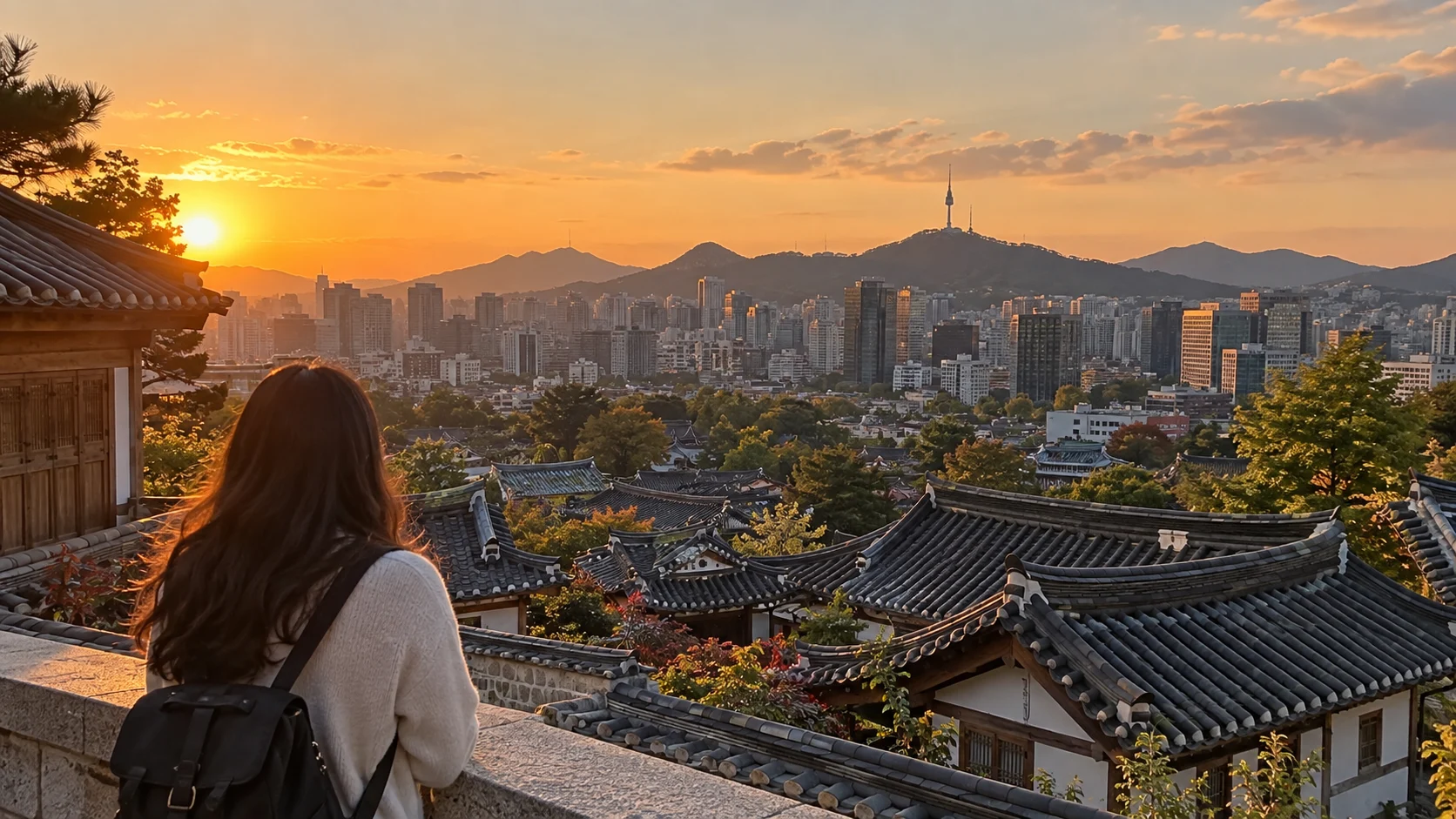
South Korea fits travelers who want Seoul’s contemporary culture, historic palaces, markets, cafés, nightlife, and mountain access in the same week. Fast trains make Busan or Gyeongju realistic additions, but Seoul alone can fill five or six days.
Spring and fall usually offer the easiest outdoor conditions, with peak foliage or blossom periods bringing higher demand. Summer can be hot, humid, and rainy, while winter is cold enough that a fashion-first packing list can fail quickly.
A Seoul-and-Busan trip suits first-time independent travelers comfortable with apps and transit. Rural routes, some restaurants, and smaller accommodations may require more language patience and advance accessibility questions.
Entry authorization policies have changed repeatedly in recent years. Check the Korean government’s immigration and K-ETA sites for your passport and travel date, not an old social post stating that every visitor does or does not need the same form.
Indonesia for island landscapes and diving
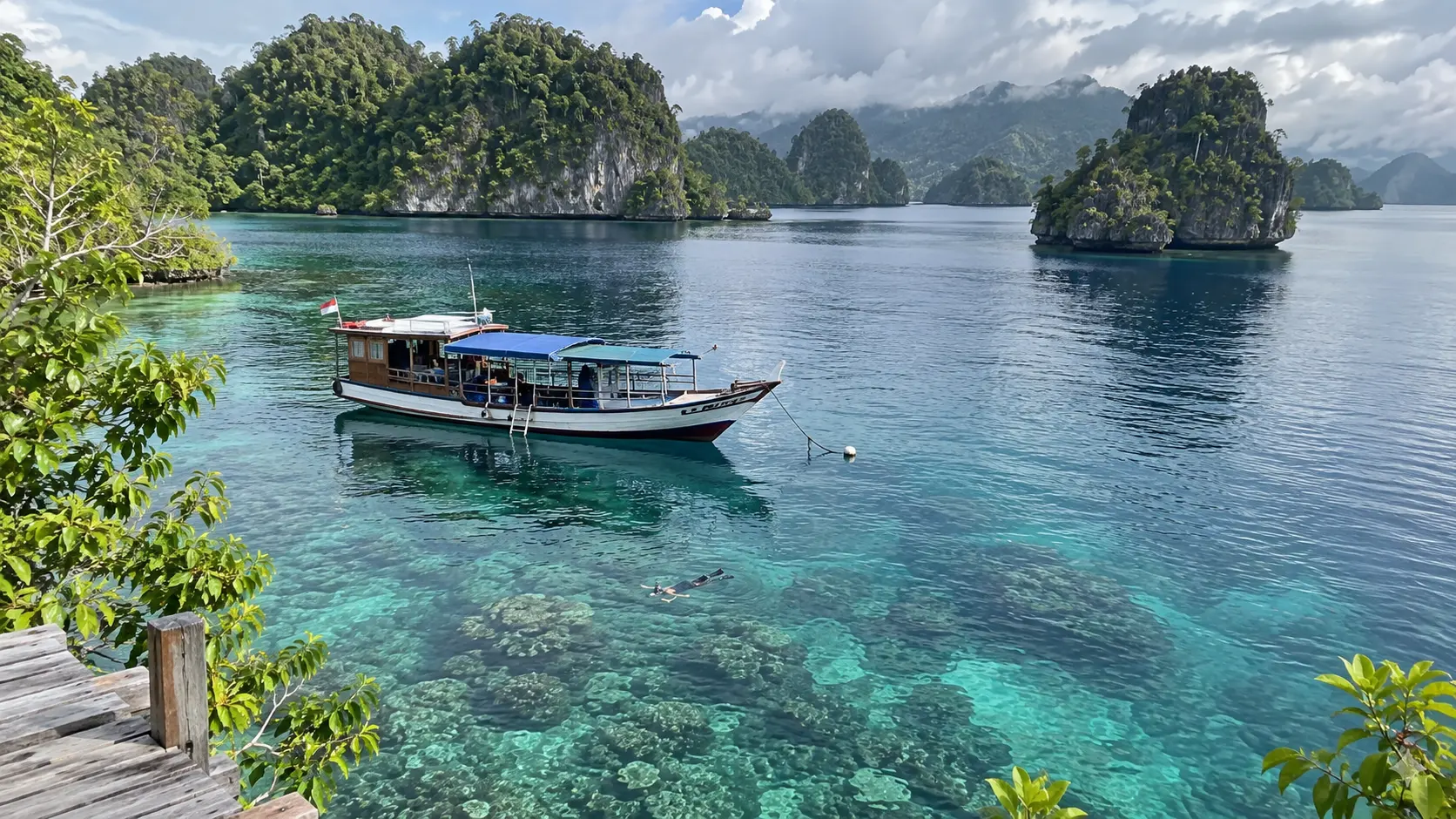
Indonesia is best for travelers who choose one island or compact island group rather than trying to “see the country.” Bali combines culture, food, wellness, and tourism infrastructure, while Java emphasizes cities, temples, rail travel, and volcano landscapes.
Komodo, Raja Ampat, Sumatra, Sulawesi, and Lombok serve very different interests and require different transport and comfort levels. The country’s size and ferry or flight dependencies punish overpacked itineraries.
Natural hazards are part of planning
Volcanic activity, earthquakes, tsunamis, smoke, flooding, and rough seas are real regional considerations. Indonesia’s current U.S. advisory is Level 2 and includes more severe warnings for specific Papua provinces, so the exact island and route matter.
Dry-season shorthand is useful but incomplete because timing varies across the archipelago. Leave a buffer before the international flight when a boat or small domestic flight is involved.
Bali’s traffic can make a short map distance consume hours, and beach conditions vary sharply by coast and season. The routes in my Indonesia landmarks guide help separate realistic regional clusters from wish-list geography.

The Philippines for beaches and water-first trips
The Philippines is my pick for travelers whose priority is snorkeling, diving, limestone scenery, and island beaches rather than seamless overland transport. English is widely used, but island changes can require a flight, van, ferry, and weather buffer.
Palawan, Cebu and Bohol, Siargao, and the central Visayas are separate trip frameworks, not a single beach circuit. Pick one cluster for a week and two only when you have at least 12 days.
Typhoons, monsoon patterns, and sea conditions vary by month and region, and storms can disrupt plans beyond the immediate track. Avoid placing a tight ferry connection immediately before the flight home.
Accessibility can be challenging on small boats, beach landings, uneven paths, and remote-island lodging. Ask for step counts, dock type, bathroom configuration, and transfer method before treating “private tour” as accessible.
India for history, food, and regional depth
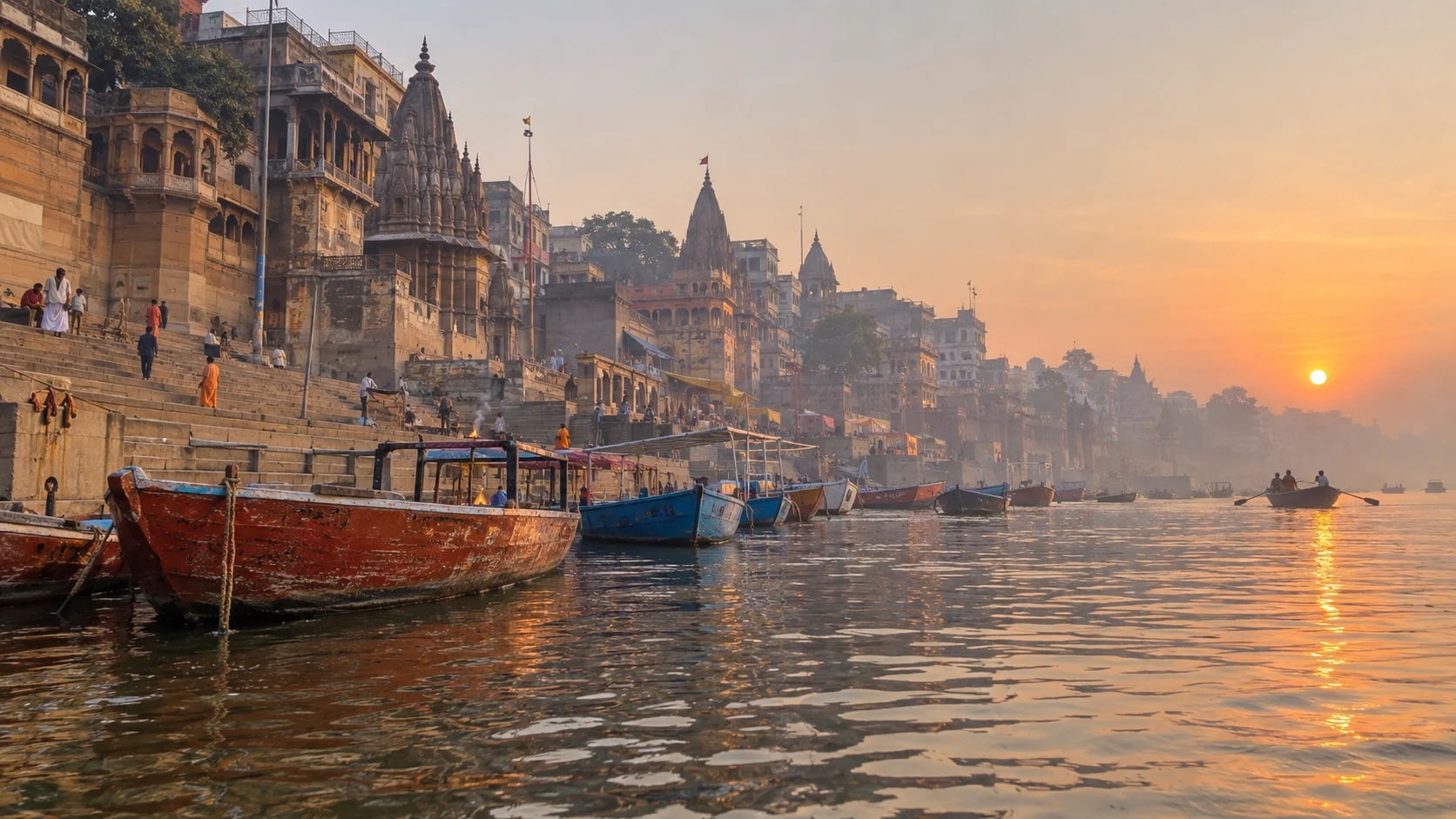
India is the richest choice for travelers who want major historical sites, living religious traditions, regional cuisines, textiles, rail journeys, and a trip that rewards preparation. It is not the country I would recommend for a first Asia vacation to someone who wants quiet streets and effortless logistics.
The Golden Triangle can work for a first cultural route, but Rajasthan, Kerala, Tamil Nadu, the Himalayas, and the northeast each deserve separate planning. One region in ten days produces a far better trip than four internal flights and a blur of hotel check-ins.
Season should choose the region
North Indian heat can be severe before the summer monsoon, Himalayan access changes with snow and landslides, and Kerala’s rain cycle differs from Rajasthan’s. Air quality can also affect northern cities in cooler months.
Travelers interested in lower-impact stays should compare claims with the practical principles in my Kerala ecotourism guide. “Eco” in a property name is not evidence of local ownership, wildlife protection, or responsible waste and water systems.
Entry, permit, health, and regional security questions require current official checks. Build a route around energy and climate tolerance, not around the maximum number of famous sights.
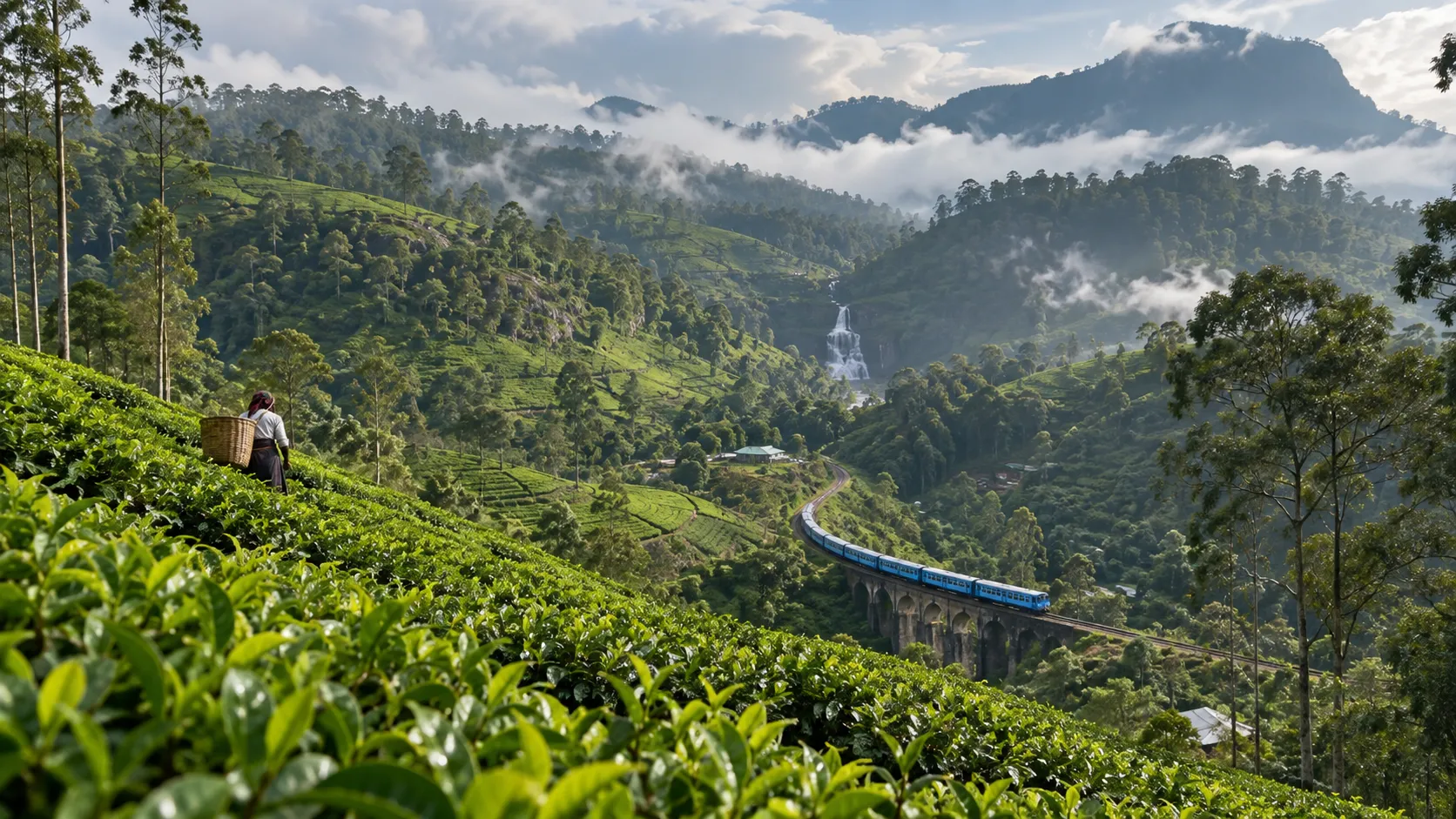
Sri Lanka for wildlife, tea country, and coast
Sri Lanka fits travelers who want ancient cities, highland rail scenery, tea country, wildlife parks, and beaches within one relatively compact nation. Compact does not mean fast, since winding roads and rail delays make short distances consume much of a day.
A strong first route uses two or three regions, such as the Cultural Triangle, Kandy or hill country, and one coast. Adding both south-coast beach time and multiple safaris to a one-week trip usually creates more transfers than vacation.
The southwest and northeast monsoons affect different sides of the island at different times, so “rainy season” is too blunt. Wildlife sightings are never guaranteed, and ethical viewing means accepting distance, crowd limits, and the animal’s choice to disappear.
Sri Lanka’s advisory and economic conditions should be checked close to departure. Carry schedule flexibility and choose a reputable driver or rail plan rather than relying on optimistic map times.
What about China, Nepal, Cambodia, and Central Asia?
They can be superb choices, but each solves a more specific travel goal. China offers extraordinary scale and history with added digital, visa, payment, and regional-planning complexity, while Nepal is strongest for mountain culture and trekking rather than a generalized first Asia sampler.
Cambodia pairs Angkor with food, history, and a manageable short route, although travelers should plan heat and responsible temple tourism carefully. Kazakhstan and Uzbekistan suit travelers drawn to Silk Road cities, wide landscapes, and less familiar logistics.
A country omitted from the nine matches is not “worse.” It simply asks for a clearer reason to choose it and often more specialized planning than this first-decision guide can responsibly compress.
Build the trip around your available time
Five to seven nights: Choose one major city plus one nearby contrast, such as Tokyo and Kyoto, Bangkok and a reachable beach, or Singapore alone with a day trip. Long-haul jet lag makes constant movement especially wasteful.
Eight to twelve nights: Use two or three bases within one country, such as Hanoi, Ninh Binh, and central Vietnam, or Seoul, Gyeongju, and Busan. Add a flight only when it saves more time than airport logistics consume.
Two to three weeks: Combine regions or neighboring countries when entry rules, flight connections, and climate align. A month-long structure such as those in my long-itinerary planning examples needs recovery days, not just more stops.
A practical booking order
- Choose the month: Eliminate regions with unacceptable heat, rain, smoke, cold, or storm exposure.
- Check safety by route: Read the full advisory and local authority notices for every province or border area.
- Verify entry: Use immigration, embassy, or consular sites for your passport and exact dates.
- Price the whole trip: Include long-haul airfare, internal flights, trains, ferries, drivers, insurance, and airport hotels.
- Limit bases: Count door-to-door transfer time rather than scheduled flight or train time alone.
- Protect the departure: Add a buffer before the international flight when weather-dependent boats or mountain roads are involved.
Bottom line
Japan is the easiest broad first choice, Vietnam the strongest food-and-value route, Thailand the best city-and-beach mixer, and Singapore the smoothest short stop. South Korea suits contemporary city travelers, Indonesia and the Philippines reward island focus, India offers unmatched regional depth, and Sri Lanka combines wildlife, highlands, and coast.
The best Asian country is the one whose season, distance, entry rules, and daily rhythm fit your real vacation. Choose one region well, leave slack, and let a second trip carry the places that do not fit.