Cheapest Countries to Visit From India: A Total-Cost Guide
The cheapest country from India is rarely the one with the cheapest hostel. Airfare, visa or permit costs, ground transportation, season, and the number of vacation days can easily matter more than a ₹500 difference in dinner.
The best-value shortlist
For most Indian travelers, the strongest current candidates are Nepal, Sri Lanka, Thailand, Malaysia, Vietnam, and Bhutan. The order changes with your departure city, dates, passport, comfort level, and whether you travel by land or air.
- Lowest access cost from North or East India: Nepal by land or a well-timed flight.
- Best island value from South India: Sri Lanka when airfare is reasonable.
- Best for cheap flights plus easy tourism: Thailand from a city with nonstop competition.
- Best urban trip: Malaysia, especially Kuala Lumpur with public transportation.
- Best ground value after a longer flight: Vietnam.
- Best close-to-home splurge: Bhutan, once its nightly tourism fee is included.
I have deliberately left out destinations facing serious current official warnings, even when their hotels look cheap. A bargain list should help you plan a vacation, not talk you into ignoring security conditions.
How these costs were compared
The daily ranges below are in Indian rupees per person, assuming two adults share a simple private room. They include lodging, local meals, ordinary public transportation, and a modest sightseeing allowance, but exclude international travel, insurance, shopping, alcohol, and major guided excursions.
Use the lower end only if you book early, eat locally, and travel slowly. Use the upper end if you want air conditioning, central locations, app-based rides, more admissions, or a little breathing room.
For airfare, I use three planning bands for a round-trip economy ticket with the baggage I actually need: under ₹20,000 is strong, ₹20,000 to ₹35,000 is workable, and above ₹35,000 needs a compelling reason. Those are decision bands, not promised fares.
Search from your home airport and one realistic alternate, then add the train, hotel, meals, and time required to use the alternate. A “cheap” Delhi fare does not help someone in Kochi if repositioning eats the savings.
Our step-by-step budget travel guide shows how to compare full trip cost without stripping every enjoyable thing from the itinerary.

1. Nepal
Ground budget: Plan roughly ₹2,500 to ₹5,000 per person per day on a shared-room trip. Mountain flights, private jeeps, trekking permits, guides, and high-altitude routes sit outside that range.
Nepal wins for travelers who can cross by land or find a direct fare to Kathmandu. It loses some of its price advantage when a short itinerary tries to combine Kathmandu, Pokhara, and a trek with private transportation.
Indian citizens do not need a visa for Nepal, but document rules still matter. For air travel between India and Nepal, the Embassy of India in Kathmandu says adults need a valid Indian passport or an original Election Commission voter ID with photograph; Aadhaar, PAN, driving licenses, and downloaded voter cards are not accepted for that flight.
Budget travelers can build four or five nights around one base, then add one carefully chosen side trip. Every transfer you remove buys more time for temples, food, neighborhoods, or an easy nature day.
Monsoon conditions, landslides, road delays, altitude, and air quality can affect plans. Check current local conditions and travel guidance, especially before trekking or long road journeys.
2. Sri Lanka
Ground budget: Allow about ₹3,500 to ₹6,500 per person per day with shared lodging. Safaris, private cars, premium trains, surf lessons, and beach resorts can move the total higher quickly.
Sri Lanka is strongest when you fly from South India and resist the urge to circle the entire island in one week. Colombo plus the cultural triangle, or a south-coast route, is usually kinder to both budget and energy than a frantic national loop.
As of May 25, 2026, India’s ordinary-passport travelers are among the nationalities eligible for a free 30-day tourist ETA, according to Sri Lanka’s official electronic authorization site. “Free” still means complete the required official process and meet entry conditions, so recheck before buying a nonrefundable ticket.
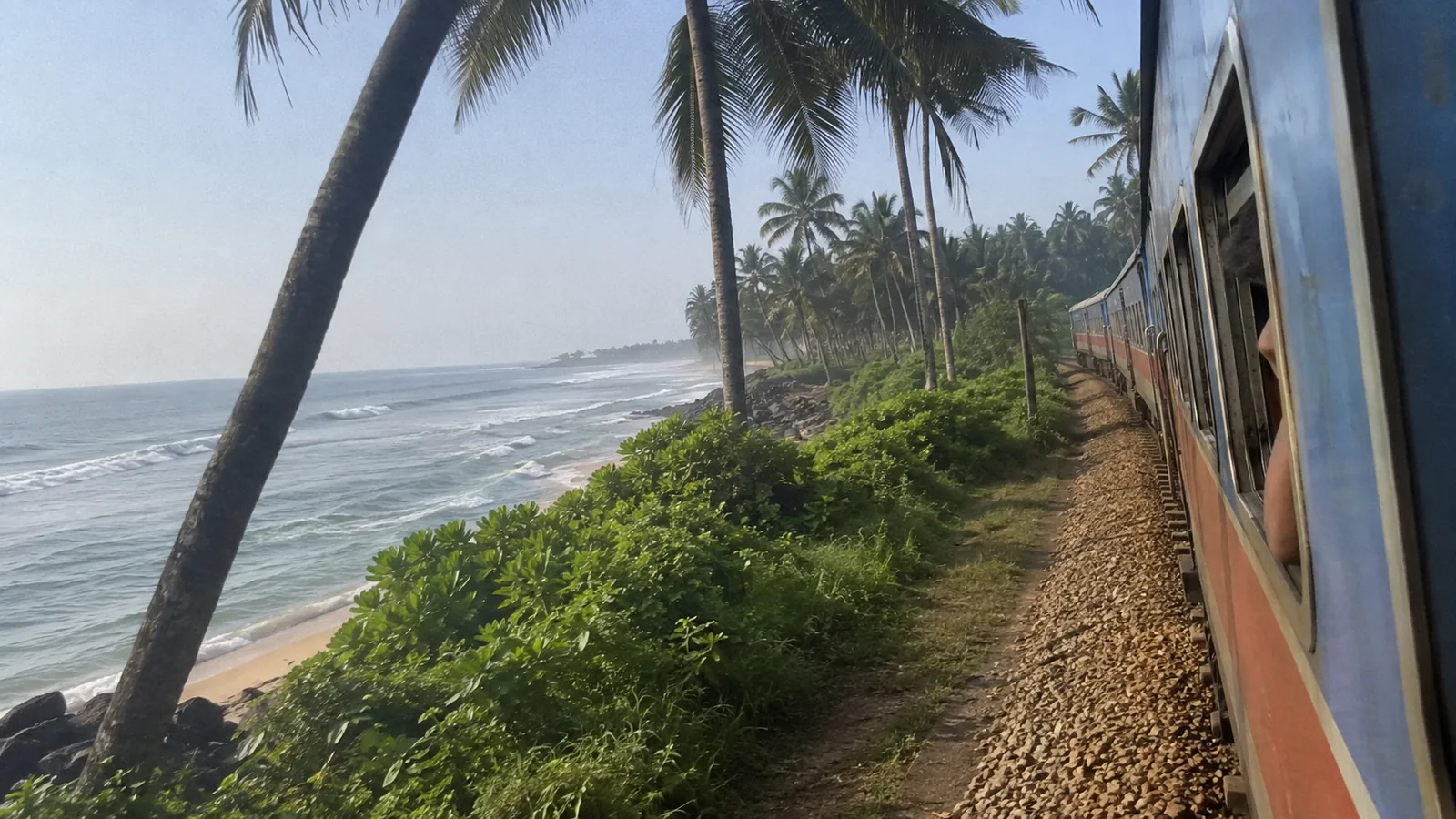
Trains and buses keep ground costs low, but the most popular scenic trains can sell out or become crowded. A private driver saves time but changes the daily budget category.
Weather differs sharply by coast and season. Choose the route for the month rather than booking the cheapest beach room on the wrong side of the island.
3. Thailand
Ground budget: Use ₹4,000 to ₹8,000 per person per day for Bangkok, Chiang Mai, or a simple mainland route. Premium islands, beach clubs, diving, domestic flights, and taxis can push beyond it.
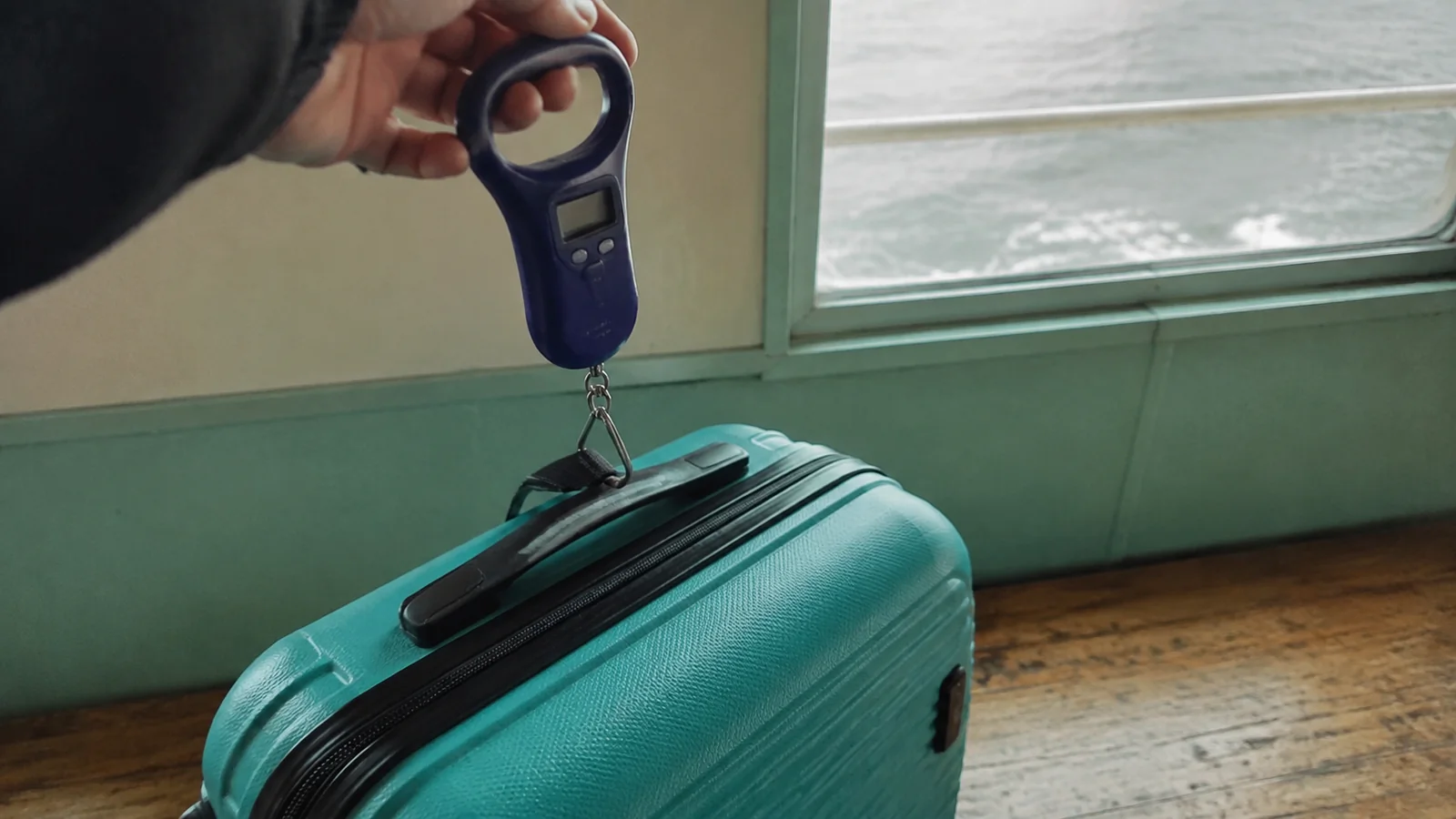
Thailand becomes a value leader when nonstop competition produces a fare in your target band. It becomes expensive when you add a separate island flight, speedboat, airport hotel, and checked-bag fees to chase a photogenic beach.
Thailand changed the permitted length of visa-exempt stays in late August 2026, so do not rely on an older article that still says 60 days. Indian tourists continue to have a short-stay visa-exempt pathway, but confirm the exact allowance with the Thai embassy or official visa system immediately before booking.
All non-Thai nationals entering the country must submit the free Thailand Digital Arrival Card within the official arrival window. The Thai Immigration TDAC portal says the form is not a visa and can be submitted within three days before arrival, including the arrival date.
For a first budget trip, Bangkok plus one northern or mainland beach base is easier to control than three islands. Our Thailand long-tail boat guide explains route, weather, and safety questions before you agree to a cheap ride.
4. Malaysia
Ground budget: Expect about ₹4,000 to ₹8,000 per person per day on a shared-room itinerary. Kuala Lumpur can sit near the lower half with rail use and food courts, while islands and private transfers cost more.
Malaysia is an excellent short break when you find a direct Kuala Lumpur fare. Modern public transportation and a concentrated city itinerary prevent small transport costs from multiplying.
The Malaysian Immigration Department currently lists Indian citizens as visa-exempt through December 31, 2026. The waiver is temporary, so anyone traveling in 2027 must check the rule from scratch rather than assuming an extension.
Qualifying travelers must still meet entry conditions and complete the Malaysia Digital Arrival Card when required. Use only the official immigration portal because look-alike arrival-card sites may charge unnecessary fees.
A city-and-food trip gives the cleanest value. If you add a beach, our Balok and Cherating guide covers a quieter east-coast option, but monsoon timing matters.
5. Vietnam
Ground budget: Plan ₹3,500 to ₹7,000 per person per day for a simple shared-room trip. Cruises, domestic flights, guided mountain loops, beach resorts, and private transfers belong above that range.
Vietnam often has the best food-and-lodging value on this list after arrival. The catch is that airfare from India may be higher than Thailand or Malaysia, particularly when your dates require a connection.
Indian passport holders should obtain the appropriate visa before travel. Vietnam’s official immigration portal offers e-visas valid for up to 90 days with single- or multiple-entry options, and the current government fees are $25 and $50 respectively.
Apply on the official `evisa.gov.vn` domain, enter the port exactly, and leave processing margin. A typo that forces a new application can erase several days of careful meal savings.
Choose either a northern route around Hanoi or a central route around Da Nang and Hoi An for a first short trip. Our Vietnam landmarks route guide helps prevent expensive backtracking across a long country.
6. Bhutan
Ground budget: Use ₹4,500 to ₹8,000 per person per day for shared lodging, local food, transport, and the adult Sustainable Development Fee. Private vehicles, guides, premium hotels, and domestic flights can raise it.
Bhutan is geographically close, but it is not automatically the cheapest country on the list. Indian tourists currently pay a Sustainable Development Fee of ₹1,200 per adult per night, and they need an entry permit even though they do not need a conventional visa.
A valid passport or original voter ID is the safest document plan, with child rules checked separately. The Government of India’s consular guidance for Bhutan confirms the current SDF and age-based child concessions, but requirements should be rechecked before the trip.
Land entry can make Bhutan competitive for travelers based near the eastern gateways. From farther west or south, the flight and road time may make Sri Lanka, Thailand, or Malaysia cheaper overall.
Do not build a bargain route that ignores mountain-road travel times. A shorter Paro and Thimphu plan can feel much richer than racing to every valley.
Why Indonesia, Cambodia, and the Gulf are not automatic winners
Indonesia can be affordable on the ground, but Bali transfers, island boats, tourist-area prices, and flights can lift the total above Thailand or Malaysia. It belongs in your comparison when the airfare is strong, not simply because a dorm bed looks cheap.
Cambodia and Laos can offer low daily spending, but connections, visas, onward transport, health planning, road safety, and unexploded-ordnance awareness complicate a quick bargain trip. Compare a specific route, not a countrywide average.
Gulf stopovers may have excellent flights from India, yet lodging, attractions, taxis, and meals can turn a cheap ticket into an expensive long weekend. A host, free stopover hotel, or very focused plan can change the math.
The safety hold
Before paying, check the Government of India’s current travel advisories and the Indian mission for the destination. Recheck near departure because elections, protests, conflict, disasters, and border rules can change after your booking.
I have not recommended Bangladesh while the MEA’s strongly-against-travel notice remains listed, despite its low geographic access cost. Myanmar also does not belong in a casual cheapest-country roundup while serious conflict and regional warnings remain active.
This is not a judgment on the people or the long-term appeal of either country. It is simply the correct moment to let safety beat list length.

How to find the genuinely cheapest flight
- Search a full-month calendar before choosing leave dates.
- Compare total fare with the checked bag, seat, meals, and payment fee included.
- Price the airport transfer at both ends, especially for midnight arrivals.
- Avoid a self-transfer unless the savings justify missed-connection risk.
- Check whether a transit visa applies to the routing and passport.
- Set a fare alert, but also set a deadline to buy.
A route with a six-hour layover can cost a vacation day, airport meals, and sleep. Put a rupee value on your time before calling it cheaper.
A realistic five-night budget formula
Add the round-trip airfare, visa or permit, five times the destination’s daily range, airport transfers, insurance, and a 15% buffer. Then add any experience that would make the trip worth taking.
Do the calculation per person even when rooms and taxis are shared. That makes solo, couple, and group quotes easier to compare honestly.
If the trip exceeds your limit, remove a city before cutting food or safety. Slow travel is usually cheaper, calmer, and much more memorable than spending half the vacation checking out.
Booking order that protects your money
- Check the latest safety advisory and entry rule for an Indian passport.
- Choose a route that fits the season and available days.
- Price airfare with baggage and ground transfers included.
- Confirm the visa, ETA, arrival card, or permit process on an official domain.
- Book cancellable lodging until entry approval is settled.
- Buy suitable insurance and save emergency contacts offline.
The bottom line
Nepal is often the cheapest total trip from North or East India, while Sri Lanka can win from the south and Thailand or Malaysia can win when nonstop fares drop. Vietnam rewards a longer stay, and Bhutan offers unusual value only after its nightly fee and transport are counted honestly.
Start with your airport, dates, and full-trip ceiling, then let the country emerge from the math. The smartest cheap trip is the one that leaves room for safety, good food, and a day you are not rushing through.