Scuba Diving at Tarkarli: A Safety-First Planning Guide
Scuba diving at Tarkarli can mean a short supervised introduction, a certification course, or a guided dive for an already certified diver. Those are not interchangeable products, so choose the training standard and safety system first, then let weather, sea conditions, and the operator determine whether a dive runs.
Is Tarkarli a Good Place to Scuba Dive?
Tarkarli sits on Maharashtra’s Konkan coast near Malvan in Sindhudurg district, with diving and other water sports promoted by the state tourism department. It is appealing for travelers who want a beach trip with an optional underwater day rather than a dive-resort bubble.
The official Maharashtra Tourism Tarkarli page identifies scuba diving as an available activity and recommends October through March for the destination’s cooler, breezier weather. That is a travel-season recommendation, not a promise of diveable water on every date.
Wind, swell, rainfall, runoff, current, boat capability, and local operations decide the day. No responsible guide should promise a visibility distance, a specific reef, or a wildlife encounter before seeing current conditions.
Choose the Right Type of Dive
A Try Dive Is Not Certification
A properly structured introductory scuba experience teaches basic safety concepts, equipment use, breathing, equalization, and simple skills before an optional open-water portion. Under PADI’s published Discover Scuba Diving limits, the open-water maximum is 40 feet, but shallower is always acceptable.
PADI’s official Discover Scuba Diving FAQ is equally clear that the experience is not a certification. Completing it does not qualify you to rent equipment and go diving independently later.
Ask the Tarkarli operator for the exact program name, training agency, instructor or divemaster role, maximum depth, supervision ratio, confined-water skill plan, and open-water sequence. A vague “scuba ride” with photos is not automatically equivalent to a recognized introductory program.
Certification Training Takes Real Time
An entry-level certification includes knowledge development, skills in controlled conditions, and open-water training. Do not squeeze it into a beach afternoon simply because a seller uses the word “course.”
Request the agency name, course standard, learning materials, number of sessions, certification issued, instructor credentials, and all fees in writing. Compare the plan with the certifying agency’s own course description before paying.
Certified Diving Still Requires Judgment
Bring your certification card and logbook or digital record, then describe your recent experience honestly. A certification card shows past training, not current comfort in surge, boat entries, low visibility, or unfamiliar rental gear.
If you have been out of the water, arrange a refresher before a demanding open-water day. Ask for the planned depth, current, entry method, surface conditions, navigation, gas policy, buddy plan, and alternate site before accepting the dive.
When to Plan a Tarkarli Dive
October through March is the clearest planning window supported by Maharashtra Tourism for a general Tarkarli visit. April and May can be hotter, while the southwest monsoon changes sea and travel conditions across the west coast.
The India Meteorological Department maintains live monsoon progress and weather reports, but a regional forecast cannot replace a local marine decision. Check both official weather information and the operator’s morning assessment.
A calm beach does not prove the offshore site or boat route is calm. Conditions can differ across a headland, around a fort, or several miles from the pickup point.
Build at least one weather-flex day into the trip and accept cancellation without argument. A refund or reschedule policy agreed in writing is more useful than a seller’s promise that the boat “always goes.”
Where Diving Actually Happens
Travelers use “Tarkarli diving” loosely for operations around Tarkarli, Malvan, Devbag, and waters near Sindhudurg. The booking office, boat departure, training area, and dive site may all be in different places.
Ask for the morning meeting point and expected boat transfer before choosing lodging. A beachfront address does not mean the dive boat leaves from that beach.
Site choice should remain conditional until the operator reviews weather, sea state, diver ability, and local restrictions. Treat any named site as a plan, not an entitlement.
How to Vet a Tarkarli Dive Operator
Do not choose from price and underwater photos alone. Ask enough questions to understand who is responsible for you, what standard governs the dive, and what happens if something goes wrong.
- The training agency and active professional number of the person supervising you
- The exact program for noncertified guests or required certification for the planned dive
- Maximum group size and in-water supervision ratio
- Equipment inspection, sizing, sanitation, and cylinder procedures
- Emergency oxygen, first-aid kit, communications, and a written emergency action plan
- Boat capacity, life jackets, shade, ladder or reentry method, and licensed boat crew
- Nearest practical medical facility and decompression-treatment plan
- Cancellation terms for weather, illness, or failed medical screening
Verify the professional through the named agency’s official member or dive-center search when available. A logo on a signboard or social profile is not the same as current teaching status.
Walk away if the operator discourages questions, skips a medical form, will not explain signals and gas checks, or promises to hold a nervous beginner underwater for a video. You should be able to stop the activity before or during the dive without being pressured.
The local programs I would investigate first
MTDC’s Indian Institute of Scuba Diving and Aquatic Sports, or IISDA, is my first inquiry for a Tarkarli-based beginner. PADI lists this beachside center as a five-star dive resort with a dedicated training pool, classrooms, rental equipment, and a dive boat.
That gives you a concrete place to compare three different bookings: a supervised introduction, a full Open Water course, and a guided outing for an already-certified diver. It is a starting point for verification, not a claim that I have personally assessed its operation.
For a first introduction, I would ask IISDA for its current pool briefing and supervised sea-dive schedule, keeping the whole day flexible. Start at the Tarkarli center for paperwork, equipment fitting, and practice, then transfer to the day’s launch only if the instructor and sea conditions permit.
For certification, ask specifically for PADI Open Water Diver rather than a souvenir certificate after a try dive. MTDC advertises scuba certification training, and I would reserve several consecutive days near Tarkarli instead of trying to fit the course around a rushed sightseeing circuit.
For certified diving, compare IISDA’s available boat program with Dive Goa, which advertises guided diving and training in Malvan as well as Goa and Karnataka. Confirm that the quote is actually for the Malvan operation, with a local meeting point, rather than assuming its Goa address is your departure base.
What the local day can look like
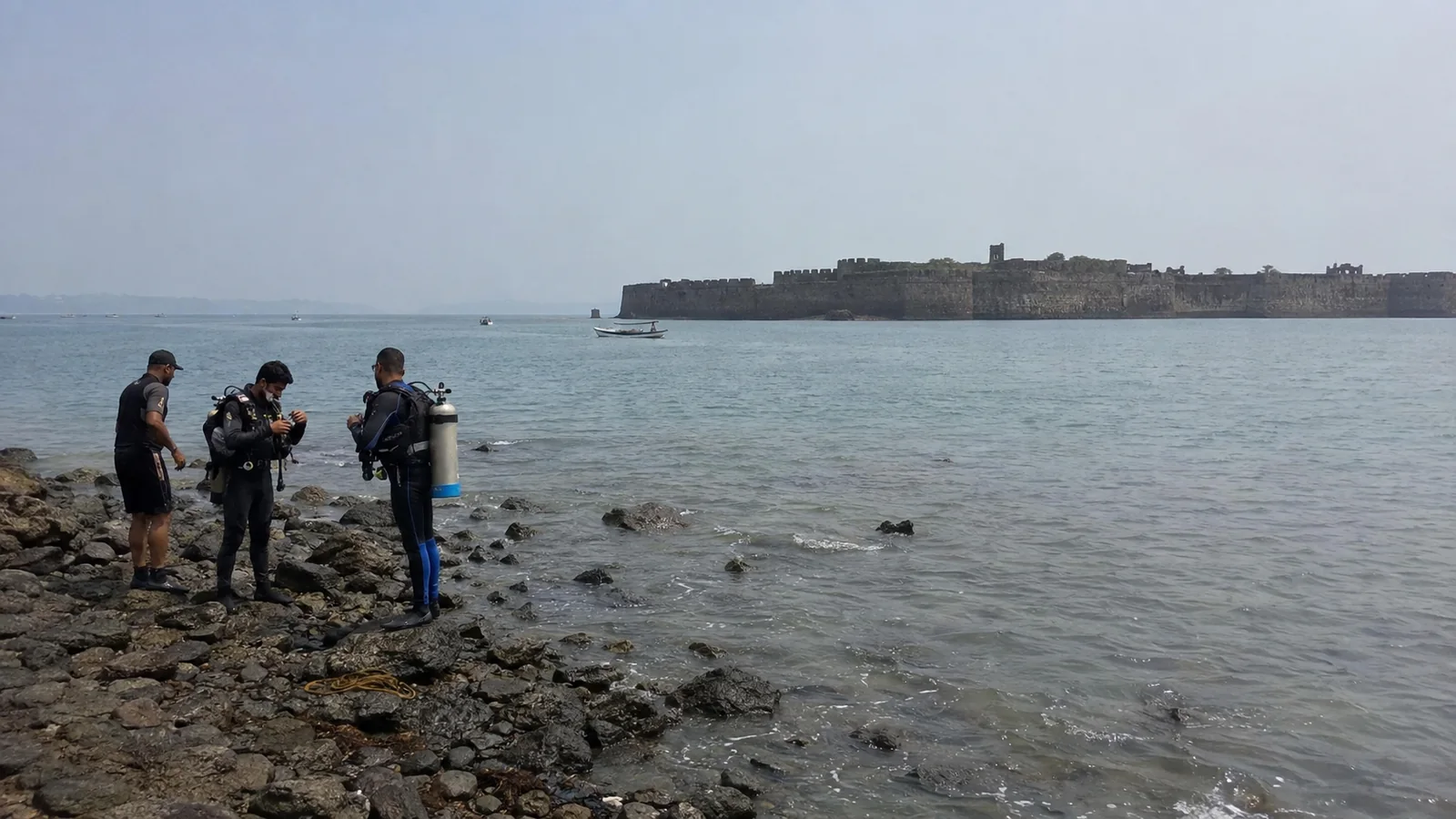
A Malvan harbor or Sindhudurg-area outing is a different commitment from an offshore rocky-island trip around the wider Sindhudurg coast. IISDA’s listing identifies Burnt Island and lighthouse-area diving, so certified divers have a concrete offshore alternative to ask about.
I would favor the nearer, instructor-selected site for a nervous beginner and investigate the offshore option for a certified diver comfortable with boat travel and changing conditions. These are not interchangeable promises of depth, visibility, or wildlife, and the operator should assign the site after reviewing your experience.
Staying in Tarkarli makes pool training convenient; staying in Malvan may simplify a harbor meeting, while a Devbag hotel adds a separate local transfer. Keep the late afternoon free for delays and gear cleanup, then enjoy the beach after diving instead of stacking another timed water-sports booking.
Medical Fitness Is Not a Formality
Scuba places pressure and workload demands on the lungs, heart, ears, sinuses, and body. Feeling generally healthy does not answer every dive-specific medical question.
The current Diver Medical Participant Questionnaire screens for conditions and circumstances that may require a physician’s evaluation before training or diving. Complete the operator’s current form honestly and early enough to obtain clearance if the form directs you to do so.
Do not dive while ill, congested, impaired, severely sleep-deprived, or unable to equalize. Never hide medication, surgery, pregnancy, breathing, cardiac, neurologic, ear, or sinus information to protect a nonrefundable booking.
This article cannot decide medical fitness. A physician familiar with dive medicine is the right person for an individual concern, and the dive professional must follow the applicable training standard.
Equipment and Briefing Checks
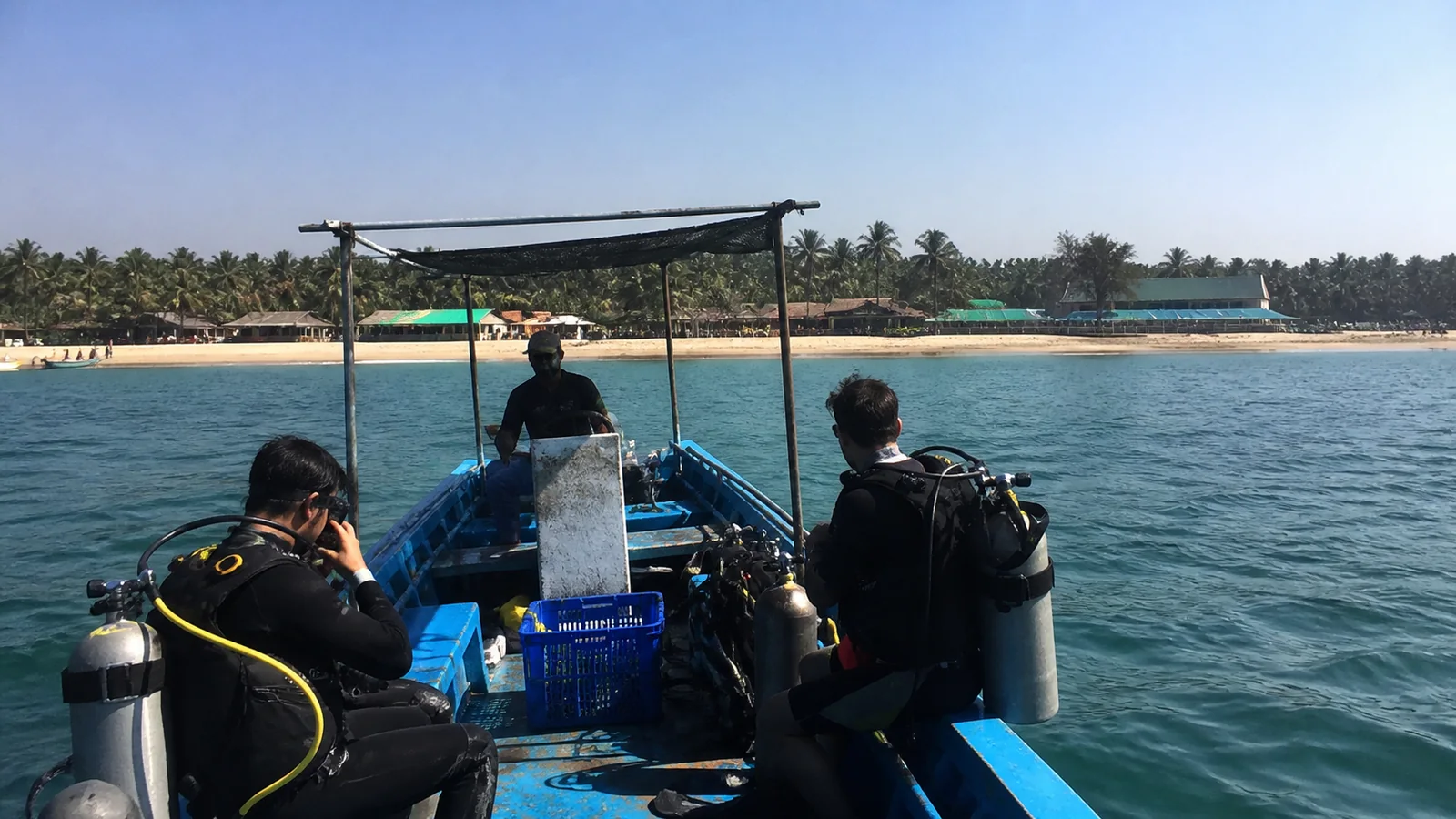
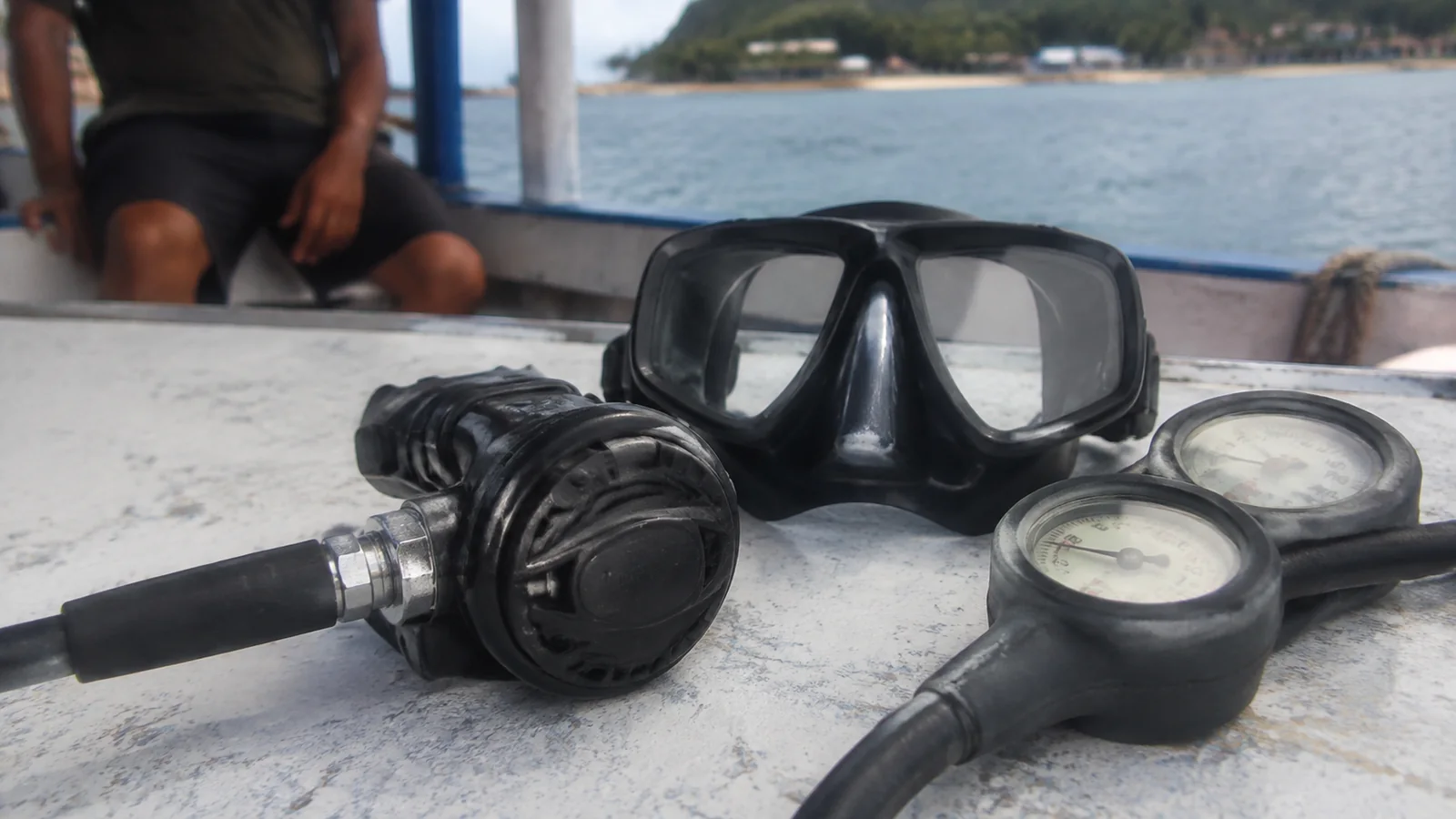
Try on the mask, exposure protection, buoyancy device, fins, and weights before boarding. A leaking mask, loose cylinder strap, or badly fitting buoyancy device is not a tiny inconvenience underwater.
Watch the full setup and pre-dive check rather than assuming the guide will remember everything for you. Certified divers should use the buddy check and gas-management procedures from their training.
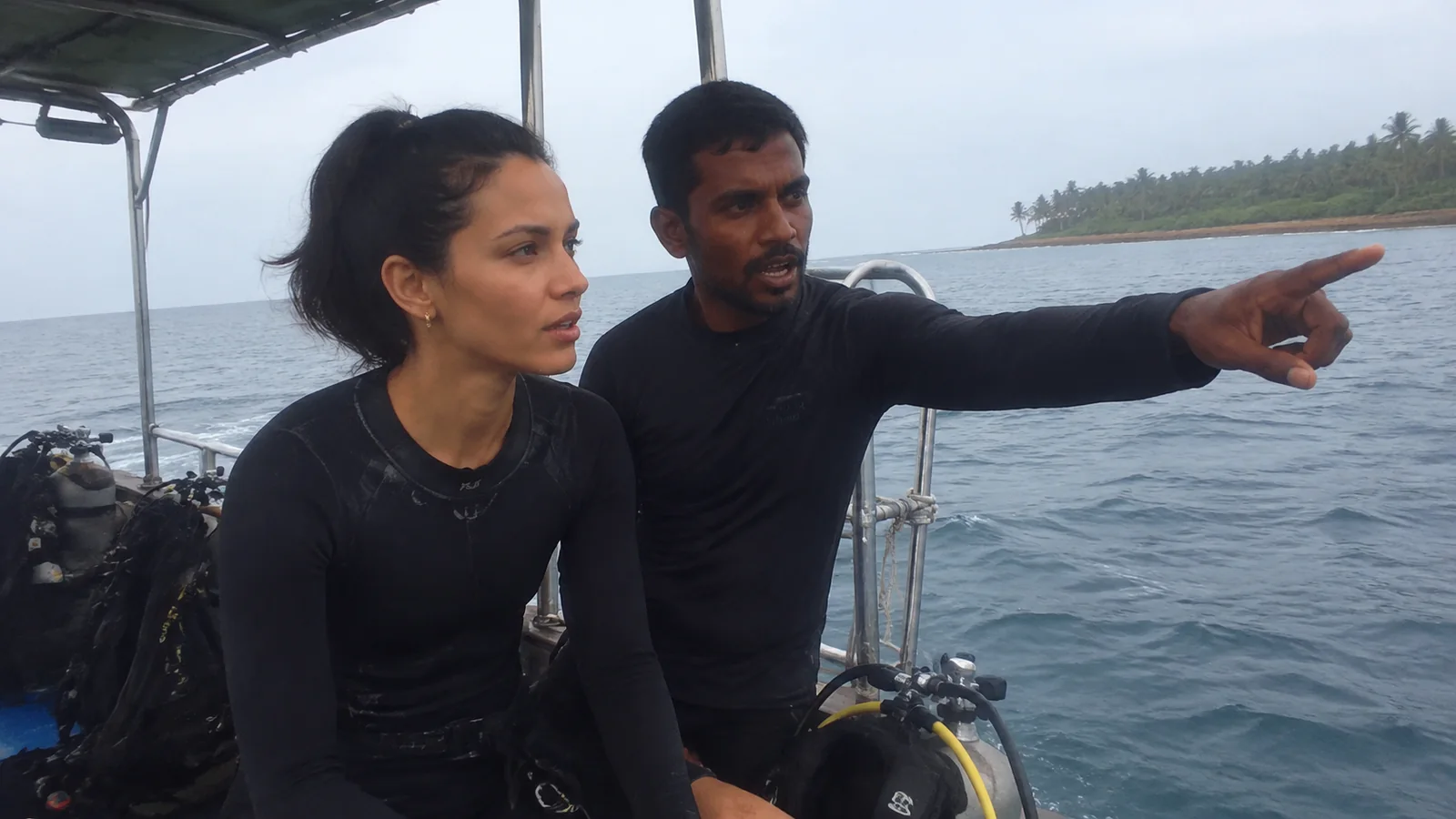
The briefing should cover entries, exits, hand signals, equalization, buoyancy, separation, low gas, lost buddy, abort procedures, current, depth, time, and wildlife behavior. If you do not understand the language or signal system, solve that on shore.
Emergency Planning and Insurance
Tarkarli is not a major metropolitan center, so a serious incident may involve ground transport and specialized care elsewhere. Ask the operator to identify the actual emergency pathway instead of accepting “hospital nearby” as a complete answer.
Regular health or travel insurance may exclude scuba, depth beyond your certification, training, or evacuation. Divers Alert Network explains on its dive accident insurance page that dive injuries and evacuation can fall outside ordinary coverage, so read your own policy’s eligibility, territorial, activity, and preauthorization terms.
Save local emergency contacts, the operator’s number, insurer assistance details, and the nearest viable medical destination offline. In an emergency, contact local emergency services first and follow professional instructions.
Leave adequate time between diving and flying or major altitude travel according to your training, dive computer, and current professional guidance. Do not schedule the last possible dive immediately before a flight from Goa or Sindhudurg.
Travel Advisory and Personal Security
As of September 4, 2026, the U.S. Department of State lists India at Level 2, Exercise Increased Caution, due to crime and terrorism, with some areas at higher risk. Its current India advisory also notes limited U.S. government capacity to provide emergency services in rural areas.
Tarkarli is far from the advisory’s named border and conflict regions, but the rural-emergency limitation is directly relevant to dive planning. Recheck the advisory before travel, protect valuables, use established transportation, and avoid isolated beach transfers alone after dark.
International visitors should separately verify current passport, visa, driving, medication, and communications requirements through official government sources. A dive-shop booking does not confirm legal entry or transport arrangements.
Getting to Tarkarli
Maharashtra Tourism lists Sindhudurg’s Chipi airport about 16 miles away, Goa’s Mopa airport about 50 miles away, Goa Dabolim about 84 miles away, and Kudal rail station about 28 miles away. It places Malvan about 4 miles from Tarkarli by road.
Those are approximate location distances, not guaranteed transfer times. Road conditions, traffic, monsoon impacts, flight schedules, and the operator’s actual meeting point can change the practical journey.
Arrange the final transfer before arrival and confirm whether the driver knows Tarkarli, Malvan, Devbag, or the named jetty. Save the destination in local script or as a map pin for a clearer handoff.
What You May See Underwater
Local waters can offer reef structure, rock, fish, invertebrates, and a different coastal environment from a tropical ocean resort. The exact mix depends on the site, season, water movement, and simple luck.
No ethical operator can guarantee dolphins, turtles, a particular fish, or “crystal clear” water. Choose the dive for the underwater experience itself, not a promised animal selfie.
Maintain neutral buoyancy, do not touch or stand on living structure, and never chase, feed, or handle wildlife. Keep fins away from the bottom and follow any site-specific conservation or fort-area restrictions.
Is Tarkarli Right for Your Dive Trip?
Choose Tarkarli if you want Konkan food, beaches, forts, and local culture with diving as one weather-dependent part of the itinerary. It is less suitable if you need a guaranteed multi-day technical program, fixed visibility, or immediate access to major hyperbaric infrastructure.
For another west-coast India option, our Goa diving planner focuses on island boats, monsoon seasonality, and resort logistics. Our Panama diving guide compares two ocean coasts, while the Cozumel dive-site guide explains why certification, current, and marine-park rules matter in a very different destination.
The Bottom Line
Tarkarli can be a worthwhile place to try scuba or make a guided certified dive when a verifiable professional, sound equipment, calm-enough conditions, and a real emergency plan line up. October through March is the official tourism department’s preferred travel window, but every dive still needs a same-day go or no-go decision.
Book the standard, not the sales pitch, and keep one flexible day for weather. A safe cancellation is a successful decision, while an underwater photo is never worth skipping training, medical screening, or operator verification.