Hawaii Cruises From California: Routes, Sea Days and Best Fit
A Hawaii cruise from California sounds wonderfully simple: unpack once, cross the Pacific, and wake up near several islands. The catch is time, because the classic round trip devotes more days to the ocean than many first-time shoppers expect.
What a Hawaii cruise from California is really like
Most California round trips run roughly two weeks or longer, with several consecutive sea days going west and another long run coming home. Princess currently describes its California round trips as usually 16 days or more, although the exact length, departure city, ports, and calendar change by sailing on its official Hawaii cruise page.
That structure is the whole point for some cruisers and the deal-breaker for others. You are buying a relaxed ocean voyage wrapped around a compact Hawaii visit, not a week of continuous island hopping.
A day-by-day itinerary matters more than the broad “Hawaii” label. Count full sea days, island calls, hours alongside, tender ports, and any foreign call before comparing prices.
The three itinerary types to separate
- California round trip: The easiest no-fly choice for many West Coast residents, but usually the heaviest on sea days.
- One-way or repositioning cruise: A less predictable seasonal option that can involve Hawaii, California, Canada, or another Pacific destination and usually requires a flight.
- Hawaii-only cruise: A fly-to-Honolulu vacation with far more island time and virtually none of the transpacific crossing.
Do not assume a line will repeat the same departure every year. Cruise lines redeploy ships, so search the live calendar for your dates instead of planning around an old itinerary screenshot.
Who should choose the long round trip
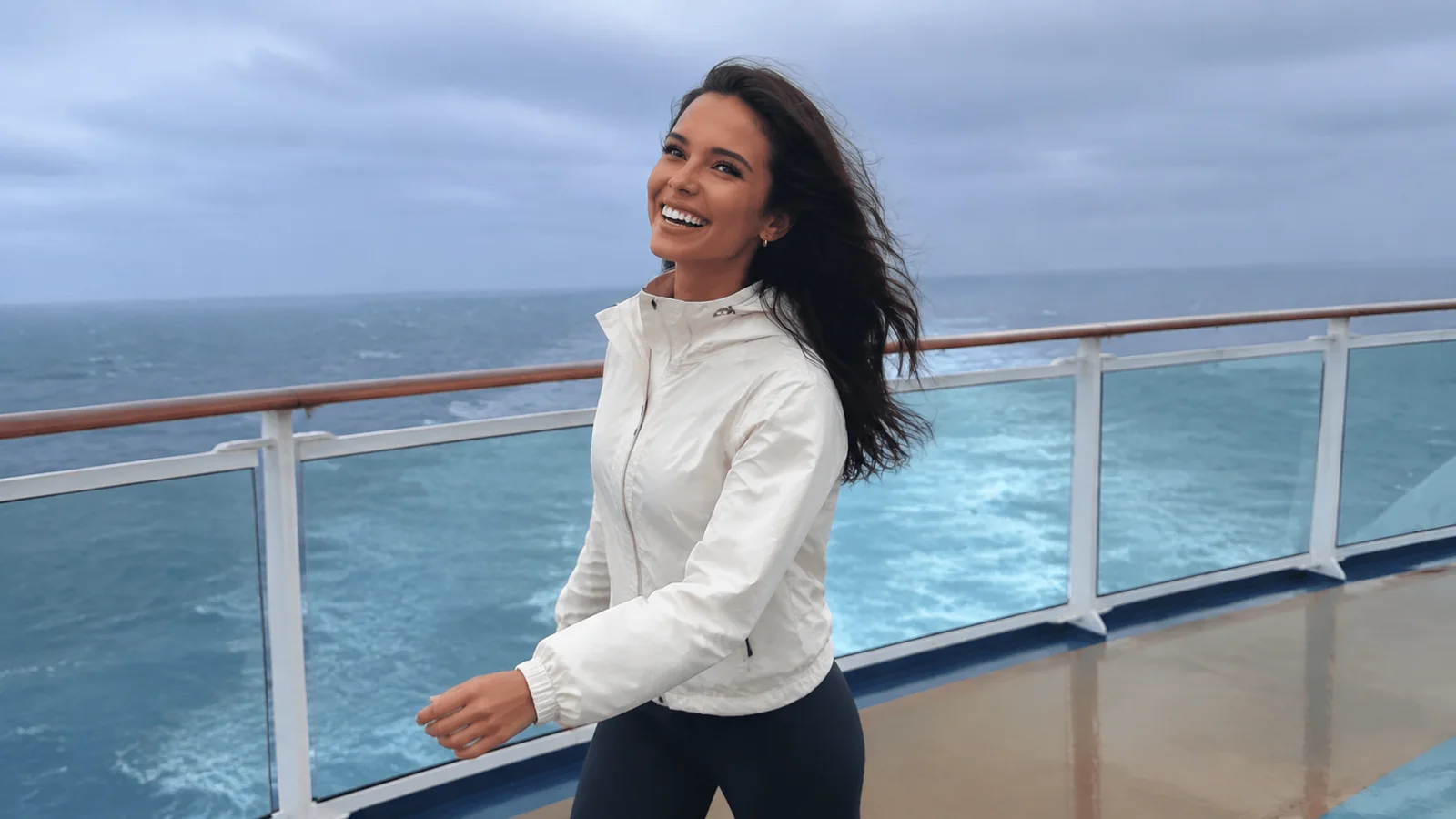
This route is a terrific match for people who genuinely enjoy unhurried ship days. It gives you time for breakfast without an alarm, deck walks, lectures, shows, and the small routines that make a ship feel like a temporary home.
It also removes a long flight to Hawaii, which can be valuable for travelers near a California embarkation port. One cabin, one unpacking session, and no inter-island airport shuffle make the logistics unusually tidy.
The weaker fit is a traveler with only 10 vacation days or a wish list packed with long hikes, beaches, and late dinners ashore. A round trip may visit several islands, yet each call still compresses a large island into one port day.
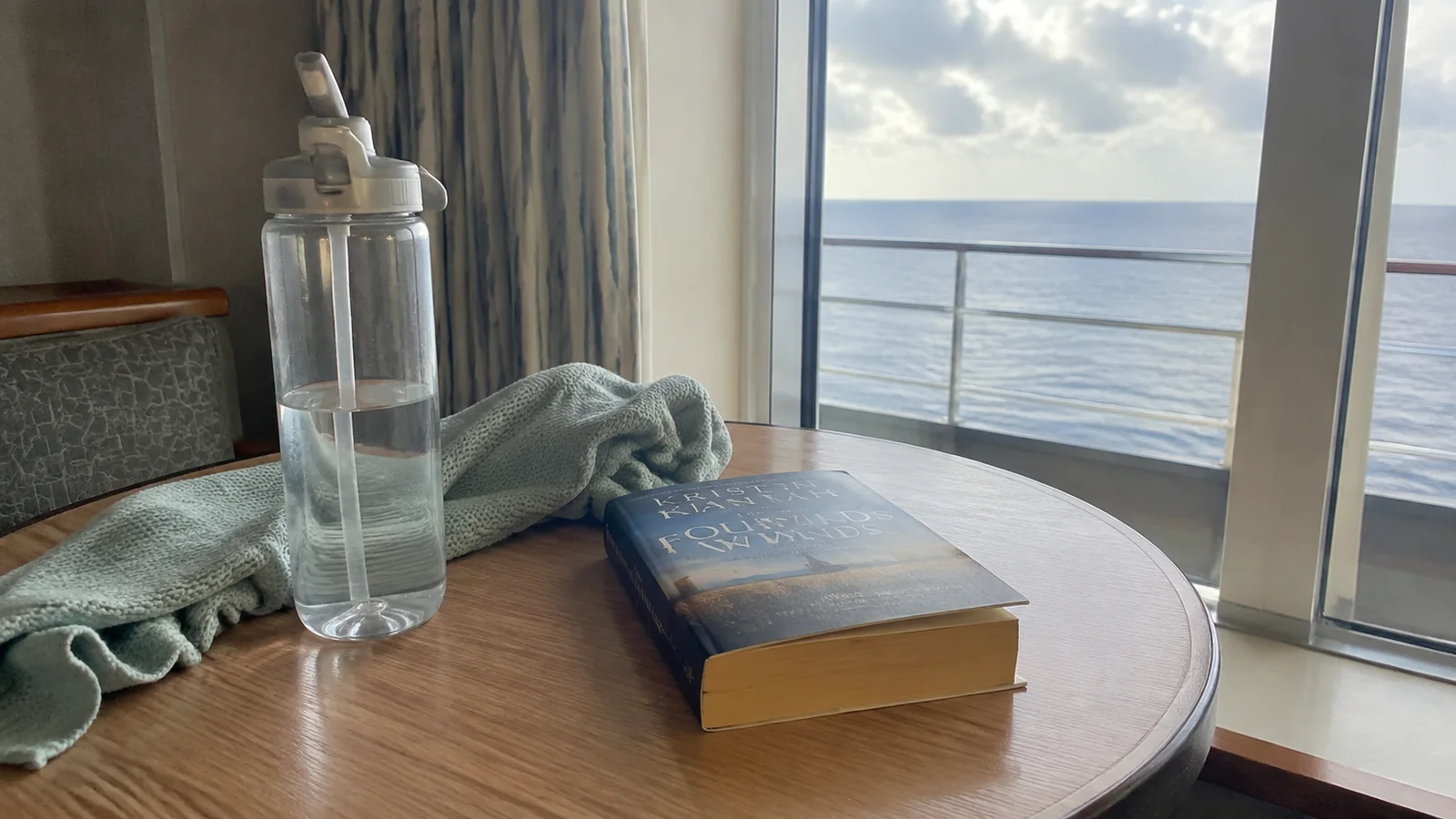
Motion-sensitive cruisers should think carefully too. A large ship can make the Pacific comfortable, but no cabin or stabilizer can promise a flat ocean for eight or more crossing days.
If sea days are new to you, use these first-time cruise planning tips to picture the rhythm before paying a deposit. The route works best when the crossing feels like vacation, not transportation you must endure.
California departure ports are not interchangeable
Los Angeles
Most “Los Angeles” cruise departures use the World Cruise Center in San Pedro, about 20 miles from central Los Angeles before traffic is considered. Long Beach has a separate cruise terminal, so the city name on a hotel search is not enough.
Los Angeles usually offers the widest flight choice and plenty of pre-cruise hotels, but transfer time is highly traffic-dependent. Arrive the day before and choose a hotel for port convenience or sightseeing, because one location rarely does both equally well.
San Francisco
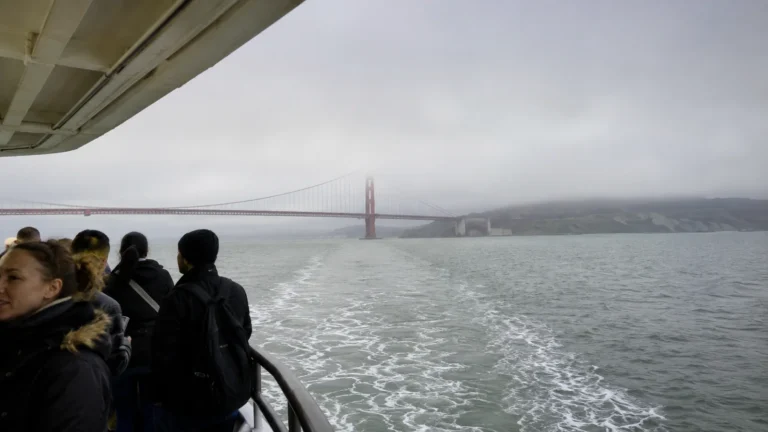
San Francisco departures can turn embarkation into part of the scenery, especially when the ship sails beneath the Golden Gate Bridge. The city is also easy to enjoy without a rental car, which makes a two-night pre-cruise stay appealing.
The tradeoff is that Northern California can feel cool and breezy at the beginning and end of the voyage even when Hawaii is warm. Pack a light insulating layer instead of building the entire suitcase around tropical afternoons.
San Diego
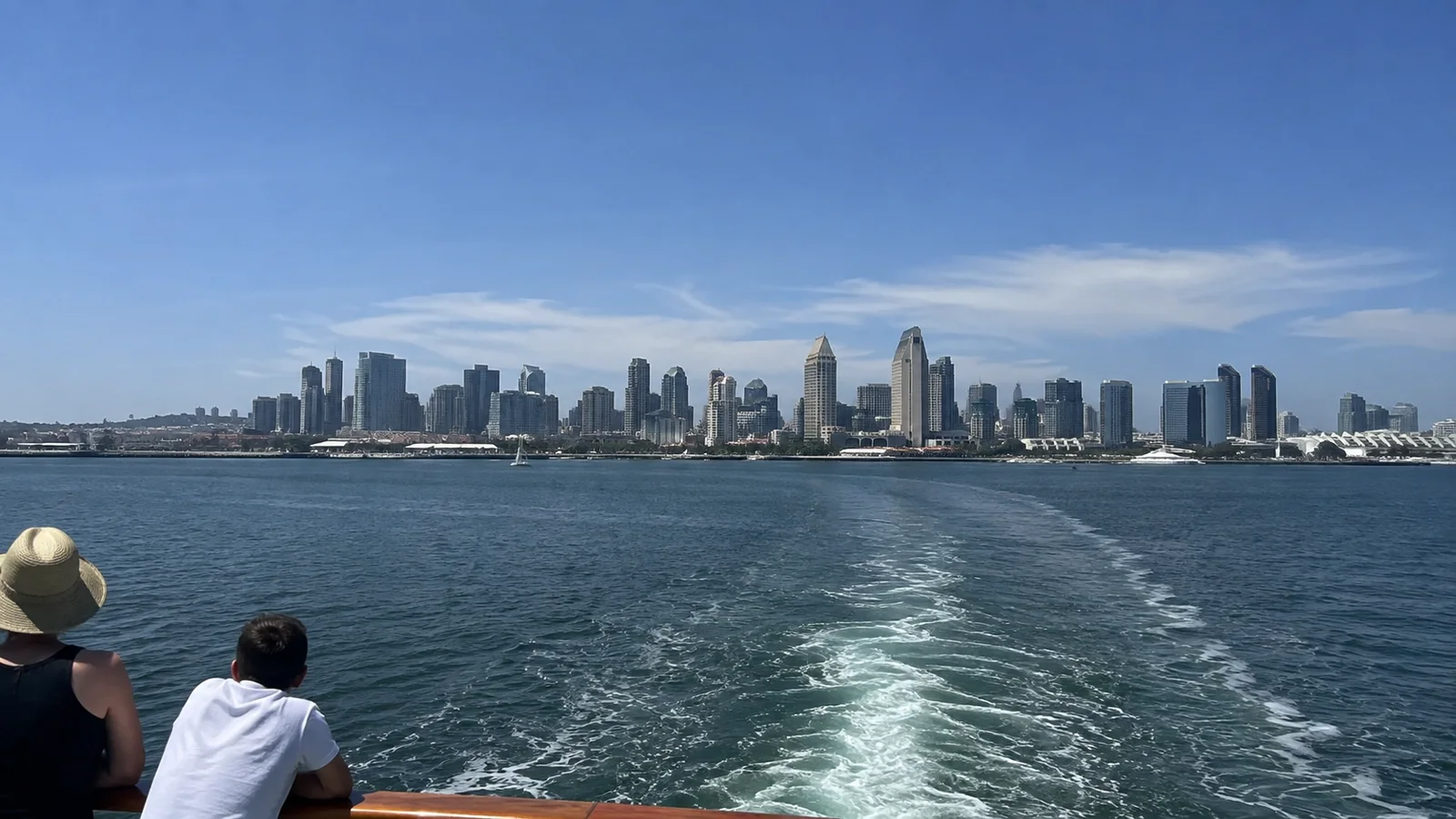
San Diego’s waterfront terminals are close to downtown, the airport, and several visitor areas. That compact geography makes it one of the gentler embarkation cities for travelers who dislike complicated transfers.
Holland America currently markets Hawaii voyages from Pacific Coast gateways, including San Diego, and shows the changing choices on its official Hawaii itinerary page. Treat any sample voyage as a snapshot, since ship, duration, and port order can change.
How many sea days should you expect?
A California round trip commonly places about four or five uninterrupted sea days on each side of Hawaii. Some itineraries add another sea day around a foreign stop, so the complete schedule can feel closer to an ocean crossing than a port-a-day Caribbean cruise.
Those days are not automatically wasted. They can make a longer vacation restorative, particularly after several early Hawaii port mornings, but they magnify every opinion you have about the ship.
Choose the vessel as carefully as the islands. Indoor lounges, covered pool space, enrichment, evening entertainment, and a comfortable cabin matter more here than they do on a short itinerary where you leave the ship daily.
Cabin location deserves extra attention because a poor fit follows you across thousands of miles. The general principles in this cabin-selection guide help separate verifiable adjacency issues from rumors about one supposedly terrible room.
Plan for changing weather
The California end may be chilly, the open Pacific can be windy, and Hawaii may alternate between intense sun and quick rain. Bring a packable rain shell, reef-safe sun protection that meets local rules, and a warm layer rather than one bulky coat.
Sea conditions are impossible to guarantee months ahead. If motion is a concern, discuss medication with a health professional before travel and consider a lower, more central cabin rather than relying only on wristbands or hope.
Which Hawaiian ports make an itinerary stronger?
Honolulu, Oahu
Honolulu is the best all-around call for travelers who want history, city energy, shopping, and a beach in one day. Pearl Harbor requires disciplined timing, while Waikiki is simpler to combine with a short scenic stop or meal.
A late departure has real value here because Honolulu stays active after many smaller ports quiet down. Check the exact all-aboard time instead of assuming that “late night” means an overnight.
Kahului, Maui
Kahului is a practical gateway rather than a resort-port promenade. Haleakala, the Road to Hana, and South Maui beaches pull in different directions, so choosing one anchor experience produces a much better day than attempting all three.
Maui cruise access has changed in recent years, and not every old guide reflects current calls or shore conditions. Verify the live itinerary and excursion meeting point shortly before sailing.
Nawiliwili, Kauai
Kauai rewards a longer call because its headline landscapes sit well beyond the harbor. Waimea Canyon, the North Shore, and a beach day are separate plans, not easy add-ons to one ambitious loop.
Rental cars can work for confident planners, but build a large return cushion and confirm pickup logistics. A ship excursion may be worth the premium when the chosen sight involves a long drive or weather-sensitive boat ride.
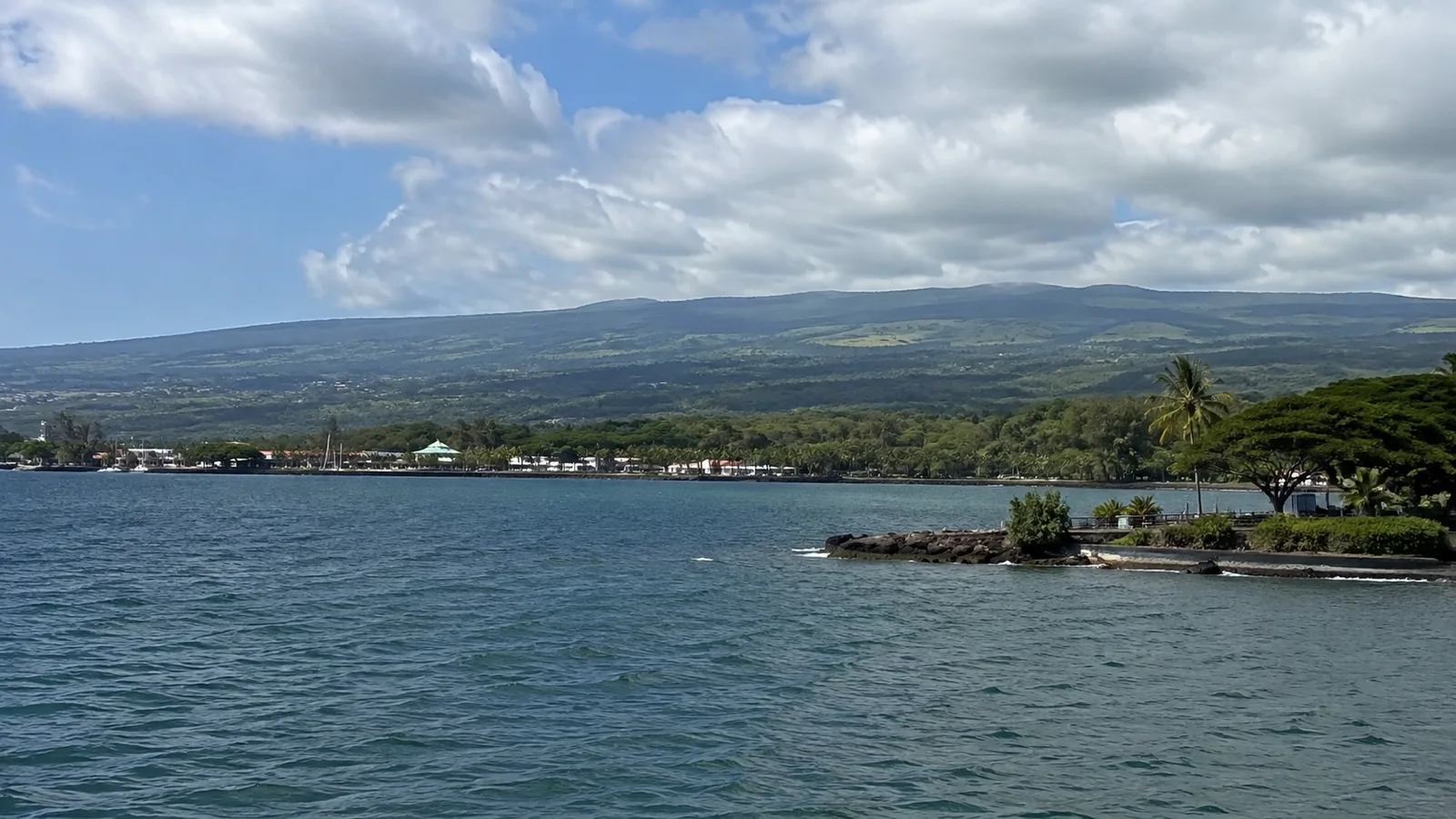
Hilo, Hawaii Island
Hilo is the better Hawaii Island gateway for waterfalls, gardens, and Hawaii Volcanoes National Park. The park is too substantial for a rushed “see everything” circuit, so prioritize a few overlooks or a ranger-led option available that day.
Rain is part of Hilo’s lush appeal, and volcanic conditions can alter access. Check current park notices close to arrival and carry a shell even when the morning forecast looks friendly.
Kona, Hawaii Island
Kona suits coffee-country outings, snorkeling, and a lower-key waterfront day. It is also commonly handled by tender on cruise itineraries, which can shorten the usable day or be affected by conditions.
If Kona is your only must-have port, look at what happens if tendering is delayed and avoid a rigid independent tour with a narrow meeting window. No cruise contract guarantees that every advertised port will be reached.
Why a foreign port may appear on the route
Many foreign-flagged round trips include a call outside the United States, often Ensenada, because U.S. coastwise passenger rules shape how ships transport guests between domestic ports. This is an itinerary-level legal issue, so avoid turning it into the inaccurate shortcut that “every Hawaii cruise must visit Mexico.”
The federal framework is the Passenger Vessel Services Act, not simply the Jones Act, and the details depend on where a passenger embarks and disembarks. MARAD’s official annual report discussion of U.S. coastwise shipping rules provides background, but your cruise line is the source for the itinerary you are actually booking.
A brief foreign call still affects documents and potentially travel insurance. Never leave home assuming a domestic-looking Hawaii cruise needs only a driver’s license.
Passport and entry-document reality
Some U.S. citizens on qualifying closed-loop cruises may travel with government-issued photo identification and proof of citizenship, but that exception is not universal. Citizenship, age, ports, one-way flights, and emergency travel can all change the answer.
Review the cruise line’s requirements and the current U.S. Customs and Border Protection cruise-document guidance before final payment. A valid passport is the more resilient choice because it can simplify an unexpected flight home from a foreign port.
Names must match the booking, and children have their own document rules. Travelers who are not U.S. citizens should verify every destination’s requirements using their passport nationality, not advice written for American citizens.
Compare the total cost, not the cruise fare
A California departure can eliminate airfare to Honolulu, but it adds many cabin nights and days of onboard spending. Daily service charges, drinks, specialty dining, Wi-Fi, parking, pet care, and time away from work can overturn an apparently cheap fare.
Price the trip in one worksheet with every unavoidable item. Then add a realistic allowance for two or three high-priority Hawaii experiences rather than pretending you will improvise every port for free.
- Base cruise fare, taxes, port expenses, and daily crew charges
- Travel to California, parking or transfers, and a pre-cruise hotel
- Drinks, Wi-Fi, dining upgrades, spa visits, and sea-day entertainment
- Island transportation, timed admissions, excursions, and meals ashore
- Travel insurance that covers the full trip cost and your specific concerns
Long cruises sometimes look attractive on a per-night basis, but the final bill is what matters. Decide which onboard package you would actually use across repeated sea days and skip bundles that only feel like insurance against missing out.
California round trip versus a Honolulu cruise
The cleanest alternative is to fly to Oahu and take an island-intensive cruise. Norwegian currently says Pride of America sails year-round from Honolulu, visiting four islands in seven days with two overnights and no sea days.
That option concentrates the vacation in Hawaii, but it brings airfare, a pre-cruise hotel, and a busier port schedule. It also gives far less time to enjoy the ship, which may be an advantage if the islands are your only priority.
My practical dividing line is simple. Pick California when the voyage itself is at least half the appeal, and pick Honolulu when maximizing island hours matters more than avoiding the flight.
For a closer look at the island-intensive format, compare the tradeoffs in Hawaii island-hopping cruises. Then line up both options for the same month so airfare, hotel nights, and port hours are included fairly.
How to choose the best sailing
Start with your available nights, acceptable number of consecutive sea days, and California gateway. Only then compare ships, because a beautiful new vessel cannot fix an itinerary that is three vacation days too long.
- Count the crossing days: Look at the actual calendar, including sea days before the first island and after the last.
- Score island time: Favor longer calls and overnights over a larger raw port count.
- Check tender exposure: Identify ports where going ashore depends on small boats and conditions.
- Evaluate the ship for cool days: Look for indoor views, sheltered seating, and activities you would enjoy repeatedly.
- Confirm documents: Check cruise-line and government rules for every traveler before the cancellation penalties grow.
- Price the whole vacation: Include 14 or more days of incidentals instead of comparing headline fares alone.
Season can influence price, daylight, rain patterns, and the Pacific crossing, but it cannot guarantee a particular day’s weather. This guide to choosing the best time to cruise helps weigh weather against crowds and value without pretending there is one perfect month.
My bottom-line recommendation
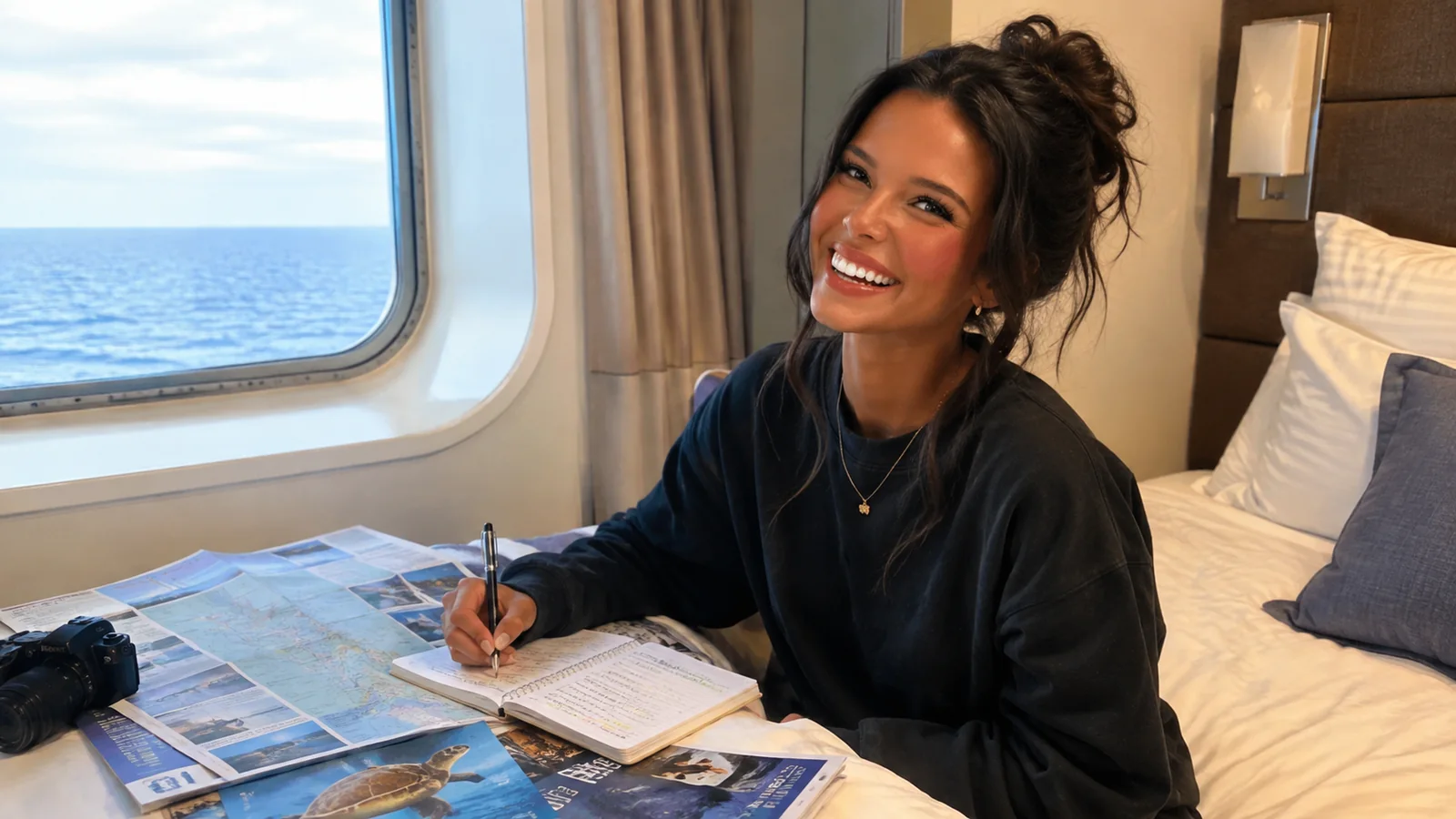
A Hawaii cruise from California is best viewed as a long Pacific vacation with a rewarding island chapter in the middle. Its greatest strength is the unhurried, no-fly round trip, and its greatest weakness is the same generous block of sea time.
Book it when you want the ship, the ocean, and Hawaii in roughly equal measure. If your heart is set on maximizing volcanoes, beaches, and evenings ashore, fly to Honolulu or build a land stay around the cruise instead.