Alaska Cruise From San Francisco: Routes, Piers, and Planning
An Alaska cruise from San Francisco trades a quick seven-night loop for a longer vacation with more sea time and a spectacular Bay departure. It is a smart choice for West Coast travelers who value round-trip convenience, but a poor fit for anyone wanting maximum Alaska port days in minimum vacation time.
Is a San Francisco Alaska Cruise Worth It?
Yes, when San Francisco is easy to reach, you enjoy sea days, and you can spare roughly 10 to 12 nights for many round-trip route patterns. No, when your priority is the densest possible Alaska itinerary or you are highly sensitive to open-ocean motion.
- Best for: Northern California travelers, sea-day lovers, and people avoiding one-way Alaska flights
- Main advantage: round-trip convenience from a destination-worthy city
- Main compromise: more distance and fewer Alaska hours per vacation day
- Typical port focus: Southeast Alaska plus a Canadian call
- Common scenic priority: a named glacier area such as Glacier Bay or Endicott Arm
- Biggest planning risk: choosing by fare before checking port hours and sea days
Schedules, cruise lines, and route lengths change by season. Treat every example here as a route archetype, then verify the exact live itinerary before paying.
How Long Is an Alaska Cruise From San Francisco?
San Francisco round trips are usually longer than the familiar seven-night Seattle or Vancouver loop because the ship must cover more Pacific coastline. Routes around 10 or 11 nights are common patterns, while longer options may add Alaska calls, scenic destinations, or extra sea days.
Count useful days, not just nights. A route with four Alaska ports and a named glacier day can be more compelling than a longer sailing whose extra time is mostly open water.
Also inspect arrival and departure times. A six-hour call in Juneau does not offer the same excursion flexibility as a full day, particularly if the ship reaches town late.
What the Route Usually Looks Like
A round trip generally begins with coastal sea days before reaching Southeast Alaska, followed by a cluster of port and scenic-cruising days, a Canadian stop, and more sea time back to San Francisco. The order and number of days vary with speed, berth assignments, regulations, and the chosen glacier area.
Juneau, Ketchikan, Skagway, Sitka, and Icy Strait Point can appear in different combinations. Victoria or another Canadian port may satisfy the foreign-port component, but never assume the call will happen at a convenient daytime hour.
A late-evening Canada stop may be operationally necessary but offer limited sightseeing value. Read the clock beside every port name before deciding that one itinerary has “more ports.”
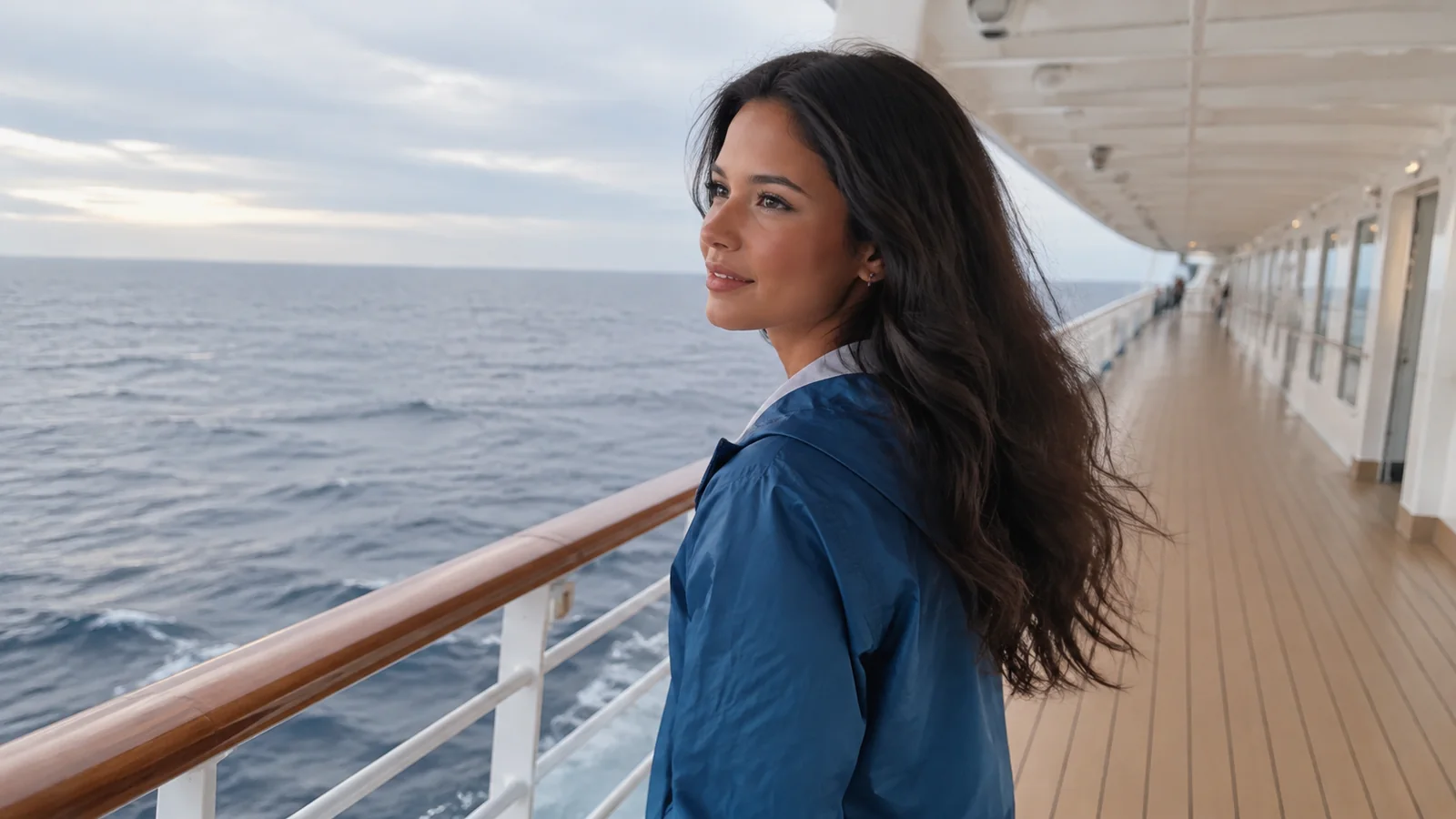
Glacier Bay, Endicott Arm, or Another Glacier Day?
Pick a route that names its scenic destination. “Inside Passage” describes geography, not a promise of a close tidewater glacier experience.
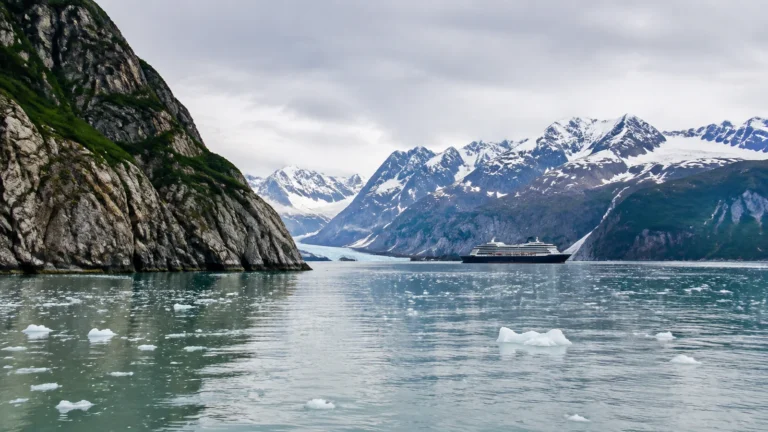
Glacier Bay is a regulated national park visit with onboard interpretation when a permitted ship enters. The National Park Service cruise page explains the experience, but weather, ice, wildlife, and operating decisions still shape the day.
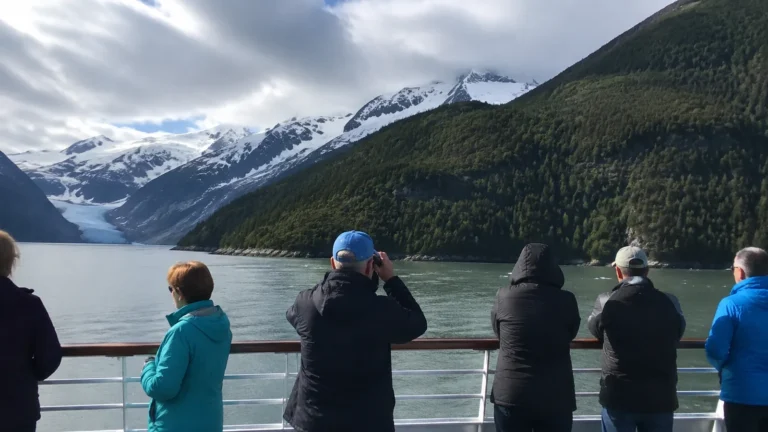
Endicott Arm routes target Dawes Glacier, while other itineraries may name Hubbard Glacier or Tracy Arm. None can guarantee a particular viewing distance, and a captain may alter the plan for safety.
If glaciers are your top priority, compare the named destination, time allocated, ship size, and whether a small-boat excursion is offered. A balcony is lovely, but open public decks let you change sides as the ship turns.
The Sea-Day Tradeoff
San Francisco sailings include substantial open-ocean time before Alaska, which can be restorative or tedious depending on your vacation style. Choose a ship whose indoor spaces, observation areas, entertainment, and food can carry multiple sea days in cool weather.
Do not book for a water slide or outdoor pool alone. Wind and cool temperatures can make open decks less appealing even before the ship reaches Alaska.
Motion can be more noticeable along the Pacific coast than in protected Inside Passage water. A lower midship cabin is a sensible starting point for sensitive travelers, paired with medical advice before the cruise.
Best Time to Sail From San Francisco
The broad Alaska cruise season runs from spring into early fall, but San Francisco choices may be narrower in any given year. June and July deliver the longest days and peak demand, while May and September can bring value alongside cooler, wetter, or less predictable conditions.
Our best time for an Alaska cruise comparison breaks down May through September. If you are eyeing the season’s end, the September Alaska cruise guide explains how quickly daylight and services change.
San Francisco’s own weather deserves layers too. The waterfront can feel cool and windy even when inland California is hot, so keep your jacket out of checked luggage on embarkation day.
Where Do Cruises Leave in San Francisco?
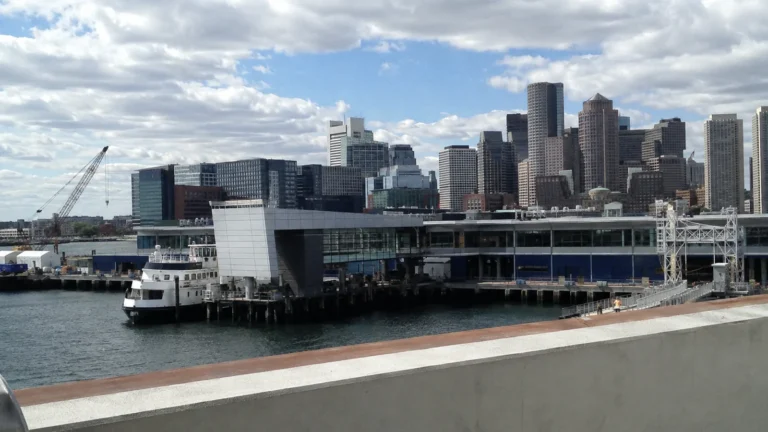
The James R. Herman Cruise Terminal at Pier 27 is San Francisco’s primary cruise facility on the northern Embarcadero.
The Port of San Francisco’s official cruise page says Pier 27 is about a 20-minute walk from Embarcadero BART/Muni station and identifies the nearest streetcar stop as The Embarcadero and Sansome Street.
Pier 35 can serve as a secondary cruise facility, so never tell a driver “the cruise port” without checking your documents. Use the terminal address shown by the cruise line for your exact ship and date.
The port says luggage storage is not offered at the cruise terminals. Plan post-cruise bags with a hotel, independently verified storage service, or direct airport transfer rather than assuming the pier will hold them.
Can You Walk to Pier 27?
You can walk from nearby Embarcadero and Fisherman’s Wharf hotels if everyone handles the distance, pavement, traffic crossings, and luggage comfortably. The “20-minute” station estimate is not a promise for a family rolling four suitcases.
A short taxi or rideshare can be worth it on embarkation morning, especially in rain or with mobility limitations. Follow port traffic instructions because curb access can change when vehicles queue.
Getting From SFO Airport to the Cruise Area
BART connects San Francisco International Airport directly with downtown. SFO’s official BART guidance places the station at the International Terminal, with AirTrain connections from the other terminals.
Exit at a downtown station suited to your hotel, not automatically Embarcadero. BART works well with manageable rolling luggage, while a taxi or rideshare is easier for young children, mobility needs, late hours, or multiple heavy bags.
Do not fly in on embarkation morning. Weather, air traffic, mechanical issues, and Bay Area ground congestion can turn one small delay into a missed cruise.
What About Oakland or San Jose Airports?
Oakland International Airport can work well when the nonstop schedule or fare is substantially better, and BART links the airport system with San Francisco through a transfer. San Jose is farther from the cruise waterfront and usually requires more ground-planning patience.
Compare total door-to-hotel time, not airfare alone. A bargain flight landing late at a distant airport can require an expensive car and erase the savings.
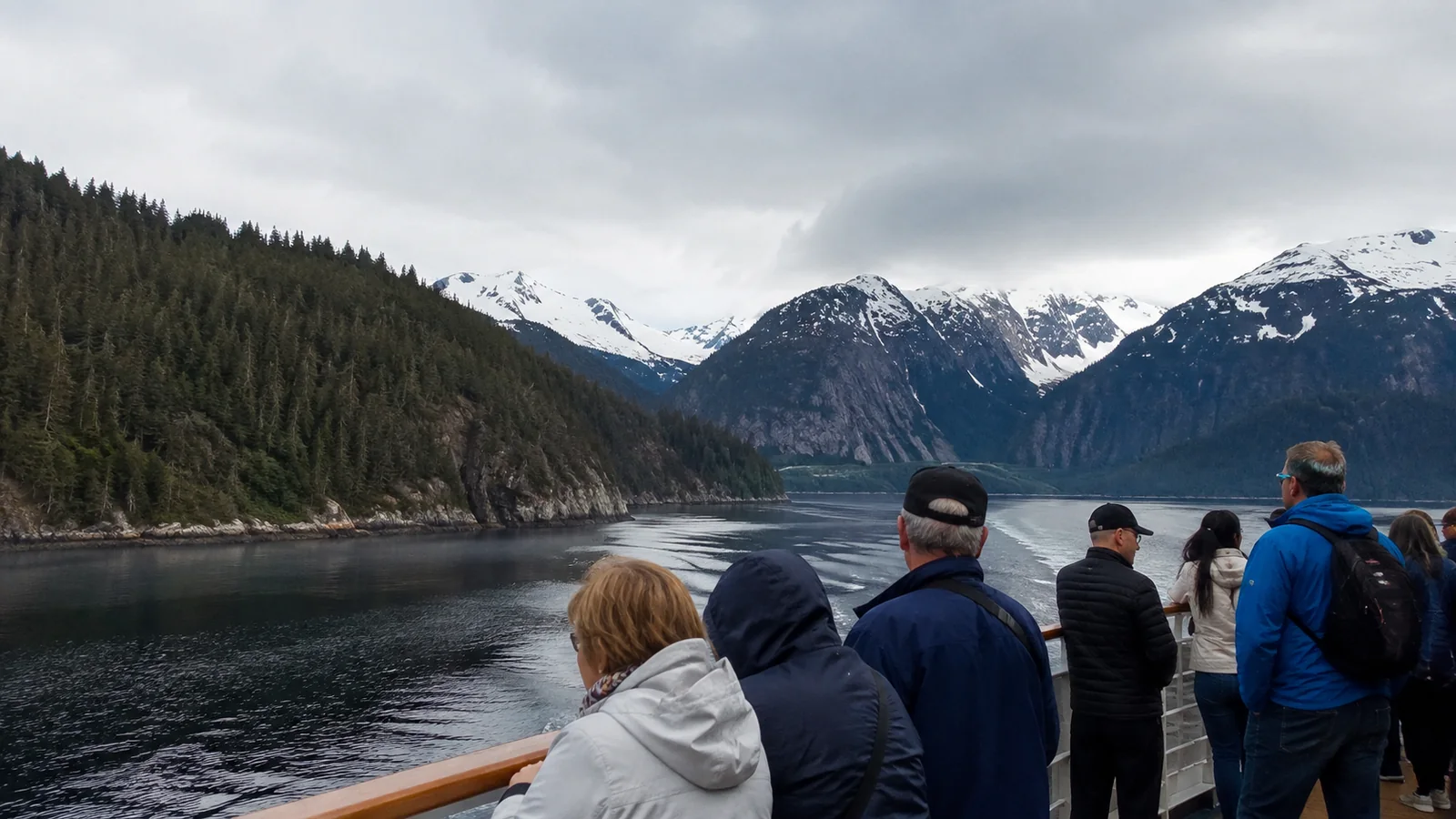
Where to Stay Before the Cruise
Embarcadero
Choose the Embarcadero for waterfront access, the Ferry Building, transit, and a relatively simple trip to Pier 27. It is practical and scenic, though rates can be high on busy event dates.
Fisherman’s Wharf
Fisherman’s Wharf works for families and first-time sightseeing, with attractions and restaurants close at hand. Some hotels are walkable to Pier 27, but measure the actual route rather than trusting a neighborhood label.
Union Square
Union Square offers a large hotel inventory and easy access to central transit. It is not at the pier, so plan a short vehicle ride with luggage.
Near SFO
An airport hotel is sensible after a late arrival, especially when it has a confirmed shuttle. It is not close to the cruise terminal, and a free airport shuttle almost never means a free pier transfer.
Ask hotels directly about current shuttle hours, luggage storage, early breakfast, and destination fees. Avoid building a plan around old review-site information.
How Early Should You Arrive?
Arrive one day before sailing at minimum, and choose two nights if San Francisco sightseeing matters. The extra time protects the cruise while letting you enjoy the city without dragging bags between checkout and check-in.
On embarkation day, use the cruise line’s assigned arrival window. Keep identification, medication, valuables, and a warm waterproof layer in your personal bag.
Our cruise essentials checklist helps separate first-day necessities from items safe to hand to a porter. Photograph checked bags and attach ship tags after the flight.
Passport and Canada Requirements
Alaska itineraries from San Francisco include an international component, commonly Canada. Travelers must meet the documentation and admissibility rules for their nationality and circumstances even if they do not plan to leave the ship.
A valid passport is the least complicated choice for most travelers and is crucial if an emergency creates an international flight. U.S. citizens considering a different document for a closed-loop cruise should check current Customs and Border Protection guidance and the cruise line before final payment.
Permanent residents, non-U.S. citizens, families with custody documentation, and anyone with a criminal history or prior border issue may need additional guidance. A social-media answer from someone with a different status is not evidence that you can board.
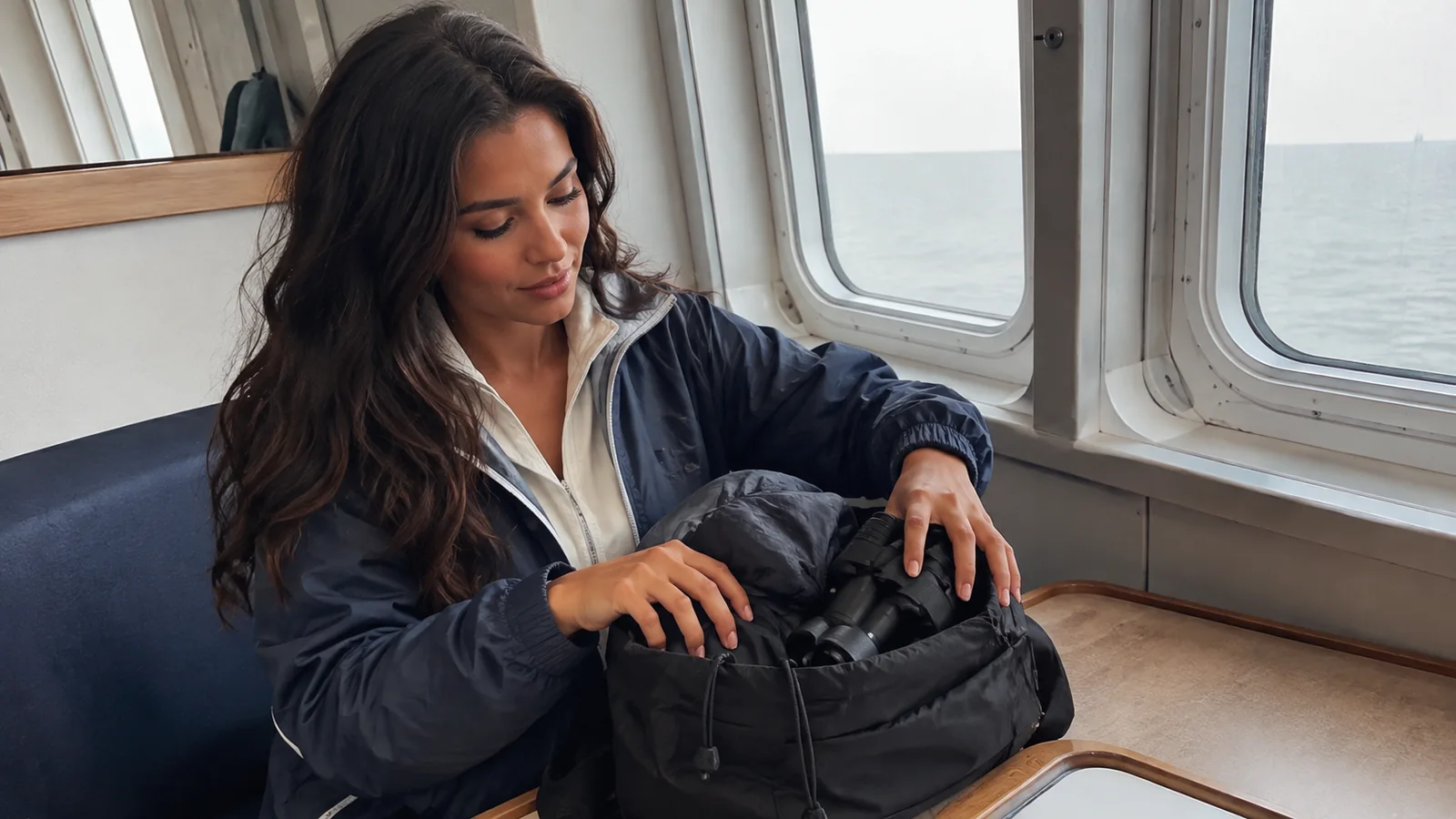
How to Compare Ships
On a long route, ship fit matters almost as much as ports. Compare covered viewing space, indoor pools, observation lounges, included dining, evening entertainment, self-service laundry, and cabin storage.
Families should examine kids’ club hours and indoor options rather than marketing photos taken in tropical sunshine. Adults should check whether the ship’s quiet areas remain usable during cool sea days.
Large ships offer more dining and entertainment but require more walking and may feel busy indoors. Smaller ships can feel intimate and reach different berths, though they may offer fewer weather-proof diversions.
Planning Alaska Port Days
Choose one priority excursion in each port and leave room around it. Flightseeing and small boats can be canceled for safety, so every day needs a satisfying ground-based backup.
Check actual port hours and all-aboard time, then identify whether your ship docks or tenders. In Sitka, our cruise-day planner explains the current terminal shuttle and realistic attraction combinations.
Budget Beyond the Cruise Fare
Add hotel, flights, airport transport, port transport, gratuities, drinks, internet, specialty dining, excursions, and insurance. Longer sailings can increase onboard spending even when the nightly cabin rate looks attractive.
Price an equivalent Seattle or Vancouver trip for comparison. San Francisco may win for a local traveler who can drive or take a short flight, while a visitor from the East Coast may spend extra vacation days reaching the same Alaska ports.
My Bottom Line
An Alaska cruise from San Francisco is best viewed as a relaxed Pacific voyage with an Alaska centerpiece, not the fastest route north. It shines for travelers who love sea days, want a round trip, and can make the city part of the vacation.
Choose a named glacier day, strong port hours, and a ship you enjoy indoors. Then arrive early, verify Pier 27 or Pier 35, and carry the right Canada documents.