Alaska September Cruise Guide: Weather, Wildlife, and Value
An Alaska September cruise can deliver lower fares, autumn color, and a calmer adult atmosphere, but it asks more flexibility than a June or July sailing. Early September still has useful daylight and a fuller tourism rhythm, while the final weeks bring shorter days, wetter odds, and more seasonal closures.
Is September a Good Time to Cruise Alaska?
Yes, if you value potential savings and can treat rain, cool weather, and changed plans as part of the trip. No, if one flightseeing tour, warm afternoon, or long evening of daylight must happen for the vacation to feel successful.
- Best September window for most travelers: the first half of the month
- Best potential value: later departures, after pricing flights and hotels
- Best for: couples, adults, photographers, and flexible repeat cruisers
- Hardest fit for: warmth-seekers and travelers with one must-do seasonal excursion
- Biggest advantages: possible lower demand, autumn atmosphere, and genuinely dark nights
- Biggest tradeoffs: rain, wind, shorter days, rougher water potential, and closing services
September is not uniformly quiet or cheap. A popular ship, holiday week, limited airfare, or crowded port calendar can erase the shoulder-season advantage.
Early, Mid, and Late September Feel Different
Early September
The first 10 days are the easiest September choice because cruise schedules and excursion operations are generally still active. Daylight is declining quickly, but Juneau begins the month with almost 14 hours between sunrise and sunset.
You still need full rain gear and warm layers, yet the day can feel surprisingly generous when the ship arrives early. This is the September window I would choose for a first Alaska cruise.
Mid-September
By midmonth, the autumn character is stronger and sunset arrives earlier. Seasonal staffing and tour frequency may begin thinning, particularly for operations tied to lodges, roads, or daylight.
Mid-September can be an excellent adult trip when the fare is meaningfully lower and the named glacier itinerary is strong. Verify every must-do tour directly before making a nonrefundable decision.
Late September
The final sailings are for flexible travelers who understand they are choosing the edge of the main season. In Juneau, September 30 has about 11.5 hours between sunrise and sunset, roughly 2.5 hours less than September 1.
That is still a usable day, but clouds and an early all-aboard can reduce effective sightseeing light. Late-month bargains should be compared against reduced excursion choice, cooler conditions, and transportation schedules.
September Daylight in Alaska
Daylight changes fast at northern latitudes, which is why “September” needs actual dates. The published Juneau solar calendar shows about 13 hours 59 minutes on September 1, 2026, falling to about 11 hours 33 minutes on September 30.
Ketchikan, Sitka, Skagway, Anchorage, and Glacier Bay have different times, but the same pattern applies. Check each port and date if photography light or an independent evening activity matters.
Darker nights can make aurora physically possible, but an Inside Passage cruise is not a reliable northern-lights vacation. Cloud cover, ship lighting, latitude, solar activity, and bedtime all have to cooperate.
Alaska Cruise Weather in September
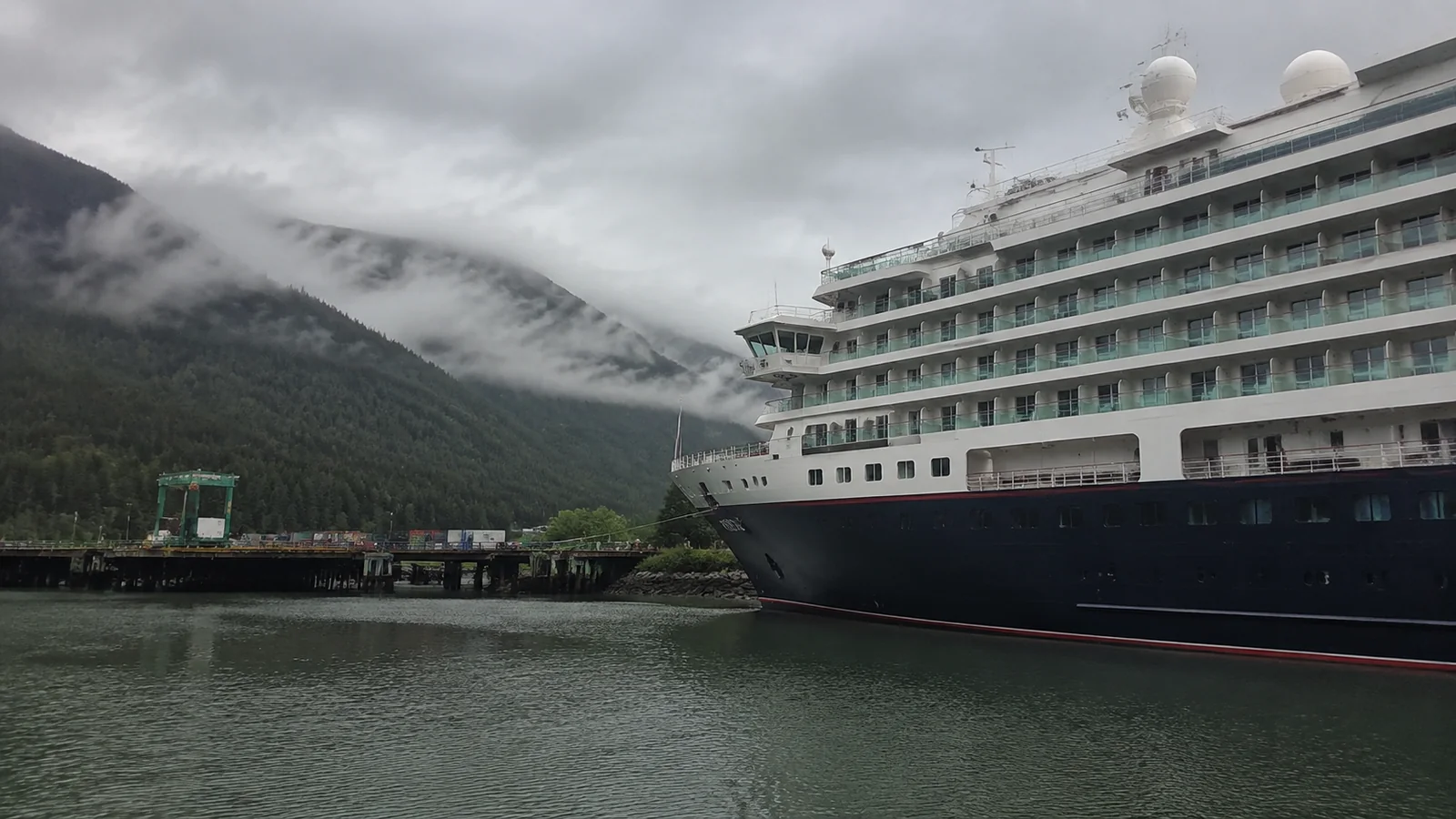
Expect cool, damp, changeable conditions, particularly in Southeast Alaska’s temperate rainforest. Travel Alaska’s state weather overview gives Juneau a typical September range around 44°F to 55°F and notes continuing rainy days.
Those numbers are planning context, not a forecast. Your sailing may get crisp sunshine, steady drizzle, a strong coastal system, or all three across one week.
Wind on an exposed ship deck or wildlife boat can feel much colder than a sheltered downtown reading. Pack for the apparent temperature during scenic cruising, not only the number displayed in the cruise app.
Will It Rain Every Day?
Maybe, but “rain” can mean mist, passing showers, or a sustained wet day. Forecast icons flatten that difference, so check hourly precipitation, wind, and visibility when making a port plan.
Do not cancel a walking tour merely because a small rain icon appears five days ahead. Do keep a dry alternative such as a museum, cultural center, brewery, or covered wildlife facility.
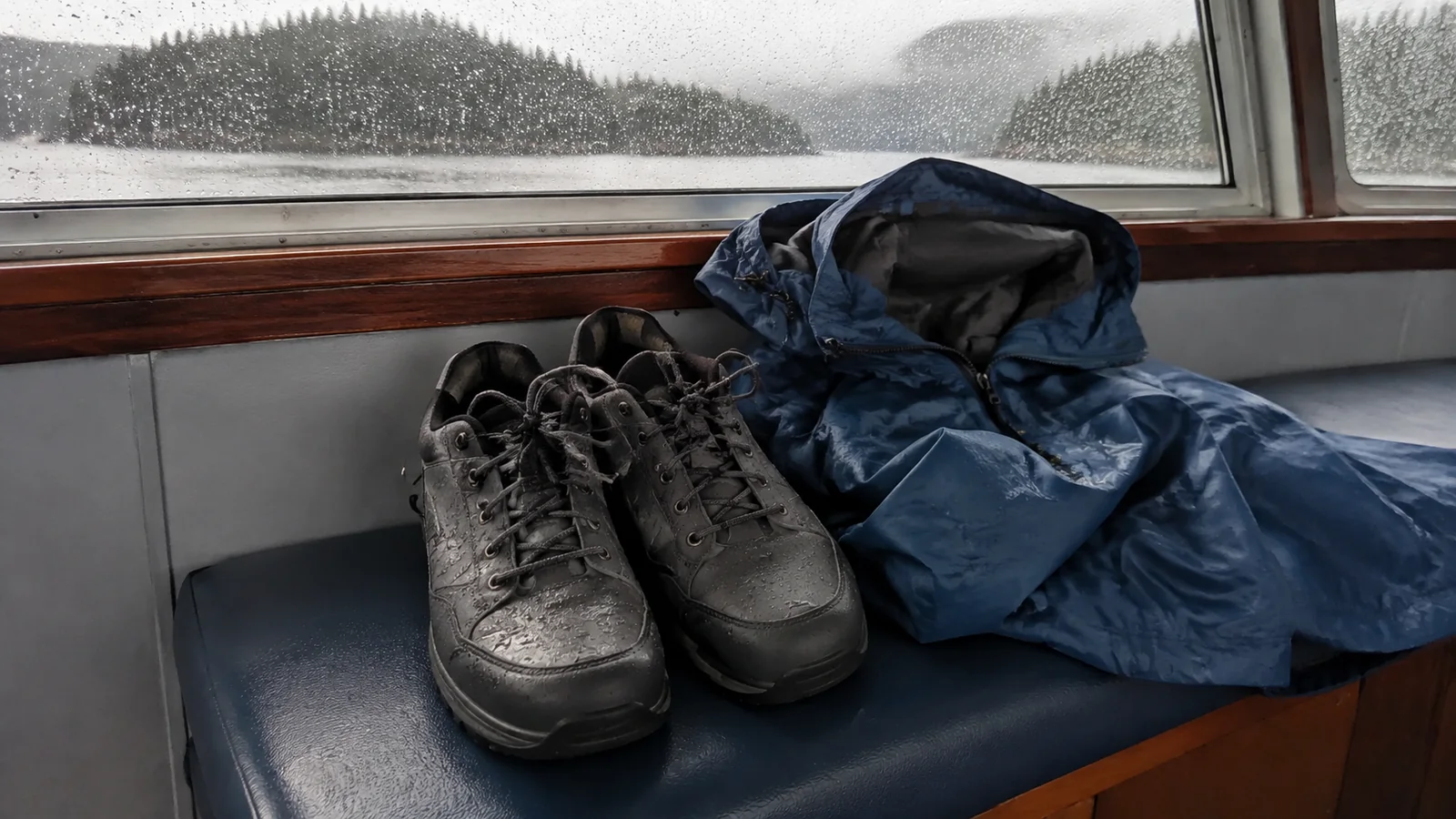
Are September Seas Rough?
Autumn systems can bring wind and movement, especially on exposed routes west of Vancouver Island or across the Gulf of Alaska. The Inside Passage includes protected sections, but no Alaska itinerary is sheltered for every mile.
Motion-sensitive travelers should consider a lower midship cabin and speak with a medical professional before sailing about suitable prevention. Start the agreed plan before conditions become uncomfortable rather than after nausea is established.
A Seattle round trip and a Vancouver one-way can have different exposed-water segments. The terminal and route details in our Seattle to Alaska cruise planner help you compare the real logistics.
September Wildlife: Possibilities Without Promises
Humpback whales, sea otters, sea lions, eagles, and other wildlife may be present, but sightings depend on location, conditions, and luck. Select a reputable naturalist-led excursion and buy the quality of the search, not a guaranteed species list.
Salmon activity varies by species and watershed, which can influence viewing around rivers and bear habitat. Never approach a bear, crowd an animal, or ask a boat operator to violate safe viewing distance for a photo.
In Sitka, a responsible wildlife boat or rehabilitation center pairs naturally with cultural interpretation. Our Sitka cruise-day plan includes return buffers and current shuttle details.
Can You See the Northern Lights?
September provides darkness that midsummer lacks, so aurora is possible. Travel Alaska identifies late August through late April as the broader viewing season on its northern lights page, while noting that the Interior and Arctic often offer stronger viewing conditions.
A coastal cruise still contends with clouds, ambient ship light, and an itinerary that may sit south of the strongest activity. Treat any sighting as a bonus and never choose an expensive cabin or sailing solely for aurora odds.
If skies clear, find a safe open deck, dim your screen, give your eyes time to adjust, and follow crew access rules. A phone’s night mode may reveal faint color before your eyes do.
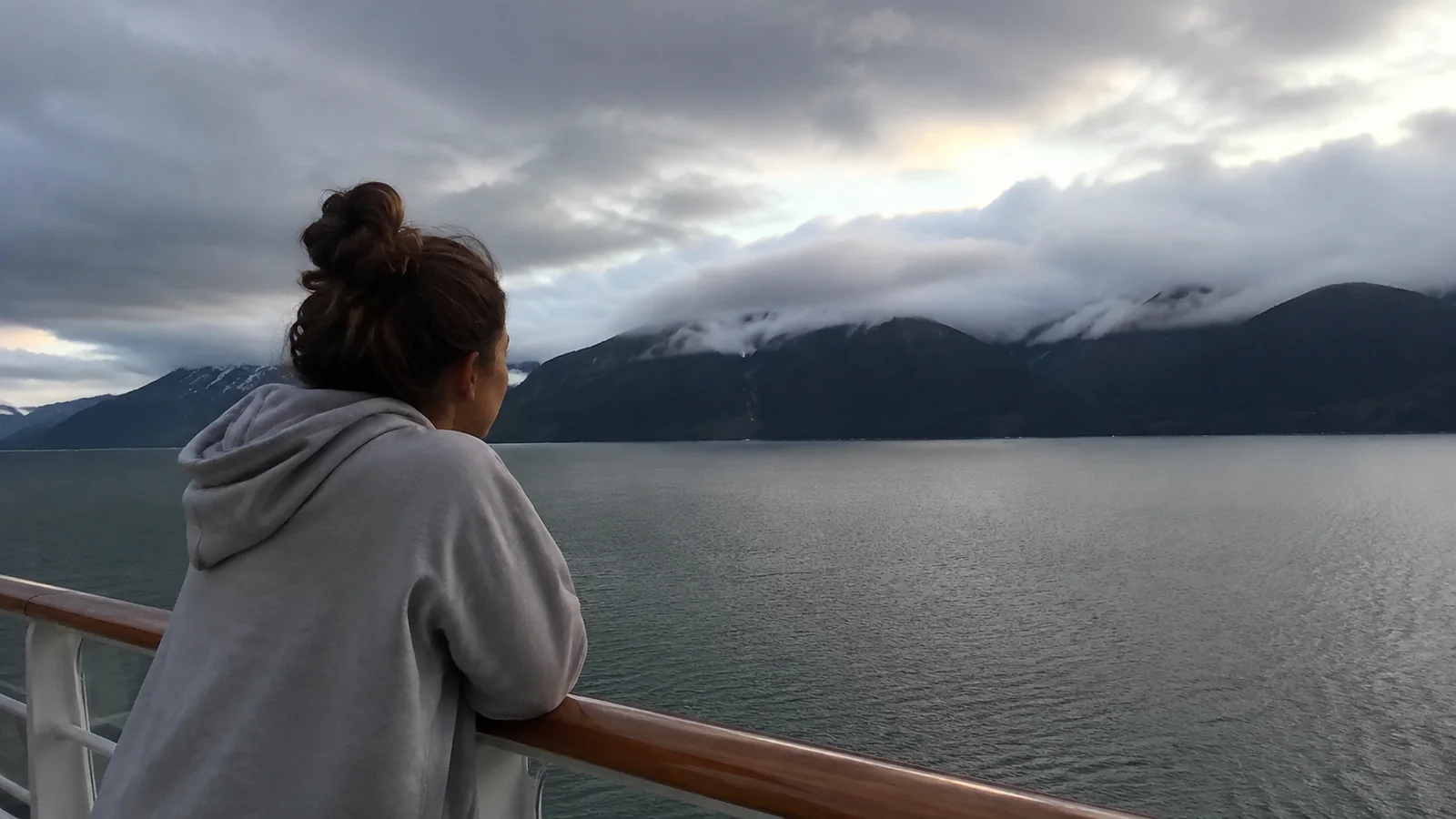
Glaciers in September
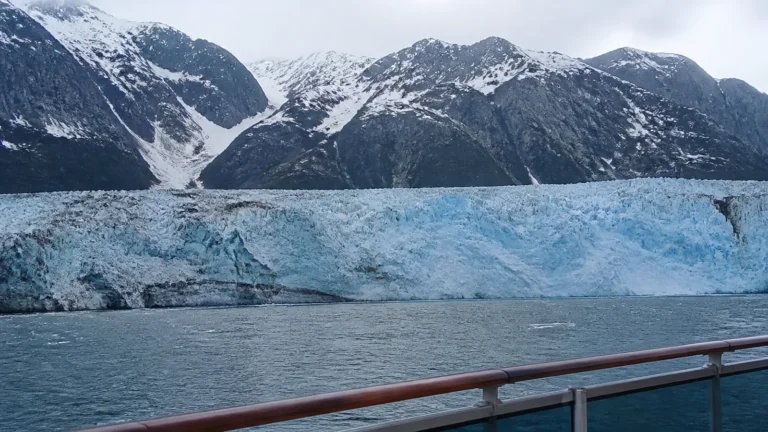
Glaciers do not disappear when summer ends, but the ship’s viewing distance depends on ice, weather, permits, and navigation. Choose an itinerary that names Glacier Bay, Hubbard Glacier, College Fjord, Endicott Arm, or another specific scenic destination.
Glacier Bay cruise visits include park interpretation when a ship enters the park, according to the National Park Service. An itinerary can still change for safety, and a listed glacier day never guarantees a close face view.
Public decks are often better than a one-sided balcony because you can move as the ship turns. Bring gloves, a warm hat, and binoculars for long periods outside.
Excursions and Season-Closing Reality
Whale boats, rail excursions, flightseeing, fishing, and cultural tours can operate in September, but exact dates differ. Near season’s end, a listing in an old blog post does not prove current availability.
Confirm the operating date, meeting point, cancellation policy, accessibility, and minimum passenger requirement with the seller. Recheck shortly before travel because weather and seasonal staffing can change the plan.
Glacier Bay’s main visitor season is late May through early September, and the National Park Service says services become limited outside that window. Cruise-ship access is a separate itinerary matter, which is another reason to verify what your sailing specifically includes.
September Cruise Prices
Later departures can show attractive cabin fares because family demand drops and the season is closing. The right comparison is total trip cost, including airfare, hotel, transfers, gratuities, drinks, specialty dining, excursions, and insurance.
A cheap one-way cruise can require expensive open-jaw flights and a long transfer between Whittier or Seward and Anchorage. A slightly higher Seattle fare may cost less overall for a traveler with easy nonstop flights.
Watch cabin location too. A low guarantee fare can assign a room below a pool deck or above nightlife, and changing it may not be possible.

What to Pack for Alaska in September
- Waterproof hooded shell large enough to fit over layers
- Warm fleece, wool, or synthetic midlayer
- Quick-drying shirts and pants instead of heavy cotton
- Water-resistant walking shoes with reliable traction
- Warm hat, light gloves, and wool or synthetic socks
- Compact binoculars and a protected camera or phone
- Small dry bag or waterproof pouch for documents
- Daypack with a rain cover or water-resistant construction
You do not need a giant expedition parka for a mainstream Southeast Alaska cruise. You need adjustable layers that work for a heated museum, wet dock, breezy boat, and cold glacier deck on the same day.
Our cruise essentials checklist covers chargers, medicine organization, and small cabin helpers. Keep your waterproof layer and medications in carry-on luggage on embarkation day.
Best September Itinerary
Prioritize a named glacier destination, useful daylight port hours, and at least one port aligned with your biggest interest. For many first-timers, Juneau, Sitka or Skagway, Ketchikan, and Glacier Bay create a strong mix.
Do not assume more ports means a better itinerary. A four-hour late-day call can be less valuable than a full day in one place, particularly as September daylight shrinks.
Our broader best time for an Alaska cruise comparison shows what you gain and lose by moving to May, June, July, or August. September wins only when its tradeoffs fit you.
Who Should Skip September?
Skip it if you strongly dislike rain, become miserable in cool wind, or need maximum excursion choice. Families seeking warm pool time and long after-dinner daylight will usually be happier earlier.
Also reconsider the latest departures if you are adding Denali or an independent land trip. Lodges, tours, buses, and park services follow their own seasonal calendars, which may close before or during your visit.
My Bottom Line
An early September Alaska cruise is the sweet spot for travelers who want shoulder-season character without leaning too hard into season-close uncertainty. Late September can be a genuine value, but only when the itinerary and savings justify shorter days, cool rain, and reduced services.
Book the route before the discount, pack for wet wind, and keep one flexible backup in every port. September rewards realistic travelers far more than optimistic minimalists.