Lighthouses of Spain: Coastal Routes and Access Guide
Spain’s most memorable lighthouses are spread across stormy Atlantic headlands, the green Bay of Biscay, and Andalusia’s sun-baked coast.
This guide turns them into three sensible regional trips, with honest notes about roads, trails, tower entry, and the places where the best visit is simply an exterior view.
Route 1: Galicia from A Coruña to Fisterra
Galicia is the best region for travelers who want dramatic lighthouse scenery every day. The official Galician Lighthouse Route connects working maritime communities as well as the lights, which is exactly the right spirit for this trip.
Allow at least three days from A Coruña to Fisterra, and four if you want unrushed walks. A Coruña to Cabo Vilán works well as one long day, while Vilán, Touriñán, and Fisterra deserve another full day along Costa da Morte.
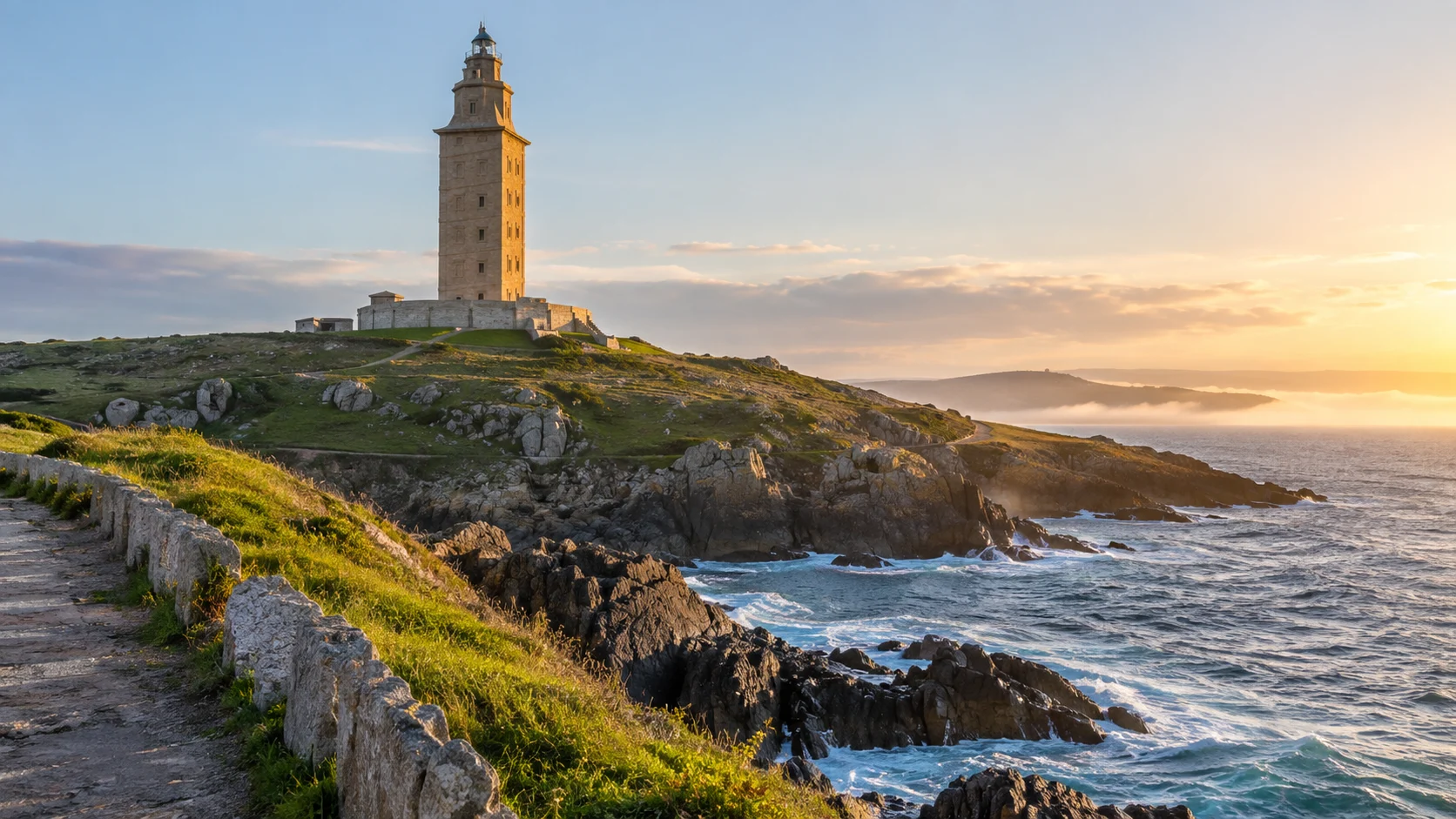
1. Tower of Hercules, A Coruña
The Tower of Hercules is the grand opening act: a Roman lighthouse that still functions and a UNESCO World Heritage Site. Its coastal sculpture park and viewpoints make the stop worthwhile even when admission is unavailable.
This is a genuine interior visit when tickets and conditions permit, with steps through the historic structure and an outdoor upper viewpoint. Reserve through the official monument site, wear shoes with grip, and expect access to pause in severe weather.
2. Punta de Mera Range Lights, Oleiros
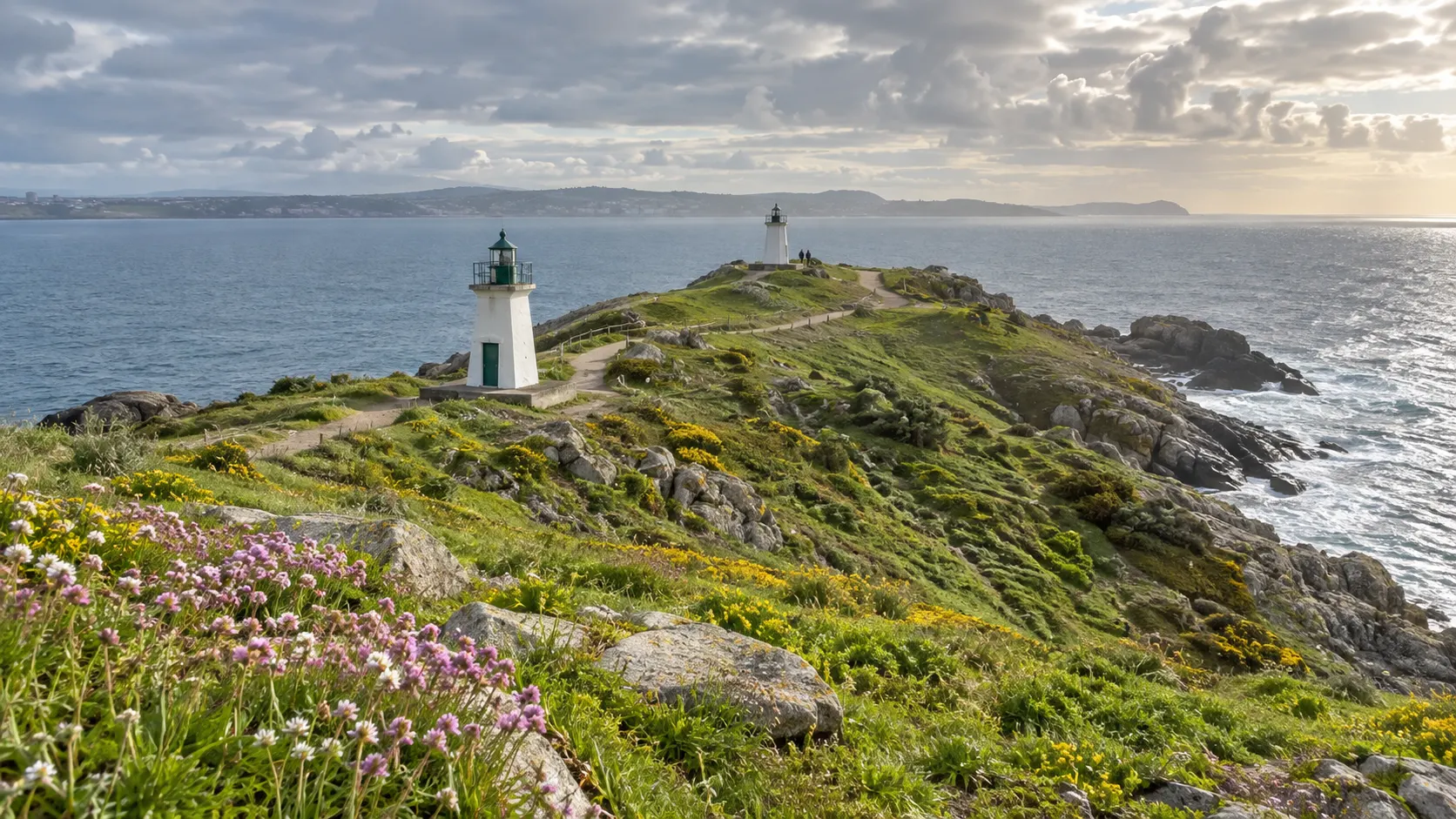
Across the bay, Punta de Mera has two small range lights rather than one monumental tower. The payoff is the coastal setting and the way both lights line up to guide vessels toward A Coruña.
The former keeper’s house serves as the Aula do Mar visitor center for the Costa de Dexo-Serantes Natural Monument. Treat the two light structures as exterior features unless the center advertises a specific supervised opening.
3. Cabo Vilán, Camariñas
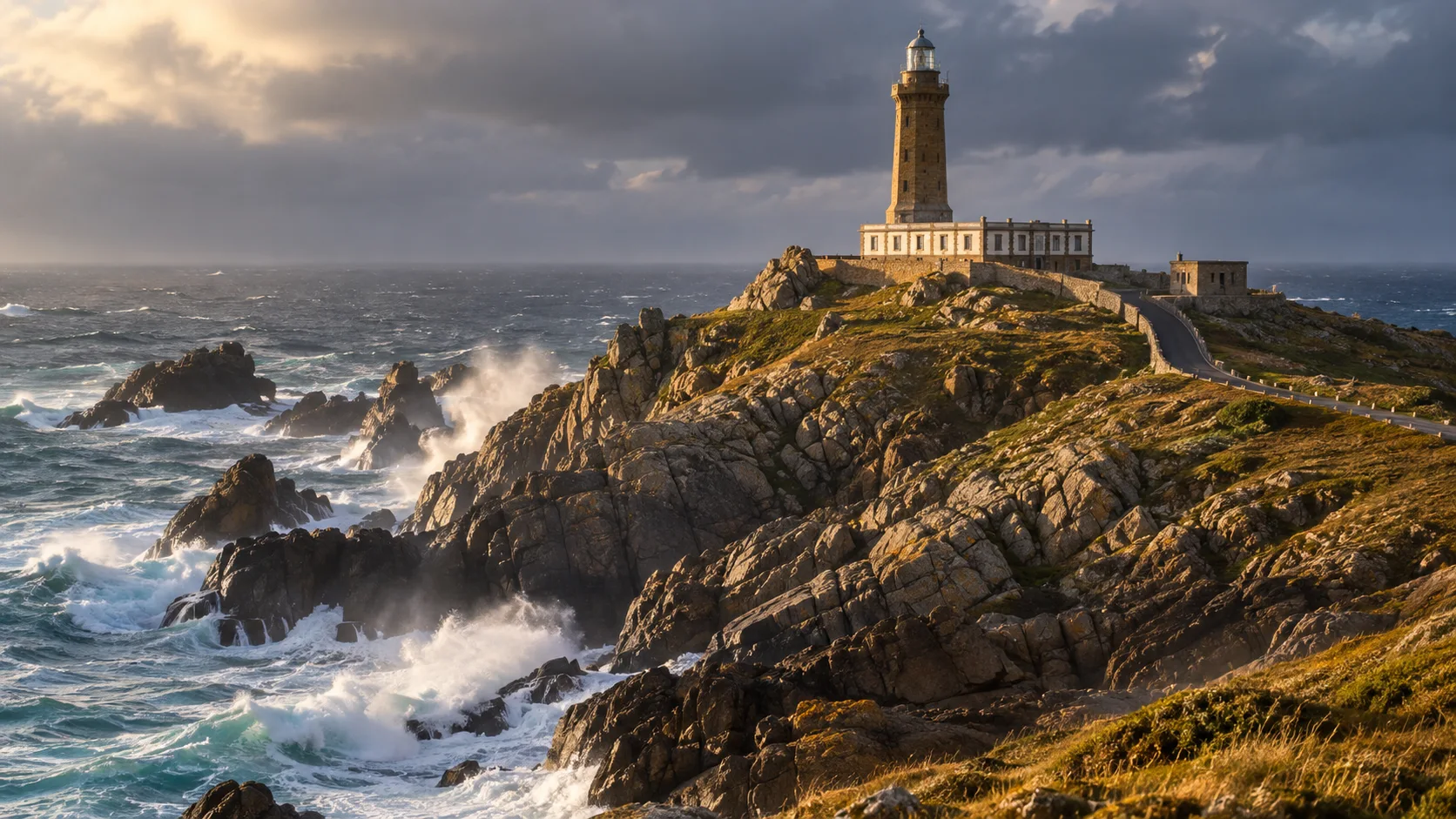
Cabo Vilán rises above a rough section of Costa da Morte and became Spain’s first electric lighthouse in 1896. A narrow paved road runs from Camariñas to the lighthouse, while an alternative coastal approach includes an unpaved stretch.
The keeper building contains an interpretation space about shipwrecks, lighthouses, and maritime signals. That exhibition is the public interior experience; it should not be described as permission to climb the working tower.
Check the current information-center hours, especially outside summer, because the cape remains scenic when the exhibition is closed. Wind here can be fierce, so keep well back from unprotected edges and leave drones out of a crowded sunset.
4. Cabo Touriñán, Muxía
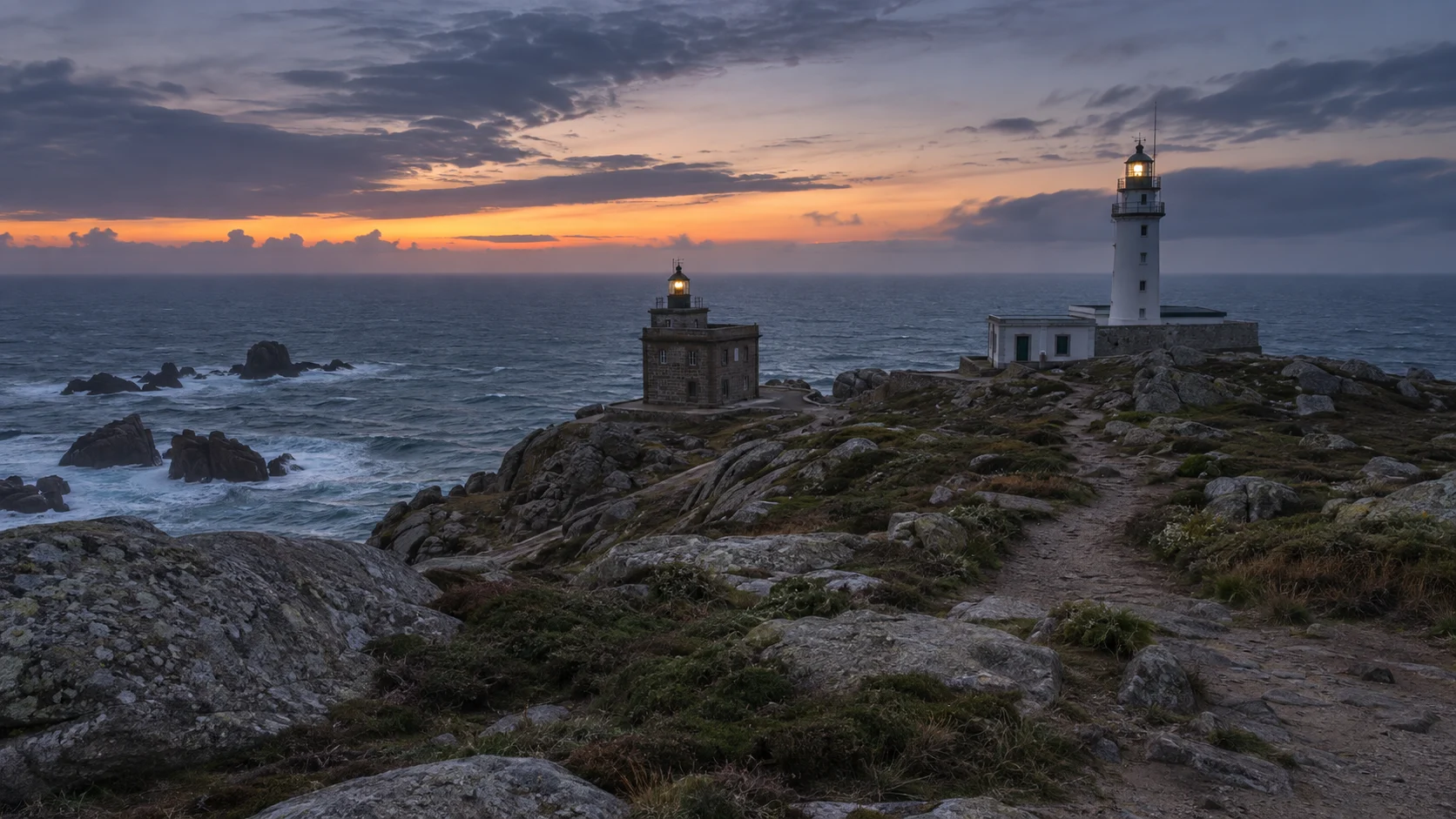
Cabo Touriñán has an older square lighthouse and a newer working tower on mainland Spain’s westernmost cape. The open headland feels wonderfully remote, but the operational buildings are for exterior viewing.
Follow the local road to the signed parking area and continue on the established paths. The shoreline is exposed to wind and Atlantic swell, and the rocks below are no place to chase a more original photograph.
5. Cabo Fisterra
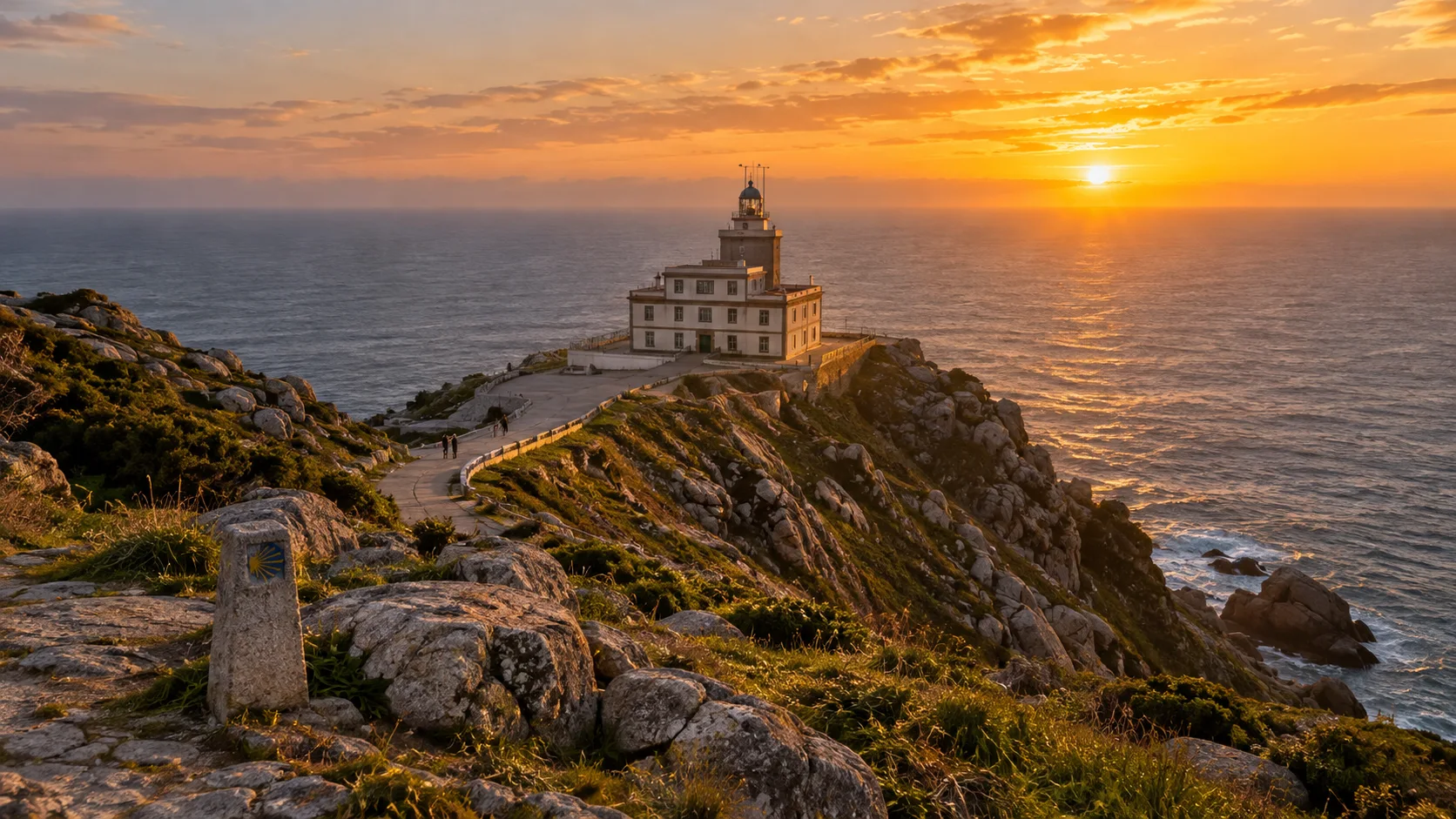
Fisterra is the busiest lighthouse on this route because many Camino pilgrims continue beyond Santiago to the cape. The C-550 reaches the lighthouse area directly, making it far easier than its end-of-the-world nickname suggests.
The active lighthouse is normally an exterior sight, while the headland, Camino marker, and views are the attraction. Never burn clothing or leave boots as a symbolic finale because fire, litter, and fragile vegetation do not become harmless just because a ritual is popular.
Arrive early, and do not stop along a narrow road where parking is prohibited. The official Fisterra access page is useful for current directions.
For a broader northern loop, the northern Spain road-trip route connects these Atlantic days with cities and mountain scenery. It also gives you a reason not to squeeze every Galician cape into a weekend.
Route 2: Basque Country from Getxo to Lekeitio
The Basque lighthouse route is compact enough for two days from Bilbao. Start west of the city at Punta Galea, follow the coast toward Bermeo and Matxitxako, then finish in walkable Lekeitio.
The official Bilbao Bizkaia lighthouse route is the best source for current site descriptions. It also makes clear that only Santa Katalina regularly offers a public lighthouse interior in the region.
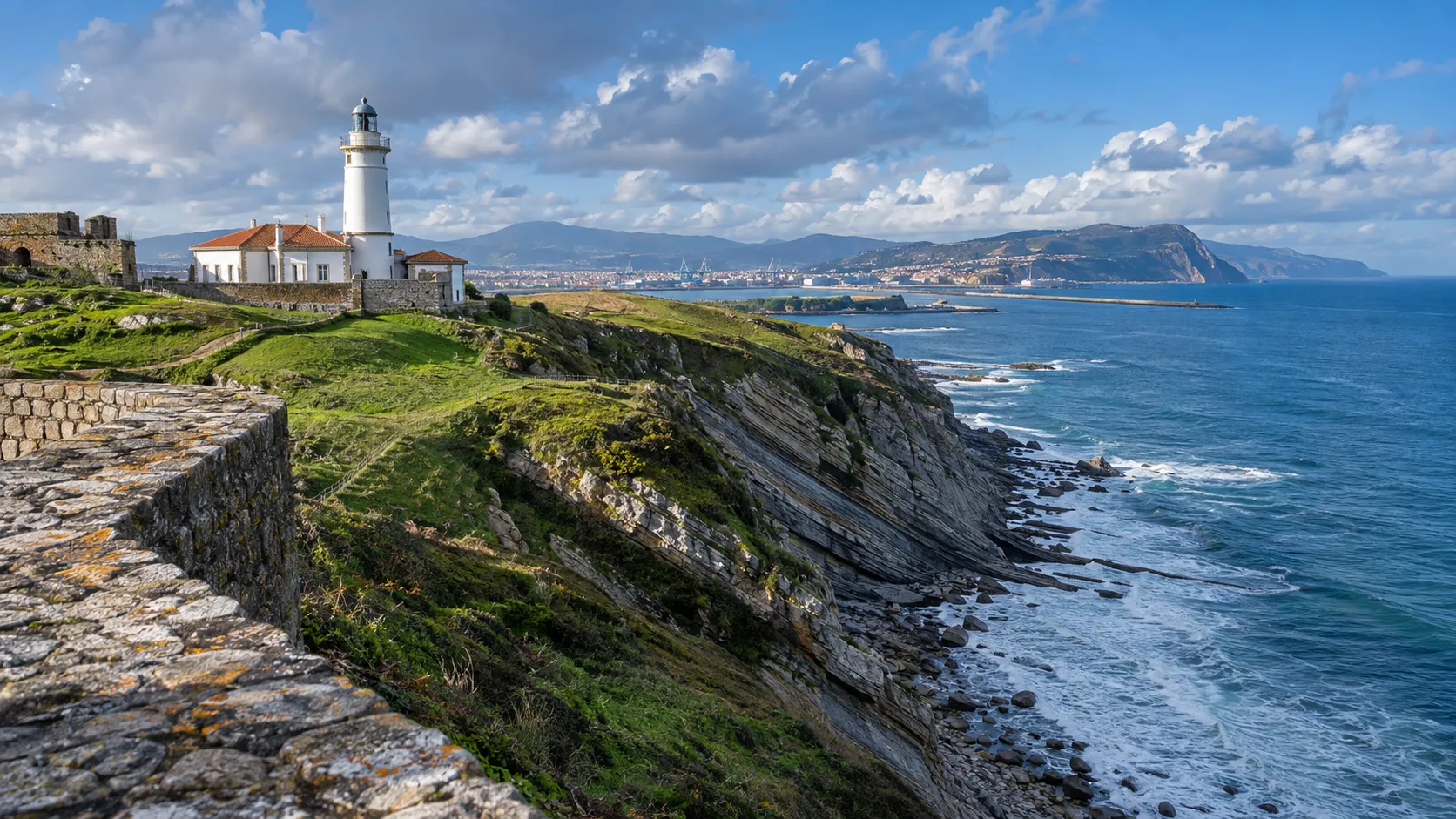
6. Punta Galea, Getxo
Punta Galea is an easy first stop near metropolitan Bilbao, with coastal paths, cliffs, and the remains of a historic fort around the headland. The lighthouse is a working exterior landmark rather than a tower-climb attraction.
Walk or cycle the public coastal route and obey any cliff-edge barriers. Check distances and gradients against individual mobility needs.
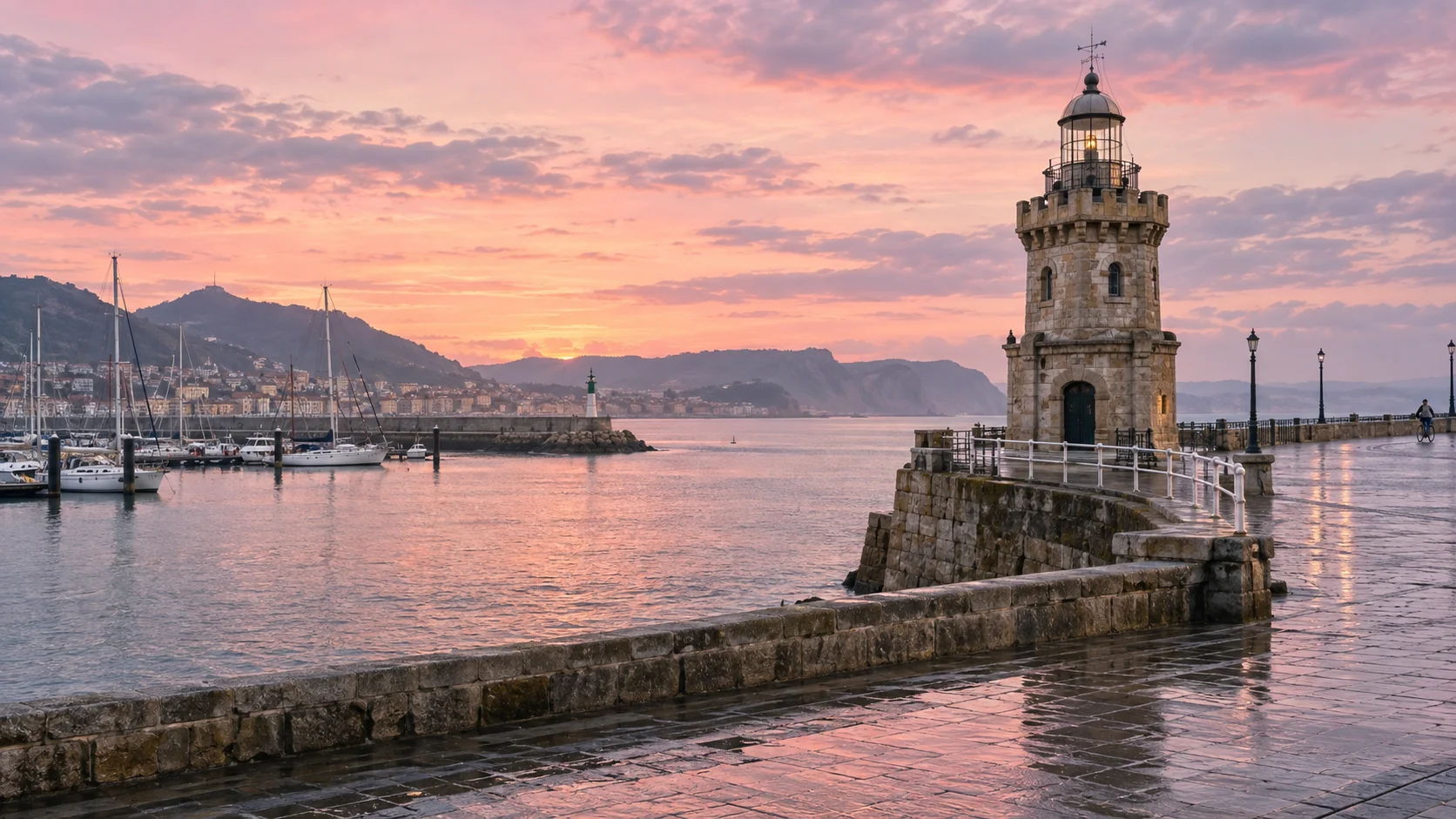
7. Arriluze Lighthouse, Getxo
Arriluze stands at the entrance to the port in a handsome harbor setting. It cannot be toured inside, so enjoy it from the public promenade and do not plan the day around tower access.
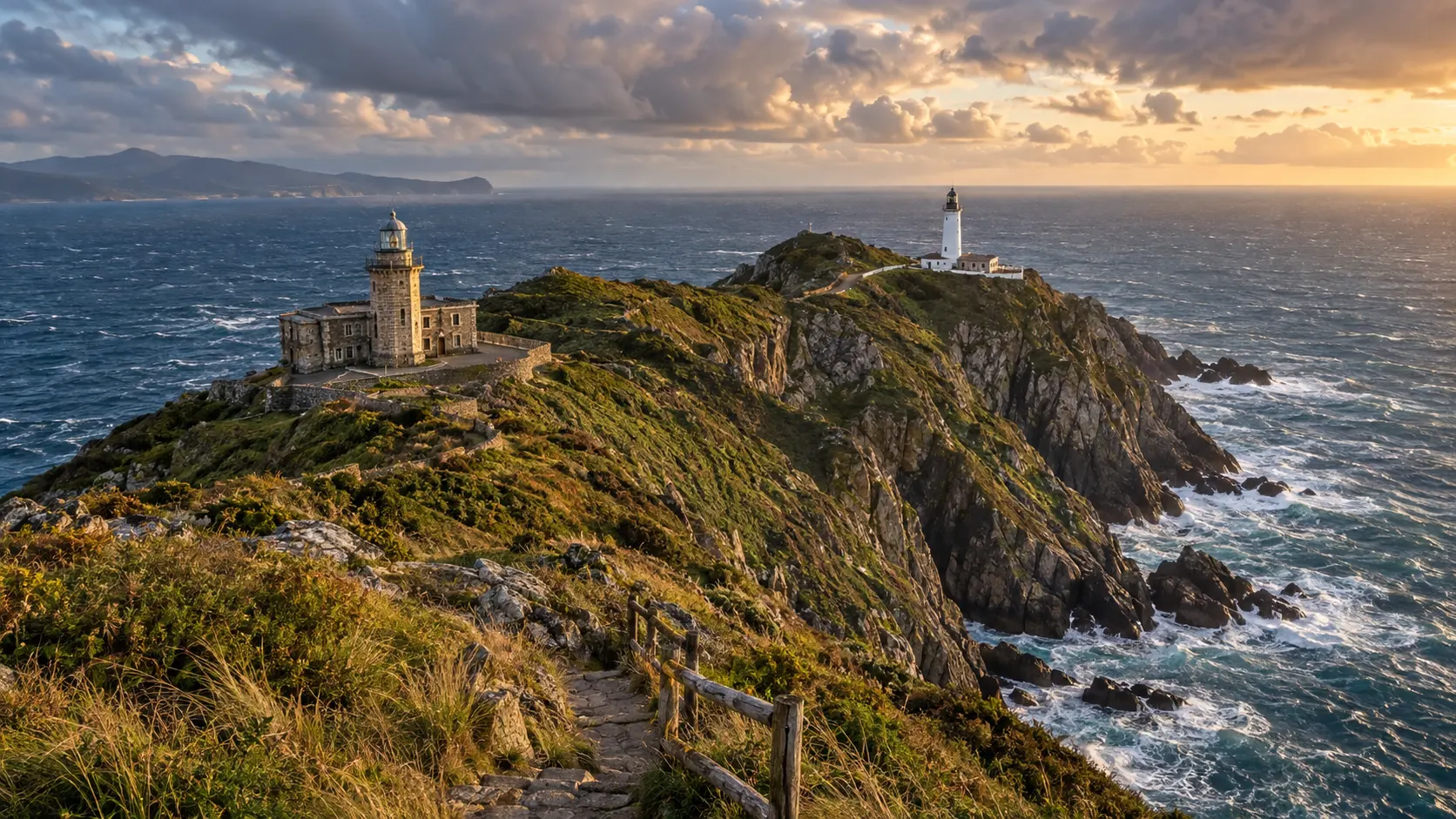
8. Matxitxako lighthouses, Bermeo
Cape Matxitxako has both an old lighthouse and the newer active light. The former lighthouse area is used as a seabird and cetacean observation point, while the working structure remains an operational site.
A road reaches the cape, but paths beyond the arrival area are not fully accessible for travelers with reduced mobility. Weather off the Bay of Biscay changes quickly, so binoculars and a windproof jacket earn their place in the car.
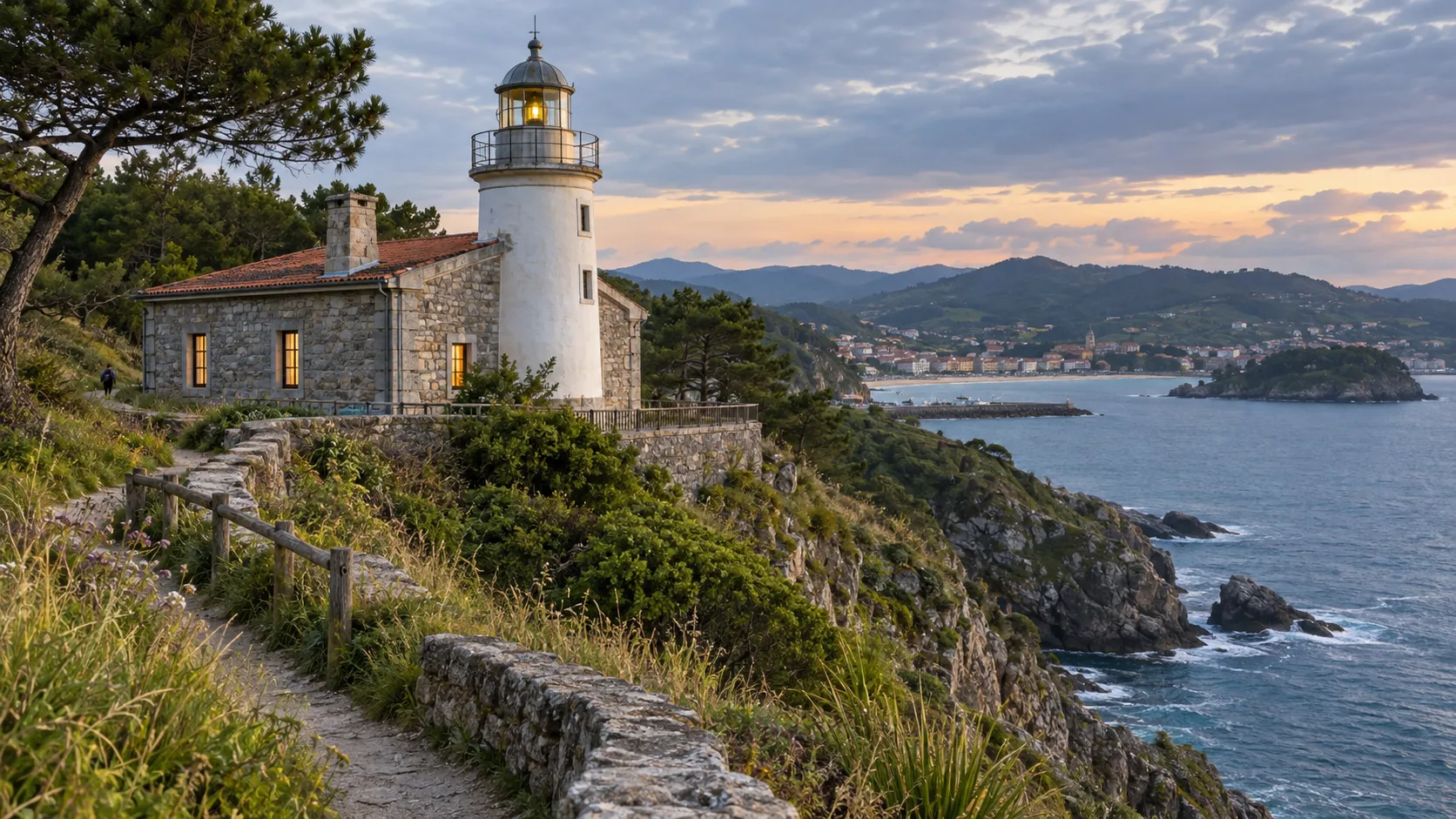
9. Santa Katalina Lighthouse, Lekeitio
Santa Katalina is reached by a roughly 20-minute coastal walk from Lekeitio’s old town or a short drive. Its visitor experience interprets navigation and maritime life, giving it far more substance than a quick photograph.
The official visit listing directs travelers to the Lekeitio Tourist Office for schedules and reservations. Confirm the exact areas included because an advertised lighthouse visit does not automatically mean open access to every stair or lantern.
Lekeitio makes a lovely overnight base, especially if you want the coast after day-trippers leave.
Route 3: Andalusia from Chipiona to Cabo de Gata
Andalusia’s four classic lights stretch across roughly 330 road miles, so this is a multi-day coastal journey rather than a day trip. Work east from Chipiona through Trafalgar and Torrox to Cabo de Gata, or reverse it after flying into Almería.
The national tourism board’s Andalusian lighthouse route confirms all four locations and their historical context. Local parking, tours, and protected-area controls can still change, so check the relevant town or park immediately before visiting.
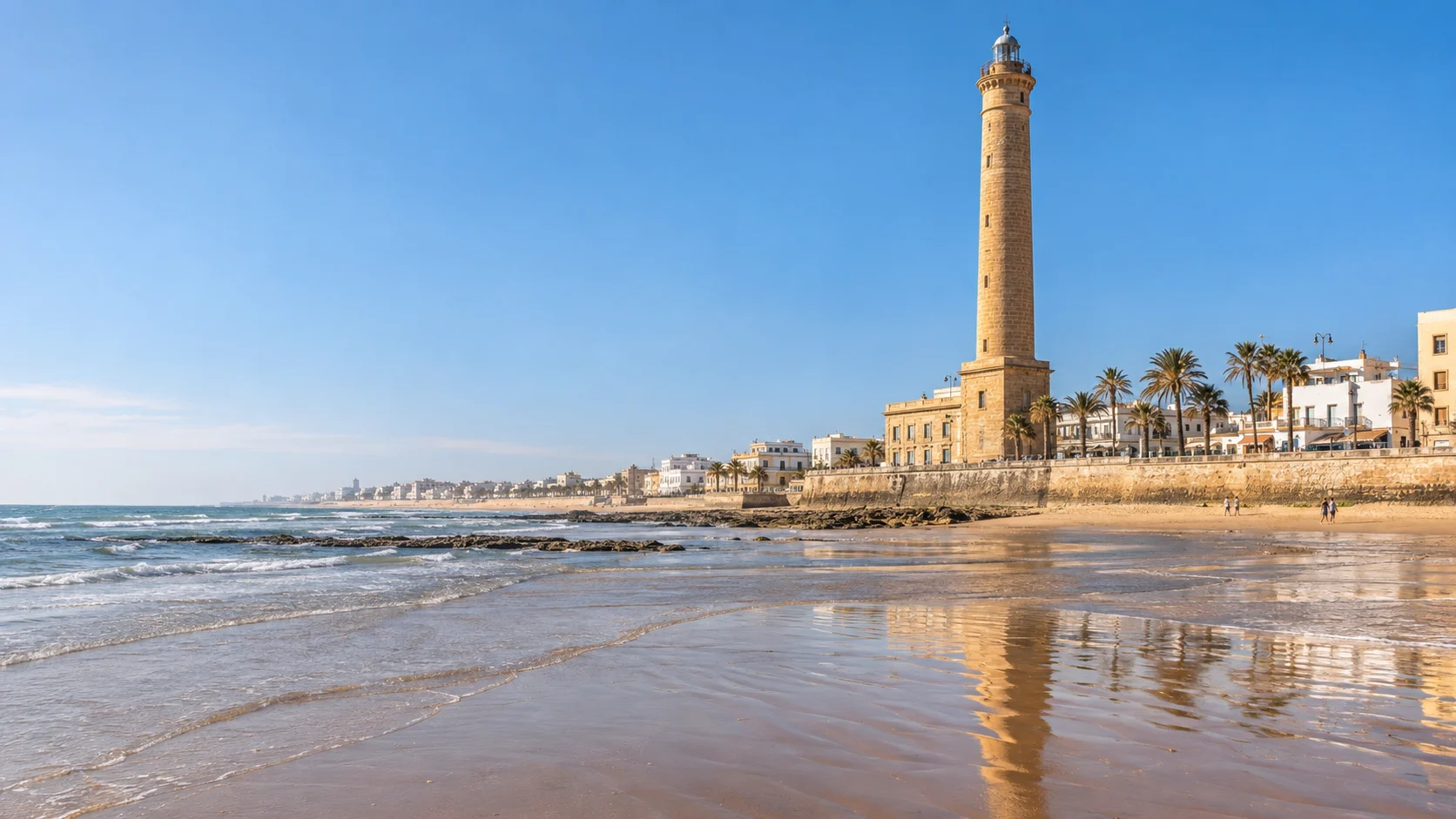
10. Chipiona Lighthouse
Chipiona’s approximately 230-foot tower is Spain’s tallest lighthouse and has more than 300 steps. Its striped stone shaft is easy to admire from the waterfront, but climbing is only possible on an authorized guided visit.
Do not arrive expecting walk-up entry because tour days, language, capacity, age rules, and maintenance closures vary. Contact Chipiona tourism in advance, and plan an exterior stop if no official reservation is available.
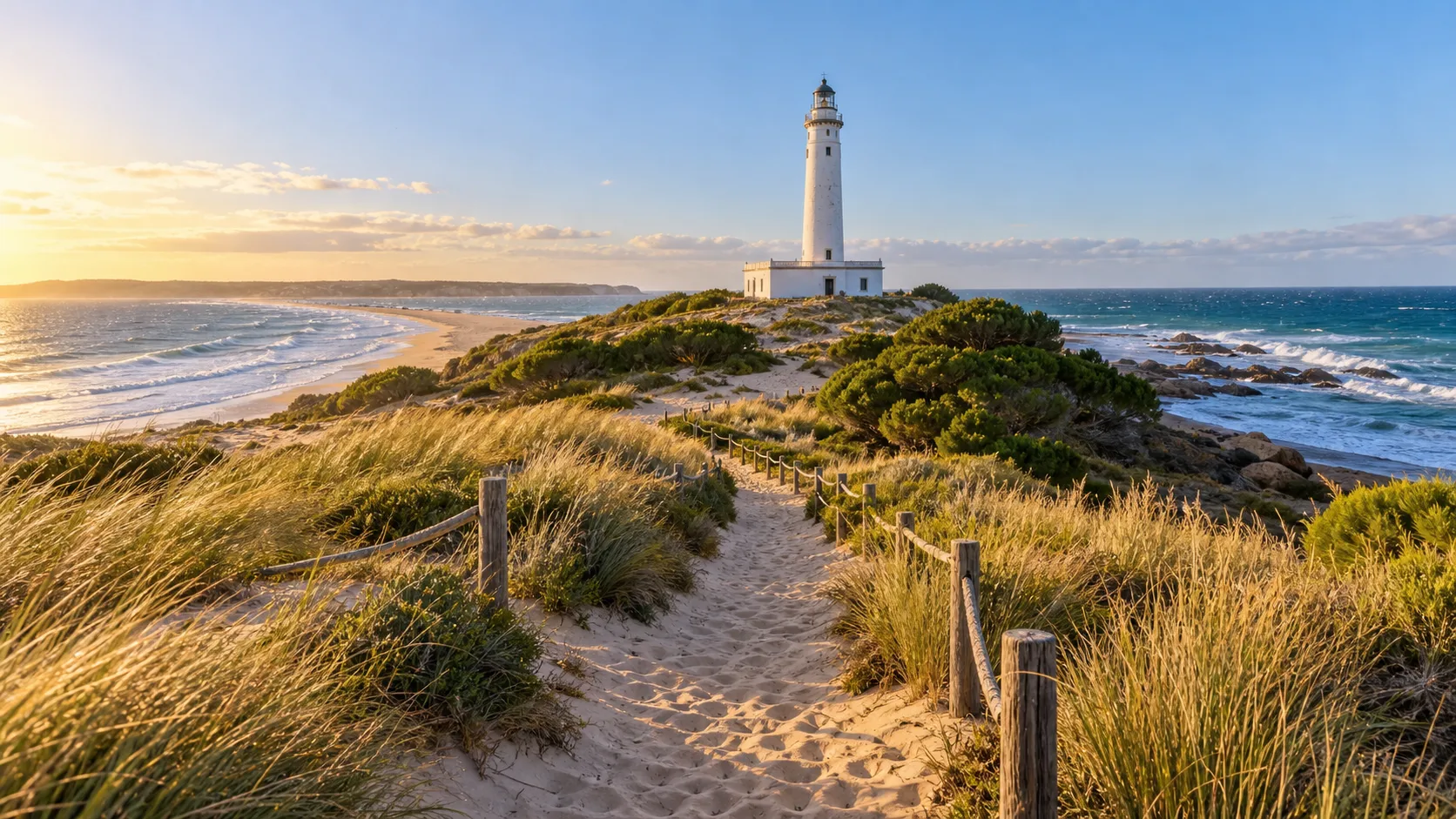
11. Trafalgar Lighthouse
The Trafalgar light stands beyond dunes near Los Caños de Meca and the protected Cape Trafalgar Natural Monument. Visitors approach along the public route to the cape, while the working tower itself should be treated as exterior-only unless a current official program says otherwise.
Wear shoes that handle sand and bring water because this feels more like a beach walk than a city monument. Strong currents and wind make the surrounding coast beautiful but potentially dangerous, so use lifeguarded swimming areas rather than entering beside the cape.
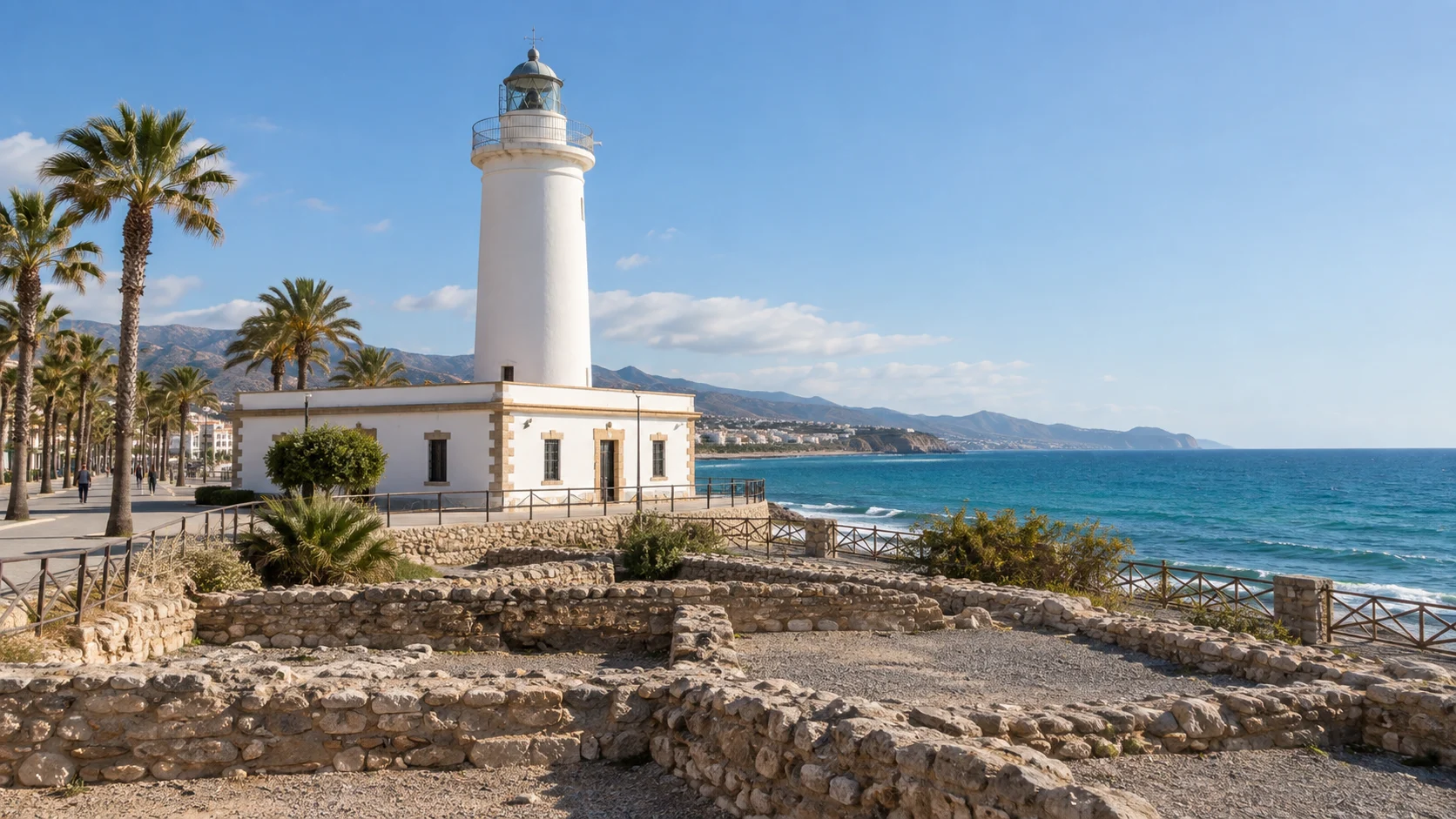
12. Torrox Lighthouse
Torrox is the easiest Andalusian lighthouse to combine with an ordinary beach day. It stands beside Roman archaeological remains on the Costa del Sol, close to the developed promenade and town services.
The tower is an exterior landmark unless an official local event announces access. Give the archaeological site time too, because it makes the headland interesting.
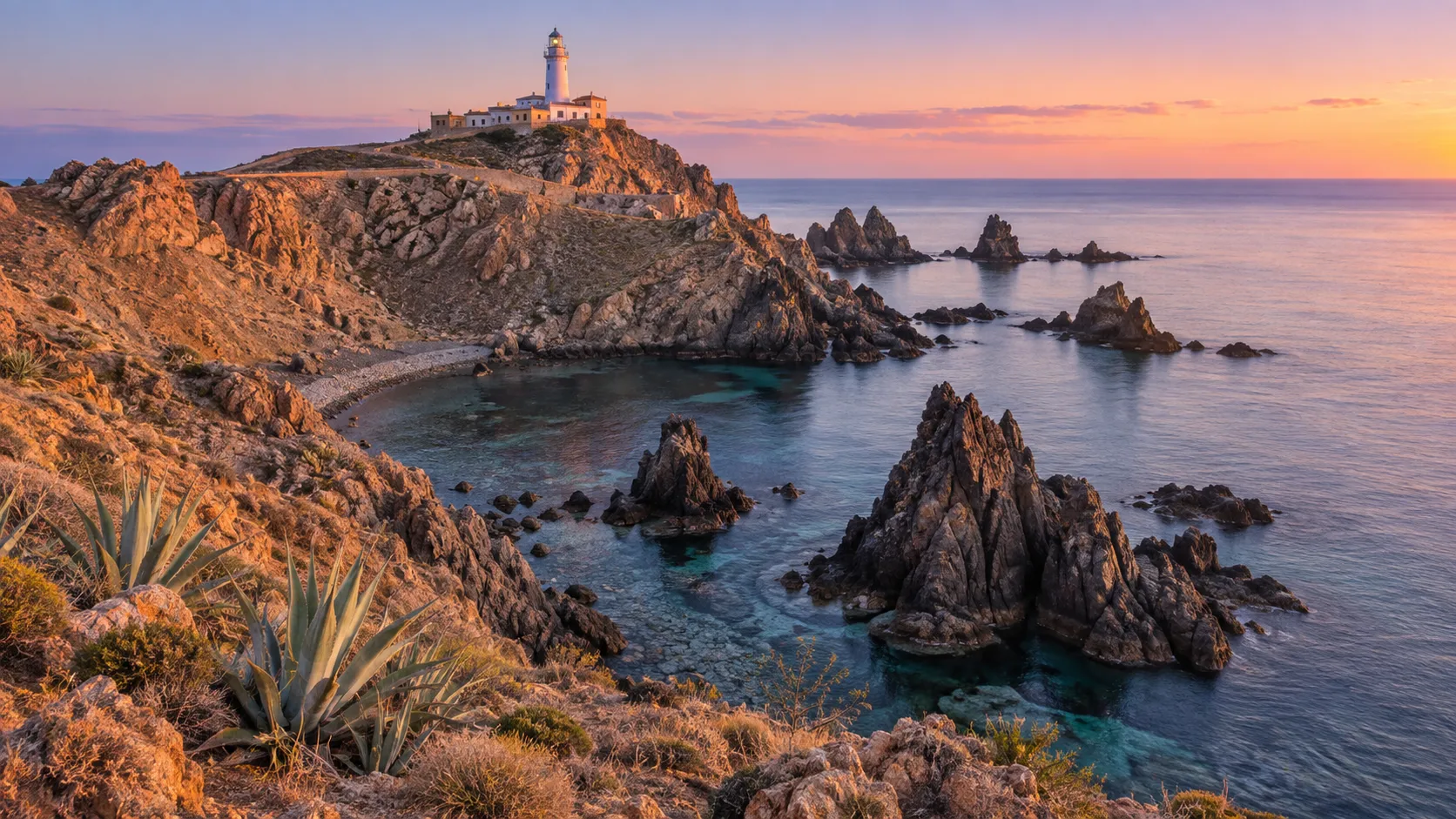
13. Cabo de Gata Lighthouse
The Cabo de Gata lighthouse was built in 1863 on the remains of an older fort inside Cabo de Gata-Níjar Natural Park. The nearby Las Sirenas viewpoint looks across volcanic rock formations that once made this coast treacherous for ships.
Road access reaches the cape, but seasonal traffic controls, wind, and temporary park restrictions can affect the final approach. Park only where permitted and stay behind viewpoint barriers, since crumbling volcanic edges are not stable photo platforms.
The lighthouse building is not a routine public tower climb. Come for the geology, salt flats, birdlife, and enormous horizon, then leave the operational structure alone.
If Valencia is part of a longer Spain trip, this candid three-day Valencia plan gives the cities some breathing room between coastal drives. Travelers continuing through Andalusia may also find the general road-trip planning tips useful before collecting a rental car.
Best season for Spain’s lighthouse routes
May, June, September, and early October offer the best balance of daylight and manageable crowds. Galicia and the Basque coast can be wet in any month, while Andalusia can be fiercely hot in midsummer.
Winter suits travelers who love dramatic seas, but fewer visitor centers and guided interiors may operate. Never approach exposed cliffs during storms merely because the lighthouse itself remains visible.
Sunset is wonderful, yet the return route matters more. Download an offline map, note where the pavement narrows, and keep enough daylight to walk back from an unfamiliar headland.
What to bring
- Windproof layer: Atlantic capes feel much colder than sheltered towns.
- Shoes with grip: Stone, sand, salt spray, and muddy paths all appear on these routes.
- Water and snacks: Remote capes rarely keep café hours that match your plan.
- Binoculars: They improve bird and boat watching without tempting you toward cliff edges.
- Offline directions: A map pin is not proof that the final road or gate is public.
Lighthouse etiquette that protects these places
Stay on public roads and marked paths, close gates, and do not cross fences around active navigation equipment. A lighthouse’s job is maritime safety, and visitor access comes second.
Keep drones grounded wherever park, wildlife, airport, or local rules prohibit them, and never launch near nesting birds. Pack out every scrap, including tissues and symbolic Camino items.
Finally, describe access accurately when sharing your own photos. Saying “visited the lighthouse” should not become “climbed the tower” when all you did was enjoy a magnificent public viewpoint, because the outside is often the best part anyway.
Which Spanish lighthouse route is best?
Choose Galicia for wild scenery and the greatest concentration of dramatic capes. Choose the Basque coast for a compact two-day trip with one dependable interpretive interior, or Andalusia for lighthouses mixed with beaches, white towns, and warmer weather.
I would not try to combine all three unless the trip lasts several weeks. The point is to understand the coast, not prove how many white towers can fit in a camera roll.