Cruise Tips and Tricks That Make Every Sailing Easier
The best cruise tips are not clever little hacks. They are decisions made early enough to protect your money, time, comfort, and options, from choosing the right ship to leaving enough margin for a delayed tour on the final port day.

Choose the Cruise Before Chasing the Deal
A low fare on the wrong ship is not a bargain. Match the line, ship, route, and sailing length to how you spend a vacation before comparing promotions.
- Choose itinerary first when ports and scenery are your priority.
- Choose ship first when pools, shows, dining, or children’s facilities matter most.
- Choose line first when service style, nightlife, dress, or included amenities define the trip.
- Choose departure port first when airfare and limited vacation time control the budget.
A family that wants waterslides should not book a quiet small ship because its fare is lower. A couple craving calm should not assume every adults-focused option has the same food, entertainment, or dress expectations, which is why this comparison of adult-oriented cruise lines starts with traveler fit.
Price the Entire Trip
Compare the amount you will actually pay, not the biggest number crossed out on a sale page. Cruise pricing can involve taxes, port charges, gratuities, drinks, specialty dining, Wi-Fi, excursions, insurance, airfare, hotels, parking, and transfers.
Open the promotion details and test the package against your habits. “Free drinks” is weak value for someone who rarely drinks, while included Wi-Fi may matter greatly to a traveler who must check in at home.
Record the cancellation schedule and final-payment date before paying a deposit. A refundable deposit, flexible fare, or slightly higher rate can be worth more than an inflexible headline deal.
Study the Ship, Not Only the Cabin Category
An inside, ocean-view, balcony, or suite label tells you about the room type, not everything around it. Open the current deck plan for the exact ship and sailing, then inspect the decks above, below, and across the hall.
Potential noise sources include theaters, clubs, galleys, pools, gyms, crew doors, service corridors, and venues that move chairs early or late. A connecting door can also transmit more sound, though it is a useful feature when your group occupies both rooms.
Motion-sensitive travelers usually prefer a lower deck closer to the ship’s center. Travelers with limited mobility may value elevator access more, so “best location” is always conditional.
These cabin-planning strategies help with storage and daily comfort, but no organizer can fix a room beside the venue you planned to avoid. Location deserves more attention than a decorative upgrade.
Verify Documents From Primary Sources
Do not ask a social-media group whether you need a passport. Requirements depend on citizenship, residency, itinerary, embarkation country, transit points, visas, and the cruise line’s own rules.
U.S. Customs and Border Protection explains that some U.S. citizens on qualifying closed-loop cruises may use specified citizenship and identity documents. “May” is doing important work because the cruise line or a destination can still require a passport.
The U.S. State Department strongly recommends that cruise passengers carry a passport book, even when it is not otherwise required, because an emergency flight home cannot be taken with a passport card. Check validity, blank pages, visas, electronic authorizations, and name matching well before departure.
Carry originals as required and store secure copies separately. Leave a copy of your itinerary, insurance details, and emergency contacts with someone at home.
Arrive a Day Early When You Can
Flying into the embarkation city on sailing day makes every delay more dangerous. One weather problem, missed connection, or bag issue can turn a seven-night vacation into a chase across several ports.
A pre-cruise hotel buys margin and gives you time to replace a small forgotten item. For an overseas sailing, two or more nights can also absorb jet lag and protect against a longer disruption.
Choose the hotel by transfer simplicity, not just distance on a map. A property near the airport may be inconvenient for the pier, while a port-area hotel can be costly but easy on embarkation morning.
Use a Two-Bag Packing System
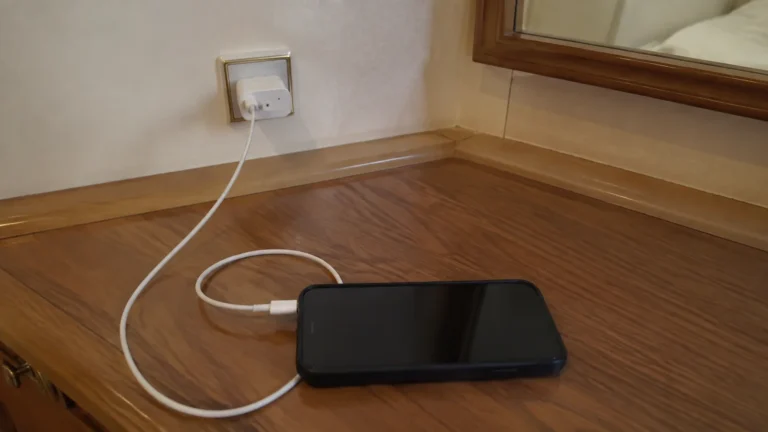
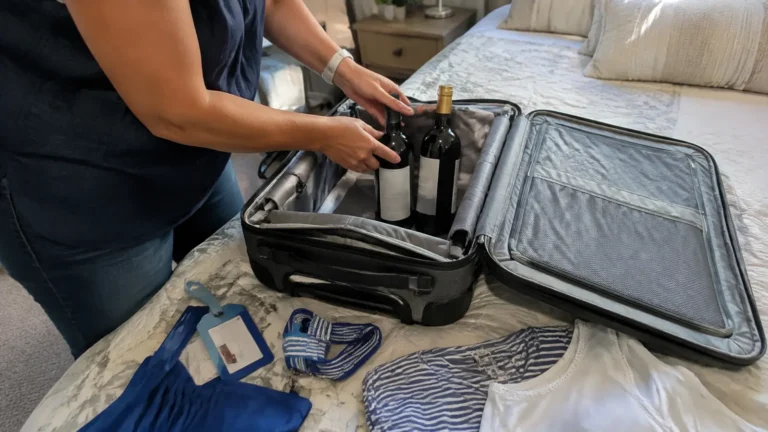
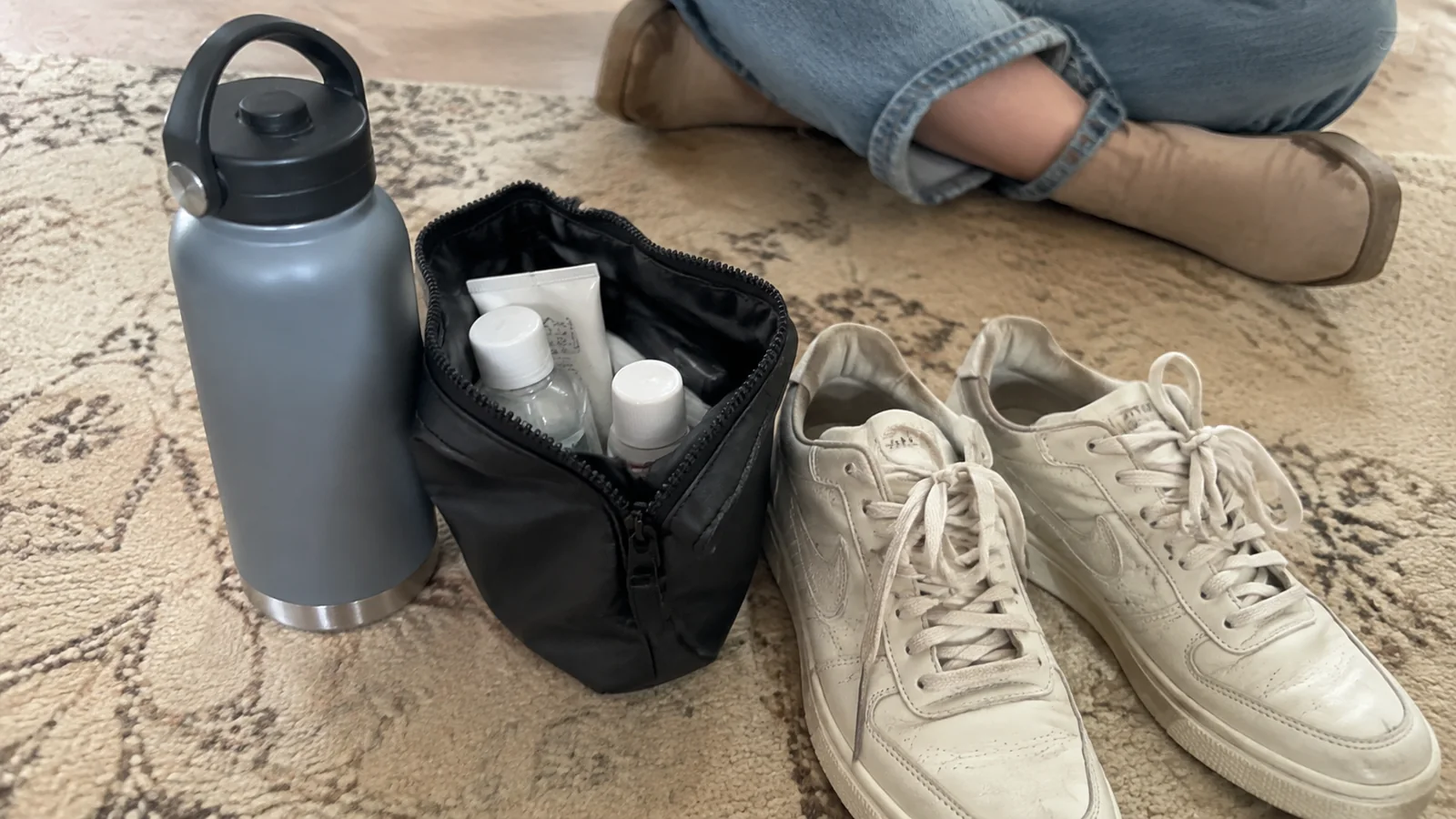
Your checked suitcase may not reach the cabin immediately, so keep first-day needs in a personal bag. Pack documents, medicine, valuables, chargers, sunscreen, a swimsuit, and a change of essential clothing where you control them.
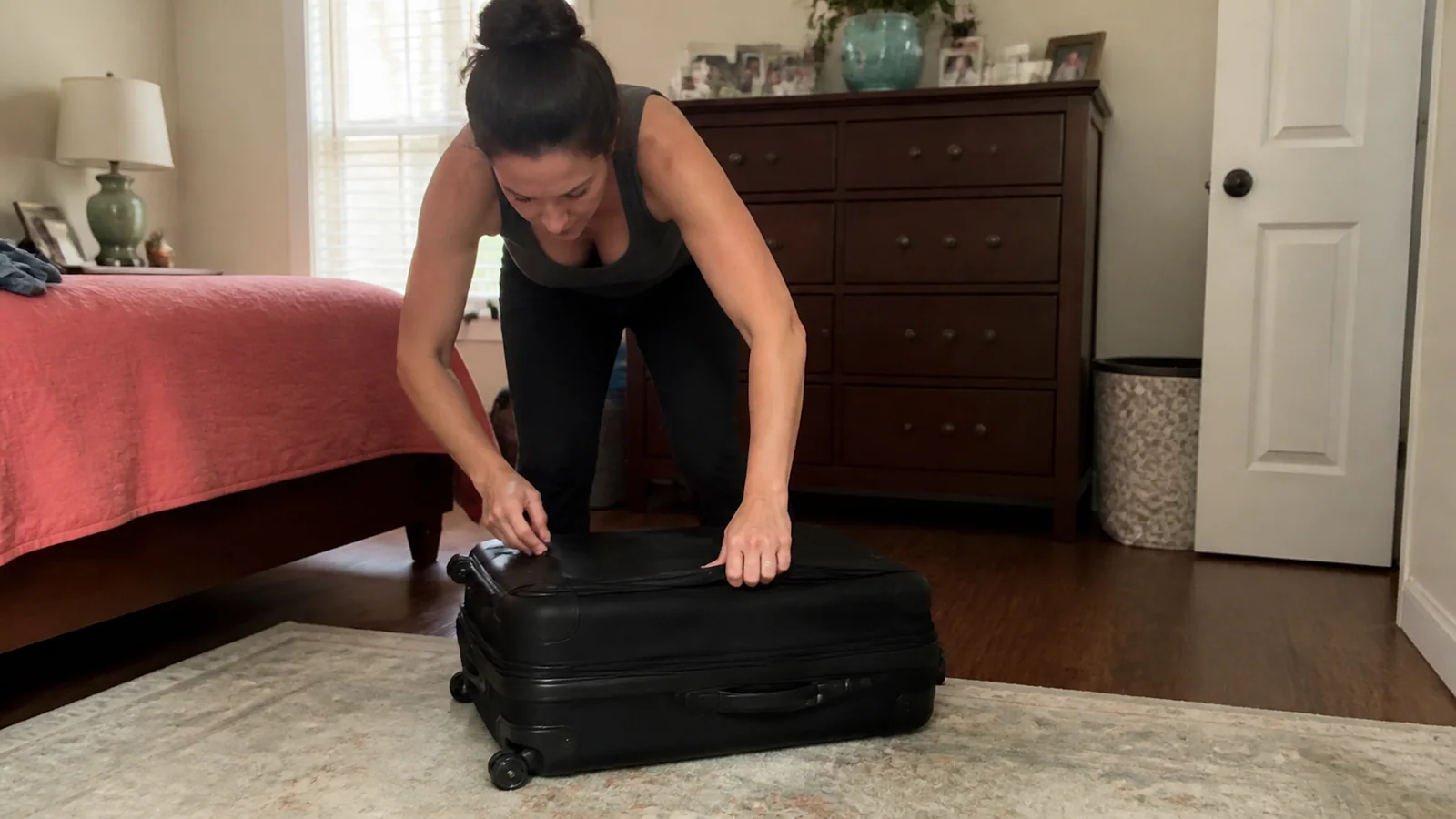
Do the same in reverse on the final night if the cruise line collects checked luggage. Keep disembarkation clothes, toiletries, medicine, documents, and anything needed before you reclaim the bag.
Build outfits around repeatable layers and a small color palette. The detailed cruise packing tips are most useful when you adapt them to weather, dress codes, laundry access, and planned activities.
Check prohibited items every time
Electrical, alcohol, food, weapon, drone, and appliance rules vary by line and can change. Norwegian’s current prohibited-items list, for example, bans heating elements and several categories travelers may not think to check.
Use your own cruise line’s current list rather than copying another line’s rules. Do not hide a prohibited item or assume an online seller’s “cruise approved” label overrides ship policy.
Set Up the App Before Leaving Home
Install the official app, sign in, and download documents while you have dependable service. Complete online check-in, review arrival instructions, and save offline copies of anything you may need at the terminal.
Add reservations without filling every hour. Specialty dining, limited-capacity shows, spa appointments, and popular excursions may reward early booking, but a completely scheduled cruise can feel like a conference at sea.
Turn off cellular roaming or place the phone in airplane mode after departure, then enable Wi-Fi as needed. Merely joining the ship’s network does not guarantee that cellular charges are disabled.
Embarkation Day: Handle the Important Things First
Keep travel documents and boarding information in hand instead of buried beneath beachwear. Follow the assigned arrival window unless the line specifically permits a different time.
Once aboard, complete any required safety check immediately. Then confirm dining, accessibility requests, children’s-program registration, and time-sensitive reservations before exploring at a relaxed pace.
Find your muster station, main dining room, quiet outdoor space, and the most direct route to your cabin. That little orientation saves far more time than trying to memorize every deck.
Control Onboard Spending From Day One
Review your onboard account daily in the app or on the cabin television. Small errors and forgotten purchases are easier to resolve mid-cruise than in the disembarkation crowd.
Understand which gratuities are prepaid, automatically added, included, or still discretionary. Specialty restaurants, bars, spas, room service, and private functions may apply separate service charges.
Set a port-day and onboard budget, then leave room for one unplanned delight. The goal is not to refuse every extra, but to spend on the things you will remember instead of fees you did not notice.
Make Dining Work for You
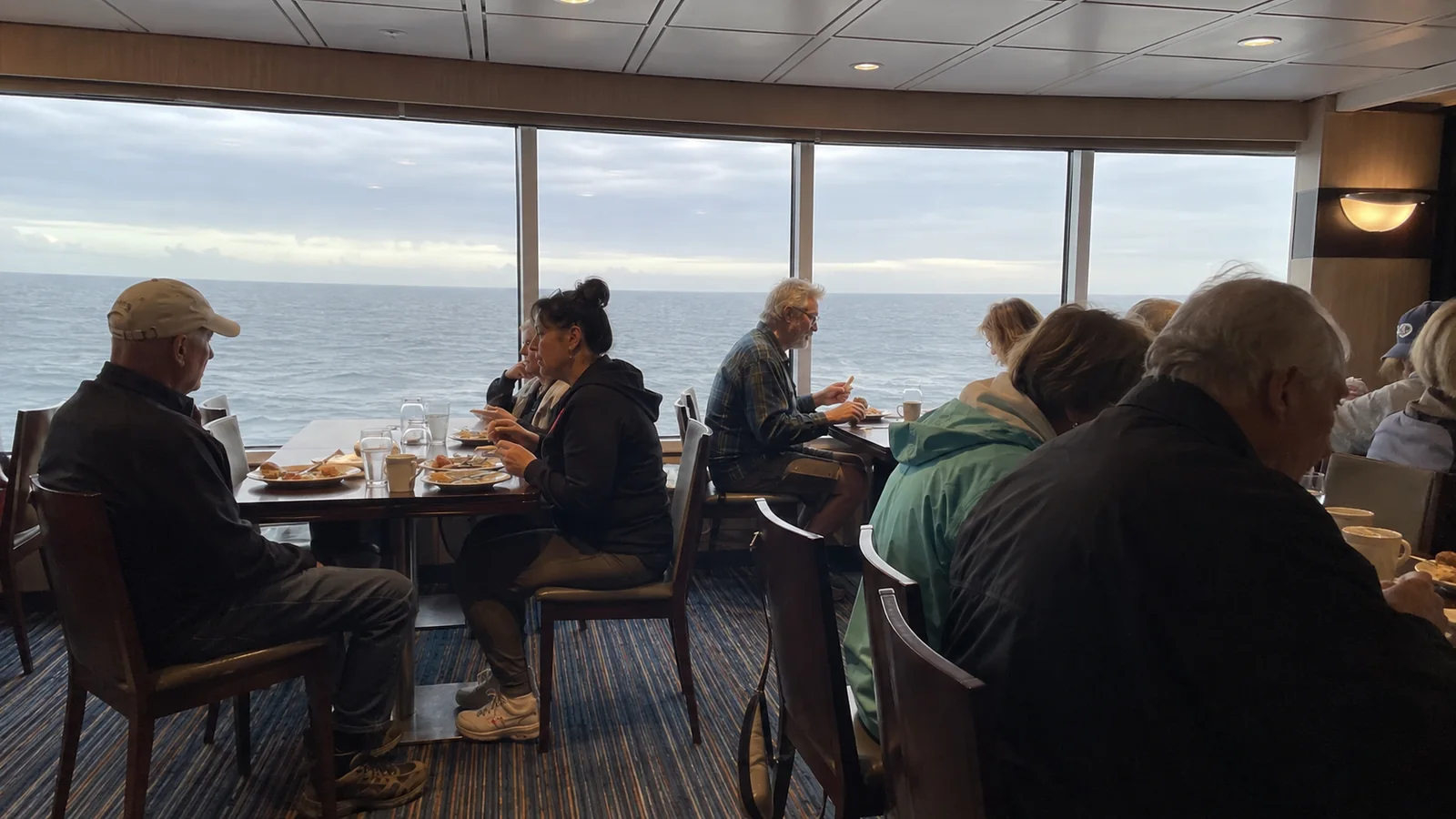
Check whether your booking uses fixed seating, flexible dining, reservations, or a combination. A beautiful sailaway or late excursion can collide with a rigid dinner time if you never look at the itinerary.
Tell the cruise line about food allergies and medically necessary diets before sailing, then confirm the process aboard. Do not assume a buffet label or verbal comment eliminates cross-contact risk.
Try the included dining room before buying a week of upgrades. Specialty restaurants are worthwhile when the menu, atmosphere, or celebration matters to you, not because the main dining room is automatically inferior.
Use Sea Days Strategically
Sea-day calendars can be crowded, so mark one or two priorities and let the rest remain optional. The pleasure of a cruise is partly the permission to stop optimizing.
Visit the pool early, use popular attractions during dinner or port hours, and save indoor venues for poor weather. If quiet matters, locate the library, promenade, observation lounge, or less-used aft seating before everyone else does.
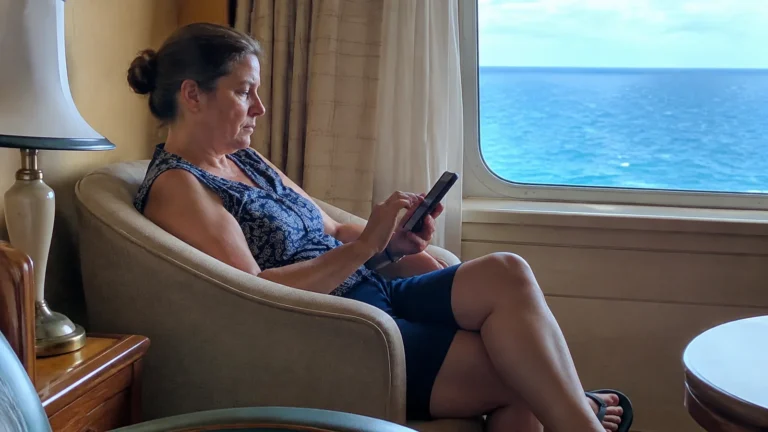
Reserve some time with no activity at all. A balcony is lovely, but even an inside-cabin guest can find public sea views without paying for a private one.
Plan Port Days Backward From All-Aboard
Ship time and local time can differ, so follow the ship’s official instruction. Photograph the port information and keep the day’s emergency contact with you.
Work backward from all-aboard time, add transportation and traffic margin, and place the farthest activity first. A beach near the pier belongs at the end of the day, not before an excursion two hours inland.
Ship-sponsored excursions usually offer simpler coordination when an itinerary changes, while independent tours can offer smaller groups or different routes. Compare cancellation terms, accessibility, total travel time, and return responsibility rather than treating either format as universally superior.
If exploring alone, download an offline map and know the correct pier before leaving. The broader checklist in these cruise travel tips is especially helpful in tender ports and places with multiple terminals.
Protect Your Health Without Becoming Anxious
Bring enough prescription medicine for the trip plus a reasonable delay, packed in your carry-on and consistent with destination rules. Include a basic health kit tailored to you, not a miniature pharmacy copied from a stranger’s list.
The CDC’s cruise-travel guidance recommends pre-trip health planning, careful handwashing, and reporting illness to the ship’s medical center. It also reminds travelers that respiratory illness, gastrointestinal illness, sun exposure, and motion sickness can occur aboard.
Wash with soap and water before eating and after using the restroom. Hand sanitizer is useful, but it does not replace proper handwashing for every pathogen.
If you are prone to motion sickness, talk with a clinician or pharmacist before sailing. The best time to understand side effects is before the ship moves, not after nausea begins.
Be Realistic About Internet
Ship Wi-Fi has improved, but speed and reliability vary by vessel, location, weather, demand, package, and blocked services. Do not promise an employer a flawless video call from the middle of the ocean.
Download entertainment, authentication backups, maps, confirmations, and important files before sailing. If you must work, identify port-based backup options and avoid handling sensitive information on unsecured public networks.
Small Cabin Habits Make a Big Difference
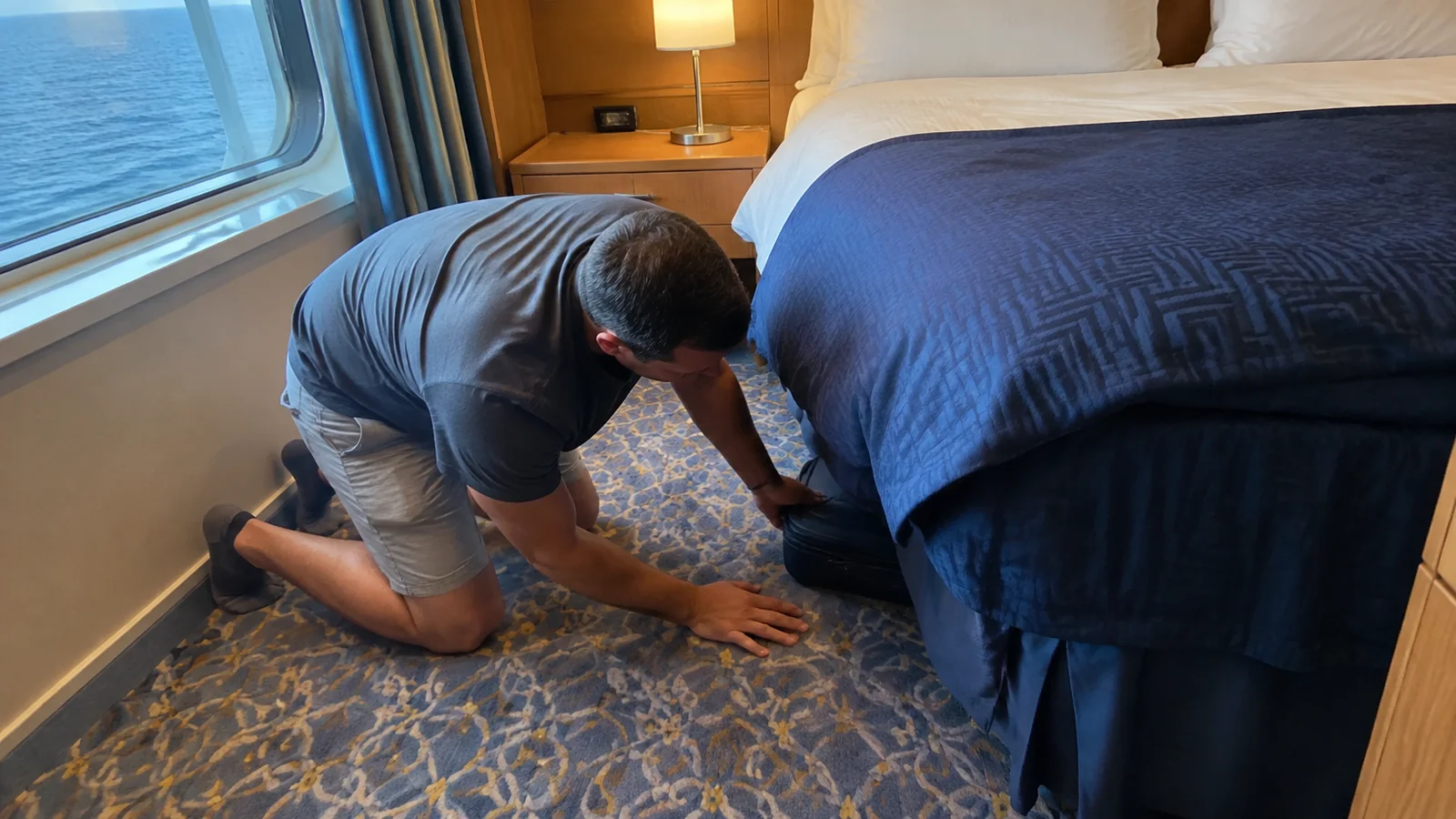
Unpack, store suitcases out of the walkway, and give every small item one home. A cabin feels cramped fastest when shoes, charging cords, and day bags migrate across every surface.
Use only organizers, hooks, and electrical accessories permitted by the line. Keep sprinklers, vents, corridors, and emergency information completely unobstructed.
Ask the steward early for reasonable needs such as extra hangers or a bedding adjustment. Kind, specific requests work better than waiting several days while a solvable issue becomes an irritation.
Make Disembarkation Boring
Review the account, settle questions, confirm luggage instructions, and choose transport before the final evening gets busy. Pack most items before dinner so the last night still feels like vacation.
Do not book a flight based only on the ship’s scheduled arrival. Clearance, gangways, luggage, customs, traffic, and airport security all sit between docking and the gate.
Self-assist departure can be fast only if you can safely manage every bag through corridors, elevators, gangways, and transportation. Otherwise, checked disembarkation luggage may be the calmer choice.
The Cruise Tips That Matter Most
Choose the right ship, price the complete trip, verify documents, arrive early, carry essentials, study your cabin, protect port-day margin, and monitor spending. Those decisions prevent more trouble than a suitcase full of gadgets.
Leave room for weather, schedule changes, and an afternoon you did not plan. A well-prepared cruise should feel easier, not more controlled.