How to Choose the Best Sunset Cruise for Your Trip
A sunset cruise can be the easiest romantic evening on vacation, or an expensive two hours spent facing the wrong direction behind a crowded rail. The best choice depends less on a glowing photo and more on route, boat style, season, weather policy, and the experience you want after the sun disappears.
What Kind of Sunset Cruise Is Best?
Start with the mood, not the destination’s longest list of operators. A quiet sail, lively catamaran, dinner boat, and private charter can leave the same marina yet feel like four unrelated evenings.
- Best for couples: A small-group sail with comfortable seating and limited amplified music
- Best for friends: A stable catamaran with a social deck and clearly stated drink policy
- Best for families: A shorter, restroom-equipped cruise with railings and age-appropriate life jackets
- Best for dinner: A dining vessel where the menu and window or deck access matter as much as the route
- Best for privacy: A legal private charter sized honestly for your group
- Best for motion-sensitive guests: A sheltered harbor or river cruise on a larger vessel
Choose the Destination Before the Boat
Tropical island coasts
Hawaii, the Florida Keys, the Caribbean, Mexico, and similar island destinations sell the classic open-water sunset: warm light, broad horizon, and the possibility of sails or swimming. These routes can also bring ocean swell, spray, strong trade winds, and a wet boarding.
Ask whether the boat stays in sheltered water or rounds a point into open sea. A beautiful offshore route is worth it for some travelers, while others will enjoy a calmer bay far more.
City harbors
New York, San Francisco, Boston, Chicago, Sydney, and other waterfront cities add skylines, bridges, and evening lights to the sunset. The best view may arrive after official sunset, so a cruise that returns immediately afterward can miss half the appeal.
Check the route rather than relying on a skyline collage. Harbor traffic, security zones, wind, and docking assignments can alter how close a vessel gets to a landmark.
Rivers and canals
A river sunset cruise usually trades a wide horizon for architecture, reflected light, and smoother water. It is a strong choice for motion-sensitive travelers and anyone who prefers narration or dinner over sailing.
Buildings, bends, and bridges may block the actual moment the sun meets the horizon. Here, the hour around sunset matters more than an unobstructed solar view.
Lakes and mountain settings
Lake cruises can pair calm water with mountains, forests, or desert cliffs, yet conditions can change quickly. Evening temperatures often drop sharply once the sun slips behind surrounding terrain.
The advertised sunset time may be later than the moment the sun disappears behind a ridge. Ask whether the operator schedules around local topography rather than only the published astronomical time.
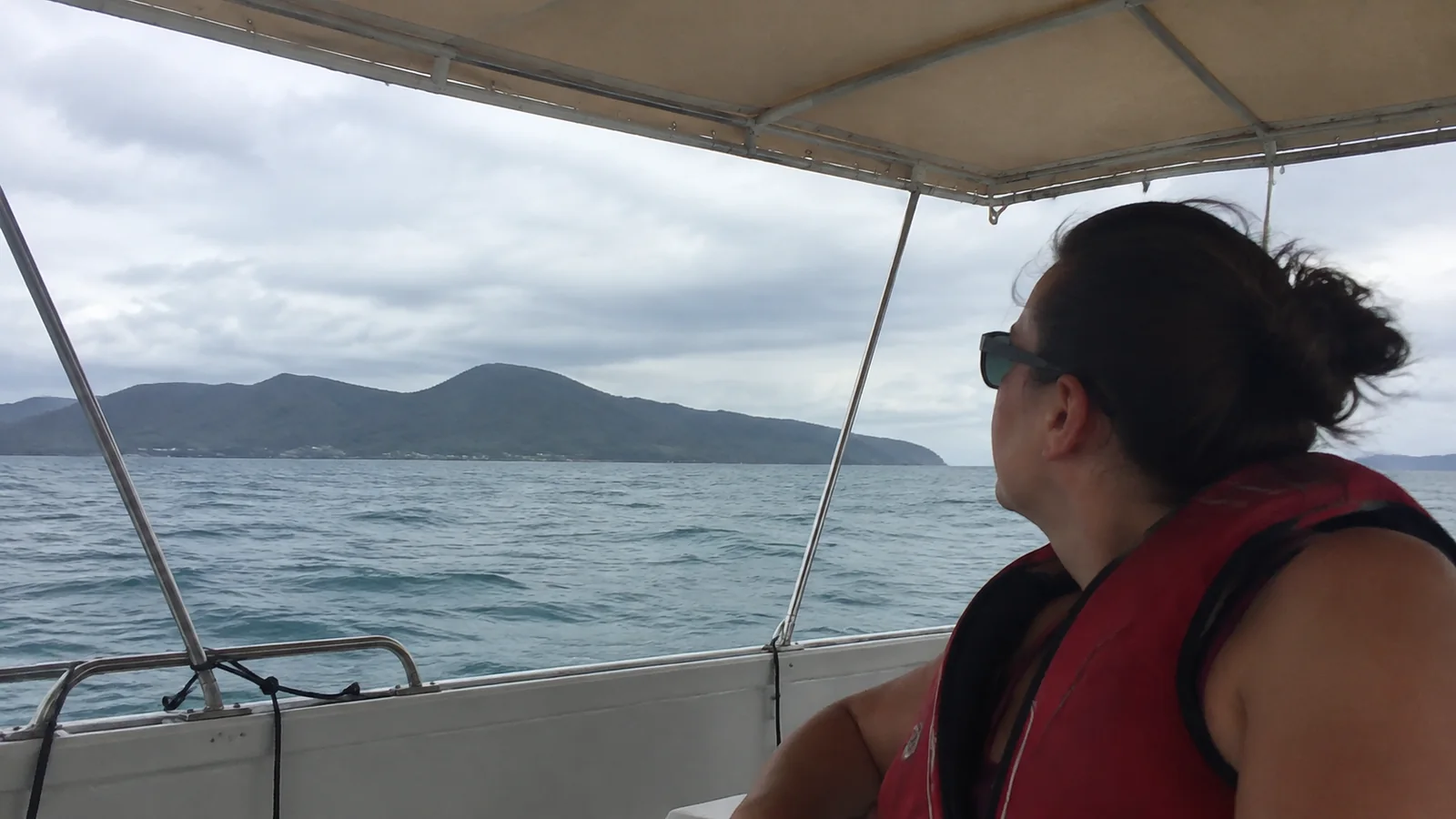
Match the Vessel to Your Priorities
Sailboat
A monohull sailboat feels intimate and wonderfully quiet when the engine goes off. It can heel, offer limited shade and restroom space, and require more balance while moving around.
Choose it for the sensation of sailing, not for guaranteed silence or a specific course. Wind direction may shape the route, and the captain may use the engine when safety or timing requires it.
Catamaran
A catamaran often provides more deck area and less heeling than a monohull, making it popular for groups. It can still move in swell, and “spacious” means little without the passenger capacity and seating plan.
Ask whether every guest has a real seat and whether netting, bow cushions, or upper decks are accessible during the whole trip. Promotional photos sometimes show areas that close in rough conditions.
Motor yacht or small charter boat
A motor vessel can cover more coastline and offer a private itinerary. The tradeoffs are engine noise, fuel smell for sensitive guests, and a larger price jump when the fare is divided among only a few people.
Confirm the legal passenger limit before inviting friends. More bodies do not simply make a private charter cheaper if the vessel or captain is not authorized to carry them.
Dinner boat
Dinner cruises prioritize a meal, assigned seating, and an evening program. They suit celebrations and multigenerational groups, but window location, service timing, and deck access can affect the sunset view.
Look for a sample menu, dietary process, dress expectations, service charges, and the difference between “dinner included” and food sold aboard. If the sunset is the main event, do not let the entrée arrive at the exact moment everyone wants to be outside.
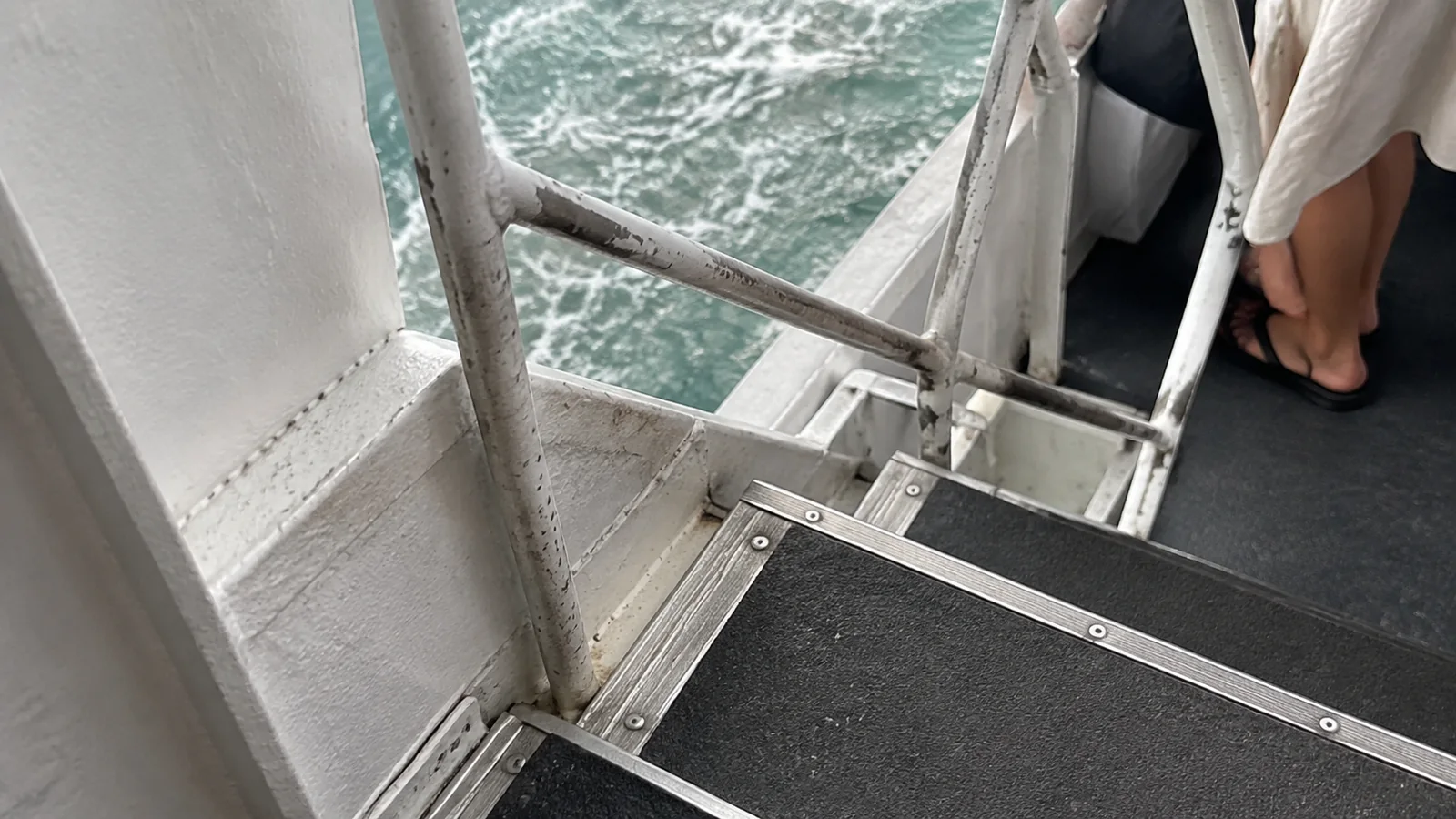
Seven Questions to Ask Before Booking
- Where does the route face at sunset? A west-facing coastline helps, but landmarks and geography may matter more.
- How many passengers can board? Compare that number with available seating and open rail space.
- Is the trip sheltered or offshore? This shapes motion, wind, spray, and cancellation risk.
- What happens in poor weather? Get the cancellation, rescheduling, and refund rules in writing.
- What is actually included? Separate drinks, dinner, gratuities, port fees, transport, and photographs.
- How is accessibility handled? Ask about the dock, gangway, toilets, seating, and every level used.
- Who operates the boat? A marketplace listing may be a reseller rather than the company responsible on the water.
How to Check a Charter’s Safety
In the United States, ask a paid charter operator about the captain’s Merchant Mariner Credential and the vessel’s authorized passenger capacity. An August 2026 U.S. Coast Guard warning says illegal charters may lack a properly credentialed captain, required inspection, drug and alcohol testing, or safety equipment.
For larger U.S. charters, ask whether a Coast Guard Certificate of Inspection is required and available. Outside the United States, look up the local maritime authority and ask the operator which passenger-vessel license, inspection, and insurance rules apply.
There should be an appropriate wearable life jacket for each guest. The Coast Guard’s boating guidance emphasizes approved, serviceable, properly sized flotation devices, and children or specific activities may have stricter wear rules.
Listen to the safety briefing even when the water looks glassy. Note exits, life-jacket locations, rail rules, and crew instructions before opening the champagne.
Weather and Cancellation Reality
A cloud deck can erase the orange horizon without making the cruise unsafe, while clear skies can still arrive with uncomfortable wind or swell. Operators cancel for conditions, not for your preferred photograph.
Check the operator’s update and the relevant National Weather Service marine forecast for U.S. waters. A generic phone weather icon does not explain coastal wind, waves, advisories, or thunderstorms along the route.
A fair policy should explain operator cancellation, guest cancellation, rescheduling, and what happens when the cruise sails under cloudy skies. “Sunset cruise” describes the timing, not a guarantee that the sun will be visible.
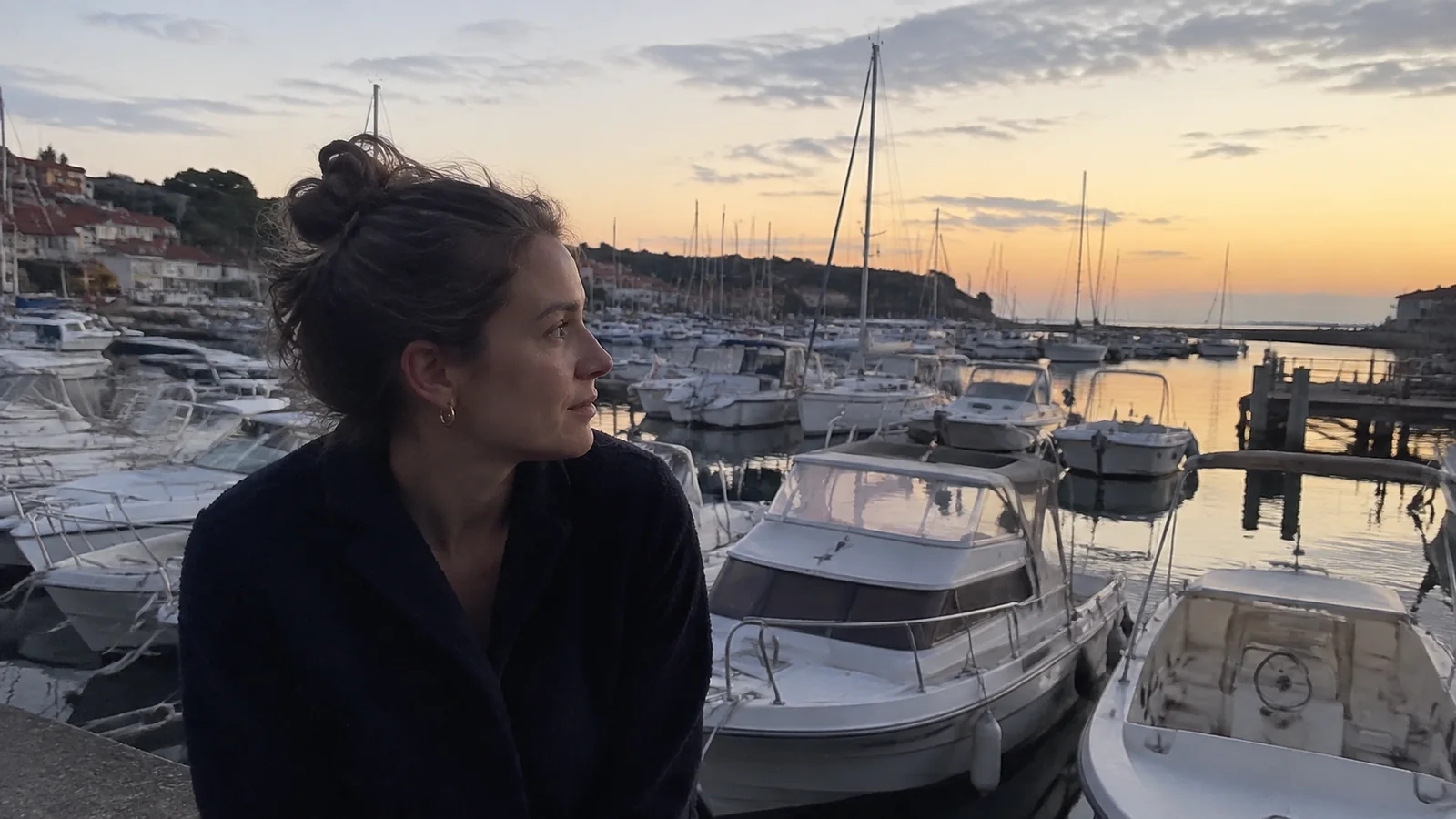
Motion Sickness on a Short Cruise
Two hours is long enough to feel miserable if you are susceptible and the boat reaches open water. Choose the larger or more stable vessel, remain where you can see the horizon, and avoid reading or scrolling once underway.
The CDC Yellow Book notes that a horizon view and reduced visual scanning can help, while motion-sickness medicines have side effects and contraindications. Ask a clinician or pharmacist what is appropriate for you, and test any medicine before vacation rather than beside the dock.
Accessibility Is More Than Boarding
A step-free marina does not guarantee a step-free vessel. Tides can change gangway slopes, small-boat toilets may be narrow, and the best viewing deck may require stairs.
- Can my mobility device cross the gangway and remain with me?
- Is there an accessible restroom aboard?
- Is sheltered seating available without steps?
- Will crew provide physical assistance, and what are their limits?
- Can a service animal be accommodated under local rules?
- What happens if conditions make boarding unsafe?
Describe your exact device and transfer needs to the operator before paying. A candid “this boat will not work” is far more useful than a vague assurance followed by an impossible gangway.
Drinks, Dinner, and the Real Price
An “open bar” may mean beer, wine, and simple mixed drinks rather than premium liquor. Ask about duration, nonalcoholic choices, minimum drinking age, identification, and whether outside beverages are prohibited.
Alcohol, heat, dehydration, and motion are an unhelpful combination. Eat beforehand if food is limited, drink water, and keep enough judgment to move safely on a darkening deck.
Compare the final checkout price, not the first advertised number. Taxes, marina fees, fuel surcharges, mandatory service charges, hotel transfers, parking, and gratuities can change the ranking.
Private charters become competitive for a full group, while solo travelers usually get better value on a shared departure. The same total-cost thinking used in these budget travel tips prevents a “cheap” cruise from collecting expensive extras.
What to Wear and Bring
- Flat shoes with grippy soles
- A light windproof layer, even in warm climates
- Sunscreen and sunglasses for the first half of the trip
- A secure phone strap or compact camera wrist strap
- Motion-sickness supplies selected with professional advice
- Identification and a small payment method
- A dry pouch if spray is possible
Skip floppy hats, dragging scarves, and anything that needs constant adjustment in wind. A short version of this cruise packing list is plenty for a two-hour outing.
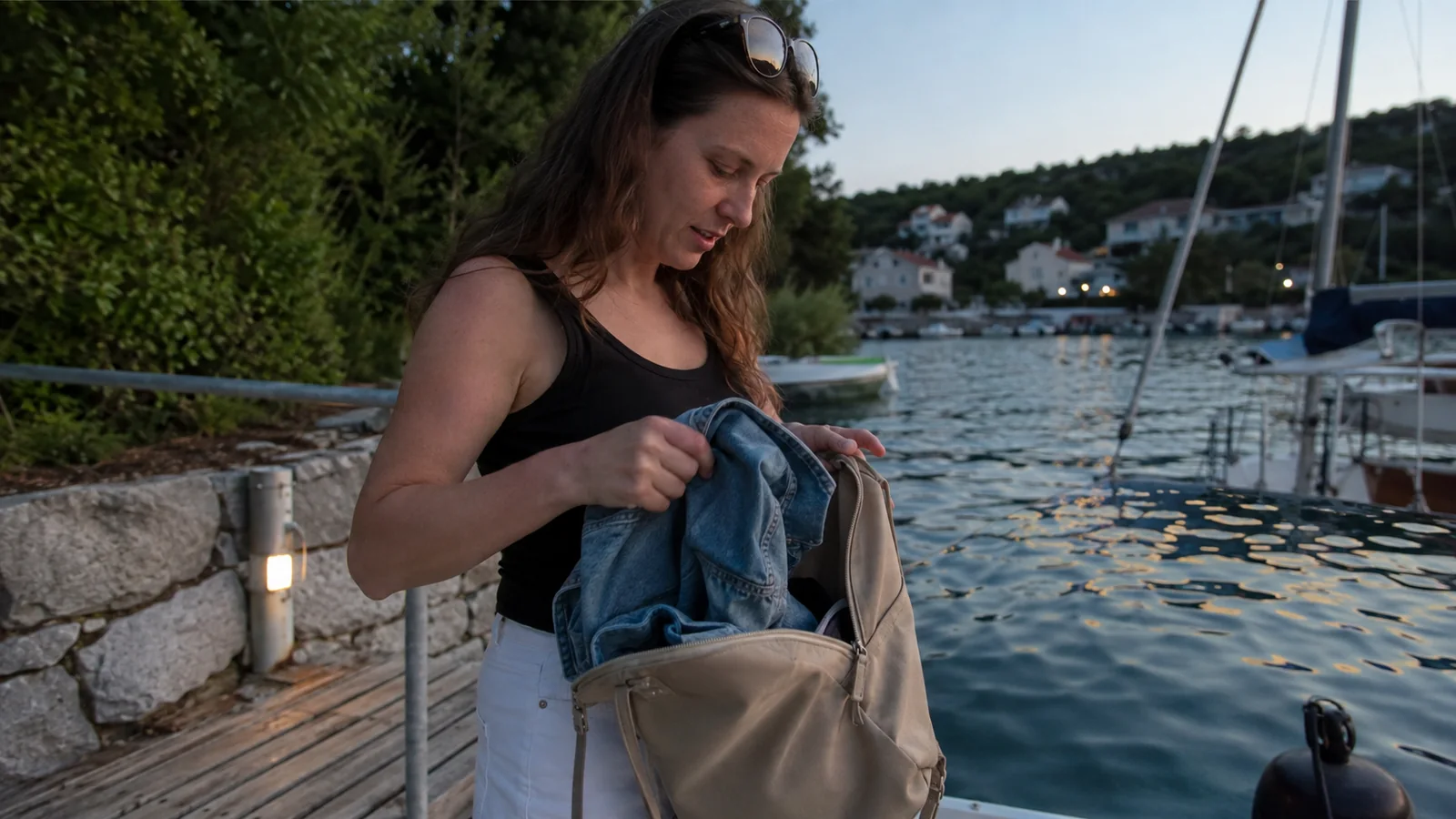
Photography Without Missing the Evening
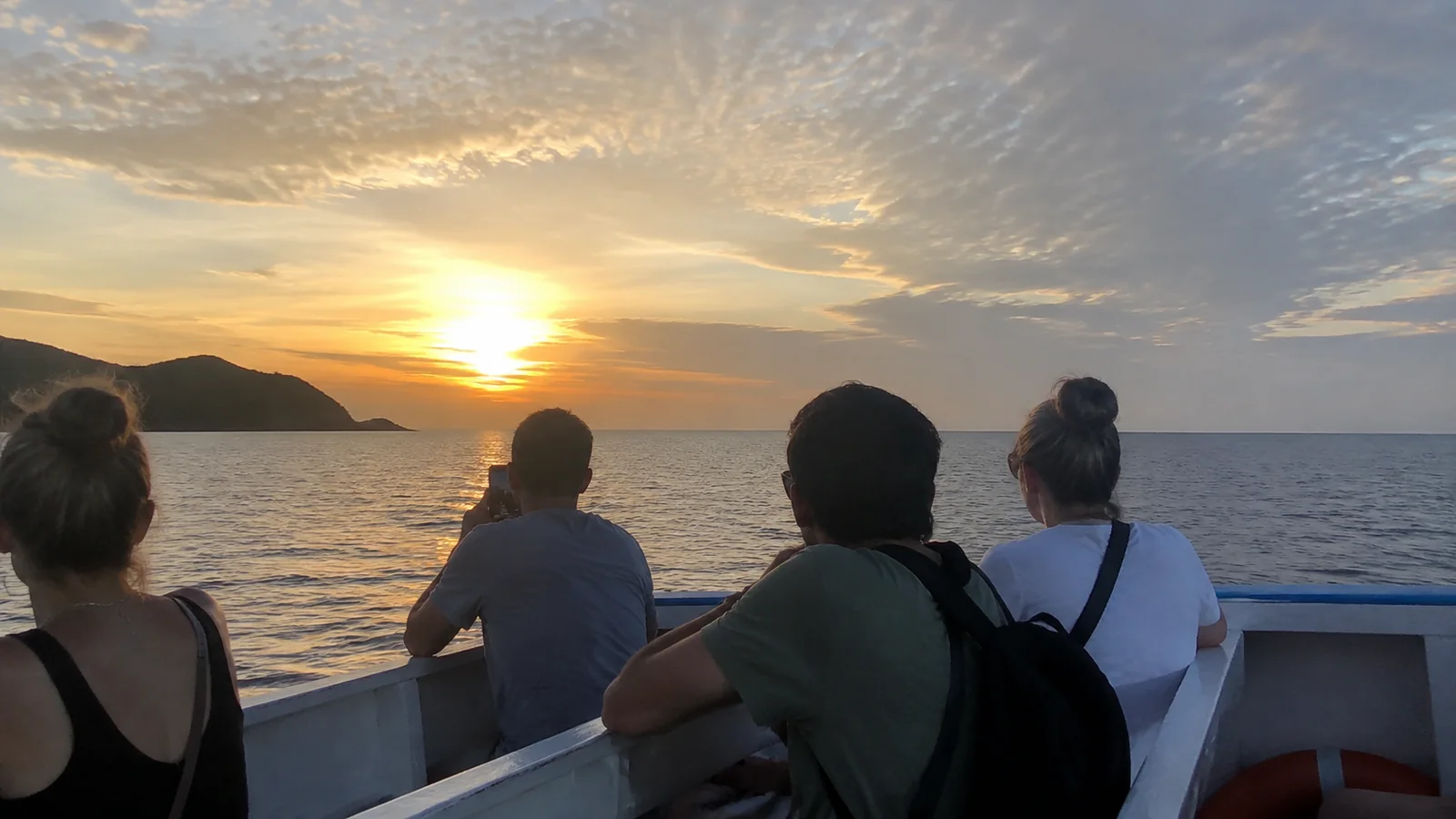
Board early enough to understand the deck layout, then ask crew which side usually gets the cleanest view. Do not claim a rail spot for the entire cruise when other passengers are also trying to see.
Lower your phone’s exposure slightly to protect color in the sky, clean the lens, and take a few photographs before putting it away. The best part is often the blue hour after sunset, when city lights or silhouettes become more dramatic.
Booking a Sunset Cruise During a Larger Cruise
A sunset sailing rarely fits a daytime port call because your ship may leave before dusk. It works better before embarkation, after disembarkation, or during an overnight port stay.
Never book an evening excursion that returns close to your ship’s all-aboard time. These cruise planning checks help separate an appealing shore idea from one with an irresponsible return margin.
My Simple Booking Formula
For couples, I would prioritize a 90-minute to three-hour small-group trip with real seating, an outdoor view, a clear weather policy, and no pressure to turn the evening into a party. For families, I would choose the most sheltered route with restrooms, railings, and a duration everyone can handle.
For a celebration, a private charter is worth comparing only after licensing, legal capacity, food rules, accessibility, and the complete price are confirmed. For motion-sensitive travelers, the calmest river or harbor often creates a better memory than the most photogenic offshore sail.
The Bottom Line
The best sunset cruise fits your group before it fits your camera roll. Match destination, water conditions, vessel, passenger count, accessibility, food, music, and safety oversight to the evening you actually want.
Book the operator whose answers are specific and whose policies are easy to understand. Then bring a layer, leave room for imperfect weather, and stay aboard long enough to enjoy the light after the sun is gone.