Norwegian Joy Rooms to Avoid: Specific Cabins & Better Picks
I love having good food and live music close by on Norwegian Joy, but I’d rather walk to them than discover them through my cabin floor.
These are the room numbers and layout surprises I’d sort out before letting a tempting fare choose my bedroom for the week.
Norwegian Joy rooms to compare first
- 15082, 15086 and 15088: forward port-side Deck 15 rooms beneath the Garden Café area.
- 15166, 15168 and 15170: Deck 15 examples below the kids’ water-play and pool-deck section.
- 15240, 15242 and 15246: aft port-side rooms beneath the Entourage teen-space area.
- 8152, 8156, 8752 and 8756: forward Deck 8 rooms above Joy Theater.
- 9206 and 9208: Deck 9 rooms above The District Brewhouse.
- 9270, 9272, 9276 and 9278: port-side Deck 9 examples over The Cavern Club area.
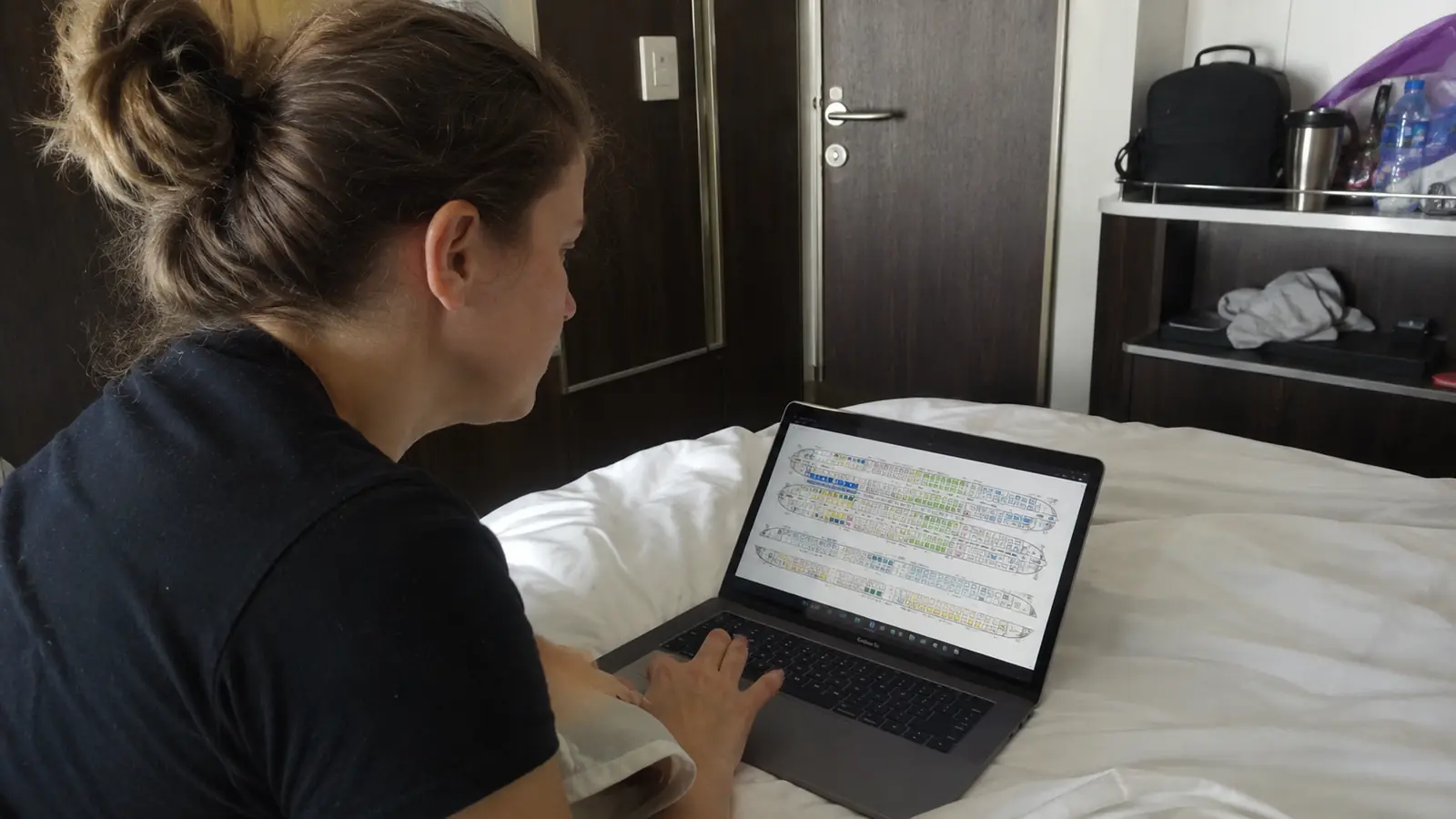
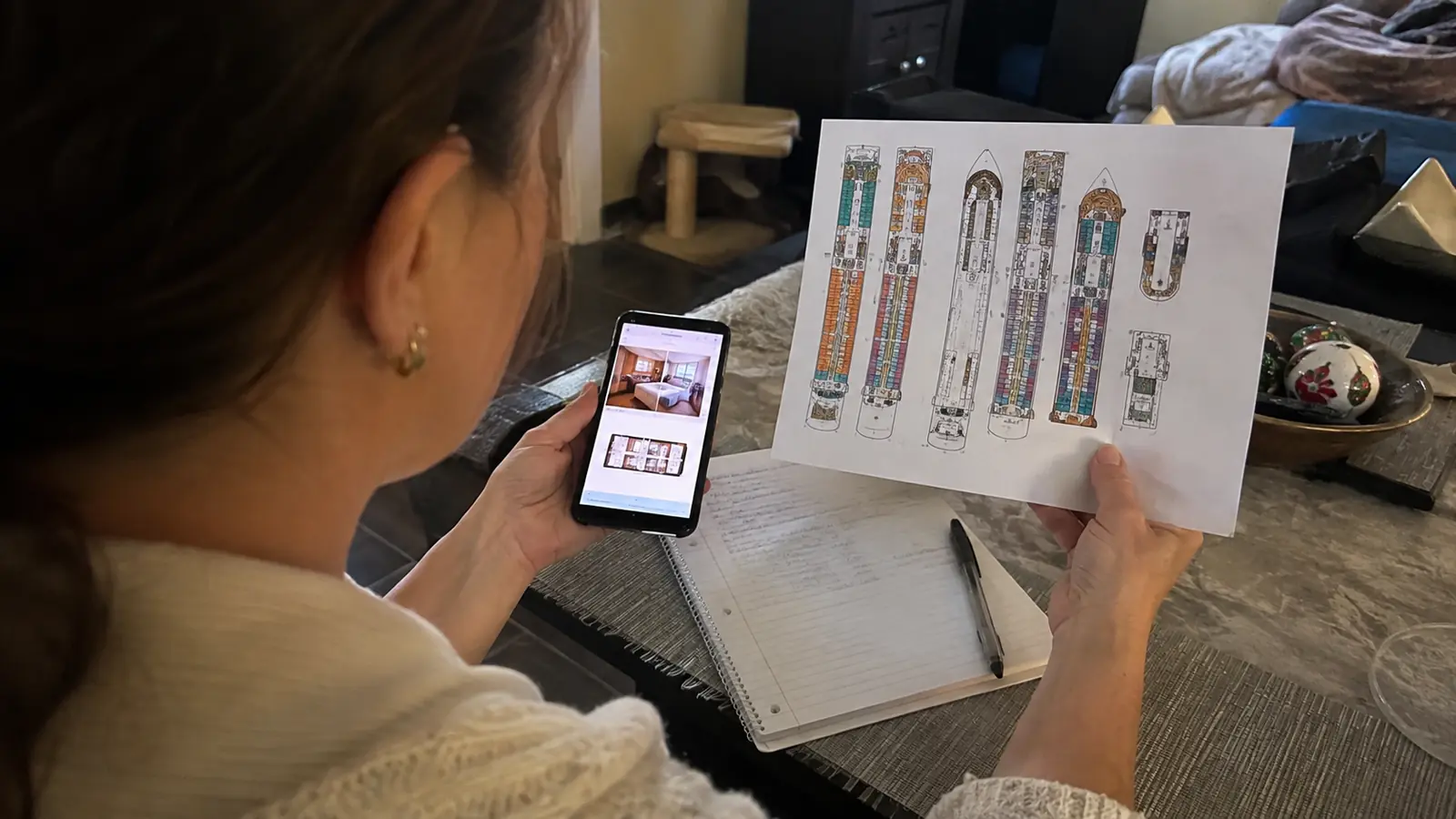
Choose differently around those venues when early nights, naps or quiet mornings are important, without pretending every room is proven noisy. Keep the official Joy deck plans beside the booking screen so the exact room, category and neighboring spaces stay connected.
15082, 15086 and 15088: Garden Café is above you
These port-side Deck 15 rooms sit below the forward Garden Café section on Deck 16. Think twice before booking them for someone who wants the cabin to stay restful through breakfast preparation and service.
The possible disturbance is the everyday movement involved in running a buffet, not a nightclub operating all night. Chairs, footsteps and preparation can still matter when your own plan is to sleep in.
Joy’s buffet is forward, which is why I’d not borrow a warning list from another Norwegian ship without checking the layout. The nearby Observation Lounge also changes how much of Deck 15 is accommodation.
My alternative: move to a residential section on Deck 11 or 12, with another cabin immediately overhead. If the lounge and breakfast access are the main reasons you want Deck 15, decide whether those short walks outweigh the ceiling arrangement for your routine.
15166, 15168 and 15170: water-play activity overhead
Farther along Deck 15, these port-side rooms line up with the kids’ water-play and nearby pool-deck area above. They need a different assessment from the rooms below Garden Café.
Avoid this overlap for someone who wants to nap while the outdoor decks are busy. People moving around, furniture handling and setup are the practical concerns, rather than assuming every room below a pool hears the same thing.
A family making repeated trips between the room and the water areas may appreciate the location. Still compare it with a cabin a few levels lower before paying extra simply for upper-deck convenience.
My alternative: use Deck 11 rooms such as 11244 and 11844 as examples of a midship residential setting. Their surrounding cabin decks are the advantage I am looking for, with the actual bed count and connecting symbol checked separately.
15240, 15242 and 15246: Entourage above the aft rooms
These aft port-side Deck 15 examples sit beneath the Entourage area on Deck 16. Compare them with lower accommodation before choosing a room for a couple who tends to turn in early.
A teen space has a different use from a spa treatment room, even though both appear in the aft public-deck layout. That distinction is more helpful than treating every aft room as though it has the same neighbor.
Not extend this warning automatically to the matching starboard numbers, because the public spaces above the opposite side differ. Moving sideways can change the venue relationship, while moving down can add a whole accommodation level as a buffer.
My alternative: compare a suitable aft room lower down if you want the stern end of the ship, or choose a central cabin when walking distance matters more. Keep the actual ceiling on the shortlist instead of deciding from the cabin category alone.
8152, 8156, 8752 and 8756: Joy Theater below
These forward Deck 8 rooms sit above the Joy Theater area on Deck 7. Pass over that arrangement for an early bedtime when an otherwise comparable room has accommodation underneath.
The possible issue is performance or rehearsal sound traveling from the venue below. It is not a reason to declare all of Deck 8 unsuitable, particularly for someone who plans to stay out through the evening entertainment.
The lower location and access to The Waterfront can be appealing, so I understand why these rooms attract attention. Just avoid letting a larger-looking balcony distract me from what is under the bedroom.
My alternative: compare a forward room on Deck 9 where Deck 8 accommodation provides a buffer, then weigh the forward position against your motion preferences. Moving farther toward midship may be the better choice when both sleep and movement are concerns.
9206 and 9208: The District Brewhouse is the neighbor below
These port-side Deck 9 rooms line up with The District Brewhouse on Deck 8. For someone who wants an early night, I’d compare them with a room one level higher before accepting the location.
A lively bar is a more relevant potential sound source than the simple fact that a room sits near an elevator. Rather keep a convenient elevator route and change the floor below the cabin.
Across the ship, Food Republic creates a different setting, so the same warning should not be copied automatically onto the opposite row. Room numbers need to be matched to the actual side and venue.
My alternative: move to a checked Deck 10 or 11 room with accommodation below. A modest difference in fare would be worth it to me when the room needs to be my escape from the evening scene.
9270, 9272, 9276 and 9278: above The Cavern Club area
This port-side Deck 9 group lines up with The Cavern Club area below. Put it ahead of ordinary restaurant-adjacent rooms on a light sleeper’s comparison list because the venue is built around live entertainment.
You do not have to prove that every guest hears bass to make a sensible booking decision. When the price and room type are similar, I’d simply choose accommodation beneath me instead.
My alternative: compare Deck 10 or 11 in the same general section, with rooms both above and below. My floor-plan guide explains how to line up the elevator shafts when the plans are shown at different scales.
Deck 9 also has quieter-looking residential stretches and other sections above dining, shops and circulation. Those deserve their own comparison rather than inheriting a warning meant for a particular music venue.
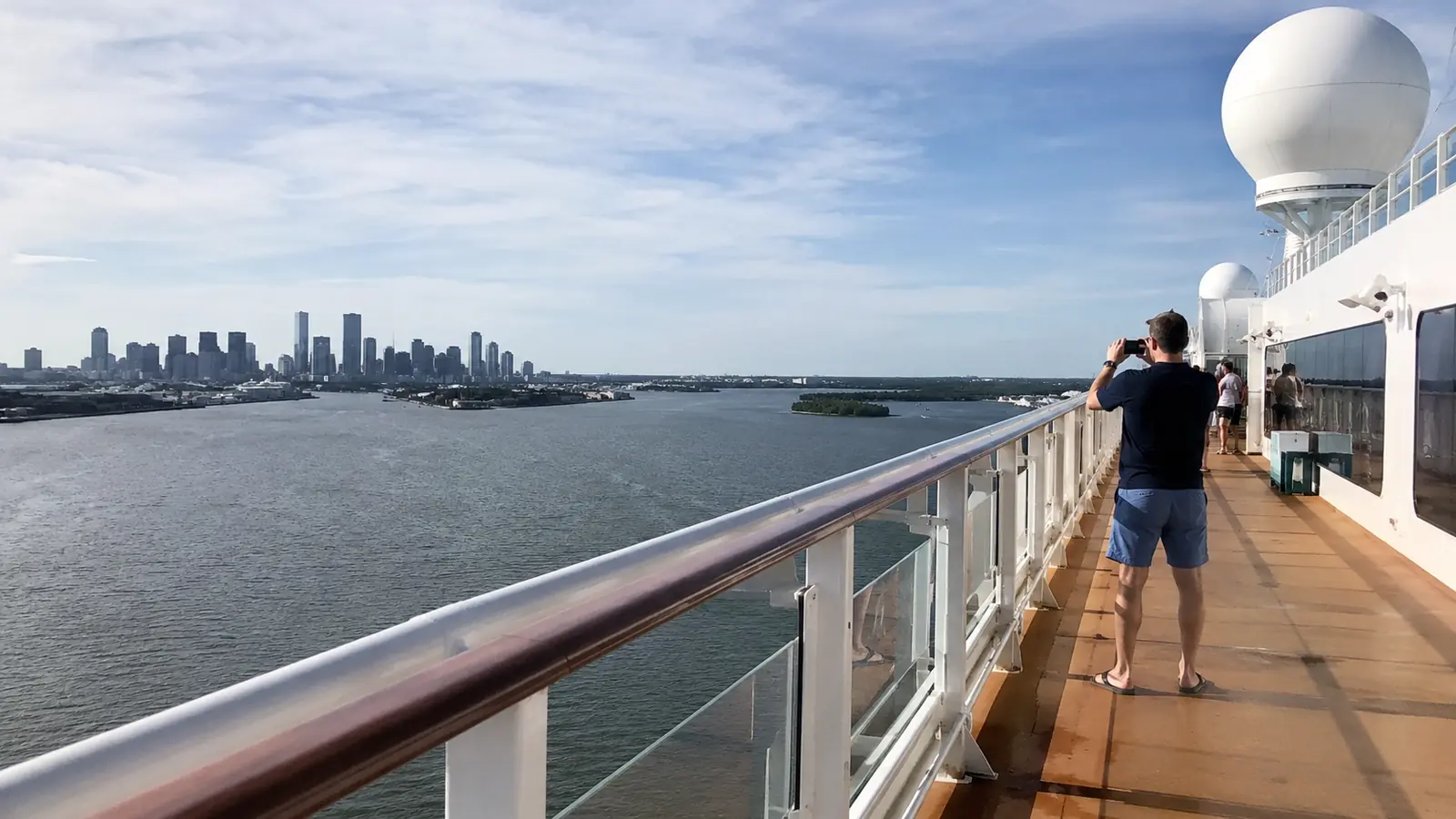
Family Suites and virtual balconies: space is not daylight
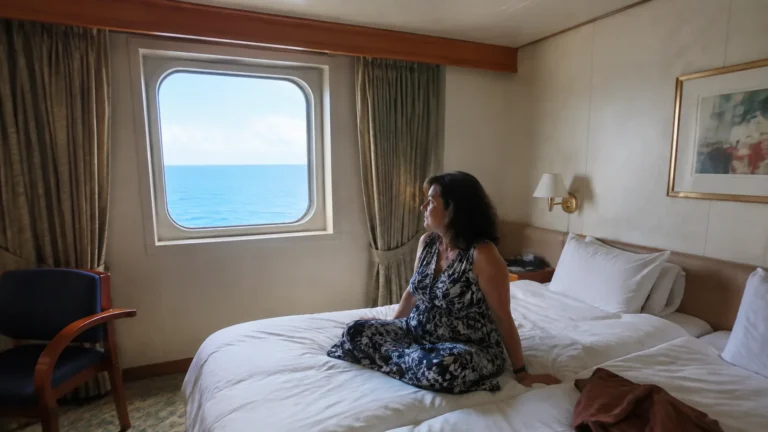
Joy’s Family Suite category SP is an interior-suite option with a virtual balcony, not a physical opening to the ocean. Avoid it when a real window or a separate outdoor balcony is the reason for spending more.
It can still be an attractive family purchase when interior space is the priority. The mistake is comparing it with a true balcony room as though both deliver the same natural light and outdoor experience.
Use NCL’s Joy room descriptions to separate Family Suite, Club Balcony Suite and The Haven. Those names describe different products and should not be treated as interchangeable upgrades.
Also compare the deployed beds and bathroom routine before putting four adults into one small interior. Two rooms can be the more useful upgrade when the extra bathroom and separation matter more than keeping everyone together.
BX and OX guarantees: the saving buys less control
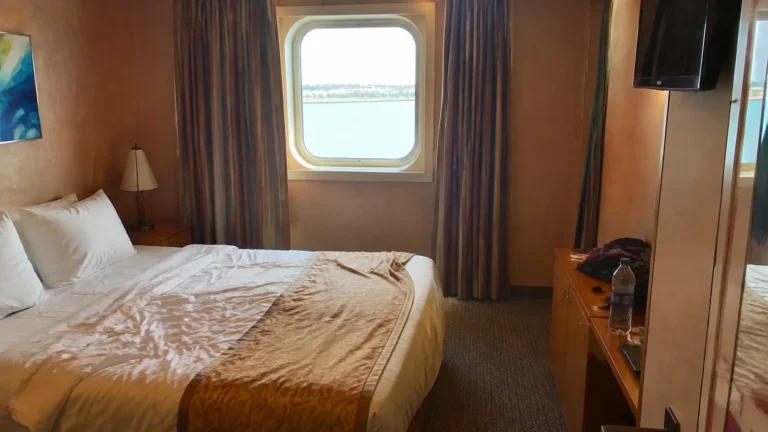
NCL’s Guarantee Balcony category BX allows a partially or fully obstructed balcony view, while Guarantee Oceanview OX can include different window types and restricted outlooks. Not book either expecting to preserve a particular view from a generic category photograph.
These are fare conditions, not proof that every ordinary balcony or oceanview is obstructed. The useful question is whether you would genuinely enjoy the least appealing assignment permitted by the offer.
Choose my room number when a public venue overhead, a long walk or an unwanted view would spoil the bargain. My guarantee cabin guide helps compare the saving with the control you give up.
The same logic applies to an upgrade offer: a more expensive category is not automatically a better room for you. Keep a well-positioned cabin rather than accept an unknown location purely for the label.
Connections, access and the view at the ends of the ship
A connecting door is useful when your family occupies both rooms; otherwise, I favor an equally suitable non-connecting choice. Check the exact pair on the plan instead of assuming neighboring numbers provide an internal connection.
Happily choose a room a short turn from an elevator, especially when walking stamina matters. A door directly facing a gathering area is a different concern from simply having an elevator nearby.
For disability-related features, use NCL’s accessibility guidance and confirm the room with the Access Desk. Appropriate bathroom access, clearances and routes come before generic quiet-cabin preferences.
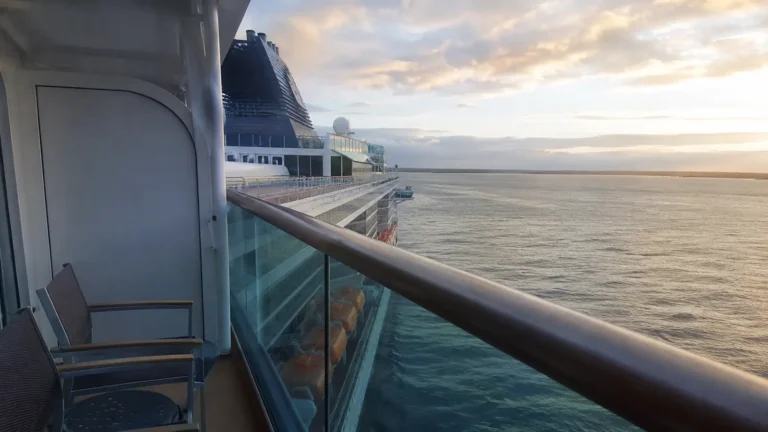
Aft balconies are worth considering for the wake view, but I’d compare the actual outdoor dimensions and the walk to the forward venues. Favor a central position when movement is the deciding concern, using my seasickness guide alongside the cabin plan.
The Norwegian Joy room that makes the most sense
My first comparison would be a central room on Deck 10, 11 or 12 with accommodation directly above and below. Rooms 11244 and 11844 illustrate the Deck 11 setting I’d compare against the buffet, pool and music-venue examples above.
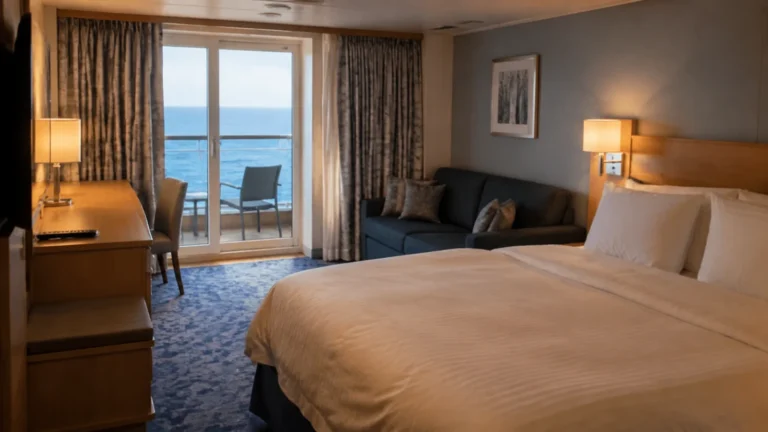
Then I’d check the actual balcony or window, beds, connection status and route to the places I expect to use most. That is a more useful shopping order than choosing the highest deck or the biggest category name first.
My cabin-selection guide covers the wider tradeoffs. On Joy, I’d settle the room’s relationship to Garden Café, the water areas, Entourage, Joy Theater and the Deck 8 music venues before handing over the deposit.