Maryland Getaways: An Unexpected Escape for Every Trip
Maryland is an unusually efficient escape: historic cities, Chesapeake towns, Atlantic beach, mountain trails, and national landmarks fit inside one small state. The trick is choosing one region for the weekend, because crossing the Bay Bridge or driving to the western mountains can turn an easy trip into hours of traffic.
Why Maryland Works for a Short Escape
Maryland sits within driving distance of Washington, Philadelphia, northern Virginia, Delaware, and much of Pennsylvania. Baltimore/Washington International Airport and the Northeast rail corridor make the central region accessible without a car, while the Eastern Shore and western mountains reward travelers who drive.
The state tourism office divides Maryland into five regions: Western, Capital, Central, Southern, and Eastern Shore. For visitors, the more useful choice is between seven trip styles, each with its own best season, transport, and pace.
1. Annapolis and the Chesapeake Bay
Best for: A couples weekend, maritime history, sailing, and a walkable small-city base.
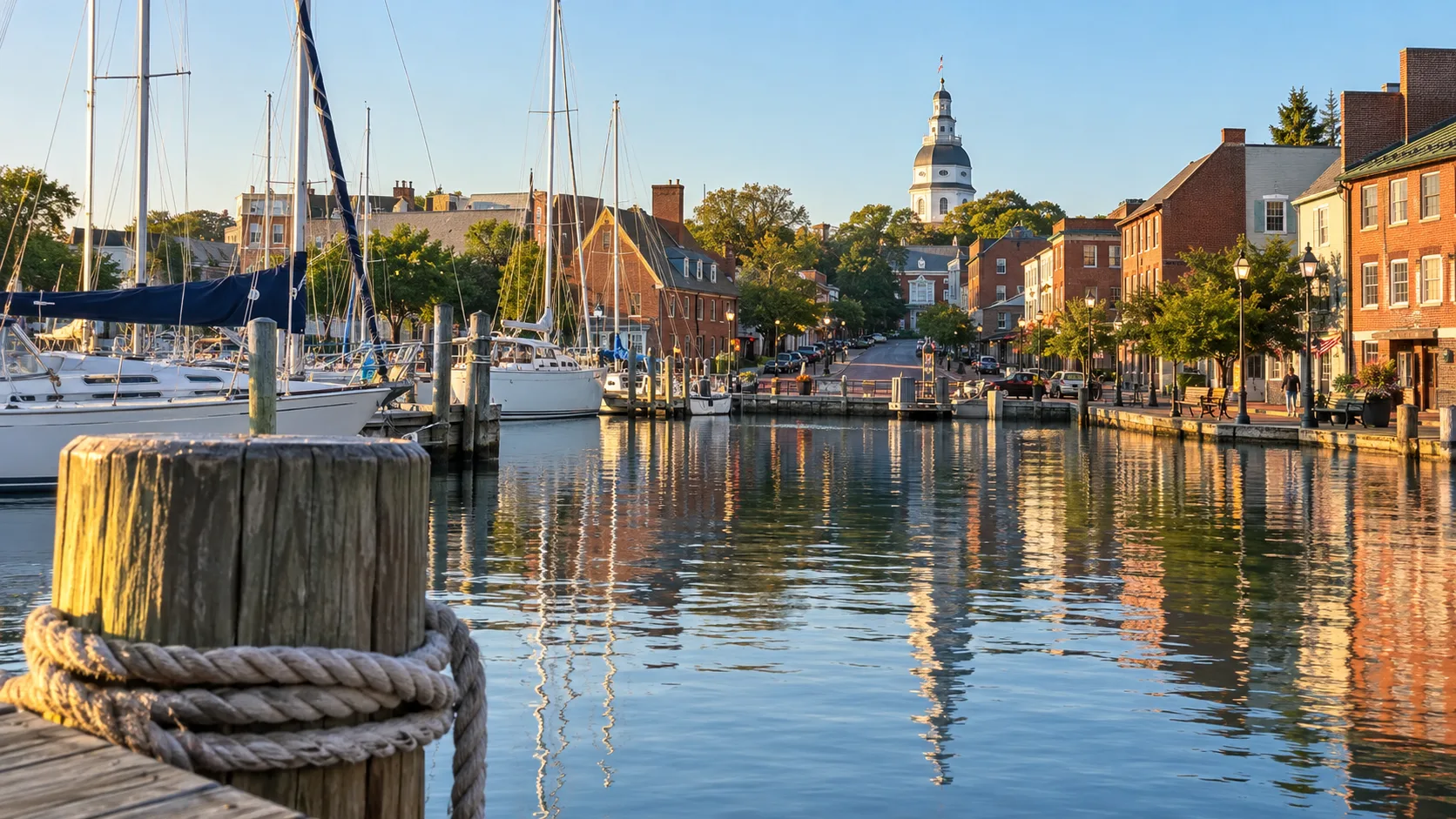
Annapolis gives you brick streets, the Maryland State House, United States Naval Academy surroundings, waterfront dining, and easy access to the Chesapeake in a compact center. It feels polished but not oversized, making two nights enough for a satisfying break.
Start with the historic district and City Dock, then choose one museum, guided walk, or boat trip. The city becomes far less relaxing when you try to add Baltimore, Assateague, and St. Michaels to the same weekend.
The tradeoff
Downtown lodging and parking can be expensive, especially during commissioning, boat shows, football weekends, and festivals. Stay within walking distance if the budget allows, or confirm garage and shuttle plans before arrival.
Best season
Late spring and early fall are strongest for walking and time on the water, though major events can raise prices. Summer is lively and humid, while winter offers quiet streets but fewer boat operations.
2. Baltimore for Food, Art, and History
Best for: Museums, neighborhoods, baseball, live music, and a city weekend without a rental car.
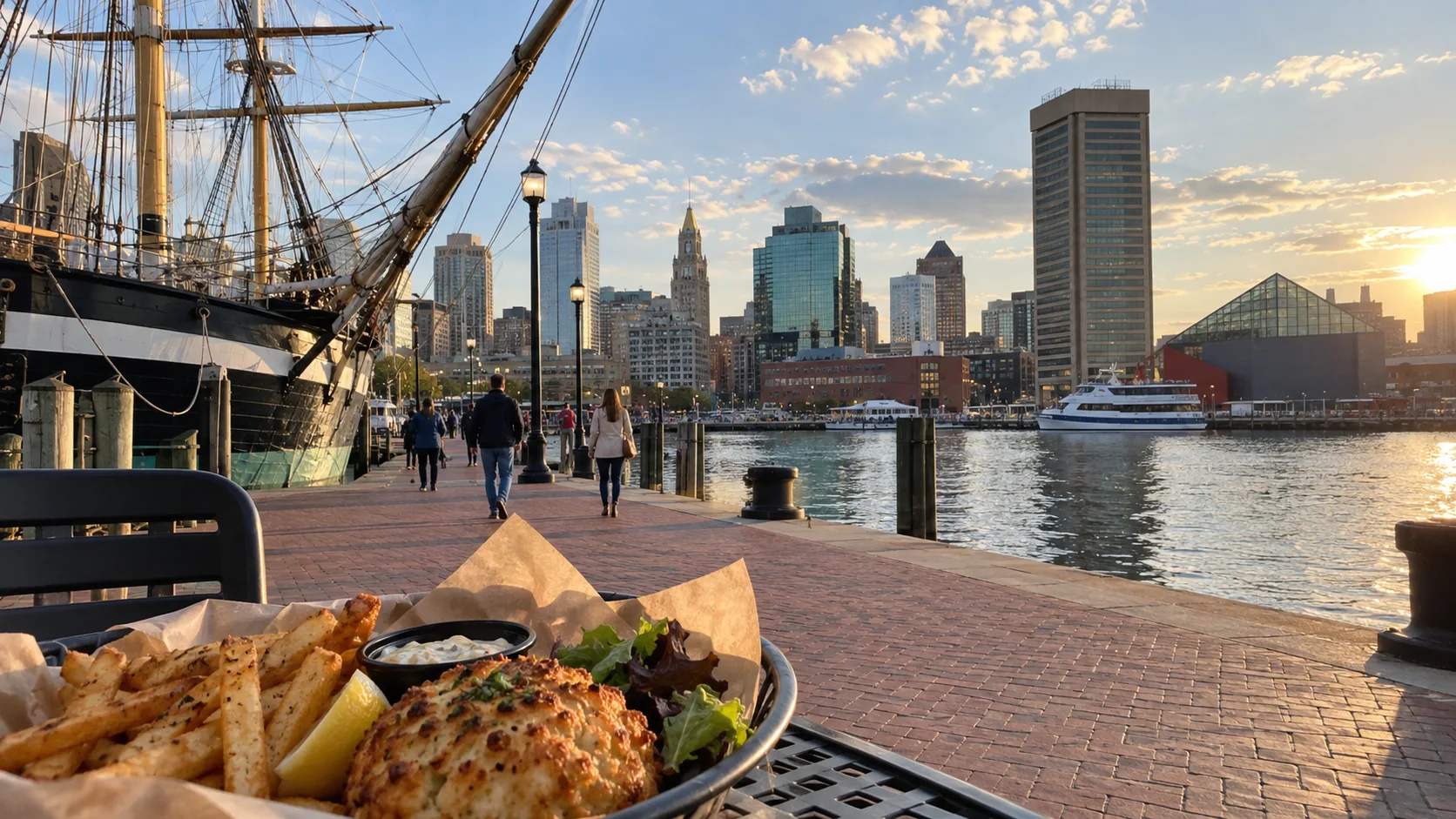
Baltimore deserves more than a quick Inner Harbor loop. Build the trip around two or three neighborhoods such as Mount Vernon, Fells Point, Federal Hill, Hampden, or Station North, then use the waterfront as one connector rather than the entire destination.
Fort McHenry provides essential national history, the Walters Art Museum and Baltimore Museum of Art offer major collections, and the American Visionary Art Museum brings a completely different creative voice. Check current hours because museums and historic sites often close one or more weekdays.
Getting there without a car
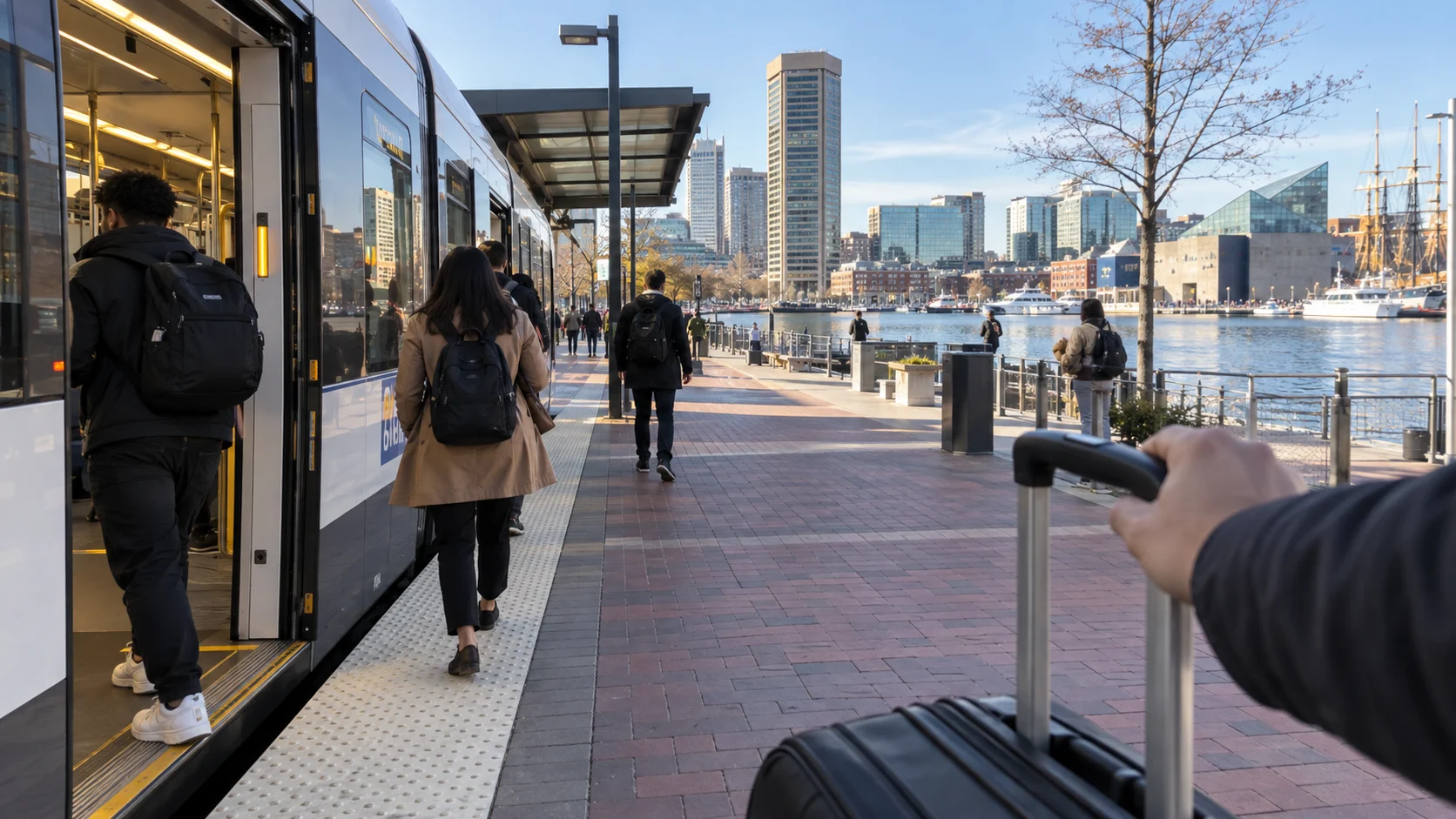
MARC’s Penn Line connects Washington, BWI Rail Station, and Baltimore Penn Station, with schedules that vary by date. Use the Maryland Transit Administration’s live schedule, then price local transit or rides for attractions outside the immediate center.
The tradeoff
Baltimore is a real city with block-by-block differences, not a sealed tourism district. Choose lodging by neighborhood, use ordinary urban awareness, keep valuables out of sight, and ask the hotel about current walking and transportation routes.
3. St. Michaels, Easton, and Cambridge
Best for: Chesapeake scenery, seafood, small towns, cycling, and a slower two- or three-night trip.
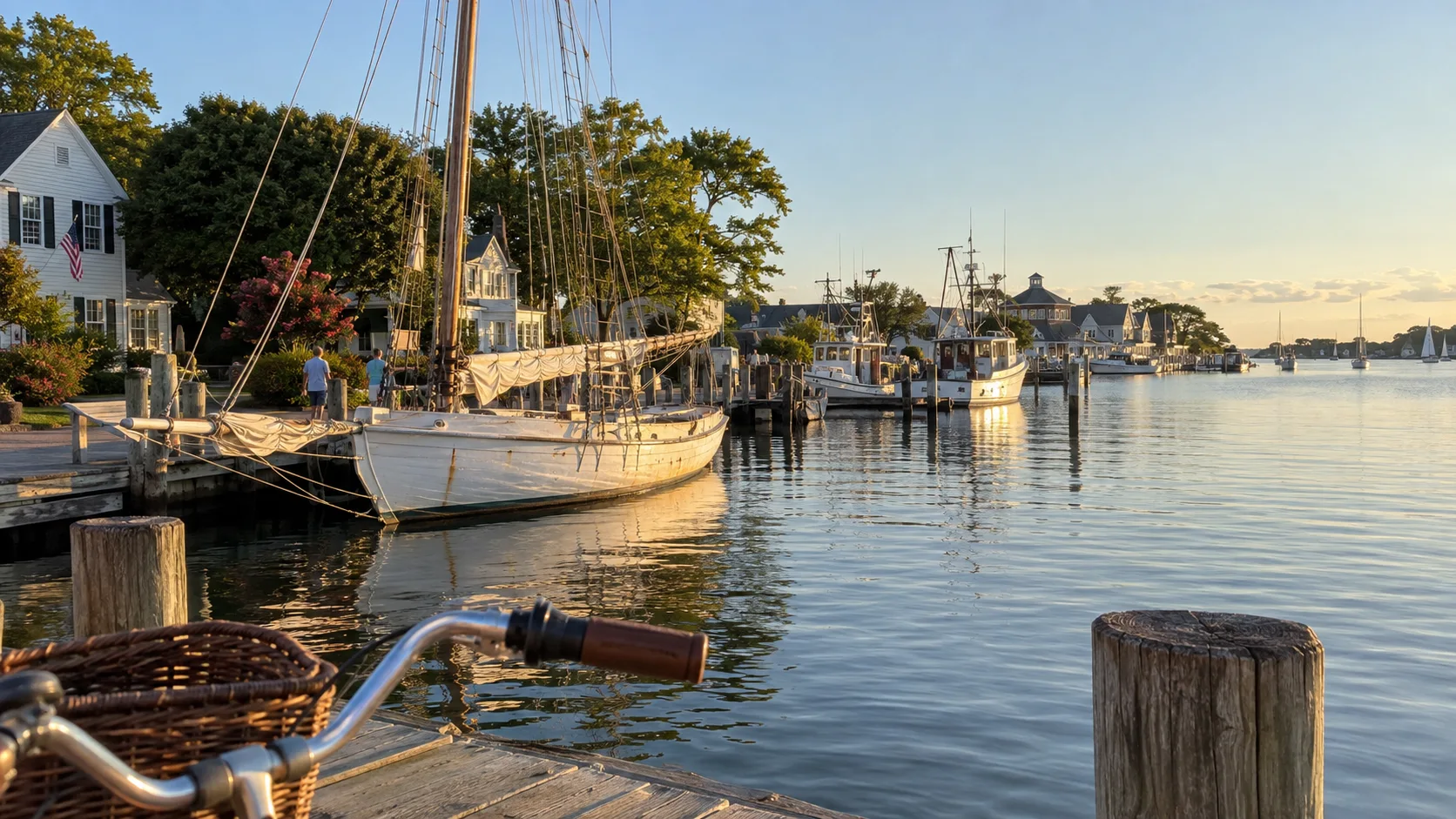
The Eastern Shore is not one beach strip. St. Michaels centers a polished maritime weekend, Easton adds galleries and restaurants, and Cambridge offers Blackwater refuge access, history, and a more spacious base.
Choose one town for lodging and one day-trip direction. A morning at the Chesapeake Bay Maritime Museum, an afternoon walk or paddle, and an unhurried dinner make a better escape than racing through three Main Streets.
The tradeoff
A car is the practical choice, and the Chesapeake Bay Bridge can back up badly around summer weekends and holidays. Cross outside the busiest window when possible and keep the final day flexible rather than booking a timed event immediately after the bridge.
Best season
April through June and September through October usually offer comfortable outdoor conditions, but restaurant and boat schedules are seasonal. Summer adds heat, mosquitoes, and more boat traffic, while winter is quiet enough that some businesses reduce hours.
4. Assateague Island and Ocean City
Best for: A wild beach paired with boardwalk energy, family trips, birding, and shoulder-season weekends.
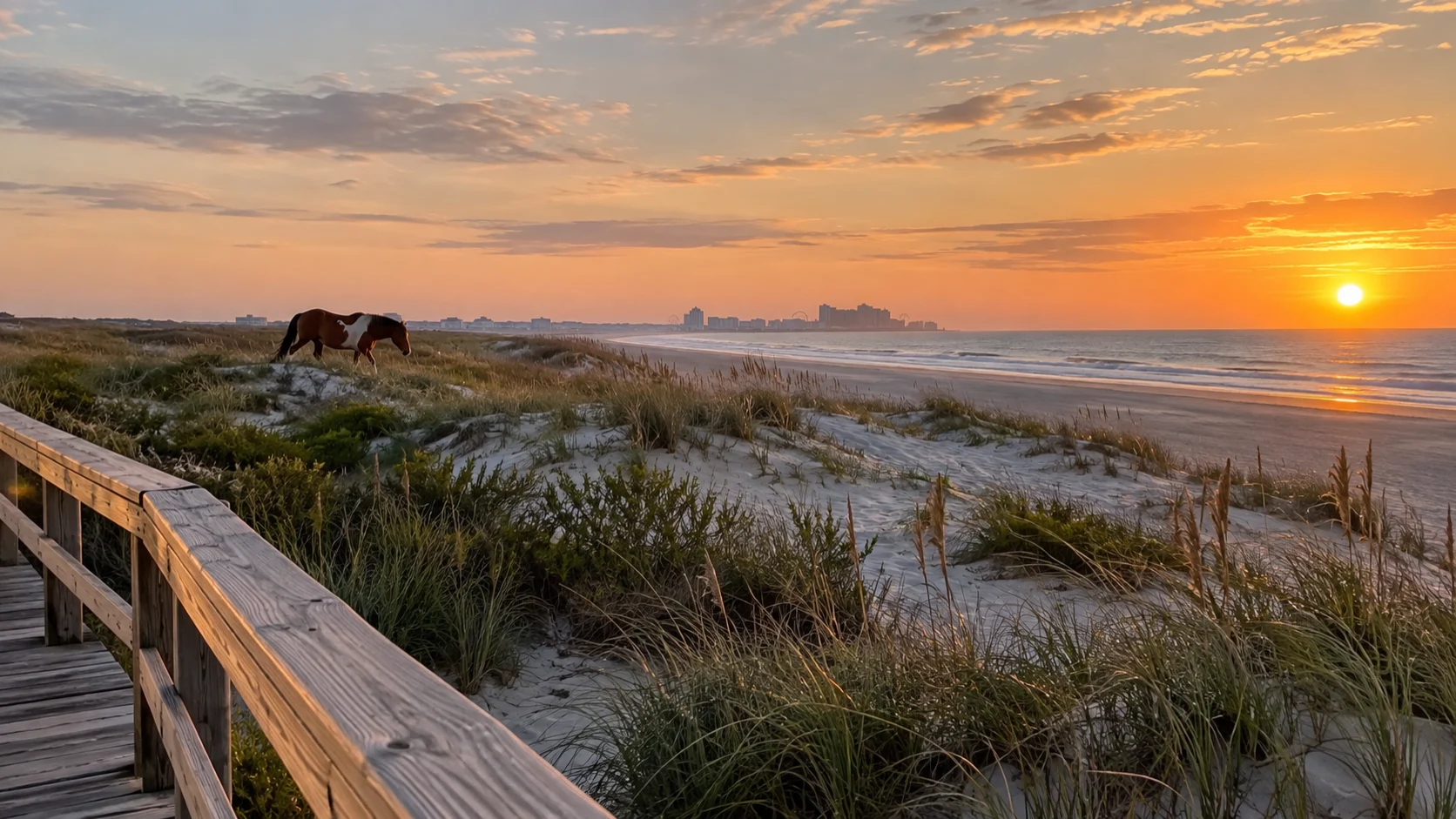
Assateague gives Maryland a barrier-island landscape of ocean beach, dunes, marsh, wildlife, and camping, while Ocean City supplies hotels, restaurants, amusements, and a long developed beach. Treat them as complementary places, not interchangeable names.
The National Park Service describes Assateague as a 37-mile island spanning Maryland and Virginia, with most of Maryland’s portion managed as national seashore and two miles managed by the state. Rules, fees, camping, pet access, and driving zones depend on the exact jurisdiction.
About the horses
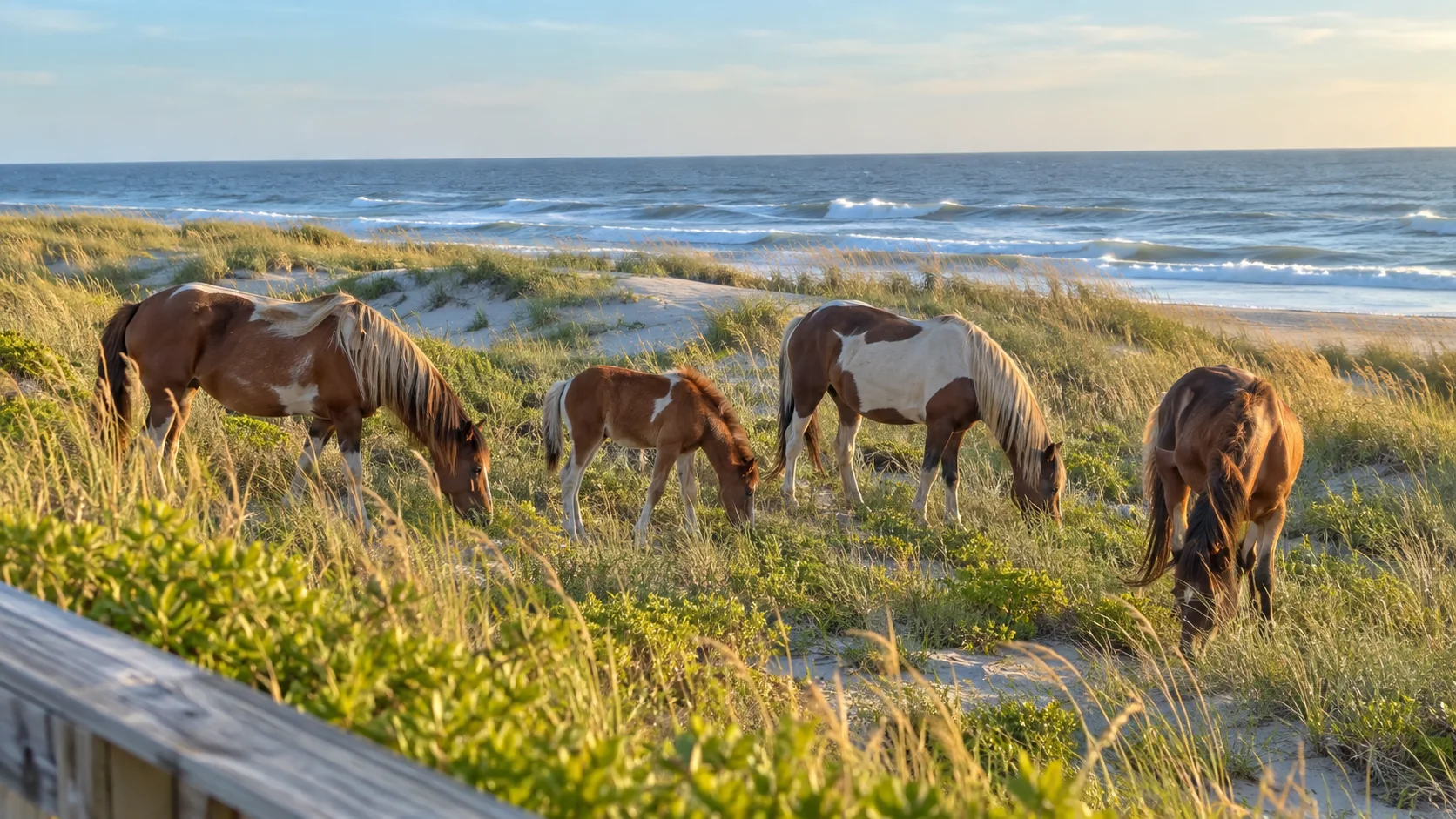
Wild horses roam the Maryland portion, but a sighting is not permission to approach, feed, or use them as a photo prop. Keep food secured, give wildlife the required space, and follow ranger direction when an animal enters a road, beach, or campsite.
The tradeoff
Summer brings heat, insects, full campgrounds, and Ocean City crowds, while coastal storms and high surf can change a beach day quickly. Spring and fall are my stronger choices when swimming is optional and wildlife, walking, or paddling is the priority.
5. Frederick and the Catoctin Mountains
Best for: A food-and-trails weekend within easy reach of Washington and Baltimore.
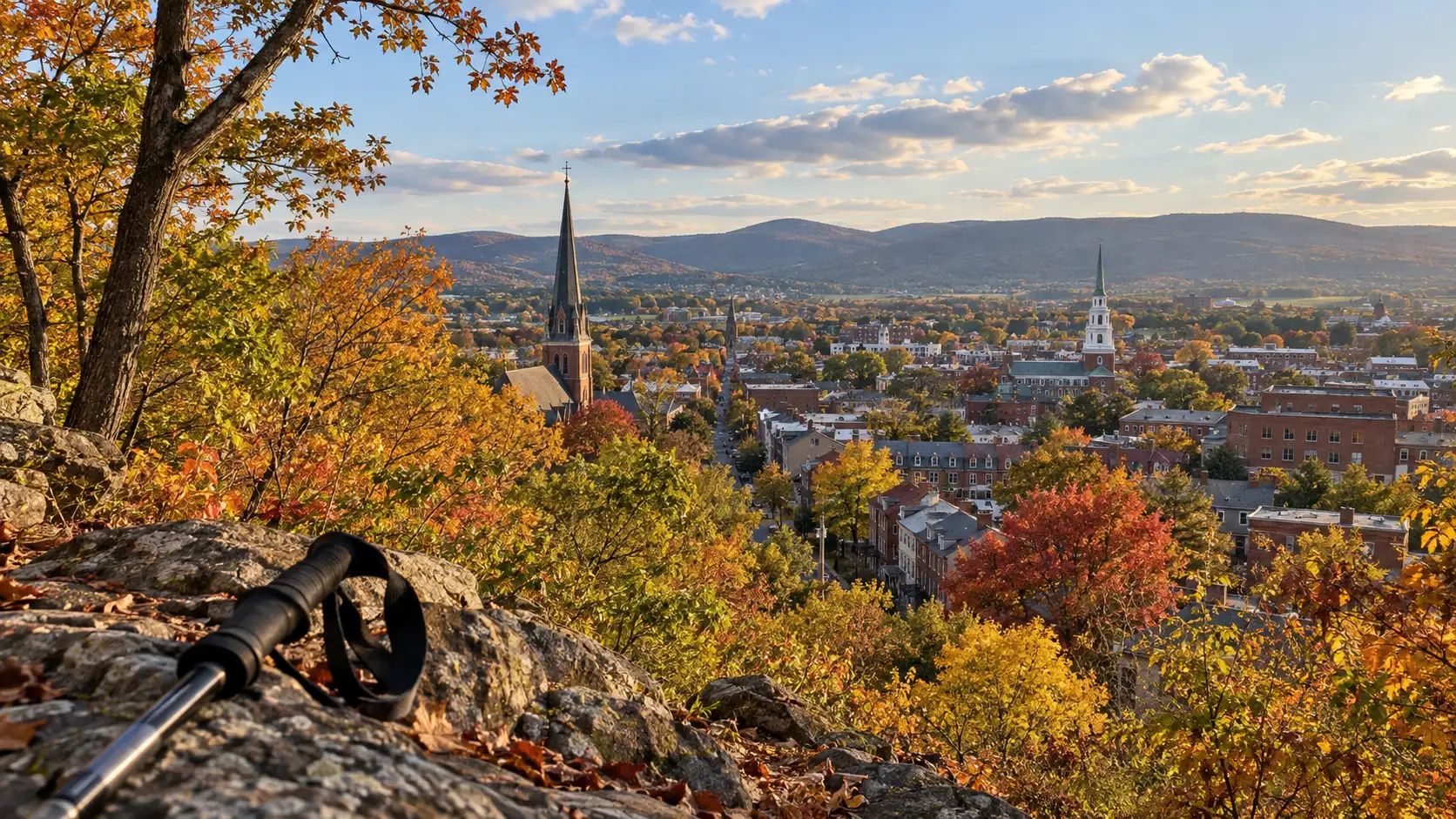
Frederick combines a walkable historic center, Carroll Creek, restaurants, breweries, and independent shops with quick access to Cunningham Falls State Park and Catoctin Mountain Park. It is one of Maryland’s easiest compromises when one traveler wants hiking and another wants a comfortable downtown.
Spend one day in the city and one in the hills, choosing a trail that matches weather and ability. Nearby Civil War sites can add history, but stacking Antietam, Harpers Ferry, Gettysburg, and Frederick into two days defeats the point of a getaway.
The tradeoff
Waterfall flow at Cunningham Falls varies, and popular trailheads and lake areas can fill on warm weekends. Check the responsible park’s current alerts, fee system, pet rules, and swimming status before leaving town.
6. Deep Creek Lake and Western Maryland
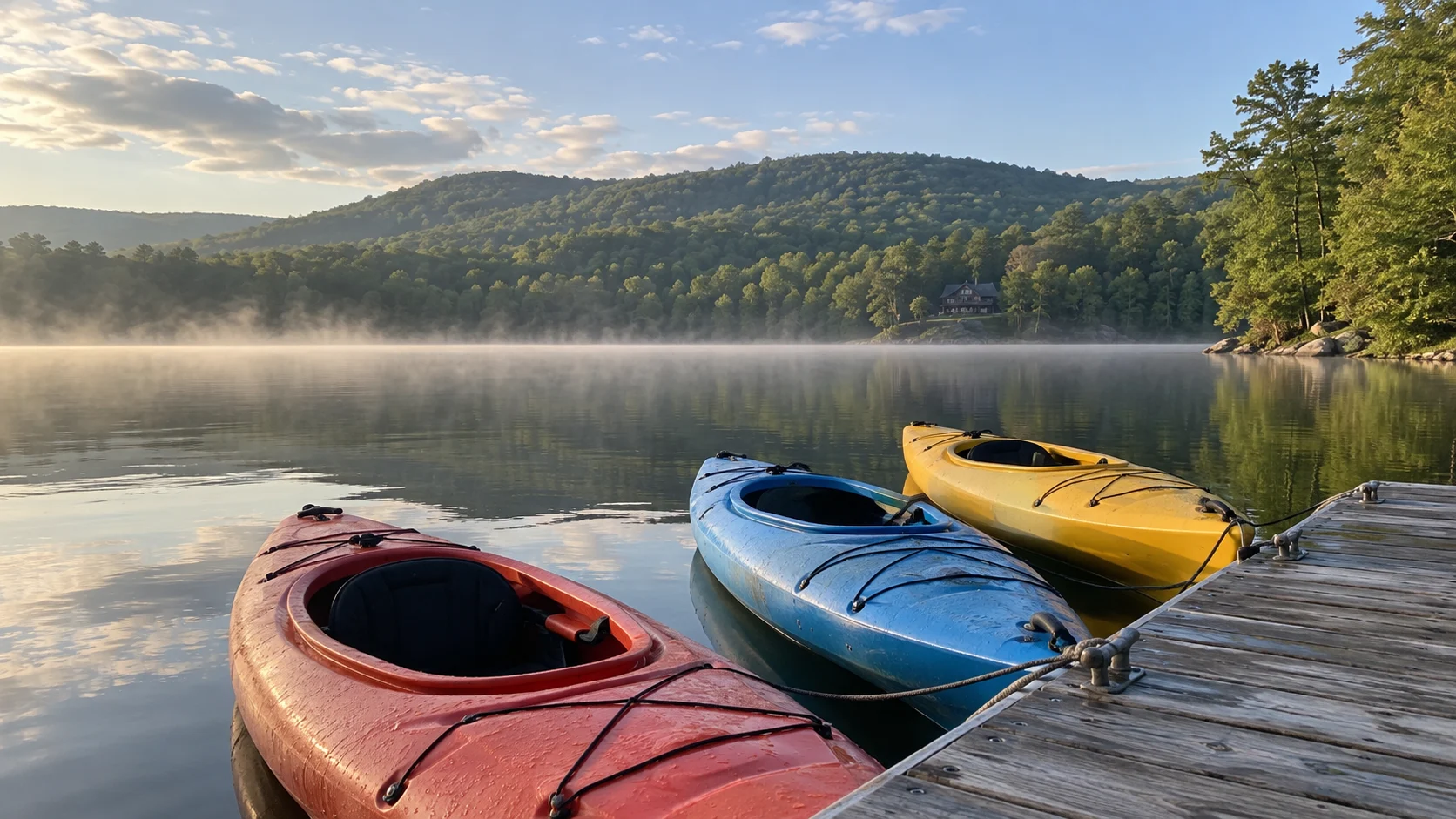
Best for: Cabins, lake time, waterfalls, fall color, and a winter mountain break.
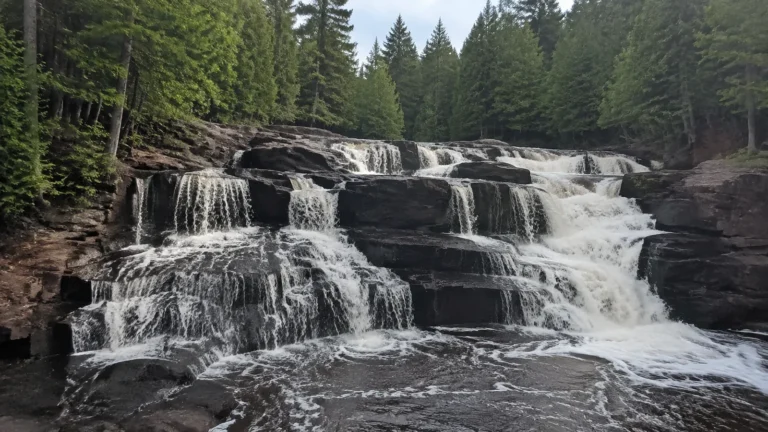
Deep Creek Lake is Maryland’s most complete four-season resort base, with boating and hiking in warmer months and skiing or snow-centered weekends when conditions cooperate. Nearby Swallow Falls State Park brings hemlock forest, river scenery, and Muddy Creek Falls into the same trip.
Western Maryland is farther from the Washington-Baltimore corridor than many visitors assume, and mountain weather can differ sharply from the city forecast. Stay at least three nights if possible, especially when winter roads or holiday traffic could slow the drive.
State park planning
Maryland’s state park reservation service accepts many camping and cabin bookings up to 365 days before arrival. Day-use reservation requirements vary by park and date, so owning an annual pass does not guarantee entry when a park reaches capacity.
The tradeoff
Lakefront rentals can be expensive during summer and fall weekends, and winter recreation depends on snow, temperature, and operating decisions. A fireplace and good food plan should make the trip enjoyable even when the primary outdoor activity closes.
7. Southern Maryland and the Potomac
Best for: Maritime history, quiet roads, archaeology, and travelers who have already seen Annapolis.
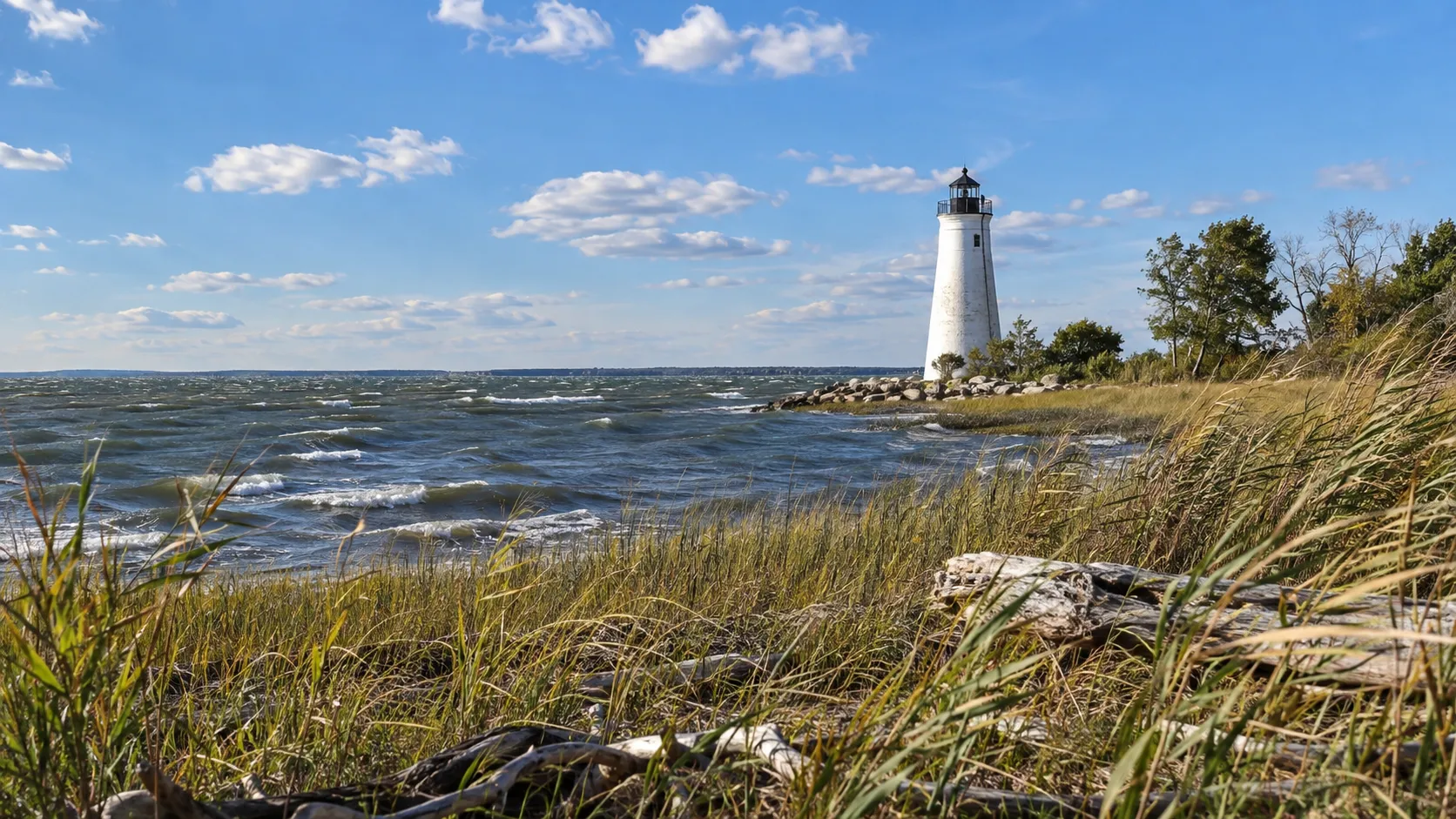
Southern Maryland rewards a focused route through St. Mary’s County or Calvert County. Historic St. Mary’s City, lighthouses, fossil beaches, seafood towns, and Patuxent or Potomac waterfronts offer a gentler alternative to the better-known Chesapeake destinations.
Calvert Cliffs State Park is often promoted for fossil hunting, but the beach requires a real hike and cliff areas are unstable and restricted. Follow park rules, keep away from cliff faces, and do not promise children a dramatic shark tooth on demand.
The tradeoff
Attractions are spread out and many historic sites keep seasonal or limited weekly hours. Plan one county at a time and carry offline directions for rural roads where coverage may fade.
Three Maryland Weekend Itineraries

The no-car city escape
Take the train to Baltimore, stay near Mount Vernon or another well-connected neighborhood, and choose one museum and one waterfront or history anchor per day. Add a baseball game, concert, or restaurant reservation without turning the schedule into a commute.
The Chesapeake escape
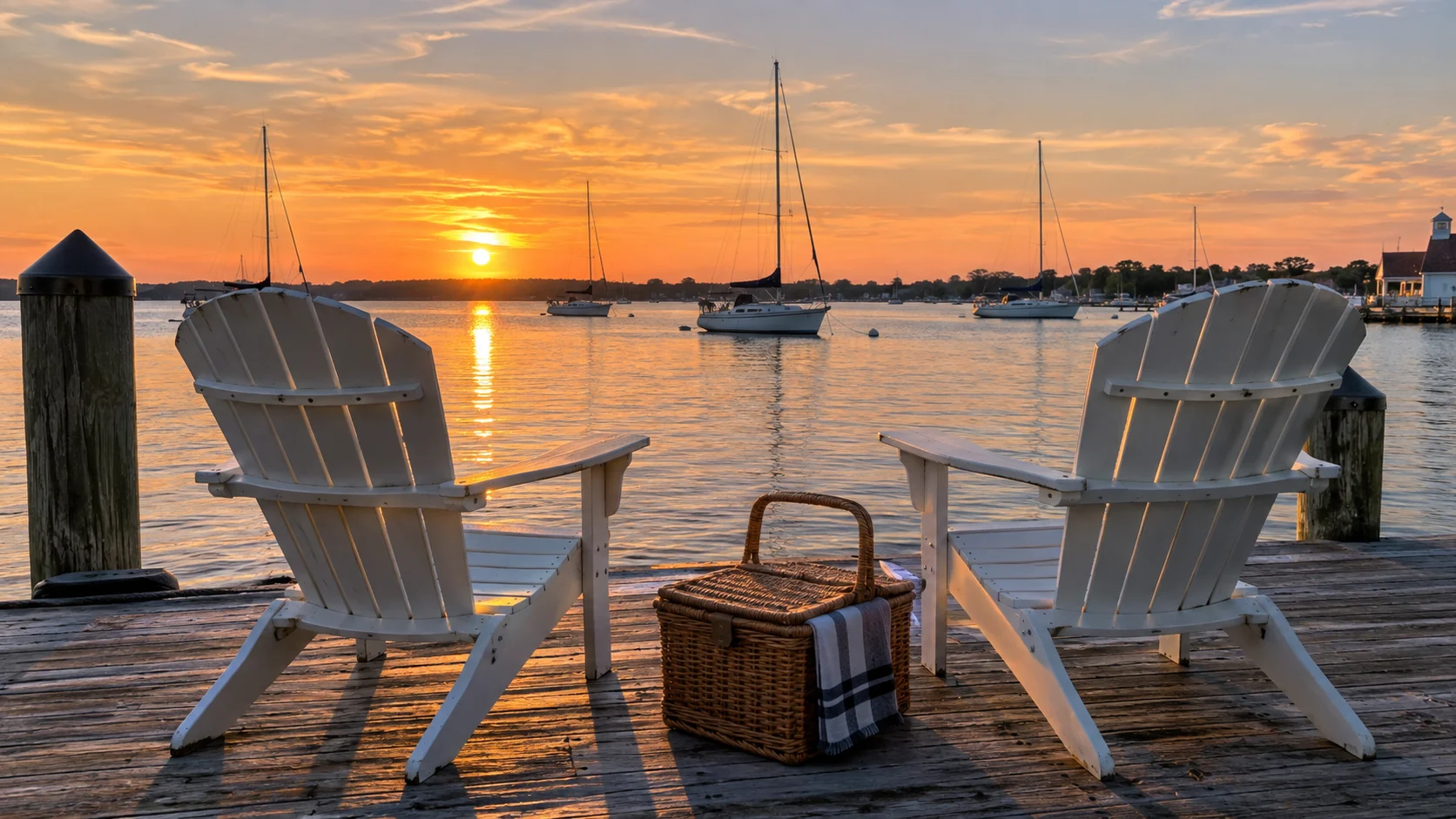
Spend two nights in Annapolis or St. Michaels, not one in each. Use the middle day for a boat trip, museum, paddle, or waterfront town, then make the final morning intentionally slow before bridge traffic.
The nature escape
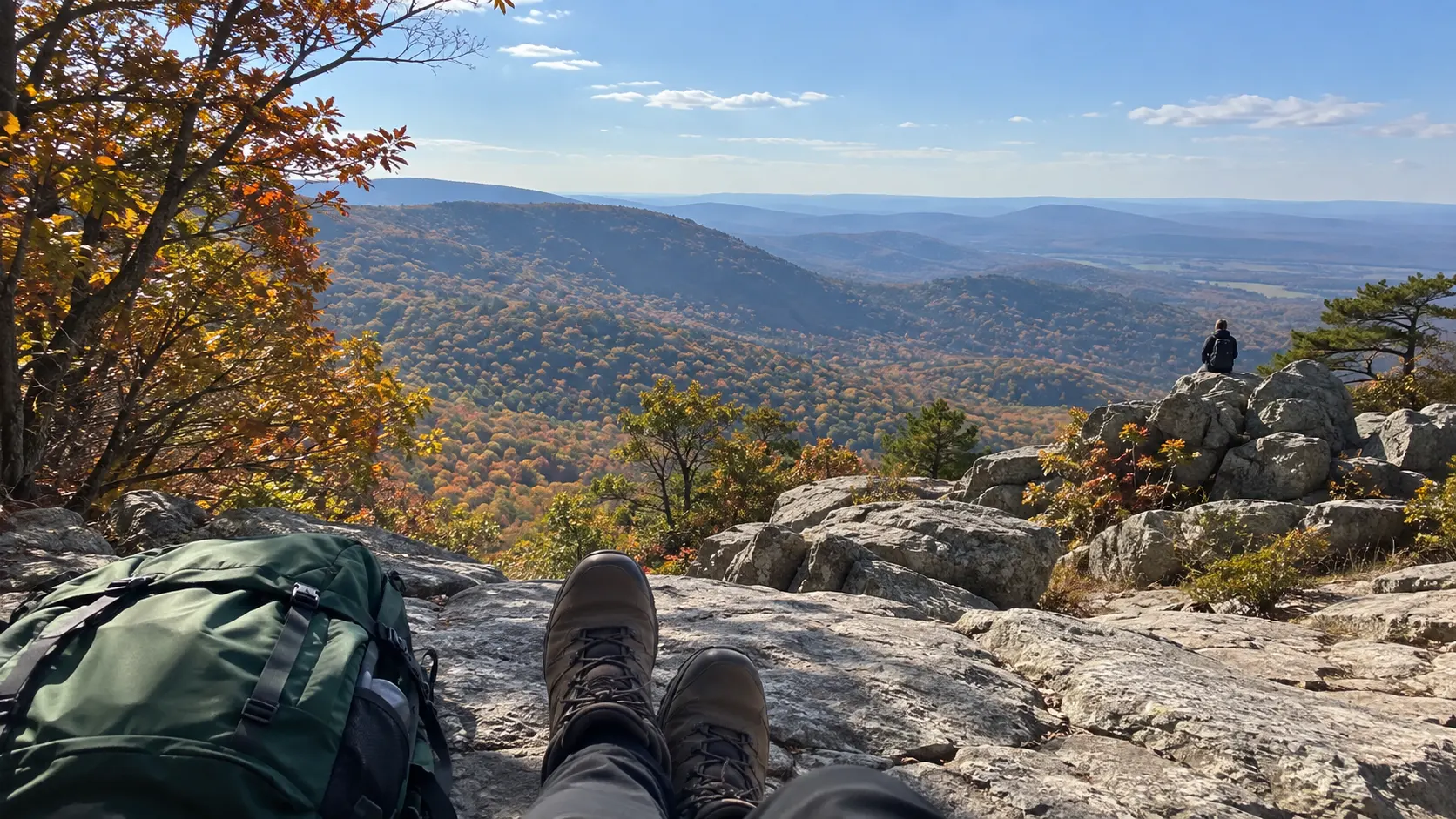
Choose Assateague for coast and wildlife, Frederick for an easy trails-plus-town weekend, or Deep Creek for mountains and a cabin. Do not connect all three unless you are planning a longer road trip with friends and genuinely enjoy driving.
When to Visit Maryland
April through May brings blooms, warming trails, and variable rain, while June through August favors beaches and boats with humidity, thunderstorms, insects, and peak demand. September and October are excellent for towns, paddling, and hiking, though Atlantic storm risk remains part of coastal planning.
Winter is strongest for Baltimore museums, quiet Chesapeake weekends, and a weather-flexible mountain stay. Snow is not guaranteed statewide, and freezing rain can matter more than accumulation on western roads.
What Maryland Costs
Maryland can be affordable when the trip uses a walkable city hotel, free museum, public waterfront, or simple state park day. Costs rise quickly with summer beach lodging, lakefront cabins, boat charters, seafood feasts, and crossing the state by rental car.
Compare the whole weekend, including tolls, parking, bridge delays, admission, meals, and seasonal minimum stays. These practical travel-planning tips help expose the expensive transfer or reservation hiding behind a low room rate.
Maryland Travel Tips That Matter
- Check Bay Bridge and major highway traffic before committing to a timed reservation.
- Verify museum and restaurant closing days, especially Monday through Wednesday.
- Reserve summer beach, island, and lake lodging early.
- Keep distance from Assateague horses and secure all food.
- Carry layers because Chesapeake wind, Atlantic surf, and western elevation create different weather.
- Confirm which agency manages the park or beach because rules can change at a boundary.
For more lower-profile U.S. trip ideas, compare these underrated American vacation spots by access and season. Maryland belongs in that conversation because its best short trips are surprisingly distinct, not because every corner is undiscovered.
Which Maryland Escape Should You Choose?
Pick Annapolis for a polished maritime weekend, Baltimore for art and city energy, the Eastern Shore for a slower Chesapeake stay, or Assateague for a natural coast. Frederick is the easiest trails-and-town compromise, while Deep Creek earns the longer drive for cabins, lake, and mountains.
Maryland feels unexpected when you stop trying to sample the whole state at once. Give one region two or three nights, leave room for weather and traffic, and the escape will feel much larger than the mileage suggests.
If quieter waterfront towns and maritime history appeal most, I would choose Southern Maryland, pairing Solomons with a visit to St. Mary’s City on a separate day. That seventh option is especially useful when you want Chesapeake scenery without an Ocean City beach-weekend pace.