Algeria Travel Guide: Beaches, Heritage, and Trip Planning
Algeria’s Mediterranean coast is beautiful, culturally rich, and far less straightforward to visit than a typical beach-resort destination. The right trip begins with current security guidance and visa planning, then builds a focused northern-coast route around Algiers, Tipasa, Oran, Béjaïa, or Jijel.
Read the Current Algeria Travel Advisory First
As of September 4, 2026, the State Department rates Algeria Level 2 and tells travelers to exercise increased caution due to terrorism and kidnapping. It says not to travel to specified eastern and southern border regions, several named southern areas, mountainous parts of Tébessa Province, Tindouf, or remote Sahara areas without an organized tour group.
That distinction matters because a northern beach trip is not the same itinerary as a remote Sahara expedition. Still, conditions can change, so check the current Algeria advisory, enroll in STEP if eligible, monitor local news, and follow local authority instructions.
This article is travel planning information, not a guarantee that any place is risk-free. If official guidance changes or your route approaches an area under a higher warning, change the route rather than trying to rationalize it.
Is Algeria a Beach Vacation Destination?
Algeria has roughly 745 miles of Mediterranean coastline, with sandy bays, rocky coves, forested headlands, port cities, and long urban waterfronts. The national tourism ministry describes the coast as stretching about 1,200 kilometers, but international beach infrastructure is not as standardized as in Spain, Greece, or neighboring Tunisia.
Come for a culture-and-coast trip, not an all-inclusive resort formula. The best experience combines a beach base with Roman ruins, city architecture, markets, museums, or mountain scenery.
- Best first coastal base: Algiers, with a Tipasa excursion
- Best city-and-beach pairing: Oran and Aïn El Turk
- Best green coastal landscape: Béjaïa or Jijel
- Best for archaeology: Tipasa
- Best season: Late May, June, September, and early October
Best Algeria Beaches and Coastal Bases
Beach names, swimming authorization, lifeguard coverage, road access, and facilities can change by season. Treat these as areas to investigate with your hotel or guide, then confirm locally which beaches are officially open and supervised on the day.
1. Tipasa for ruins beside the sea
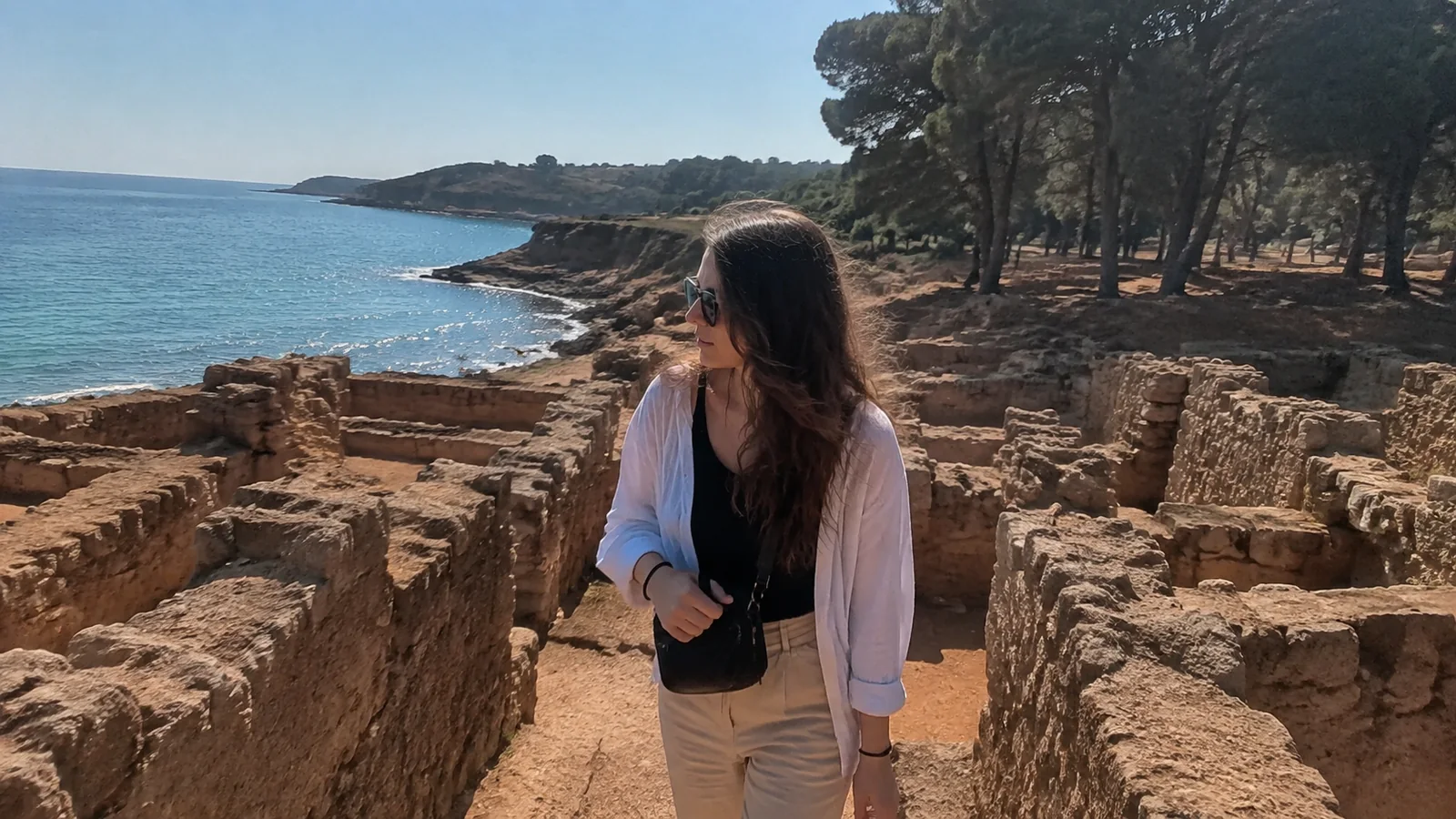
Tipasa is the most compelling first excursion from Algiers because the Mediterranean setting and archaeological landscape belong together. The UNESCO World Heritage site preserves Phoenician, Roman, early Christian, and Byzantine remains alongside indigenous monuments.
Plan the ruins as the anchor and the coast as the companion, rather than assuming the archaeological site itself is your swimming beach. A driver or organized day tour makes it easier to combine the historic center, a legal swimming stop, and the Royal Mausoleum of Mauretania without negotiating several transport changes.
The UNESCO description of Tipasa is useful background before you go. Bring sun protection because exposed ruins become punishing at midday, especially in summer.
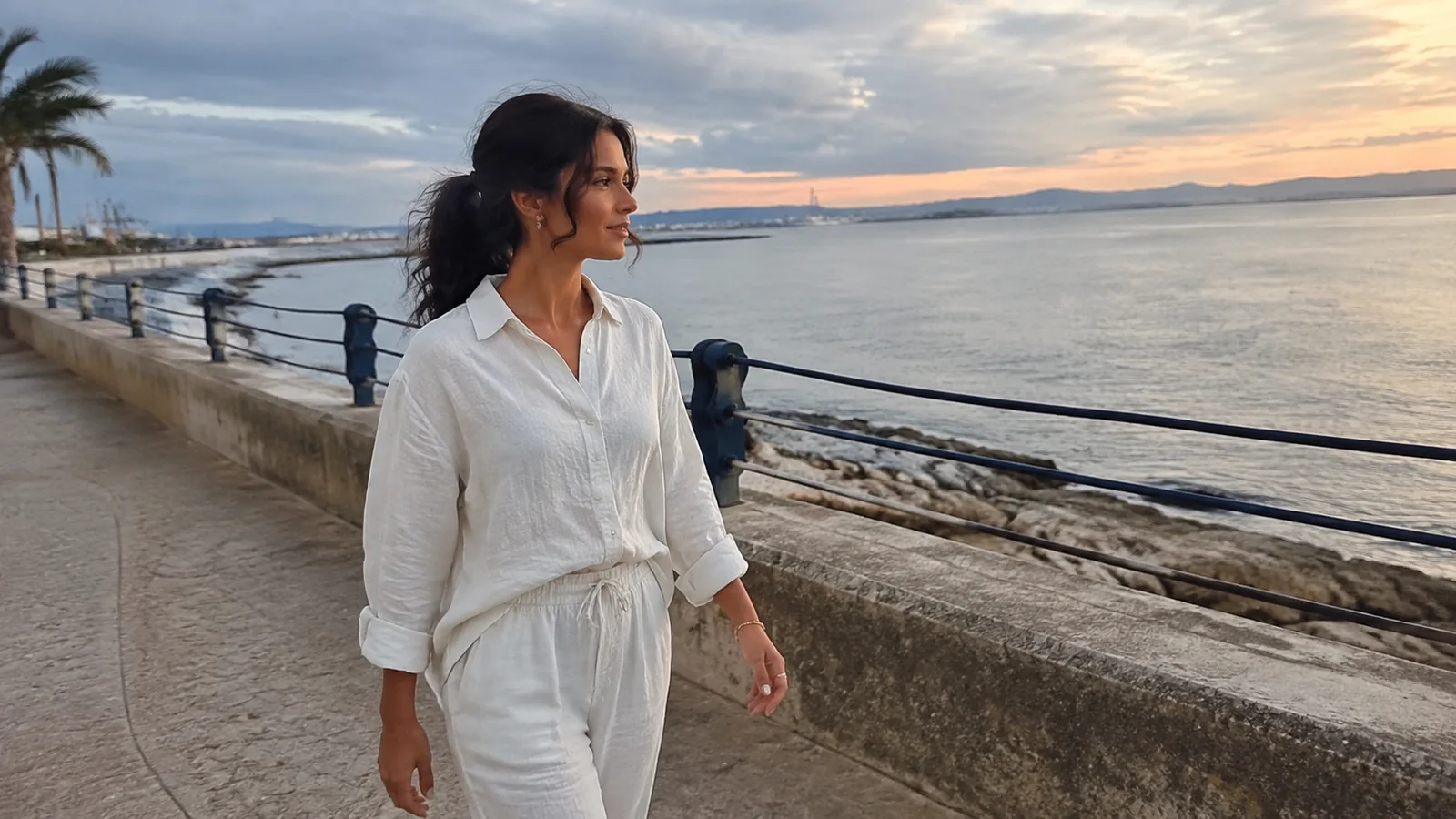
2. Aïn El Turk and the Oran coast for an urban beach break
Oran gives international visitors a strong city base with history, music, dining, and access to the western coast. Aïn El Turk is the familiar seaside zone, while Cap Falcon, Les Andalouses, Madagh, and Cap Blanc appear in the Oran tourism authority’s official coastal development listings.
Choose a well-reviewed city or resort hotel and ask which nearby beach is currently open, maintained, and suitable for your group. The beach with the prettiest social-media image may have difficult road access, no lifeguard, or limited changing facilities.
Tradeoff: This is the most practical choice if you want restaurants and city life, but it will not feel remote. Summer weekends can be extremely busy, so weekday mornings are the calmer bet.
3. Béjaïa for mountains meeting the Mediterranean
Béjaïa is for travelers who want a dramatic landscape rather than endless flat sand. The provincial tourism authority highlights a roughly 62-mile coast with dozens of beaches, plus Cap Carbon, Gouraya National Park, forested mountains, and waterfalls inland.
Base in or near Béjaïa and arrange day trips with a reputable local operator or hotel driver. The terrain that makes this coast gorgeous also lengthens drives, and current wildfire, road, and park conditions should shape each day’s plan.
Tradeoff: Béjaïa offers the richest scenery on this list, but French or Arabic becomes more useful and transportation requires more advance coordination. Do not schedule it as a quick overnight between distant cities.
4. Jijel and the Corniche for coves and green headlands
Jijel’s coast runs through a greener, rockier setting with caves, islands, forest, and beaches spread between communities. The provincial tourism office lists 34 beaches authorized for swimming within its broader coastal inventory, which is exactly why checking the authorized list matters.
Jijel city makes the most practical hub, while El Aouana and Ziama Mansouriah open access to the Corniche landscape. Hire local transport for a sightseeing loop and ask explicitly where swimming is currently permitted.
Tradeoff: The scenery is wonderful, but the region is a long addition to an Algiers-or-Oran trip. Give it several nights and review current safety and wildfire information before committing.
5. Ténès and the Chlef coast for a lower-key stop
Ténès and the wider Chlef coast appeal to repeat visitors who prefer smaller-scale seaside time. The provincial tourism directory publishes named beach sites, but facilities and transportation are less predictable for an independent international traveler.
Arrange lodging and transfers before leaving Algiers or Oran, and have your host confirm the current swimming beach. This is not the place to arrive after dark and improvise.
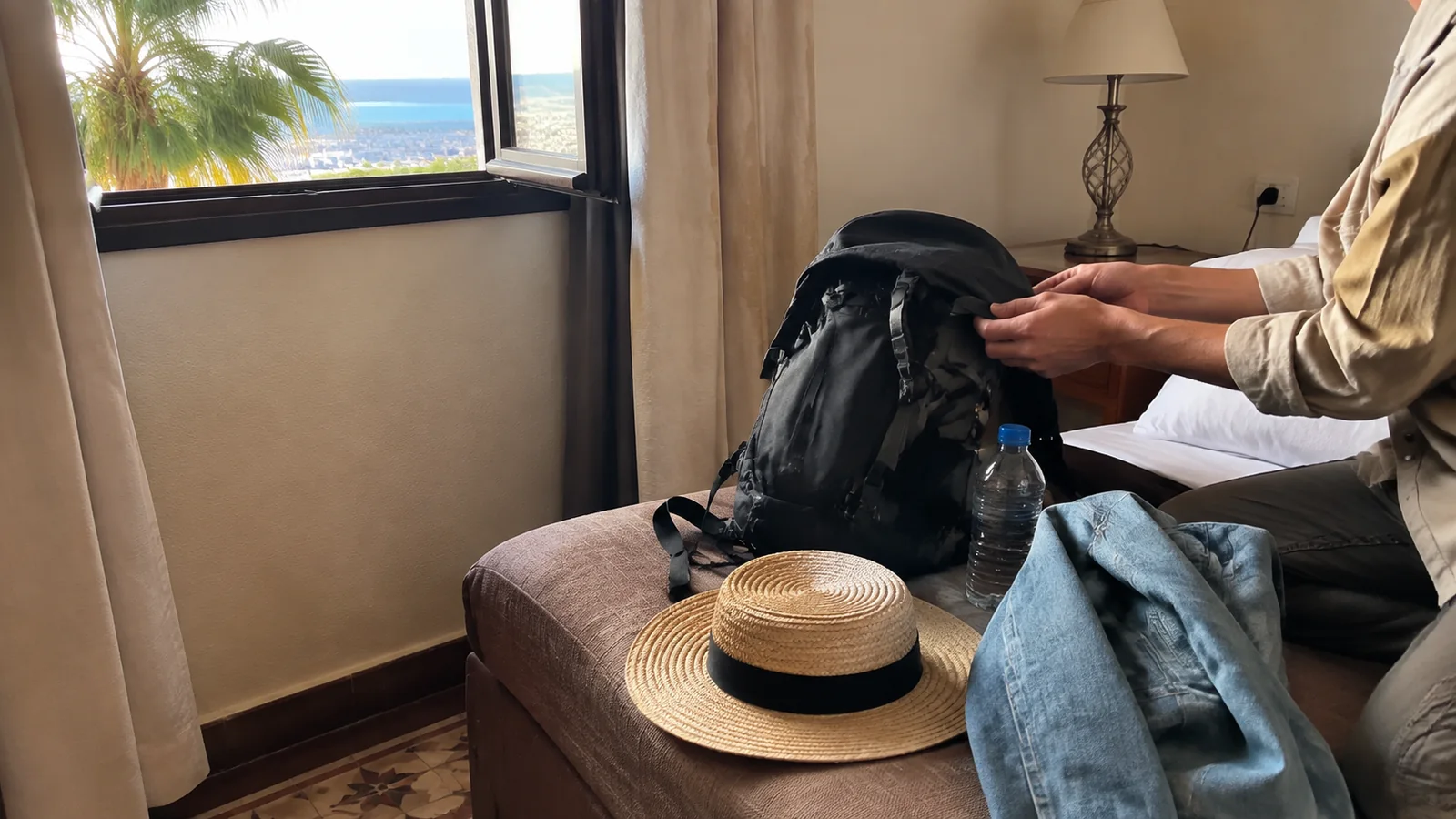
A Realistic 8-Day Northern Algeria Itinerary
Algeria is enormous, so an eight-day trip should focus on one part of the northern coast. The following route uses Algiers and Oran because it balances recognizable sights with manageable transportation.
Days 1 to 3: Algiers
Settle into a centrally located hotel and arrange airport transportation in advance. Use the first full days for the Casbah with a qualified guide, central architecture, museums, gardens, and an evening waterfront walk in an active area.
Guidance is particularly valuable in the Casbah because navigation, context, and comfort all improve with a reputable local professional. Dress modestly, ask before photographing people, and keep your phone and wallet secure in crowds.
Day 4: Tipasa
Take a prearranged day trip to Tipasa, visiting the ruins early and adding a coastal lunch or authorized beach afterward. Return to Algiers rather than moving hotels for one night.
Day 5: Travel to Oran
Use a domestic flight, train, or reputable private transfer based on the current schedule. Do not treat a timetable copied from an old blog as dependable, and leave margin around airport or station transfers.
Days 6 and 7: Oran and the western beaches
Give one day to Oran’s cultural and architectural sights and one to the coast around Aïn El Turk or another locally recommended swimming area. Reserve beach transportation through your hotel so the return does not depend on finding a vehicle from a quiet cove.
Day 8: Departure
Depart from Oran if your flight plan supports it or return to Algiers with a safe buffer. International connections, visa rules, and domestic schedules are too important for a tight same-day gamble.
Algeria Visa Requirements for Americans
American tourists generally need a visa before traveling to Algeria. The Algerian Embassy in Washington publishes the current application, supporting-document, passport, photograph, payment, jurisdiction, and processing requirements.
Apply only through the embassy or the consulate responsible for your residence, and allow more time than the minimum estimate. Requirements vary by visa type and can change, so do not buy a nonrefundable ticket based solely on an old checklist.
Transportation and Guides
Between major cities
Domestic flights and trains can connect major northern cities, while buses and shared taxis expand the network. Confirm schedules directly, arrive early, and ask your lodging to write the destination in Arabic or French.
For beach days
A hotel-arranged driver or vetted guide is often worth the cost for beaches beyond city transit. Agree on the vehicle, pickup point, waiting time, total price, and return plan before leaving.
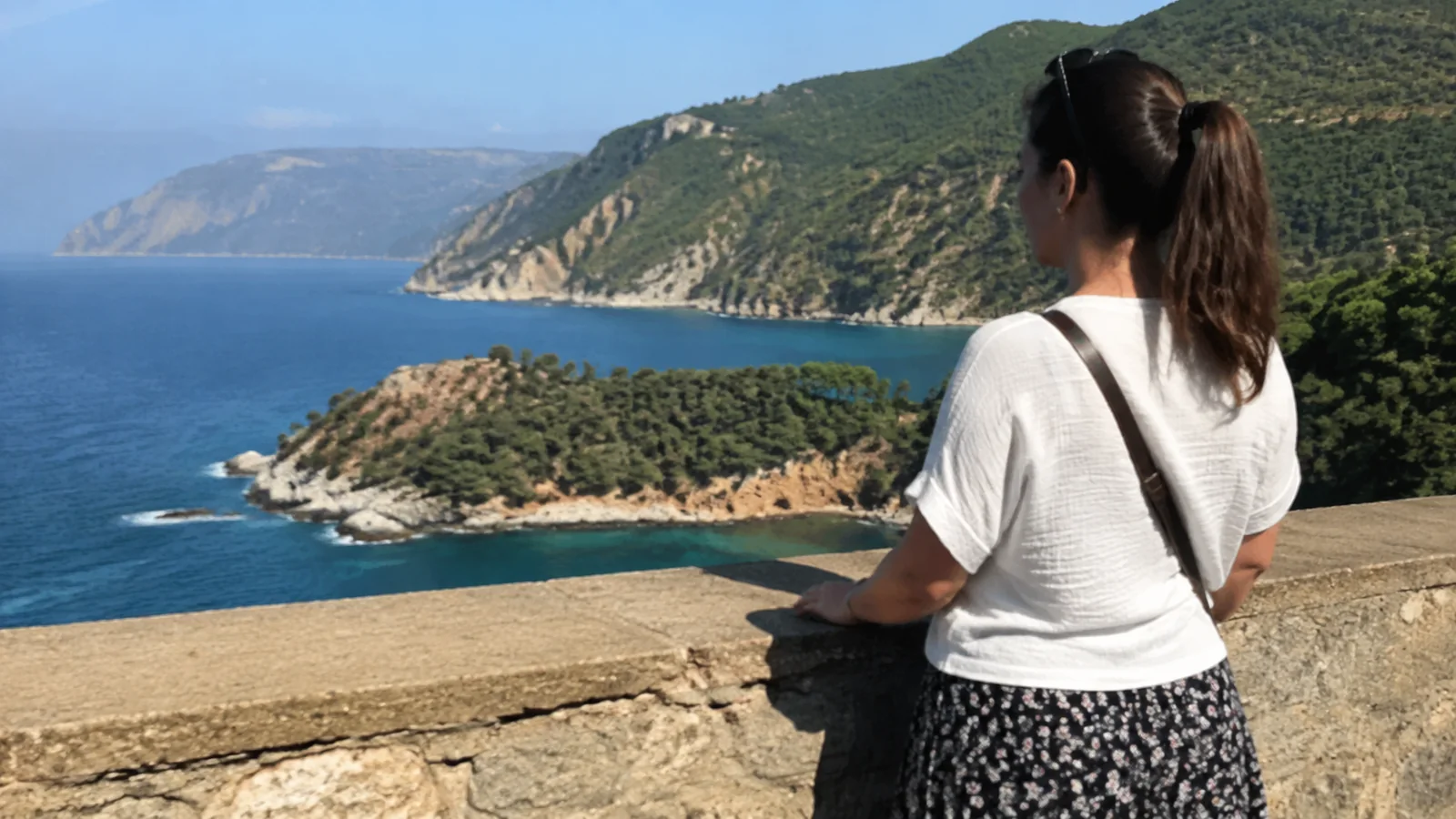
Rental cars
Independent driving adds flexibility but also checkpoints, dense city traffic, unfamiliar paperwork, and potentially sparse roadside support. Confirm license, insurance, road, and region restrictions with the rental company and your government advisory before deciding.
Beach Etiquette and Practical Safety
Algeria is socially conservative, and modest swimwear may feel more comfortable on family beaches even though norms vary by location. Observe what local families are doing, keep cover-ups handy, and avoid photographing strangers without permission.
- Swim only where local authorities currently permit it.
- Prefer staffed beaches and stay close to shore if conditions are unclear.
- Keep valuables at the hotel or attended, not loose on a towel.
- Carry water, sun protection, and small cash.
- Avoid isolated beaches late in the day.
- Leave immediately if police, civil protection, or local authorities close an area.
Beachfront cafes may not serve alcohol, and public behavior that feels ordinary elsewhere may attract unwanted attention. Courtesy, a few Arabic or French phrases, and a conservative default will take you much farther than arguing about what tourists do at home.
Money and Connectivity
The Algerian dinar is the official currency, and cash is important because international cards may not work reliably. Use official banks or authorized exchange channels, keep receipts where required, and avoid the illegal parallel currency market.
Arrange a local SIM or eSIM only after confirming legal availability and device compatibility. Download maps, save hotel details offline, and carry a power bank because beach and road coverage can vary.
When to Visit Algeria’s Coast
Late May through June and September into early October offer the best balance of swimming weather and lighter crowds. July and August are hotter, busier, and more demanding for exposed archaeological sites.
Wildfire risk and extreme heat can affect northern coastal and forested regions in summer. Monitor official weather, civil-protection announcements, air quality, and road status rather than assuming a clear forecast means every route is open.
How This Trip Differs from a Typical Mediterranean Vacation
Algeria asks for earlier visa work, more local coordination, more cash, and greater attention to security geography. It offers deep cultural context and an underpromoted coast, but it is not the easy substitute for an Albania coast itinerary or an Italian beach week.
If your priority is effortless island hopping, compare the planning reality with these budget-conscious Caribbean choices. If your priority is coastal history and less familiar cities, Algeria becomes much more compelling.
The packing principles in these travel essentials for women are also useful here, with extra emphasis on modest layers, offline documents, and secure storage.
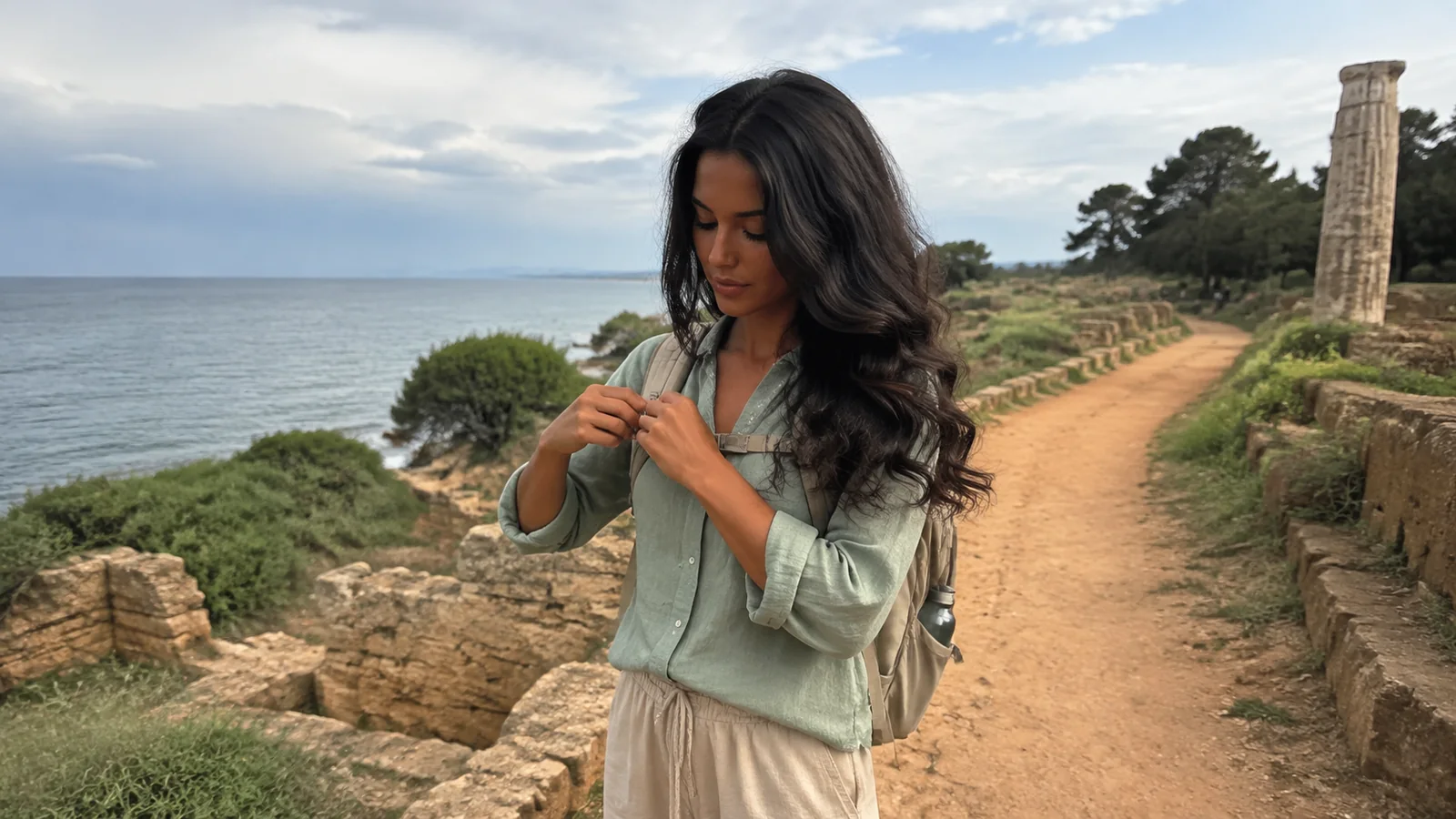
My Bottom Line
Algeria’s best beach trip is a northern cultural journey with planned coastal days, not a spontaneous resort crawl. Start with official risk guidance, secure the visa, choose one or two coastal bases, and use trusted local support where transportation or regional conditions are unclear.
For most first-time visitors, Algiers plus Tipasa and Oran is the sensible route. Save Béjaïa or Jijel for a longer trip when you can give their greener, wilder coast the time and preparation it deserves.