Solo Travel in Fiji: Where to Stay, Safety and Costs
Fiji can be wonderfully social for a solo traveler, but it is not one easy island with a bus looping every beach. The best trip balances a practical first base, prebooked transfers, group-friendly activities, weather margin, and enough cash for the solo costs that glossy package prices politely avoid mentioning.
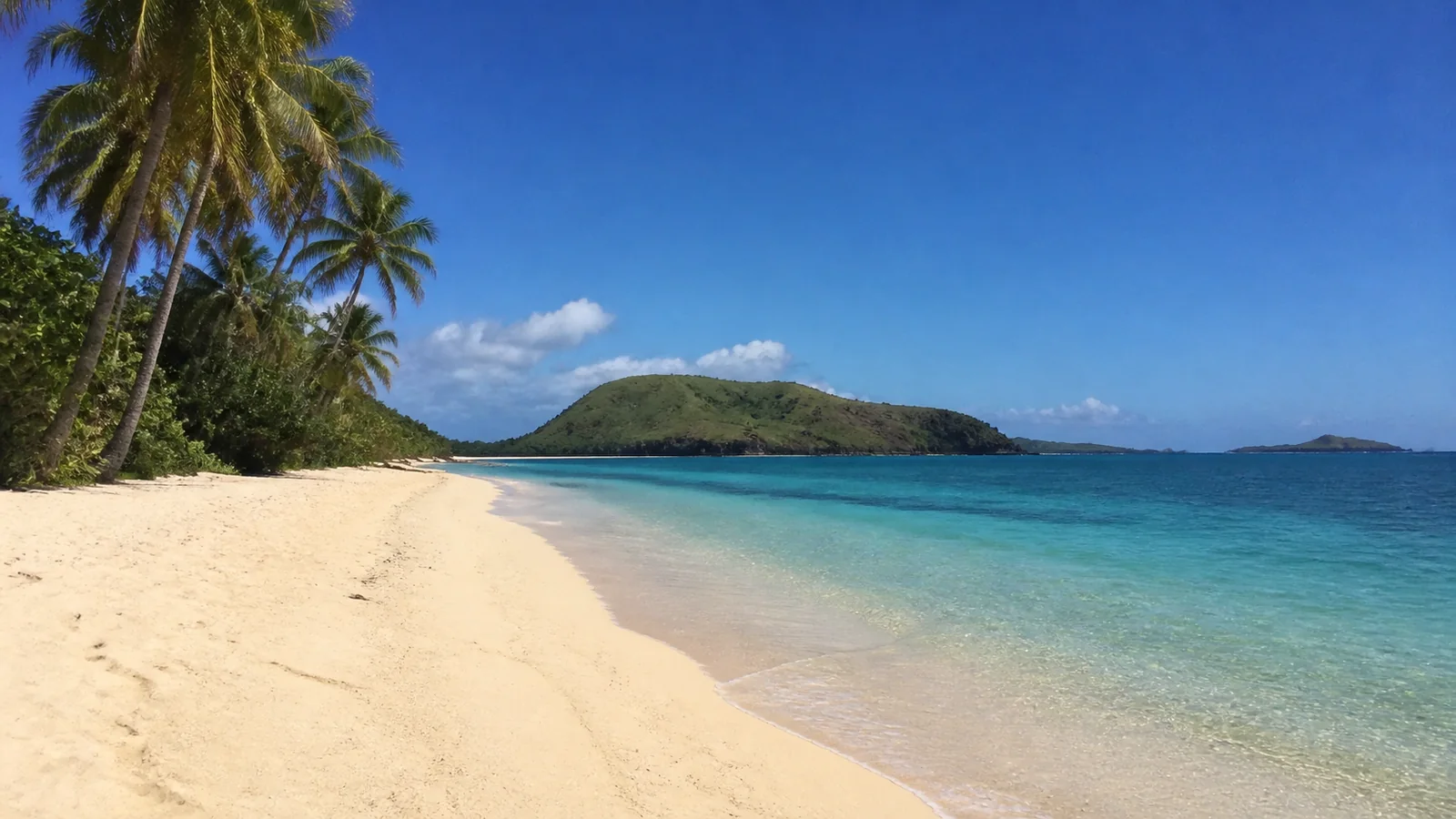
Is Fiji good for solo travel?
Yes, particularly for travelers comfortable joining day tours, eating at shared tables, and planning transport in advance. Hostels, small resorts, dive shops, cruises, and island transfers create natural points of contact without requiring a fully escorted group.
The tradeoff is cost and logistics. Private rooms, airport transfers, boat connections, mandatory resort meal plans, and single supplements can make Fiji considerably more expensive alone than the same trip split between two people.
Choose the right base
Nadi and Denarau for easy arrivals
Nadi is the practical gateway for international flights, supplies, onward transport, and a first or final night. Denarau offers polished resorts and Port Denarau departures, but it can feel less independent and usually costs more.
Choose this area for a short stay, a late arrival, an early flight, or a day trip before an island transfer. Confirm whether accommodation includes airport pickup and whether the driver waits after delays.
Coral Coast for a simple main-island stay
Viti Levu’s Coral Coast suits travelers who want beaches, cultural activities, and organized excursions without relying on an inter-island boat. A resort can provide social structure, while a smaller guesthouse may feel more local but offer fewer built-in group activities.
Ask about road transfers, nearby restaurants, beach swimming conditions, reef access, and solo pricing before booking. A beautiful isolated property can become three expensive taxi rides wearing a flower behind its ear.
Mamanuca Islands for short transfers and activities
The Mamanucas are a strong first island choice because scheduled boats connect several resorts from the Nadi and Denarau area. They suit snorkeling, diving, sailing, surf, beach time, and travelers who prefer a shorter commitment than the Yasawas.
Compare the total cost of room, meal plan, transfer, activity, and return to the airport. A low nightly rate can stop looking bashful once every meal and boat is added.
Yasawa Islands for a social island-hopping trip
The Yasawas fit travelers who want a more extended chain of island stays and do not mind scheduled transfers. Tourism Fiji describes packages that combine boat transport, accommodations, and activities over several days, which can simplify solo logistics.
Check whether the package price includes compulsory meal plans and the specific room category. Dorms can be social and economical, while a private bure may attract a single supplement.
Suva for city life and culture
Suva is the better base for museums, markets, dining, government and university life, and a less resort-centered view of Fiji. It is not the place to book when the entire goal is a white-sand beach outside the room.
City awareness matters, especially after dark and around busy transport areas. Use accommodation-recommended transport, keep valuables discreet, and ask staff about the current route before an independent walk.
Taveuni for nature and diving
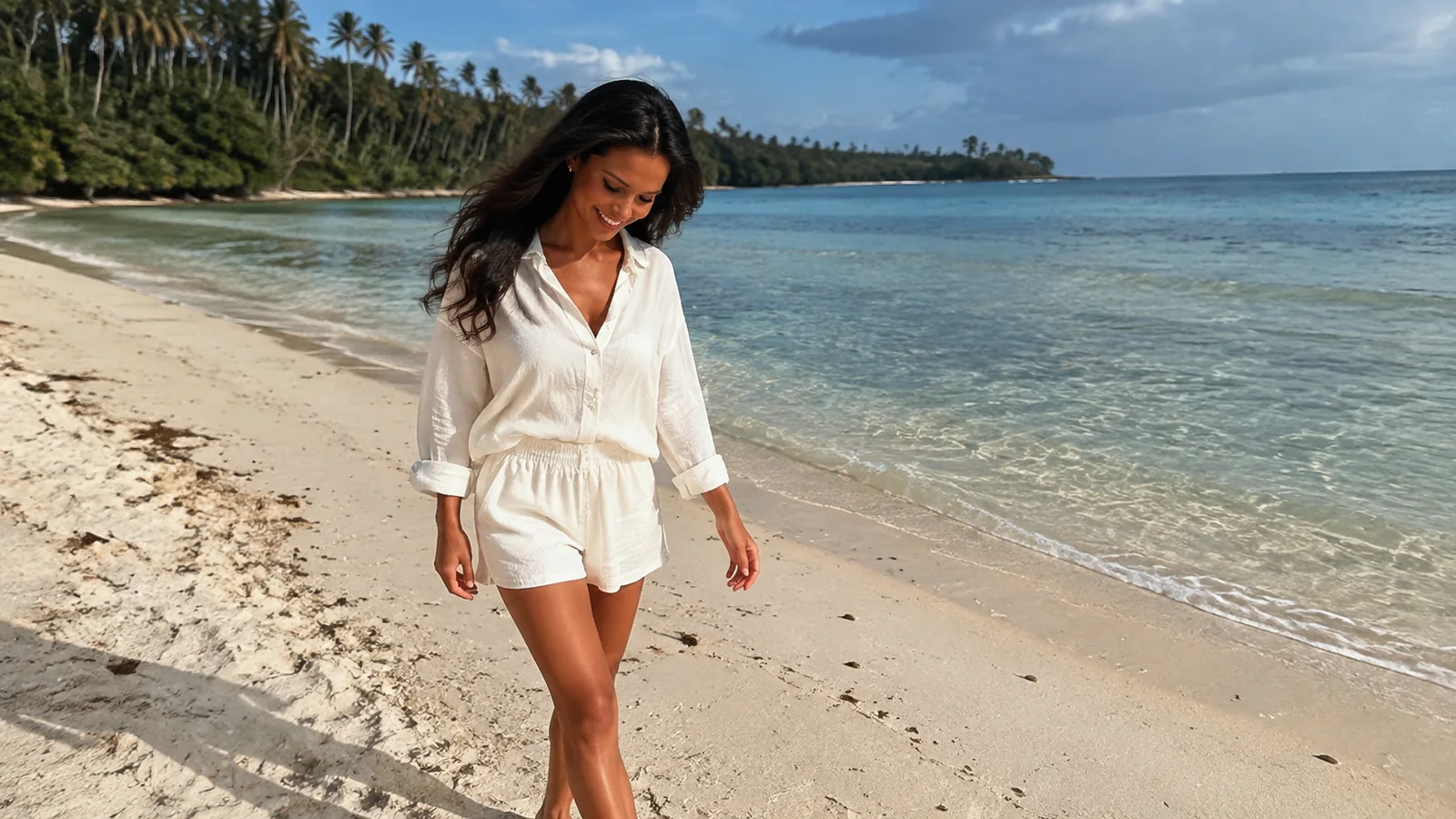
Taveuni suits experienced independent travelers prioritizing waterfalls, hiking, diving, and a slower base. Getting there usually adds a domestic flight or ferry plus local transport, so it deserves several nights.
Confirm guides, trail access, road transfers, dive requirements, and weather-dependent activities in advance. The island is rewarding precisely because it is not arranged like a compact city break.
Entry requirements
Fiji’s requirements depend on passport, nationality, trip purpose, and length of stay. The Ministry of Immigration requires a valid passport or travel document and may require a visa, onward or return ticket, accommodation information, and evidence supporting the visit.
Check the official Fiji Immigration visitor page before purchasing nonrefundable arrangements, then confirm transit requirements for every country on the flight. A visa exemption for Fiji does not automatically solve an airport connection elsewhere.
Keep passport, insurance, bookings, emergency contacts, and access to money in both secure digital and offline forms. Send a copy of the itinerary to a trusted person and agree on check-in intervals.
Getting around alone
Tourism Fiji lists domestic flights, ferries, water taxis, buses, taxis, rental cars, and organized transfers among the options. Its official transport overview is a useful map of possibilities, not a promise that every route runs daily.
Airport and road transfers
Prearrange a pickup for a late arrival, especially if the accommodation is far from Nadi. Use registered taxis or reputable transfer providers, confirm the fare or meter process, and share vehicle details when traveling at night.
Local buses are inexpensive on the larger islands but take more time and may not suit heavy luggage or a same-day boat connection. Ask where to board, how to pay, where luggage goes, and what time the last service actually leaves.
Boats and island connections
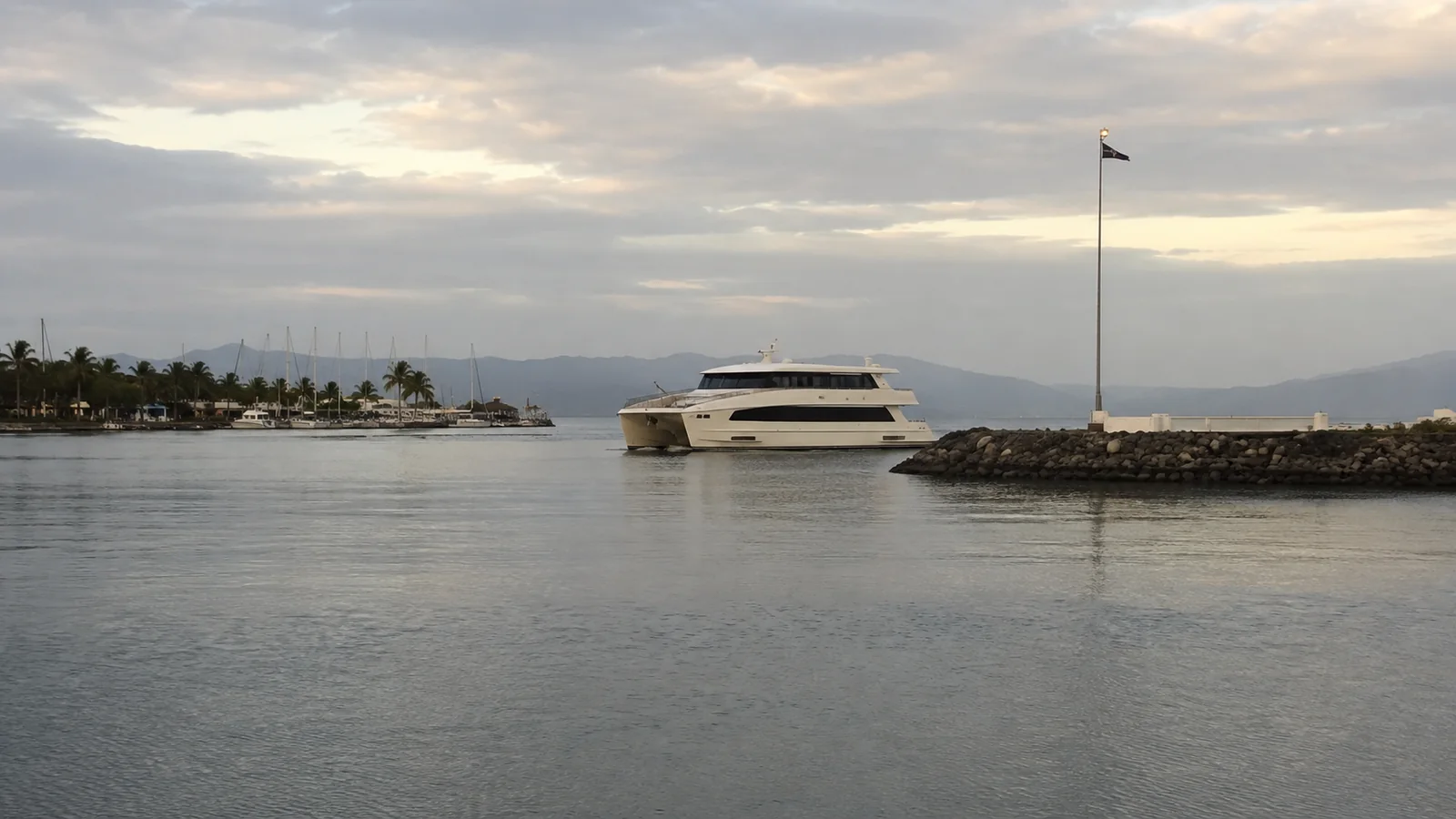
Reserve scheduled boats and resort transfers directly through a legitimate provider or the accommodation. Confirm the correct marina, check-in deadline, luggage limit, included smaller-boat transfer, and procedure if an incoming flight is late.
Weather, sea conditions, maintenance, and demand can alter schedules. Keep the final night on Viti Levu before an international flight rather than trusting a distant-island transfer and a tight check-in to become best friends.
Rental cars
Fiji drives on the left, and road quality, lighting, pedestrians, animals, weather, and local traffic patterns vary. Rent only if the license and insurance are valid for the trip, inspect the vehicle, avoid unnecessary night driving, and know what the coverage excludes.
Solo safety without scare tactics
As checked on September 4, 2026, the U.S. State Department lists Fiji at Level 1, “Exercise Normal Precautions,” while noting opportunistic crime and higher crime incidence in urban areas. Its Fiji country information recommends asking hotel staff about areas to avoid.
Colo-i-Suva Forest Park carries separate increased-caution language because phone and bag snatchings occur on trails. Do not hike isolated routes alone merely because the destination page sits beneath a generally reassuring national advisory.
- Use well-reviewed accommodation with staffed reception and secure storage.
- Keep the room number and detailed itinerary private from casual acquaintances.
- Avoid isolated beaches, trails, and poorly lit streets alone after dark.
- Carry only the cash needed for the outing and keep a backup card separately.
- Watch drinks, set an alcohol limit, and arrange the return before going out.
- Do not resist a property theft if resistance would increase physical danger.
- Share tour, vehicle, boat, and guide details with a trusted contact.
Solo women should ask accommodation staff about current nightlife, transport, and beach concerns without accepting “everyone is friendly” as a complete safety plan. Trust discomfort early, leave politely or loudly as needed, and involve staff or authorities when behavior crosses a line.
Register for applicable government travel alerts and save local emergency, accommodation, insurer, bank, and embassy contacts offline. Travel insurance should address medical care, evacuation, delays, missed connections, weather interruption, and planned water activities.
Water safety and activities
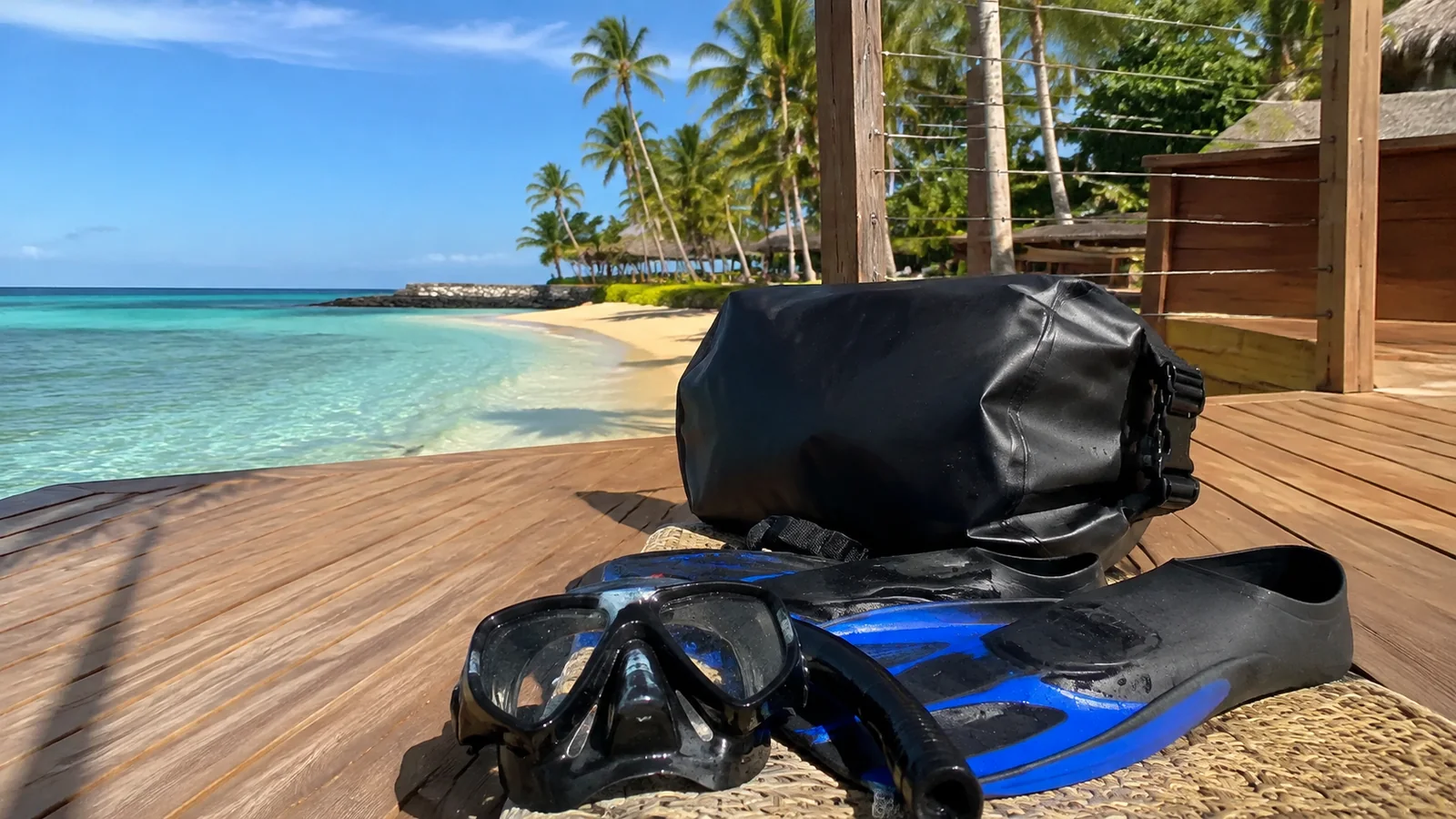
Reefs, tides, current, boat traffic, surf, heat, and changing weather differ among islands and even opposite sides of one island. Ask about the exact swimming zone and same-day conditions rather than labeling an entire resort coast safe.
Join a reputable group for snorkeling, diving, hiking, rafting, surfing, or remote waterfalls. Disclose medical conditions and experience honestly, use fitted safety equipment, and do not let a cheerful group photo negotiate with an unsafe activity.
Never snorkel alone, stand on coral, chase wildlife, or swim through a boat channel. For scuba, verify certification, recent experience, medical screening, equipment, insurance coverage, and the required interval before flying or traveling to altitude.
Weather and the best time to visit
Fiji is tropical, with generally cooler and drier conditions from roughly May through October and warmer, wetter conditions in the southern summer. Regional and year-to-year variation means neither period guarantees sunshine or calm water.
Tourism Fiji notes that tropical cyclones can occur during the wetter summer season, generally November through April. Check its weather guidance, Fiji Meteorological Service warnings, and transport notices before and during the trip.
Build flexible days into cyclone and heavy-rain season, understand the accommodation’s shelter and evacuation plan, and keep medications, water, documents, light, and power available. Never travel toward a storm because the refundable room has a sunset view.
For broader South Pacific timing and route tradeoffs, compare the seasonal notes in the South Seas itinerary overview. Cruise seasons and land-trip weather overlap, but they are not interchangeable booking calendars.
How to meet people
Choose accommodation with communal meals, shared lounges, small-group activities, or dorms if that atmosphere feels comfortable. Read recent reviews specifically for solo interaction because “quiet retreat” and “friendly social base” can describe opposite vacations.
Book a guided food, village, sailing, diving, or hiking activity early in the trip, then preserve private time afterward. The goal is optional company, not returning home with a committee-approved schedule.
Meal-inclusive island resorts can be naturally social, but ask whether dining is communal or assigned. A compulsory meal plan does not guarantee that anyone else will look up from a honeymoon.
Culture and village etiquette
Fijian hospitality does not turn villages into open attractions. Visit with an invited guide or host, follow community instructions, ask before photographing people or ceremonies, and purchase locally without treating every interaction as a transaction.
Tourism Fiji’s village etiquette advises modest dress covering shoulders and legs, removing hats, speaking quietly, and following the host’s lead around kava and customary welcomes. Swimwear belongs at the beach, not in a village.
Kava can interact with health conditions or medications and may impair judgment. Participation can be respectful without ignoring medical advice or personal boundaries, so ask the host how to decline graciously.
Solo budget realities
Actual examples, then an honest working budget
Checked September 5, 2026, Mantaray Island Resort advertises Paradise Dorm beds from FJD 73 and Tree House Bures from FJD 207 per night. The bure has shared facilities, so the higher rate buys sleeping privacy rather than a private bathroom.
Its compulsory adult meal plan is FJD 184 per night for September 1, 2026, through March 31, 2027, and its listed standard boat transfer is FJD 210 per adult each way. These are public starting rates, not a date-specific availability quote, and surcharges or extra meals may apply.
- Four-night island example for one adult: Mantaray Paradise Dorm
- Room or bed: FJD 292
- Required meals: FJD 736
- Return boat: FJD 420
- Subtotal: FJD 1,448
- Four-night island example for one adult: Mantaray Tree House Bure, solo use at the listed starting room rate
- Room or bed: FJD 828
- Required meals: FJD 736
- Return boat: FJD 420
- Subtotal: FJD 1,984
For another social island option, Barefoot Manta lists its Vai dorm from AUD 50 per person per night, including a girls-only dorm option. Its separately charged daily resort package is advertised at FJD 159 per adult, so request one complete quote in a single currency with return transfers before comparing it with Mantaray.
On the mainland, I would shortlist Smugglers Cove on Wailoaloa Beach for an arrival base with a social beachfront setting. Ask for a quieter room if sleep matters more than the bar, and confirm the full solo rate for your dates rather than halving a twin-share price.
For an illustrative seven-night trip, add FJD 450 for three mainland nights, FJD 180 for mainland food, FJD 100 for local transport, FJD 200 for activities, and FJD 200 contingency to the island subtotal. That creates a working total of about FJD 2,578 with the dorm or FJD 3,114 with the private sleeping space, excluding international flights, insurance, and unconfirmed fees.
Those mainland and activity figures are chosen budget allowances, not sampled hotel offers. Replace them with actual booking totals before paying, especially during school holidays or if you want diving.
The Bula Pass covers multiple island transfers, not accommodation and meals. For one island stay, compare its final price with the FJD 420 return-transfer example; if the pass costs more and you will not use additional transfers, I would buy the return ticket.
Price the complete trip in Fijian dollars: accommodation, taxes, meals, transfers, domestic flights, boats, activities, tips, laundry, phone data, insurance, and emergency margin. Compare package and independent totals using the same room and transfer assumptions.
Hostels and dorms reduce accommodation cost, while private island rooms can include a single supplement. Mandatory meal plans matter because many resorts have no practical outside dining alternative.
Carry some local cash for small vendors and places with unreliable card systems, but do not keep it all together. Use secure ATMs, decline unsolicited money help, and notify banks of travel if required.
If a resort-heavy trip is the goal, the all-inclusive comparison explains how inclusions can hide or expose solo costs. In Fiji, always verify meals, drinking water, transfers, activities, equipment, and single occupancy separately.
A realistic 8-day solo itinerary
My specific first-trip combination is two nights at Wailoaloa, four nights at Mantaray, and one final mainland night before flying on Day 8. It gives you a social start, time to settle into one island, and a buffer between the ferry and the international flight.
Days 1 and 2: Nadi or Coral Coast
Arrive, sleep, obtain cash or a SIM if needed, and take one guided cultural or nature outing. Keep the first day light because jet lag plus left-side traffic is not a charming adventure combination.
Days 3 through 6: one island base
Choose one Mamanuca or Yasawa property with social meals and two activities that genuinely fit. Leave at least one unscheduled day for weather, snorkeling, reading, or meeting people.
Days 7 and 8: return to Viti Levu
Return to the main island one night before the international flight and use the spare time for Nadi or a relaxed resort day. Travelers wanting Taveuni or Suva should replace the island segment rather than bolt another transport chain onto eight days.
The general travel preparation checklist can help with documents, money, luggage, and insurance. Fiji-specific transfer confirmations still deserve their own folder.
Final solo booking checklist
- Verify passport, visa, onward-ticket, and transit requirements.
- Book the first night and every essential boat or domestic flight.
- Confirm solo room pricing, meal plans, and transfer inclusions.
- Save offline contacts, bookings, maps, and an emergency plan.
- Check weather, marine conditions, and operator messages again locally.
- Leave the last night on the main island before flying home.
Fiji suits solo travelers who plan the connections and leave the days pleasantly loose. Pick one or two bases that match your social style, pay attention to weather and water, and allow the famous welcome to be a pleasure rather than a substitute for preparation.