Canberra Travel Guide: A Smart 3-Day First Visit
Canberra is much better than the punch line Australians sometimes make it. The national capital combines serious museums, bold civic architecture, lakeside paths, native bushland, and genuinely good food, all without asking you to fight Sydney-sized crowds.
Is Canberra worth visiting?
Yes, especially if Australian history, art, politics, gardens, or easy outdoor time appeals to you. Two full days cover the national institutions, while three days let the city breathe.
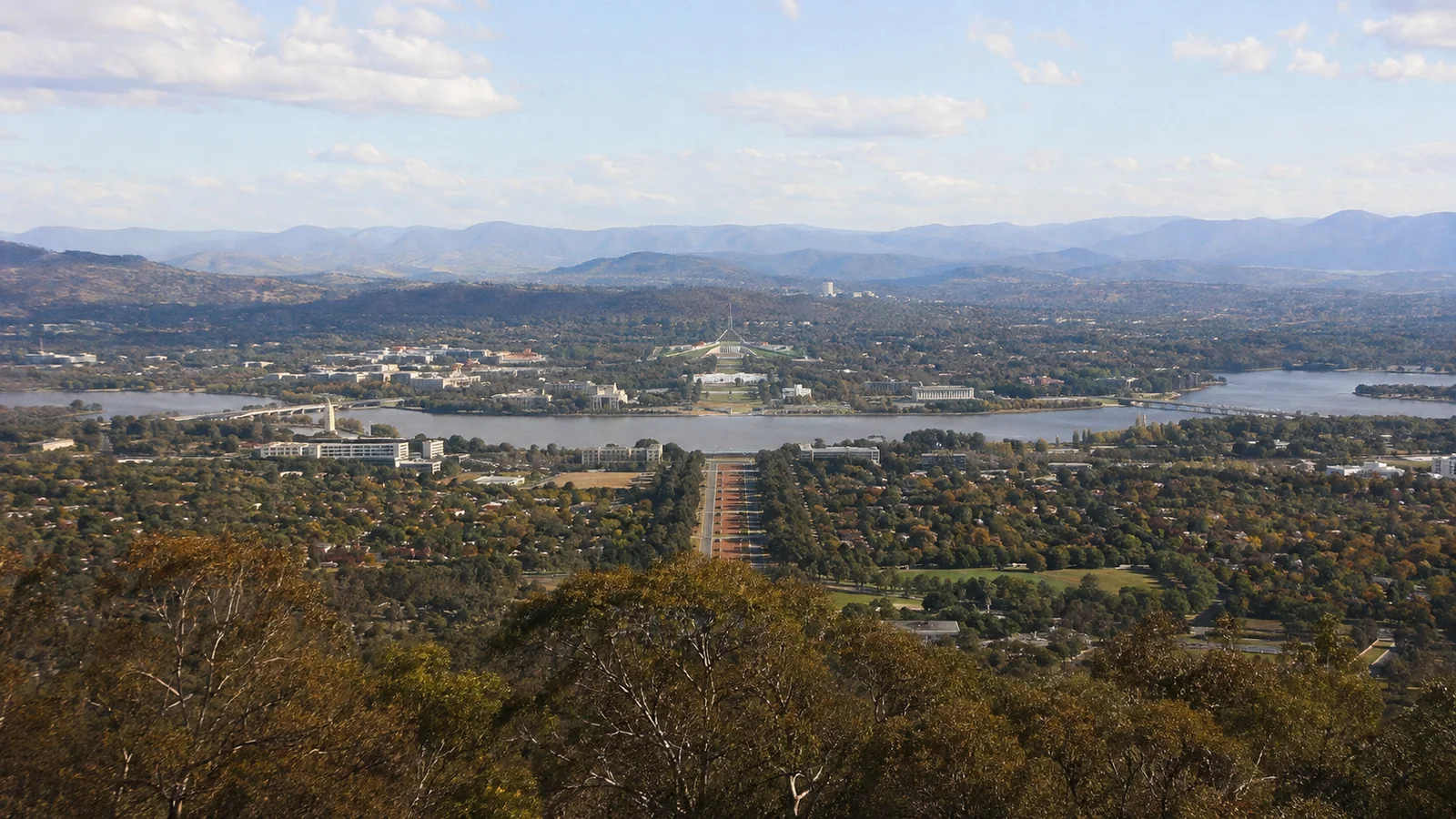
Canberra is planned around Lake Burley Griffin and a landscape framework rather than one compact historic center. Attractions that look close across the water may still require a long walk, bus connection, bike ride, or short drive.
The city sits on Country with continuing cultural significance to Aboriginal people. Read each institution’s acknowledgement, engage respectfully with First Nations exhibitions, and remember that Australia’s national story did not begin when Parliament arrived.
A realistic three-day Canberra itinerary
Day 1: Parliament and the National Triangle
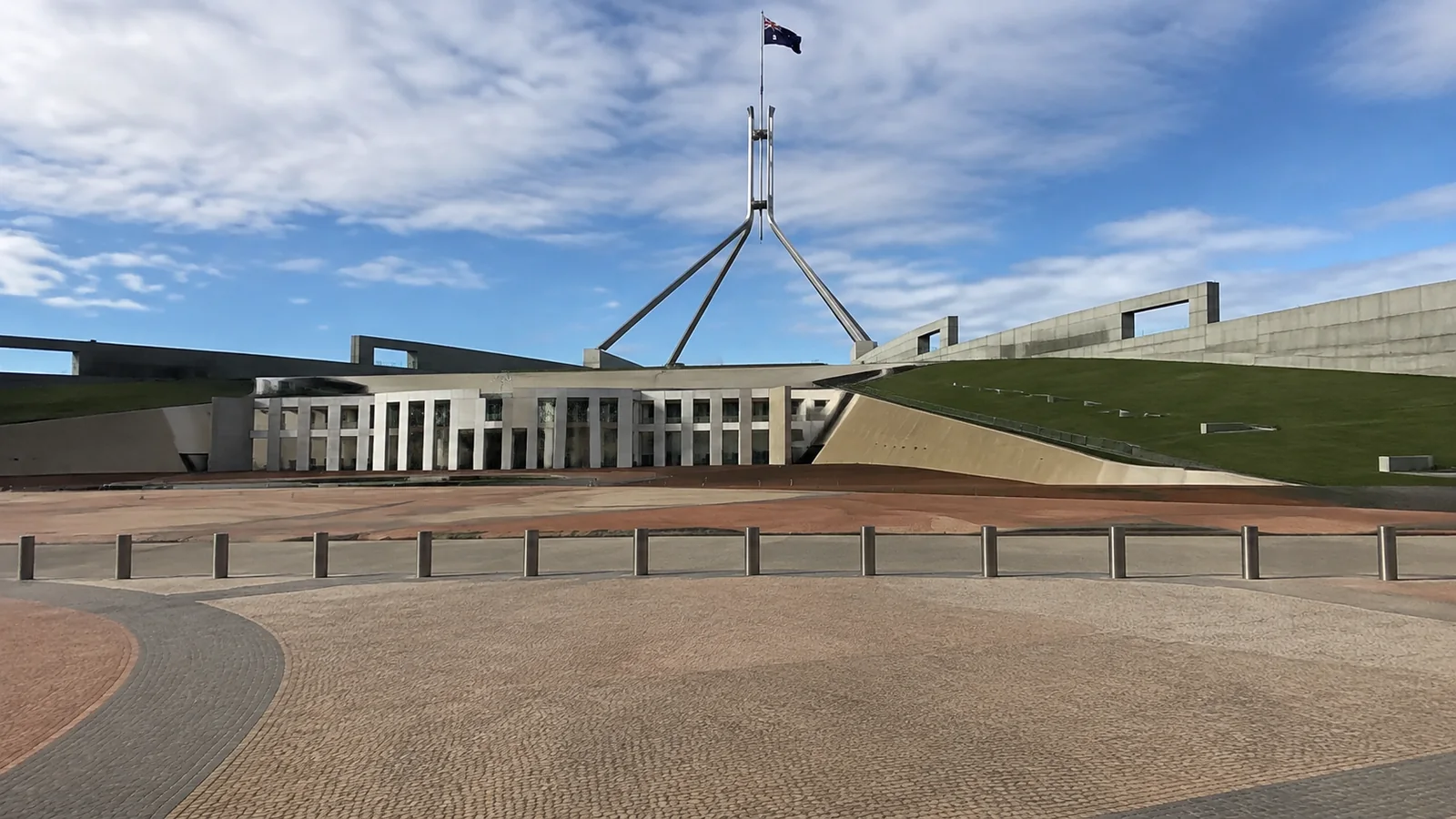
Begin at Australian Parliament House before tour groups and school visits fill the public spaces. The building’s axis, chambers, art, and grass-covered roof make politics surprisingly visual even if parliamentary procedure is not normally your vacation hobby.
The official Parliament House visitor page currently lists free admission and different hours for sitting and non-sitting days. Expect airport-style security, check chamber-access rules, and reserve any tour that matters to you.
Walk or take a short ride to Old Parliament House, now home to the Museum of Australian Democracy. Its smaller rooms and preserved political spaces provide the human-scale context that the newer building can lack.
Continue through the Parliamentary Zone toward the National Gallery of Australia. General admission is free, while selected major exhibitions require tickets, and the outdoor sculpture garden makes a lovely reset after a morning of government buildings.
The National Gallery’s visitor information lists current hours, access details, exhibitions, and construction impacts. Check the day’s program because a free tour can make unfamiliar Australian art far more approachable.
Finish with the roughly 3-mile bridge-to-bridge loop around Lake Burley Griffin’s central basin if energy allows. The National Capital Authority maps this route between Commonwealth Avenue and Kings Avenue bridges, passing several major landmarks.
Day 2: Australian War Memorial and Mount Ainslie
Give the Australian War Memorial at least two or three hours, more if military and social history is central to the trip. The Commemorative Area, Roll of Honour, galleries, and personal stories deserve a thoughtful pace rather than a quick photo stop.
The current memorial visitor page says entry is free and tickets are not required, but redevelopment continues and some galleries may close or change through the project. Check the live gallery list shortly before visiting.
The Last Post Ceremony takes place late in the day and can be a moving way to close the visit. Confirm the current time and any attendance process instead of relying on an old itinerary screenshot.
From the memorial, head up Mount Ainslie for the classic view along Anzac Parade toward Parliament House. Driving is the easiest option, while walkers can use the uphill trail if conditions, daylight, and fitness make sense.
Spend the evening in Braddon, a walkable inner-city neighborhood with restaurants, bars, and coffee. Canberra takes dining more seriously than its administrative reputation suggests, so leave one meal unscheduled and follow the busy room that smells best.

Day 3: museum, gardens, and a neighborhood dinner
Start at the National Museum of Australia for Indigenous histories, migration, environment, and the complicated making of modern Australia. The lakeside building is worth noticing as architecture, but the collection is the reason to stay.
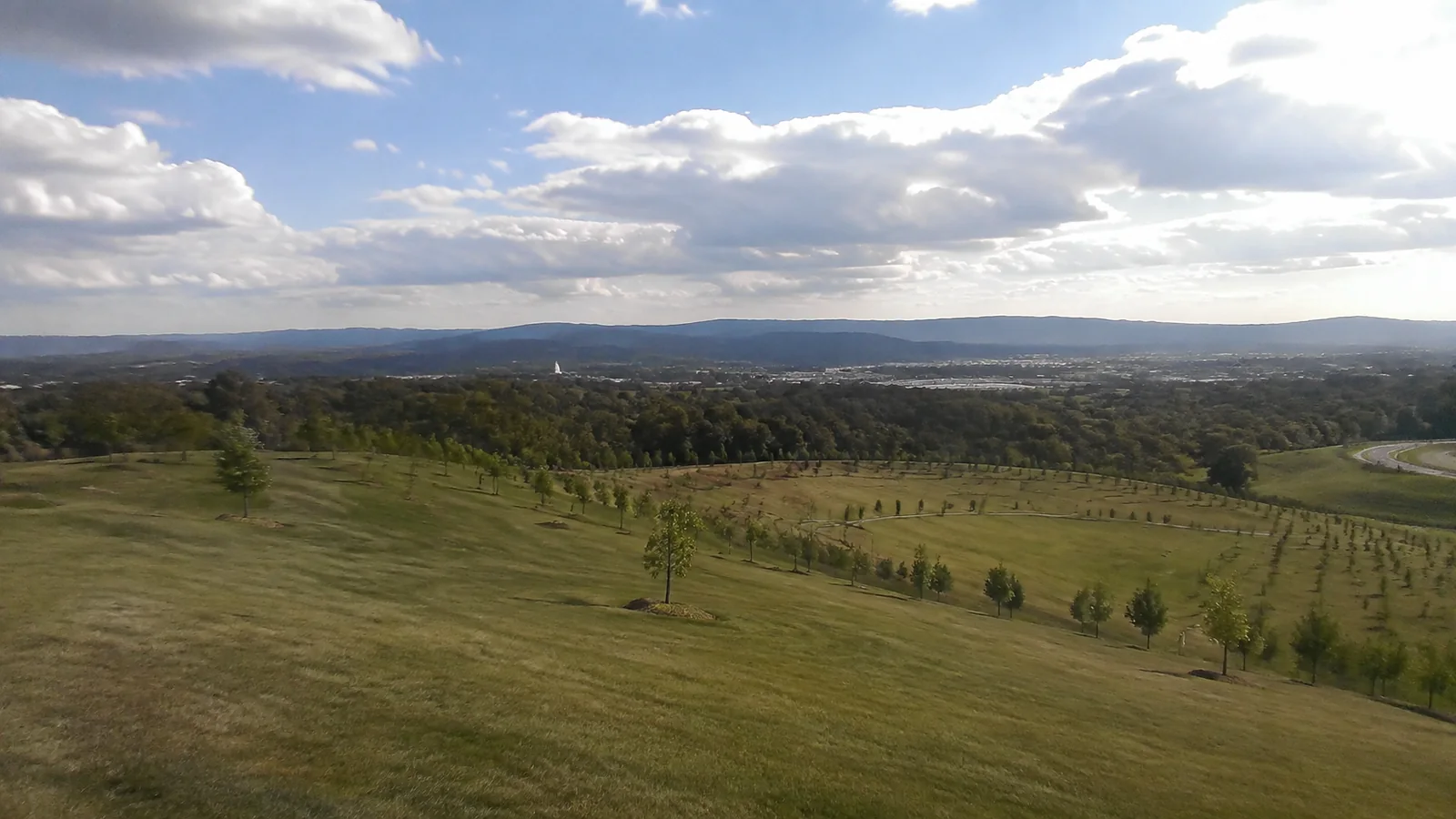
Then choose the Australian National Botanic Gardens or the National Arboretum Canberra. The botanic gardens focus on Australian native plants, while the arboretum offers broad views, forests, gardens, and the family-friendly Pod Playground.
Parks Australia describes the Australian National Botanic Gardens as a major living collection devoted to native flora, conservation, science, and learning. It is a smart choice when you want nature without spending half the day leaving town.
Use the final evening for Kingston Foreshore, Manuka, or NewActon, depending on where you stay. Kingston suits a waterside stroll, Manuka feels polished and village-like, and NewActon mixes design, dining, and cultural spaces near the city center.
Where to stay in Canberra
Canberra City and Braddon are the easiest bases for restaurants, light rail, buses, and evening life. They work well for travelers without a car, although many national attractions still require a connection or a substantial walk.
Kingston and Barton suit visitors prioritizing the Parliamentary Zone, lake, and a quieter evening atmosphere. NewActon offers stylish hotels and quick access to the National Museum, with the city center still close.
Do not book only by the lowest map distance. Check the actual walking route, hill, bus frequency, and late-evening return because Canberra’s avenues and water can turn a tiny-looking gap into a commitment.
Getting to Canberra
Canberra Airport is close to the city and has domestic connections, but flight schedules vary. Compare the total trip from your Australian arrival airport rather than assuming a connection is faster than ground transportation.
Sydney to Canberra coaches are often practical because they connect central locations and avoid a flight transfer. The direct rail journey is scenic and comfortable, though Canberra Railway Station is in Kingston rather than the central business district.
VisitCanberra’s current arrival guide says the Sydney rail trip takes about four and a half hours and links travelers to the operator for schedules. Always check the live timetable, especially on weekends and holidays.
Driving from Sydney usually takes roughly three to four hours depending on the starting point, traffic, and stops. Rest rather than racing, and remember that Australian speed limits are posted in kilometers per hour even though this guide uses U.S. customary distances.
Getting around without a car
Public buses serve major districts and attractions, and light rail connects the city center with northern neighborhoods rather than the Parliamentary Zone. Use the official journey planner for the exact day because weekend and evening frequency can change the feel of a route.
VisitCanberra’s transport overview also lists visitor-oriented services, taxis, rideshares, cycling, and walking. A sightseeing loop may simplify headline attractions, but confirm its operating days and current schedule.
Cycling works beautifully around the lake, with separated paths and mostly gentle terrain on central loops. A bike does not erase heat, cold wind, darkness, or distance, so bring water and choose a return route before enthusiasm carries you too far.
A car is most useful for Mount Ainslie, the arboretum, wineries, nature reserves, and day trips. Parking at national institutions varies by location and duration, so read signs instead of assuming every government building comes with unlimited free parking.
Best time to visit Canberra
Autumn, roughly March through May, brings colorful foliage and generally comfortable sightseeing. Spring, from September through November, offers blossoms and Floriade, although popular festival weekends need earlier lodging.
My world flower-festival planner explains why fixed event dates are not the same as guaranteed peak bloom. Canberra’s spring displays follow the same stubborn rule of nature.
Winter mornings can be genuinely cold, and frost is normal, but clear days and smaller crowds have their charms. Summer can be hot and brings higher bushfire and smoke risk, so monitor official weather and emergency information before outdoor plans.
Canberra food and drink worth making time for
Canberra’s coffee culture is excellent, and brunch can become a serious event rather than a rushed pre-museum snack. Braddon, NewActon, Kingston, and Manuka all make easy food neighborhoods.
The surrounding cool-climate wine region is known particularly for shiraz and riesling, with cellar doors within driving distance. Use a guided tour or designate a driver because spread-out wineries and tastings do not pair well with improvising transportation.
Markets, bakeries, modern Australian restaurants, and cuisines from the city’s international community add range. Check opening days because a place that shines on Saturday morning may not exist for your Monday lunch plan.
Easy Canberra day trips
Tidbinbilla Nature Reserve is a strong choice for walking and wildlife, while Namadgi National Park offers a bigger mountain landscape south of the city. Conditions, closures, fire danger, and road access should be checked before leaving.
The wineries around Murrumbateman fit a relaxed tasting day, and Queanbeyan sits just across the territorial border in New South Wales. For a larger Australia itinerary, my Pacific adventure planning ideas can help keep Canberra from becoming an awkward detour between famous coastal cities.
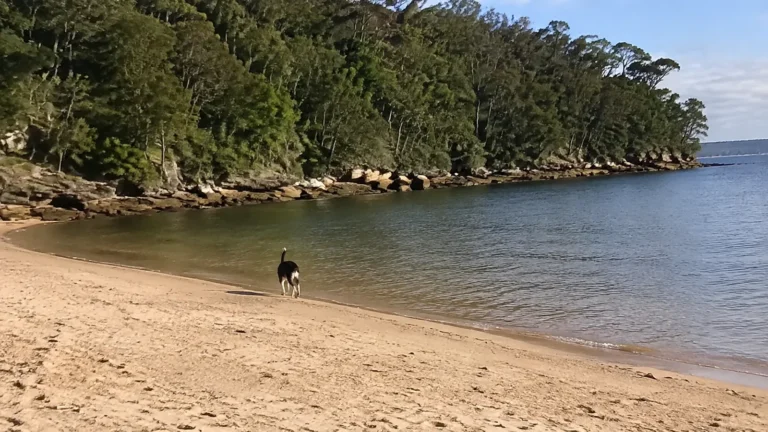
Sydney pairs naturally with Canberra when you have at least a week, but give each city real time instead of treating the capital as a highway rest stop. If the coast is part of the plan, these Sydney dog-beach rules help travelers bringing a four-legged sidekick.
Practical Canberra travel tips
- Check sitting days if seeing Parliament in action matters to you.
- Verify gallery closures at the Australian War Memorial.
- Carry sun protection and water in every season.
- Bring layers because mornings, shade, and lakeside wind can feel much cooler.
- Download transport maps before a long walking or cycling loop.
- Leave large bags at your accommodation when visiting security-screened institutions.
International visitors need the correct Australian travel authorization or visa before departure. Australia’s Department of Home Affairs says all passport holders except Australians and New Zealanders need the appropriate visa before travel, with eligibility depending on nationality and purpose.
Australia also enforces strict biosecurity rules. Declare food, plant, animal, and outdoor items as required, and clean hiking shoes before packing rather than arriving with a small ecosystem in the tread.
One Canberra day without a car
For the Parliamentary Triangle, I would start at City Interchange, take R2 toward the inner south, and use the stop closest to the National Gallery shown for that departure. Transport Canberra’s visitor route table lists R2 and R6 for the National Gallery, National Portrait Gallery, and National Library; allow 35 to 45 minutes from your city hotel including the walk, wait, and final approach.
Spend the morning in the National Gallery, then walk to the neighboring National Portrait Gallery and choose lunch before adding another museum. The buildings share a district, but their entrances and security procedures still take time, so I would leave 15 minutes between separate reservations.
For Parliament House, allow around 30 to 40 minutes to walk uphill from the gallery area, or use a taxi if heat, rain, or mobility makes that unappealing. Routes 57 and 58 serve Parliament House for the return toward the city; check the current route timetable and allow 45 minutes rather than assuming a bus will be waiting outside.
MyWay+ accepts contactless Visa or Mastercard, a MyWay+ card, and supported digital or machine-bought tickets. Use the same card or device to tap on and off, keep each traveler’s payment method consistent, and check the current fare and cap rules; a phone wallet and its physical bank card are separate payment tokens.

How many days do you need?
Two days can cover Parliament, a gallery, the War Memorial, and a lake walk if you plan the geography carefully. Three days is the sweet spot because it adds native gardens, the National Museum, better meals, and breathing room.
Stay four or five days for wineries, Tidbinbilla, Namadgi, a major exhibition, or a festival. Canberra rewards curiosity more than rushing, which may be the most pleasantly un-bureaucratic thing about Australia’s capital.