12 Lake Superior Lighthouses to Visit
Lake Superior lighthouses range from polished roadside museums to lonely offshore towers that are best admired from a boat.
The real planning question is not which one looks most dramatic, but which combination of driving, hiking, stairs, schedules, weather, and seasonal access fits your trip.
Best Lake Superior lighthouses
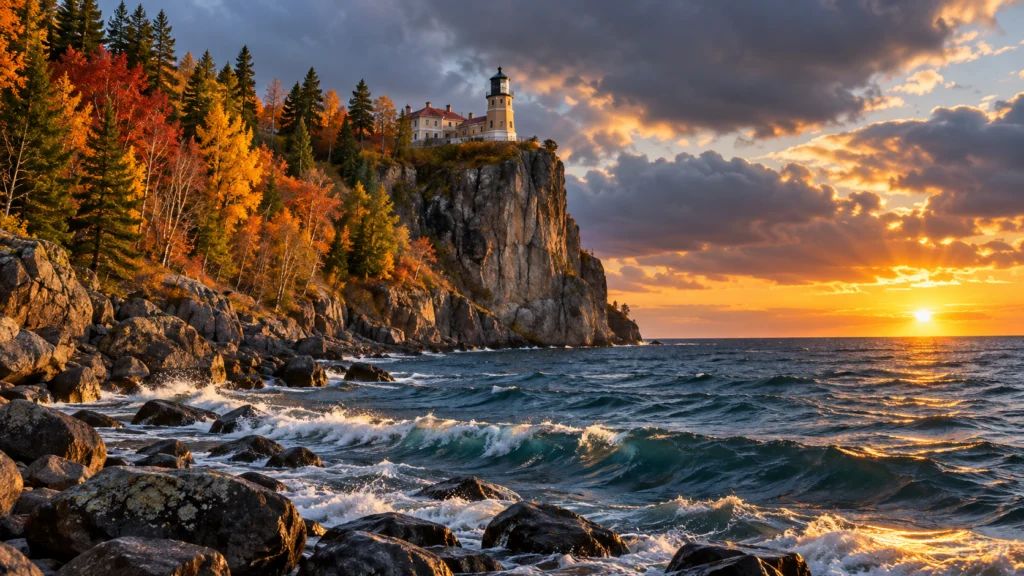
1. Split Rock Lighthouse, Minnesota
Split Rock is the strongest all-around choice because it combines a famous cliff setting with road access, a visitor center, exhibits, preserved station buildings, and multiple ticket options. It works for a first lighthouse trip, a family stop, or a Minnesota North Shore itinerary that cannot gamble on a boat.
The Minnesota Historical Society’s 2026 schedule lists daily 10 a.m. to 6 p.m. operation from May 1 through October 19, followed by reduced late-fall and early-winter days and hours. Admission levels and special tours differ, so reserve the experience you want rather than assuming every ticket includes the tower and keeper’s house.
2. Two Harbors Lighthouse, Minnesota
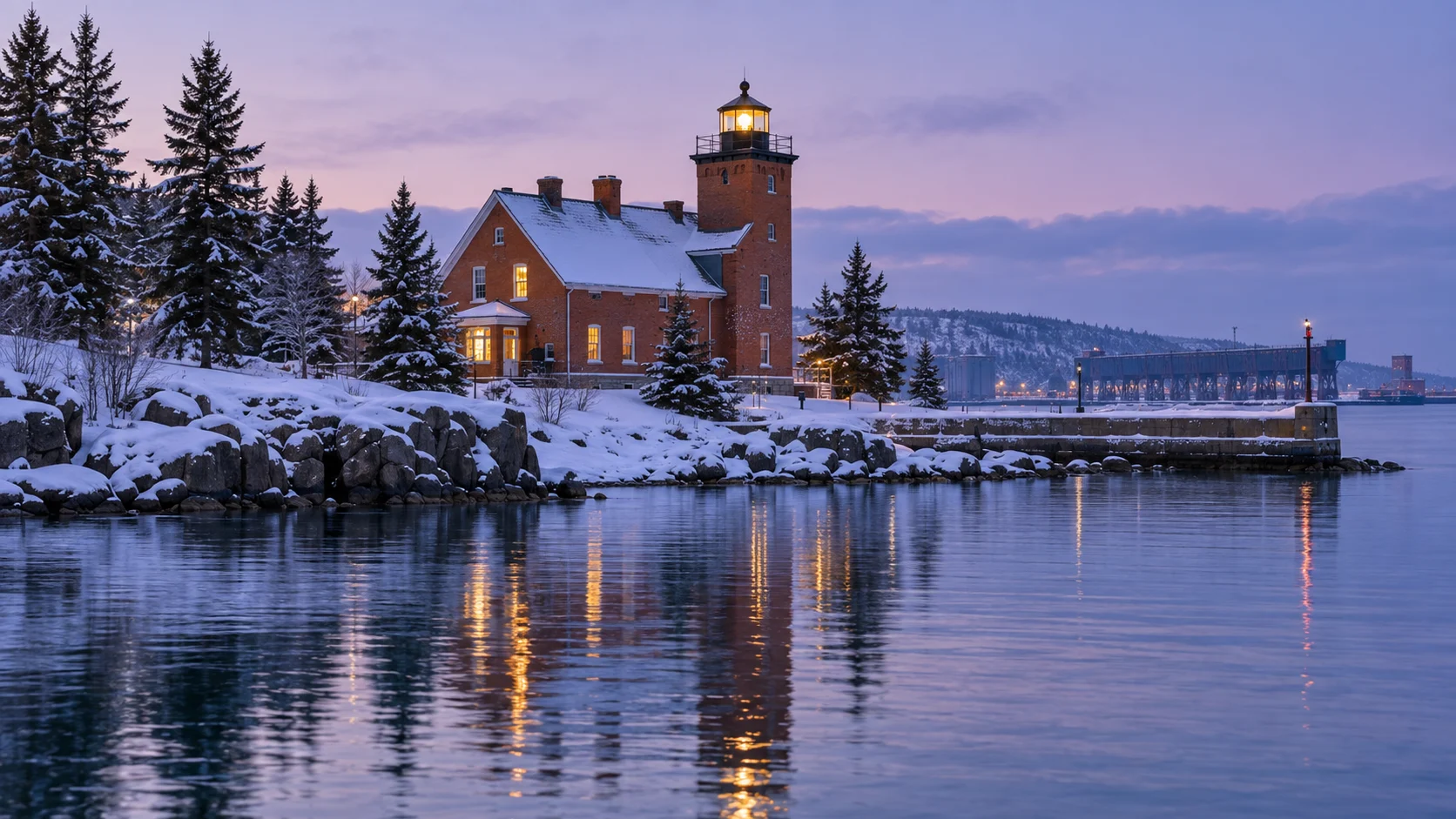
Two Harbors adds working-harbor views and the unusual chance to stay in keeper’s quarters. The Lake County Historical Society operates the lighthouse museum and a bed-and-breakfast, with lodging supporting preservation of the station.
Treat the museum visit and overnight as separate products with separate availability. Confirm current public hours, room policies, breakfast, stairs, parking, cancellation terms, and access to lighthouse spaces directly before booking.
This is an easy pairing with Split Rock because both belong on the same North Shore corridor. The Great Lakes road-trip planner helps keep that regional segment from becoming one continuous windshield.
3. Whitefish Point Light Station, Michigan
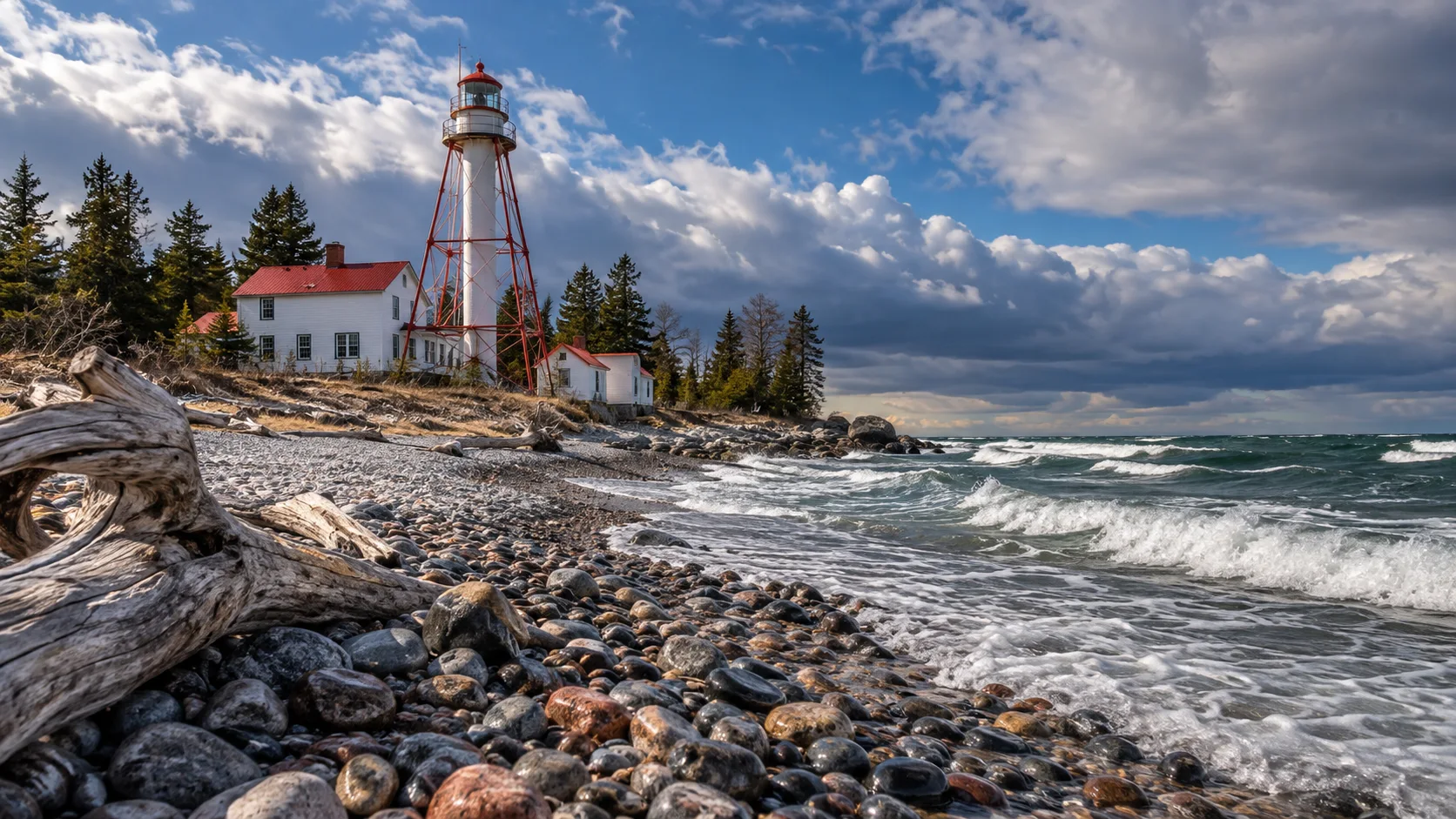
Whitefish Point is the best choice for travelers who care as much about wrecks, lifesaving, weather, and shipping as the tower itself. The Great Lakes Shipwreck Museum complex interprets the dangerous Whitefish Point area and displays the bell recovered from the Edmund Fitzgerald.
The museum’s current visitor page lists daily operation from May 1 through October 31, 9 a.m. to 5 p.m. Check which buildings and tower experiences are included or offered on the date, as preservation work and staffing can change interior access.
The point is also significant bird habitat, so remain on permitted routes and respect closures. Lake Superior weather can make the shoreline raw even when Paradise, Michigan, feels comfortable, which is the lake’s subtle way of suggesting another layer.
4. Au Sable Light Station, Michigan
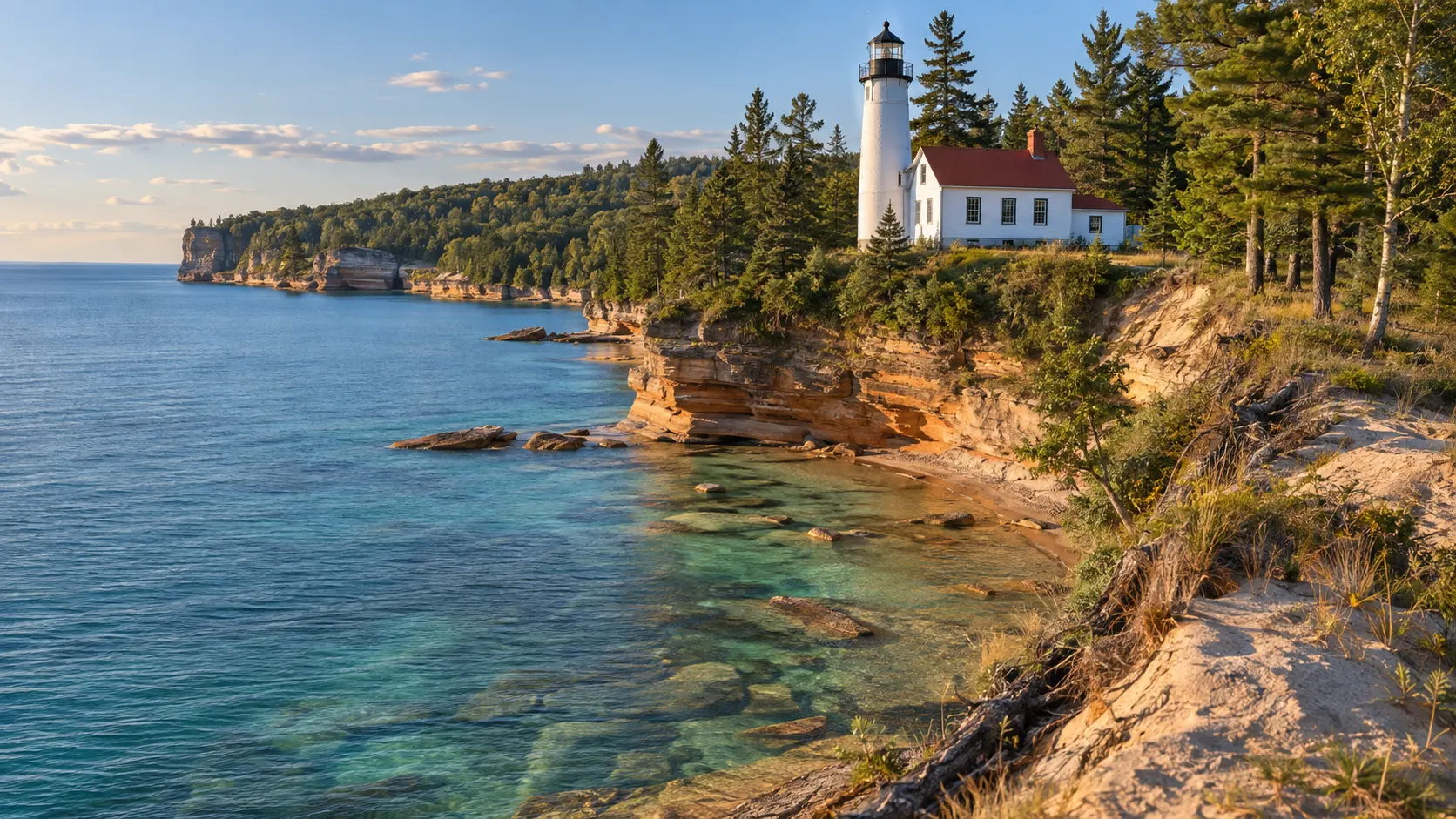
Au Sable pairs a lighthouse with a roughly 1.5-mile one-way hike from the Hurricane River area in Pictured Rocks National Lakeshore. The fairly level route follows the North Country Trail and passes shoreline and shipwreck-related scenery.
For 2026, NPS schedules free, ranger-led tower climbs from June 7 through October 15 at set times between late morning and afternoon. Spaces are limited and first-come, so review the official Au Sable page, arrive with time for the walk, and carry the required Pictured Rocks park pass.
Stairs, weather, staffing, and preservation needs may limit a climb even when the grounds remain reachable. Bring water, sturdy shoes, sun and rain protection, and enough daylight for the return.
5. Marquette Harbor Lighthouse, Michigan
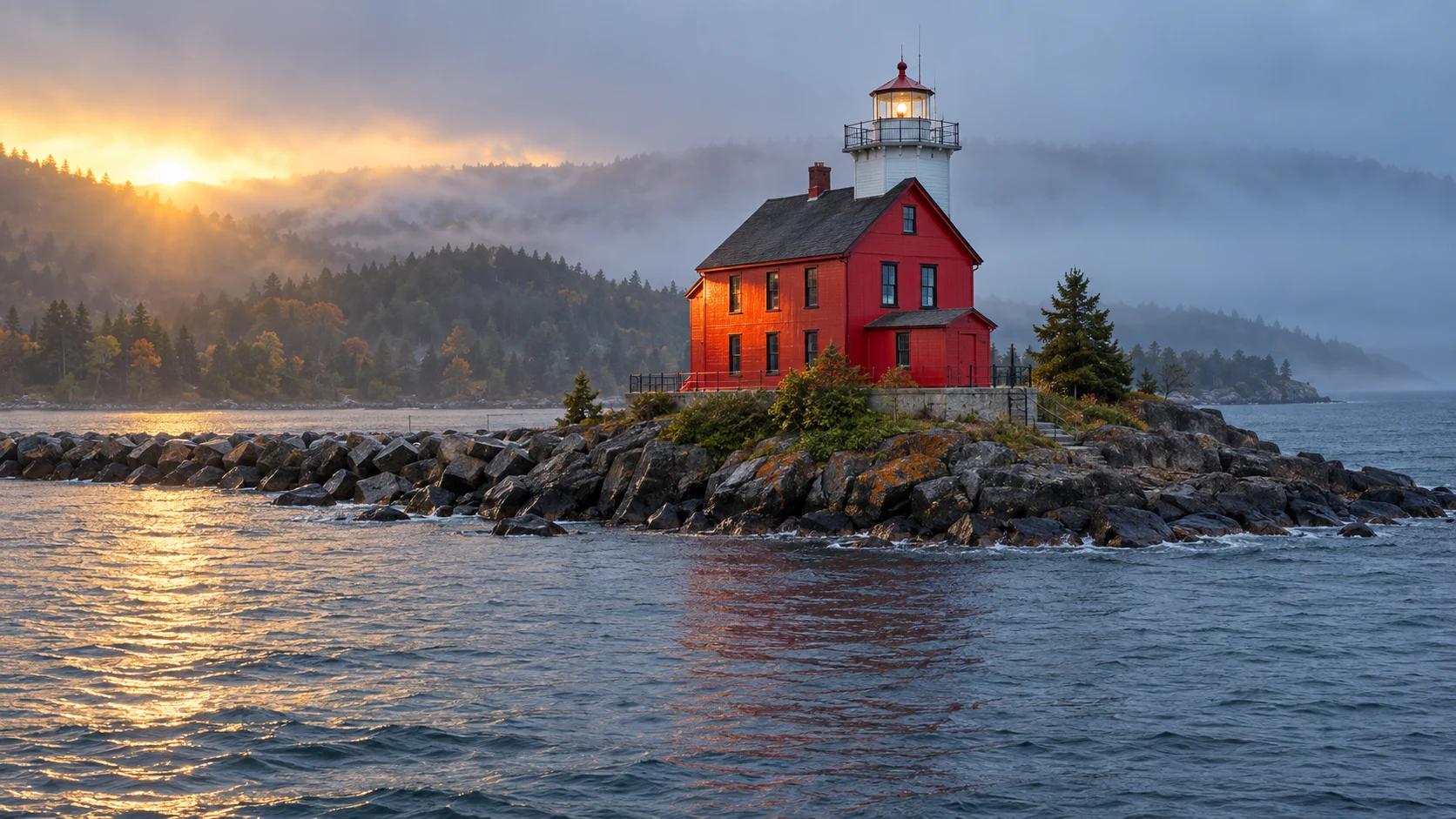
Marquette Harbor Lighthouse gives a city-based alternative to remote roads and boat transfers. Access is through an escorted Marquette Maritime Museum tour that covers lighthouse and Coast Guard history, two building levels, and the catwalk.
The museum’s 2026 planning information lists Tuesday-through-Sunday operation from mid-May into early October, with tours limited in size and canceled during inclement weather. The walking tour includes more than 45 steps, so call ahead for current times, tickets, mobility demands, and reservations.
Do not enter Coast Guard or lighthouse property independently. Marquette makes a useful overnight base because lodging, restaurants, indoor museums, and shoreline stops provide alternatives when the tour cannot run.
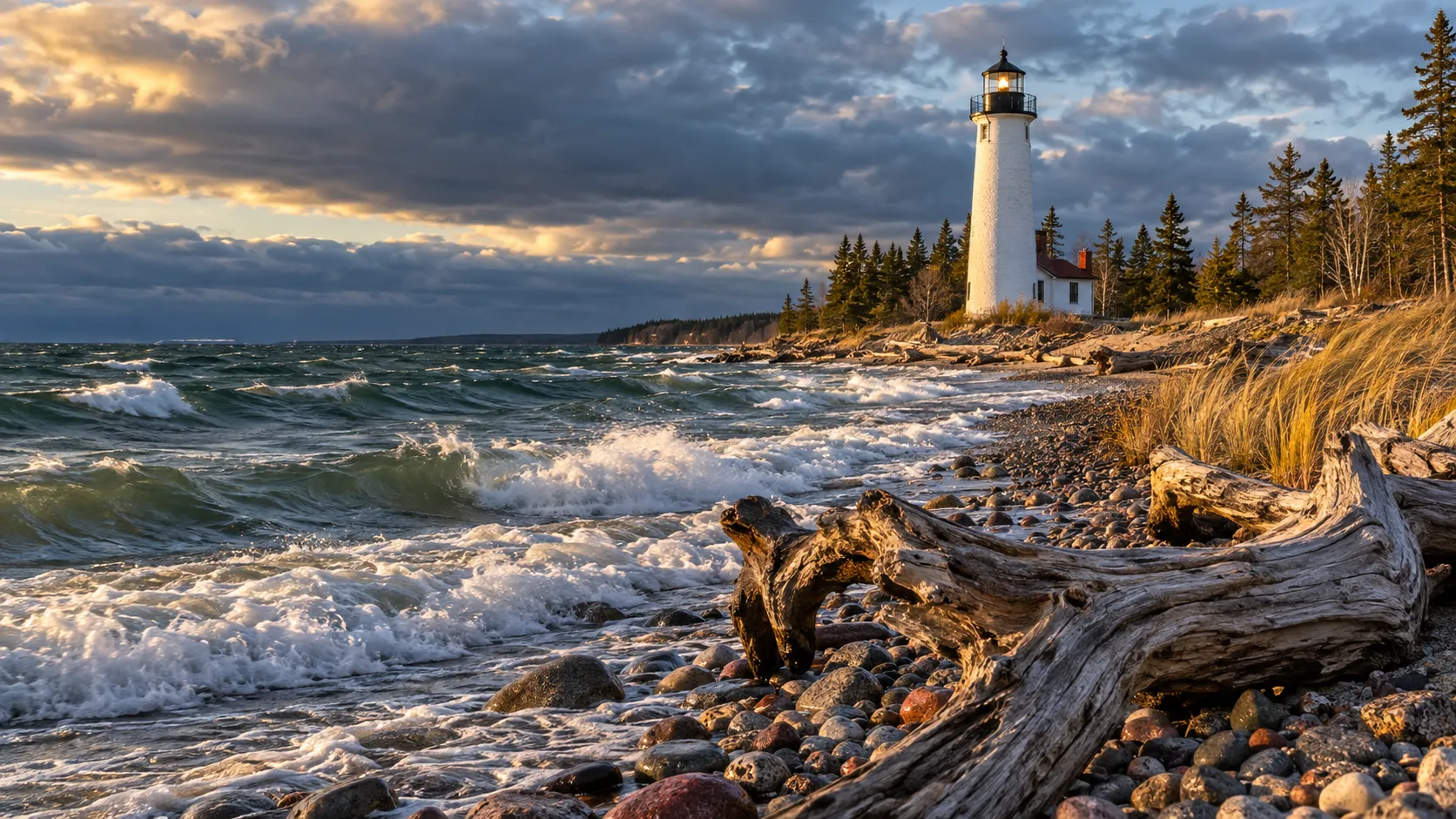
6. Crisp Point Lighthouse, Michigan
Crisp Point delivers the remote Upper Peninsula experience, reached by a long forest-road approach north of the Newberry area. The last roughly 7 miles of County Road 412 are seasonal, unpaved, and not plowed in winter.
The preservation association warns that rain can make roads difficult and discourages unsuitable vehicles, including motorcycles on sandy sections. Check current road and visitor-center status immediately before driving, carry offline directions, fill the gas tank, and leave enough daylight to return.
The grounds may be available beyond staffed hours, but there is no public camping and no trash service. A remote tower is not permission to create a remote parking spot, campsite, or shortcut.
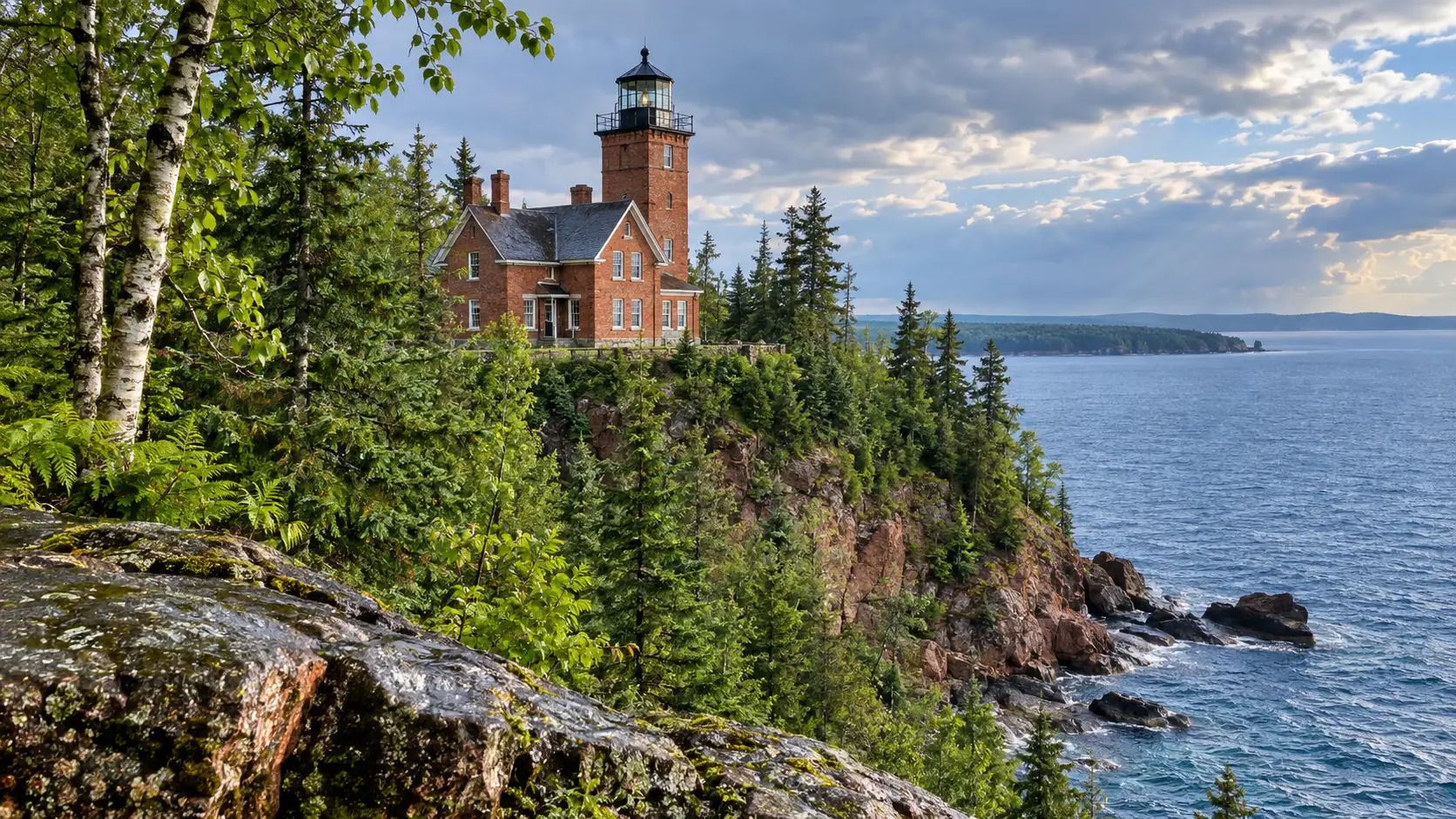
7. Big Bay Point Lighthouse, Michigan
Big Bay Point is a private lighthouse inn north of Marquette, suited to adults seeking an overnight rather than a casual roadside stop. Its official site lists a May 8 through November 5 season in 2026 and rooms for guests age 21 and older.
Public access is restricted to registered guests or people on an appointment tour. Do not drive onto the property for an unbooked photo, and confirm tour availability, lodging deposits, cancellations, meals, tower access, and mobility requirements directly.
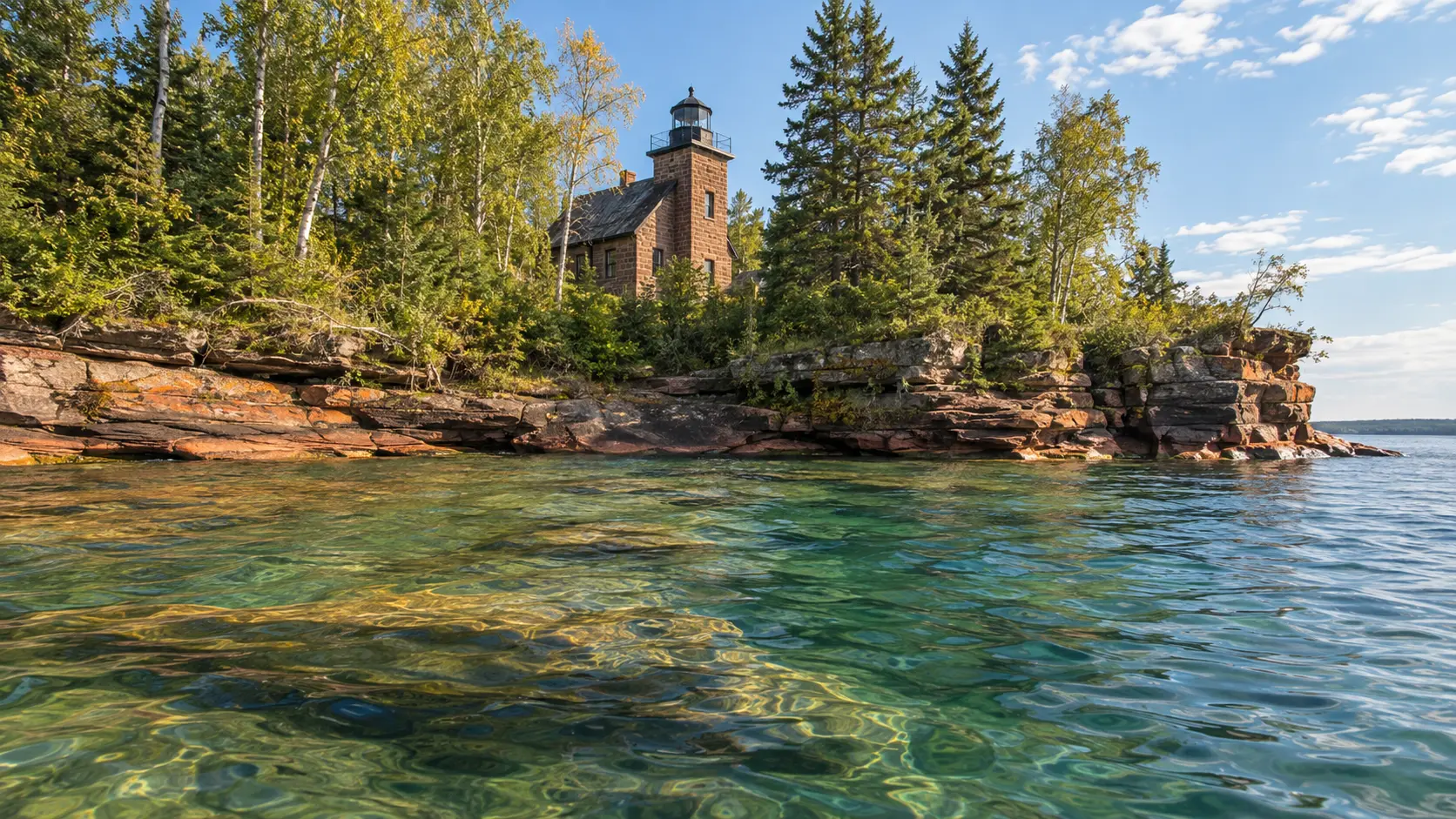
8. Sand Island Lighthouse, Wisconsin
Sand Island Lighthouse sits at the island’s northern end within Apostle Islands National Lakeshore. Visitors reach the island by authorized cruise or water taxi, private boat, or an appropriately planned sea-kayak trip, then walk to the station depending on landing point and current route.
Tour schedules, island landings, dock use, ranger programs, and interior access change with weather and season. Use the NPS island access page to identify authorized transportation, then verify exactly what the purchased trip includes.
A cruise that passes the lighthouse is not a landing tour, while a water taxi is transportation rather than an interpretive program. Ask the operator to describe dock, beach landing, hiking distance, restroom, food, water, and return procedures.
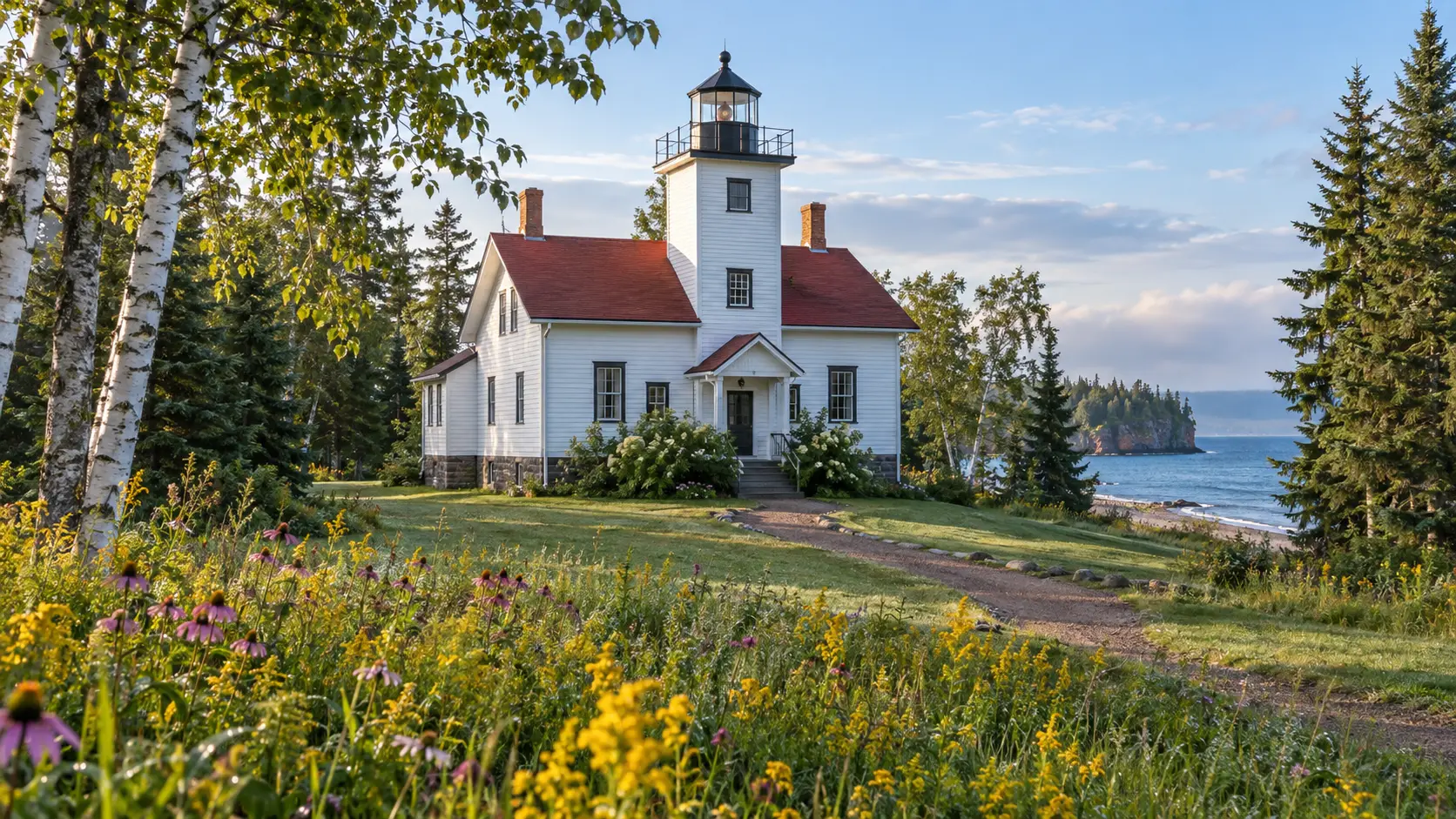
9. Raspberry Island Lighthouse, Wisconsin
Raspberry Island has one of the park’s most completely restored light stations and seasonally offers ranger interpretation when staffing and access allow. It is an excellent island choice for history-focused visitors who want more than a distant silhouette.
Reaching it still depends on authorized boat service, safe docking, and a return schedule. The island visit can include trails and uneven ground, so disclose mobility needs and ask about tower stairs before paying.
Little Sand Bay Visitor Center is closed throughout 2026 for marina rehabilitation, although other park access and services continue. Check the departure location carefully because an older itinerary may point to a facility that is not operating normally.
10. Michigan Island Lighthouses, Wisconsin
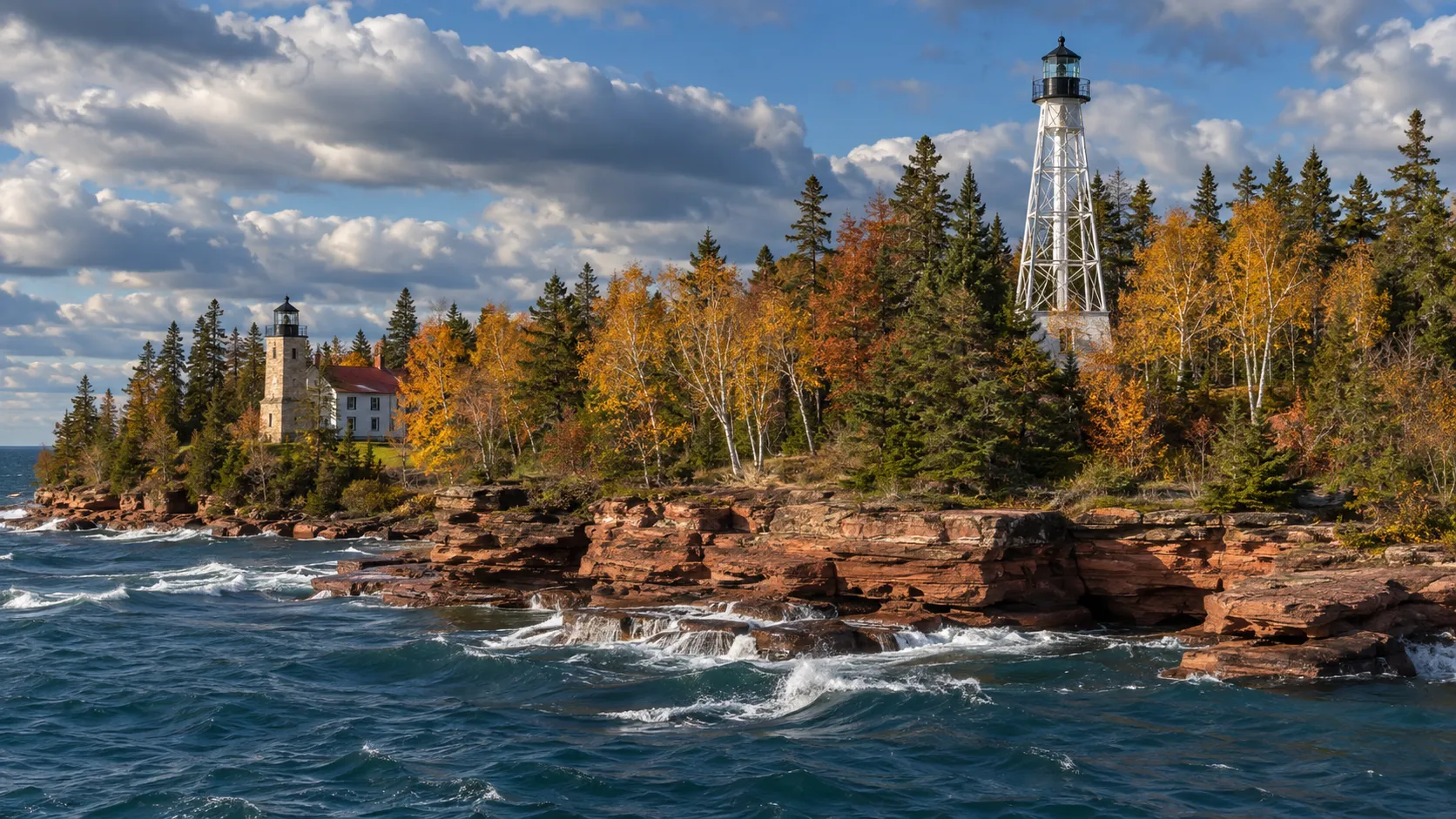
Michigan Island preserves both an older tower and the taller replacement light, creating the most visually rewarding tower comparison in the Apostles. A seasonal landing tour may include a climb of the newer tower, subject to weather, staffing, capacity, and physical requirements.
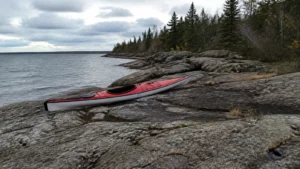
The lighthouse station occupies a steep clay-bank setting with boulders, while kayakers generally use the sandy western point under NPS guidance. Independent paddlers need sea-kayak, navigation, rescue, cold-water, landing, permit, and weather skills appropriate to open Lake Superior.
For route preparation, the Apostle Islands kayaking guide separates mainland caves, Sand Island, and outer-island travel. Similar photographs do not create similar paddling commitments.
11. Rock Harbor Lighthouse, Isle Royale
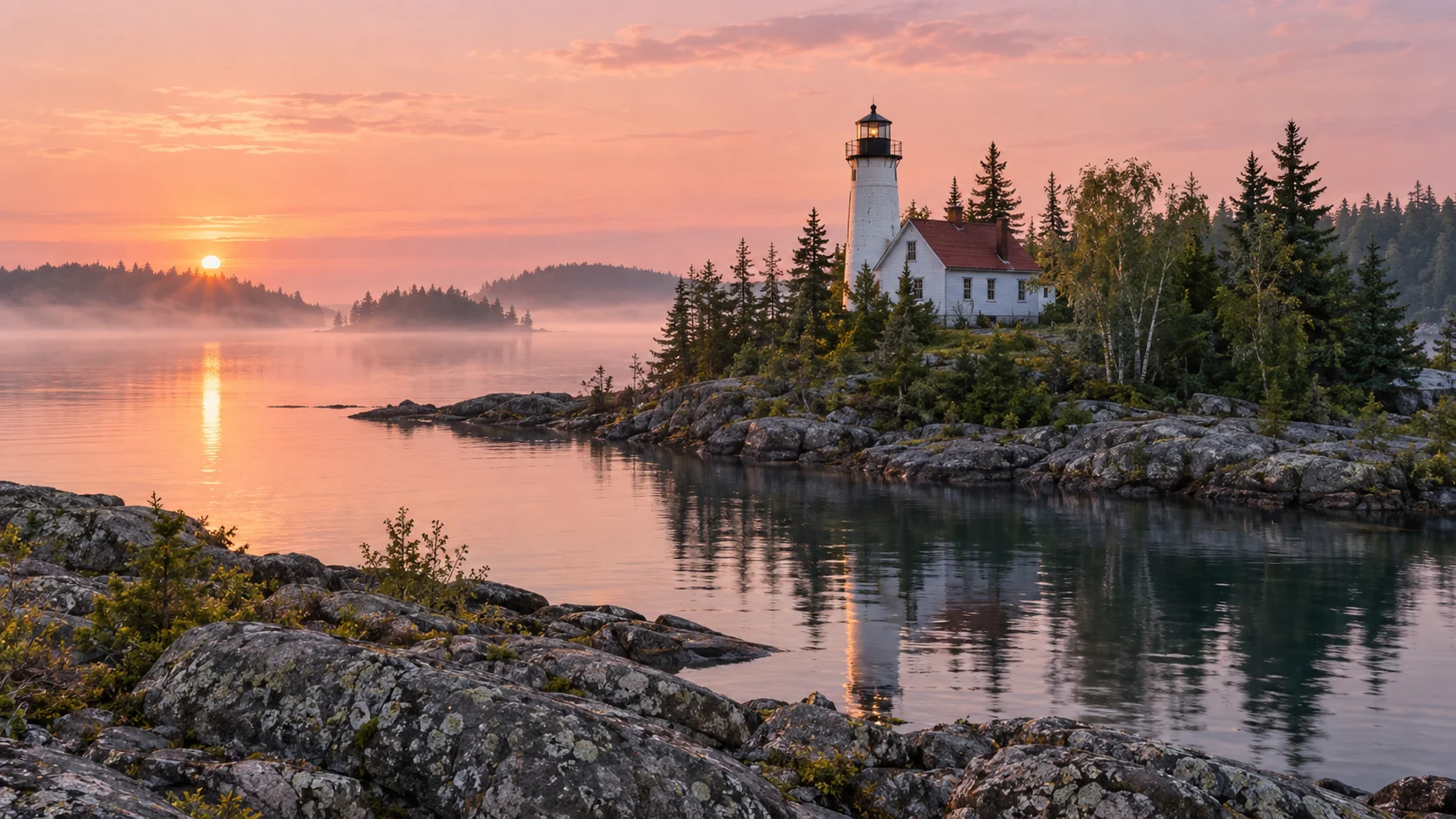
Rock Harbor Lighthouse is reached as part of an Isle Royale trip, not by road. Seasonal sightseeing from Rock Harbor may stop near Edisen Fishery and the lighthouse, where visitors can walk to maritime exhibits when the tour and site are operating.
The tower itself is closed to all visitor use in 2026 because its stairwell is damaged and stairs are deteriorated. Restoration is being planned for 2026 and 2027, so enjoy the exterior and exhibits without expecting a climb.
Isle Royale closes to public use from November 1 through April 15, and transportation operates on narrower seasonal schedules. Combine this light with a genuine island itinerary using the Isle Royale fishing planner rather than attempting a casual mainland detour.
12. Rock of Ages Lighthouse, Isle Royale
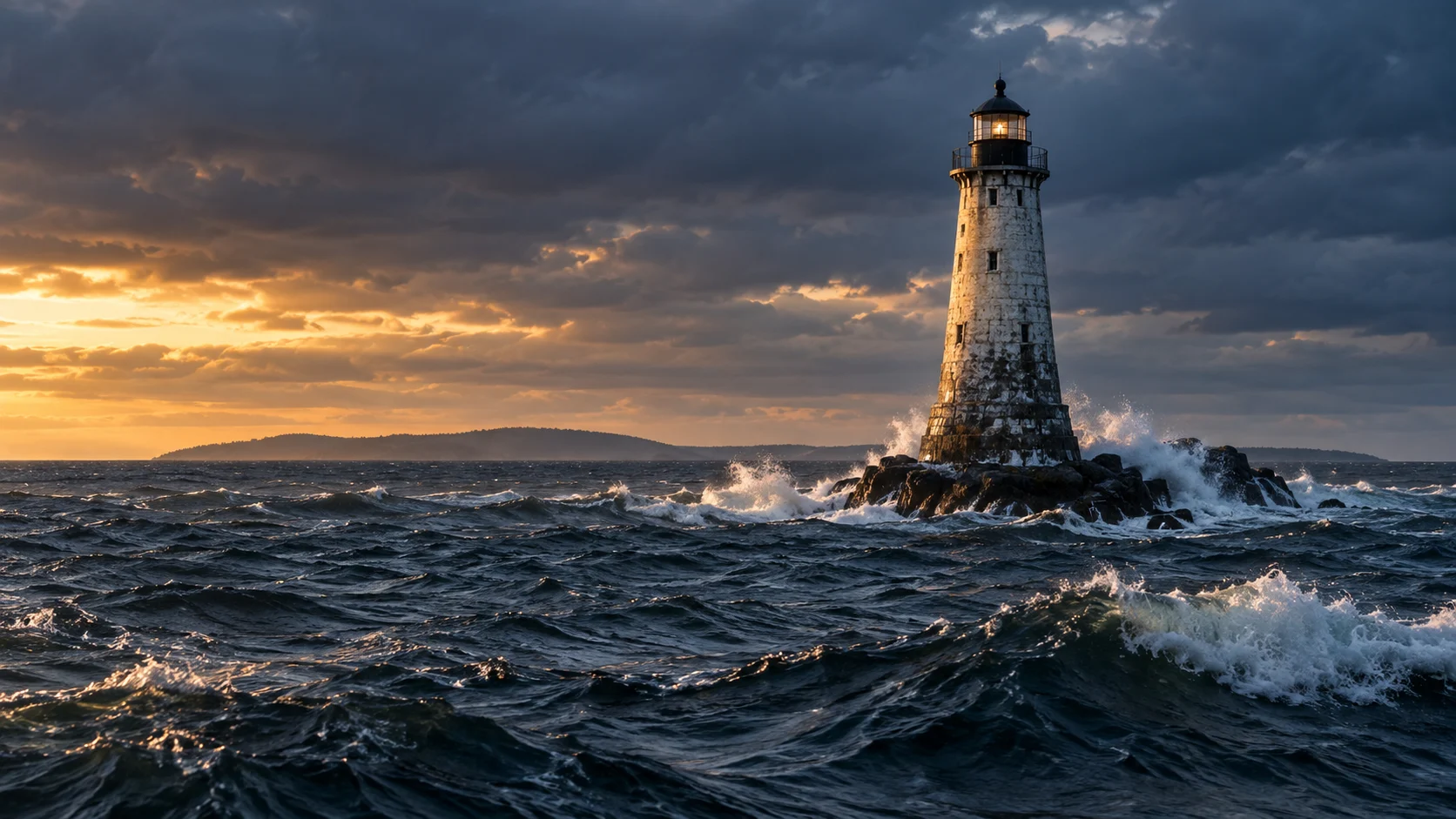
Rock of Ages stands on an exposed reef southwest of Isle Royale and is one of Lake Superior’s most dramatic offshore lights. It is near Isle Royale, Michigan, not on Ontario’s Michipicoten Island, a surprisingly persistent mapping error.
The 2026 Isle Royale superintendent’s compendium closes the Rock of Ages dock to all visitor use because deterioration and storm damage made it unstable. Plan a respectful boat view only, and never attempt to land around the closure.
Private boaters need charts, marine forecasts, safety equipment, navigation, fuel margin, communication, and open-water experience. The lighthouse may be visible on a suitable authorized route, but no operator can guarantee waves, fog, or visibility.
How to organize a lighthouse road trip
Minnesota North Shore
Allow two days for Duluth harbor lights, Two Harbors, Split Rock, and additional North Shore stops. Split Rock deserves at least a half-day if the plan includes the historic site and state-park trails.
Michigan Upper Peninsula
Use Marquette for the harbor light and Big Bay Point, Munising or Grand Marais for Au Sable, and Paradise for Whitefish Point. Crisp Point requires its own weather-aware block rather than being squeezed into the final hour of daylight.
These places require substantial driving. Add days for the Keweenaw Peninsula, Pictured Rocks, Tahquamenon Falls, or Sault Sainte Marie rather than making every meal a granola bar at a gas pump.
Apostle Islands
Stay at least two nights around Bayfield and protect a backup day for any lighthouse cruise or landing. The northern Wisconsin planner provides land-based alternatives when boats remain in harbor.
Isle Royale
Treat Isle Royale as a separate multi-day trip with reserved ferry or seaplane transportation, lodging or camping, and weather margin. Rock Harbor and Rock of Ages are additions to that experience, not reliable day-trip trophies.
Accessibility and tower climbs
Historic towers can have tight spiral stairs, ladders, low clearances, small landings, and height restrictions. Boat-only stations add gangways, moving docks, beach landings, uneven trails, and limited restrooms before the first tower step appears.
Ask about the entire route from parking space to exhibit, not merely whether a site is “accessible.” Many destinations still provide worthwhile grounds, museums, films, keeper’s quarters, and exterior views when a climb is not suitable.
Lake Superior safety
Wind, cold, fog, thunderstorms, waves, ice, and rapid changes can close tours or make breakwaters and shore rocks dangerous. Keep behind barriers, stay off wet structures in rough conditions, and never cross a closure for an unobstructed photo.
Boat passengers should bring warm layers, a rain shell, sun protection, water, and motion-sickness supplies that are safe for them. Independent boaters and paddlers need route-specific emergency equipment, forecasts, communication, and cold-water preparation.
Drones face separate federal, state, local, private-property, and aviation restrictions. Verify every controlling rule and avoid disturbing wildlife, visitors, ceremonies, and active navigation operations.
What to verify before leaving
- Road, dock, visitor-center, tower, and grounds status
- Exact tour, landing, reservation, ticket, and parking requirements
- Stair count, age or height limits, footwear, and mobility demands
- Marine forecast and cancellation policy for any boat activity
- Seasonal hours, time zone, and last entry or departure
- Park passes, state-park permits, and separate amenity fees
- Food, water, restroom, pet, and photography rules
For a first trip, choose Split Rock for easy depth, Whitefish Point for shipwrecks, or Au Sable for a satisfying walk and climb. Save the Apostle Islands and Isle Royale lights for an itinerary that gives Lake Superior enough time to say yes, no, or perhaps tomorrow.