Graves Island Provincial Park: Camping, Trail and Day Visits
Graves Island Provincial Park is a compact Mahone Bay campground where ocean views, an easy coastal loop, and day-use picnics matter more than a long attraction list. The crucial 2026 detail is timing: the park closes after September 7 for major causeway construction, and nobody should assume normal fall access.
Check the Causeway Closure First
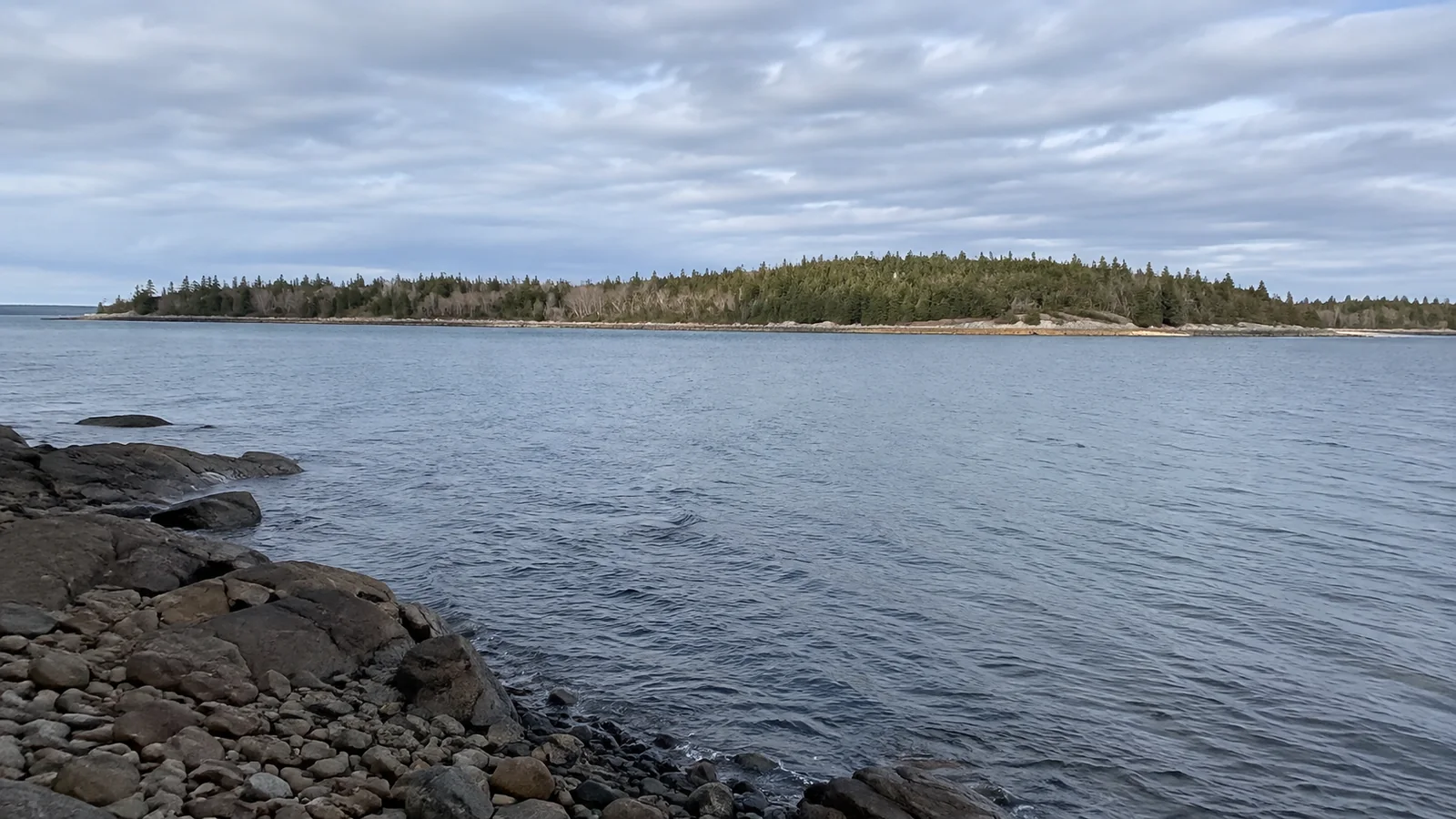
Nova Scotia Parks lists the 2026 operating season as May 15 through September 7, with September 6 as the final camping night. The park then closes to campers and day visitors while the causeway is rebuilt one meter higher to address flooding, erosion, and rising sea levels.
That closure affects the only road connection to the island, not merely one campsite loop. Check the official causeway construction notice before any 2026 or later trip because reopening details can change.
A reservation confirmation from an earlier season, an old blog, or a map showing a public park does not override a current closure. When the gate is closed, choose another South Shore stop rather than parking nearby and walking onto the project area.
Decide Whether to Camp or Visit for the Day
- Best for campers: travelers who want a serviced or unserviced base near Chester and Mahone Bay.
- Best for day visitors: a picnic, 2-mile coastal walk, and several water views.
- Best site style: open sites for views and RV maneuvering, wooded sites for more shelter.
- Not ideal for: wilderness solitude, a supervised swimming beach, or a full-service resort campground.
The park is small enough to understand in one afternoon, but camping turns it into a useful South Shore base. Day visitors get trail, picnic, beach, and boat-launch access when the park is open without needing a campsite.
For a larger camping comparison, this Nova Scotia campground overview helps separate oceanfront parks, inland lakes, and more demanding coastal routes. Graves Island is strongest for convenience and scenery, not remote adventure.
Choose the Correct Campsite Type
The official Graves Island park page lists 50 unserviced sites, 33 serviced sites, and 12 walk-in sites. The serviced sites provide 30-amp electricity and drinking-water hookups, while unserviced and walk-in choices require a different packing plan.
Do not interpret “serviced” as a sewer hookup or full resort connection. The park separately lists a dump station, so RV travelers should confirm tank capacity, hose length, electrical needs, site dimensions, and the exact hookup configuration before booking.
Most unserviced sites are open, with a smaller number wooded. Open sites may offer more sky and easier solar exposure but less privacy, shade, and wind protection.
Walk-in sites sound rustic, yet the important question is the carry distance and route from parking. Study the current park map and keep the load compact rather than hauling a car-camping kitchen one armful at a time.
Every listed campsite includes a picnic table and campfire ring or grill, but that does not guarantee fires are allowed on your dates. Wind, drought, provincial restrictions, and park instructions always control.

Reserve the Site, Not Just the Park
Book through the official Nova Scotia Parks reservation system and compare the map with the equipment dimensions. A campsite that technically accepts a trailer may still be a poor match for slide-outs, tow-vehicle parking, leveling, shade, or the view you imagined.
Nova Scotia Parks’ reservation instructions explain check-in, required party and vehicle information, after-hours arrival, changes, and cancellations. Read them before travel day because the park office provides a swipe card for campground access and gates are locked when the park closes.
Keep the reservation number offline and arrive before dark when possible. A causeway, campground lanes, and unfamiliar site boundaries are much easier to understand with daylight.
Do not freeze nightly prices in the trip budget months ahead. Recheck campsite, reservation, change, extra-vehicle, firewood, and dump-station fees at booking.
Facilities Are Practical, Not Luxurious
The campground has drinking-water taps, vault toilets, a comfort station with showers, a dishwashing station, waste sorting, a trailer dump, and firewood and ice sales during posted office hours. Wi-Fi is listed around the park office, not as a reliable connection at every campsite.
Download maps, tickets, and weather information before settling in. Cellular performance can vary by provider, site, terrain, and network demand.
The park office and comfort station have specified accessible features, including paved approaches and accessible washroom elements. That does not make every campsite, shoreline, lookout, or trail experience barrier-free.
Travelers with mobility needs should ask about the exact site surface, slope, distance to facilities, shower setup, and construction status. Reserve based on the weakest link in the route, not one accessibility symbol.
Walk the Coastal Trail
The signature activity is a 3.2-kilometer, or roughly 2-mile, gravel-surfaced coastal trail with multiple lookoffs over Mahone Bay. It is approachable for many walkers, but gravel, roots, wet sections, grades, and storm debris can still affect footing and wheeled mobility.
Allow 60 to 90 minutes for an unrushed circuit with photo stops. Bring binoculars, keep back from slippery shore edges, and never climb onto wet rocks just because the loop itself feels easy.
Morning often gives a quieter walk, while late-day light can improve water views. Fog, rain, wind, and insects may matter more than mileage, so carry a shell even when the campsite feels sheltered.
Dogs should remain controlled and away from wildlife, other campers, and public structures where pets are not permitted. Pick up waste and pack it to a proper bin rather than leaving bags beside the trail.
The Beach Is Small and Swimming Is Unsupervised
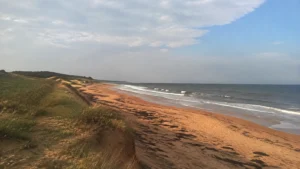
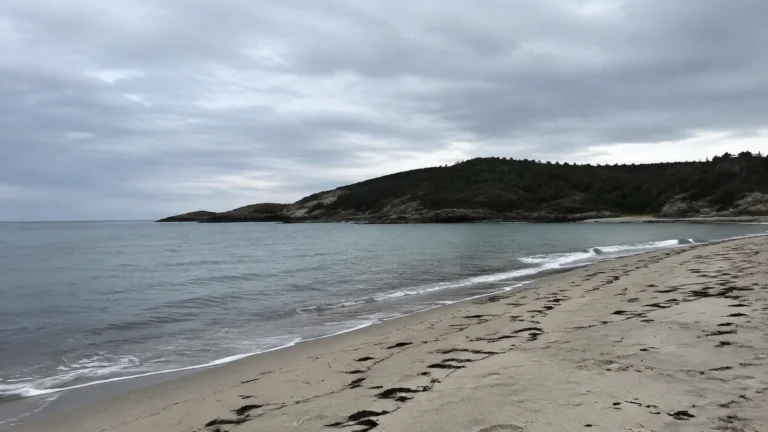
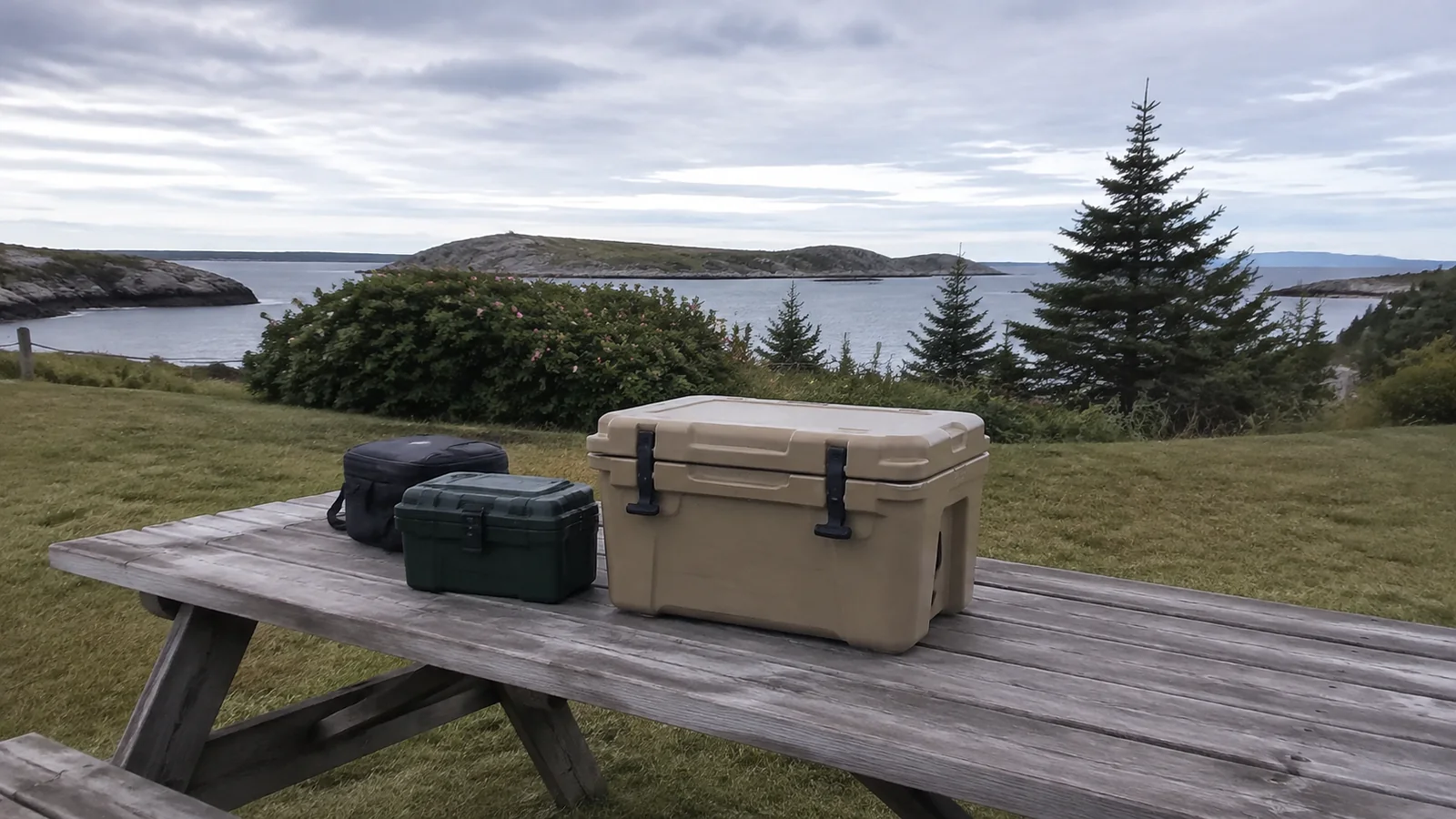
Graves Island has saltwater beach access on Mahone Bay, but it is not a broad, guarded sand destination. Choose it for a quick dip, shoreline pause, or launching point only when conditions suit the activity.
Nova Scotia Parks explicitly describes swimming as unsupervised. Cold water, slippery entries, current, boats, wind, poor visibility, and sudden depth changes require close child supervision and conservative decisions.
Water shoes help on rough shoreline surfaces, and a warm layer belongs in the day bag after swimming. Never dive where depth and underwater obstacles have not been established.
For a beach-centered vacation, pair the campground with a managed South Shore beach rather than expecting Graves Island to fill that role. A quiet campsite shoreline and a spacious swimming beach are different products.
Paddling and Boat Launch Logistics
The public boat launch is available while the park is open, and the gate is locked at closing. Ask about hours, parking, ramp condition, trailer staging, and whether construction or events affect access before committing to a launch.
Mahone Bay’s islands create attractive paddling scenery, but they do not remove marine risk. Wind, fog, cold water, powerboat traffic, private shorelines, and a delayed return can turn a casual outing into an emergency.
Wear a properly fitted life jacket, leave a float plan, carry communication and navigation tools, and check the marine forecast. Rent or book a guide when the group lacks local coastal experience.
A kayak carried to the beach is not automatically easier than using the ramp. Confirm the legal launch point and the distance over the actual surface before unloading.
Campfires and Cooking Rules
Nova Scotia’s burn restrictions are updated daily at 2 p.m., and campground fires can be limited or prohibited even when a site has a ring. The provincial BurnSafe map is the check that matters on each day of the stay.
From March 15 through October 15, campfires are not allowed between 8 a.m. and 2 p.m., and later hours depend on the current restriction color. Follow the more restrictive instruction when municipal or park-specific rules differ.
Bring a legal backup cooking method and know whether it remains permitted during a ban. Never move a fire ring, leave flames unattended, dump hot coals in waste bins, or assume morning embers are harmless.
Weather and Seasonal Tradeoffs
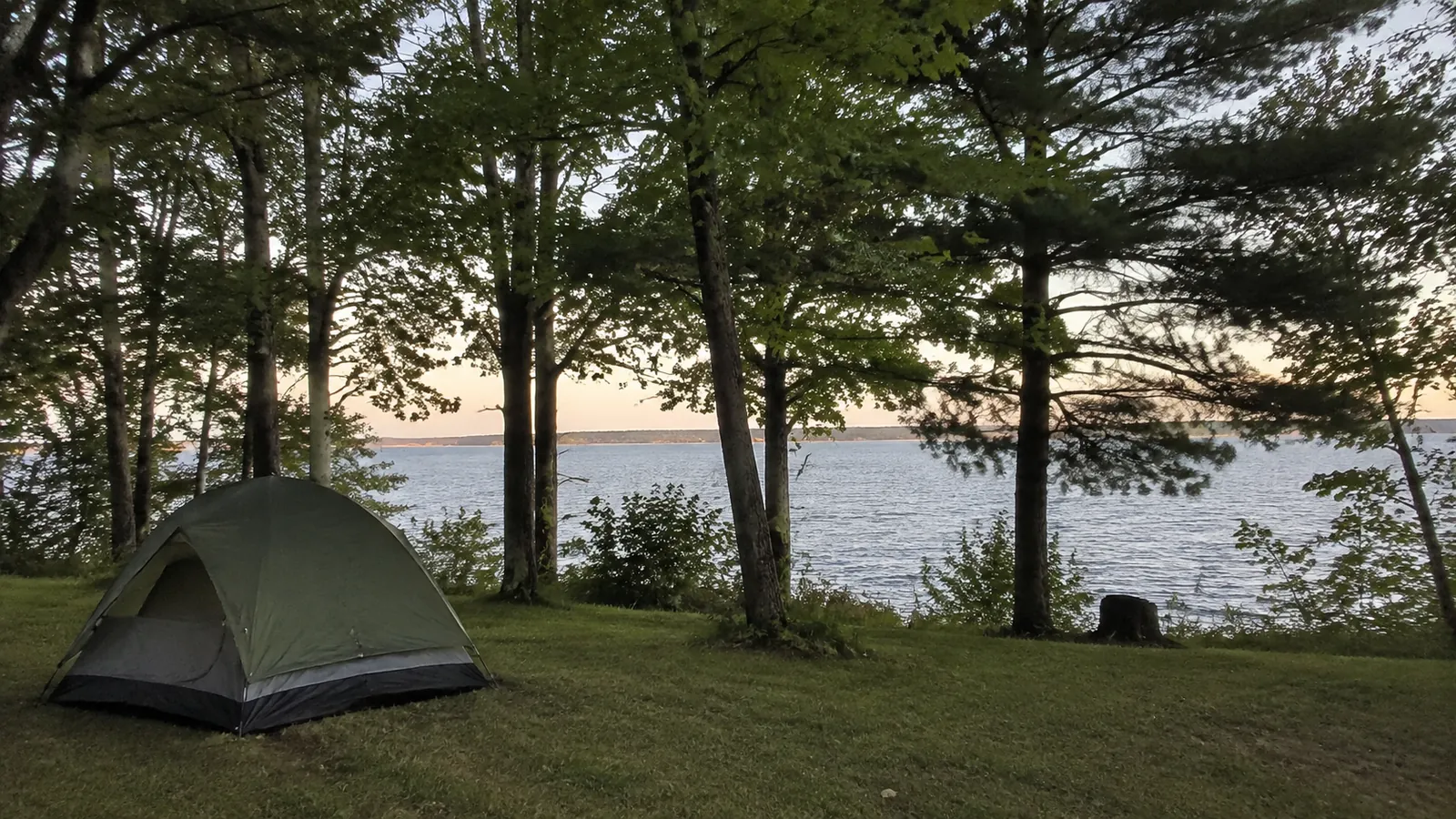
May and June can be cool, damp, and buggy, while July and August bring the easiest family-camping conditions and the highest demand. September normally offers attractive shoulder-season travel, but the 2026 causeway project eliminates that assumption after the early closure.
Oceanfront weather changes quickly, and a mainland forecast can understate wind or fog at the site. Pack guylines, waterproof storage, warm sleep layers, and a plan for securing every loose item.
If heavy rain is forecast, consider the drainage and exposure of the selected site before arrival. Never dig trenches or alter the campsite to solve runoff.
Use Graves Island as a South Shore Base
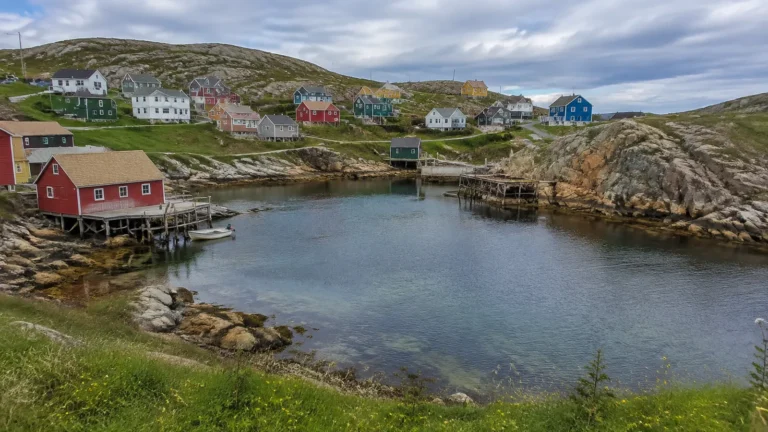
Chester is the natural nearby town for meals, supplies, galleries, waterfront views, and the Chester Playhouse. Tourism Nova Scotia’s official Chester overview also connects the park with the Rum Runners Trail and other regional stops.
Mahone Bay and Lunenburg can fit into separate half-day or full-day outings, depending on meals, museums, parking, and traffic. Do not turn a two-night camp into constant driving between photo stops.
Oak Island is nearby but privately owned and not open for casual self-guided entry. Use an authorized current tour or view it from public areas rather than following treasure-map pins onto private land.
A wider Canada road trip works better with two or three nights per base. Graves Island can anchor the Chester and Mahone Bay section while another campground covers Shelburne or the Bay of Fundy.
A Practical Two-Night Plan
Arrival Day
Buy groceries and fuel before check-in, arrive while the office is open, and learn the gate procedure. Set up camp, walk only part of the coastal trail, and save the full loop for good light.
Full Day
Walk the coastal circuit in the morning, have lunch in Chester, and choose one afternoon activity such as galleries, a bike ride, or a guided paddle. Return with enough daylight to cook safely and organize the campsite.
Departure Day
Pack before a final picnic or lookout stop, then complete the required waste and campsite checks. Continue toward Mahone Bay, Lunenburg, or the quieter coast described in this Ingomar planner.
What to Pack
- A waterproof shell, insulating layer, secure tent stakes, and extra guylines.
- Water shoes, trail shoes, insect repellent, and tick-check tools.
- A headlamp, offline map, charged battery, and printed reservation details.
- A legal backup stove and food storage that keeps animals out.
- Life jackets and marine safety gear for any planned boat outing.
- Small bills or cards plus enough supplies for limited office hours.

The Honest Bottom Line
Graves Island is an excellent easygoing base when you want a real campground, a scenic short trail, and quick access to Chester and Mahone Bay. It is not a wilderness island, supervised beach, or luxury RV resort.
For 2026, the causeway project outranks every itinerary idea. Visit only during the confirmed operating window, choose the exact site type carefully, and let current park notices determine whether the island is accessible at all.