Fishing in Thunder Bay: Licenses, Waters and Trip Planning
Thunder Bay gives anglers three very different trips: urban shore fishing, a guided day on Lake Superior, or a drive-in and fly-in inland-lake vacation. The fishing can be excellent, but the correct Ontario zone, license, season, size limit, access permission, and weather matter more than any secret spot.
Choose the Fishing Trip First
- Best for a first visit: a licensed local charter or guide matched to the target species.
- Best without a boat: legal urban shore access on city rivers and waterfronts.
- Best for walleye and pike: inland lakes and the Kaministiquia system, with water-specific rules checked.
- Best for cold-water fish: Lake Superior and selected tributaries.
- Best for a full fishing vacation: a drive-in, boat-in, or fly-in lodge outside the city.
- Best winter choice: a guided or hut-based ice trip after verified ice conditions.
Thunder Bay Tourism describes the city as a gateway to a vast lake-and-river region and lists urban, chartered, fly-fishing, and ice-fishing options on its official fishing page. “Thunder Bay fishing” can therefore mean a downtown riverbank or a remote outpost hundreds of miles away.
Ontario Fishing Licenses for Visitors
Most non-Canadian residents need an Outdoors Card plus an Ontario recreational fishing license. Ontario’s nonresident licensing page notes that a one-day sport license does not require an Outdoors Card, while longer products generally do.
Sport and conservation licenses have different catch and possession limits. The cheaper conservation product is not simply a discounted version of identical privileges.
Carry the license summary and any required identification while fishing. Buy through the official Hunt and Fish Ontario system or an authorized issuer, and avoid look-alike websites that add confusing fees.
Canadian residents can have different age and license provisions, and periodic free-fishing events do not necessarily include international visitors. Confirm status for every person rather than applying one angler’s exemption to the group.
Find the Correct Fisheries Management Zone
Thunder Bay-area waters cross fisheries management boundaries, and Lake Superior is not regulated identically to every inland lake. A road address, lodge brochure, or city name does not establish the zone.
Use the official Ontario Fishing Regulations Summary, then identify the exact water, zone, species, season, limit, size restriction, gear rule, and exception. Read the waterbody exceptions after the zone-wide rule because they can override the general season or limit.
Also distinguish catch limit from possession limit. Fish at a lodge, in a cooler, at a hotel, or already transported can count toward what an angler possesses.
Non-Canadian residents have additional restrictions in some northwestern zones, particularly around Crown-land camping and conservation limits. The current summary controls, not a guide’s memory of last year.
Best Fishing Options in and Around Thunder Bay
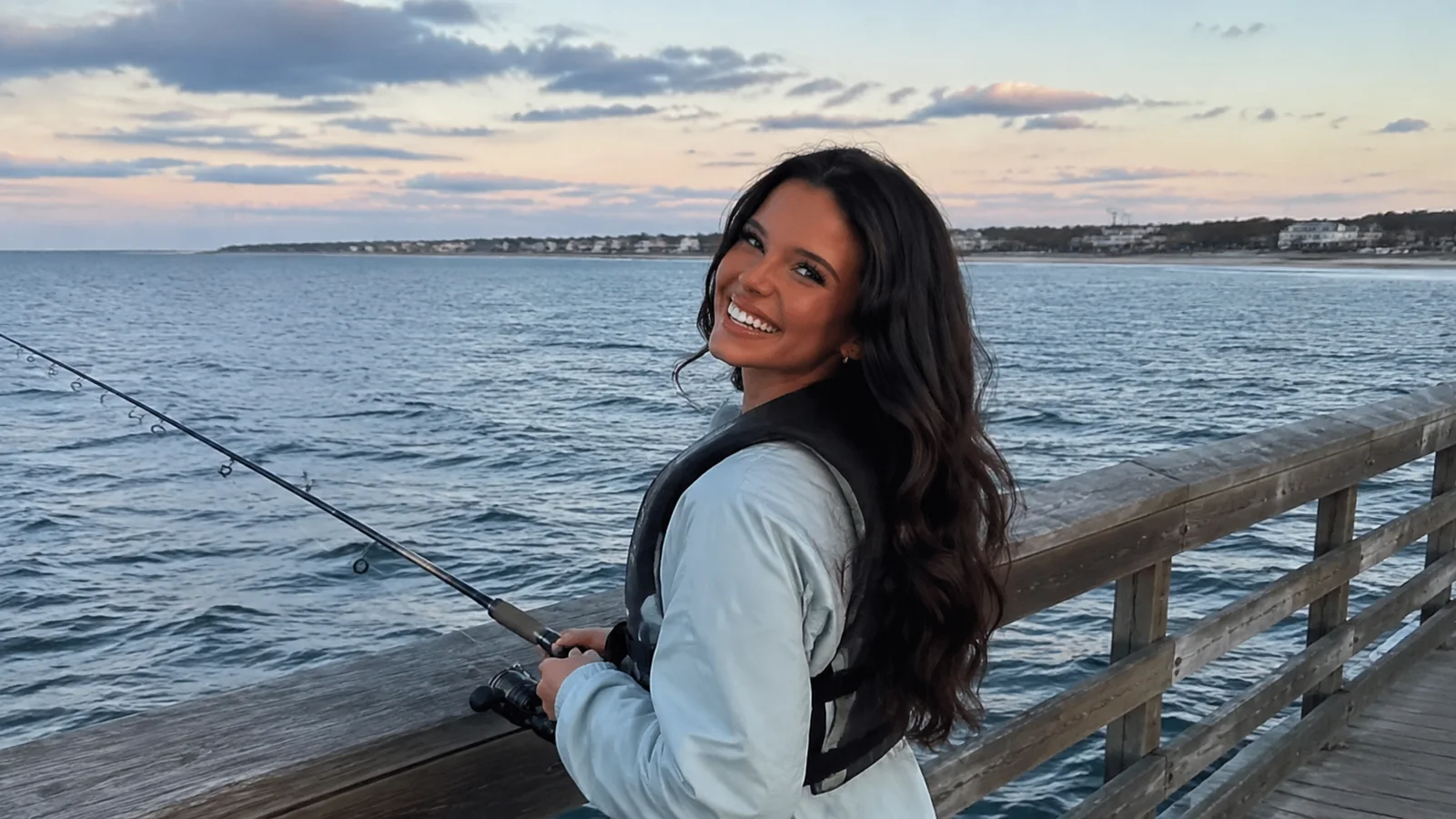
Urban shore fishing
Urban fishing is the lowest-friction choice for a traveler with only a few hours. Thunder Bay Tourism says trout, walleye, salmon, perch, and pike opportunities exist near the city, with much of the access from shore.
That does not mean every bank, bridge, marina, industrial edge, or rail corridor is public and safe. Confirm legal access, parking, hours, current construction, and whether fishing is permitted at the exact spot.
Wear footwear with traction, keep children away from fast water and drop-offs, and carry out line and hooks. River levels, spring runoff, rain, and shoreline ice can turn a familiar-looking bank into an unsafe place.
Kaministiquia River
The Kaministiquia is the major urban river system on Thunder Bay’s south side and can hold walleye, northern pike, smallmouth bass, perch, crappie, and seasonal migrants. Species presence never guarantees an open season or a fishable public bank.
The river is large, working, and capable of strong current, changing levels, boat traffic, and deep water. First-time visitors should use a guide or begin at a clearly authorized shore location rather than launching into unfamiliar current.
Lake Superior
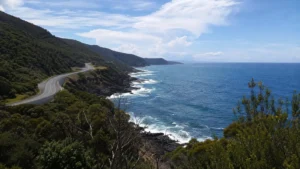
Lake Superior offers lake trout, salmon, brook trout, whitefish, and other species in a vast cold-water system. Productive water, techniques, depths, and legal seasons change across spring, summer, and fall.
A local charter is the sensible first choice because the captain supplies vessel knowledge, safety equipment, current patterns, and tackle suited to the day. Ask what the fare includes, which license you need, how fish cleaning works, whether gratuity is customary, and what weather cancellation policy applies.
Lake Superior is not a casual small-lake outing. Cold water, fog, wind, waves, reefs, distance, and sparse refuge can turn a minor equipment problem into an emergency.
The Apostle Islands cold-water planning guide addresses paddling, but the same core lesson applies to anglers: a sunny launch does not guarantee a safe return. Carry the legally required equipment and use a marine forecast, float plan, and conservative turnaround.
Lake Superior tributaries
Tributaries can attract steelhead and salmon anglers during seasonal runs, while some waters support brook trout. Timing depends on water temperature, flow, weather, and fish movement rather than a fixed social-media date.
Tributaries often carry special seasons, sanctuaries, gear restrictions, or closed sections near barriers and spawning habitat. Check the exact river and boundary language before casting.
Practice low-impact wading because redds and shoreline vegetation can be damaged. Give other anglers room and never trespass to reach a famous pool.
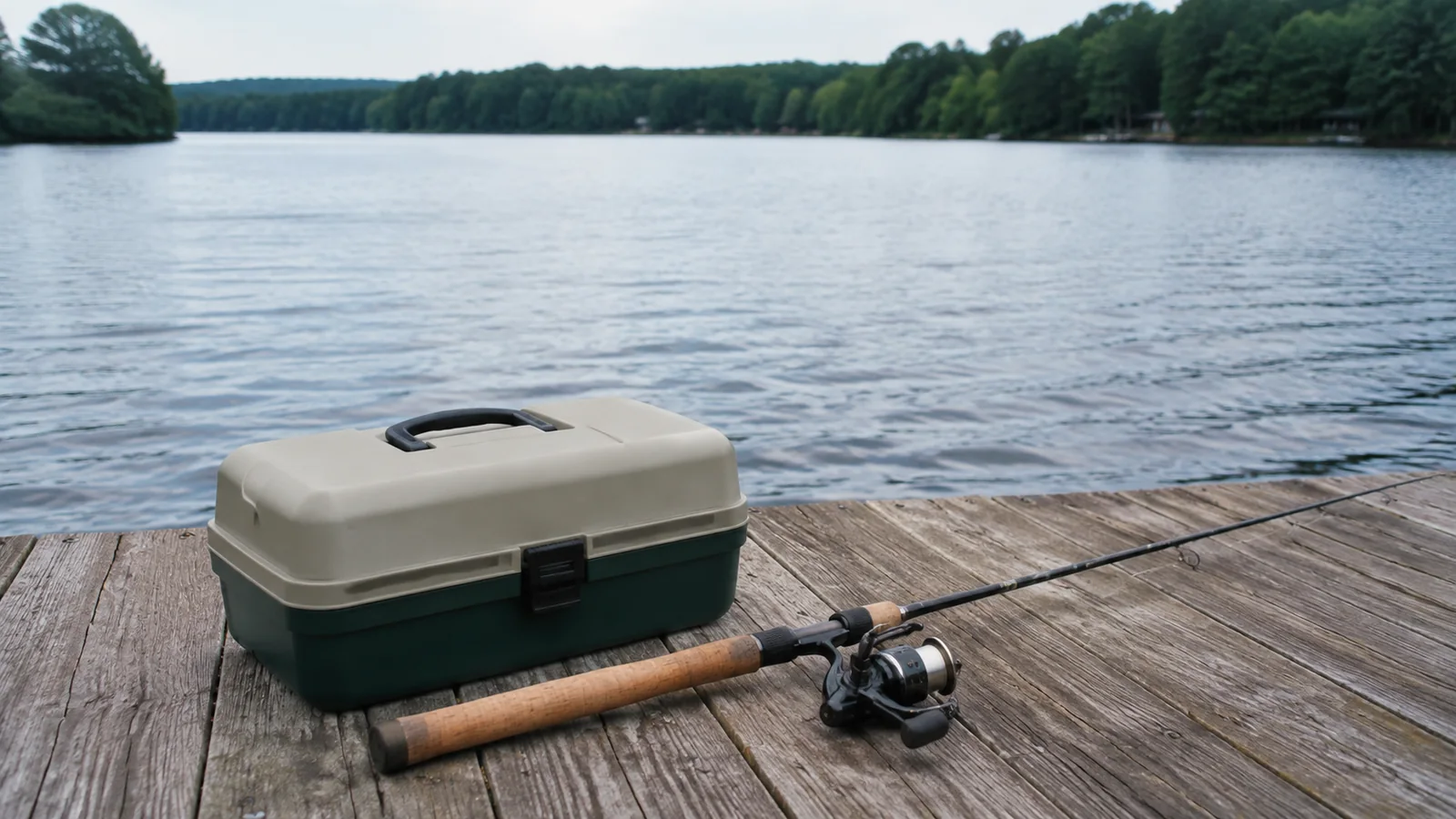
Inland lakes
Drive-in waters around the region can offer walleye, pike, bass, perch, and trout, but the mix varies lake by lake. Dog Lake, Lac des Mille Lacs, Shebandowan-area waters, and lakes toward Nipigon are different trips, not one generic Thunder Bay fishery.
Map road condition, launch ownership, parking, boat suitability, fuel, motor restrictions, cell coverage, and emergency access. A remote-looking lake can have private shoreline, while a public access point can still be rough or unsuitable for a large trailer.
Do not transfer bait between waterbodies without checking Ontario rules. Baitfish restrictions, invasive-species controls, and waterbody-specific bans are conservation requirements, not inconveniences.
Nipigon region
The Nipigon River and Lake Nipigon region east and northeast of Thunder Bay is famous for brook trout and also supports other cold- and cool-water fishing. It deserves its own guide, water, and travel day rather than being described as a downtown Thunder Bay spot.
Some celebrated fishery history encourages unrealistic trophy expectations. Choose the region for habitat, scenery, and a technically interesting day, not a guaranteed record fish.
What Species Fit Your Trip?
Walleye
Walleye are the most practical target for many inland-lake and river visitors because guides can match location and presentation to current conditions. Their open seasons, limits, and legal sizes still vary by zone and exception.
Northern pike
Pike can provide active fishing in bays, rivers, and inland lakes. Use suitable leaders and tools, keep hands clear of teeth, and learn safe release before the first fish is beside the boat.
Lake trout
Lake trout suit anglers prepared for deep, cold water and specialized seasonal tactics. Warm surface conditions can increase release stress, so handling time and depth-related barotrauma deserve guide-level attention.
Brook trout
Brook trout are culturally and ecologically important in the Lake Superior and Nipigon region, with populations and regulations that vary by water. Avoid turning “coaster” trout into a blanket label for every brook trout caught near the lake.
Steelhead and salmon
These fish draw tributary and open-water anglers during seasonal movement. Run strength, river flow, water temperature, stocking history, and regulations all affect the opportunity.
Smallmouth bass
Bass can be a good summer option in warmer inland and protected waters. Confirm the season before targeting fish around spawning periods and release them carefully when conservation or personal choice calls for it.
When to Fish Thunder Bay
Spring
Spring brings river runoff, cold water, ice departure, opening dates, and seasonal fish movement. It also brings unstable banks and conditions that may lag well behind the calendar in inland or northern waters.
Summer
Summer offers the broadest access to charters, lodges, roads, and boat launches. Thunderstorms, wildfire smoke, heat, insects, and rapidly changing Lake Superior wind still require flexible plans.
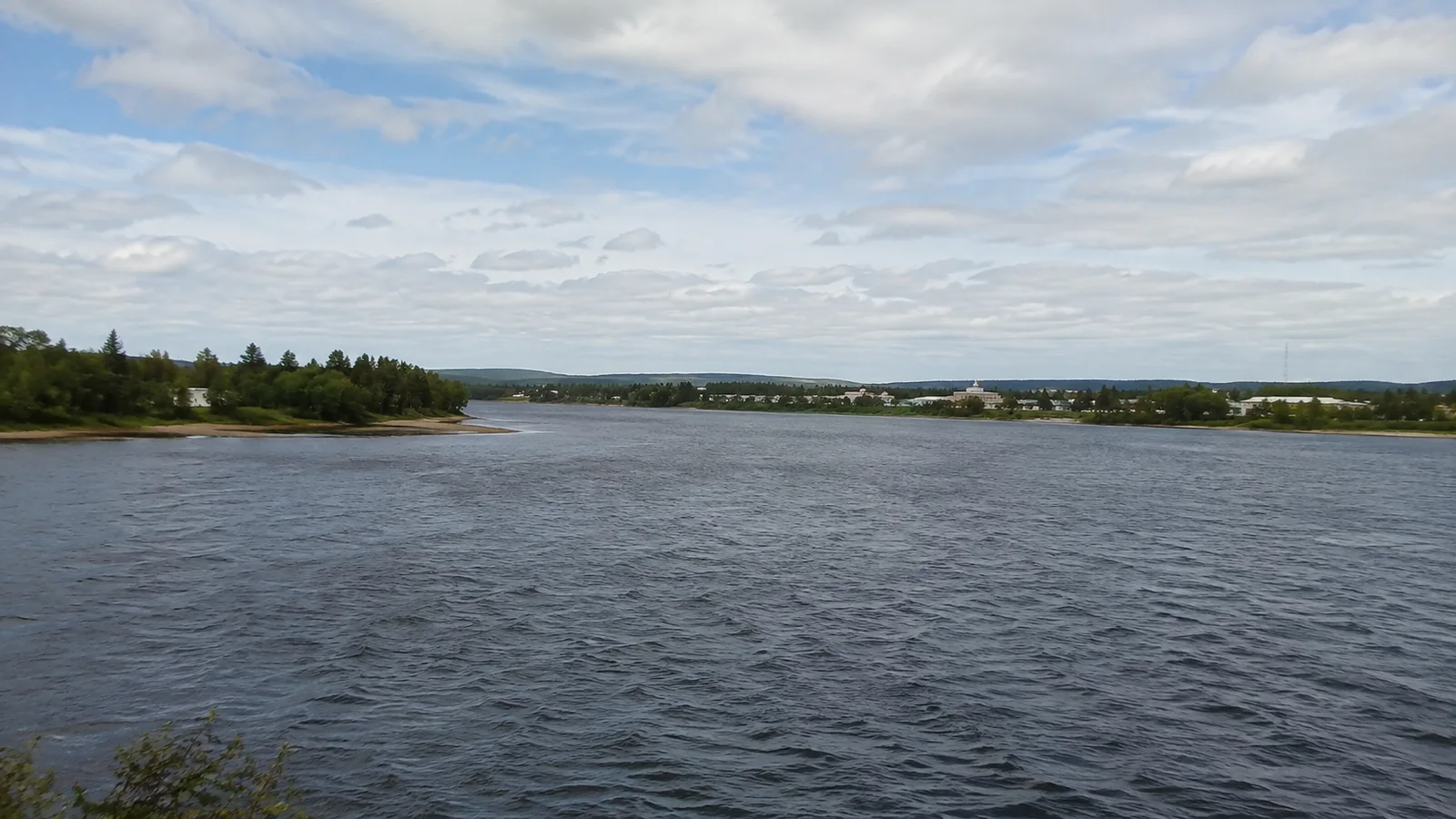
Fall
Fall can produce active tributary and lake fishing with fewer vacation crowds. Shorter daylight, cold rain, stronger weather systems, and seasonal business closures raise the consequence of poor preparation.
Winter
Ice fishing is a distinct activity, not summer fishing through a hole. Ice thickness varies across current, springs, pressure cracks, snow cover, shorelines, and changing weather, so no date or nearby footprint proves safety.
For a first trip, book a reputable local operator who supplies a suitable hut, transport, safety plan, and current water-specific advice. Wear flotation when appropriate and carry rescue equipment, but never use gear as permission to cross questionable ice.
How to Choose a Charter or Guide
- Confirm the captain or guide is legally operating and properly insured.
- Ask which water and species the trip targets at that time of year.
- Request the boat size, maximum group, shelter, toilet reality, and mobility demands.
- Confirm safety equipment, weather cancellation, deposit, and refund terms.
- Ask whether rods, tackle, bait, fish cleaning, food, and transport are included.
- Discuss children, medical conditions, accessibility, and experience honestly.
- Reject any guarantee of a trophy, limit catch, or specific wildlife encounter.
The city’s current tourism business directory is a useful starting list, not a substitute for vetting. Contact the operator directly for the exact season and boat.
Keeping or Releasing Fish
Decide before the trip whether the goal is a meal, catch-and-release, or both within legal limits. Bring a cooler and ice only when harvest is planned, and understand how a charter handles cleaning and transport.
Ontario’s catch-and-release guidance recommends minimizing handling and returning fish quickly. Wet hands, support the body, avoid touching gills and eyes, and do not hold a fish out of water for a long photo session.
Fish deeply hooked or brought from depth can need species-specific handling decisions. Follow current law and guide advice rather than assuming release is always harmless.
A Three-Day Fishing Plan
Use the arrival day to buy or confirm the license, meet the guide, check weather, and try a legal urban shore session. This protects the main fishing day from paperwork and missing equipment.
Book day two with a Lake Superior or inland-water guide selected for the season. Keep day three flexible for weather, a second water, or a nonfishing outing if conditions cancel boating.
If the trip continues around the lake, the Great Lakes road-trip framework keeps Thunder Bay in geographic context. Isle Royale is across the international border and lake, so the Isle Royale planning guide belongs to a separate trip.
The zone numbers for the waters in this guide
These are the Ontario zones to open first, checked against provincial mapping and the 2026 summary on September 5, 2026. The zone column identifies the starting rulebook, while its water-specific exceptions still control the exact river section, species, gear, size, and season.
- Water: Lake Superior’s Ontario waters
- FMZ: 9
- What to open and check: Zone 9 rules and exceptions; Black Bay, Nipigon Bay, and other named areas have additional provisions
- Water: Kaministiquia River in Thunder Bay
- FMZ: 6
- What to open and check: Zone 6 rules and named-water exceptions; use the provincial boundary map at the lakeward end
- Water: Current River and other local Superior tributaries
- FMZ: 6 inland; 9 beyond the mapped lake boundary
- What to open and check: Read each tributary’s named reach, especially trout seasons near dams and river mouths
- Water: Dog Lake northwest of Thunder Bay, around 48.79°N, 89.53°W
- FMZ: 6
- What to open and check: Confirm this particular Dog Lake in the Fish ON-Line map; Ontario has other lakes with the same name
- Water: Lac des Mille Lacs
- FMZ: 6
- What to open and check: Read its named species and waterbody exceptions, including closed spawning areas
- Water: Shebandowan Lakes
- FMZ: 6
- What to open and check: Read the Shebandowan entry, including the lake-trout provisions, instead of extending a nearby lake’s rule
- Water: Lake Nipigon
- FMZ: 6
- What to open and check: Use the substantial Lake Nipigon exceptions for seasons, gear, and handling
- Water: Nipigon River to Nipigon Bay
- FMZ: 6 in the river, transitioning to 9 in the bay
- What to open and check: Read the Nipigon River and Nipigon Bay exceptions together and locate the exact boundary on the map
The provincial Zone 6 boundary sheets are useful for the river-to-lake distinction around Thunder Bay. A fishing license is an Ontario license, not a separate “Zone 6 license”; the zone determines the rules applied to your Ontario license class.
A beginner shore outing at Mountdale
I would start at the public boat launch at the river end of Mountdale Avenue and use its accessible fishing platform on the Kaministiquia, which Thunder Bay Tourism identifies as public shore access. Use the designated launch parking, observe the posted allocation for cars and trailers, and keep the ramp and launching lanes clear.
The city’s launch renewal project included paved parking and an accessible connection to the fishing area, while current tourism material continues to list the public launch. Check entrance signs for any temporary works and use marked accessible spaces only with the required permit.
Plan a two-hour morning or evening session in July or August, targeting northern pike in reachable water with a suitable leader and long-handled release tools. The Zone 6 general pike season is open year-round, but confirm the current Kaministiquia exceptions, your sport or conservation limit, and any applicable size restriction before deciding to keep a fish.
Smallmouth bass and yellow perch are other possible catches in the river, although their presence does not mean they will be within casting range from this platform. I would bring drinking water, a landing net suited to the platform, and a simple tackle selection, then move back from the edge whenever boat traffic, current, or footing makes landing fish awkward.
My Final Recommendation
First-time visitors should book one guided day, then add shore fishing only after confirming access and rules. That approach buys local water knowledge, protects scarce vacation time, and shows whether a future lodge or backcountry trip is worth the investment.
Thunder Bay’s strength is variety, not a guaranteed trophy. Match the water to the season, read the exact regulation exception, and let safe decisions define a successful day before the fish ever bite.