Quebec National Parks: How to Choose the Right Park
Quebec’s national parks range from Montreal-area wetlands to Gaspésie peaks and the sea cliffs of Bonaventure Island. The confusing part is not the scenery; it is that Quebec and Canada operate separate park systems with different passes, reservations, rules, and meanings of “national park.”
First Understand the Two Park Systems
Quebec calls its provincially established protected areas parcs nationaux, and Sépaq operates most of the accessible southern network. Parks Canada separately operates federal national parks and a national park reserve in the province.
A Sépaq annual card does not automatically cover a Parks Canada site, and a federal Discovery Pass does not cover Sépaq admission. Start with the manager’s logo on the official page before comparing fees, camping, pets, or reservation dates.
Quebec’s network also includes parks in Nunavik that are managed through different regional arrangements and demand far more logistics than a southern road trip. This guide focuses on practical first-trip choices rather than pretending every protected area belongs on one loop.
My Best Quebec National Park Picks
- Best near Quebec City: Parc national de la Jacques-Cartier.
- Best near Montreal: Parc national du Mont-Tremblant.
- Best easy nature day from Montreal: Îles-de-Boucherville or Mont-Saint-Bruno.
- Best dramatic hike: Hautes-Gorges-de-la-Rivière-Malbaie.
- Best fjord scenery: Fjord-du-Saguenay.
- Best mountain road trip: Gaspésie.
- Best coastal wildlife: Île-Bonaventure-et-du-Rocher-Percé.
- Best compact estuary park: Bic.
- Best federal first park: La Mauricie National Park.
- Best remote federal coast: Mingan Archipelago National Park Reserve.
These are fit-based choices, not a beauty ranking. Sépaq’s current park map is the best place to see the full managed network and stop forcing far-apart regions into one vacation.
Jacques-Cartier: Best From Quebec City
Parc national de la Jacques-Cartier protects a steep-sided glacial valley north of Quebec City, with hiking, paddling, fishing, camping, cabins, and winter activities. It delivers a true landscape change without requiring a Gaspé Peninsula road trip.
The Valley sector entrance is about 25 road miles from central Quebec City, followed by additional travel inside the park. The park’s official Jacques-Cartier page also identifies a reservable shuttle partner from Quebec City, making this one of the more realistic park days without a rental car.
Choose a riverside walk or modest valley hike if scenery matters more than elevation. Strong hikers can consider steeper routes, but trail difficulty, surface, distance, elevation gain, daylight, and current closure notices should control the choice.
Paddling products use specific rental, transport, timing, and safety procedures. Do not arrive assuming every boat is available, every river section is calm, or a day-entry purchase includes an activity.
Mont-Tremblant: Best All-Around Choice Near Montreal
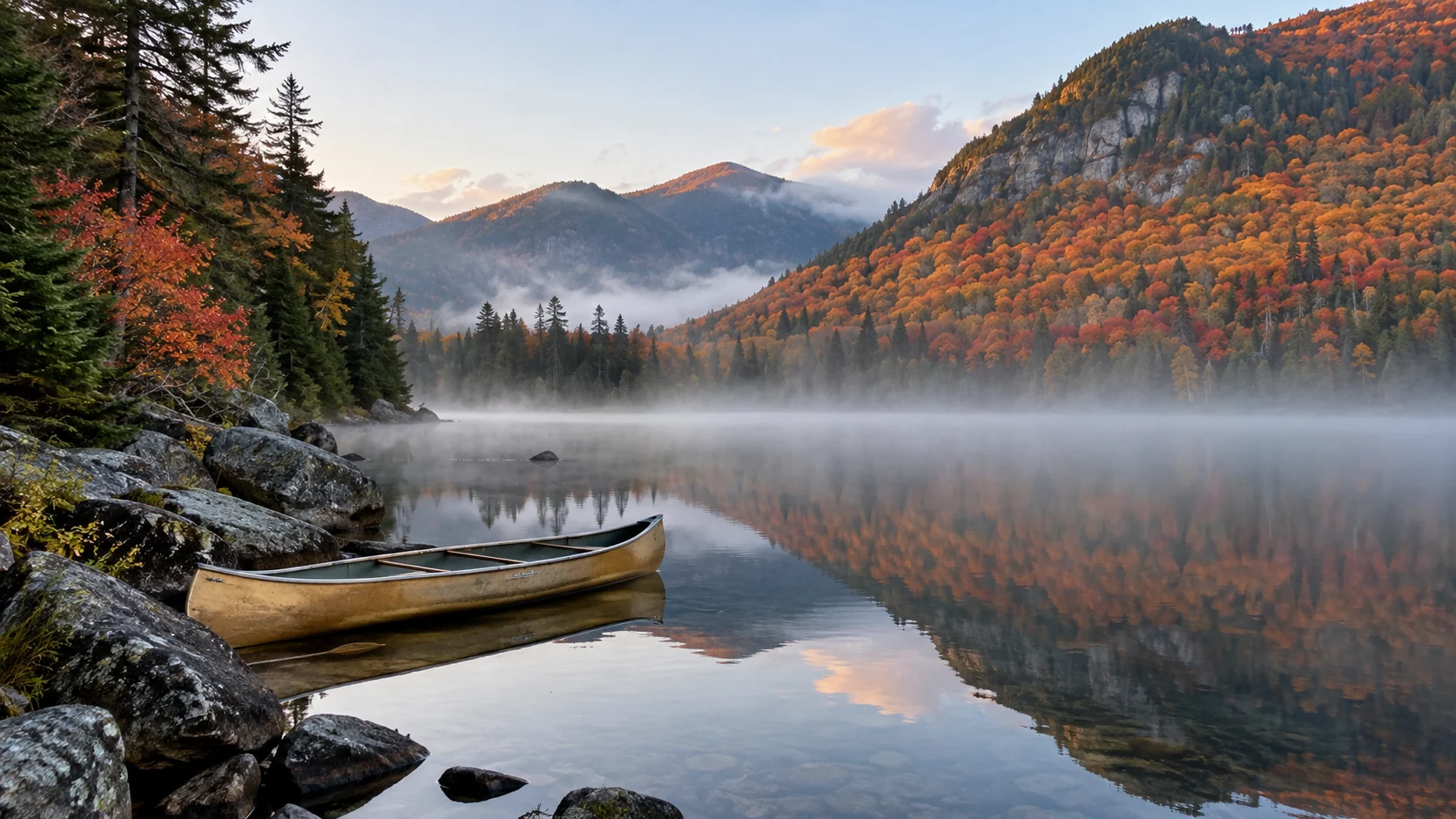
Parc national du Mont-Tremblant is a large lake-and-forest park with several sectors, trails, campgrounds, paddling routes, and winter use. It is not the same place as the pedestrian resort village and ski operation commonly marketed as Tremblant.
The distinction matters because entrances, driving time, fees, lodging, and activities differ. A hotel in the resort does not guarantee a short trip to the trail or park sector you selected.
Mont-Tremblant works best for two or three nights, particularly when paddling and hiking are both priorities. It can be a long Montreal day trip once traffic, internal park roads, equipment pickup, and the return are counted.
Fall weekends attract heavy demand and color timing changes annually. Reserve lodging and required activities early, but do not promise yourself peak leaves on one fixed date.
Îles-de-Boucherville and Mont-Saint-Bruno: Easiest City Escapes
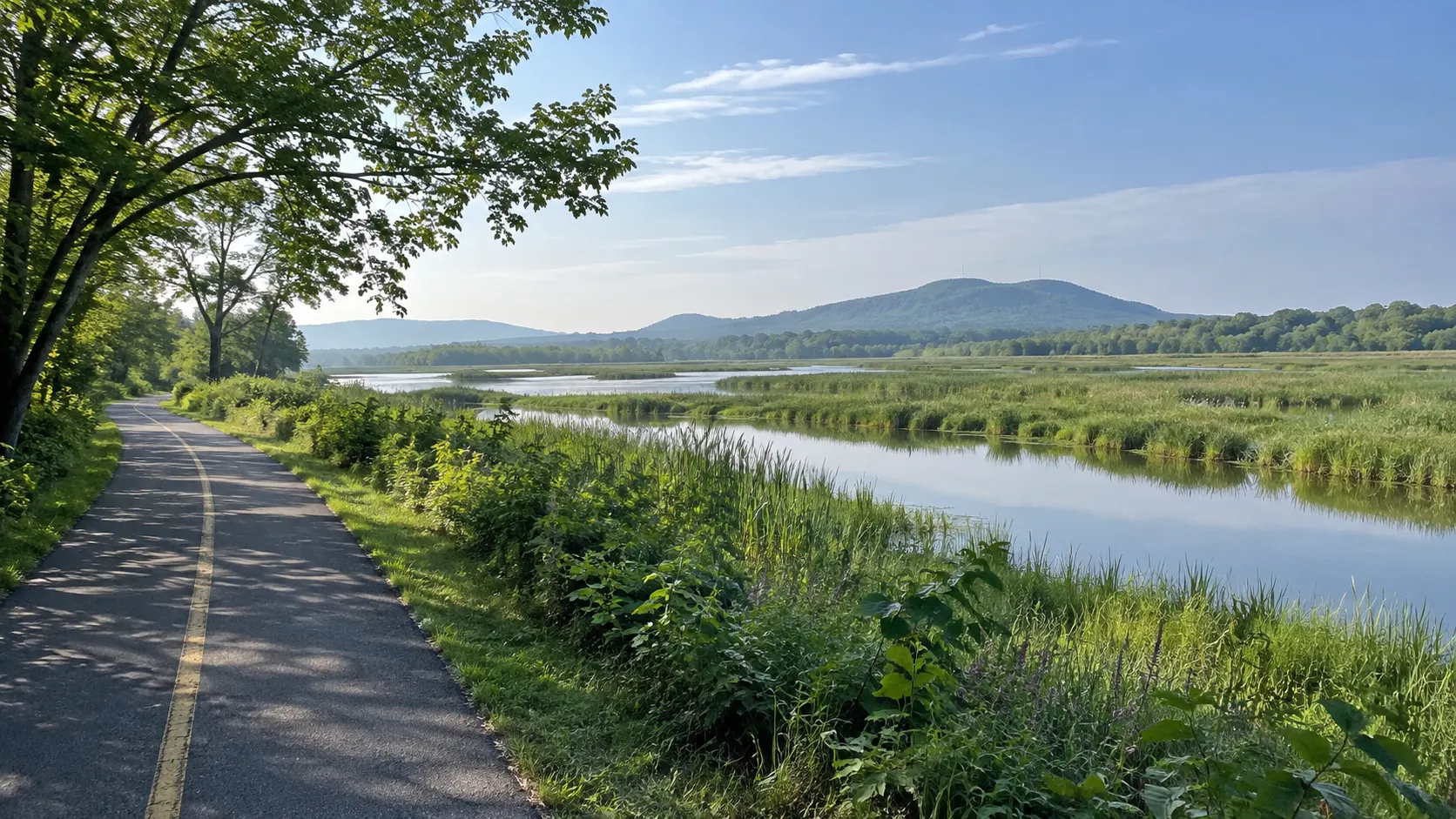
Parc national des Îles-de-Boucherville brings flat trails, cycling, paddling, and river-island habitat close to Montreal. It suits families and travelers who want outdoor time without turning the day into a major drive.
Access details, watercraft rentals, trail conditions, and public-transport connections change seasonally. Check the last return option before committing to a transit-based visit.
Mont-Saint-Bruno is another compact Montreal-area choice with forest walks, lakes, and winter activities. It is better for a gentle half day than for someone seeking rugged wilderness or a dramatic summit.
Oka and Yamaska: Best for Water-Centered Family Days
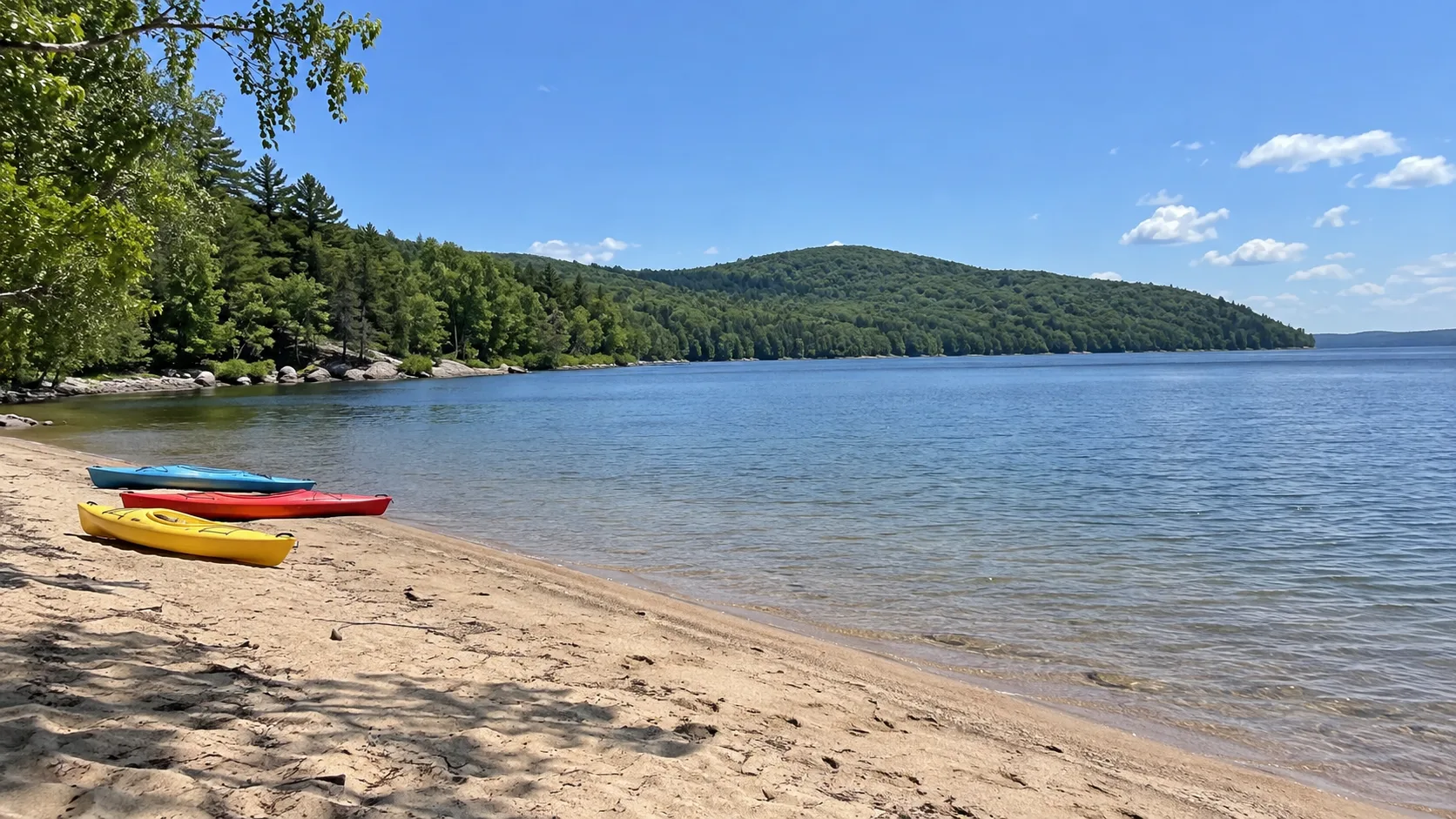
Oka combines trails, shoreline, camping, and a popular beach west of Montreal. Summer parking, beach supervision, water quality, operating dates, and crowds need current checks, and park entry does not make every extra free.
Yamaska, east of Montreal, works well for cycling, paddling, picnicking, and camping around a reservoir. Choose it for approachable recreation, not because a broad “national park” label promises mountain wilderness.
Hautes-Gorges: Best Dramatic Hiking
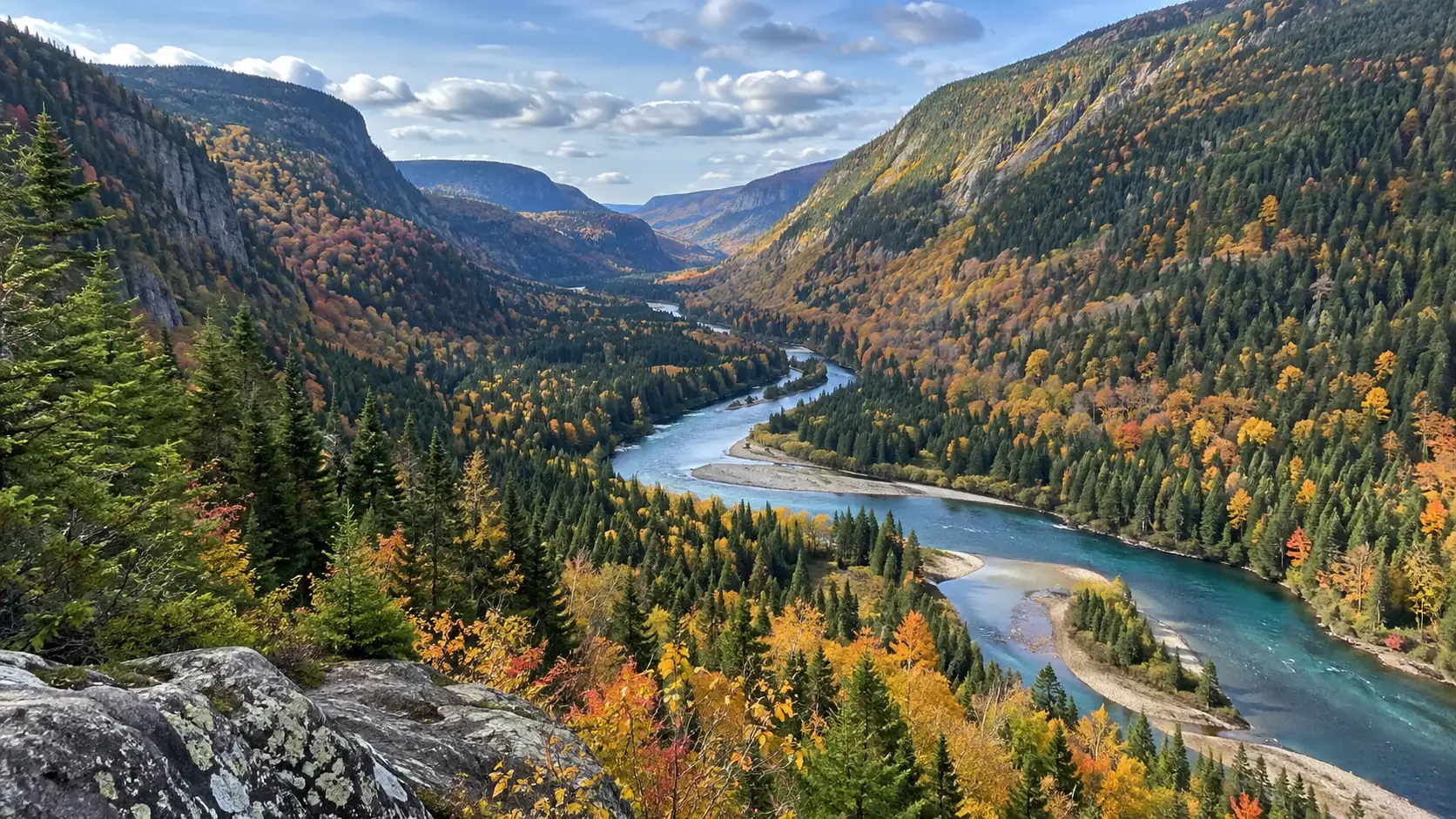
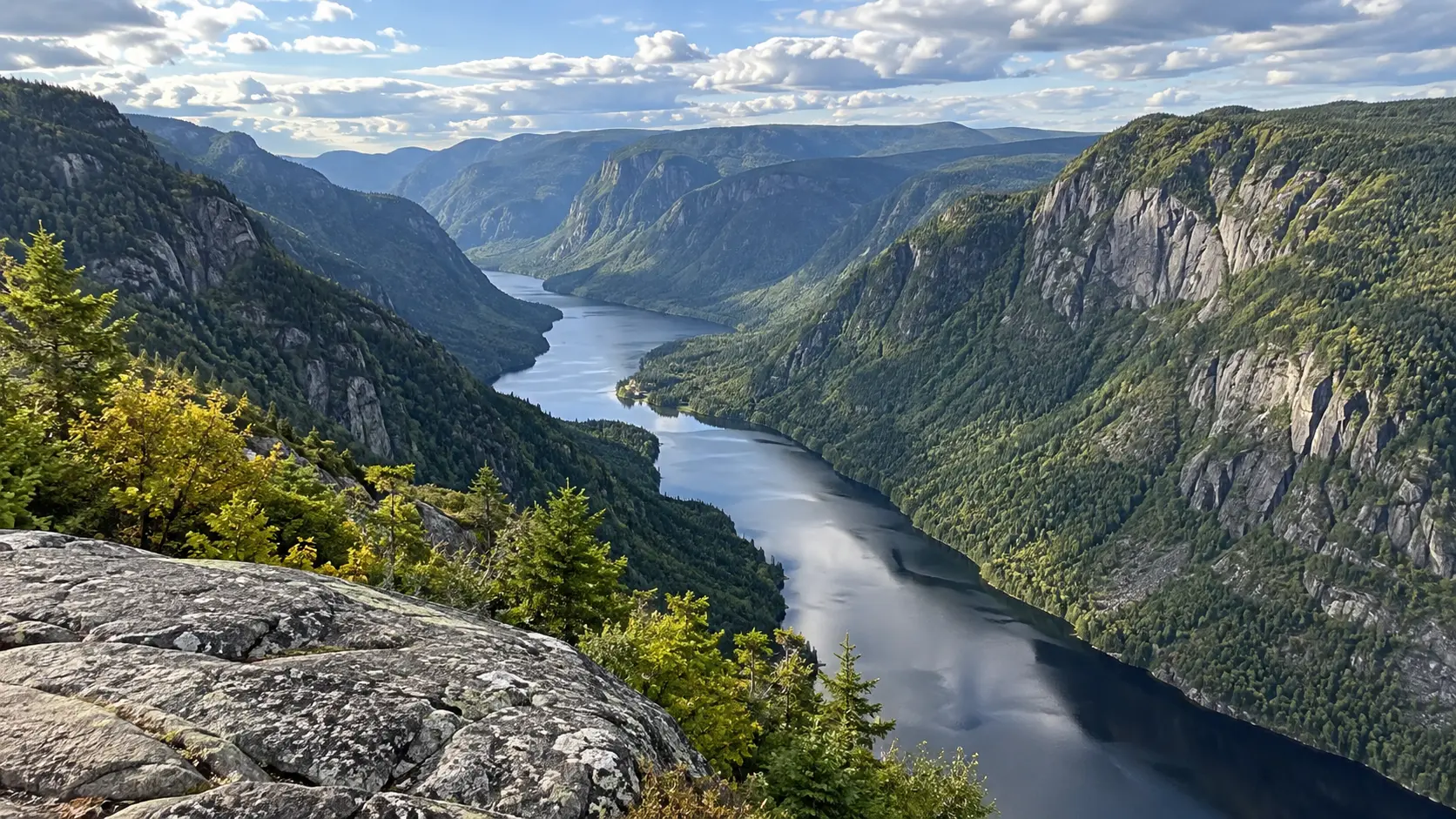
Parc national des Hautes-Gorges-de-la-Rivière-Malbaie protects a deeply cut landscape in Charlevoix. Its famous Acropole des Draveurs hike is a serious mountain day rather than a casual overlook.
Trail access, shuttle operation, weather, seasonal dates, and conservation measures can change. Verify the current hike profile and arrive prepared for sustained climbing, exposed conditions, and a turnaround that respects daylight.
Travelers who do not want the hardest hike can still enjoy valley scenery and gentler activities. This is an important distinction because the park is worth visiting even when the headline summit is inappropriate.
Grands-Jardins: Best Charlevoix Alternative
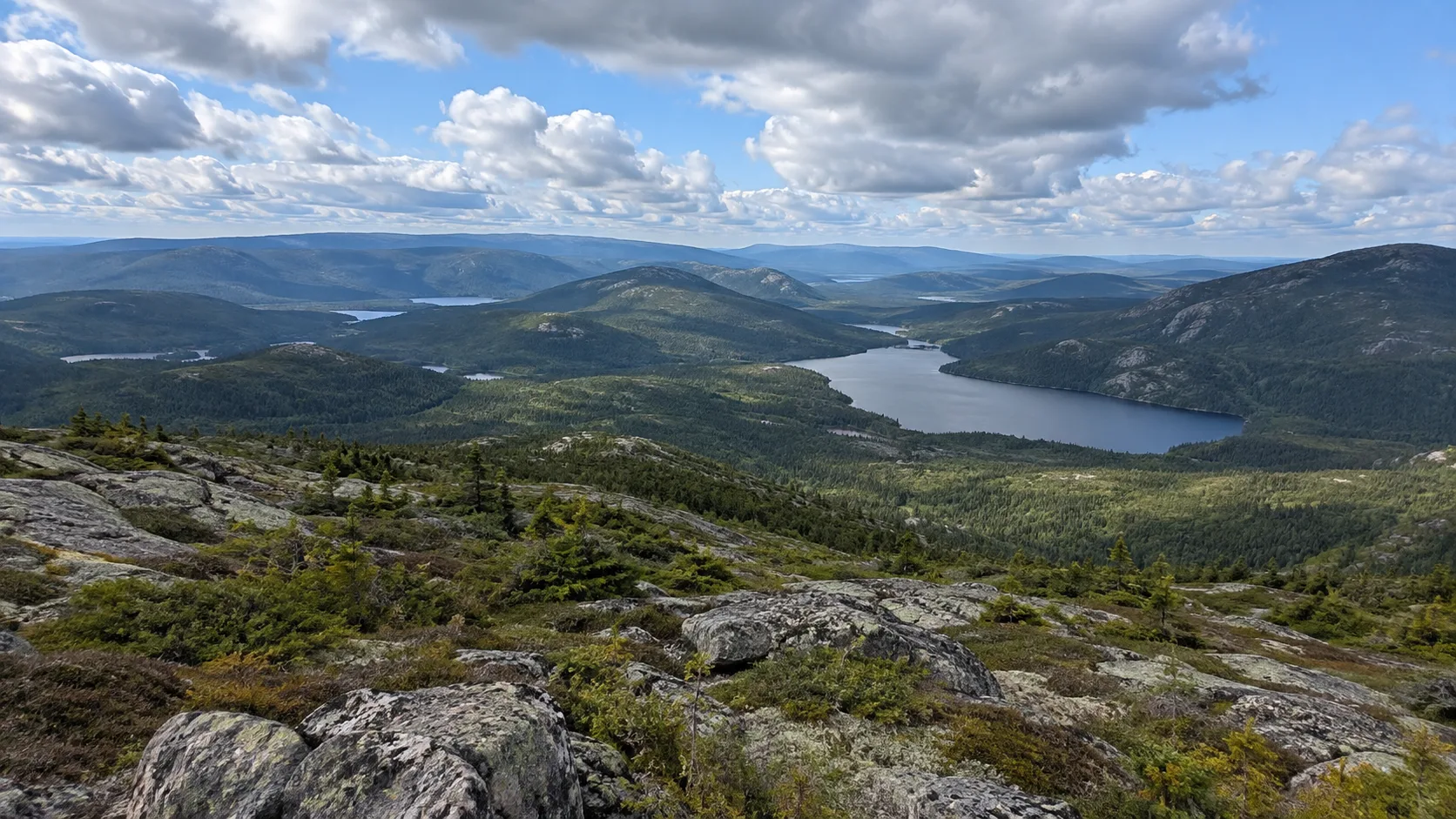
Parc national des Grands-Jardins has high plateaus, taiga-like vegetation, lakes, and mountain viewpoints. It pairs naturally with a Charlevoix trip but should not be squeezed into the same day as a major Hautes-Gorges hike.
Some routes are steep, weather-exposed, or affected by seasonal access. Choose one park as the day’s anchor and keep the other for a second day.
Fjord-du-Saguenay: Best Fjord Views
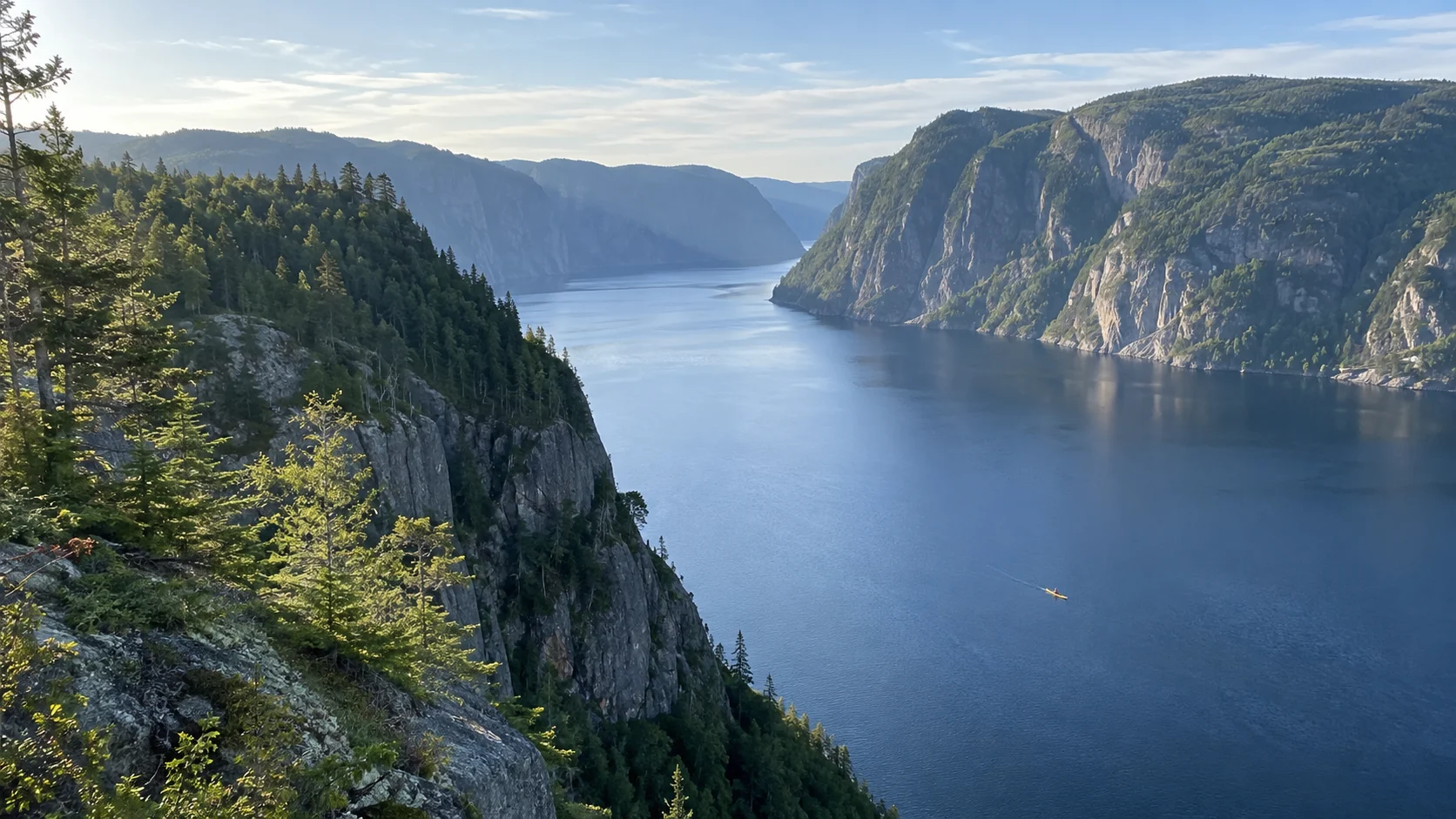
Parc national du Fjord-du-Saguenay spans sectors along the fjord, so “visiting the park” is not one address. Hiking, camping, via ferrata, paddling, and shoreline viewpoints start from different places and may require reservations or specialized skills.
Pick the sector before lodging because driving around the fjord can consume hours. If whale watching is also a priority, build a Saguenay and Tadoussac region trip rather than treating both as one quick Quebec City excursion.
Gaspésie: Best Mountain Road Trip
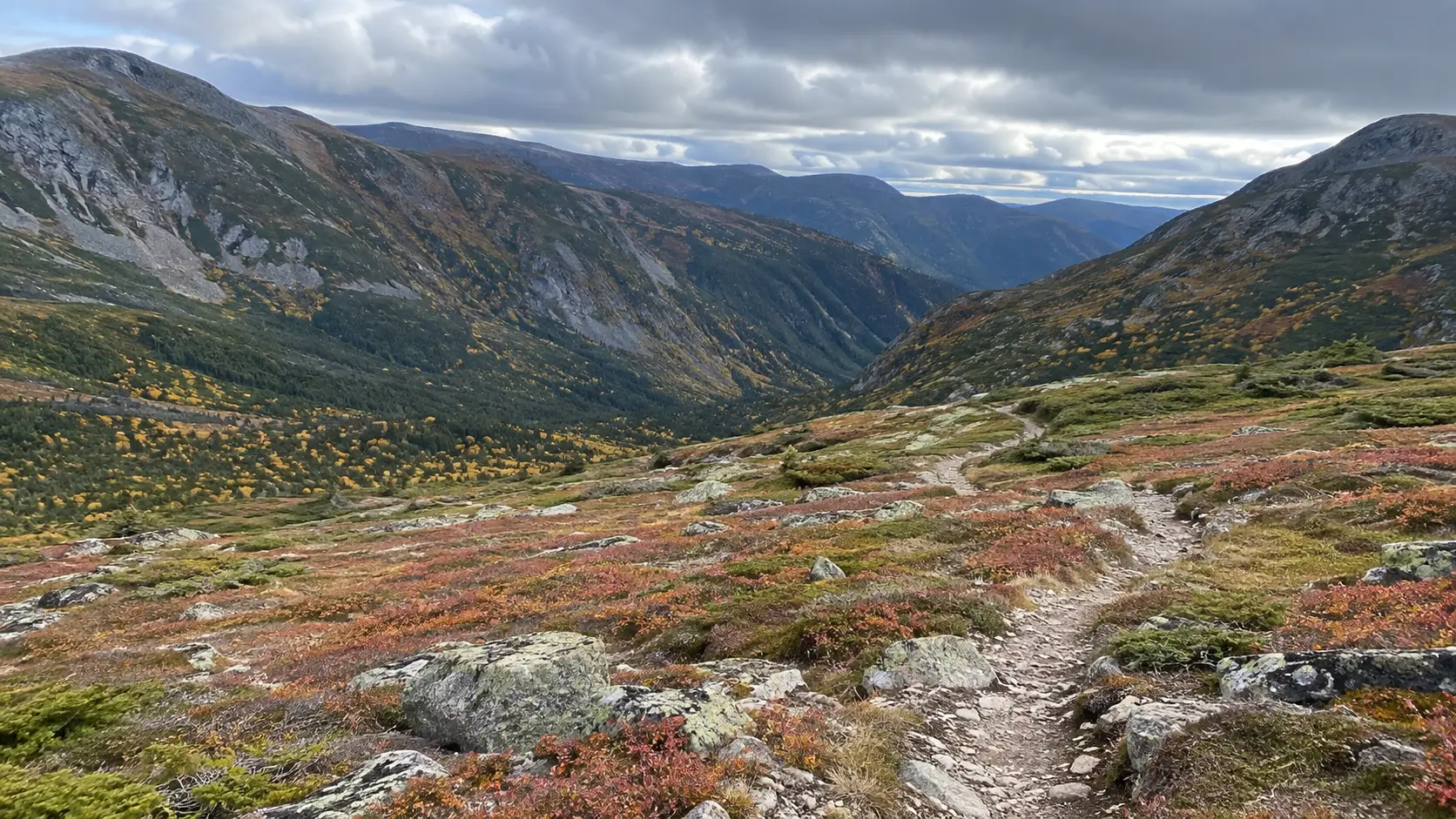
Parc national de la Gaspésie protects mountains and habitat in the peninsula’s interior, with major hiking and strong seasonal change. It belongs in a dedicated Gaspésie itinerary, not a day trip from Quebec City or Montreal.
Mountain weather can be colder, windier, and less forgiving than conditions at the coast. Some routes, wildlife-sensitive areas, roads, and services have specific seasons, so the live park page matters more than a saved social-media itinerary.
Base near the park for at least two nights and choose hikes by the group’s weakest member. A fogged-in summit day is a reason to use a lower trail, not to push above skill or visibility.
Bonaventure Island and Percé Rock: Best Coastal Wildlife
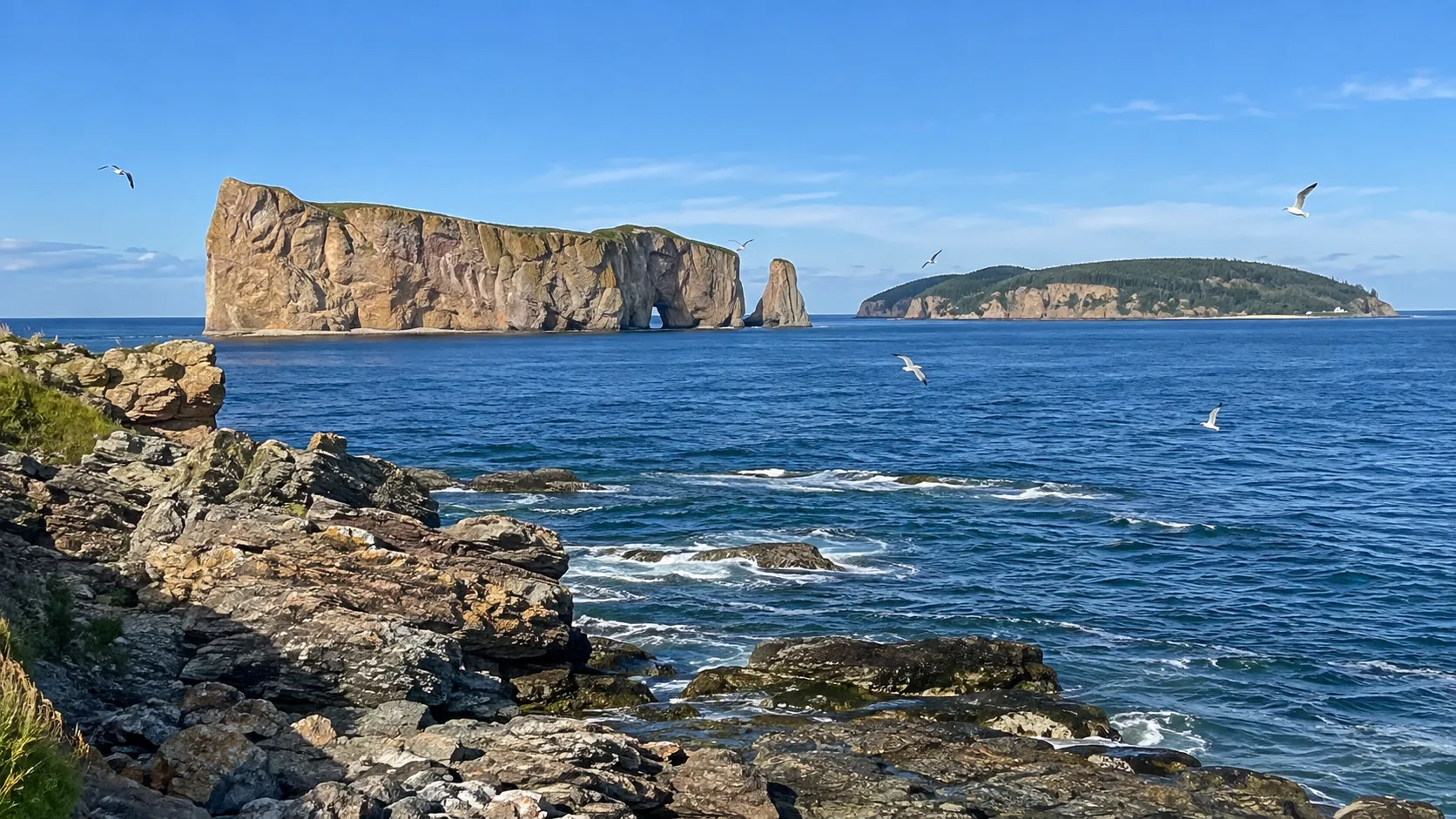
Parc national de l’Île-Bonaventure-et-du-Rocher-Percé combines marine scenery, island trails, history, and a major northern gannet colony. Access to Bonaventure Island depends on seasonal commercial boat service and safe operating conditions.
Sépaq listed the 2026 operating period from May 31 through October 12, with all trail opening subject to weather and conditions, on its Bonaventure Island page. Future readers must verify their own year rather than treating those dates as permanent.
The boat fare, park entry, parking, schedule, crossing, walking time, and last return all belong in the budget and day plan. Wildlife is not a prop, so stay on designated routes and follow ranger instructions around the colony.
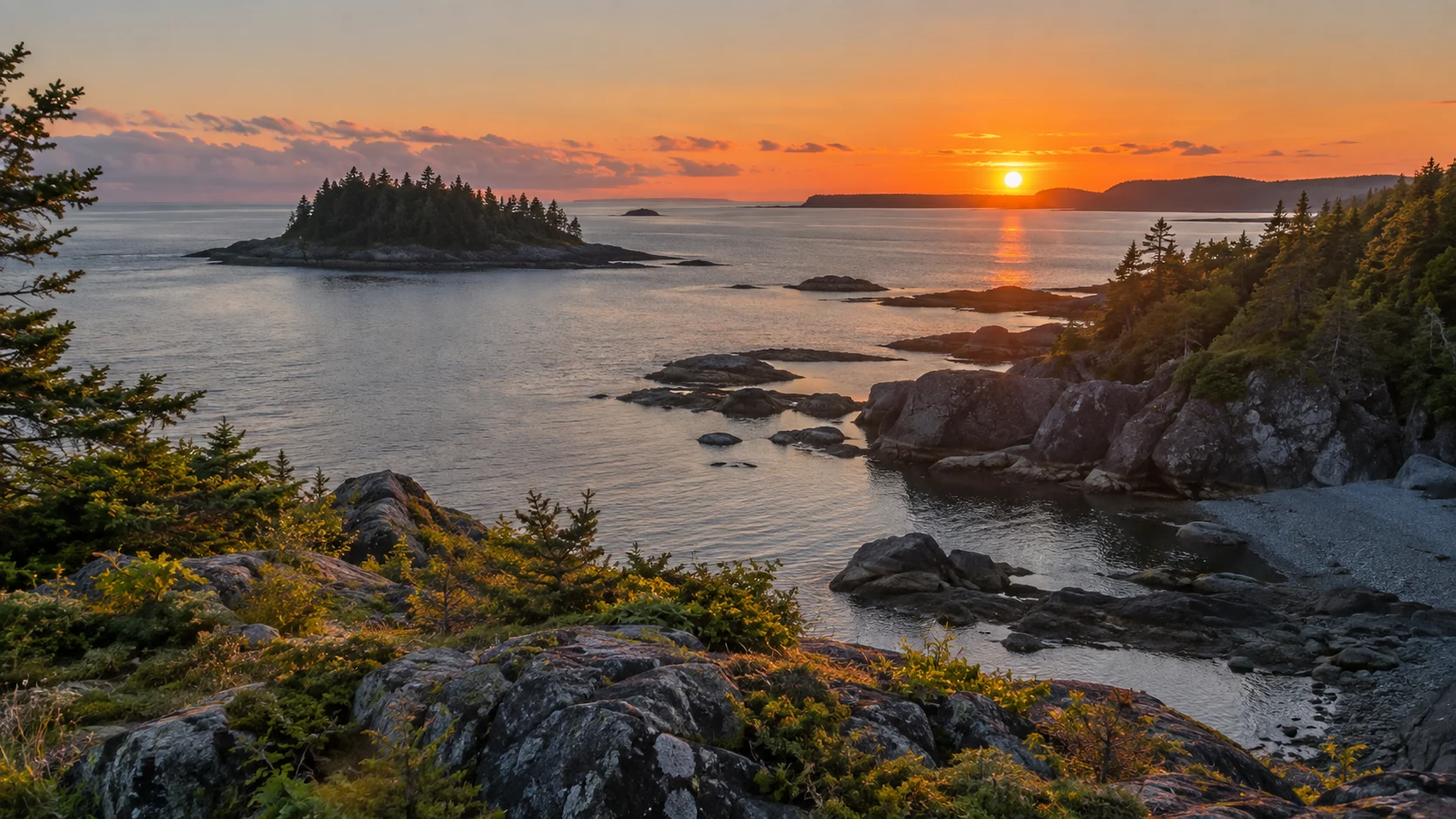
Bic: Best Compact Estuary Park
Parc national du Bic offers capes, coves, islands, shoreline, forest, and St. Lawrence estuary views near Rimouski. Its compact geography makes it easier to understand than Gaspésie, though tides and trail conditions still shape the day.
Bic is a strong stop on the way around the Gaspé Peninsula or as part of a Bas-Saint-Laurent trip. Give it a night if sunrise, sunset, cycling, or more than one trail matters.
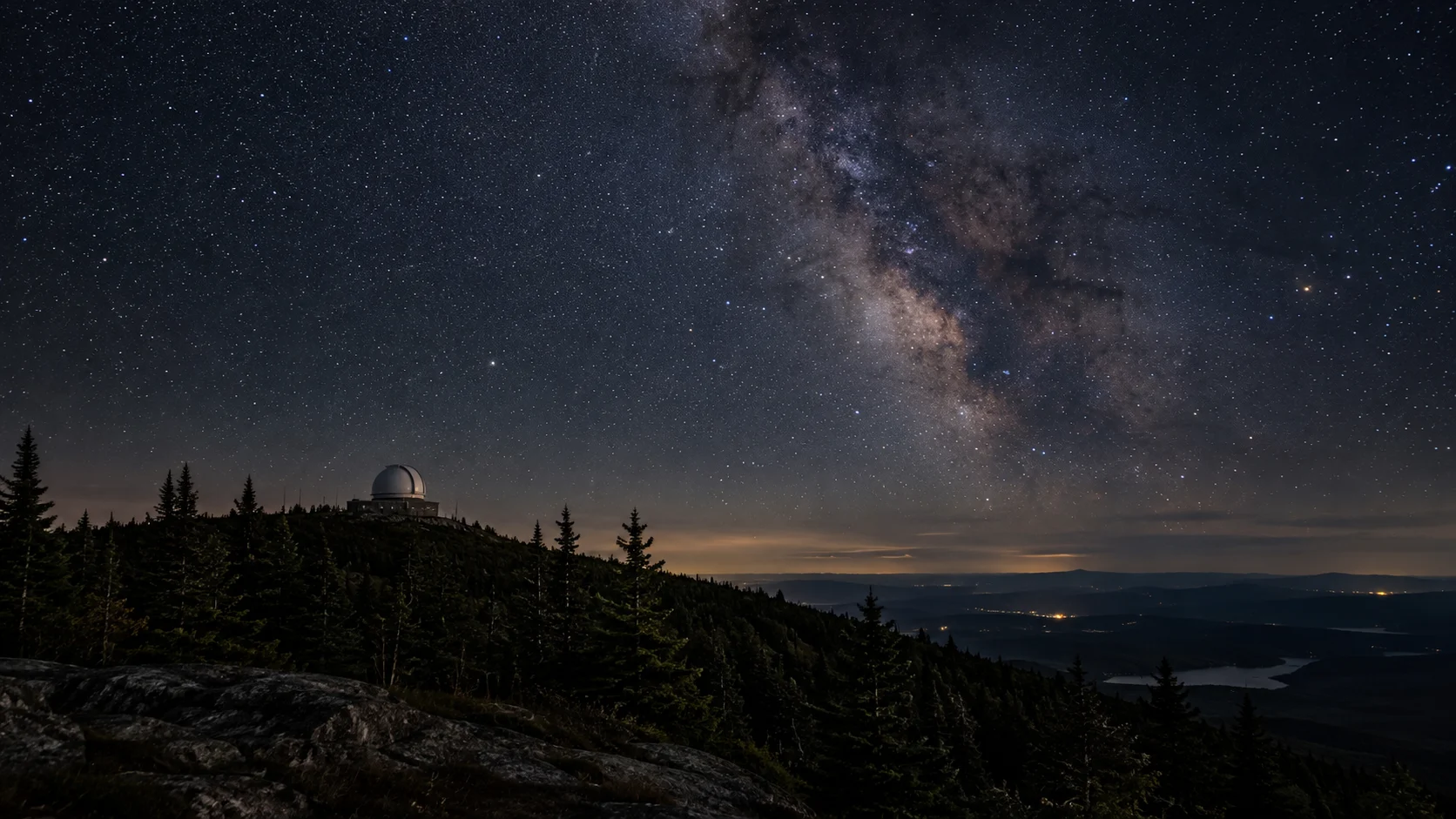
Mont-Mégantic: Best for Dark-Sky Interests
Parc national du Mont-Mégantic combines hiking with astronomy programming in an internationally recognized dark-sky region. Daytime park access and evening astronomy products are not necessarily the same ticket, location, or schedule.
Cloud cover can hide the sky even when the program operates. Book the experience you value, then make the trip worthwhile with hiking, interpretation, and an overnight rather than demanding a guaranteed clear night.
Federal Parks in Quebec
Parks Canada currently lists Forillon National Park, La Mauricie National Park, and Mingan Archipelago National Park Reserve in Quebec. Its national park directory is the authoritative starting point for federal passes and reservations.
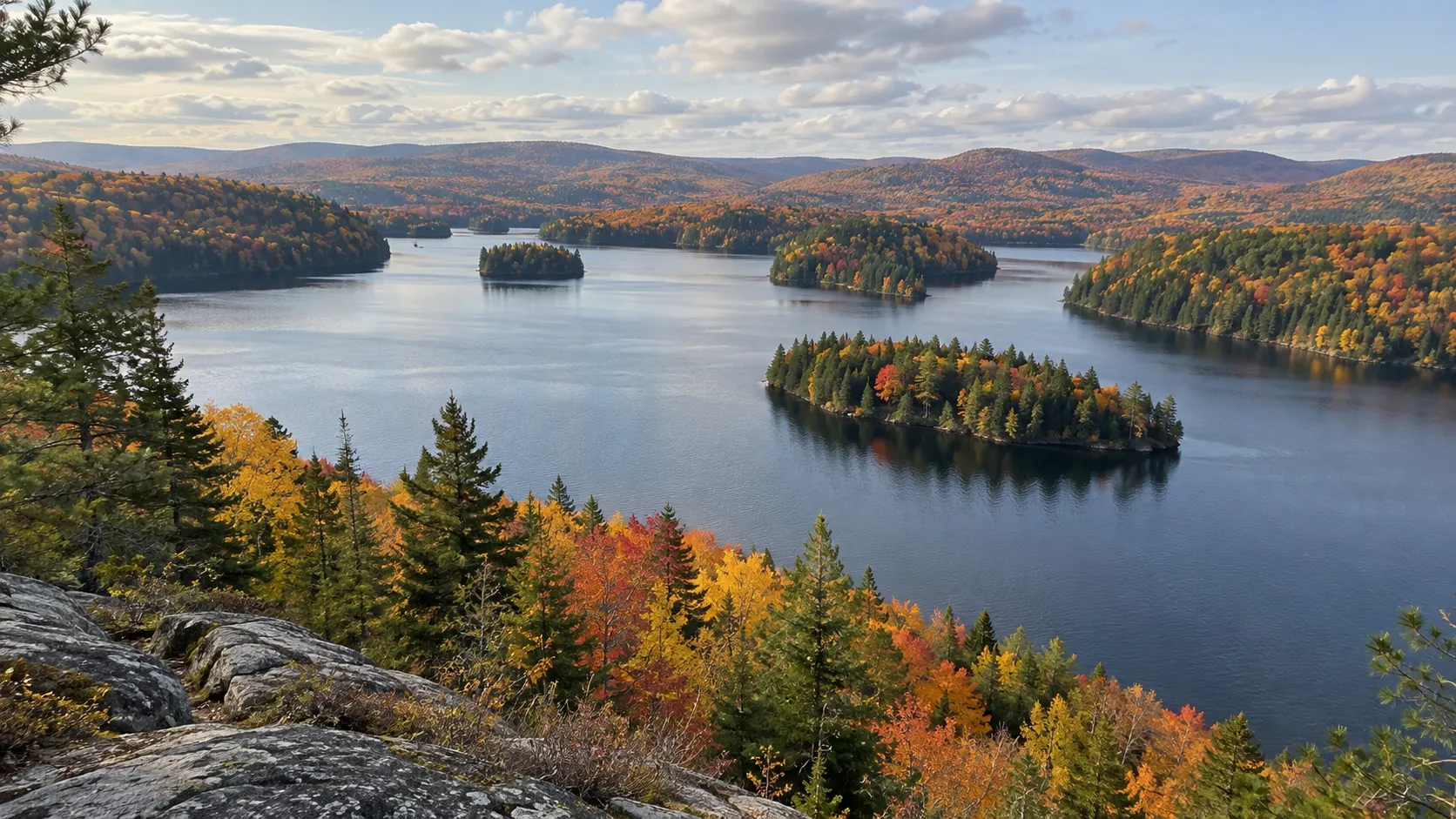
La Mauricie
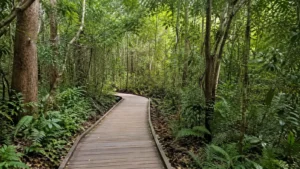
La Mauricie is the easiest federal park to add between Montreal and Quebec City, though a car is the practical choice for most visitors. Lakes, forest, paddling, hiking, camping, and winter use make it a flexible two-night stop.
The park covers 207 square miles, so a pin at the boundary does not reveal drive time to an activity. Confirm the operating sector, entrance, internal road, parking, and equipment plan.
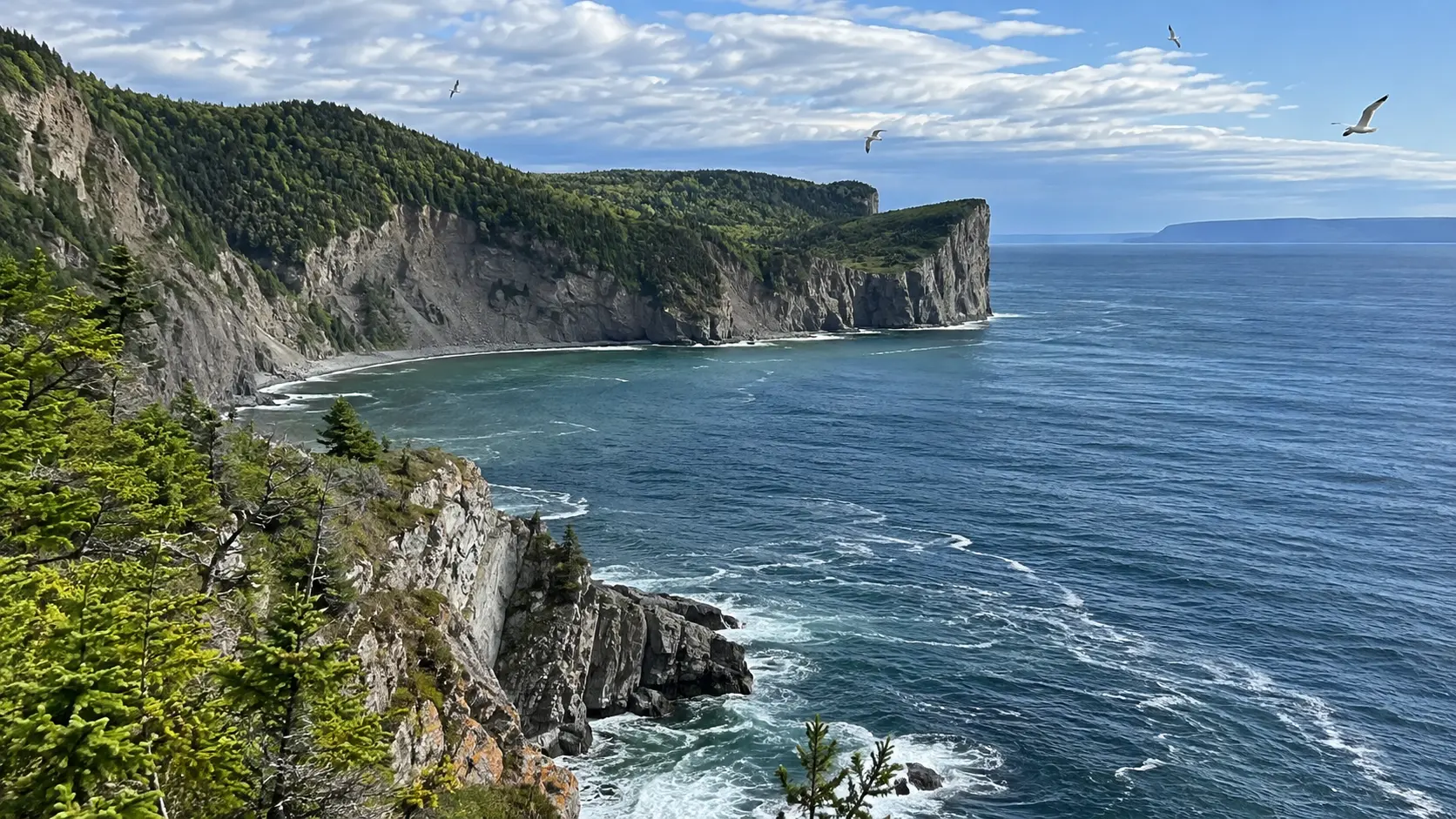
Forillon
Forillon anchors the northeastern end of the Gaspé Peninsula with headlands, cliffs, beaches, historic places, hiking, and marine views. It is a destination within a long road trip, not a quick extension from Percé after a full island day.
Allow at least two nights nearby and keep a weather-flexible day. Boat trips, wildlife, trail access, camping, and coastal conditions remain variable.
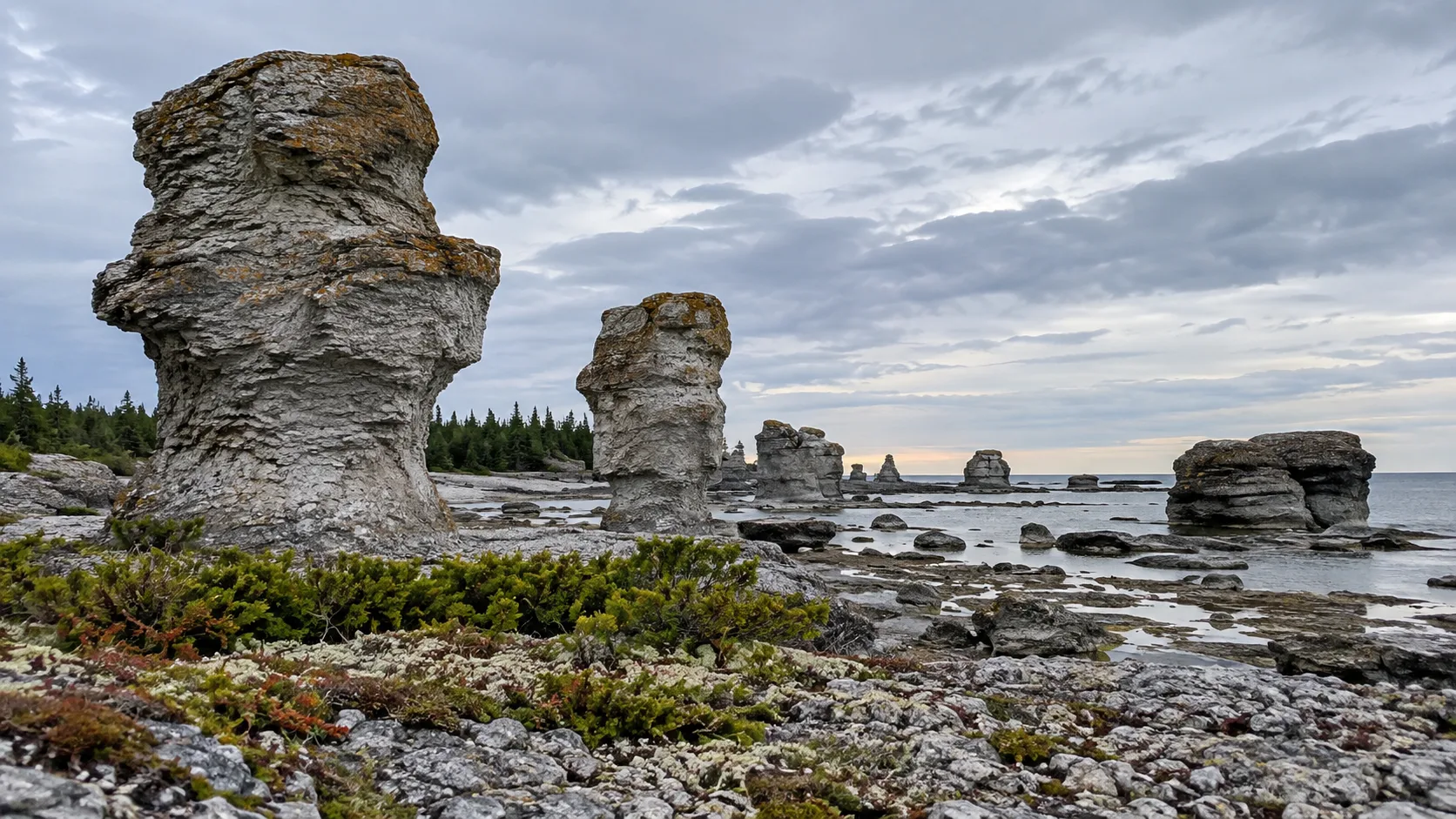
Mingan Archipelago
Mingan protects limestone islands and monoliths along Quebec’s North Shore. Reaching the islands typically requires an authorized boat operator, and weather can change departures, landings, and what is comfortable or safe.
This is the best choice for travelers willing to build the journey around coast, boats, and remote logistics. It is the wrong park for a traveler expecting to drive to the signature formation and walk five minutes.
Build a Route That Fits
Four days from Montreal
Choose one local park day and two nights around Mont-Tremblant, then keep the final night near the city or airport. Do not add Quebec City merely because the road exists.
Five days from Quebec City
Use Quebec City for two nights, Jacques-Cartier for one or two, and either Charlevoix park for the remaining time. Montmorency Falls can be a separate developed stop, and the waterfall planning notes explain why attraction facilities should be checked independently.
Seven to ten days for Saguenay and Charlevoix
Pair Jacques-Cartier, one Charlevoix park, and one Fjord-du-Saguenay sector. Add Tadoussac only after accounting for roads, ferry crossings where applicable, tours, and a weather backup.
Ten to fourteen days for Gaspésie
Use Bic, Gaspésie, Forillon, and Bonaventure Island as distinct anchors around the peninsula. The Quebec road-trip itinerary helps connect the regions without pretending every park fits.
Reservations, Pets, and Rules
Purchase the correct daily access or pass and reserve camping, lodging, parking, boats, shuttles, rentals, or headline activities when required. A campsite reservation may not include every access charge or activity.
Dogs are allowed only in designated locations and seasons at most Sépaq national parks, with exceptions including Anticosti and Île-Bonaventure-et-du-Rocher-Percé. Sépaq’s current pet policy controls, and service animals have separate provisions.
Fishing requires the proper provincial license and compliance with zone, species, season, and park rules. Boat rentals, swimming, fires, drones, food storage, and backcountry travel also have site-specific restrictions.
Weather and Safety
Quebec park weather changes sharply by region, elevation, coast, and season. Pack rain protection, insulation, sun protection, insect defense, water, food, and navigation for the actual outing rather than the city forecast.
Cell coverage may be weak, and black bears, moose, tides, cold water, cliffs, and fast-changing mountain conditions require attention. Follow official closure signs, store food correctly, and never approach wildlife for a photograph.
For a broader protected-area comparison, this list of beautiful national parks worldwide is inspiration only. Quebec planning still begins with the exact manager, sector, access product, and live conditions.
Acropole-des-Draveurs: the actual hiking commitment
Sépaq lists Acropole-des-Draveurs as an 11.2 km (seven-mile) round trip with 800 m (2,625 feet) of ascent, taking four to six hours from Le Pin-Blanc campground at road kilometer 6. I would allow most of the day once access, breaks, and the descent are included, and choose it only for a group comfortable with sustained steep walking.
Entry windows are part of the plan: departures are authorized from sunrise until 2 pm, tightened to noon from September 1, with descent required at least three hours before sunset. Check Sépaq’s trail-specific instructions for seasonal opening, weather closures, shuttle arrangements, and the park-access reservation before committing.
For a gentler visit in the same park, start Les Rapides at Le Cran campground and walk a short out-and-back beside the river, choosing a 30-to-60-minute turnaround instead of completing the entire route. It offers river sound and valley scenery without the summit climb, and lets everyone use the same park base while choosing a day that matches their energy.
My Final Recommendation
For a first Quebec park, choose Jacques-Cartier from Quebec City, Mont-Tremblant from Montreal, or La Mauricie for a two-city road trip. Each gives strong scenery without requiring the long logistics of Gaspésie or the North Shore.
When time reaches ten days, Gaspésie becomes the standout route because mountains, estuary, cliffs, islands, and two park systems finally have room to breathe. The best Quebec national park is the one whose sector, season, reservations, and travel time you planned correctly.