Iceland Travel Guide: A Realistic 8-Day Route
Iceland can make a simple road trip feel like an expedition, sometimes before breakfast. The smartest first visit is not the route with the most map pins, but one with waterfalls, black sand, glaciers, geothermal water, and enough breathing room for the weather to rewrite an afternoon.
Is Iceland worth visiting?
Yes, especially if wild landscapes matter more to you than bargain dining or predictable weather. Iceland packs waterfalls, lava fields, geothermal areas, glaciers, and a genuinely enjoyable small capital into a trip that can work without crossing the whole country.
The honest catch is cost, crowds at famous stops, long drives, and weather that can cancel a carefully booked plan. Travelers who leave room for change usually enjoy Iceland more than those who schedule every hour like a military operation.
The best first Iceland trip in one sentence
Give Reykjavík one full day, drive the Golden Circle, then travel the South Coast slowly enough to spend two nights in the glacier-lagoon region. Return west with a buffer day before your flight rather than racing around the Ring Road in eight days.
A realistic eight-day Iceland itinerary
Day 1: Arrive and settle into Reykjavík
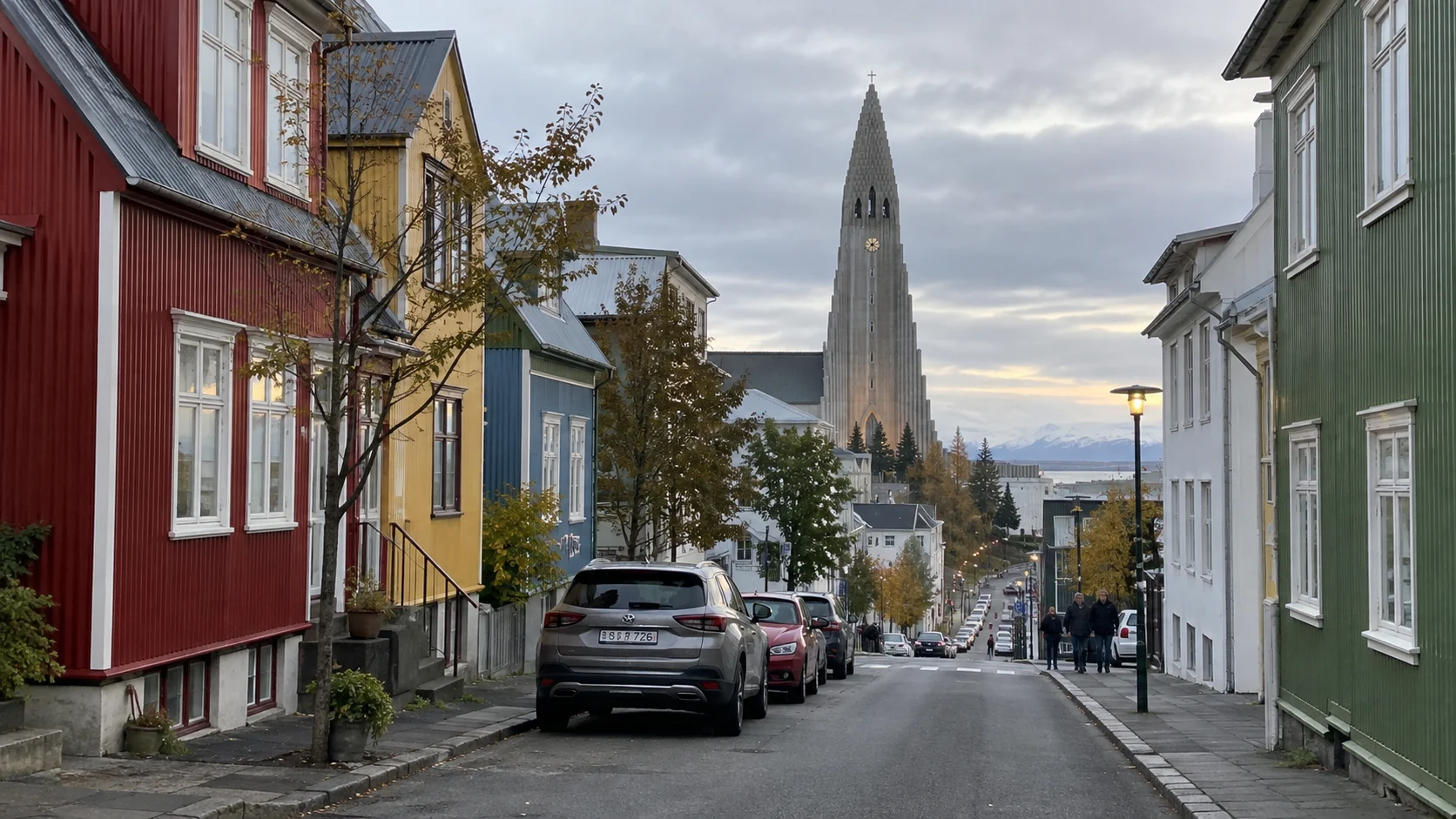
Collect the car only if you feel rested enough to drive, then keep the first day gentle. Walk central Reykjavík, see Hallgrímskirkja and Harpa, browse the harbor area, and eat before jet lag turns choosing dinner into a major policy decision.
Keflavík International Airport is outside Reykjavík, so airport arrival does not place you downtown. Compare a rental car, scheduled airport coach, or private transfer by your arrival time and hotel location.
Do not schedule a distant waterfall immediately after a red-eye flight. Strong wind, roundabouts, darkness, and unfamiliar road signs demand an alert driver even when the pavement looks easy.
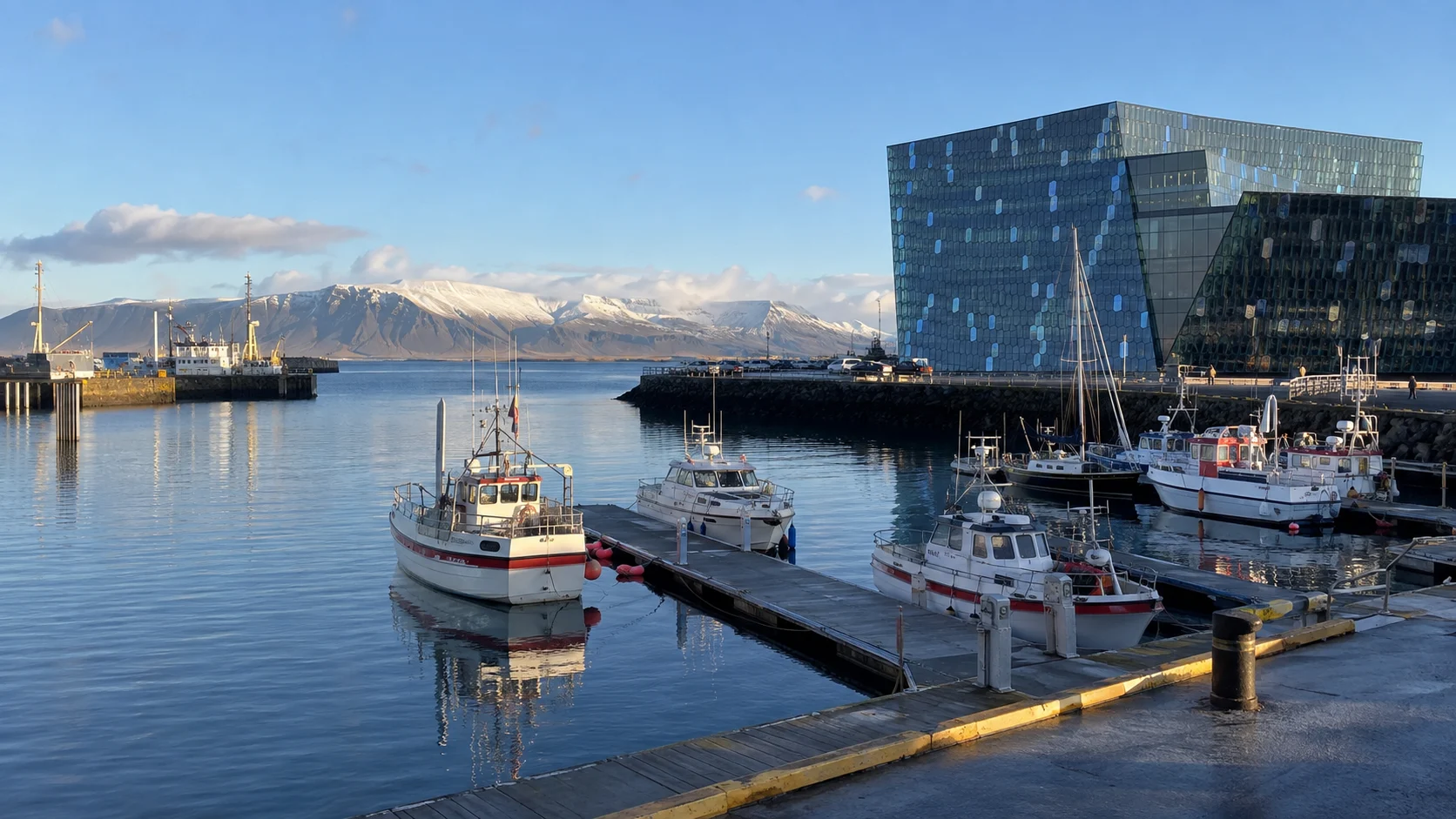
Day 2: Reykjavík without rushing
Use a full city day for a museum, a public pool, coffee, and the waterfront rather than treating Reykjavík as a refueling station. The National Museum or Settlement Exhibition adds context that makes later landscapes feel like inhabited places rather than an eight-day geology montage.
Icelandic pools are everyday community spaces, and showering without a swimsuit before entering the water is standard hygiene. Follow posted instructions, keep phones out of changing areas, and relax once the unfamiliar part is over.
If a destination spa matters, compare location, cancellation terms, water temperature, atmosphere, and total time rather than brand recognition alone. The options in this Iceland hot springs comparison make that choice much easier.
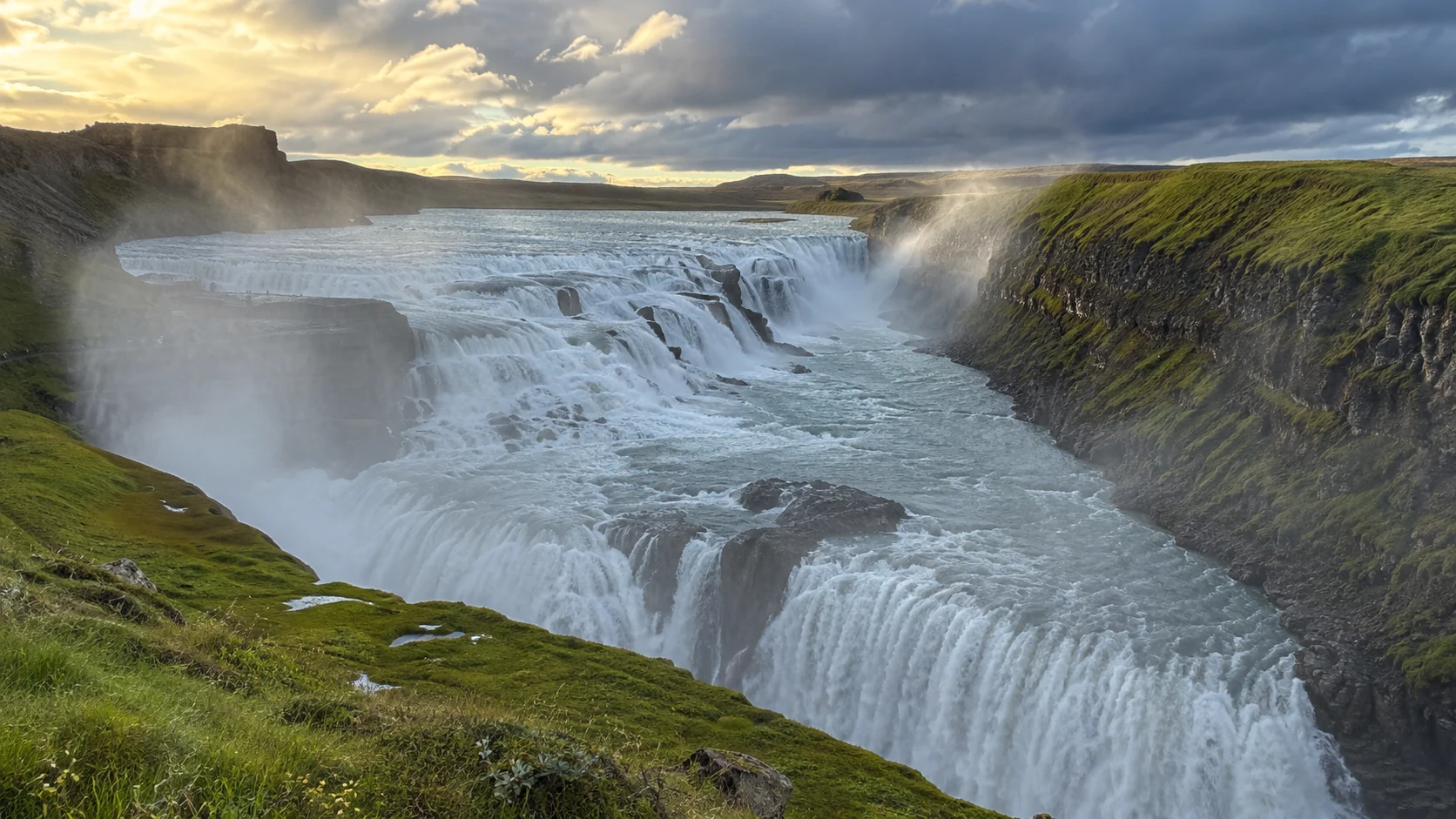
Day 3: The Golden Circle
Drive to Þingvellir National Park first, then continue toward the Geysir geothermal area and Gullfoss. Add one smaller stop only if daylight, weather, and energy allow, because the main three deserve more than parking-lot photographs.
Þingvellir has multiple parking areas, and service fees apply near popular attractions. Save your parking confirmation, use marked paths, and allow time to understand the site’s cultural importance as well as its visible rift landscape.
Stay near Selfoss, Hella, or Hvolsvöllur rather than returning to Reykjavík. That one choice reduces backtracking and puts tomorrow’s waterfalls in the right direction.
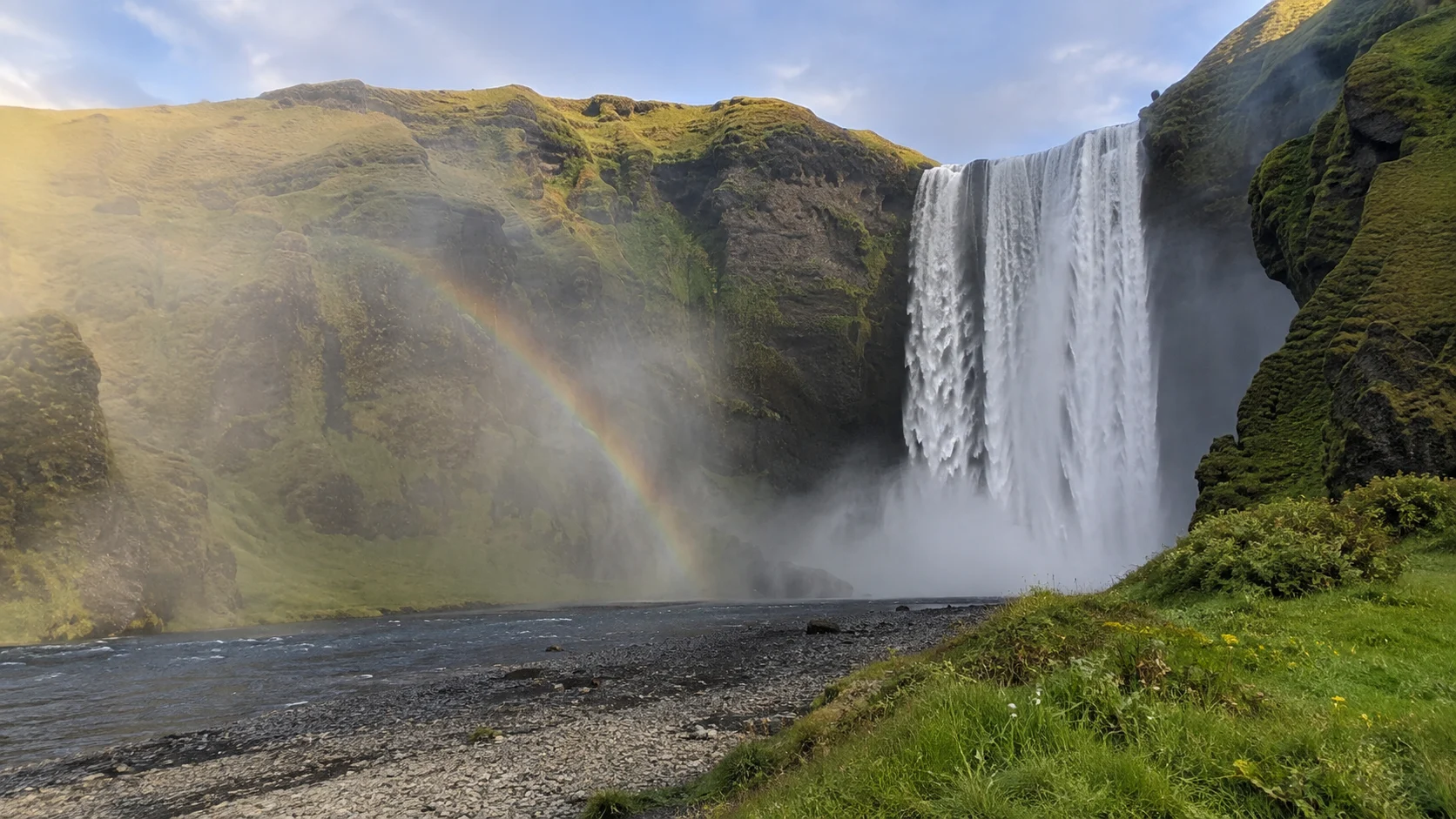
Day 4: South Coast waterfalls and Vík
Start with Seljalandsfoss and Skógafoss, checking access and trail conditions before any side path. Waterproof layers matter around waterfalls, while winter ice can turn a photogenic staircase into a very serious surface.
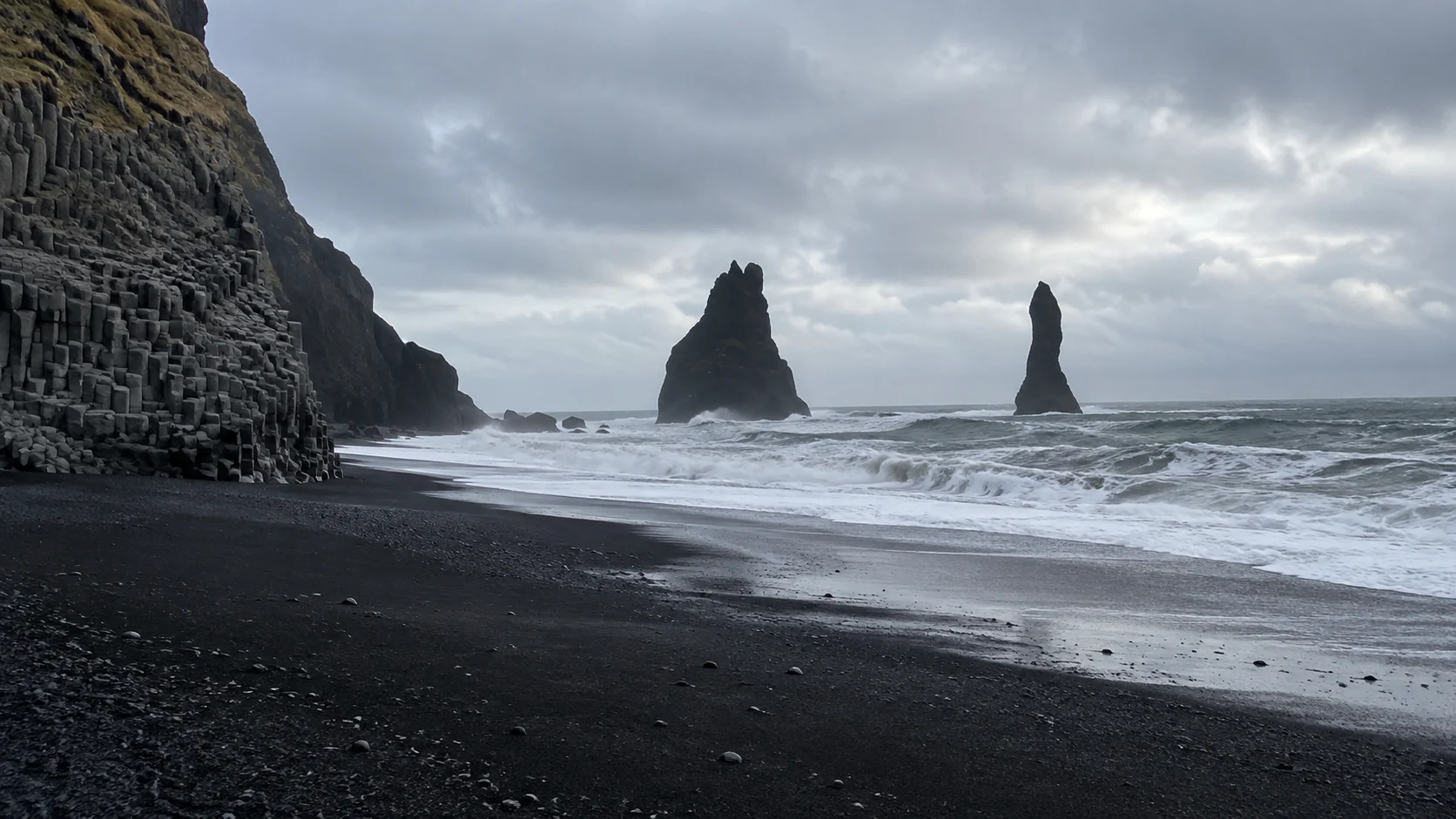
Continue toward Vík and visit Reynisfjara only under the posted safety system. Sneaker waves have killed visitors here, so never turn your back on the ocean, climb on unstable formations, or follow another tourist closer to the surf.
Safetravel’s live black-beach safety page explains yellow, orange, and red conditions. Orange requires staying at least 82 feet from the sea, while red closes beach access and limits visitors to the designated viewpoint.
Sleep in or near Vík. Driving onward late just because the sky is bright is a bad trade if the driver is tired or wind is rising.
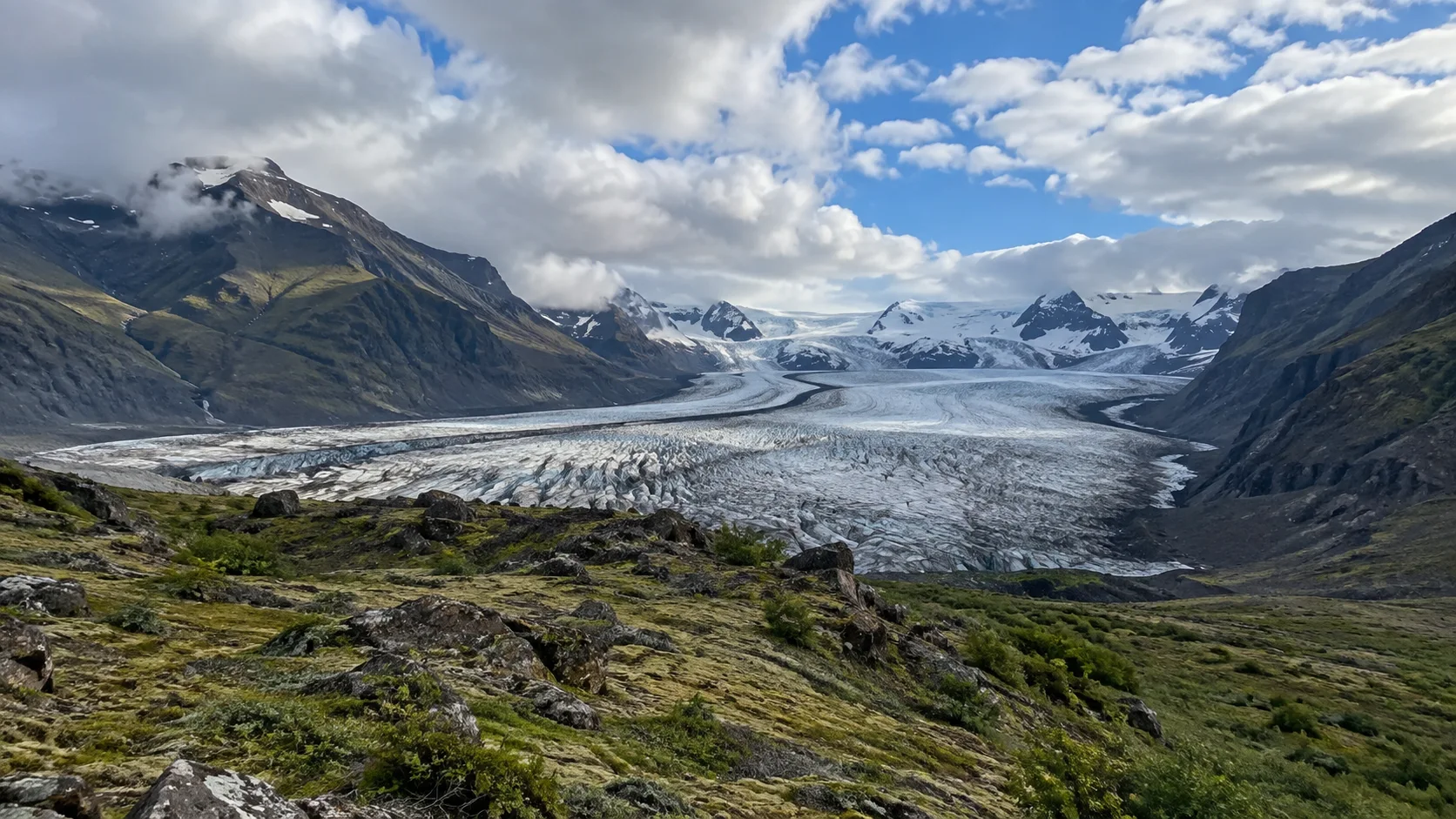
Day 5: Vík to Skaftafell
Leave Vík for the landscapes around Kirkjubæjarklaustur and Skaftafell, choosing stops after checking roads that morning. Fjaðrárgljúfur can be beautiful, but fragile paths sometimes close for protection, and a closure is not an invitation to invent your own overlook.
At Skaftafell, choose a marked hike that fits current daylight, footing, and fitness. Shorter paths lead toward Svartifoss or Skaftafellsjökull, while longer routes belong on a day with reliable conditions and proper gear.
The Vatnajökull National Park Skaftafell page posts current closures and visitor information. The area is accessible year-round when weather and roads permit, but conditions can change rapidly outside summer.
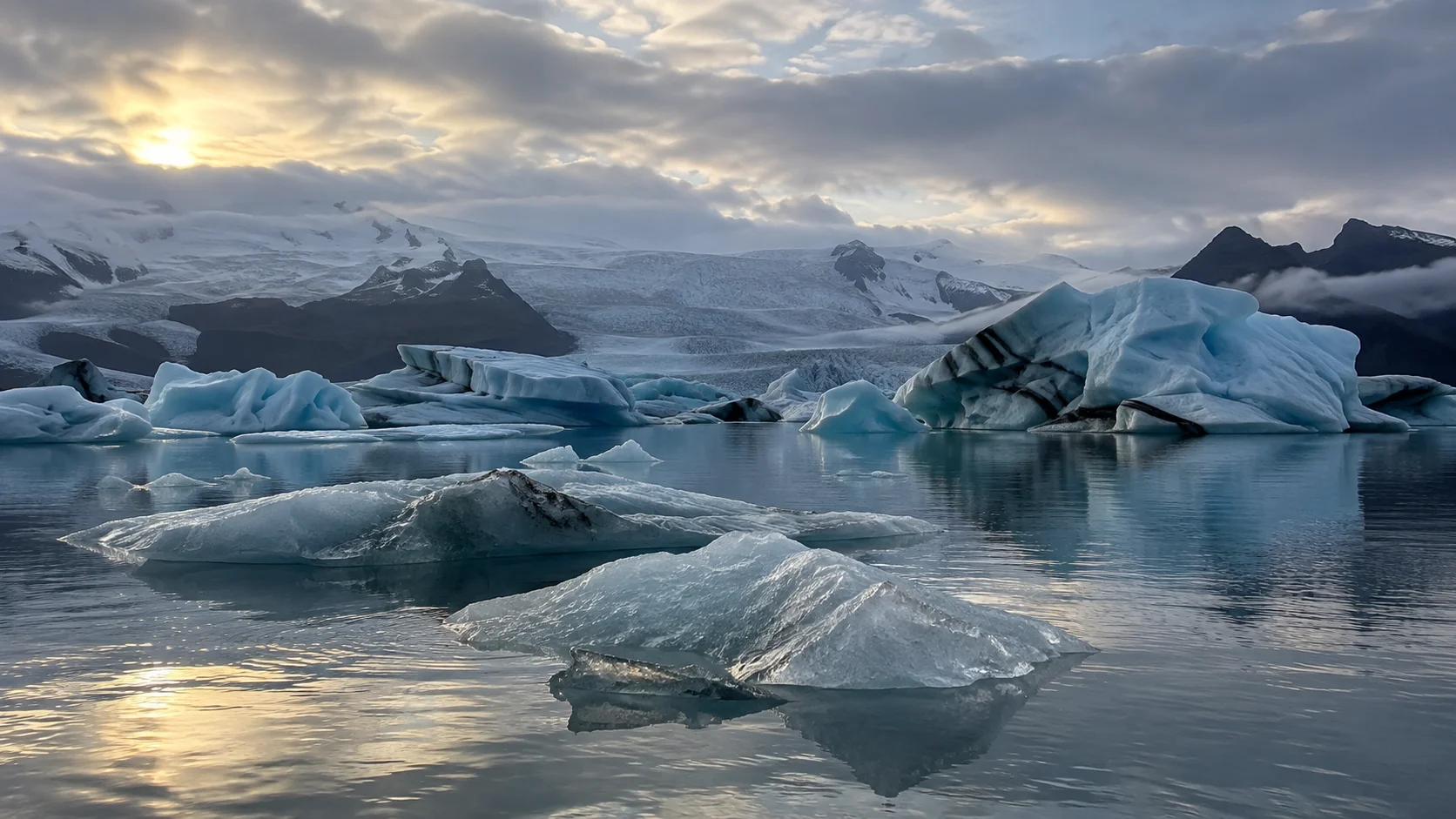
Day 6: Jökulsárlón and a second southeast night
Give Jökulsárlón glacier lagoon and nearby ocean shore a proper morning instead of squeezing them into a turnaround drive from Reykjavík. Ice moves, weather shifts, and every visit looks different, which is part of the point.
Stay on visitor paths, keep away from floating ice at the shoreline, and never climb onto an iceberg for a photograph. Book glacier walks, ice caves, or boat trips only with an established operator using the appropriate seasonal equipment and safety briefing.
Skaftafell and Jökulsárlón charge regional parking fees, with the exact amount and payment system subject to change. A second night in the southeast gives you time for one guided activity without turning the entire day into a race west.
Day 7: Return west with a real buffer
Drive back toward Hella, Selfoss, or Reykjavík, using this as the flexible day for a stop lost to earlier rain or wind. The repeated road is not wasted because light, visibility, and waterfall conditions can transform the same landscape.
Keep the evening simple and fill the fuel tank before it becomes urgent. If an attraction on Reykjanes is under a closure or hazard notice, do not substitute social-media optimism for official instructions.
Day 8: Reykjavík, Reykjanes, or departure
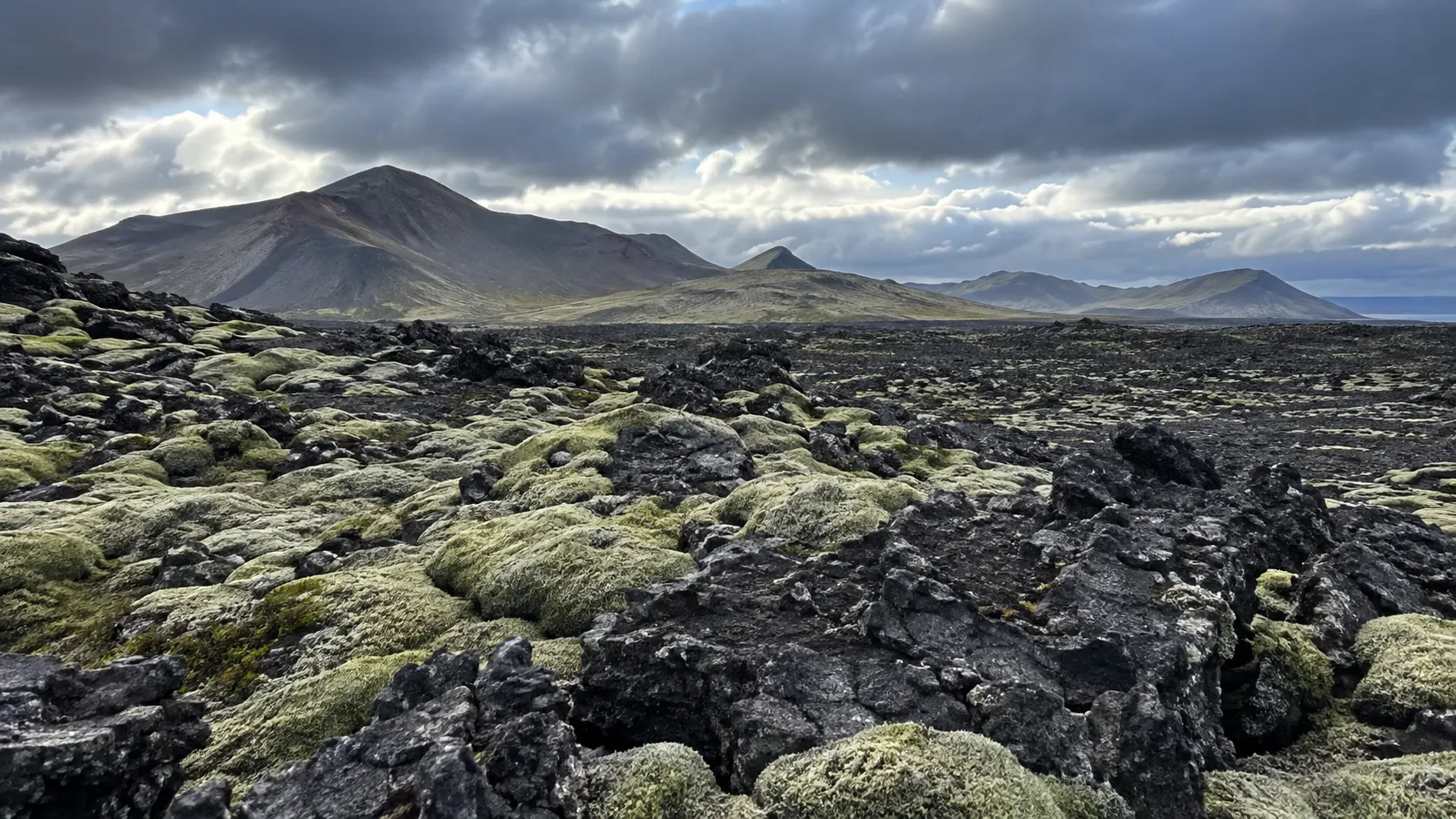
If the flight is late and official conditions allow, use the final hours for Reykjavík or a legal open stop on the Reykjanes Peninsula. Keep enough time for the rental return, fuel, airport procedures, and a road delay.
Reykjanes access can change with volcanic activity, gas pollution, road closures, and emergency work. Treat the official alert map as the plan, even if an old blog post promises a perfect detour.
Why I would not drive the Ring Road in eight days
Iceland’s Route 1 circles roughly 820 miles before sightseeing detours, lodging drives, and weather reroutes. Eight days can cover it in favorable summer conditions, but “possible” and “pleasant first trip” are not the same thing.
The Ring Road version leaves less time for hikes, changing conditions, or a canceled activity. Save northern and eastern Iceland for a longer journey, then let this route feel like a vacation instead of an endurance event.
Cruise travelers face a different planning puzzle because their time is organized around port calls rather than a road-trip loop. The Iceland cruise ports breakdown helps match limited shore time to Akureyri, Reykjavík, Ísafjörður, and other calls.
When to visit Iceland
Summer
Summer brings very long daylight, the broadest access, and the easiest conditions for this itinerary. It also brings higher demand, busy attractions, and no promise of warm or dry weather.
Long daylight can encourage dangerously long driving days. Set a realistic stopping time because your body needs rest even when the horizon still looks like late afternoon.
Spring and fall
These shoulder periods can offer lower demand and a mix of daylight and darkness, but conditions are less predictable. Some tours, roads, restaurants, and accommodations operate seasonally, so check the exact dates rather than trusting a generic monthly guide.
September and early spring may offer northern-light darkness, yet clouds can erase the show for several nights. Plan a good daytime trip first and treat the aurora as a brilliant bonus.
Winter
Winter delivers short days, snow, ice, storms, and the possibility of road closures. The eight-day route needs more buffers, and a guided base itinerary may suit travelers without winter-driving confidence.
Never build a winter schedule around summer driving estimates. Darkness, blowing snow, black ice, and high wind can turn a familiar-looking highway into a slow or impossible journey.
Driving in Iceland without learning the hard way
Check the Icelandic Road and Coastal Administration’s live road map every travel day. “Open” does not mean dry, calm, or comfortable for an inexperienced driver, so pair road status with the forecast.
Use the Icelandic Meteorological Office’s forecast and warning service for wind, precipitation, and hazard alerts. Check conditions before breakfast and again before a long leg, because yesterday’s screenshot is not a forecast.
Highland F-roads are not part of this itinerary. They can involve rough surfaces and unbridged rivers, not every four-wheel-drive vehicle is suitable, and rental agreements may ban specific roads or water crossings.
Driving off marked roads is prohibited and can damage moss or volcanic ground for years. A photogenic pullout is not legal parking unless your whole vehicle can leave the travel lane on a permitted surface.
Do you need a car?
No, but a car makes this exact route far easier. Travelers who prefer not to drive can base in Reykjavík for Golden Circle and South Coast tours, then book a multiday southeast trip rather than stitching together unrelated day excursions.
A small two-wheel-drive car can suit paved summer travel in good conditions if the rental agreement permits every road. Four-wheel drive improves capability but does not create traction, visibility, judgment, or permission to enter a closed road.
What to pack
Bring a waterproof shell, warm midlayer, sturdy shoes, gloves, hat, swimsuit, quick-dry towel, reusable bottle, charging cable, and daypack. Pack clothing in layers because wind and rain matter more than an average temperature chart.
A sleep mask helps under summer’s bright nights, while winter calls for traction suited to the activity and advice of local operators. Do not carry crampons as magical permission to enter a closed or unsafe trail.
Binoculars are more respectful than approaching wildlife, and a lens cloth is a tiny hero around waterfalls. If coastal details make you happy, the Iceland lighthouse route ideas can add sensible stops without turning every gravel lane into a treasure hunt.
Entry and practical basics
Iceland is in the Schengen Area, and requirements depend on nationality, passport validity, trip length, and travel history. The government entry-requirements page is the right place to verify your documents before booking.
Cards are widely useful, but carry a physical payment card and know its PIN for unattended terminals. Download offline maps, save lodging phone numbers, and keep emergency number 112 available.
Travel insurance should fit your health, activities, rental arrangements, and cancellation risks. Glacier walks, winter driving, and weather disruption deserve more attention than the cheapest policy name on a comparison screen.
Common Iceland mistakes
- Driving immediately after an overnight flight while exhausted
- Planning five major sights every day
- Trusting one weather app instead of official alerts
- Walking toward waves for a dramatic Reynisfjara photo
- Stopping in the road because the scenery is beautiful
- Assuming four-wheel drive makes every route safe
- Stepping off marked paths onto moss or fragile ground
- Booking the final long drive on departure morning
Iceland travel FAQs
How many days do you need?
Seven to eight days is excellent for Reykjavík, the Golden Circle, and the South Coast to Jökulsárlón. Plan longer for a comfortable Ring Road trip, especially outside summer.
Is the Blue Lagoon essential?
No single spa is essential, and Reykjanes conditions can affect access. Choose the geothermal experience that fits your route, budget, preferred atmosphere, and current official guidance.
Final review
Iceland is absolutely worth the planning, but it does not reward a rigid checklist. The sweet spot is a simple route, a weather-aware driver, two or three memorable priorities, and enough empty space to accept that nature gets the final edit.
Take the eight days, skip the rushed Ring Road, and let the South Coast unfold at human speed. You will still miss places, which is not a planning failure but a very good reason to return.